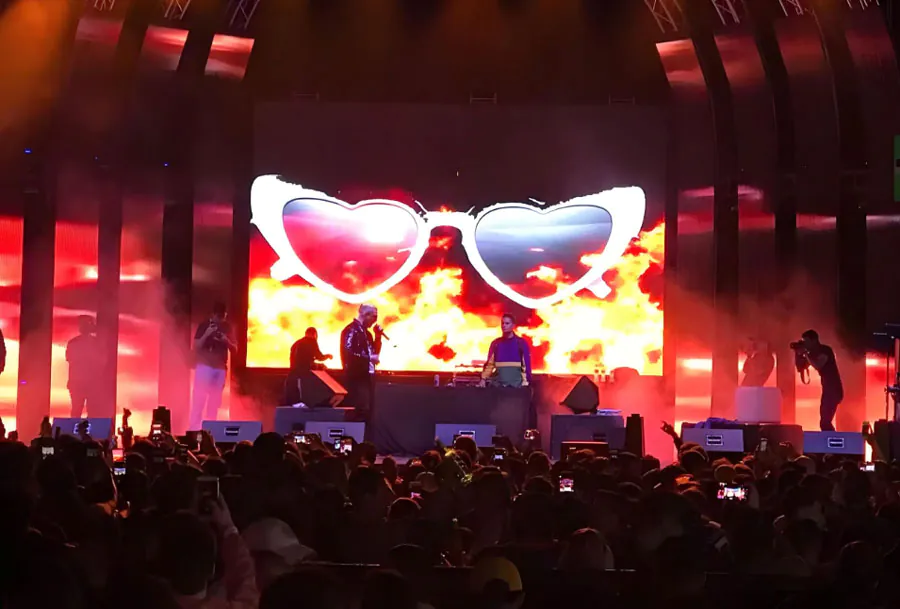
Stage LED Screen Rental Complete Guide for Events and Performances

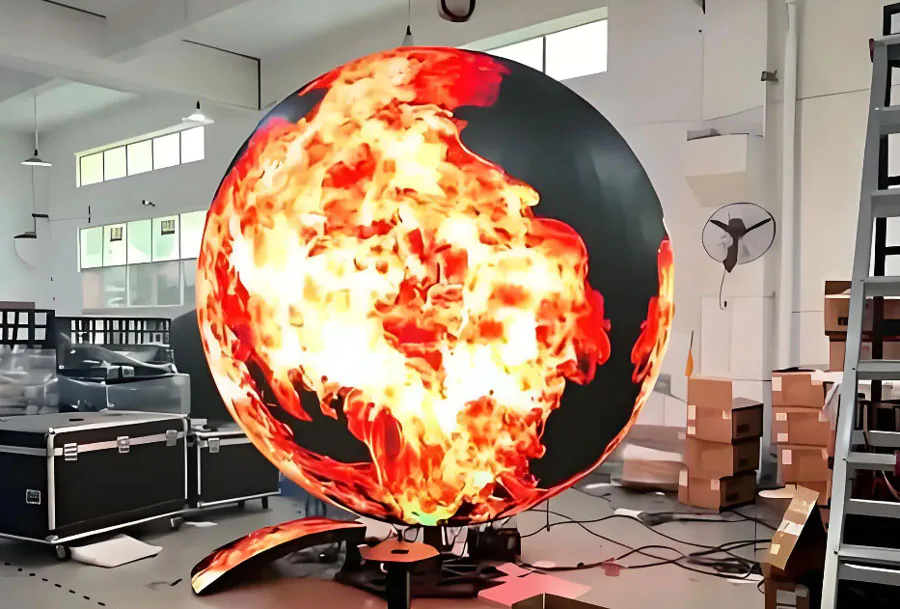
LED screens have become a standard component for concerts, corporate events, festivals, theater productions, and live performances. They offer high brightness, flexible sizing, and dynamic content display that helps capture audience attention and enhance storytelling. Renting stage LED screens is often more practical and cost-effective than purchasing for single or occasional events. This guide covers everything event planners, production managers, and venue operators need to know to rent, specify, and deploy LED screens successfully.
Understanding LED Screen Basics
What Is Pixel Pitch?
Pixel pitch (measured in millimeters, e.g., 2.6mm, 3.9mm, 6mm) is the distance between the center of one pixel and the center of the next. Smaller pixel pitch means higher resolution and closer optimal viewing distance. For indoor stages and close audiences, choose lower pixel pitch (P2–P4). For large outdoor stages or distant viewing, P6–P10 or higher can be acceptable.
Brightness and Contrast
Brightness is measured in nits (cd/m2). Outdoor screens typically need 5,000–7,000 nits to counter daylight, while indoor screens often perform well at 800–2,500 nits. Contrast ratio affects color depth and image punch — higher contrast produces deeper blacks and more vibrant visuals, which is crucial for theatrical effects and broadcast shots.
Types of LED Panels
– Front-access vs. rear-access panels: Front-access is easier when only the front is reachable, common in tight rigging. Rear-access allows faster service in some builds.
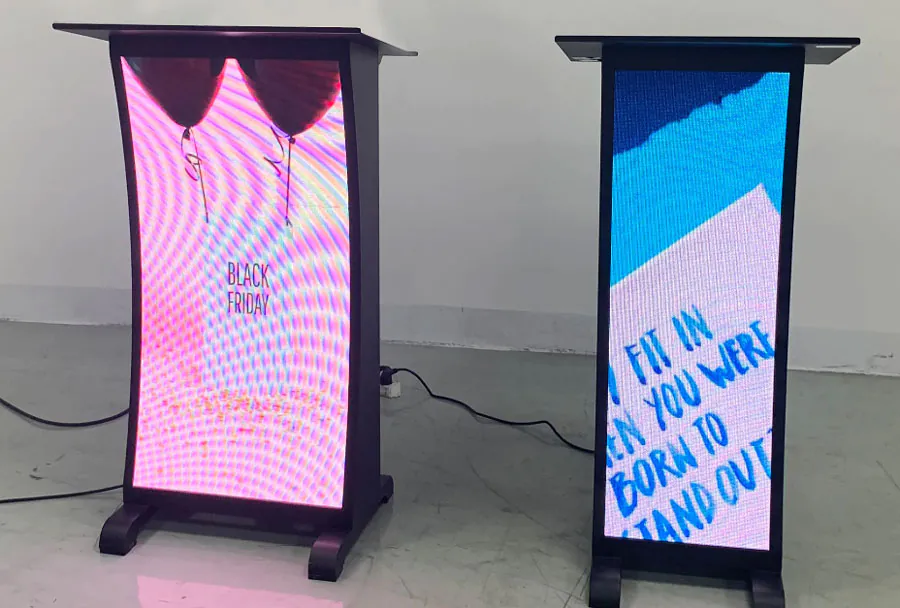
– Curved/flexible panels: Used for immersive or wraparound stage designs.
– Outdoor-rated (IP65 or higher): Required for all-weather conditions, sealed against moisture and dust.
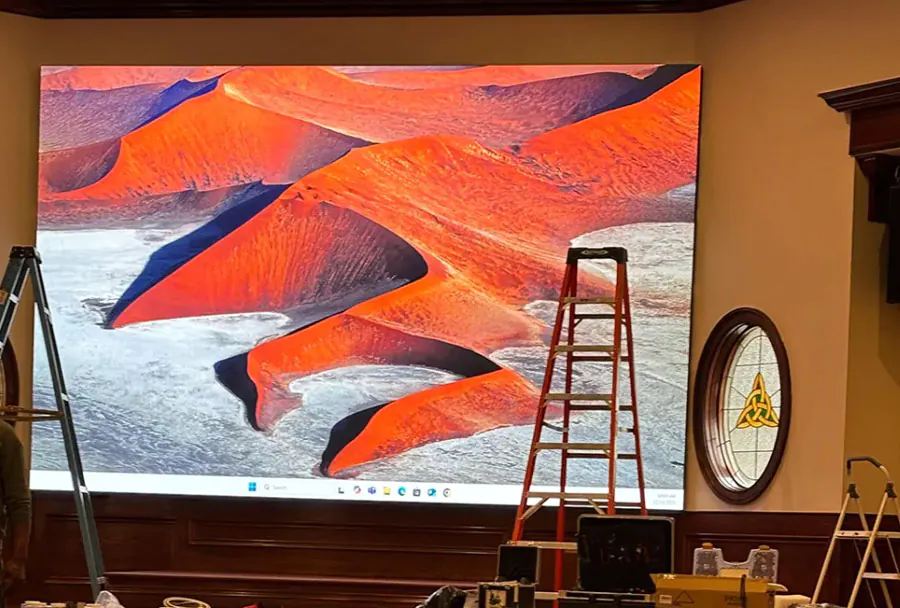
– Fine-pitch indoor panels: For close-up corporate events and small venues.
Assessing Event Needs
Audience Size and Viewing Distance
Calculate the farthest and nearest viewing distances. A useful rule: optimal viewing distance is roughly 1.5 to 3 times the screen width for LED walls, but also consider pixel pitch: ideal viewing distance (meters) ≈ pixel pitch (mm) × 1.5. For example, a P4 screen yields good clarity from about 6 meters (approx.) outward.
Venue Constraints
Assess load-bearing points, rigging options, ceiling height, sightlines, and backstage space. Indoor venues may have limited rigging points so floor-mounted or ground-supported frames could be necessary. Outdoor events require ballast, secure anchoring, and wind load calculations.
Content Type and Source Resolution
Match the LED resolution with your content. If your content is HD (1920×1080), avoid choosing a screen resolution much lower than the content. For large displays, consider the native pixel matrix and whether scaling artifacts will affect image quality. Live video feeds need reliable video processors and switchers to manage frame rates and signal conversions.
Technical Specifications to Request from Rental Providers
Panel Size and Resolution
Ask for exact module dimensions, pixel pitch, and tile resolution so you can plan the final LED wall resolution and aspect ratio.
Brightness (Nits) and Color Calibration
Confirm peak and sustained brightness, and whether the rental includes on-site color calibration (essential for seamless panels and accurate brand colors).
Control System and Inputs
Verify control system compatibility (Pixel mapping controllers, NovaStar, Brompton, etc.), supported inputs (HDMI, SDI, DVI), and whether the supplier provides a scaler or media server.
Power Requirements and Cabling
Request per-panel voltage/current draw, connector types, and total power consumption estimate. Ensure your venue’s distribution can handle inrush current for cold start of many panels.
Rigging, Mounting, and Safety Certifications
Require details about mounting hardware, wind rating for outdoor builds, and inspection certificates for rigging points. Ask for the supplier’s riggers’ credentials and insurance coverage as well.
Cost Considerations and Typical Pricing Models
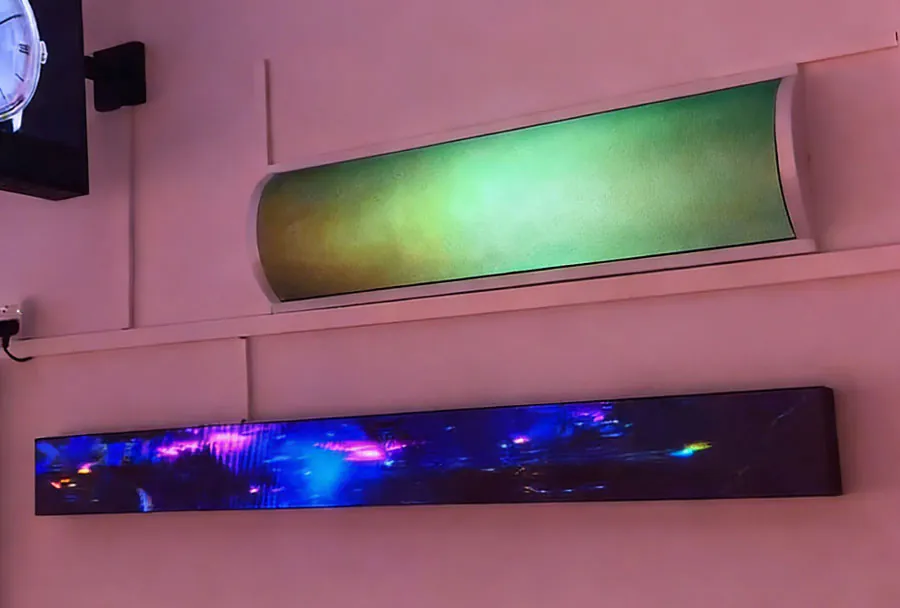
LED screen rental pricing varies widely depending on pixel pitch, screen size, duration, location, and additional services. Typical pricing components:
– Base screen rental (per square meter per day)
– Setup, rigging, and teardown labor
– Transport and logistics
– Video processor/media server and operators
– Power distribution and cabling
– Weatherproofing or special structural requirements
A quick example: indoor fine-pitch screens (P2–P4) can cost significantly more per square meter than larger pitch outdoor screens (P6+). Ask vendors for line-item quotes and multi-day discounts.
Operational Planning: Setup to Strike
Site Survey and Pre-Production
Perform a site visit with the vendor to confirm sightlines, power access, and cable runs. Provide floor plans, stage drawings, and any height restrictions. Confirm load capacities and emergency egress paths.
Rigging and Safety
Ensure certified riggers perform installations. Use redundant safety chains, check load limits, and plan for wind events at outdoor venues. Have an on-site safety officer, and maintain a log of daily inspections.
Power and Backup
Calculate total power needs and specify UPS or backup generators for critical events. LED panels have a steady draw but high inrush — coordinate with the rental company to stagger power-up sequences.
Signal Chain and Latency
Minimize latency for live video by using professional video processors and ensure synchronization when multiple displays are used. Test frame rates (50/60Hz) matching the cameras and playback devices to prevent flicker.
Content Management and Creative Uses
Designing for LED
Design content specifically for the LED wall’s aspect ratio and pixel density. Use bold fonts, high-contrast graphics, and avoid fine details that will be lost on larger-pitch screens. Motion graphics and real-time feeds should be optimized to avoid compression artifacts.
Mapping and Multi-Screen Layouts
When using multiple panels or stacks, plan for bezel lines and image blending. Many providers offer soft-edge blending and mapping tools; request demos during setup to verify seamless imagery.
Interactive and Immersive Experiences
Combine LED walls with stage lighting and projection mapping for immersive shows. Consider touch-enabled or camera-tracked interactivity for experiential events, but test thoroughly to avoid latency or calibration issues.
Logistics, Contracts, and Risk Management
Contracts and Service Level Agreements
Specify deliverables in contracts: panel counts, total square meters, resolution, brightness, installation/dismantle windows, penalties for late strike, and support hours. Define responsibility for damages and a policy for defective modules.
Insurance and Liability
Confirm the rental company carries adequate public liability and equipment insurance. Your event insurance should cover third-party damage and accidents. For high-profile events, require vendors to list you as additional insured.
Contingency Planning
Prepare backups: spare panels, power distribution spares, redundant control systems, and a contingency content playlist in case of live feed failure. For outdoor events, have a weather plan that includes coverings, shutdown procedures, and safe evacuation routes.
Maintenance and Troubleshooting Tips
Common Issues and Quick Fixes
– Dead pixels: sometimes swap affected module with a spare or reboot controller.
– Brightness inconsistency: run color calibration or check power feed balance.
– Flicker/scan lines: verify frame rate matching and grounding issues.
– Panel communication dropouts: confirm signal cable integrity and controller firmware updates.
Daily Checks
Inspect physical panels, confirm cable retention clips, run a color/gray-scale test, and check power distribution temperatures. Log anomalies and address them immediately to avoid cumulative failure during shows.
Sample Analysis Table: Comparison of Common LED Options
| Screen Type | Pixel Pitch | Best For | Optimal Viewing Distance | Estimated Rental Cost (per day) |
|---|---|---|---|---|
| Indoor Fine-Pitch | P1.9 – P3.0 | Corporate events, close-up stages, broadcast | 3–10 meters | $250–$600 / m2 |
| Standard Indoor | P3.9 – P6.0 | Concerts, medium venues, auditoriums | 8–20 meters | $120–$300 / m2 |
| Outdoor High-Brightness | P6.9 – P10 | Festivals, stadiums, outdoor stages | 15–40 meters | $80–$200 / m2 |
| Outdoor Rental (Weatherproof) | P10 – P16+ | Large LED billboards, festival backdrops | 30+ meters | $60–$150 / m2 |
| Flexible / Curved | Varies (P2 – P10) | Immersive stages, wraparound designs | Depends on pitch & geometry | +$30–$100 / m2 surcharge |
Vendor Selection Checklist
– Experience: Ask for similar event references and showreels.
– Inventory: Confirm the number of spare modules and accessories onboard.
– Certification: Verify rigging, safety, and electrician credentials.
– Support: Inquire about on-site technical support and response time.
– Transparency: Demand a clear quote with line items for installation, labor, transport, and extras.
Case Studies and Practical Examples
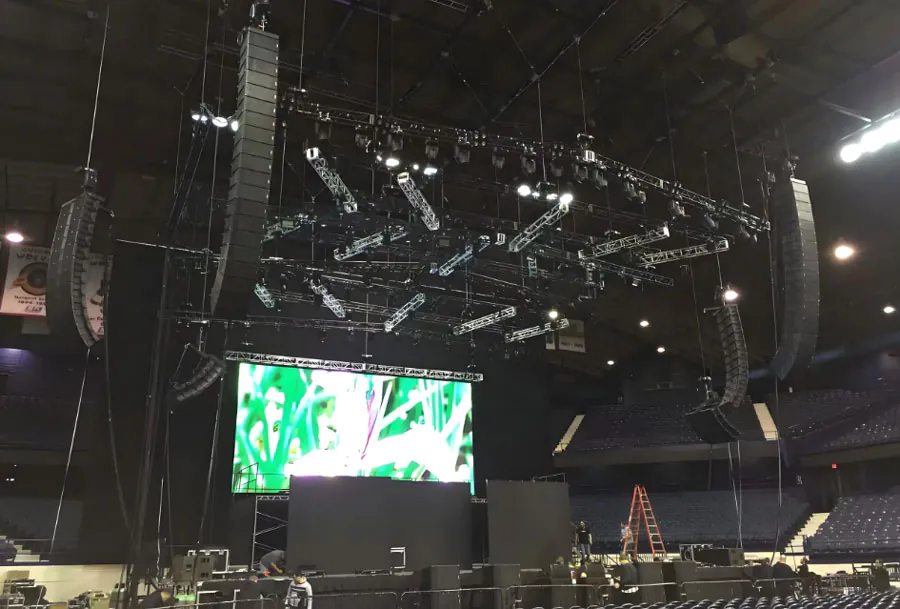
– Concert Tour: A mid-size arena tour used P4 indoor panels for a 12m × 6m screen, with two backup power racks and a dedicated video operator. A staggered power-up routine prevented breaker trips during load-in.
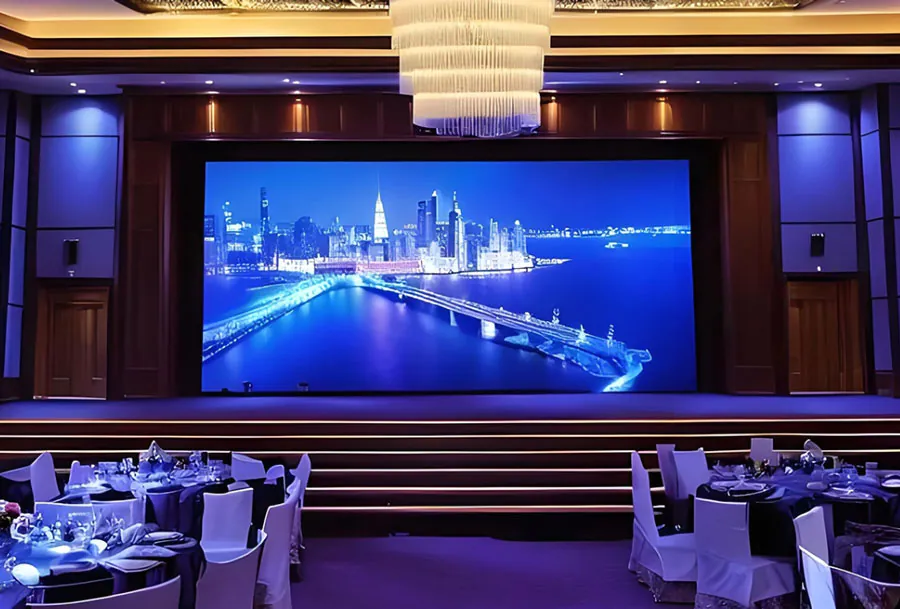
– Corporate Launch: A product launch used a P1.9 curved LED wall behind the presenter to show high-resolution product renders. Color calibration and broadcast-grade media servers ensured fidelity for both live audience and streaming.
– Outdoor Festival: An 18m × 10m outdoor LED wall (P8) performed reliably with GPS-based wind-limit monitoring and anchored ballast frames. Weatherproof connectors and redundant cabling minimized downtime.
Final Checklist Before Signing the Rental Agreement
– Confirm exact dimensions, pixel pitch, brightness, and total resolution.
– Verify installation and strike windows and labor rates.
– Get a power plan and distribution diagram.
– Request detailed insurance and liability terms.
– Ensure spares, technicians, and a contingency plan are included.
– Run a pre-show test with full content at the venue to identify scaling or latency issues.
Maximizing Impact While Minimizing Risk
Renting a stage LED screen can transform an event, but success depends on thorough planning, technical understanding, and choosing the right partner. Focus on matching pixel pitch to viewing distance, ensuring sufficient brightness for the environment, and securing reliable control and power systems. A clear contract, robust contingency plans, and on-site technical support will reduce risk and maximize your investment. Whether you’re producing a small theater show or a stadium-scale concert, the right LED solution — properly specified and professionally executed — will elevate your production and engage your audience.