Custom Outdoor LED Screen Rental Services for Florida Clients

Florida’s event landscape—from beachfront music festivals and university tailgates to county fairs and city marathons—demands outdoor visual solutions that are big, bright, and reliable. Custom outdoor LED screen rental services provide the flexibility event planners, marketers, and production companies need to deliver high-impact visuals without the capital investment of owning equipment. This article explores what makes a top-tier custom outdoor LED screen rental service tailored specifically for Florida clients, identifies important technical and logistical considerations, presents an analysis table comparing common rental configurations, and offers actionable guidance to choose the right vendor and package.
Why Florida Needs Custom Outdoor LED Screens
Florida’s climate, geography, and event culture create unique requirements:
– Climate extremes: High humidity, salty coastal air, heavy rain, and strong sun require IP-rated, high-brightness, corrosion-resistant displays.
– Hurricane and storm readiness: Equipment must be mountable and riggable to withstand wind loads or be removable and secured quickly when weather changes.
– Diverse event types: From outdoor drive-in movies to night marathons and daytime parades, pixel pitch, brightness, and screen size must be chosen according to viewing distance and ambient light.
– Regulatory and permitting complexity: Coastal and municipal venues often have permitting requirements for structures and noise, and rental vendors must be experienced in local regulations.
Custom rental services allow Florida clients to match tech to context—prioritizing weather resistance, portability, and content flexibility.
Types of Outdoor LED Screens for Rent
Different event types require different LED screen solutions:
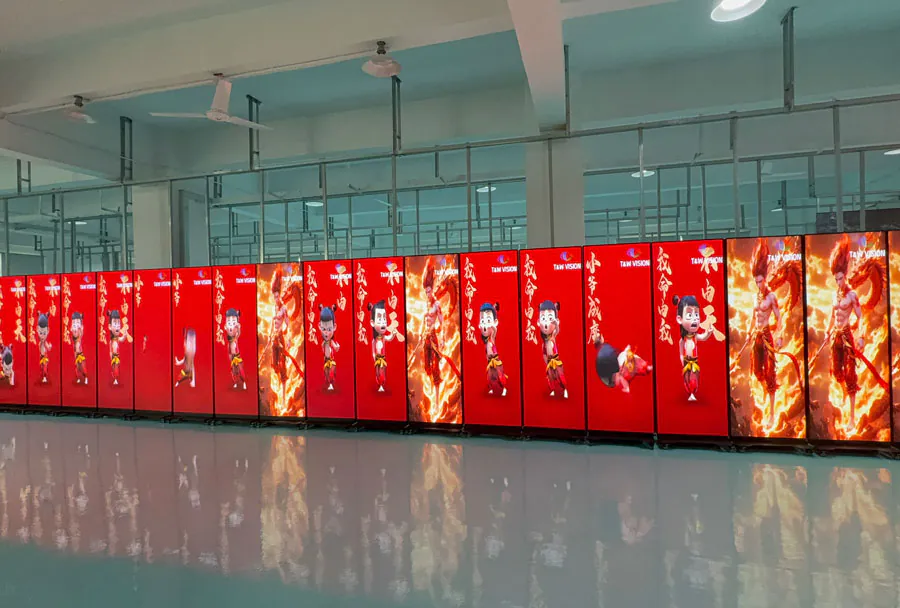
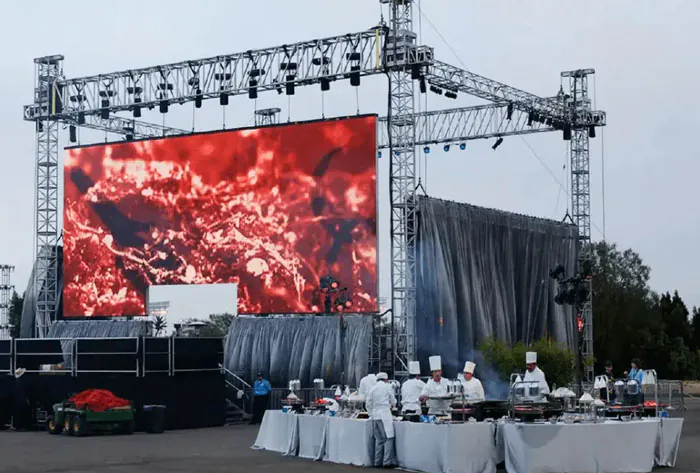
– Fixed large-format modular LED walls: Built on scaffolding or truss; ideal for festivals, stadiums, and permanent temporary installations.
– Mobile trailer-mounted screens: Fast setup and tear-down, good for drive-in movies, parking-lot events, or temporary advertising.
– Hanging LED arrays: Rigged from stage trusses for concerts and performances; require structural engineering and certified riggers.
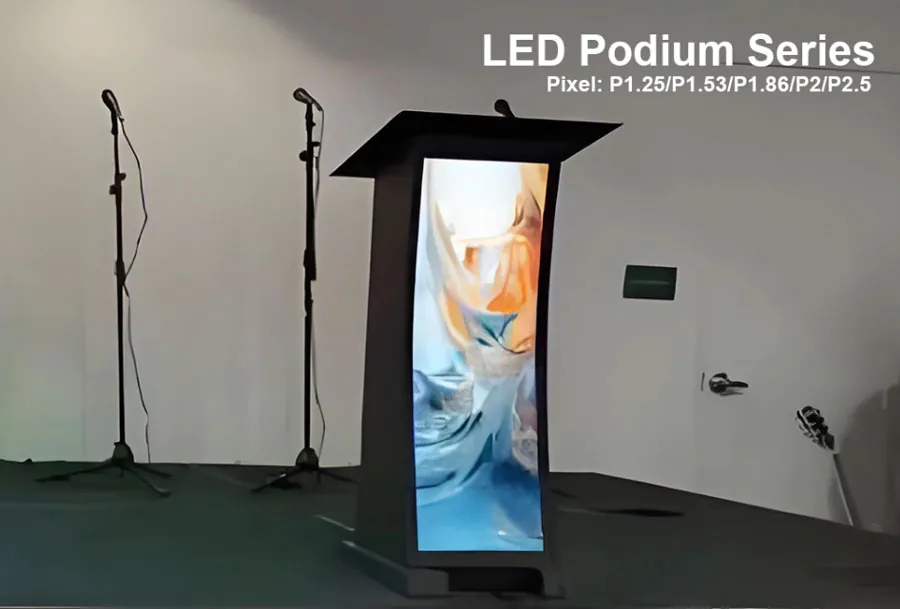
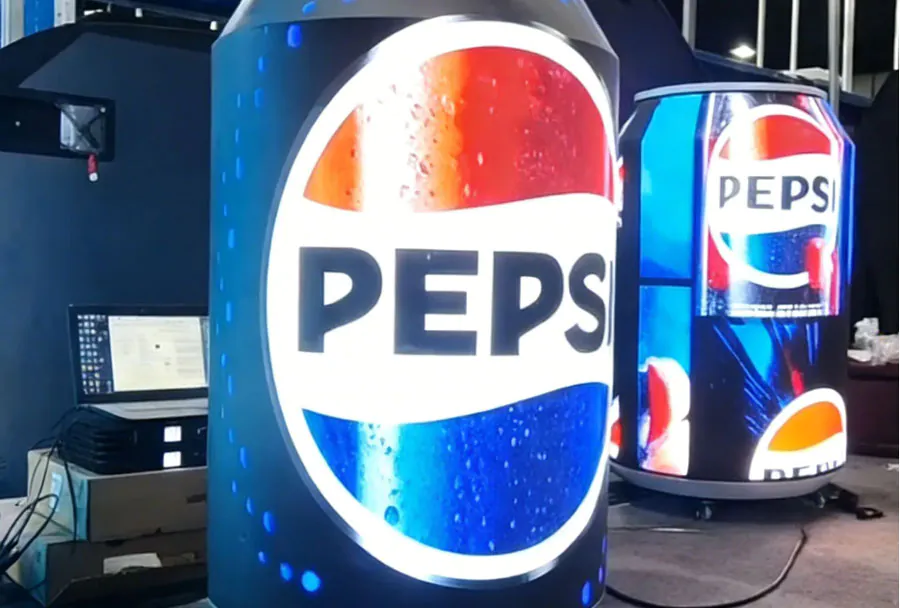
– Rental LED cubes and columns: For focal points at trade shows, parades, or as supplemental displays.
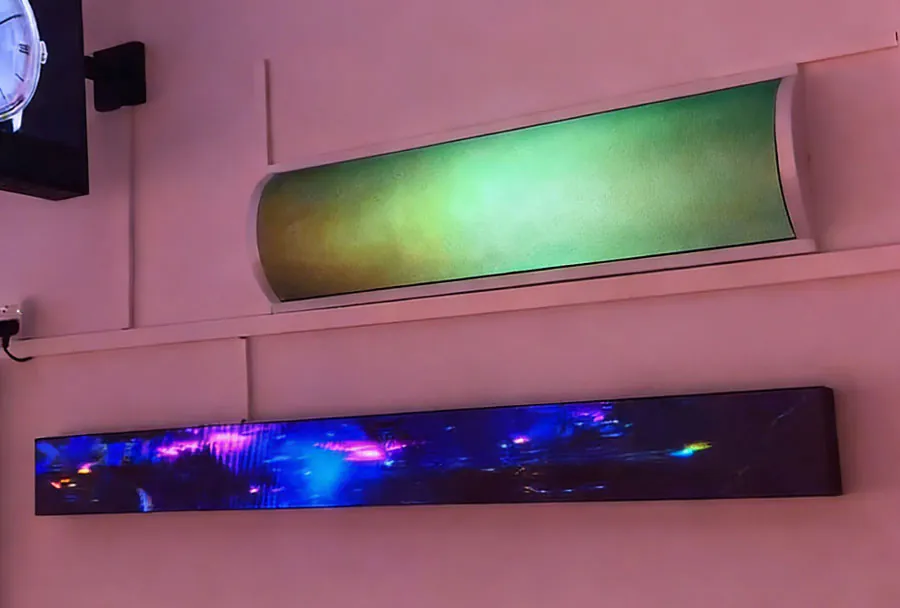
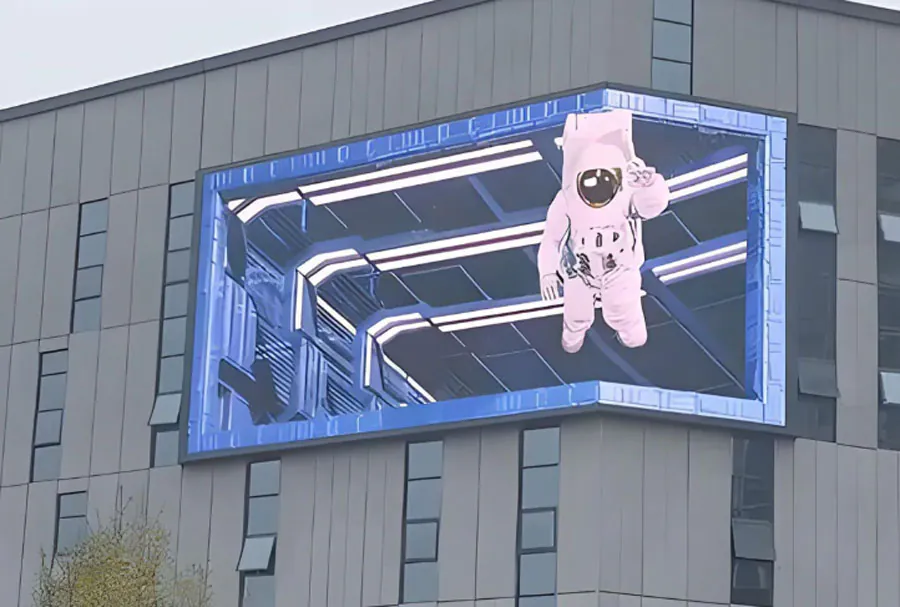
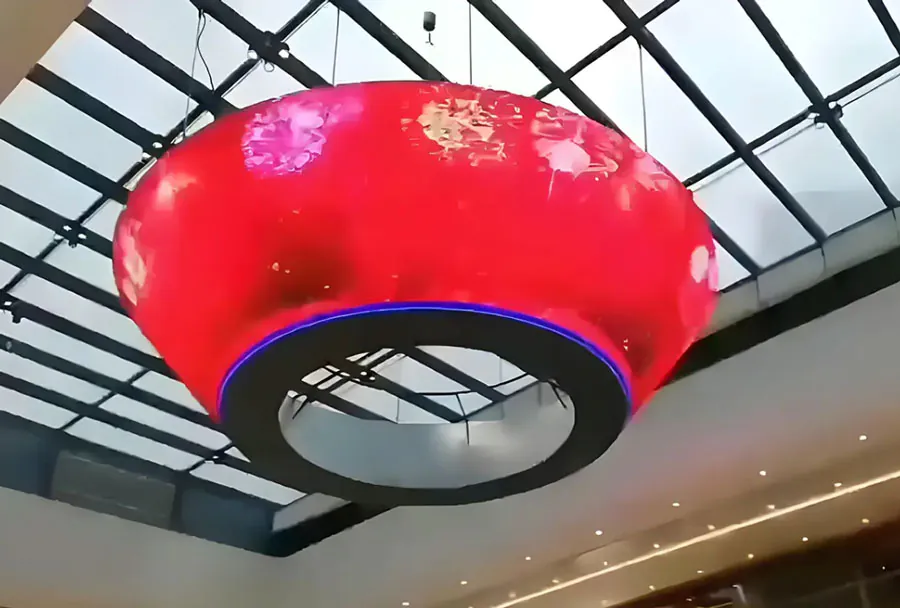
– Transparent and curved LED screens: Custom creative applications for brand activations and experiential marketing.
Custom rental providers often offer hybrid approaches—mixing mobile and modular components to match site constraints and audience sightlines.
Key Technical Considerations
When evaluating rental options, focus on these technical metrics:
– Pixel pitch (mm): Determines resolution and optimal viewing distance. Smaller pitch (e.g., 2.9–4mm) for close-up viewing; larger pitch (6–16mm) for long-distance viewing.
– Brightness (nits): Outdoor screens typically need 5,000–7,000+ nits for direct sun readability. Dimming options help manage night events.
– IP rating: Look for IP65 or higher for front protection and IP54+ for rear—ensures resistance to rain and dust.
– Refresh rate and color calibration: High refresh (≥3,840 Hz) avoids flicker on camera and live streams. Vendor-managed color calibration ensures consistent brand colors.
– Power and redundancy: Robust power distribution, UPS for control systems, and redundant media players minimize downtime.
– Structural rigging and wind load specs: Certified engineering and guying plans are essential for tall free-standing walls.
Customization Options Florida Clients Should Demand
Customization distinguishes generic inventory from a service designed for Florida environments:
– Modular sizing and shapes: Ability to configure screen size, aspect ratio, and curvature to fit unique stages or beachfront settings.
– Weatherproofing upgrades: Enhanced seals, marine-grade coatings, and corrosion-resistant aluminum for coastal deployments.
– Trailer or tower mounting: Quick-rollout trailer systems or telescopic towers for variable site conditions.
– Integrated audio and lighting packages: Synchronized sound and lighting dramatically improve audience experience in outdoor venues.
– Media playback and content management: Real-time content switching, multi-zone layouts, live video inputs, and redundant servers for seamless operation.
– Branding and wrap services: Screen surrounds, truss wraps, and weatherproof housings to maintain brand visibility even in rain.
Logistics, Permitting, and On-site Operations
A reliable rental vendor offers more than hardware:
– Permitting support: Local knowledge for building, street closure, and coastal permitting (e.g., county or city parks rules).
– Site surveys and structural assessments: Pre-event visits to determine load-bearing surfaces, anchor points, and power availability.
– Transportation and staging: Flatbed or specialized trucks, crane or forklift services for installation, and secure storage between events.
– Installation, operation, and strike teams: Certified riggers, electricians, and technicians who manage the screen, media playback, and live feeds.
– Contingency planning: Weather-related response plans, spare parts, and backup displays ensure minimal disruption.
Pricing Models and What They Include
Rental pricing varies by screen size, pixel pitch, brightness, locale, and included services. Typical pricing models:
– Day rates vs. multi-day discounts: Most vendors offer sliding scale discounts for multi-day or multi-event bookings.
– All-inclusive packages: Equipment, transport, crew, and basic content playback included—useful for turnkey events.
– à la carte services: Separate fees for rigging, permits, power distribution, and content management, allowing clients to tailor budgets.
– Deposits and damage waivers: Security deposits and optional insurance or reduced liability through damage waivers.
Understanding exactly what’s included in a quote—hours for technical staff, setup/strike times, power costs, and weather cancellation policies—prevents surprises.
Analysis Table: Common Outdoor LED Rental Configurations
| Screen Type | Typical Size (ft) | Pixel Pitch (mm) | Recommended Viewing Distance | Typical Rental Price Range (per day) |
|---|---|---|---|---|
| Trailer-Mounted Mobile LED | 12–20 (diagonal) | 6–10 | 50–200 ft | $1,200 – $4,000 |
| Modular Festival Wall | 20–50 (w) | 4–8 | 30–300 ft | $3,500 – $15,000 |
| Stadium-Grade LED Wall | 40–100 (w) | 3–6 | 50–1000+ ft | $10,000 – $50,000+ |
| Hanging Concert LED Array | 10–40 (w) | 3–6 | 20–500 ft | $4,000 – $25,000 |
| Drive-In / Cinema Trailer | 16–30 (diagonal) | 8–16 | 50–500 ft | $1,500 – $6,000 |
This table provides a high-level comparison to help match screen type to event scale, viewing distance, and budget. Actual quotes will vary based on location, time of year, and included services.
Case Scenarios for Florida Events
1) Beach Music Festival (Daytime): Requirements—20–40 ft wide modular wall, 6,000+ nits, IP65+, marine-grade finish. Recommended pixel pitch: 6mm for mid-range crowds. Add-on: sunshields and redundancy servers to protect against sudden rain.
2) College Football Tailgate/Scoreboard: Requirements—Stadium-grade LED, high refresh for broadcast cameras, secure rigging to withstand gusts. Recommended pixel pitch: 3–4mm for close fan interaction and camera clarity. Add services: replay and scoreboard integration.
3) Drive-In Movie Series (Nighttime): Requirements—Trailer-mounted screen or stacked modular panels, moderate brightness (2,000–4,000 nits), audio sync to FM or PA. Recommended pixel pitch: 8–12mm for long-distance viewing. Add services: generator rental and parking layout.
4) Political Rally on Municipal Grounds: Requirements—Mobile trailer or stage-hung LED, quick deployment, and permit assistance. Ensure vendor provides experienced onsite tech and rapid content switching for live speakers and playback.
Measuring ROI and Audience Impact
LED screens are measurable marketing tools. Metrics to track:
– Attendance lift: Compare ticket sales or foot traffic with and without video presence.
– Dwell time: Longer audience engagement often correlates with larger screens or multiple content zones.
– Sponsor impressions: Use on-screen sponsor overlays and measure brand mentions and coupon redemptions.
– Social media reach: Encourage event hashtags and capture live-video view counts—screens make visuals more shareable.
– Conversion: For trade shows or retail activations, use QR codes or short URLs on-screen to measure immediate responses.
Vendors can assist with analytics, including click-through data for digital overlays and pre-/post-event measurement.
Choosing the Right Vendor
Prioritize these vendor qualities:
– Local Florida experience: Familiarity with permitting, weather patterns, and local crews.
– Proven inventory: Photos and specs of available units and case studies from similar events.
– Technical certifications: Riggers, electricians, and media specialists certified to industry standards.
– Redundancy and spares: Onsite spare modules, backup players, and contingency power.
– Transparent contracts: Clear cancellation, weather policy, insurance, and damage liability terms.
– Communication and planning: A single point of contact, pre-event walkthroughs, and day-of production management.
Request references and site visit opportunities. A reputable vendor will be comfortable showing past installations and explaining their technical choices.
Pre-Event Checklist for Florida Clients
– Confirm viewing distances and expected audience size to choose pixel pitch and screen size.
– Verify IP rating and marine-grade options if near the coast.
– Ensure vendor includes certified riggers and structural engineering documentation.
– Book electrical service or generator capacity in advance; confirm power distribution plan.
– Obtain necessary permits—vendor should provide documentation to support your application.
– Plan for weather: have a contingency plan for high winds or heavy rain.
– Schedule a technical rehearsal for live feeds, cameras, and playback systems.
Common Pitfalls and How to Avoid Them
– Underestimating brightness needs: Sunny Florida days can render low-brightness screens unreadable. Always opt for higher nits for daytime events.
– Ignoring wind loads: Temporary walls without proper rigging can be unsafe—insist on certified structural plans.
– Overlooking power needs: High-brightness walls draw significant amperage; secure adequate distribution and backup power.
– Skipping permits: Last-minute denials are costly. Start permitting early and use a vendor experienced with local authorities.
– Choosing price over service: Low cost may mean fewer spares and less experienced crews—costly if problems occur mid-event.
Custom outdoor LED screen rental services are essential tools for Florida’s dynamic event market. The right provider delivers not just bright screens, but tailored solutions: marine-grade materials, rapid-response crews, permitting expertise, and flexible technical packages that match the unique demands of Florida’s climate and regulatory environment. By focusing on pixel pitch, brightness, IP rating, rigging specs, and vendor experience, event organizers can maximize audience impact while controlling costs and risk. Use the analysis table and checklists above to evaluate rental options and build a plan that ensures a successful, weather-ready visual experience for any Florida outdoor event.