Professional Big LED Screen Rental with Setup and Support

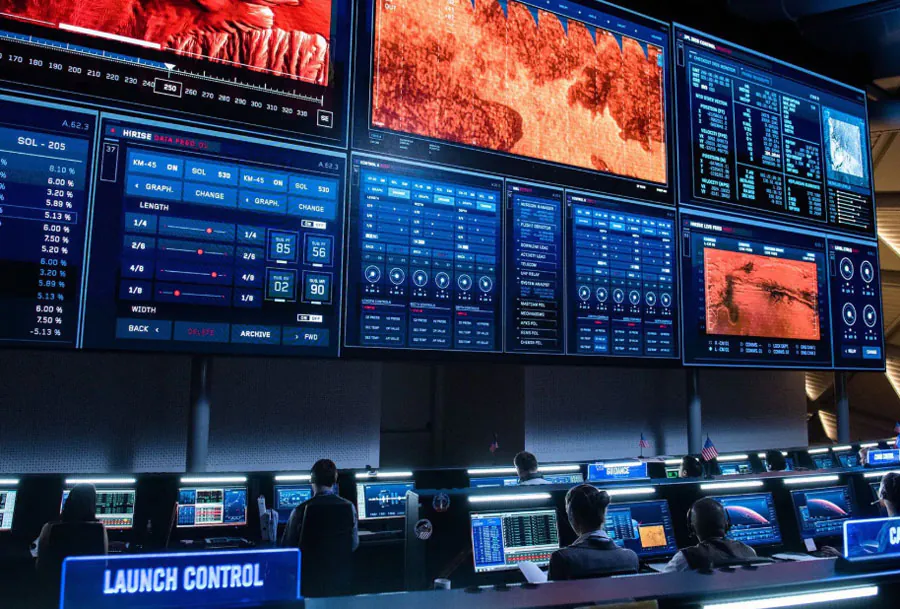
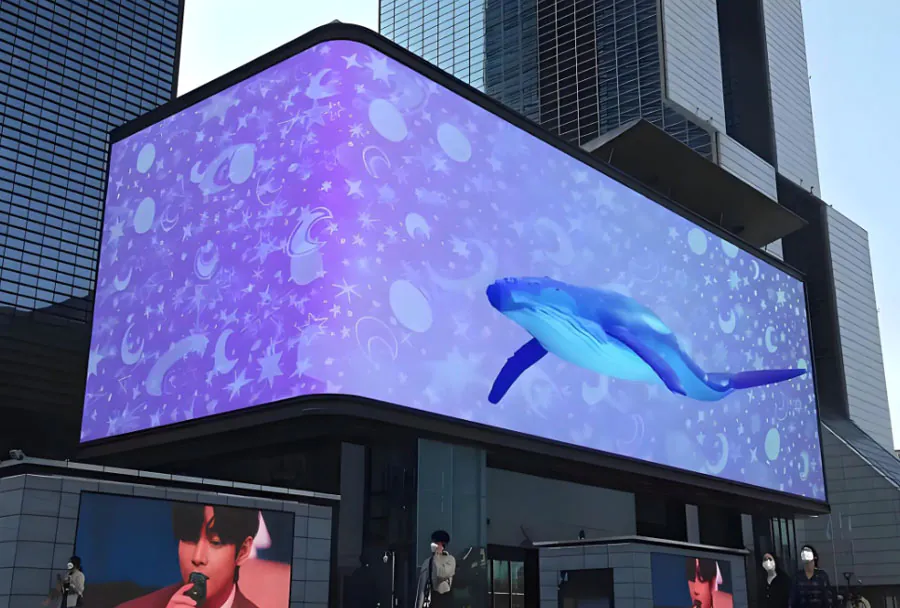
Big LED screens have become a staple for live events, corporate gatherings, trade shows, and outdoor activations. Their sheer scale, vibrant color reproduction, and ability to display dynamic multimedia make them indispensable for organizers who want to leave a memorable impression. Renting a big LED screen with professional setup and support shifts risk and complexity away from event planners onto specialized vendors who understand the technical, logistical, and operational requirements. This article explores the professional aspects of big LED screen rental—what to expect, how to evaluate vendors, technical considerations, pricing structures, and best practices to ensure a successful deployment.
Benefits of Choosing Professional Rental with Setup and Support
Reliability and uptime
When you partner with a professional rental company, they typically guarantee uptime through experienced crew, redundancies, and proven equipment. For live events where screen failure can disrupt schedules or damage brand reputation, this assurance is invaluable.
Expert installation and safety
Large LED screens require precise rigging, structural assessment, and compliance with local safety codes. Professional teams bring certified riggers, engineers, and safety officers who manage mounting, wind-load considerations for outdoor screens, and secure cabling and power distribution.
Optimized visual quality
Pros calibrate screens to suit the venue’s ambient light and viewing distance. They know how to choose pixel pitch, brightness settings, and color calibration to ensure legible, crisp images whether the audience is 10 feet or 200 feet away.
End-to-end logistics
A full-service vendor handles transport, permits, staging, power sourcing, and dismantle. Their logistical planning reduces on-site surprises and usually includes contingency plans, like backup screens, spare modules, and redundant playback systems.
Key Technical Considerations
Pixel pitch and viewing distance
Pixel pitch (distance between LED centers, often measured in millimeters) determines the clarity of the image at various distances. Lower pixel pitch (e.g., 2.6mm) is ideal for close viewing and indoor events; larger pitches (e.g., 6mm–10mm) are acceptable for outdoor events where viewers are farther away.
Brightness and HDR capability
Outdoor screens must deliver high nit values (4,000 nits or more) to remain visible in direct sunlight. Indoor screens require lower brightness but benefit from HDR and high dynamic range handling for richer content.
Refresh rate and frame compatibility
High refresh rates (≥ 3840 Hz for broadcast-sensitive events) reduce flicker, especially under camera capture for live television or streaming. Make sure the vendor’s hardware and processors handle the source frame rates and resolutions you plan to use.
Control systems and content management
Professional solutions include reliable media servers, content scheduling tools, and real-time control interfaces. Confirm compatibility with your expected inputs—HDMI, SDI, DVI, DisplayPort, or network-based feeds—and whether the team can handle live switching and multi-zone layouts.
Common Use Cases
Concerts and festivals
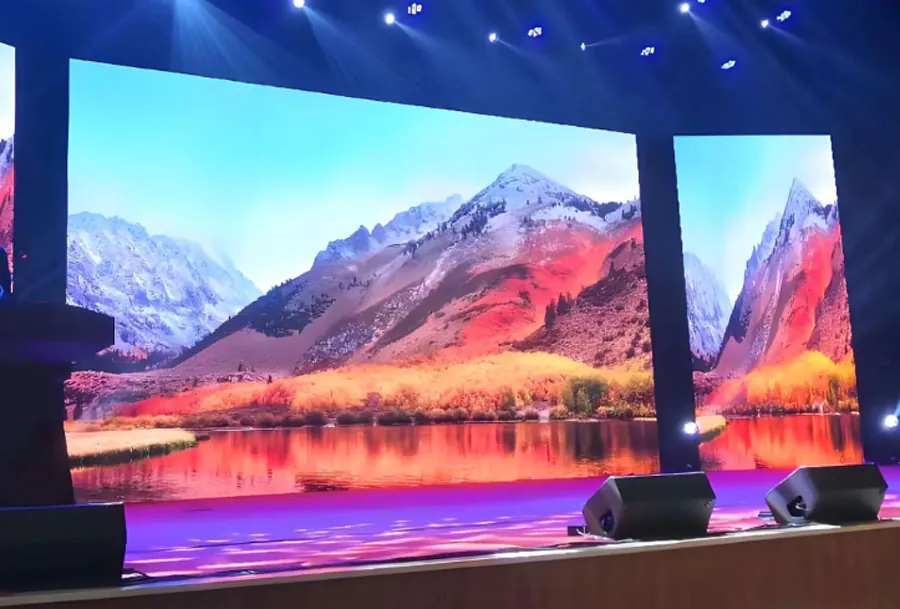
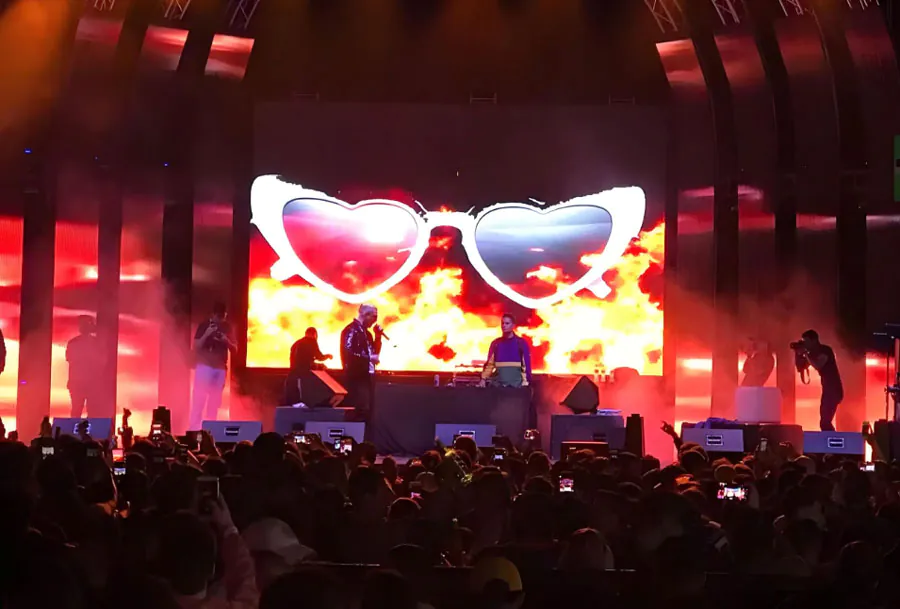
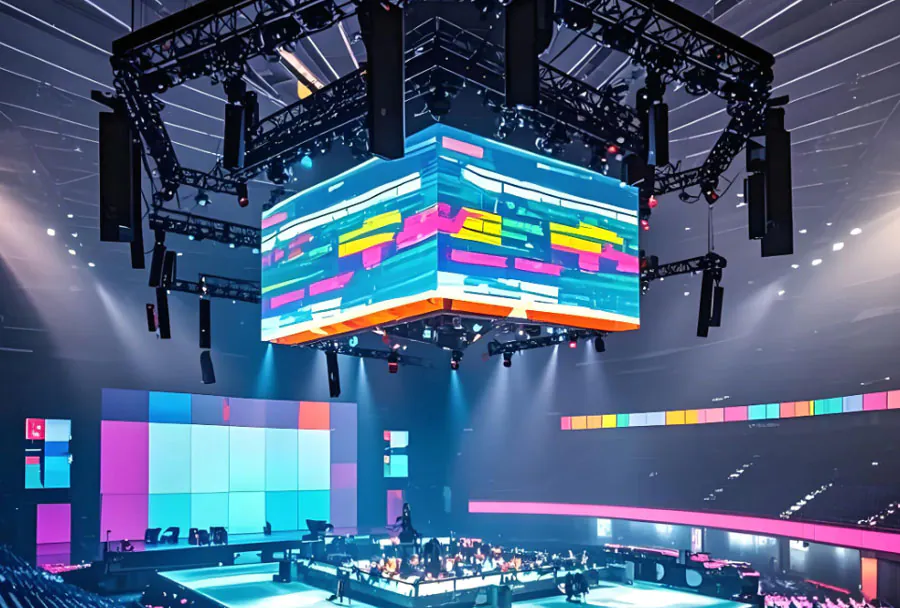
Large LED screens serve both as audience-facing displays and behind-the-stage visuals to enhance performance. They need to be highly visible, scalable, and often synchronized across multiple screens.
Corporate conferences and product launches
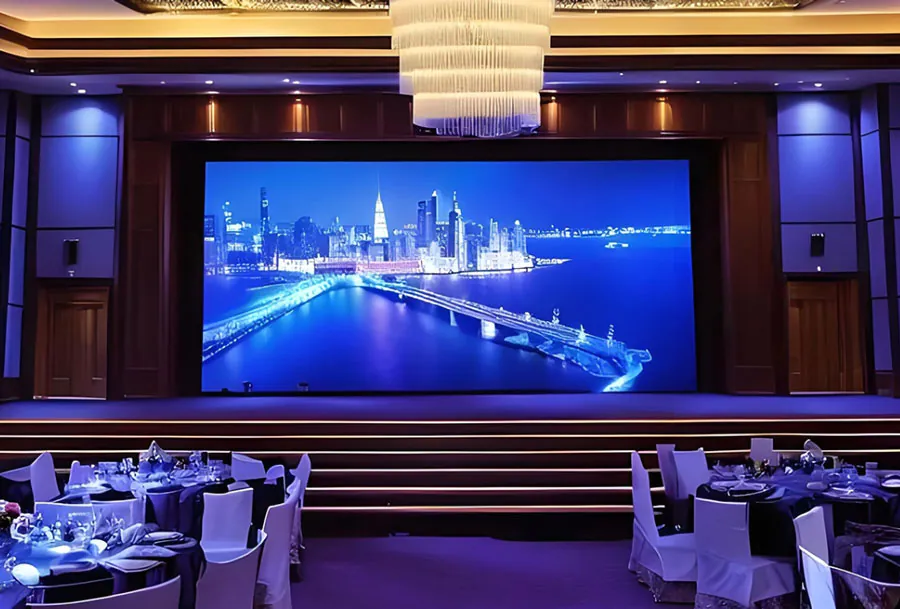
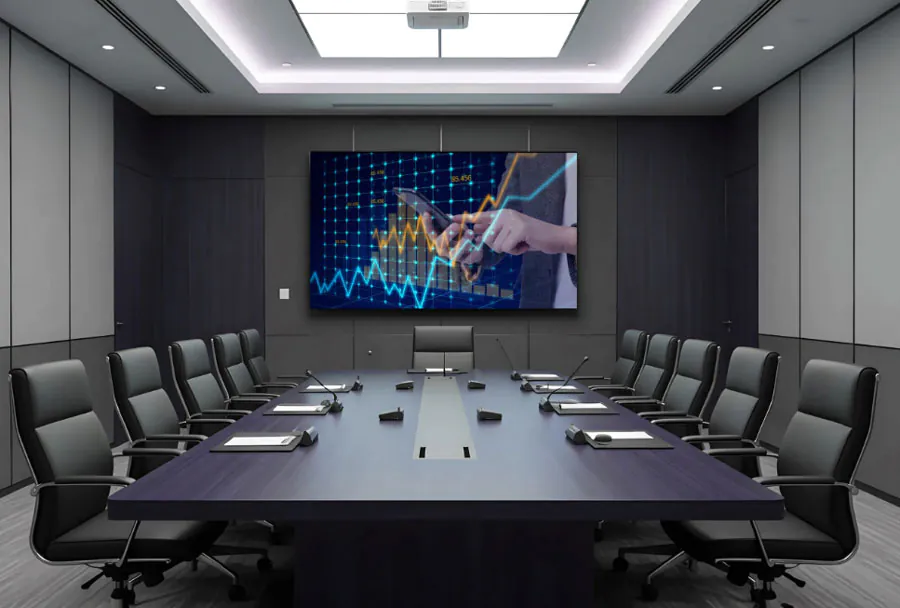
Events demand crisp text rendering and detailed product imagery. Indoor screens with fine pixel pitch are preferred, and vendors should be capable of multi-source content handling for presenters and livestreams.
Sporting events and fan engagement
Screens are used for scoreboards, replay, and interactive segments. They often require ruggedized outdoor builds and integration with event timing and scoring systems.
Trade shows and exhibition booths
Vendors use LED walls to drive traffic and showcase product demos. Rentals should be modular, easy to configure within booth footprints, and bright enough for busy exhibition halls.
Service Levels: What Professional Support Includes
Pre-event site survey
Vendors should conduct a reconnaissance to evaluate sightlines, power availability, mounting options, and permit requirements. Accurate surveys minimize scope creep and hidden service fees.
Design and planning
Professional providers offer mockups and camera-view simulations to show how content will appear from different audience perspectives. This includes staging plans, rigging diagrams, and electrical load calculations.
On-site crew and technical supervision
Expect certified riggers, technicians, and a project manager who coordinates with other vendors (sound, lighting, stage). The crew should arrive during load-in and stay through load-out, handling calibration, testing, and final tweaking.
Real-time troubleshooting and spare parts
Good suppliers bring redundancy—extra modules, spare processors, and replacement LEDs. They also provide immediate troubleshooting to resolve signal or hardware issues quickly.
Cost Drivers and Pricing Models
Factors influencing price
– Screen size and pixel pitch: Larger and finer-pitch screens cost more to rent.
– Duration and timing: Multi-day events may get discounted rates; peak season and holiday pricing can be higher.
– Location logistics: Remote venues, permit fees, or complicated rigging increase costs.
– Technical complexity: Multi-screen setups, live inputs, and broadcast standards raise labor and equipment fees.
– Support level: 24/7 on-site support costs more than remote monitoring.
Typical pricing structures
Rental companies often quote per-day or per-event rates, plus line items for setup/breakdown, transportation, crew labor, and consumables. Ask for a bundled all-in quote to compare vendors more easily.
Choosing the Right Vendor: Evaluation Checklist
1. Proven track record
Look for case studies, references, and photos of similar-scale events.
2. Equipment quality and maintenance
Inspect or request datasheets for panels, processors, and controllers. Well-maintained inventory and recent upgrades are signs of reliability.
3. Certified personnel
Ensure riggers and electricians hold relevant certifications and that the crew has experience with comparable builds.
4. Transparent contracts
Contracts should clearly list responsibilities, insurance provisions, cancellation policies, and what happens in case of equipment failure.
5. Scalability and flexibility
Choose vendors who can scale screens up or down and adapt to last-minute changes—this saves money and stress if your needs evolve.
Comparative Analysis Table
| Screen Type | Typical Size (ft2) | Typical Pixel Pitch | Ideal Use Case | Estimated Rental Cost (per day) |
|---|---|---|---|---|
| Fine Pitch Indoor LED | 50–300 | 1.5–2.6 mm | Corporate stages, small concerts, product demos | $1,200–$5,000 |
| Standard Indoor/Outdoor LED | 300–1,000 | 2.6–4 mm | Large conferences, medium-sized concerts | $3,000–$10,000 |
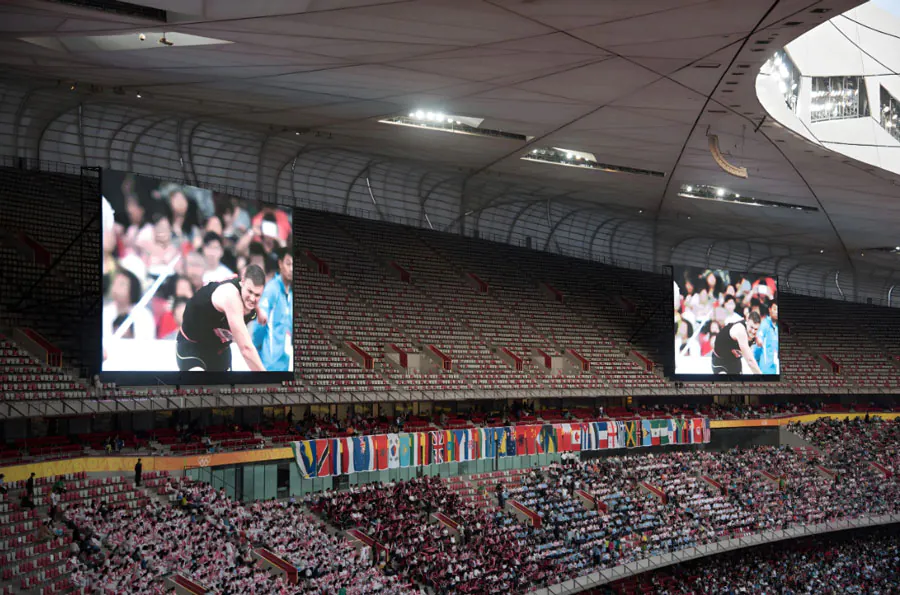
| Outdoor High-Bright LED | 500–5,000+ | 4–10 mm | Festivals, stadiums, outdoor advertising | $6,000–$30,000+ |
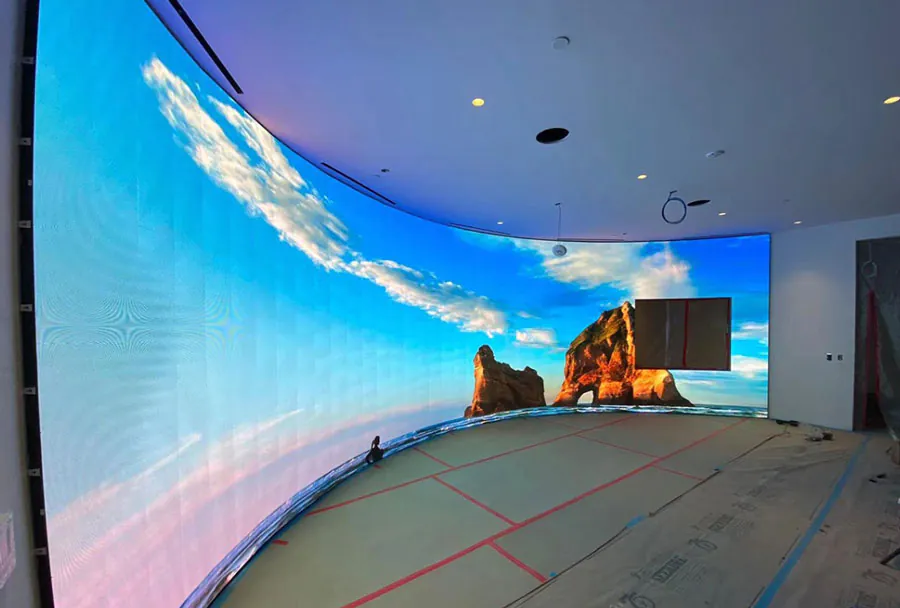
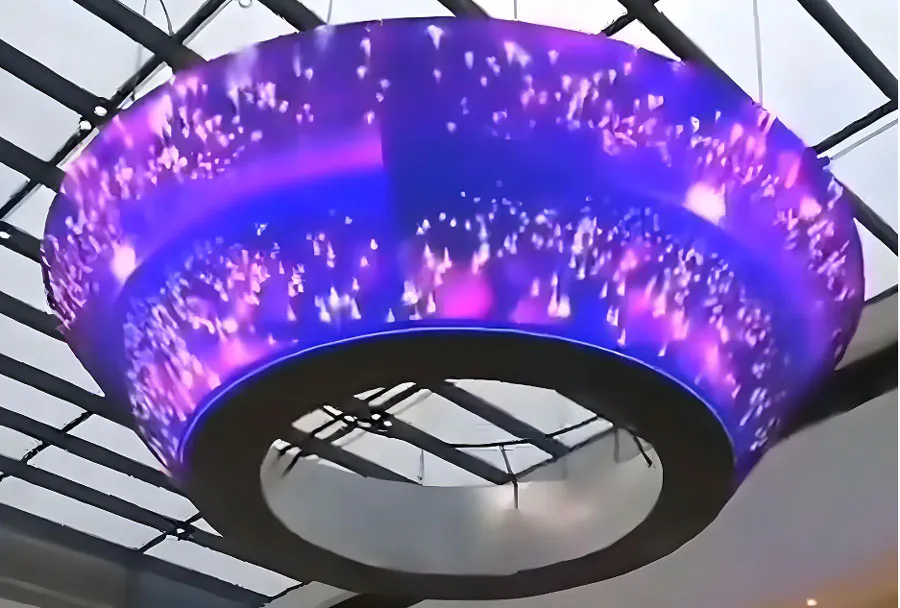
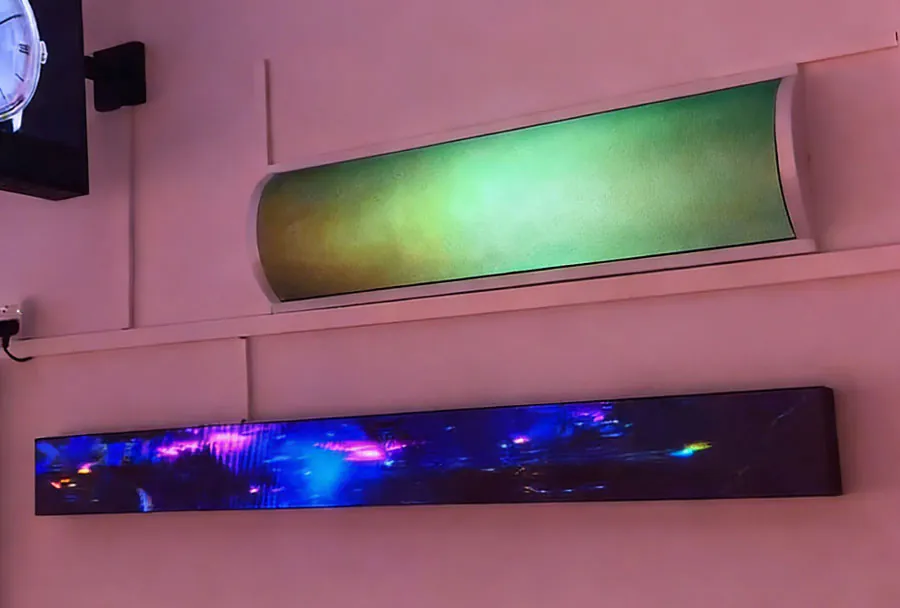
| Flexible/Curved LED | Variable | 2.6–4 mm | Creative stages, architectural features | $2,500–$12,000 |
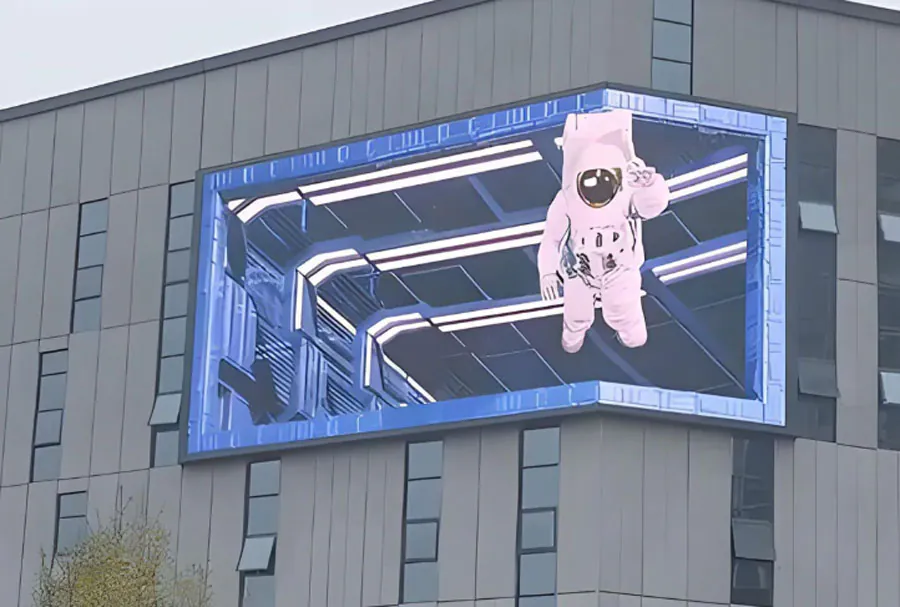
| Modular Pixel Mesh/Transparent LED | Variable | Large effective pitch (visual mesh) | Facade displays, retail storefronts, scenic effects | $1,500–$10,000 |
Pre-event Planning Checklist
Venue and sightline analysis
Map audience zones and sightlines to determine optimal screen placement and size. Simulate viewing distances for text legibility and branding impact.
Power and infrastructure
Verify available electrical service and have a plan for generators if needed. Create an electrical one-line diagram with load calculations to avoid brownouts.
Permits and regulatory compliance
Outdoor installations often require permits for temporary structures, noise, and public safety. Professional vendors usually assist with permit applications and compliance documentation.
Content readiness
Deliver content in the vendor’s required formats and file specs. For live feeds, schedule tests with the production team to confirm signal integrity and latency.
Contingency plans
Expect the unexpected—have contingency screens, redundant signal paths, and a plan for adverse weather that could affect outdoor screens.
Operational Best Practices During Events
Load-in and setup timing
Allow sufficient time for mounting, calibration, and rehearsals. Tight schedules increase risk; ideally build in buffer time for troubleshooting.
Rehearsals and content checks
Full run-throughs with all input sources help reveal issues like aspect ratio mismatches, font legibility problems, and color balance errors.
On-site communication protocol
Use a clear chain of command (event producer → stage manager → AV lead → LED tech) and radio or intercom systems to coordinate changes quickly.
Monitoring and adjustments
Technicians should monitor signal paths and screen health throughout the event, making adjustments to brightness, color, or layout in real-time if necessary.
Post-event: Dismantle, Review, and Data
Safe load-out
Proper dismantling prevents damage to panels and ensures fast turnaround for the vendor’s next job. Allow vendor crew time and space for secure packing.
Post-event review
Conduct a debrief with the vendor to review what worked, what didn’t, and any repair needs. Document lessons learned for future events.
Data and analytics
Some advanced setups capture audience metrics, dwell time, or playback logs. Request these analytics to measure campaign success or inform future programming.
Case Examples
Large-scale outdoor festival
A multi-stage festival rented three high-bright outdoor LED screens (30ft x 17ft each) with redundant processors and satellite feeds. Professional rigging and wind load analysis enabled safe staging in unpredictable weather. On-site support resolved a signal routing issue within minutes, preventing on-stage delays.
Corporate product launch
A tech company deployed a fine-pitch indoor LED wall behind a keynote stage. The vendor provided pre-event camera simulations and localized pixel mapping to ensure product visuals were lifelike on camera and in-person. Live switching and integrated teleprompter overlays helped presenters maintain flow.
– Start vendor selection early: Good vendors book up, especially in peak months.
– Ask for detailed line-item quotes: Clarify what’s included in setup, labor, transportation, and insurance.
– Insist on site surveys and mockups: Visual confirmation reduces costly surprises.
– Prioritize experienced crews: Certified riggers and technicians are non-negotiable for large builds.
– Plan for contingencies: Redundant systems and spare parts minimize the impact of failures.
Professional big LED screen rental with setup and support transforms a complex technical requirement into a managed service that elevates your event’s visual storytelling while lowering operational risk. From pre-event planning and site surveys to on-site calibration and real-time troubleshooting, partnering with an experienced vendor ensures that your message is delivered clearly, safely, and reliably. Whether you are staging a concert, running a trade show, or launching a product, investing in professional LED rental and support is an investment in the success and seamless execution of your event.