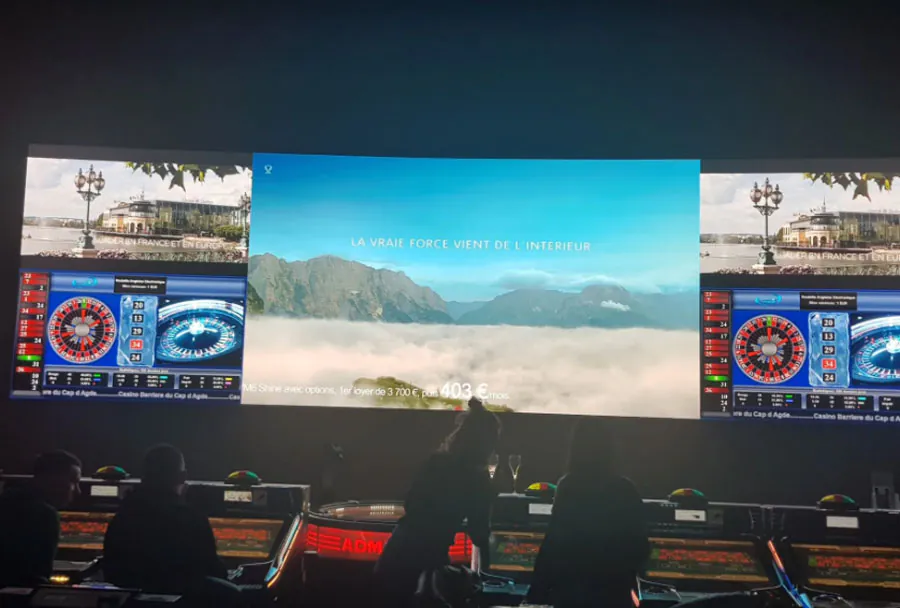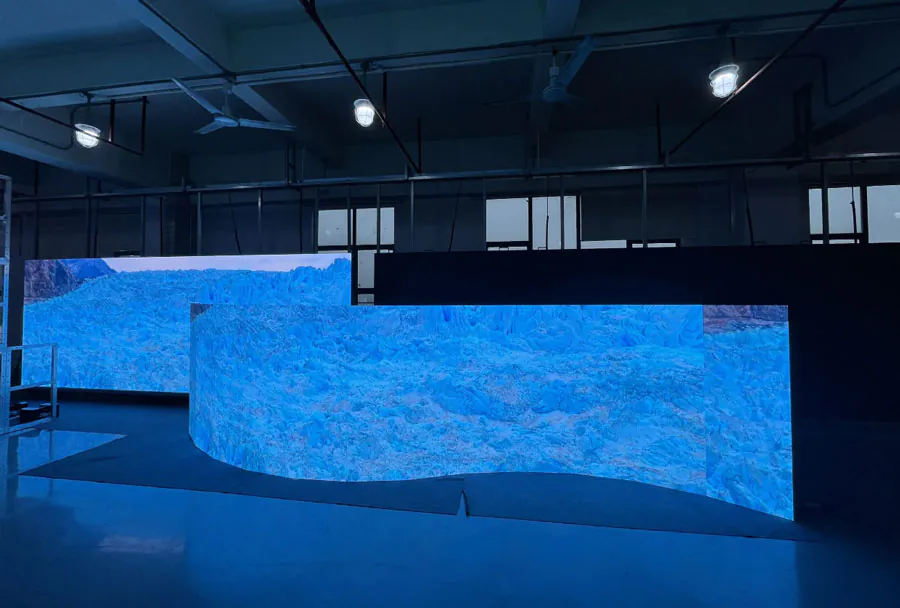
Affordable Big LED Screen Rental Services for All Budgets

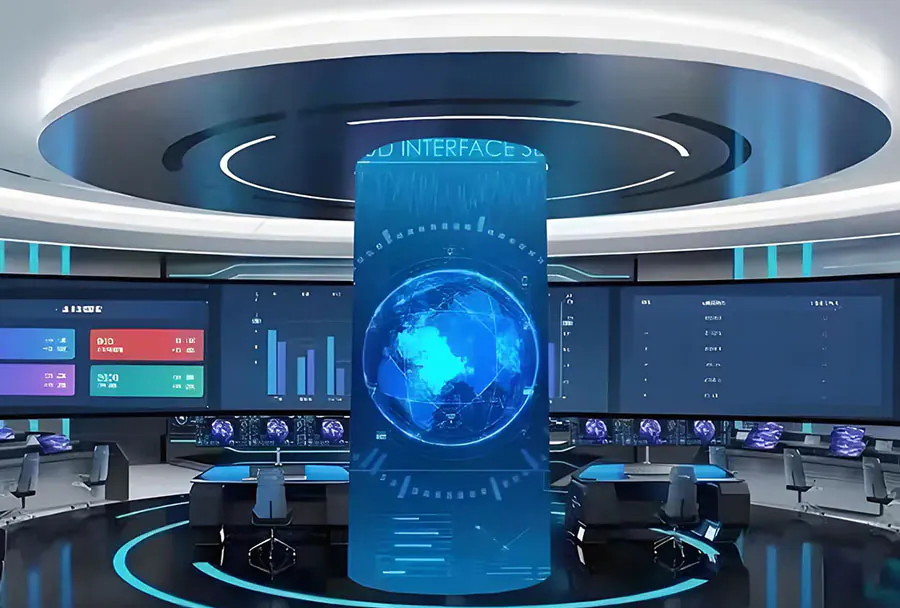
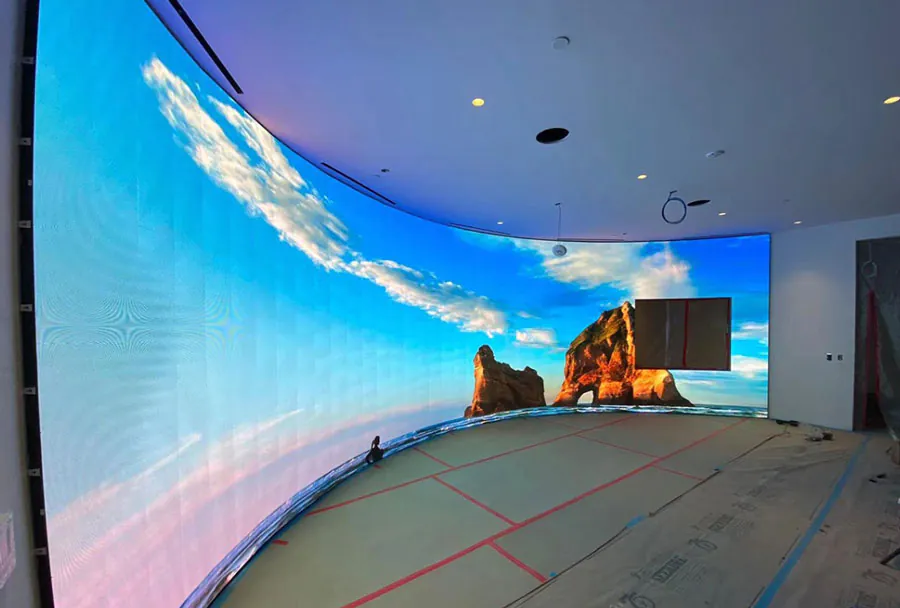
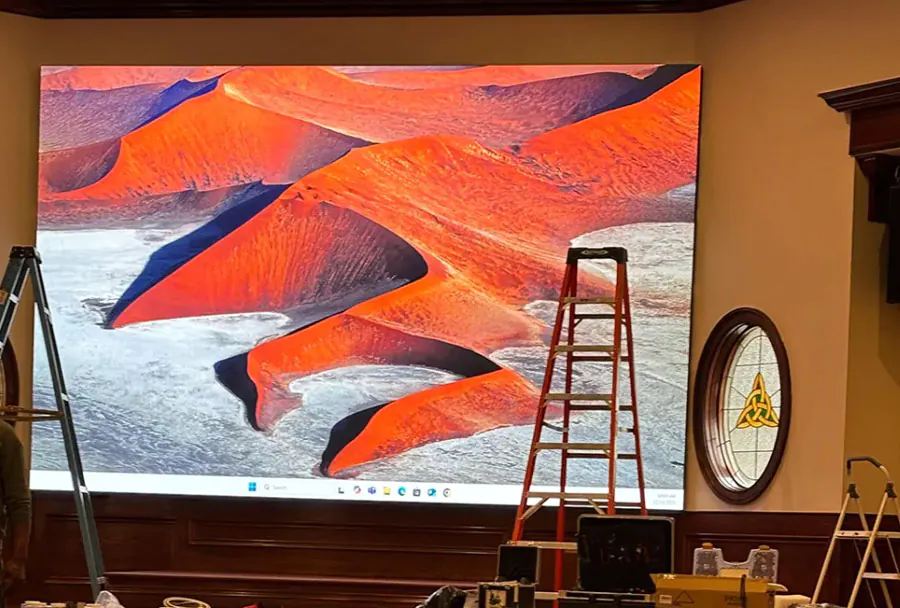
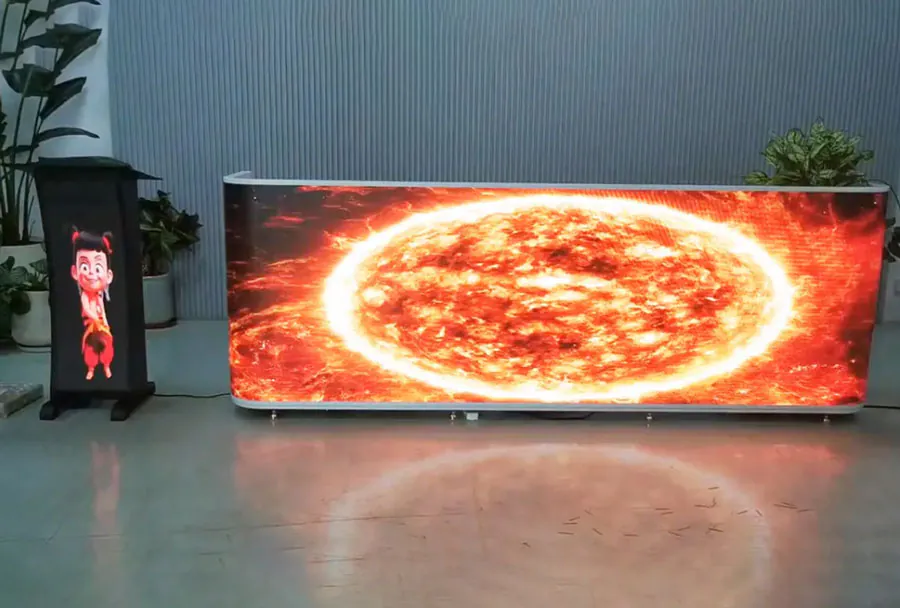
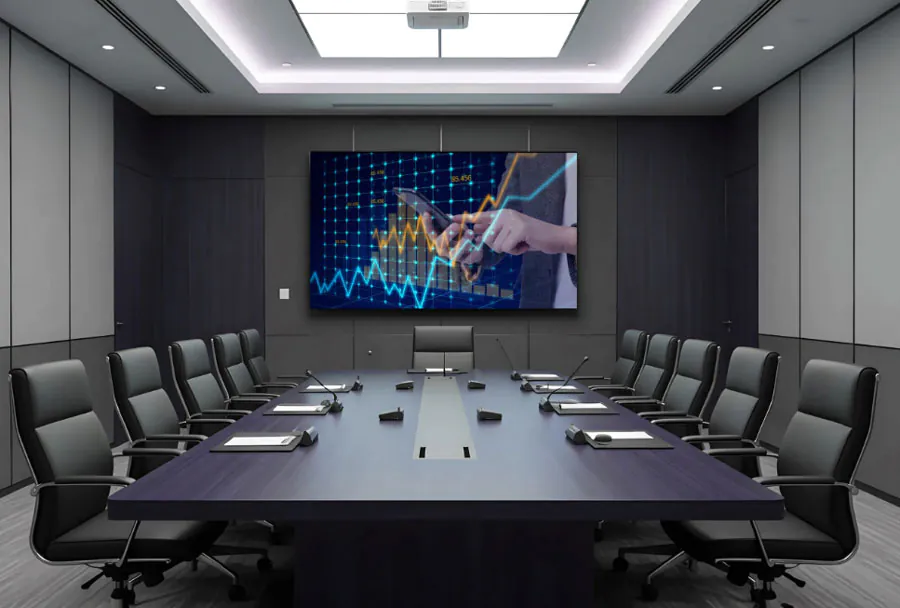
The demand for large LED screens has grown exponentially across industries — concerts, corporate events, trade shows, sporting events, outdoor advertising, weddings, and political rallies all rely on impactful visual displays. Yet hiring a big LED screen can seem prohibitively expensive to many event planners, small business owners, and community organizers. Affordable Big LED Screen Rental Services for All Budgets aims to change that narrative. This article explores how to secure high-impact led displays without breaking the bank, what affects pricing, how to evaluate options, and concrete ways to get the best value for any budget level.
Why Big LED Screens Matter
Large LED screens do more than show content; they create presence and improve audience engagement. Benefits include:
– Visibility: Clear, bright visuals visible at distance and under sunlight for outdoor models.
– Flexibility: Live feeds, pre-produced video, graphics, and dynamic content can all be displayed.
– Brand impact: A big screen boosts perceived professionalism and event scale.
– Accessibility: Larger, legible content helps attendees follow presentations and performances.
These advantages are available across budgets if you know how to choose equipment and negotiate rental terms.
What Determines Rental Cost?
Understanding pricing drivers helps you make informed trade-offs:
– Screen size (area): Largest driver of cost; bigger screens use more modules and labor.
– Pixel pitch/resolution: Finer pitch (smaller mm) yields sharper images at closer viewing distances — and higher cost.
– Brightness and weatherproofing: Outdoor-rated, high-brightness panels are pricier than indoor panels.
– Rental duration: Daily, multi-day, and weekly rates differ — longer rentals often reduce daily cost.
– Installation complexity: Rigging, staging, scaffolding, or ground stacking can raise labor costs.
– Transportation and logistics: Distance, access restrictions, and required vehicles impact cost.
– Control systems and playback: More sophisticated playback, live inputs, and redundancy add fees.
– Support crew: Technicians for setup, operation, and teardown can be included or extra.
Budget Categories and Rental Strategies
Different budgets call for different strategies. Here are practical recommendations by budget tier.
Low-Budget (Community Events, Small Meetups)
– Typical approach: Rent a modest-size screen with larger pixel pitch (P6–P10) for distance viewing.
– Cost-saving tips: Short-term rental, daytime outdoor events where ultra-high resolution isn’t necessary, and choosing ground-supported screens rather than complex rigging.
– Expectation: Good visibility for audiences beyond 20–30 feet; lower resolution acceptable for text or simple video.
Mid-Budget (Corporate Events, Weddings, Mid-Sized Concerts)
– Typical approach: Medium-sized LED walls with improved pixel pitch (P3–P6), often indoor but sometimes outdoor-rated.
– Cost-saving tips: Schedule setup during off-peak days, accept slightly smaller screen size with optimal placement, and request bundled rates for AV package.
– Expectation: Clear images for audiences within 10–30 feet; suitable for branding, live feeds, and multimedia.
High-Budget (Large Concerts, Stadiums, Major Product Launches)
– Typical approach: Large-scale outdoor-rated screens, fine pixel pitch (P2–P4) for close viewing, redundancy for mission-critical events.
– Cost-saving tips: Lock in rentals early for better pricing, negotiate long-term supplier partnerships, and bundle other AV services.
– Expectation: Near-broadcast quality visuals, immediate legibility, and high brightness for daylight shows.
Technical Specs to Consider (and Where You Can Save)
Choose specifications based on event needs. Here are the most important technical attributes and cost implications.
Pixel Pitch and Viewing Distance
Pixel pitch (mm) is the distance between pixel centers. Smaller pitch = sharper image but higher cost.
– Rule of thumb: viewing distance (in feet) ≈ pixel pitch (mm) × 3. Example: P6 is comfortable at ~18 feet and further.
– Save money by matching pixel pitch to expected viewing distance. If attendees are far from the screen, a coarser pitch saves cost without hurting experience.
Brightness and Outdoor Rating

Outdoor screens need high nits (brightness) for daylight. Indoor screens can be less bright.
– Save: For evening or enclosed venues, choose indoor-rated or lower-brightness panels to reduce rental fees.
Refresh Rate and Color Calibration
Higher refresh rates prevent flicker in camera feeds; color calibration improves fidelity.
– Save: For live-stream-free events, prioritize resolution over ultra-high refresh rates.
Modular vs. Custom Builds
Modular LED panels allow flexible sizes and are often cheaper for rentals than custom-fit displays.
– Save: Use standard modular configurations that the rental company stocks, as custom builds cost more.
How to Compare Rental Quotes: Vendor Selection
Ask consistent questions when collecting quotes. Compare apples to apples by standardizing the variables:
– Screen size (width x height)
– Pixel pitch, resolution, and brightness (nits)
– Indoor vs outdoor rating and weather protection
– Included services: delivery, setup, rigging, technician hours, content playback
– Insurance requirements and damage policies
– Power requirements and backup solutions
Choose vendors who provide clear line-item pricing and flexibility. Transparent vendors can help you optimize specs to match your budget.
Negotiation and Cost-Saving Tactics
– Book off-peak: Weekday or off-season rentals can yield discounts.
– Package deals: Bundle LED rental with sound, lighting, and AV tech to receive reduced rates.
– Multi-event contracts: Negotiating multiple events with one vendor can lower per-event costs.
– Flexible dates: Allowing the provider to pick schedule windows may reduce labor surcharges.
– Shared rentals: For community events, co-hosting or sharing screen time with nearby events can split costs.
Logistics and Planning Checklist
Successful and affordable LED rentals depend on good planning. Use this checklist:
– Site survey: Confirm access, load-in/load-out routes, clearances, and power availability.
– Permits: For outdoor events, secure local permits early.
– Structural requirements: Verify rigging points or scaffold strength for flown screens.
– Power plan: Document total amperage and ensure backup power if needed.
– Weather contingency: For outdoor shows, have rain covers and evacuation plans.
– Content format: Provide content in formats the control system accepts (e.g., MP4 H.264).
– Technician schedule: Confirm on-site technician hours for setup, operation, and teardown.
Analysis Table: Common LED Screen Options and Cost Estimates
Below is a practical analysis table to compare typical rental options. Costs are estimated per day and will vary by market, season, and vendor. Use these ranges as a planning guide.
| Screen Size (W x H) | Typical Use | Pixel Pitch (mm) | Estimated Rental Cost (Per Day, USD) | Ideal Budget Level |
|---|---|---|---|---|
| 6 ft x 3.5 ft (1.8m x 1.1m) | Small meetings, info displays, product demos | P4–P6 | $200–$500 | Low |
| 10 ft x 6 ft (3m x 1.8m) | Small conferences, indoor stages, weddings | P3–P6 | $600–$1,200 | Low–Mid |
| 16 ft x 9 ft (5m x 2.8m) | Corporate events, mid-sized concerts, trade shows | P2.5–P4 | $1,200–$3,000 | Mid |
| 20 ft x 11 ft (6m x 3.5m) | Large conferences, outdoor evening events | P3–P5 | $2,500–$5,000 | Mid–High |
| 32 ft x 18 ft (10m x 5.5m) | Large outdoor concerts, stadium side screens | P2–P4 | $6,000–$15,000 | High |
| 50 ft x 28 ft (15m x 8.5m) | Major stadium events, broadcast-grade setups | P2 | $15,000–$40,000+ | Premium |
Note: These figures include typical delivery, installation, basic technician support, and standard control equipment but exclude specialized rigging, extended technical crews, custom content services, or overnight rental premiums.
Case Studies: Affordable Approaches in Practice
Examining examples helps show how to tailor strategies to budgets.
Community Outdoor Movie Night — Low Budget
– Requirement: Screen visible to attendees across a neighborhood green.
– Solution: Rent a 10×6 ft outdoor LED with P6 pitch; host after sunset to keep brightness requirements moderate.
– Savings: Shared setup with local municipality reduced transport fees; volunteers handled site prep to cut labor cost.
Mid-Sized Product Launch — Mid Budget
– Requirement: High-quality visuals for product close-ups, indoor hall, audience within 20 ft.
– Solution: 16×9 ft LED with P3 pitch, professional control system, and a dedicated technician for the event day.
– Savings: Bundled with in-house AV package and booked during off-peak season yielded a discounted day rate.
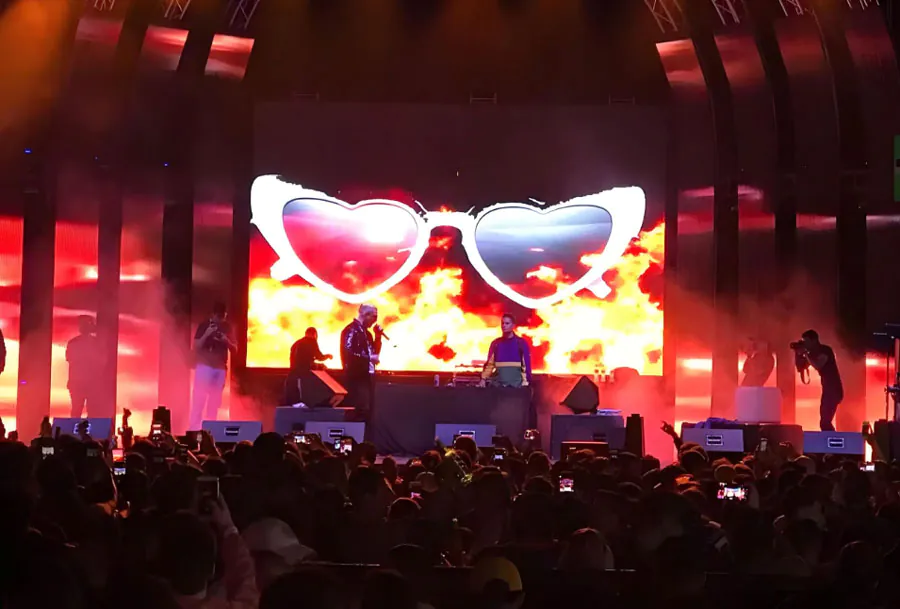
Festival Concert — High Budget
– Requirement: Daytime visibility and broadcast-quality feed for live streaming.
– Solution: Multiple 32×18 ft outdoor screens with P2.9 pitch, full redundancy, and lighting integration.
– Savings: Long-term partnership with an AV supplier lowered per-event cost across a tour of dates.
Vendor Evaluation and Red Flags
When selecting a supplier, watch for warning signs and prioritize professional practices.
Good signs:
– Clear, itemized quotes and contracts
– Insurance coverage for equipment and on-site liability
– References and photos/videos of past similar events
– On-site technician and contingency plan
– Transparent damage/replacement policies
Red flags:
– Vague or verbal-only pricing
– No insurance or unwillingness to show credentials
– Unwillingness to perform site visit or provide a site tech
– Extremely low price with no explanation (may indicate subpar equipment or hidden fees)
Final Tips to Stretch Your Budget
– Prioritize impact: A slightly smaller but centrally positioned screen can outperform a larger, poorly placed one.
– Reuse content templates: Save on content creation by designing templates that scale across screen sizes.
– Consider hybrid solutions: Combine LED with projection or multiple smaller screens to cover large areas affordably.
– Confirm power and bandwidth: Hidden power or network requirements can create surprise costs.
– Be flexible on time: Shorter setup windows may increase labor cost — plan early and coordinate closely with the vendor.
Big Screens, Smart Spending
Affordable Big LED Screen Rental Services for All Budgets is not just a slogan; it’s a practical goal achievable through informed planning, clear communication with vendors, and strategic trade-offs between resolution, size, and services. Whether you’re organizing a community festival on a shoestring or planning a broadcast-quality corporate launch, there’s a rental configuration that fits your financial constraints while delivering the visual impact your audience expects. Use the technical guidelines, negotiation strategies, and the comparison table in this article to tailor your approach, and always prioritize a transparent vendor relationship for the smoothest, most cost-effective outcome.