Mobile Led Screen Rental Columbus For Roadshows And Promotions

Mobile LED screens have become an essential marketing tool for brands, event managers, and promoters running roadshows and on-site promotions. In Columbus — a vibrant metropolitan area with a mix of corporate headquarters, universities, sports venues, and neighborhood festivals — the ability to present crisp, high-impact visuals in flexible locations provides a measurable advantage. Mobile LED solutions combine mobility, high brightness for outdoor visibility, and modular screen sizes that fit everything from intimate product demos to full-scale concert-style activations.
This article dives deep into the practical, technical, logistical, and financial aspects of renting mobile LED screens in Columbus specifically for roadshows and promotional campaigns. You’ll get an operational checklist, a comparison table of common configurations, tips for permitting and site logistics, creative use ideas, ROI considerations, and maintenance and safety recommendations.
Understanding Mobile LED Screens: Technology and Terminology
LED Modules, Pixel Pitch, and Resolution
Pixel pitch is the center-to-center distance between LED diodes and is measured in millimeters. Smaller pitches (e.g., P2.5, P3.9) yield higher resolution and are better for close viewing distances typical in trade show booths or small activations. Larger pitches (e.g., P6.25, P10) are cost-effective for large outdoor viewing distances, like concerts or roadshow stages.
Brightness and Contrast
Brightness is measured in nits (candela per square meter). Outdoor mobile screens typically need 5,500 nits or higher for daytime visibility; at dusk or nighttime, lower brightness suffices. High contrast ratios improve perceived image quality, especially for branded content and video playback.
Form Factor: Trailer-Mounted vs. Truck-Mounted vs. Flatbed and Trailer Drops
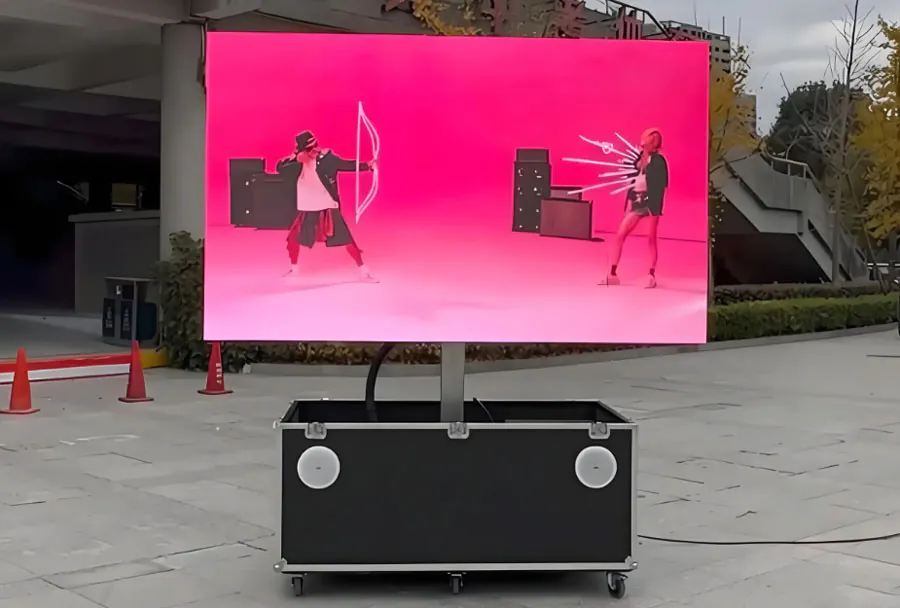
– Trailer-mounted LED screens: Highly common for roadshows; the screen is integrated into a towable trailer. Quick deploy, self-contained power options, and on-board stabilization.
– Truck-mounted: Popular for urban events since they provide space for crews and gear plus a built-in screen. Larger vehicles offer easier transport for long routes.
– Flatbed with rigged LED: Extremely flexible for customized stage builds and festivals but requires more setup time and crew.
Why Columbus Is a Strong Market for Mobile LED Rentals
Columbus offers a mix of urban density and suburban markets, collegiate audiences, and a diverse calendar of events. These features make it ideal for roadshows:
– Multiple venues for pop-up promotions (short-term lease spaces, parking lots, plazas).
– Large sporting audiences at Ohio Stadium and Nationwide Arena.
– A strong corporate base (finance, retail, logistics) that runs product launches and experiential marketing campaigns.
– Seasonal festivals and community events where mobile screens enhance visibility and crowd engagement.
Use Cases for Roadshows and Promotions
Product Launches and Demos
Mobile LED screens allow you to present high-resolution product videos, live demonstration feeds, and interactive content. For tech products or packaged goods, a bright screen paired with a demo station can significantly boost dwell time.
Brand Activations and Sampling Campaigns
Use the screen as a backdrop for a branded stage where hosts perform demonstrations, announce giveaways, or display dynamic CTAs and social media walls. Live social feeds and user-generated content encourage on-the-spot interaction.
Outdoor Advertising and Mobile Billboards
Mobile LED trucks can act like digital billboards that visit high-traffic neighborhoods, sporting events, or college campuses. Rotating creative caters to different audience segments throughout the day.
Entertainment and Live Events
Roadshows incorporating live performers or DJs benefit from large, bright LED surfaces for visuals and instant replays. Multi-camera workflows and live switching can amplify engagement and retention.
Planning and Logistics: A Practical Roadmap
Site Survey and Route Planning
Perform a location survey to identify power availability, clearance heights, ground load limits, and sightlines. For mobile units, plan routes for towing vehicles and confirm parking and staging areas that allow safe deployment.
Permits, Noise, and Local Regulations
In Columbus, local municipalities and the City of Columbus require permits for temporary structures, amplified sound, and street closures. Contact the local permitting office well in advance and allow time for approvals, especially for prime downtown locations or events near public institutions.
Power, Connectivity and Backup Systems
Mobile LED screens often rely on on-board generators or external power. Confirm generator run-times, fuel logistics, and backup redundancy. Consider cellular bonding or dedicated Wi-Fi for live streaming and remote content updates.
Scheduling and Crew Requirements
Determine load-in and teardown windows. Typical setups range from 1–4 hours depending on screen size and rig complexity. Prepare a staffing plan: driver/operator, AV technician, stage manager, and safety personnel. Include time for content upload and testing.
Cost Considerations: Pricing Models and Budgeting
Rental pricing typically depends on screen size, pixel pitch, mobility type, crew, distance, duration, and additional services (content creation, event production, permits). Common pricing structures:
– Daily/weekly rental fee for the screen and vehicle.
– Flat-rate crew and setup fee.
– Mileage and site-delivery surcharges.
– Ancillary costs: generators, power distribution, staging, and content playback equipment.
Budget conservatively for last-minute permit fees, additional crew hours, and on-site contingencies.
Creative Content and Production Tips
– Design assets to match viewing distance: larger text and bold imagery for distant outdoor viewing. Keep safe margins for LED bezels.
– Use high-contrast color schemes and optimized codecs (H.264 or H.265) for smooth playback.
– Schedule content playlists that shift by time-of-day to match audience demographics.
– Integrate live camera feeds with pre-produced content for dynamic presentations and instant replays.
Risk Management, Safety, and Maintenance
– Wind loading: Trailer and truck screens must be secured according to manufacturer specs; high winds may require stowing or additional ballast.
– Electrical: Ensure all cables, distribution panels, and generators are compliant with local electrical codes. Use GFCI protection and emergency shutoffs.
– Crowd control: Use barriers, clear ingress/egress points, and coordinate with local security for high-attendance activations.
– Preventative maintenance: Inspect LED modules, power systems, and rigging points before every deployment.
Performance Measurement and ROI
Measure success via:
– Audience estimates (foot traffic counts, dwell time).
– Engagement metrics (social mentions, contest entries, scans of QR codes).
– Direct ROI: redemption rates of promotional offers, lead capture numbers, and post-event sales lift.
Combine on-screen CTAs with unique tracking codes or mobile landing pages to quantify conversions attributable to the roadshow.
Sample Comparative Analysis Table
Below is a practical comparison of five typical mobile LED configurations used for roadshows and promotions in Columbus. This analysis helps match technical features to campaign goals.
| Configuration | Typical Size (feet) | Pixel Pitch | Ideal Use Case | Estimated Daily Rental (USD) |
|---|---|---|---|---|
| Compact Trailer LED | 10 x 6 | P6.25 | Small sampling demos, neighborhood activations | $600 – $1,000 |
| Mid-Size Truck-Mounted | 16 x 9 | P5.0 | Brand activations, campus events, mid-sized crowds | $1,200 – $2,200 |
| Large Trailer with Stage | 24 x 12 | P4.8 / P6.25 | Product launches, concerts, high-impact promotions | $2,500 – $5,000 |
| Flatbed Rig (Custom) | Varies (20–40+) | P3.9 / P4.8 | Festival main stage, on-location productions | $3,500 – $8,000 |
| Mobile Billboard Truck | 12 x 4 (panel) – multi-panel arrays | P6.25 / P8 | Mobile advertising, targeted neighborhood routes | $800 – $2,000 |
Note: Prices are approximate and depend on vendor, duration, and scope. Always request itemized quotes and include delivery, setup, and technician charges.
Vendor Selection: Questions to Ask Your Rental Partner
– What are the exact dimensions, pixel pitch, and brightness specifications?
– Is the vehicle DOT-compliant and insured for road travel in Ohio?
– What is included in the rental: driver, AV technician, setup, power/generator?
– Can you provide references or case studies of similar roadshows in Columbus?
– What are the terms for cancellations, force majeure (weather), and breakdowns?
– Do they offer content playback systems, live switchers, and streaming capabilities?
Request proof of insurance and a clear Service Level Agreement (SLA) that outlines response times for technical issues.
Case Study Examples and Practical Scenarios
Scenario A: A consumer brand targets college students on a Columbus campus. They choose a mid-size truck-mounted screen with P5 pitch. The screen broadcasts product demos, runs a QR-code-based scavenger hunt, and features a social wall. Result: increased foot traffic, hundreds of leads captured, and measurable uplift in trial sign-ups.
Scenario B: A regional restaurant chain builds a weekend pop-up in a busy plaza using a compact trailer LED. They schedule live cooking demos and limited-time offers displayed as on-screen coupons. Result: immediate sales lift and social engagement with tagged posts.
Scenario C: A non-profit conducts an outdoor awareness roadshow using a large trailer with stage. The screen supports live speeches, video stories, and close-captioning for accessibility. Result: increased donations and volunteer sign-up rates due to high-quality storytelling.
Checklist Before Deployment
– Confirm route clearance and parking permits.
– Secure electrical and generator logistics, including extra fuel.
– Ensure content is formatted to the correct aspect ratio and tested.
– Assemble staffing schedule and contact list for all vendors.
– Review public safety measures, crowd control plans, and first aid access.
– Run a full tech rehearsal on-site at least one hour before event open.
For roadshows and promotions in Columbus, start by defining clear objectives: brand awareness, lead capture, sales, or storytelling. Match the screen configuration to your goals and viewing environment. Prioritize vendor experience in local regulations and logistics, and always plan for contingencies. High-quality content, combined with reliable equipment and a thoughtful operational plan, will maximize the impact of your mobile LED rental and deliver measurable returns for your campaign.
Mobile LED screens are more than bright displays — they’re a platform for live storytelling, direct audience engagement, and flexible advertising that travels to your target customers. With careful planning and the right partners, Columbus roadshows can turn transient encounters into lasting brand impressions.