Top Rated Los Angeles LED Screen Rental Companies

Los Angeles is a global hub for entertainment, corporate events, film and television production, festivals, and live experiences. For event planners and production managers, high-quality LED screens are no longer optional — they are foundational. LED screens transform stages, improve audience sightlines, enable dynamic branding, and deliver reliable performance both indoors and outdoors. This article provides a professional, practical guide centered on top-rated Los Angeles LED screen rental companies, how to evaluate them, and what to expect in terms of capabilities, logistics, and costs.
What “Top Rated” Means in the LED Rental Market
“Top rated” is a combination of measurable and experiential factors:
– Technical quality: pixel pitch options, brightness, contrast, and refresh rate.
– Inventory depth: different panel sizes, curved/flat configurations, mobile rigs, and trucks.
– Support services: design, rigging, transportation, installation, on-site tech support, content management.
– Reliability and reputation: customer reviews, references, and track record on comparable events.
– Compliance and safety: rigging certifications, insurance, and permitting knowledge for Los Angeles venues.
Evaluating companies on those criteria helps narrow choices quickly when planning an event in LA.
Representative Comparison: Top Providers and What They Offer
Below is an analysis table comparing representative top-tier LED screen rental providers that serve Los Angeles. These entries are intended as a starting point for research — always confirm specifics directly with each vendor.
| Company | Specialties | Typical Events | Service Area / Coverage | Typical Daily Rental Rate (est.) |
|---|---|---|---|---|
| PRG (Production Resource Group) | Large-scale LED walls, broadcast & film-grade screens, integrated video systems | Concerts, TV/film stages, awards shows, major corporate launches | Nationwide with local LA crews | $5,000 – $30,000+ (based on size & complexity) |
| All Access Staging & Productions | Event AV packages, modular LED walls, staging and truss integration | Corporate events, galas, mid-size concerts, festivals | Los Angeles metro and Southern California | $2,000 – $15,000 |
| PixelFLEX (national provider) | Flexible LED panels, creative shapes, indoor/outdoor solutions | Trade shows, immersive experiences, branded activations | Nationwide support, regional LA partners | $3,000 – $20,000 |
| 4Wall Entertainment | Comprehensive AV & lighting with LED screen integration | Large corporate events, tours, festivals | Multiple US hubs; services LA through local teams | $2,000 – $25,000 |
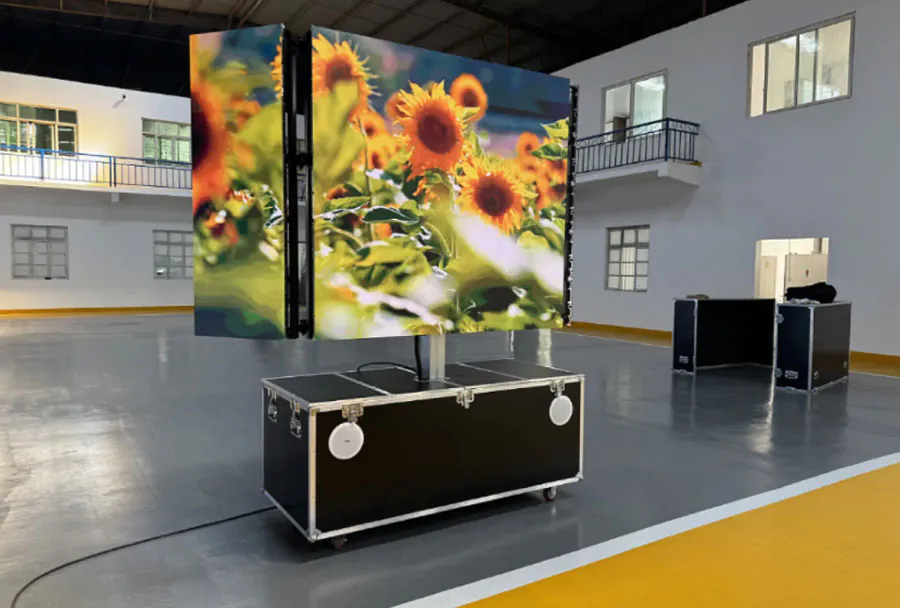
| LEDitGO (mobile LED trucks / event rigs) | Mobile LED truck units, instant outdoor displays, drive-in cinema setups | Outdoor festivals, pop-ups, film shoots, on-site activations | Regional LA and Southern California | $3,000 – $12,000 |
Note: The companies listed are examples of mid-to-high-tier providers known for working on large-scale events; pricing ranges are estimated and depend heavily on screen size, pixel pitch, installation complexity, labor, and power requirements.
How to Choose the Right LED Rental Company in Los Angeles
1. Define your technical needs first
– Resolution and viewing distance: pixel pitch determines how close the audience can be while preserving image clarity.
– Brightness: outdoor daylight events require high-nit panels (5,000+ nits) while indoor shows can often use lower brightness.
– Viewing angles and contrast: critical for large, shallow-audience spaces.
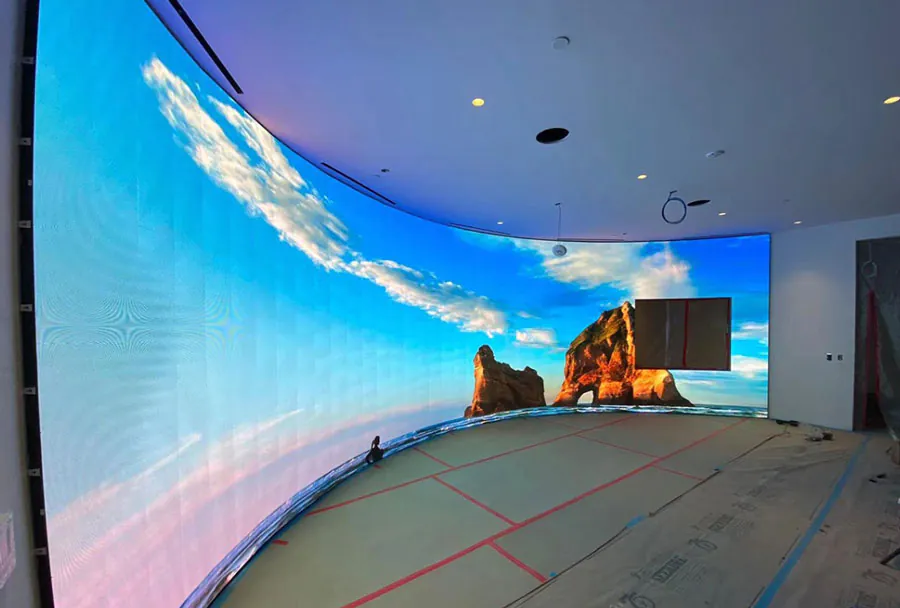
– Frame and mounting options: ground-supported walls, flown walls, curved configurations, or mobile trucks.
2. Inventory depth and modularity
– Top providers have multiple pixel pitches (e.g., P2.9, P3.9, P4.8, P6.9) and varied panel sizes to create custom canvases.
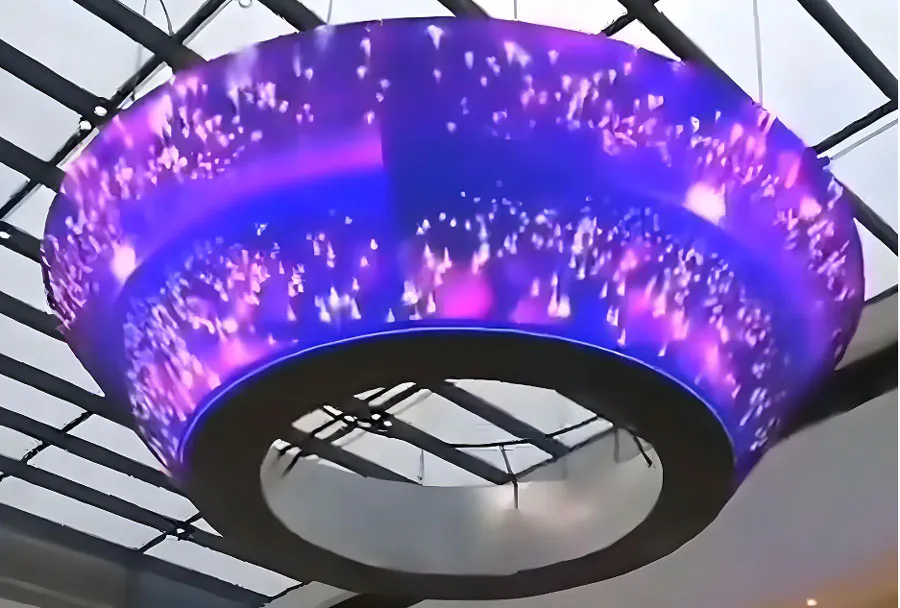
– Modular systems reduce seams and allow creative shapes or irregular screens.
3. On-site technical support
– Ask about dedicated video operators, redundancy plans, spare panels, and in-field diagnostics.
– Confirm the crew’s experience with the specific venue and rigging points.
4. Integration with other production elements
– Lighting and audio interplay, camera feeds, and media servers must be coordinated.
– The best companies offer integrated solutions or collaborative crews that have worked together before.
5. Permitting, insurance, and compliance
– Los Angeles often requires permits for outdoor structures, power draws, and street closures.
– Verify the company carries adequate liability insurance and has experience pulling permits for LA venues.
6. Turnaround and logistics
– Delivery windows, load-in/load-out strategies, and local labor availability affect both cost and risk.
– LA traffic and neighborhood restrictions can add complexity and should be factored into scheduling.
Technical Factors to Evaluate — A Deeper Look
– Pixel Pitch and Image Quality: Smaller pixel pitch (e.g., P2.9) provides higher resolution suited for close-range viewing. For large outdoor audience distances, P6–P10 is common and more cost-effective.
– Refresh Rate and Broadcast Compatibility: If event content will be captured for broadcast or streamed, ensure the panels have high refresh rates and low scan lines to avoid flicker with cameras.
– Brightness and HDR: Daytime outdoor events need panels rated for high brightness with good contrast ratios. For cinematic or broadcast work, HDR capability and reliable color calibration matter.
– Power Consumption and Heat: Verify the electrical requirements and whether additional generators or distribution are necessary.
– Connectivity and Signal Redundancy: Ask about media servers (e.g., disguise or Brompton processing), input redundancy, and backup signal paths.
Budgeting — Realistic Cost Components
LED screen rental pricing is typically a composite of:
– Screen rental (per square foot or per module)
– Shipping and logistics (truck time, labor)
– Installation and rigging labor (union vs. non-union rates in LA)
– Media server, video processing, and control systems
– On-site operator and technician fees
– Power generation or distribution (if venue power is insufficient)
– Permitting fees and insurance add-ons
Example: a 20’ x 10’ LED wall (approx. 200 sq ft) for an indoor corporate event with a mid-range pixel pitch could cost from $4,000–$10,000 per event day after factoring crew, transport, and processing. Outdoor, high-brightness installations or broadcast-grade panels can push that much higher.
Negotiation and Contract Tips
– Get itemized quotes: separate screens, transport, labor, and processing so you can adjust scope.
– Ask for uptime guarantees and penalty clauses if equipment failure impacts your event.
– Confirm changeover fees and penalties for late load-out — LA venue schedules are strict.
– Reserve early for peak seasons (awards season, summer festivals) to secure inventory and reasonable rates.
– Consider package deals — bundling LED with audio, lighting, or staging can reduce overall cost.
Logistics and Venue Coordination in Los Angeles
– Access constraints: many LA venues have loading docks sized for specific trucks; confirm dimensions and truck types.
– Noise ordinances and neighborhood rules can affect load-in/out times and generator use.
– Power capacity: large LED walls can require significant current; coordinate with venue electricians early.
– Rigging points: Verify structural load ratings for flown walls; some venues require certified riggers or union labor.
Case Uses — Typical Applications in Los Angeles
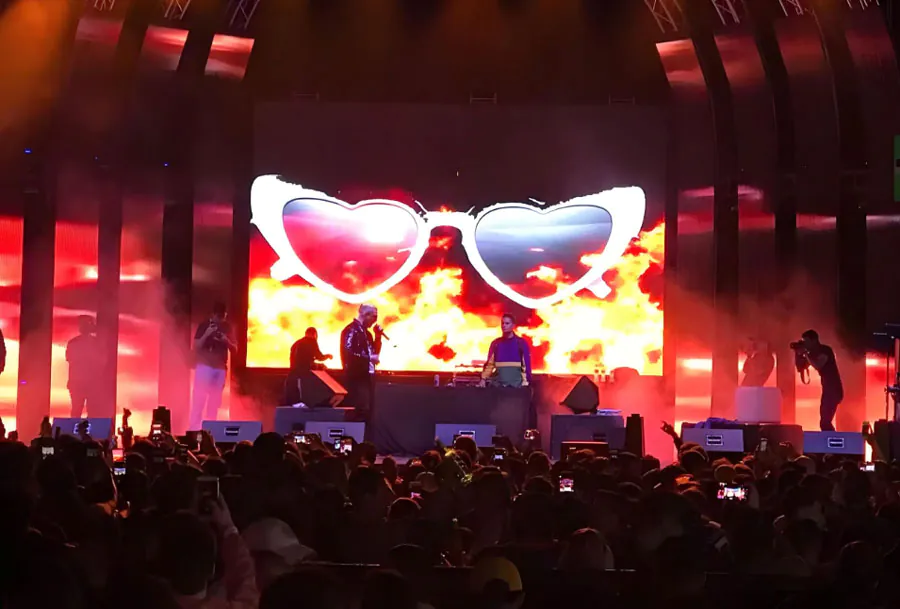
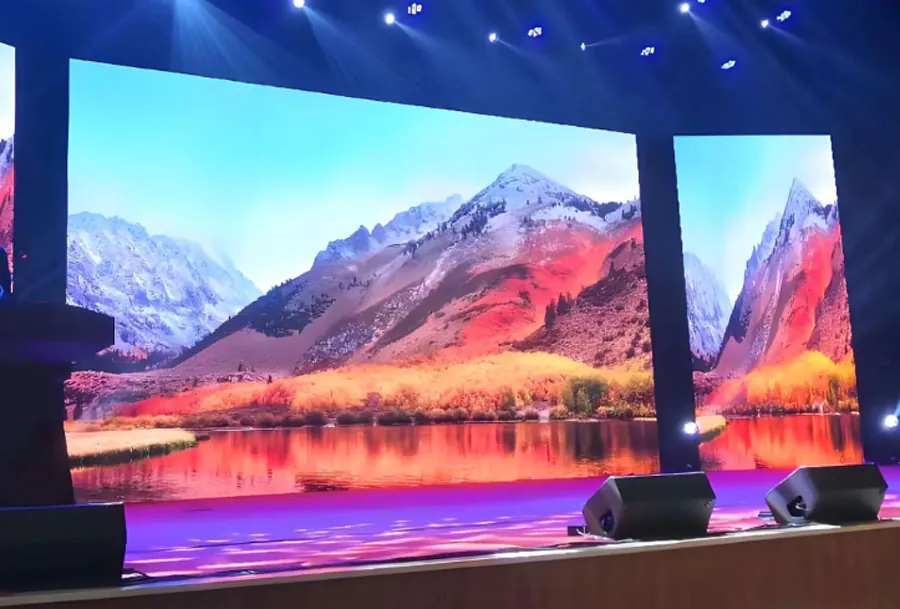
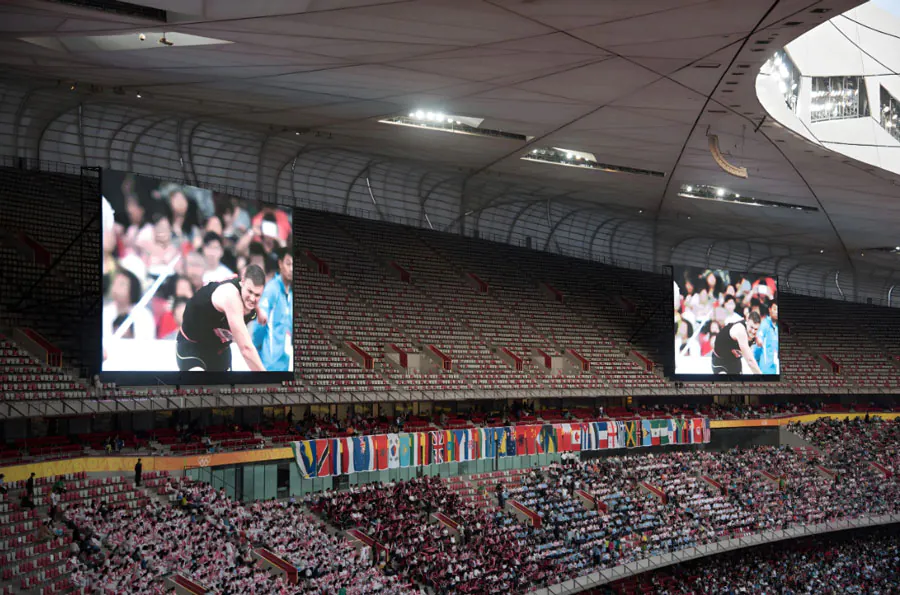
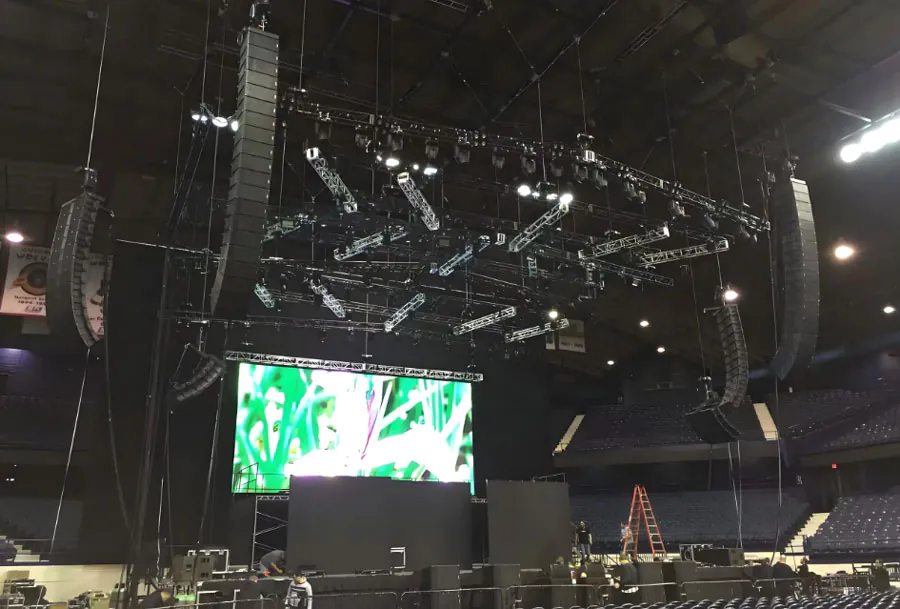
– Concert tours and music festivals: large, bright LED walls for audience immersion and camera pickup.
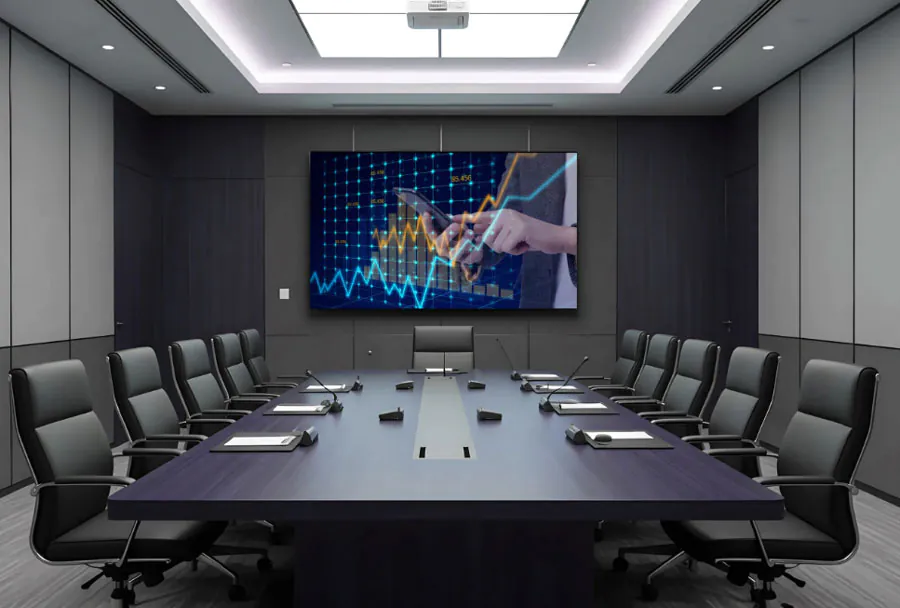
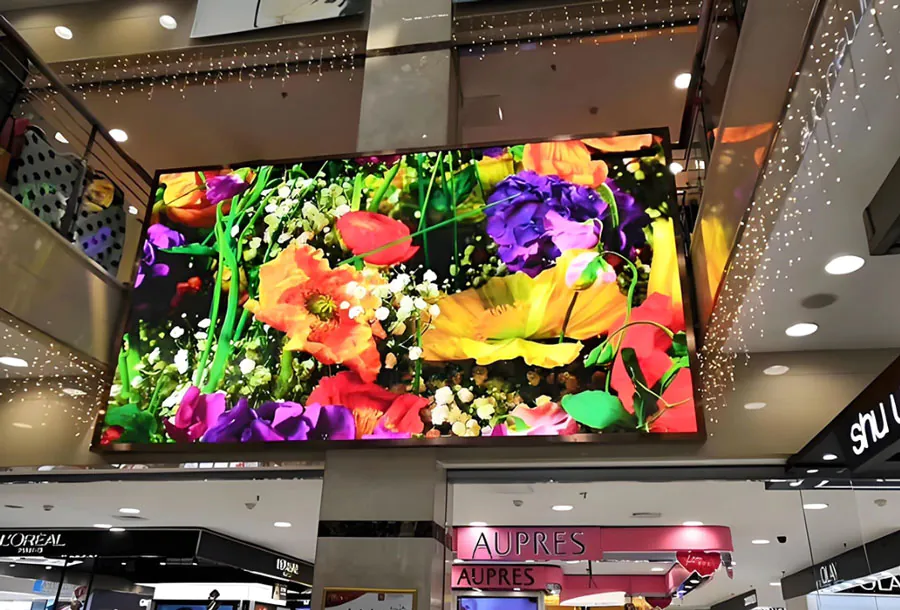
– Corporate product launches: high-resolution indoor screens for product detail and live demos.
– Film and virtual production: LED volumes for in-camera VFX and dynamic backgrounds (requires broadcast-grade panels and color accuracy).
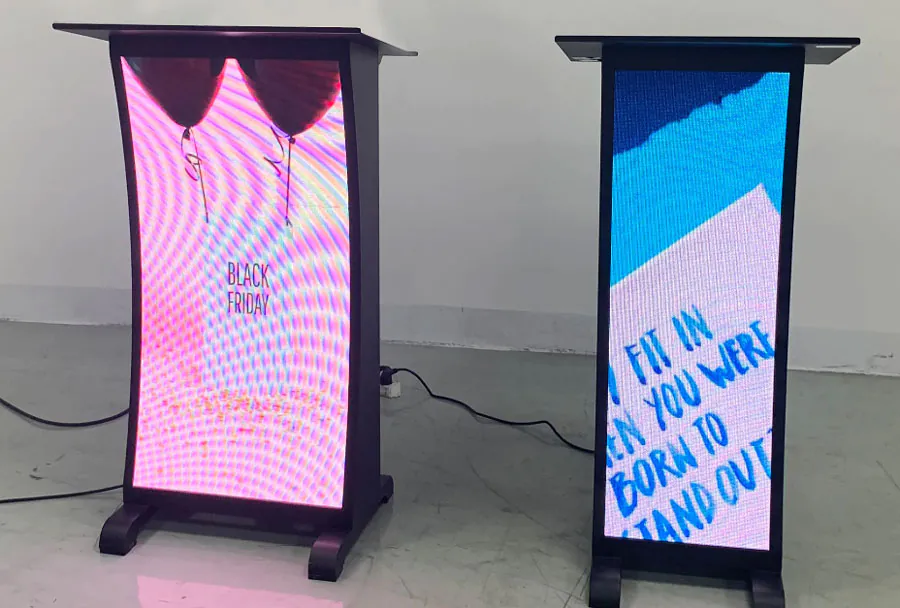
– Trade shows and experiential activations: creative shapes, curved LEDs, and interactive displays to draw foot traffic.
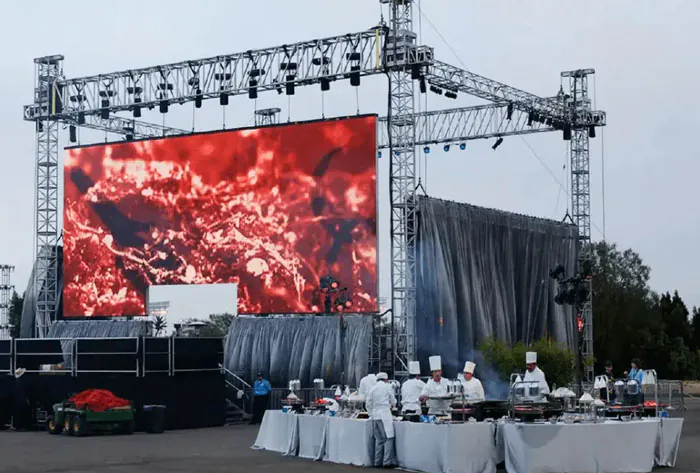
– Outdoor cinema and community events: mobile LED trucks or ground-supported walls for drive-in and public screenings.
Sustainability and Lifecycle Considerations
Top rental companies increasingly focus on:
– Energy-efficient panels and LED drivers to reduce generator needs.
– Repair and refurbishment programs to minimize waste.
– Recyclable packaging and optimized logistics to reduce carbon footprint.
Ask prospective vendors about their environmental practices if sustainability is a priority for your event.
Common Pitfalls and How to Avoid Them
– Underestimating viewing distance and pixel pitch: choose resolution based on closest viewer distance, not on the largest screen size alone.
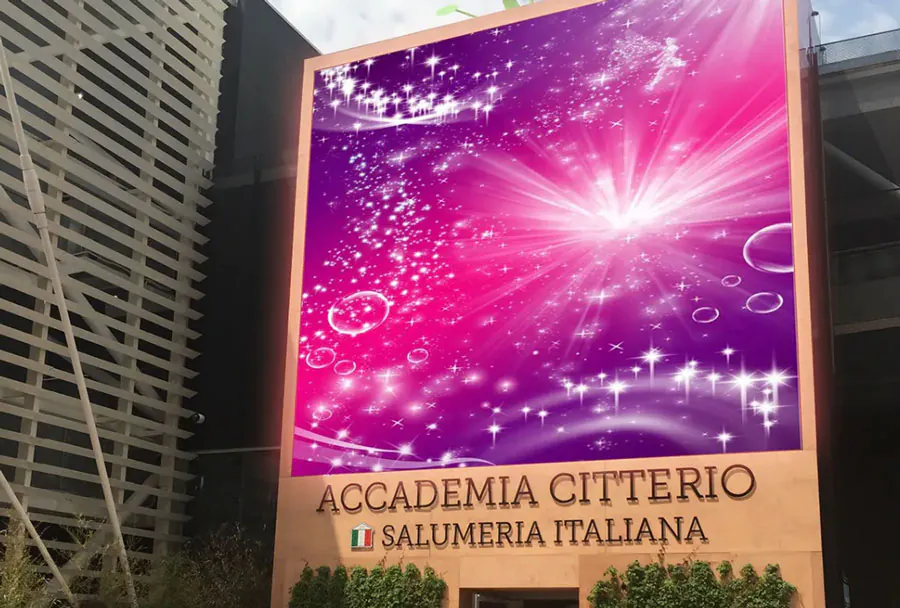
– Ignoring ambient light: insufficient brightness in daylight will make content unreadable.
– Not planning for redundancy: always request spare panels and backup signal routes.
– Failing to confirm venue ratings: structural and electrical constraints can derail installation plans.
– Last-minute changes: they increase cost and risk — lock plans early and allow contingency days.
Final Checklist Before Contracting a Provider
– Confirm exact screen dimensions, pixel pitch, and brightness.
– Request on-site crew size and schedule with load-in/load-out times.
– Verify media server type, file formats, and color profiling procedures.
– Get an itemized quote with taxes, insurance, and permit responsibilities spelled out.
– Ask for client references from recent LA events of similar scope.
– Confirm licensing/permits the vendor will secure, and what you must obtain.
Making the Most of LA’s Top LED Rental Providers
Los Angeles offers a robust marketplace of LED screen rental companies ranging from specialty mobile-truck vendors to large-scale production houses. The “top rated” providers distinguish themselves through technical depth, strong support services, experienced crews, and proven track records on events similar to yours. The best approach is to define technical needs early, seek itemized proposals from multiple reputable vendors, and verify logistics, permitting, and redundancy plans. With thoughtful selection and planning, your event’s LED installation will be a showpiece — not a constraint.