The Ultimate Guide to LED Screen Rental in Chicago 2026

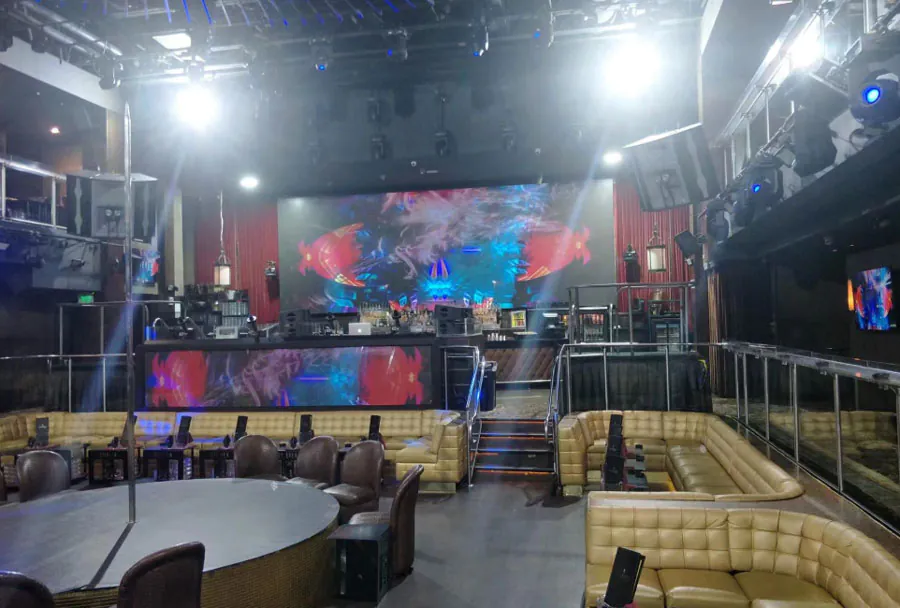
Chicago is a city of big events — from summer festivals on the lakefront to corporate conventions in the Loop, sports rallies, political gatherings, and neighborhood street fairs. For 2026, LED screens remain one of the most effective ways to deliver high-impact visuals to large crowds, provide live content for hybrid audiences, and make brand messages visible across complex urban environments. This guide gives event planners, marketing teams, AV technicians, and venue operators a practical, Chicago-focused playbook for renting LED screens in 2026: what to choose, how much to expect, permit and logistics considerations, and how to get the best results on time and on budget.
How LED Screens Work — Quick Technical Overview
Basics
LED screens are arrays of light-emitting diodes arranged into panels. Panels are combined into a continuous display. Key specs to evaluate include pixel pitch (distance between LEDs), brightness (measured in nits), refresh rate, contrast, and ingress protection (IP rating) for outdoor use.
Why Specs Matter
– Pixel pitch impacts perceived resolution and viewing distance. Smaller pitch = higher resolution = closer optimal viewing.
– Brightness dictates visibility in daylight (especially crucial for Chicago’s bright summer sun).
– IP rating and structural ruggedness matter for outdoor Chicago events (wind, rain, lakefront conditions).
– Control systems and media servers determine how reliably you can push live feeds, animations, and synchronized content.
Types of LED Rental Solutions and When to Use Them
Common Rental Options
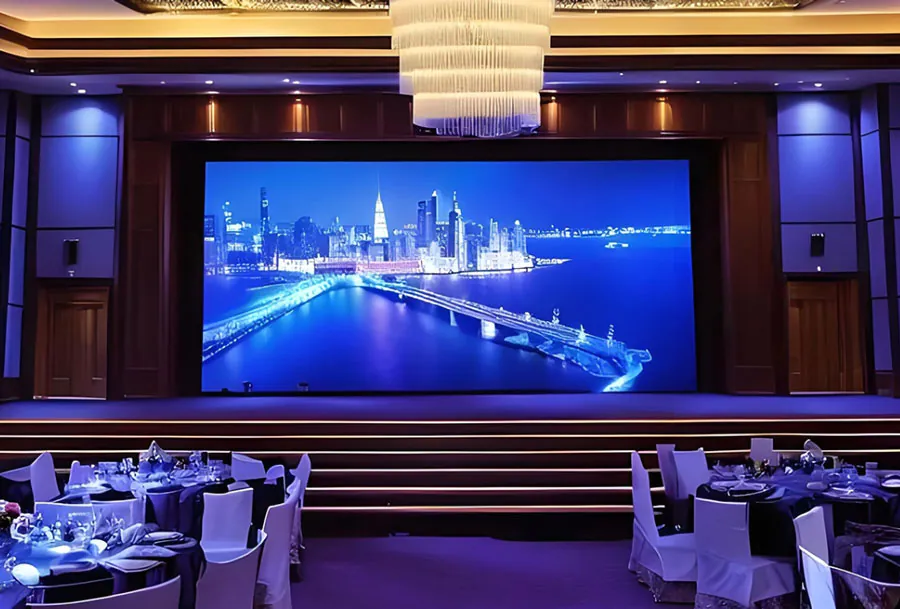
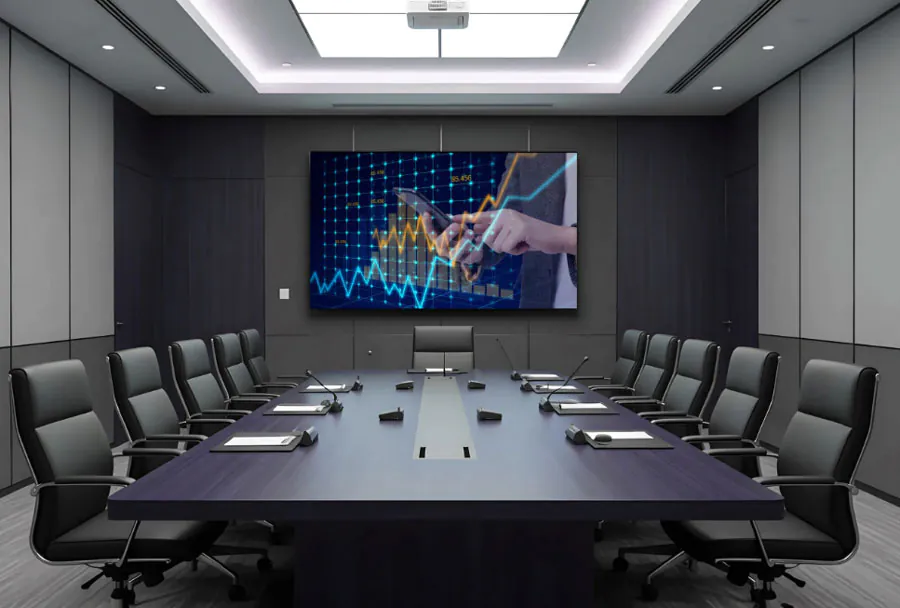
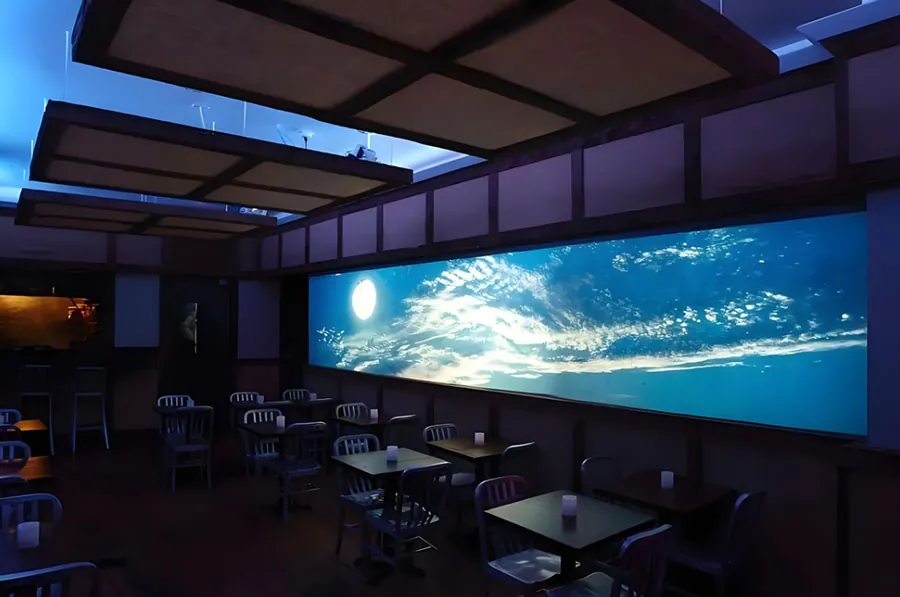
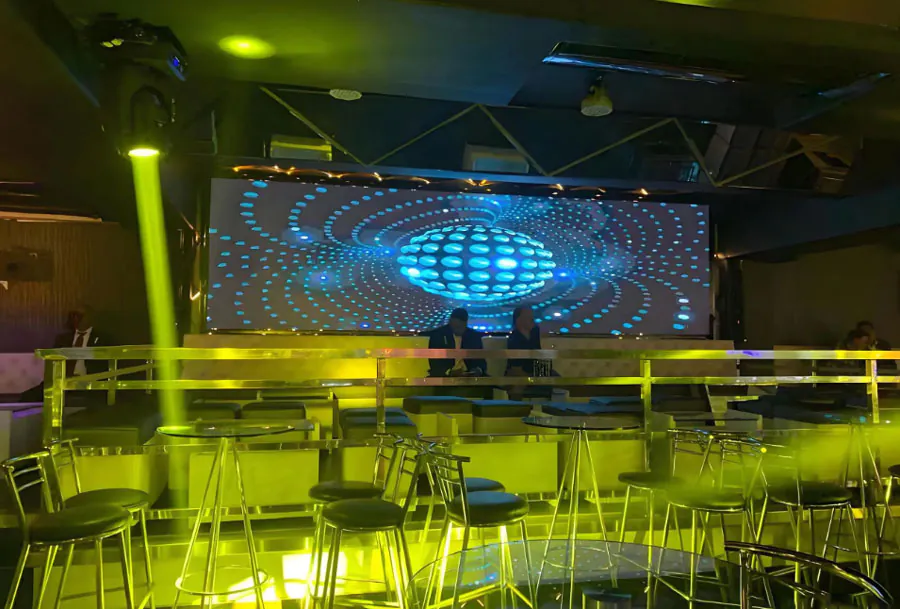
– Indoor modular LED walls: high resolution, ideal for conferences and trade shows.
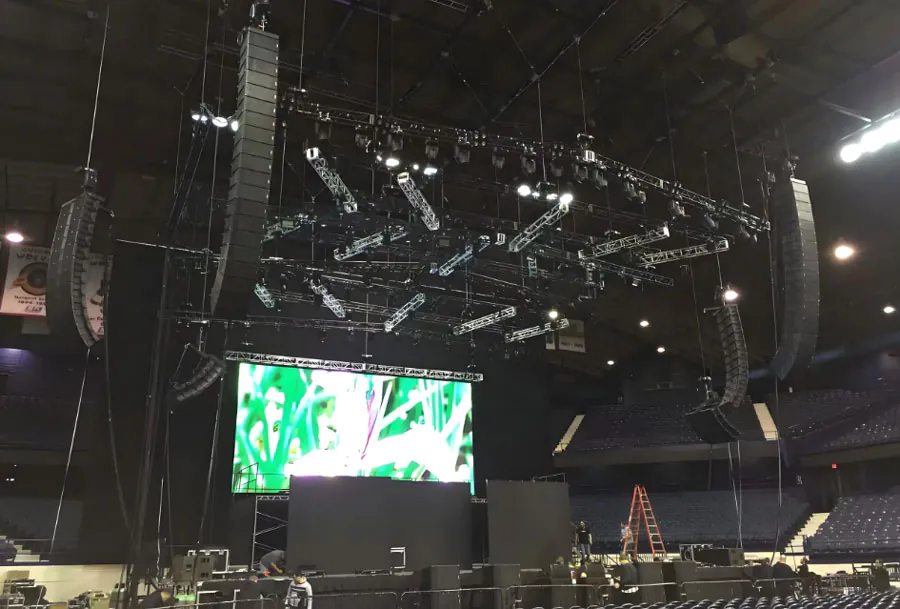
– Outdoor high-brightness LED walls: weatherproof, suitable for festivals, sports watches, and fairs.
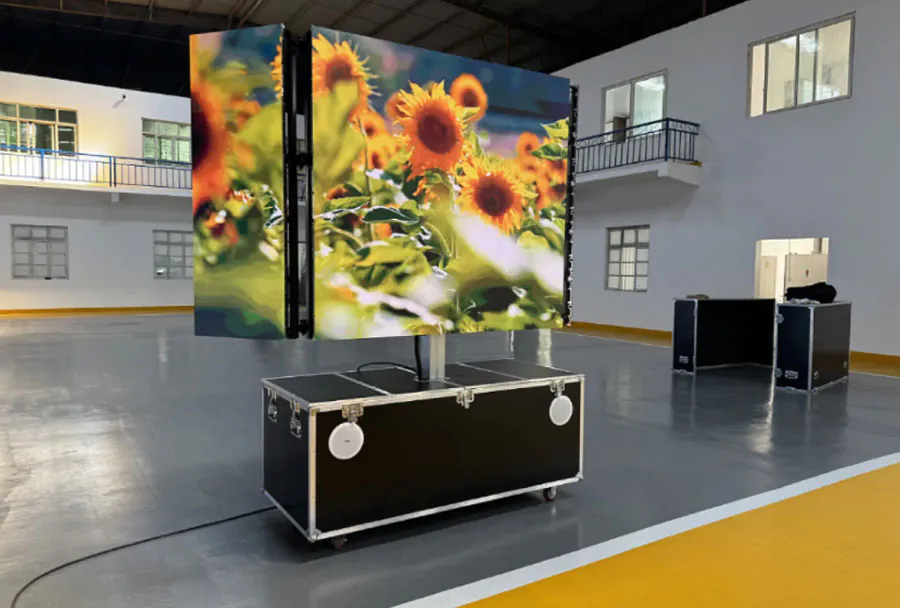
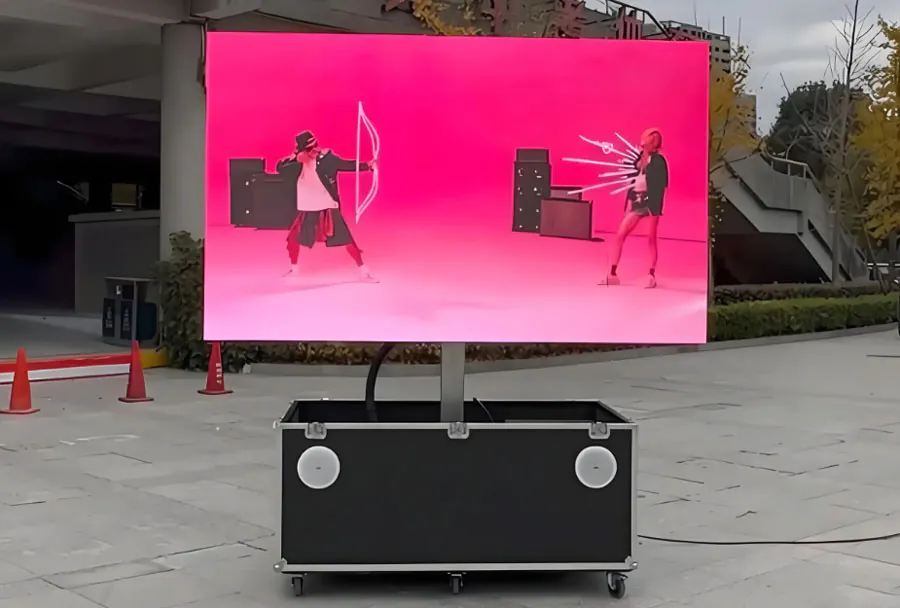
– Mobile trailer/portable LED screens: fast deployment, great for outdoor public viewings or temporary activations.
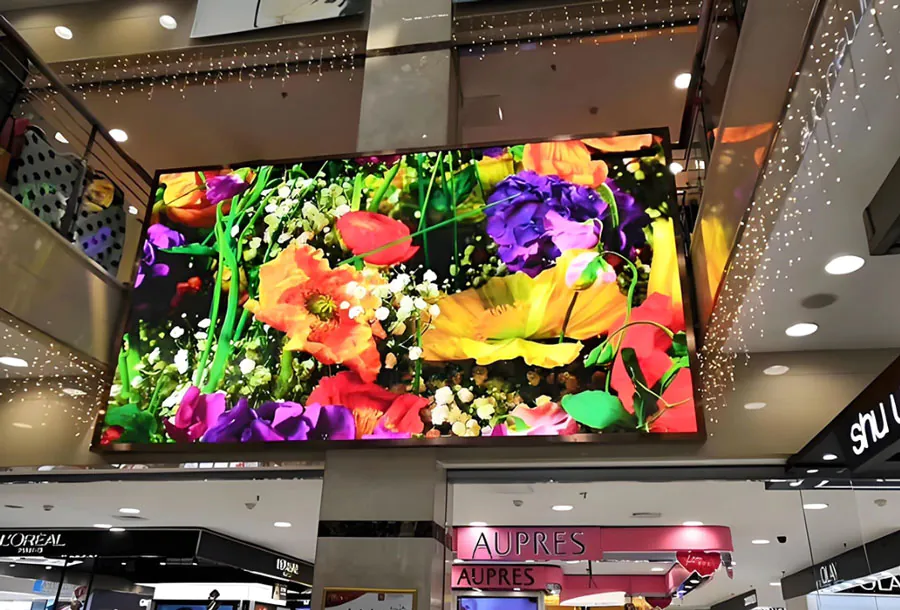
– Transparent/fine-pitch LED: fits retail facades or stage design where see-through effect is useful.
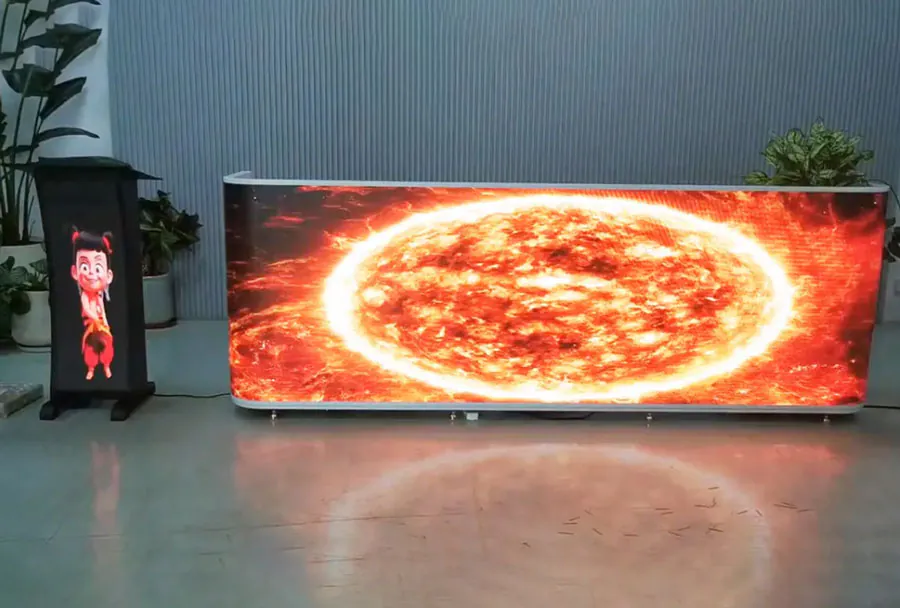
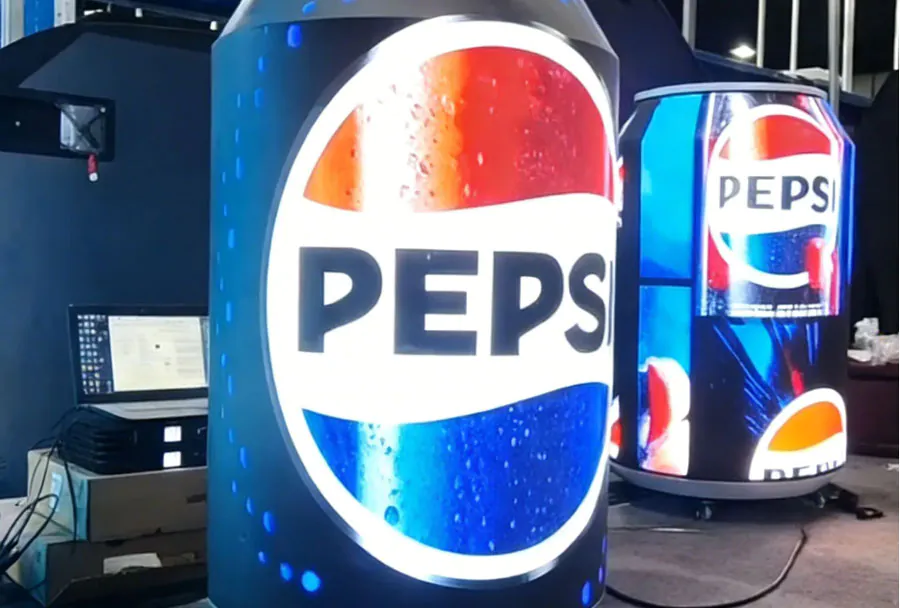
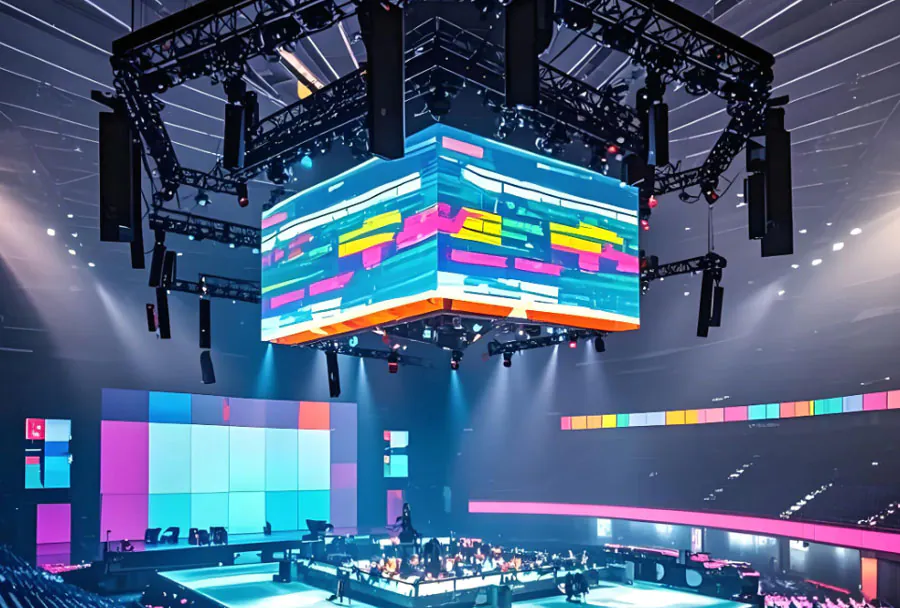
– Flexible/curved modules: used for immersive sets and unique architectural installations.
Chicago-Specific Considerations for 2026
Local Permits and Agency Contacts
Planning in Chicago requires coordination with several agencies. While rules evolve, the following contacts and permit types are commonly relevant:
– Chicago Department of Buildings (DOB): structural and electrical permits for fixed or elevated installations.
– Chicago Department of Transportation (CDOT): street use permits, sidewalk closures, curb-space occupation.
– Business Affairs and Consumer Protection (BACP): special event or vending permits for commercial activations.
– Chicago Fire Department (CFD): occupancy and crowd-safety inspections for large displays affecting egress.
– Chicago Police Department (CPD): public safety plans, traffic control when screens require road closures.
– Local venue/park districts: additional approvals for events at Millennium Park, Grant Park, Navy Pier, etc.
Note: Because regulations and fees can change year-to-year, always confirm requirements with the city and venue at least 8-12 weeks before event day and retain written approvals.
Labor and Union Considerations
Many Chicago venues and large events stipulate union labor (riggers, electricians, stagehands). Verify labor rules in contracts and include union labor costs in your budget and timeline.
How to Choose the Right LED Screen — Key Specs and Rules of Thumb
Pixel Pitch vs. Viewing Distance
– Indoor meetings/presentation screens: P1.5–P2.6 for up-close audiences.
– Conference halls and ballrooms: P2.6–P4.
– Outdoor festivals and large crowds: P6–P10 (or larger) depending on viewing distance.
General rule: minimum viewing distance (in meters) ≈ pixel pitch (in mm) × 1.5 to 3. For example, P6 (6 mm) is comfortable for audiences standing 9–18 meters away.
Brightness and Weather
– Indoor: 700–1,500 nits typically sufficient.
– Outdoor daytime (Chicago sun): target 5,000–7,000 nits or higher for optimal visibility.
– Ensure IP65+ ratings for outdoor use and ask about windload ratings and certified rigging hardware when mounting on towers or structures.
Power, Backup, and Redundancy
Plan for power distribution, generator capacity, and UPS or backup systems for live events and critical broadcasts. Ask vendors about failover, pixel redundancy, and hot-swap module capability.
Budgeting and Typical Costs (Estimates for 2026)
Costs vary by size, resolution, location, labor needs, and length of rental. Below are ballpark ranges—get written quotes from at least three local vendors.
– Small indoor wall (10–20 sq ft): $300–$1,200 per day.
– Medium indoor wall (50–150 sq ft): $1,200–$4,000 per day.
– Outdoor festival wall (200–600 sq ft high-bright): $3,500–$15,000+ per day.
– Mobile trailer screen: $1,500–$6,000 per day.
– Full-service multi-day installations (including content, operators, rigging): budgets commonly start at $10,000 and escalate with scale.
Always confirm what’s included: shipping, rigging labor, scaffolding or truss, control system, playback operator, taxes, permits, and insurance.
Analysis Table: LED Screen Options Comparison
| Screen Type | Ideal Use / Environment | Pixel Pitch Range | Typical Rental Cost (per day, estimate) | Setup Time (approx.) |
|---|---|---|---|---|
| Indoor Modular LED Wall | Conferences, trade shows, indoor stages | P1.5 – P4 | $300 – $4,000 | 4 – 12 hours |
| Outdoor High-Brightness LED Wall | Festivals, concerts, sports watch parties | P6 – P10 (or larger) | $3,500 – $15,000+ | 8 – 24+ hours |
| Mobile Trailer LED Screen | Temporary public viewings, street activations | P6 – P10 | $1,500 – $6,000 | 2 – 6 hours |
| Transparent / Retail LED | Storefronts, retail fa?ades, architectural installs | P2 – P4 (transparent models vary) | $800 – $6,000 | 6 – 18 hours |
| Flexible / Curved LED | Immersive stages, creative sets | P2 – P6 | $1,200 – $10,000+ | 6 – 20 hours |
Logistics and Installation Checklist for Chicago Events
Timeline
– 12+ weeks: Large outdoor or multi-screen festival installations — secure permits, vendors, and insurance.
– 6–8 weeks: Mid-size events, concerts, or stadium activations.
– 2–4 weeks: Small indoor shows or trade show booths (vendor availability permitting).
Site Survey
Conduct a technical site survey: power availability, load-bearing structures, sightlines, ingress/egress pathways, and local weather exposure (wind patterns near Lake Michigan).
Permitting & Approvals
Confirm permit application deadlines and fees. Provide diagrams, structural calculations, and traffic control plans as required. Keep copies of all approvals on site during installation.
Insurance and Liability
Vendors typically require certificate of insurance (COI) naming the venue and the City of Chicago as additional insured. Typical limits: general liability $1M–$5M; higher limits may be required for large public events.
Content and Playback: Best Practices
Resolution and Aspect Ratio
Design content to match the pixel matrix and aspect ratio of the installed wall. Avoid stretching video; provide content masters at recommended resolutions.
Brightness and Color Calibration
Request a pre-show calibration and perform on-site checks during load-in to ensure consistent brightness, color temperature, and gamma across panels.
Live Feeds and Latency
For live camera feeds, ask about end-to-end latency from camera to display. Sports or interactive events often require minimal delay; ensure encoders, decoders, and switchers are specified accordingly.
Choosing a Chicago Vendor: Questions to Ask
– What is your local inventory and what will be brought in from outside Chicago?
– Do you provide engineered rigging drawings and stamped calculations?
– Can you supply references and recent Chicago event case studies?
– What is included in the quote (delivery, labor, power, content playback)?
– Who is the day-of technical lead and what is their experience?
– What are your backup and redundancy procedures for failures?
– Are you familiar with Chicago permitting and union requirements?
Common Pitfalls and How to Avoid Them
– Underestimating brightness needs for daytime outdoor events — choose higher-nit screens.
– Failing to allow enough lead time for permits and rigging inspections.
– Not confirming union labor rules until too late — verify early to lock schedules.
– Skimping on content resolution — low-res assets look poor on large screens.
– Ignoring weatherproofing and wind load planning for lakefront sites.
Sample Budget & Production Timeline (Simple Outdoor Event)
– 10–12 weeks out: Select vendor, apply for permits, begin content planning.
– 6–8 weeks out: Confirm labor, finalize rigging plans, secure insurance.
– 2–4 weeks out: Load-in schedule, power coordination, content delivery to vendor.
– Day -1: Installation and calibration.
– Event day: Technical operator on-site; monitor playback and crowd safety.
– Day +1: Strike and post-event debrief.
Estimated modest outdoor setup (single 300–400 sq ft wall): $8,000–$25,000 total for 1–2 day rental including setup, labor, permits, and basic content playback. Prices scale up quickly with size, complexity, or premium technical production.
Frequently Asked Questions (FAQ)
Q: How far in advance should I book an LED screen in Chicago?
A: For major festivals or downtown activations, book 8–12+ weeks ahead. For smaller indoor events, 2–4 weeks can work but earlier bookings get better rates and availability.
Q: Do I need a structural engineer for outdoor screens?
A: Many large or elevated outdoor installations require engineered drawings and stamped calculations to satisfy venue and City building permit requirements.
Q: Can I run live video and dynamic graphics at the same time?
A: Yes; modern media servers support multiple inputs and layers. Test content and timing in advance and coordinate with your playback operator.
Getting It Right in Chicago 2026
An effective LED screen rental in Chicago blends the right technology with careful logistics, early engagement with city and venue stakeholders, and experienced vendors who understand local labor and permitting realities. Start planning early, specify realistic brightness and resolution for your viewing environment, confirm labor and insurance obligations, and always test content on the actual display or a close technical simulator before show time.
For 2026 events, be proactive about confirming any updated municipal rules and union requirements, and prioritize vendors who can demonstrate Chicago-specific experience. With the right approach, LED screens will transform your event visuals and create memorable audience experiences across the Windy City.