Los Angeles LED Screen Rental for Weddings, Concerts and Corporate Events

Los Angeles is a city of big productions, memorable celebrations, and high expectations. Whether you are planning a romantic wedding in Malibu, a high-energy concert at a downtown venue, or a polished corporate event at a convention center, LED screen rental plays a critical role in elevating the guest experience. LED screens provide bright, high-resolution visuals that remain visible in daylight or under theatrical lighting, offer flexible sizing and configurations, and can be integrated with live video, presentations, graphics, and interactive content. In a market like Los Angeles—where venues range from intimate rooftops to large outdoor arenas—knowing how to select and deploy the right LED solution is essential to event success.
What This Guide Covers
This article walks you through the practical and technical considerations of LED screen rental in Los Angeles for weddings, concerts, and corporate events. You’ll find:
– A comparison table of common LED screen options and their best use cases.
– Technical specs you need to know (pixel pitch, brightness, resolution, refresh rate).
– Recommendations by event type (wedding, concert, corporate).
– Logistics, cost factors, and vendor selection tips.
– Case-driven advice for setup, content, and on-site operations.
Key Technical Terms Every Planner Should Know
Understanding a few basic terms will help you communicate with rental companies and make informed decisions.
– Pixel pitch: The distance between LED pixel centers (measured in millimeters). Smaller values (e.g., 1.5–2.6mm) mean higher pixel density and better close-range viewing, while larger pixel pitches (e.g., 6–10mm+) are suited for long-distance viewing.
– Brightness (nits): The luminance of the display; outdoor events typically require higher brightness (5,000–7,000 nits) to be visible in daylight, while indoor screens can be lower (800–2,500 nits).
– Resolution: The total number of pixels (width x height). Resolution depends on screen size and pixel pitch.
– Refresh rate: Measured in Hz; higher refresh rates reduce flicker and improve video capture for broadcast or social media.
– Modular panels: LED screens are built from panels or tiles. These allow custom shapes and sizes and make transport and installation easier.
Table — Quick Analysis of Common LED Screen Options
| Use Case | Typical Pixel Pitch (mm) | Recommended Viewing Distance | Average Brightness (nits) | Estimated Rental Cost (per day, LA market) |
|---|---|---|---|---|
| Intimate Indoor Weddings | 1.5–2.6 | 3–10 ft (close) | 800–1,500 | $800–$2,500 |
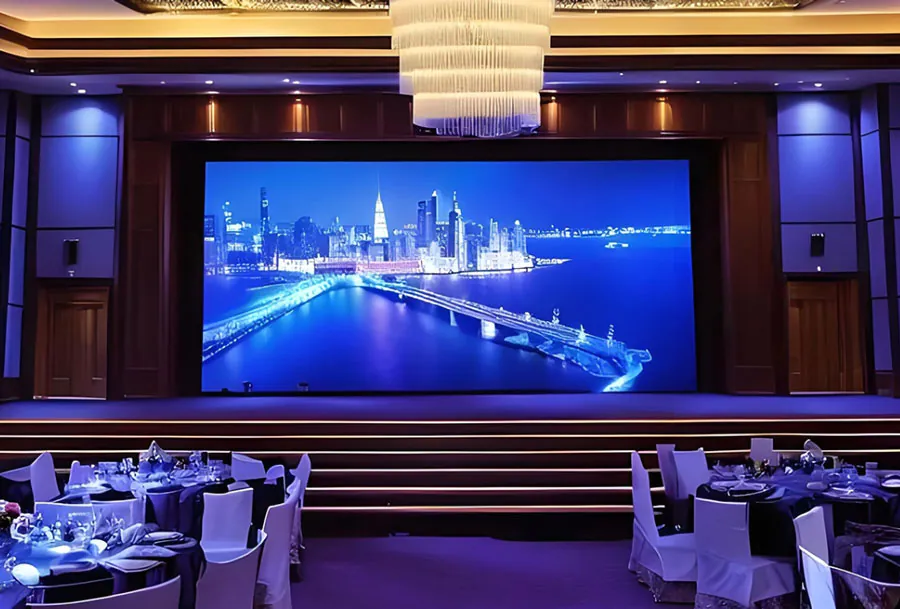
| Banquet Halls & Large Ballrooms | 2.5–4 | 10–30 ft | 1,500–3,000 | $1,500–$4,000 |
| Outdoor Daytime Concerts | 6–10+ | 50+ ft | 5,000–8,000+ | $6,000–$20,000+ |
| Indoor Concerts / Arenas | 3–6 | 30–100 ft | 2,500–5,000 | $3,000–$12,000+ |
| Corporate Presentations / Trade Shows | 1.9–3.9 | 5–40 ft | 1,000–3,000 | $1,200–$6,000 |
Choosing the Right LED Screen by Event Type
Different events have distinct priorities: intimacy and elegance for weddings, sheer power and visibility for concerts, and clarity plus reliability for corporate environments. Here’s how to match screens to event needs.
Weddings: Prioritize Image Quality and Aesthetic Integration
Weddings often require high visual fidelity for close-up guest viewing—think slideshows, live feeds, or cinematic backdrops. For ceremonies and receptions:
– Indoor ceremonies and receptions: Use fine pixel pitch screens (1.5–2.6mm) when guests are seated close. Seamless, high-resolution video enhances vows, photo montages, and ambient visuals.
– Outdoor twilight or evening weddings: Slightly larger pixel pitch (2.5–4mm) can work, but ensure adequate brightness for residual daylight and vivid color after sunset.
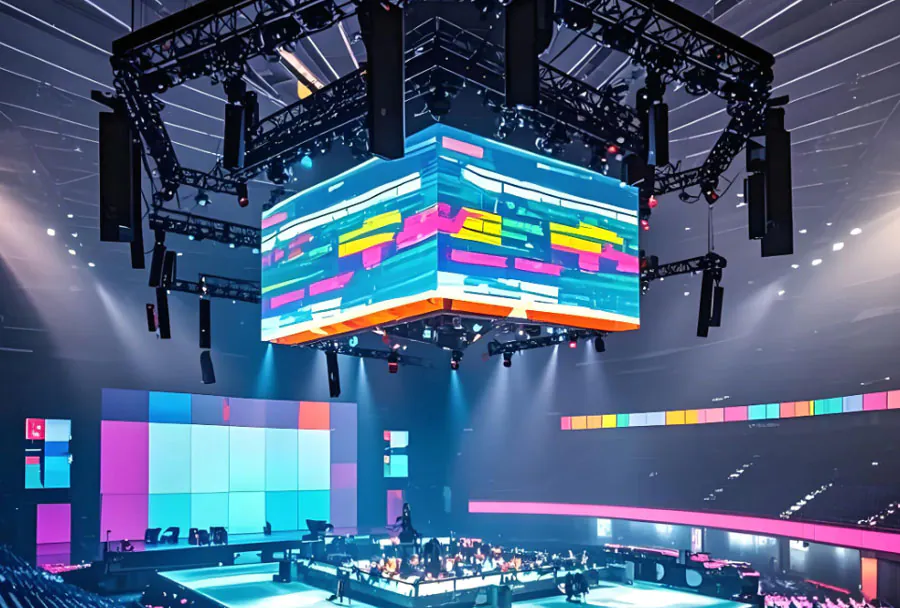
– Creative staging: Transparent LED, curved walls, or stage wrap-around panels can create immersive backdrops. Work with your designer and technical vendor to maintain the wedding aesthetic.
– Sound and sightlines: Coordinate screen placement with sound systems and ensure screens don’t block photographer sightlines.
Concerts: Focus on Visibility, Durability, and Sync with Lighting
Concerts demand high brightness and rugged setups:
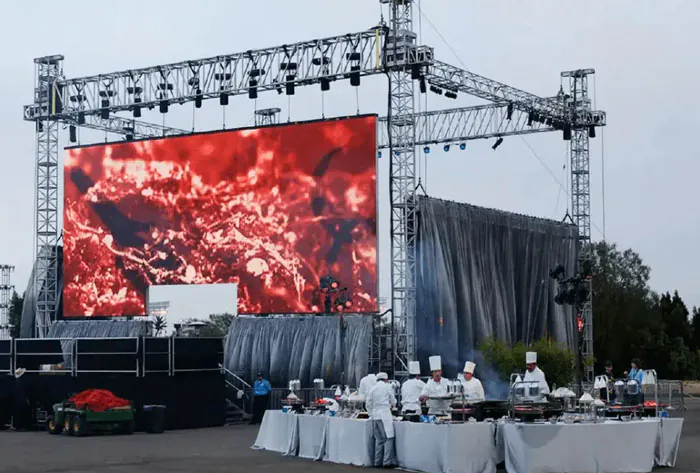
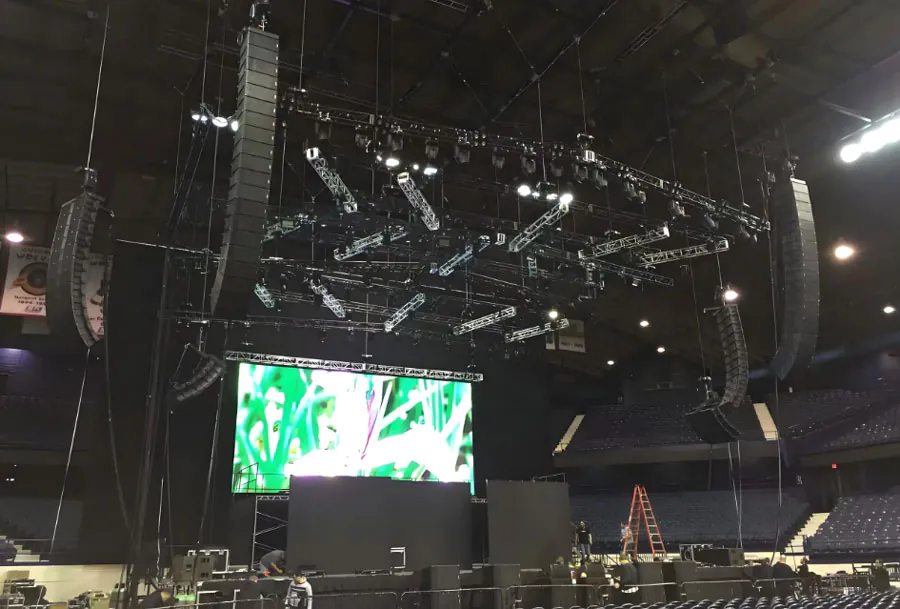
– Outdoor concerts: Opt for high-brightness panels (5,000+ nits) and larger pixel pitches for long viewing distances. Weatherproofing and secure rigging are critical.
– Indoor concerts: Use mid-range to fine pixel pitches depending on venue size and camera coverage needs. High refresh rates are important for camera capture and livestreaming.
– Stage design: Screens upstream and flank-stage extra screens for artist visibility. LED floors or stage faces create dramatic visuals but increase complexity.
– Production integration: The LED system must integrate with media servers, lighting consoles, and FOH (front of house) operations to synchronize visuals.
Corporate Events: Balance Clarity, Reliability, and Professionalism
Corporate events prioritize readable text, brand colors, and reliability:
– Presentations and lectures: Fine pixel pitch (1.9–3.9mm) ensures crisp text. Use multiple screens or stage prompters for sightlines.
– Trade shows: Modular LED walls enable booth customization; transparent LED can highlight products behind the screen.
– Hybrid events and livestreaming: Ensure high refresh rates and a robust video routing system for camera-friendly output. Redundancy for power and signal is a must.
Logistics: Setup, Power, and Venue Coordination in Los Angeles
Los Angeles venues and municipal regulations bring specific logistical considerations.
Site Surveys and Permits
– Conduct a site survey with the rental company well before the event to confirm rigging points, sightlines, ADA compliance, and access for trucks and equipment.
– Outdoor shows may require additional permits from the city or county. The vendor should know local rules for noise, rigging, and temporary structures.
Power and Load Considerations
– LED walls consume significant power; confirm available circuits and have generators on standby for outdoor or remote locations.
– Ensure proper distribution and certified electrical crews to avoid overloads.
Transport and Labor in LA Traffic
– Los Angeles traffic affects delivery windows. Coordinate early load-in times and allow buffer for unexpected delays.
– Labor rates and union requirements vary by venue; some LA theaters and arenas require union labor, which impacts cost and scheduling.
Content and Creative Considerations
Beautiful hardware needs great content. Tailor visuals to screen specs and event ambiance.
Resolution and File Prep
– Match content resolution to the LED wall’s pixel matrix. Upscaled or low-res files will appear blurry on fine-pitch walls.
– Provide uncompressed or high-bitrate video files where possible. Use common codecs agreed upon with the media server team.
Aspect Ratios and Safe Areas
– Confirm the aspect ratio of the assembled wall — it may differ from standard 16:9 arrangements.
– Keep important text and logos within safe areas to avoid cropping on irregular configurations or stage obstructions.
Live Feed and Delay Management
– For ceremonies and concerts using live camera feeds, coordinate latency expectations. Some systems introduce slight delay; synchronize audio appropriately to avoid lip-sync issues.
Budgeting and Cost Drivers
Understanding cost drivers helps you forecast and compare quotes.
– Screen size and pixel pitch: Larger, finer-pitch walls cost more.
– Brightness and weatherproofing: Outdoor-capable, high-nit panels command higher rates.
– Labor and rigging: Complex builds, truss, and union crew increase costs.
– Transport and scheduling: Early morning or late-night deliveries and traffic surcharges for LA can add fees.
– Additional services: Media server rental, operator fees, content playback, and backup systems.
Tip: Request line-item quotes that separate hardware, labor, transport, and additional services so you can compare vendors apples-to-apples.
Choosing a Reliable LED Screen Rental Vendor in Los Angeles
Selecting the right partner is as important as the technology.
Questions to Ask Prospective Vendors
– Can you provide recent local references and site photos of similar events?
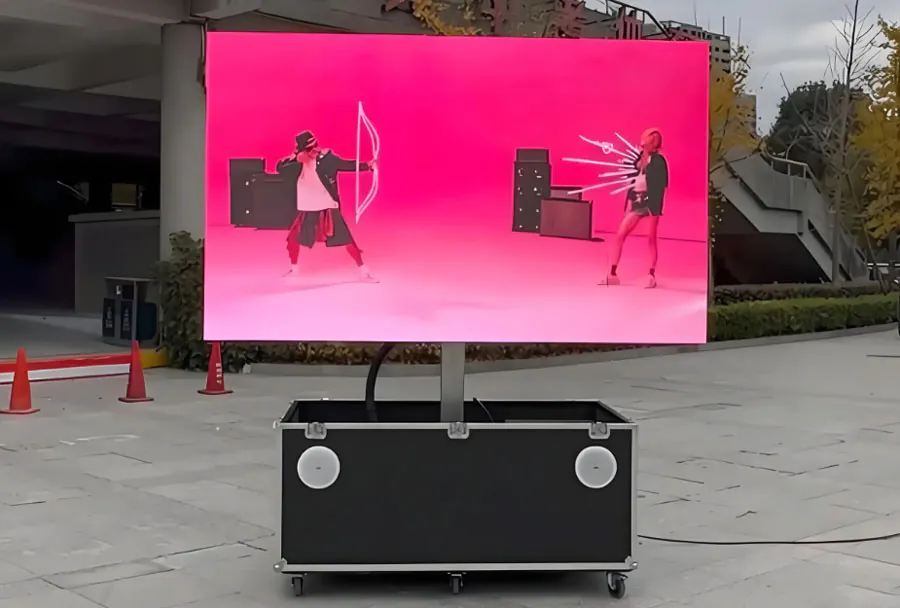
– What panels do you use? What’s the pixel pitch, brightness, and refresh rate?
– Do you have in-house media servers and technicians? What are their certifications?
– How do you handle power redundancy and backup systems?
– What are your insurance limits and policies for damage or weather incidents?
– Can you handle permits and union labor requirements for our venue?
Red Flags to Watch For
– Vague specifications or reluctance to share tech sheets.
– No local references or only out-of-market examples.
– Lowball pricing with ambiguous inclusions that later become additional charges.
Case Examples: Applying Best Practices
– Wedding in a Historic Mansion: A couple used a 10 x 6 ft fine-pitch (1.9mm) LED wall behind the head table for live feed and photo montages. The vendor coordinated a load-in timeframe to avoid disrupting the venue’s daytime tours and provided an elegant black frame and content transitions to match the decor.
– Mid-Size Indoor Concert: A production used a centerstage LED wall (14 x 8 ft, 3.9mm) and two flanking arrays. High refresh rates and careful camera routing ensured broadcast-quality feeds for social media and minimized flicker under stage lights.
– Corporate Product Launch at Convention Center: A modular LED wall was configured to create an architecturally shaped backdrop. The vendor provided on-site playback operators and a redundant media server, while the AV team rehearsed content transitions two days prior.
Maintenance, Safety, and Contingency Planning
– Weather contingency: For outdoor events, always have a weather plan—covering, shelter, and power isolation procedures.
– Redundancy: Use redundant video paths and backup playback sources. A simple laptop failure shouldn’t halt the show.
– Safety checks: Electrical inspections, properly rated truss and rigging gear, and certified riggers are non-negotiable.
– On-site technical support: Budget for at least one trained operator to handle color calibration, signal switching, and troubleshooting during the event.
Final Checklist Before You Book
– Confirm pixel pitch and expected guest viewing distances.
– Verify brightness and weatherproofing for outdoor events.
– Get a detailed line-item quote and a clear change-order process.
– Schedule an on-site site survey and provisional load-in times.
– Ensure content specs and deadlines are agreed upon.
– Confirm insurance, permitting, and labor needs with the vendor and venue.
Los Angeles LED screen rental for weddings, concerts, and corporate events blends creative ambition with technical precision. The right LED solution enhances guest engagement, communicates brand and emotion, and helps an event run smoothly and memorably. By understanding pixel pitch, brightness, rigging, and vendor capabilities—and by coordinating content and logistics—you can ensure a high-impact visual experience tailored to the unique demands of LA venues. Planning early, asking the right questions, and partnering with experienced local suppliers will turn your vision into a brilliant on-screen reality.