Unlock Immersive Experiences Using TW VISION Ultra Large LED Screen Systems

The future of large-scale visual storytelling is defined by the marriage of scale, fidelity, and intelligent system design. TW VISION Ultra Large LED Screen Systems are engineered to deliver immersive experiences that transform environments—from stadiums and retail flagship stores to corporate auditoriums and public art installations. This article explores how to unlock those experiences through technical understanding, creative workflow integration, and best-practice deployment strategies that maximize audience engagement and long-term return on investment.
Unlock Immersive Experiences Using TW VISION Ultra Large LED Screen Systems
Understanding Ultra Large LED: What Sets TW VISION Apart
TW VISION Ultra Large LED Screen Systems differentiate themselves through a combination of engineering choices: modular cabinet design scaled for massive canvases, high-brightness LED engines optimized for both indoor and outdoor usage, and advanced calibration pipelines that ensure color uniformity across thousands of pixels. These systems prioritize pixel pitch versatility (from fine-pitch indoor configurations to more economical outdoor pitches), HDR-compatible processing, and robust thermal management to maintain consistent performance during long events or continuous public displays.
The true advantage is system-level thinking: TW VISION integrates power distribution, signal routing, and real-time monitoring into a coherent ecosystem. This reduces on-site complexity, shortens installation timelines, and simplifies maintenance. For content creators and venue operators, that translates into reliable visual output and predictable operating costs—both essential when delivering large-scale immersive experiences.
Key Technical Features That Drive Immersion
– High Dynamic Range (HDR) and Wide Color Gamut: HDR support increases perceived contrast and depth, which is crucial for lifelike imagery on large canvases. TW VISION systems often include processing pipelines that preserve HDR metadata across playback devices.
– High Brightness and Local Dimming: Outdoor installations and brightly lit indoor spaces require LED modules that can reach high nit levels without losing color fidelity. Local dimming or advanced pixel management adds depth to darker scenes.
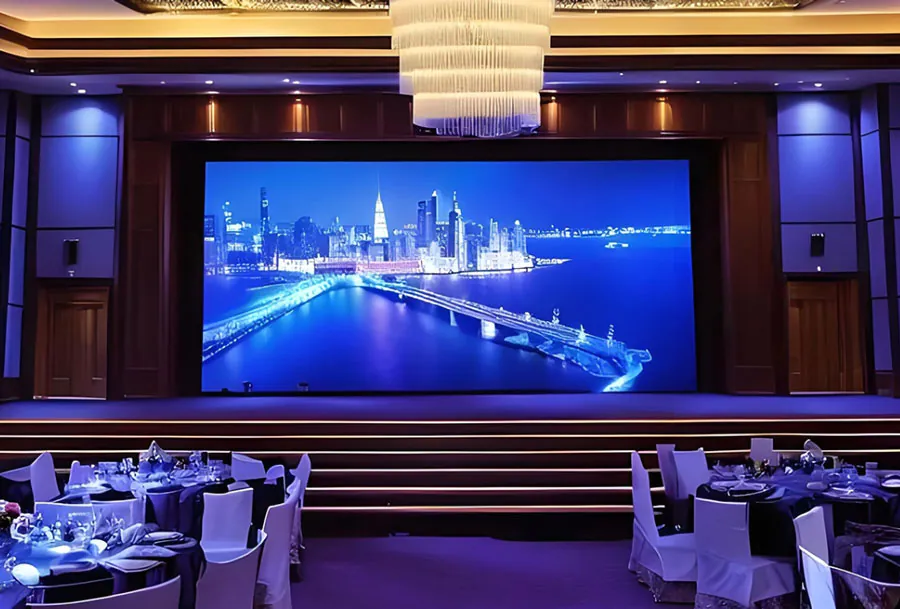
– Fine-Pitch Options: Smaller pixel pitch (e.g., <2.5mm) maintains crispness at close viewing distances and is ideal for indoor immersive environments such as museums and command centers.
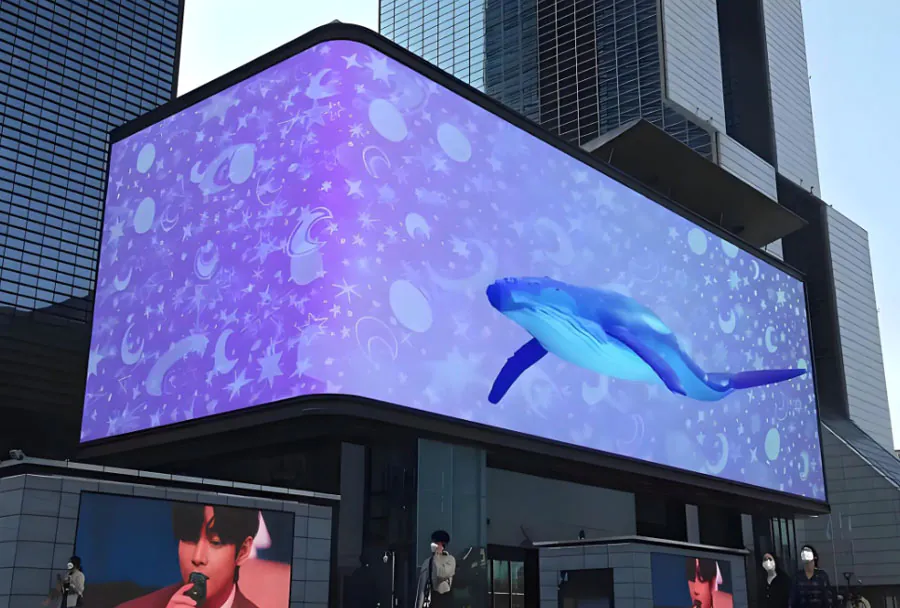
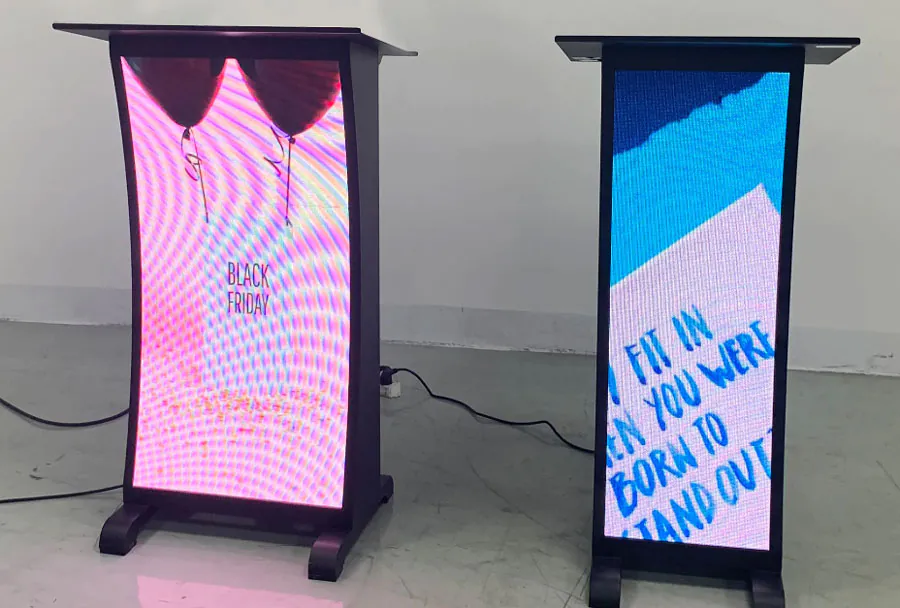
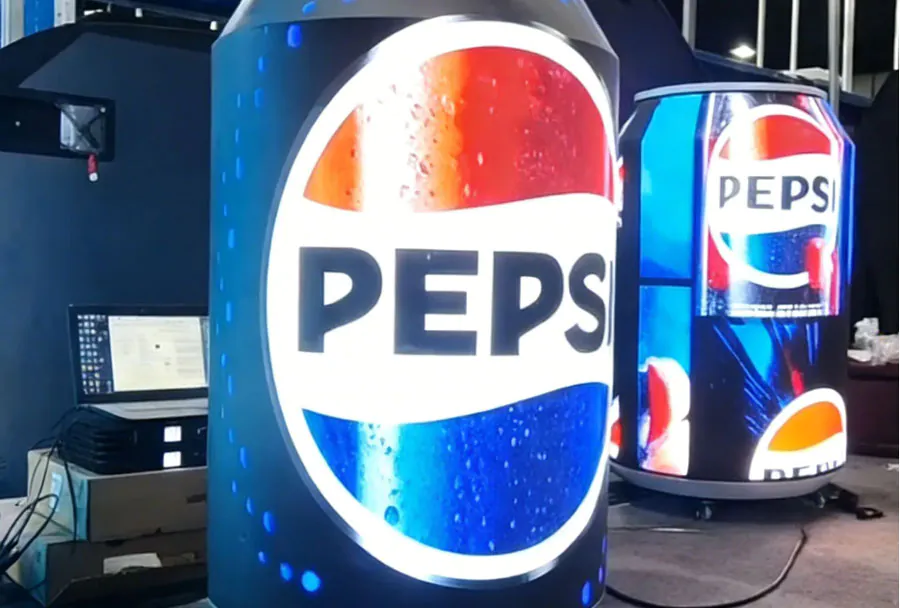
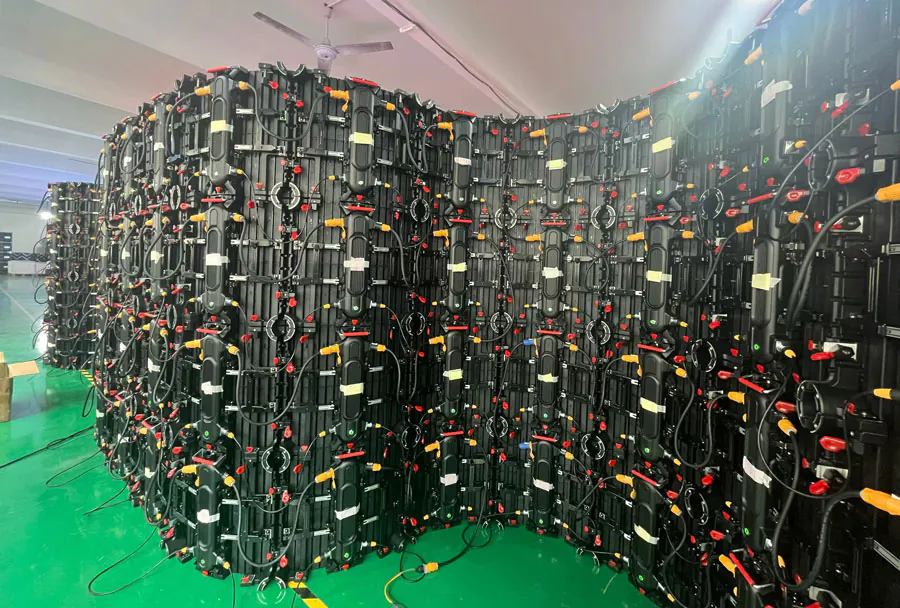
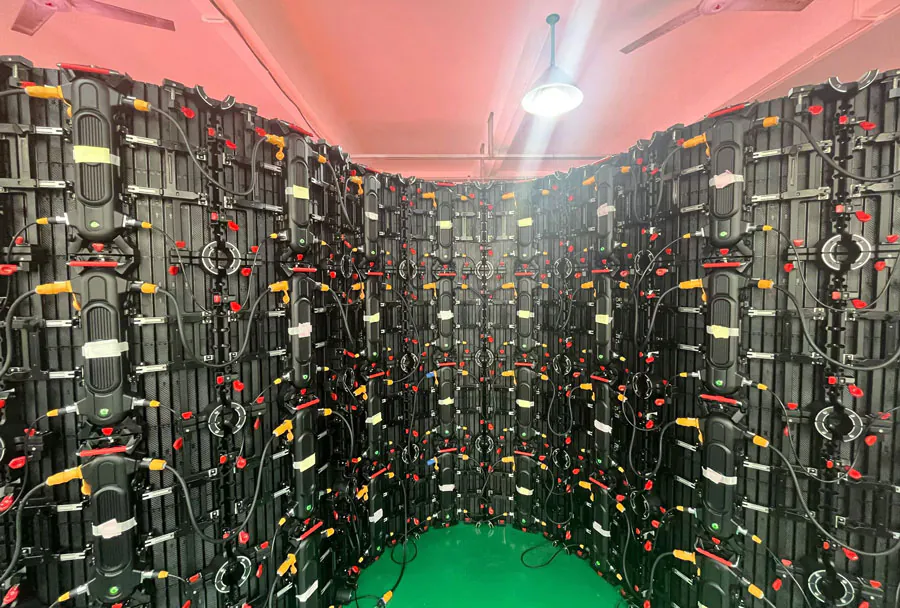
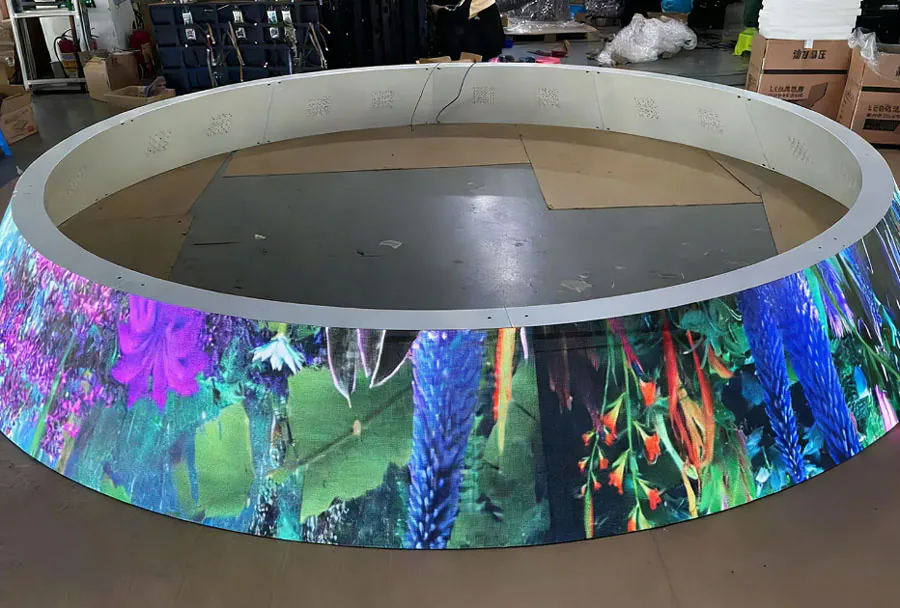
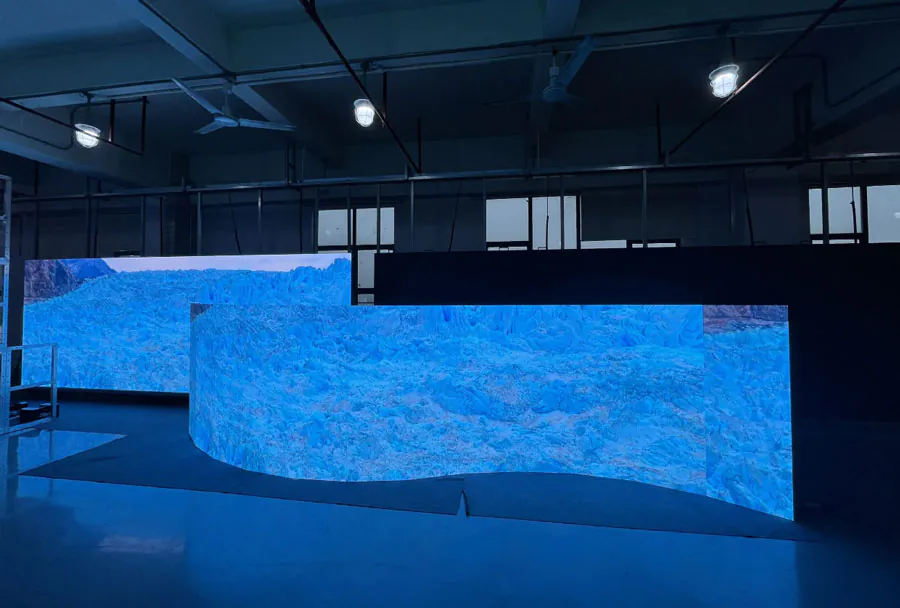
– Scalable Modular Architecture: Cabinets that interlock with precision allow for virtually seamless surfaces spanning tens of meters. This modularity also supports curved or irregular shapes, enabling creative architectural integrations.
– Real-Time System Monitoring: Integrated sensors and software provide temperature, voltage, and pixel-health telemetry. Remote diagnostics reduce downtime and streamline preventive maintenance.
Designing for Audience Psychology and Sightlines
An immersive display is not simply a very large screen; it’s a crafted sensory environment. Design decisions must account for sightlines, perceived resolution at typical viewing distances, and cognitive load. For example, a stadium audience will benefit from larger pixel pitch where viewing distances are long, while an interactive exhibit requires higher pixel density to support up-close inspection.
Lighting design must be integrated: ambient light control and screen brightness should be balanced to avoid viewer fatigue. Seating geometry and flow patterns should ensure that the majority of viewers remain within the optimal viewing cone, maximizing perceived image quality.
Content Strategy: Creating for Scale
Content for ultra-large LED canvases must be created with scale in mind. High-resolution assets, layered motion graphics, volumetric lighting effects, and spatial audio help create convincing immersive scenes. Key content practices include:
– Native Resolution Production: Produce assets at or above the panel’s native resolution to avoid upscaling artifacts. For very large displays, tile-based content workflows allow multiple servers to drive sections of the canvas with synchronized frames.
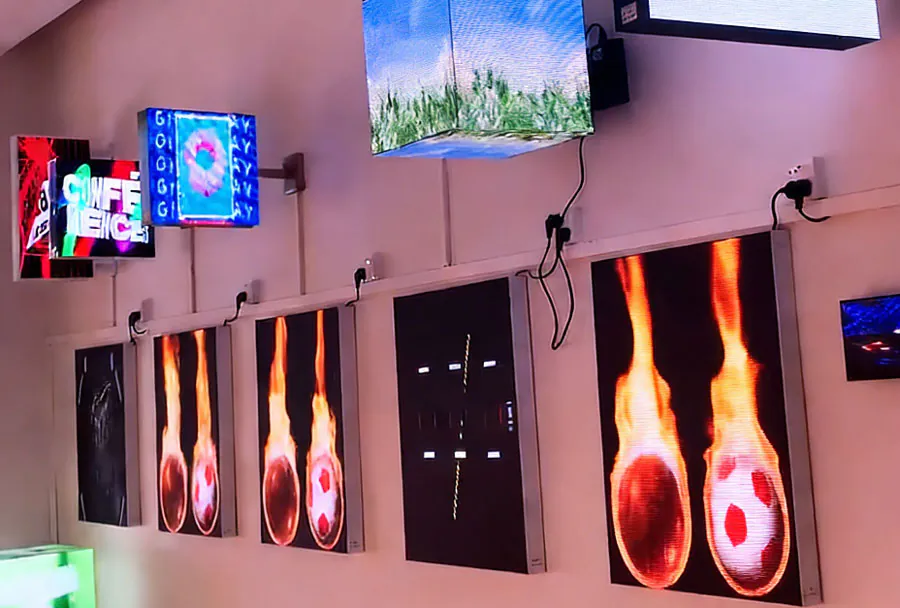
– Dynamic Zone Mapping: Divide the display into zones for mixed-use content—real-time data in one area, cinematic visuals in another. TW VISION’s control systems facilitate dynamic zone mapping and scheduling.
– Color Management: Use calibrated workflows (ACES or color-managed pipelines) to ensure consistent color across different cameras and CGI elements.
– Compression and Bandwidth Optimization: Implement visually lossless codecs and efficient streaming architectures to move high-resolution content without frame loss.
Deployment and Operational Best Practices
– Pre-Installation Surveying: Conduct site surveys to verify structural supports, power capacity, sightlines, and ambient conditions. Consider wind loads for outdoor walls and vibration mitigation for mounted systems.
– Modular Testing: Validate each cabinet and driver module before integration. TW VISION’s systems typically support factory pre-testing and on-site smoke tests to ensure stability.
– Redundancy and Power Planning: Implement redundant power feeds and redundant signal paths where uptime is critical. Employ UPS systems for graceful shutdown in the event of electrical issues.
– Calibration and Profiling: After mechanical installation, perform multi-point color and luminance calibration. Use spectroradiometers and TW VISION’s calibration tools to create profiles that compensate for module variance.
– Routine Maintenance Schedules: Set a preventive maintenance schedule for pixel cleaning, connector inspection, and firmware updates. Leverage remote monitoring to identify anomalies early.
Return on Experience: Business and Audience Outcomes
Ultra-large LED installations are capital-intensive, but the value comes from measurable increases in engagement, brand perception, and revenue opportunities. For retail, immersive displays boost dwell time and conversion rates. For arenas, they enable more compelling sponsorship inventory and experiential advertising. For municipal projects, they become landmarks that attract tourism and cultural programming.
Operationally, long-term ROI improves when systems reduce the need for frequent replacements, minimize downtime, and enable multi-purpose usage (live events, signage, brand experiences). TW VISION’s integrated monitoring and modularity contribute directly to lower total cost of ownership (TCO).
Analysis Table: TW VISION Ultra Large LED Systems
| Feature | Typical Spec | Ideal Application | Primary Advantage | Notes / ROI Consideration |
|---|---|---|---|---|
| Pixel Pitch | 0.9mm – 10mm | Museum exhibits, stadiums, fa?ades | Optimizes perceived resolution vs. distance | Fine-pitch increases cost but enables close-up interactivity |
| Brightness | 800 – 8,000 nits | Indoor HDR displays to outdoor daylight fa?ades | Maintains visibility in varied ambient light | Higher nits require better thermal and power design |
| Module Size / Modularity | Custom cabinet sizes, lockable modules | Large continuous canvases, curved walls | Scalable and flexible installation | Faster installation, lower labor costs long-term |
| Color & HDR Support | 10-bit+ processing, HDR10/HLG compatible | Cinematic content, branded storytelling | Richer visuals and more realistic imagery | Requires color-managed content pipelines |
| Monitoring & Control | Real-time telemetry, remote diagnostics | 24/7 installations, mission-critical displays | Reduces downtime and maintenance costs | Enables predictive servicing and SLA adherence |
Case Studies and Use Scenarios
– Major Sports Arena: A stadium implemented a continuous LED ribbon and center-hung scoreboard using TW VISION modules. The result was clearer replays, high-impact sponsor activations, and an increase in premium seat pricing due to enhanced fan experience.
– Flagship Retail Store: A flagship fashion retailer installed an immersive storefront facade that changes dynamic content throughout the day. The LED canvas generated social media impressions, brought in foot traffic, and enabled targeted promotions tied to in-store events.
– Cultural Center Installation: A municipal cultural center used curved TW VISION panels to create a panoramic storytelling room. Visitors reported higher immersion and longer dwell time, and the venue attracted touring exhibits that required high-fidelity display infrastructure.
Integration with AV and Network Ecosystems
TW VISION systems are designed to integrate with common AV control platforms, media servers, and networked distribution architectures. Critical integration points include:
– Media Server Compatibility: Support for edge blending and tile-based output is essential. Solutions should synchronize multiple outputs with genlock to avoid tearing.
– Networked Content Delivery: Use high-throughput fiber or 10GbE backbone when streaming uncompressed or lightly-compressed high-resolution content.
– Control System APIs: Open APIs allow integration with building management systems, event automation, and interactive triggers (sensors or audience mobile interactions).
– Security and Access Control: For public installations, ensure secure remote access, role-based permissions, and encrypted telemetry.
Future-Proofing and Upgrade Paths
Long-term value requires planning upgrade paths. TW VISION’s modular architecture makes it possible to replace individual modules as technology evolves—upgrading pixel pitch, improving refresh rates, or integrating future HDR standards without replacing the entire structure. Additionally, design systems with spare capacity in power and data routing to accommodate more demanding future content.
Unlocking immersive experiences with TW VISION Ultra Large LED Screen Systems requires a blend of technical rigor, creative intent, and operational discipline. Begin with a clear use-case: who is the audience, what emotional or behavioral outcome is desired, and what constraints exist in the environment. Match pixel pitch and system specs to viewing distances. Invest in a color-managed content pipeline and plan redundancy into the system architecture. Finally, use TW VISION’s monitoring and modular features to reduce lifecycle costs and keep the canvas performing at its best.