Unlimited Creativity Innovative Uses of Transparent and Flexible LED Screen Stages in Galas

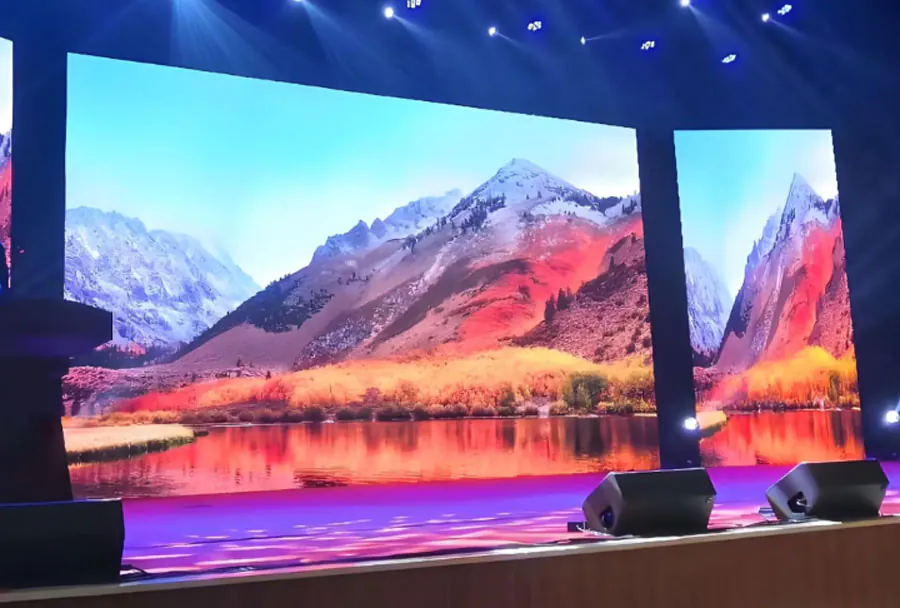
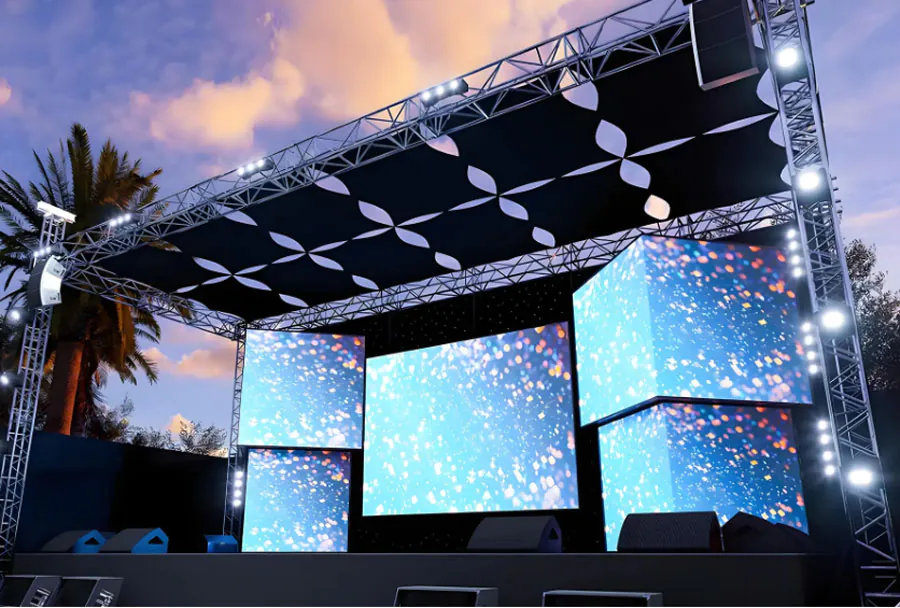
The evolution of gala staging has always been driven by a desire to surprise, delight, and transport audiences. In recent years, transparent and flexible led screen technologies have transformed what’s possible on stage — turning floors, backdrops, columns, and even wearable pieces into dynamic canvases. These tools do more than display visuals; they redefine spatial perception, choreography, and brand storytelling. Below, we explore how event producers, creative directors, and technical teams can unlock unlimited creativity with transparent and flexible LED screen stages in galas, and provide a practical analysis to guide implementation.
Unlimited Creativity: Innovative Uses of Transparent and Flexible LED Screen Stages in Galas
Reimagining Space and Sightlines
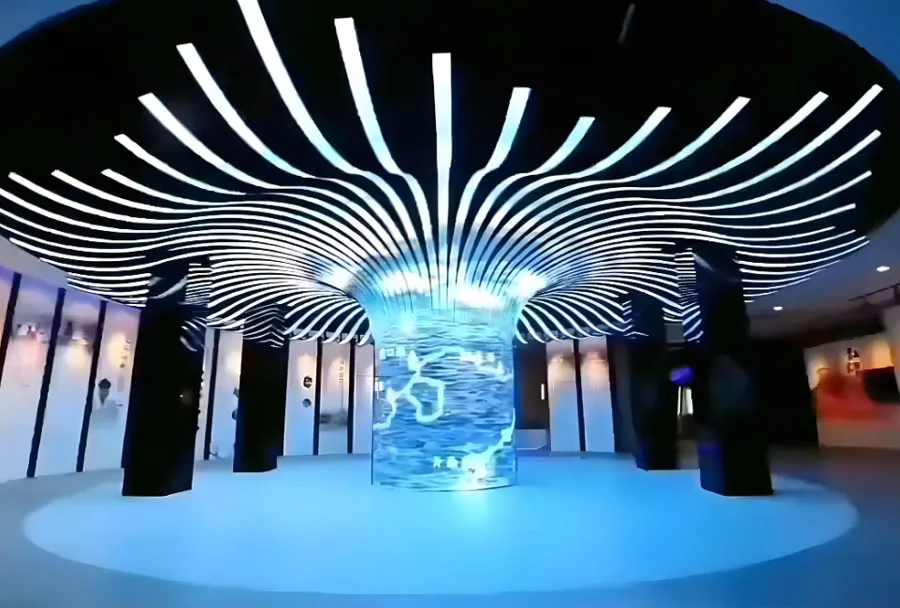
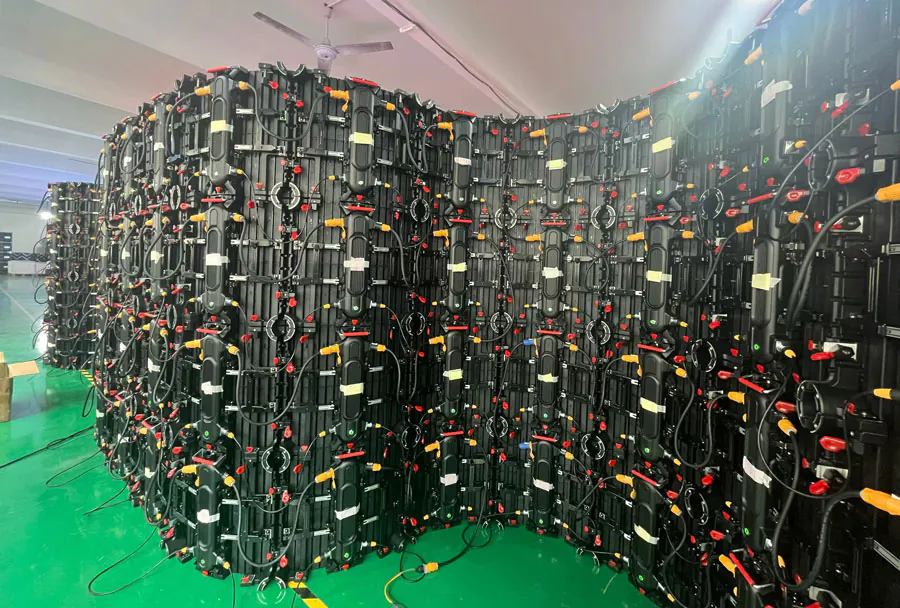
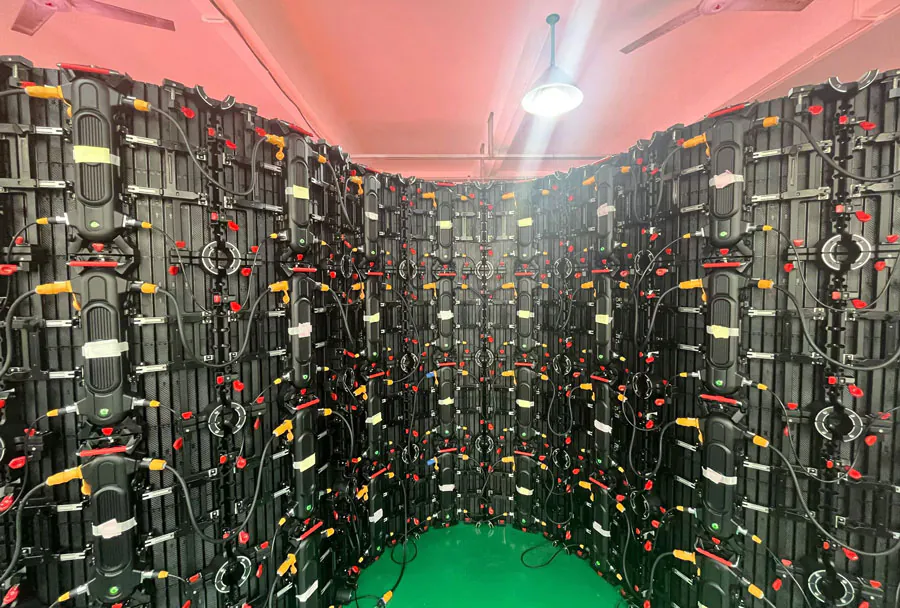
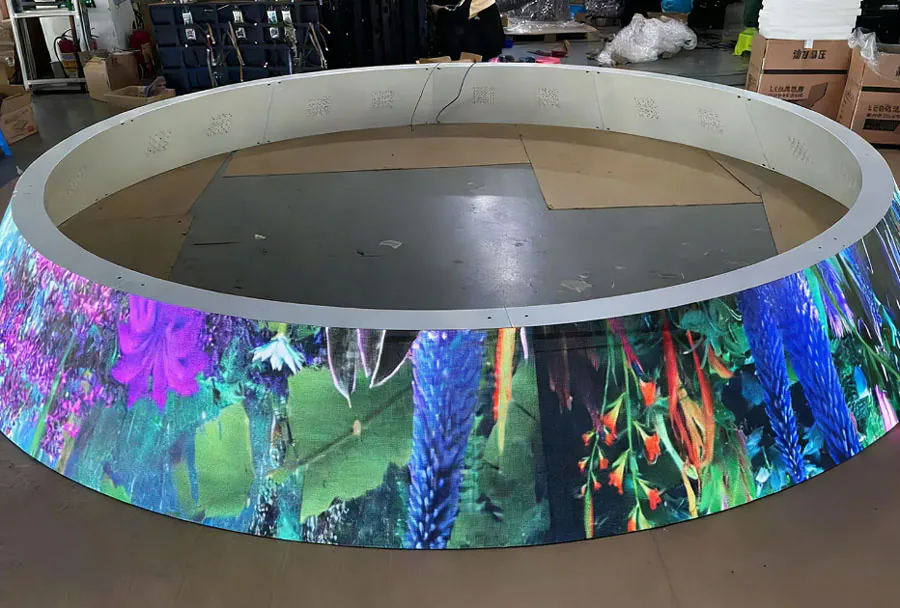
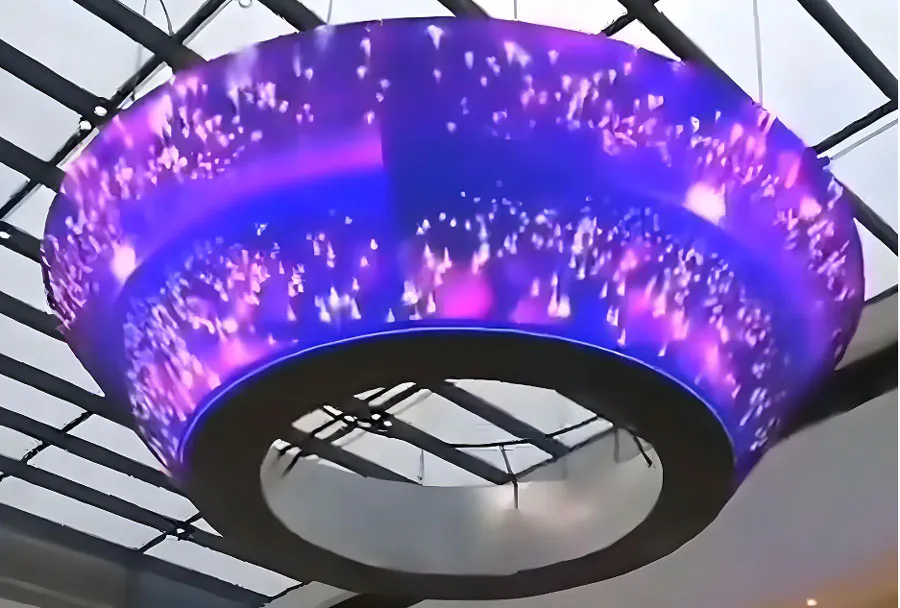
Transparent LED screens remove the traditional barrier between image and reality. Unlike opaque LED walls, transparent panels allow performers and set pieces to remain visible behind or within the imagery, creating layered visual experiences. Flexible LED, meanwhile, conforms to curved surfaces and can wrap columns, staircases, or fashionably drape like fabric. Together, they let designers sculpt three-dimensional visuals that follow the architecture of the venue rather than forcing the venue to conform to a single screen.
Practical applications include semi-transparent video curtains that reveal performers emerging from behind a dynamic skyline, or a curved stage apron that displays flowing water graphics under a dancer’s feet while the dancer remains physically visible above. The psychological effect is one of depth — a flat image becomes a physical partner in the performance.
Immersive Storytelling and Theming
Galas often have themes — anniversaries, awards, charity initiatives — and transparent/flexible LED enables storytelling with immersive detail. For example, a gala themed around sustainability can use semi-transparent panels to display forests or ocean scenes that change in real time, while eco-friendly lighting and sound cues emphasize the narrative. Flexible LED can shape into organic forms, such as tree trunks or waves, giving storytelling an almost theatrical set that breathes and reacts.
Interactive elements amplify immersion: motion tracking tied to LED content can allow visuals to respond to performers’ movements, or to audience interactions captured by sensors. This transforms passive viewing into a participatory experience, which is particularly effective in fundraisers where emotional engagement correlates with giving behavior.
Choreography, Costume, and Performer Integration
Transparent and flexible LED stages open new doors for choreographers and costume designers. Imagine dancers moving within a ring of transparent LED that displays trail visuals synchronized to their motion, or singers wearing flexible LED panels that change color with vocal intensity. Because these screens are lighter and more adaptable than traditional video walls, they can be integrated into costumes, handheld props, or mobile set pieces.
Key to success is tight integration between the creative and technical teams: previsualization (previs), rehearsal with mockups, and real-time cueing systems ensure that LED content complements, rather than distracts from, live performance. Latency, flexibility limits, and durability are technical constraints that must be managed during design.
Branding, Sponsorship, and High-Impact Messaging
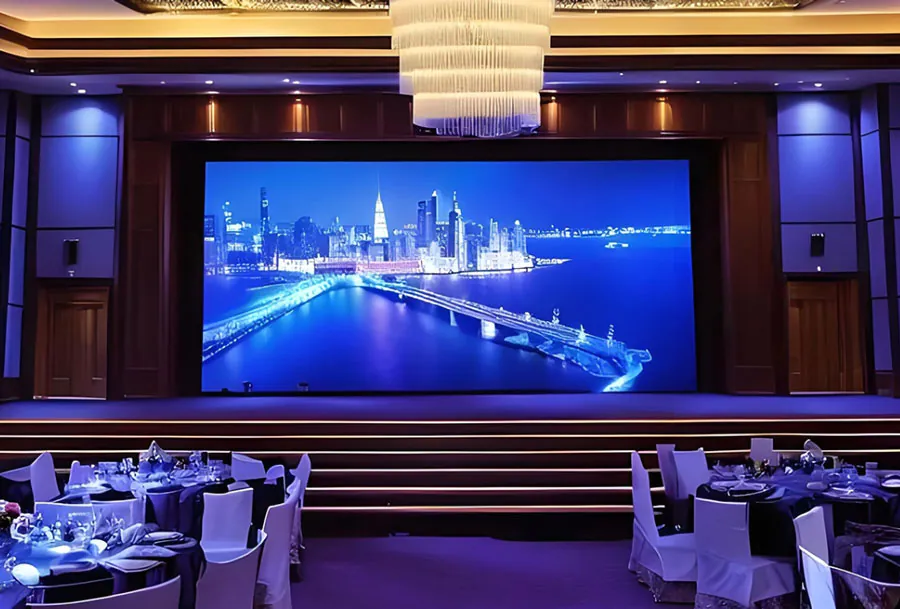
For corporate and fundraising galas, branding is critical. Transparent LED enables subtle, elegant branding that doesn’t dominate the stage but supports the event’s tone. For example, a semi-transparent backdrop can present sponsor logos in a rotating layer behind live speakers, while flexible LED columns display micro-stories about beneficiaries or corporate achievements.
This technology supports targeted messaging across zones: a main transparent screen can focus on the core narrative, while flexible LED elements around the room carry sponsor messages or live social feeds. Dynamic content allows sponsors to be integrated into the experience rather than appended at the end, driving better sponsor satisfaction and potentially higher revenue.
Lighting Design and Visual Harmony
Integrating transparent and flexible LED into a gala’s lighting design requires a nuanced approach. These screens emit light and must be balanced with stage fixtures to avoid overwhelming performers or causing camera wash. Conversely, they can be used as controllable light sources: low-opacity textures and gradients on a transparent LED curtain can function as both imagery and soft backlight.
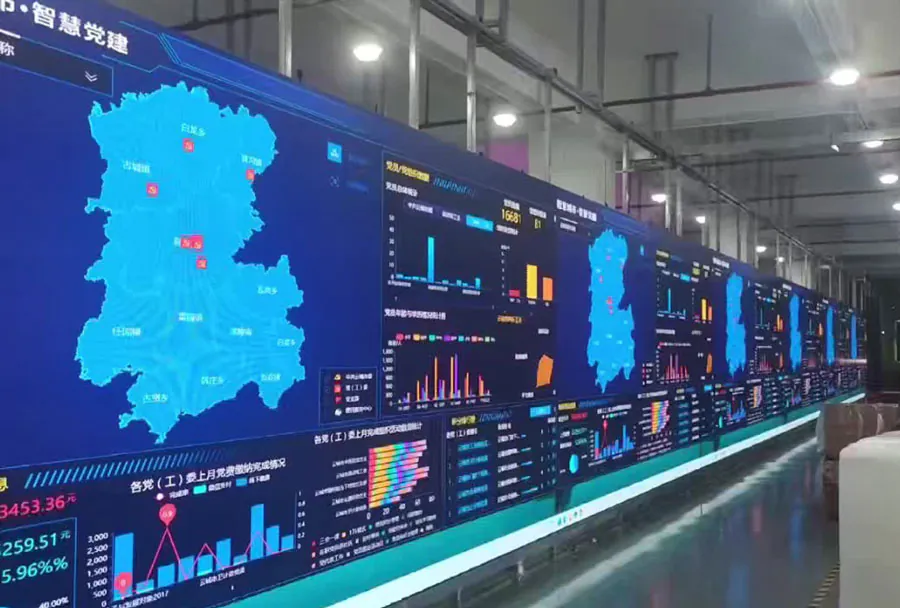
A unified control environment (e.g., syncing LED media servers with the lighting console via SMPTE or sACN) is essential. This allows complex cues where lighting intensity, color temperature, and LED content evolve as a single choreographed sequence. Additionally, designing with both LED and traditional fixtures in mind can open creative looks — imagine a slow dusk gradient on a transparent screen matched with focused warm follow spots on a speaker.
Sustainability and Practical Considerations
Transparent and flexible LED panels can offer sustainability advantages: lighter weight reduces transport emissions, modular designs mean fewer single-use scenic elements, and lower power consumption panels are increasingly available. However, lifecycle thinking is necessary — including production sourcing, vendor certifications, and end-of-life recycling.
From a practical perspective, consider rigging load limits (flexible LED can still impose significant weight when scaled), venue sightlines, and fire and safety regulations. Acoustic impacts also matter: transparent LED does not absorb sound the way drapery might; so sound designers need to anticipate reflections and adjust PA tuning accordingly.
Technical Workflows and Best Practices
Successful deployment hinges on robust workflows:
– Previsualization: Detailed 3D models and animated mockups ensure content and physical elements align.
– Prototyping: Build small-scale tests of flexible LED curves or transparent sections to validate appearance and functionality.
– Integration: Use centralized media servers with redundancy; ensure signal routing and backups.
– Rehearsal: Account for performer safety with non-slip surface treatments and test any wearable LED for heat or mobility issues.
– Content Strategy: Create layered assets (foreground, midground, background) to exploit transparency, and render at appropriate alpha channels to maintain depth realism.
Below is a concise analysis table summarizing common gala uses, technical requirements, creative benefits, typical challenges, and approximate cost indications.
| Use Case | Technical Requirements | Creative Benefits | Challenges | Estimated Cost Range |
|---|---|---|---|---|
| Transparent backdrop curtain | High-transparency PPI LED, media server, rigging grid | Layered visuals, performer visibility, elegant branding | Brightness control, ambient light wash, camera exposure | $15,000 – $60,000 |
| Flexible LED-wrapped columns/stairs | Curvable LED strips/panels, custom mounts, power distribution | Sculptural visuals, dynamic architecture, thematic shapes | Durability at tight radii, heat dissipation, cabling concealment | $10,000 – $40,000 |
| Wearable/fashion LED elements | Ultra-thin flexible LED modules, battery packs, wireless DMX | High-impact couture, performer interaction, spotlight moments | Weight, mobility limits, waterproofing, safety | $1,500 – $10,000 per piece |
| Stage floor with transparent seams | Load-rated transparent LED floor, anti-slip treatment, floor monitors | Illusion of depth, interactive choreography cues | Load capacity, repair access, reflection/glare | $20,000 – $100,000 |
| 360-degree immersive ring | Modular transparent panels, synchronized playback, rigging | Fully enveloping visuals, panoramic storytelling | Complex rigging, sightline management, cost | $50,000 – $250,000 |
Case Examples and Conceptual Approaches
Several high-profile galas and award shows have experimented successfully with these technologies. One approach uses a layered digital diorama: transparent panels staggered at different depths present complementary imagery (foreground animated elements, midground scenic video, background color fields) to create parallax as talent moves across the stage. Another concept pairs flexible LED garments with motion capture to trigger large-scale projections on surrounding transparent screens — a single performer can thus “paint” the stage with movement.
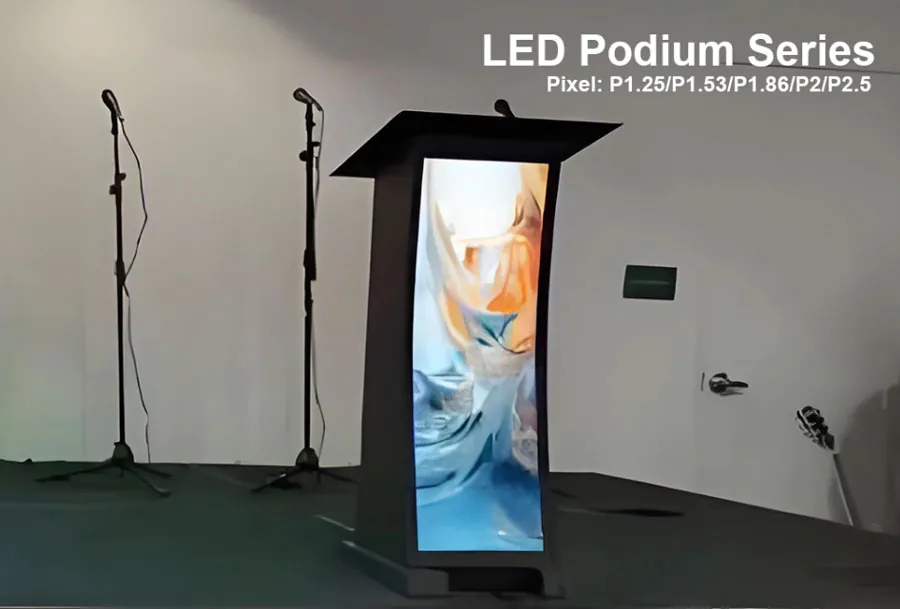
For fundraising galas, consider a split-stage design where a transparent screen frames the podium and a flexible LED ribbon encircles the venue displaying donor milestones in real time. The ribbon can act as a rolling ticker that celebrates live gifts, while the transparent backdrop sustains the emotional narrative with beneficiary stories.
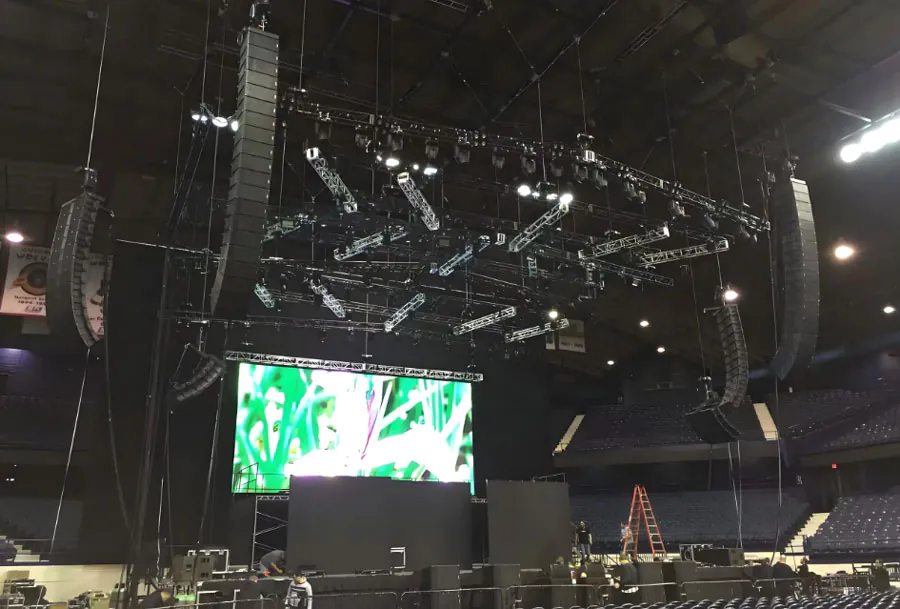
Future Trends and Innovations
Expect continued improvements in pixel density, power efficiency, and bend radius for flexible LED, making higher-resolution curved surfaces more affordable. Integration with AR and realtime volumetric capture will likely enable hybrid experiences where physical performers are augmented by virtual avatars visible through transparent screens. Advances in wireless protocols will simplify wearable LED integration and reduce the clutter of cabling.
Standardization of modular systems will make scaling up or down faster and more cost-effective, encouraging rental houses to stock more transparent and flexible options and pushing adoption across gala production budgets.
Designing for Surprise and Subtlety
Transparent and flexible LED screen stages offer galas a powerful toolset: they can astonish, inform, and emotionally engage without overwhelming the live moment. The best installations balance spectacle with subtlety — using LED not as a crutch but as an enabler of clearer storytelling. Technical rigor in planning and rehearsal, combined with imaginative content that leverages transparency and curvature, will let producers craft unforgettable gala experiences that feel both modern and deeply human.