How TW VISION Designs Perfectly Fitted Custom LED Displays for Any Space

From a compact retail kiosk to a stadium-sized fa?ade, designing led displays that fit perfectly into any space requires more than off-the-shelf thinking. It demands an integrated workflow that starts with architectural sensitivity and ends with durable, high-fidelity visuals. TW VISION has honed that workflow into a repeatable, consultative process that balances engineering rigor, creative flexibility, and practical installation constraints. The result: LED systems that look seamless, perform reliably, and maximize visual impact without compromising the host environment.
How TW VISION Designs Perfectly Fitted Custom LED Displays for Any Space
Understanding the Space: Site Analysis and Stakeholder Alignment
The first step to a successful custom LED project is understanding context. TW VISION begins by engaging stakeholders—architects, facility managers, brand teams, and AV integrators—to define objectives: brand messaging, audience distance, ambient light conditions, viewing angles, and content types. A detailed site analysis follows: precise measurements, structural assessments, power availability checks, and environmental scans for temperature, humidity, and direct sunlight.
This early alignment prevents scope creep and misfit designs. For example, a downtown storefront might prioritize color fidelity and high refresh rates for passerby engagement, while an airport concourse emphasizes brightness and redundancy for constant daytime visibility. By documenting these priorities, TW VISION tailors technical specifications—pixel pitch, brightness (nits), IP rating, and structural support—right from the outset.
Design Flexibility: Custom Form Factors and Creative Integration
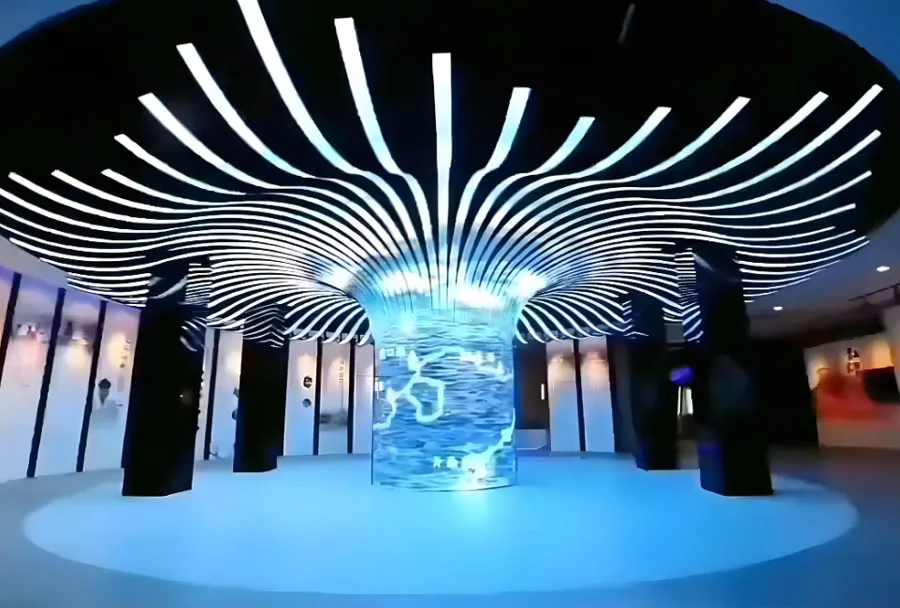
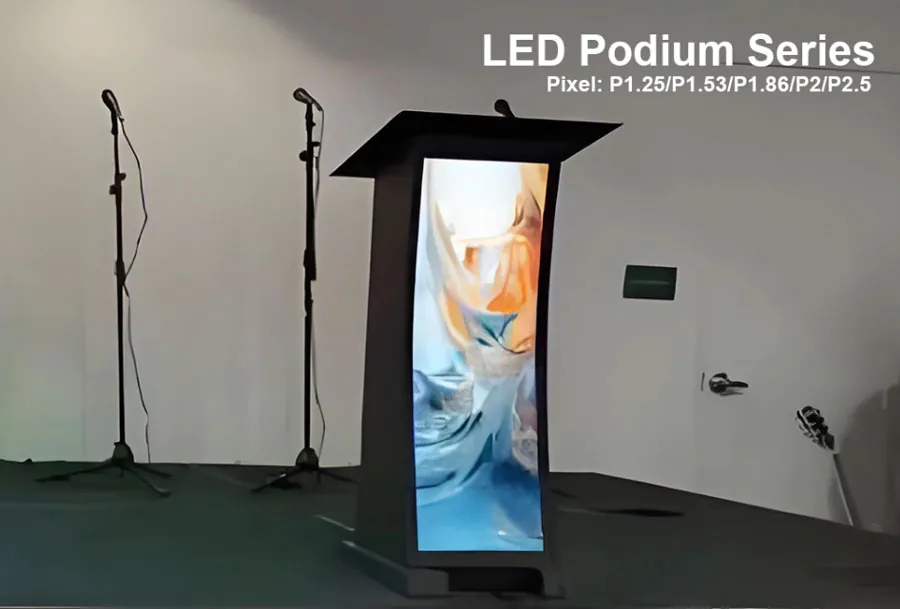
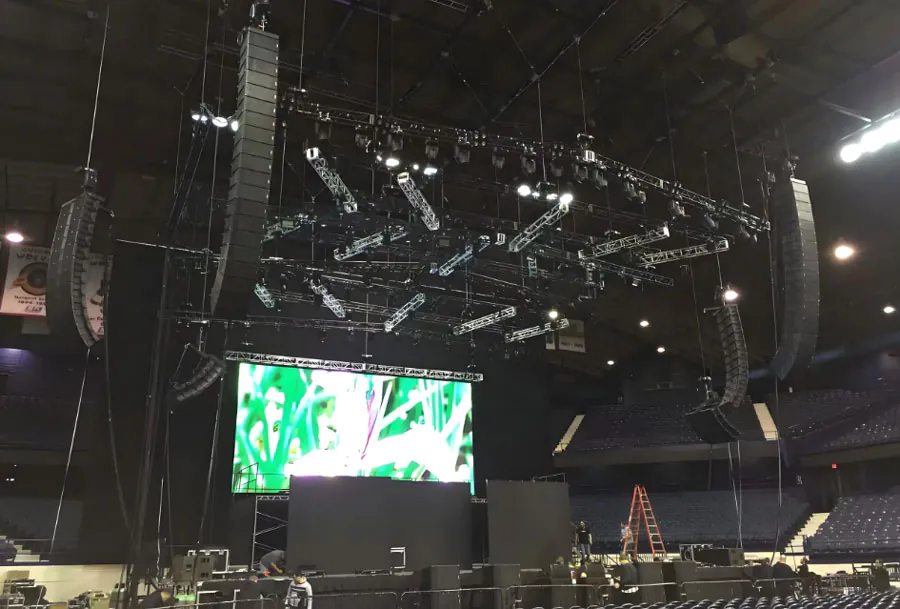
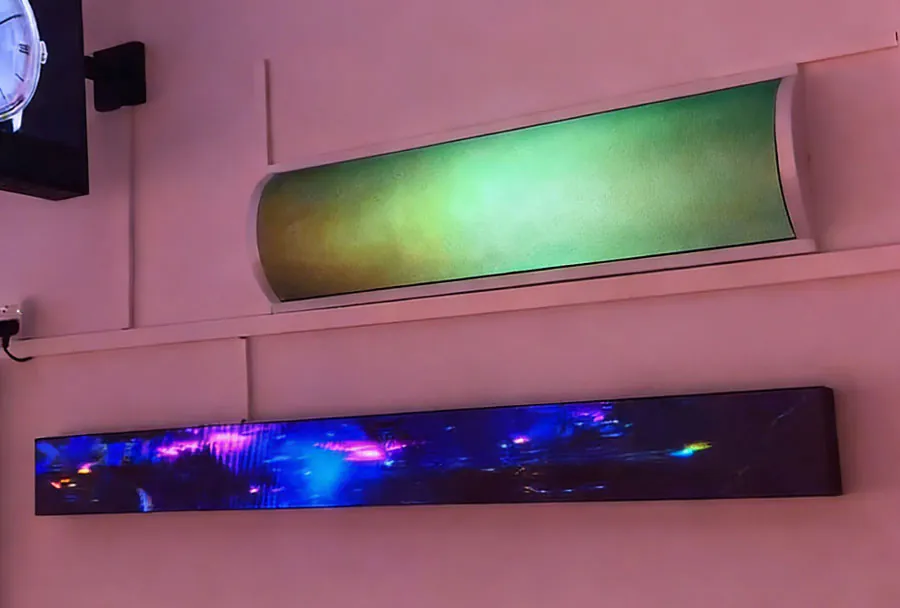
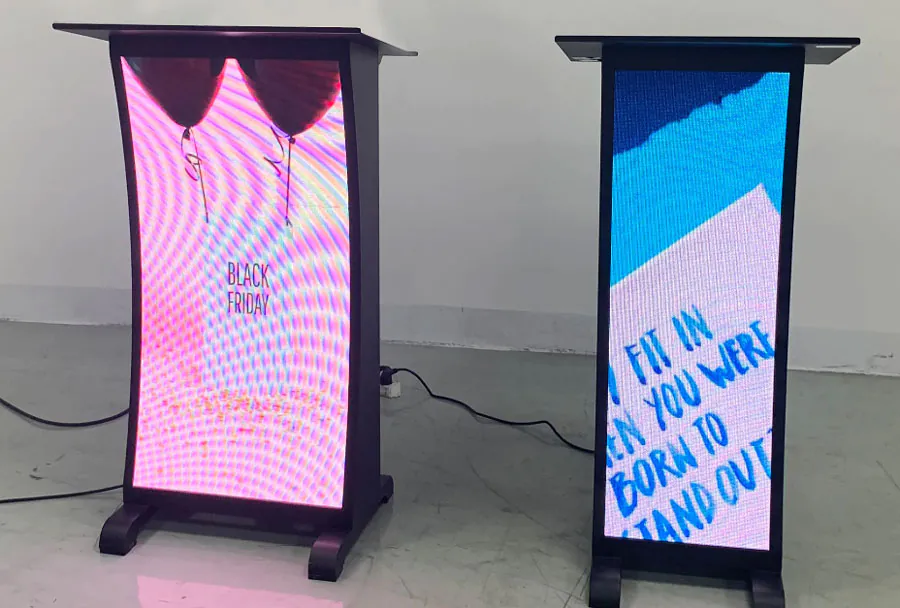
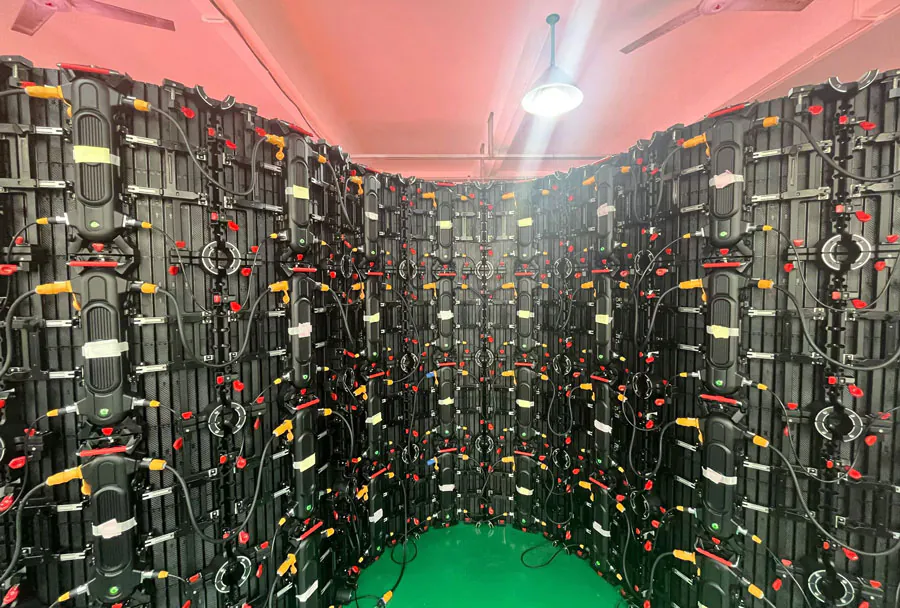
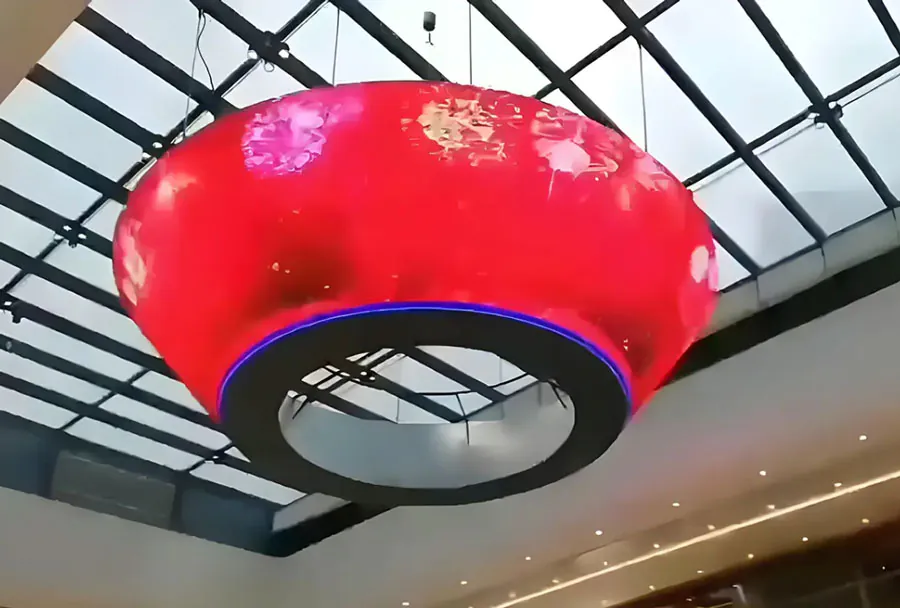
Not every wall is a perfect rectangle. TW VISION excels at turning architectural peculiarities into design opportunities. Whether it’s a curved atrium, a sloped ceiling, or a bespoke freestanding sculpture, TW VISION offers flexible modules, curved cabinets, and microLED/COB solutions that conform to nonstandard geometries. The design team uses 3D modeling and BIM integrations to visualize how modules will align with joints, seams, and building features, ensuring a minimal visual footprint while respecting building codes and sightlines.
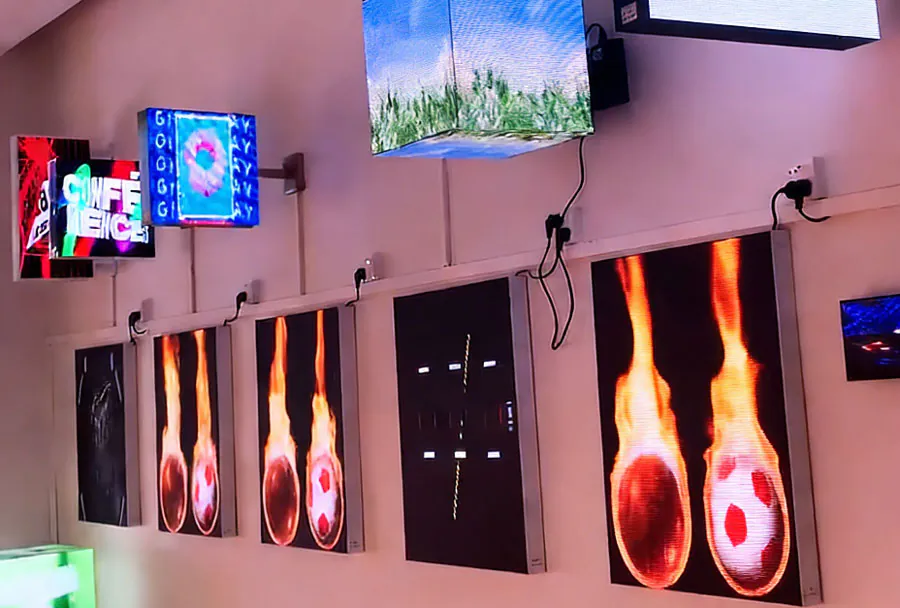
Custom finishing options—frameless edges, contour trimming, and tailored bezels—help LED installations read as natural parts of the space instead of add-ons. In retail, this means displays that frame product bays without overwhelming them; in hospitality, it means immersive backdrops that complement interior design.
Engineering to Spec: Pixel Pitch, Brightness, and Thermal Design
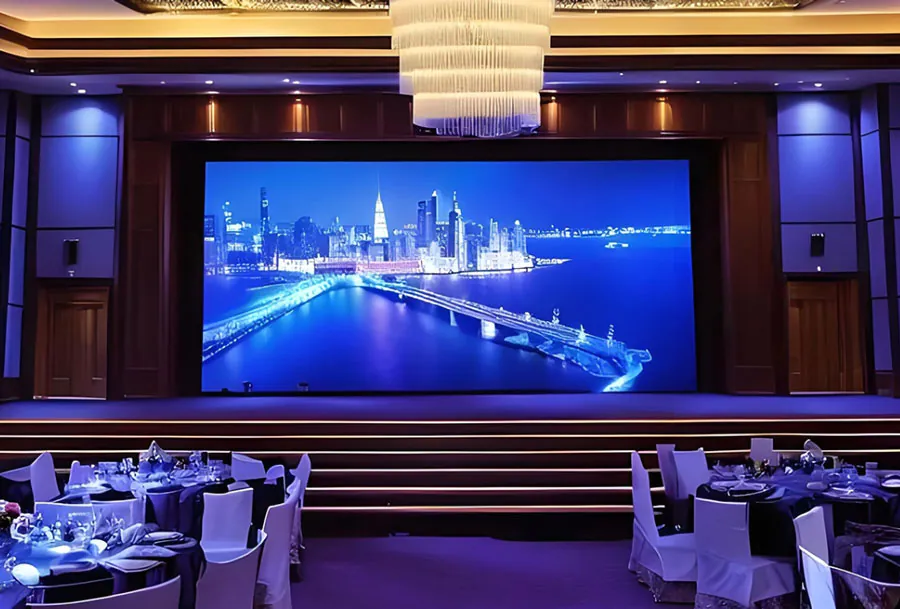
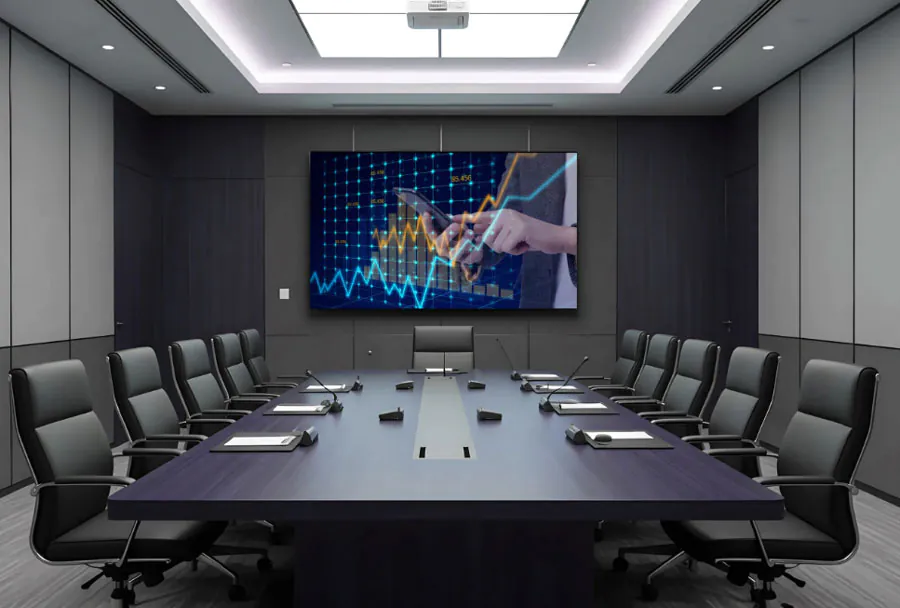
Technical choices are guided by viewing distance and environmental demands. TW VISION matches pixel pitch to audience proximity: fine-pitch (P0.9–P2.5) for close-view spaces like control rooms and retail, medium pitch (P2.5–P6) for lobbies and conference centers, and larger pitch for outdoor signage and stadiums. Brightness specifications scale accordingly—indoor installations typically target 800–1,200 nits, while outdoor facades often exceed 5,000 nits to remain legible in sunlight.
Thermal management is crucial for longevity and consistent color. TW VISION engineers incorporate heatsinking, airflow channels, and controlled current driving to reduce thermal stress. Power distribution and redundancy are designed so that a single module or PSU fault does not disrupt the entire image. For mission-critical environments like control rooms or transportation hubs, the company designs redundant data pathways and hot-swappable modules.
Prototyping and Software: From Mockups to Creative Playback
Before committing to full-scale production, TW VISION produces prototypes and digital mockups. These range from physical sample panels installed temporarily on-site to high-fidelity renderings that simulate content and ambient lighting. Prototyping verifies viewing angles, color calibration, and mounting tolerances, while also giving content teams the chance to adapt creative assets for physical scale.
On the software side, TW VISION provides content management systems (CMS) and playback servers that support scheduling, multi-zone layouts, and remote diagnostics. Calibration tools ensure uniform color and brightness across modules, and advanced color management workflows permit brand-accurate playback across different devices.
Manufacturing and Quality Assurance
Once the design is validated, manufacturing adheres to strict QA protocols. Components are tested for binning consistency, mean time between failures (MTBF), and color uniformity. TW VISION subjects LED modules to environmental testing—thermal cycling, humidity exposure, and salt-spray where applicable—to confirm the IP rating and expected lifespan. During assembly, cabling, connectors, and mechanical tolerances are verified to ensure field installability and serviceability.
The company also integrates monitoring systems into the build: temperature sensors, power monitoring, and pixel-health diagnostics that feed into remote maintenance dashboards. This proactive approach reduces mean time to repair (MTTR) and helps maintain uptime for critical applications.
Installation and Structural Integration
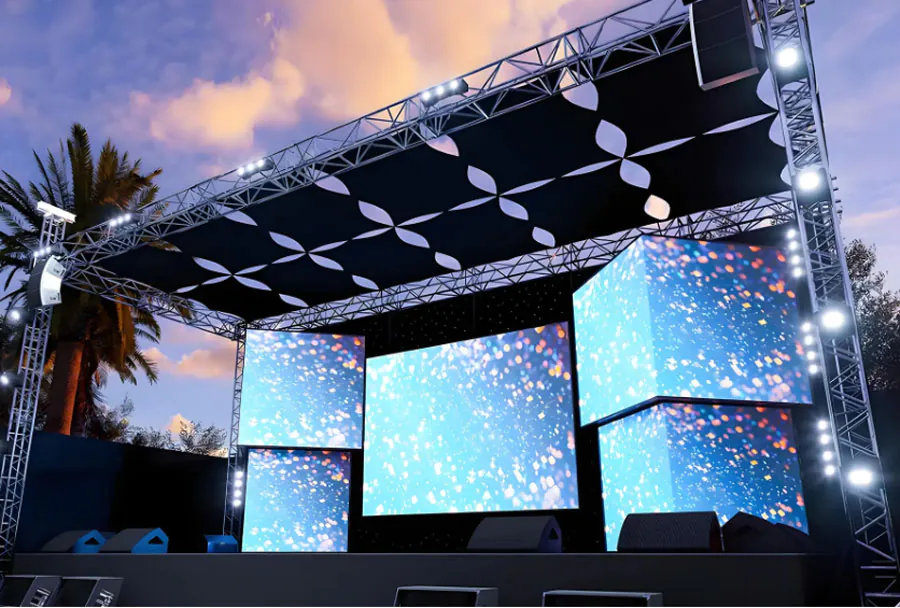
Installation is where careful planning proves its value. TW VISION coordinates with structural engineers to ensure the mounting system can handle static and dynamic loads, especially for large fa?ades or suspended installations. Install teams use laser alignment tools and modular mounting frames to guarantee pixel-perfect seams and flatness.
For challenging retrofits—such as older malls or heritage properties—TW VISION designs lightweight, reversible mounting solutions that minimize drilling and structural intervention. They also plan cable pathways, ventilation clearances, and service access so that routine maintenance can occur without significant disruption to the host venue.
Calibration, Commissioning, and Handover
Commissioning includes pixel calibration, color matching, and system integration tests. TW VISION runs color uniformity checks using spectrometers and adjusts lookup tables so multiple panels read as one continuous canvas. They also test failover modes, load balancing, and remote monitoring connections.
Training for on-site operators and IT staff is part of the handover package, covering CMS operations, basic troubleshooting, and maintenance schedules. Documentation includes as-built drawings, power and network schematics, and spare-part lists, ensuring clients have what they need for long-term ownership.
Aftercare: Maintenance, Upgrades, and Lifecycle Planning
A custom LED display is an ongoing asset, and TW VISION structures aftercare plans to protect that investment. Service level agreements (SLAs) can include scheduled inspections, remote health monitoring, rapid-response repair, and firmware updates. For clients with evolving needs, TW VISION plans upgrade paths—whether to higher-density modules, improved processors, or new content playback features—without requiring wholesale replacement.
Sustainability is considered through recyclable materials, energy-efficient driving electronics, and power-saving playback modes. Proper maintenance also extends service life, reducing the total cost of ownership over time.
Case Examples and ROI Considerations
Custom-fit LED projects often yield measurable returns. Retail clients report increased dwell times and conversion rates when in-store displays are tailored to product layouts. Airports and transportation hubs improve passenger experience and safety with high-visibility scheduling boards and wayfinding systems. Outdoor ad operators monetize fa?ades with dynamic content that outperforms static signage in CPM metrics.
ROI analysis factors initial capital costs against increased revenue, reduced maintenance, and energy savings. TW VISION helps clients model these outcomes during the design phase, offering transparent cost breakdowns and lifecycle projections.
Analysis Table: TW VISION Custom LED Design Workflow
| Design Stage | Key Considerations | TW VISION Approach | Typical Challenges | Recommended Outcome |
|---|---|---|---|---|
| Discovery & Site Survey | Viewing distance, ambient light, structural limits | Stakeholder workshops, laser measurement, BIM scans | Incomplete drawings, access constraints | Comprehensive site report and feasibility brief |
| Concept & Form Factor | Architectural integration, curvature, bezel visibility | 3D renderings, mockups, custom cabinet designs | Complex geometries, budget vs. design compromise | Visual mockup approval and costed options |
| Engineering & Prototyping | Pixel pitch, heat dissipation, power redundancy | Prototype panels, thermal modeling, redundant PSUs | Thermal hotspots, signal latency | Validated prototype and engineering sign-off |
| Manufacturing & QA | Color binning, IP rating, environmental testing | Batch testing, accelerated life tests, documentation | Component variability, supplier lead times | Certified units with QA traceability |
| Installation & Commissioning | Mounting tolerances, cable routing, service access | Laser alignment, on-site calibration, operator training | Site surprises, scheduling conflicts | Fully commissioned system and training materials |
Practical Tips for Clients Considering Custom LED
– Define goals up front: clarity on what success looks like—brand visibility, revenue uplift, wayfinding—streamlines decisions.
– Budget for integration: plan for structural work, power upgrades, and network provisioning early.
– Prioritize serviceability: designs that allow module-level access lower long-term maintenance costs.
– Think about content: physical fidelity is only as good as the assets you run—invest in content creation and adaptive layouts.
– Plan for upgrades: modular systems that allow for pixel density or processor upgrades will extend useful life.
Fit, Function, and Future-proofing
Designing LED displays that perfectly fit any space is a multidisciplinary challenge. TW VISION’s strength lies in combining architectural sensitivity with engineering excellence and service-oriented delivery. The company’s consultative process—site-first analysis, prototyping, rigorous QA, and structured aftercare—ensures installations that are not only visually compelling but also resilient and adaptable.