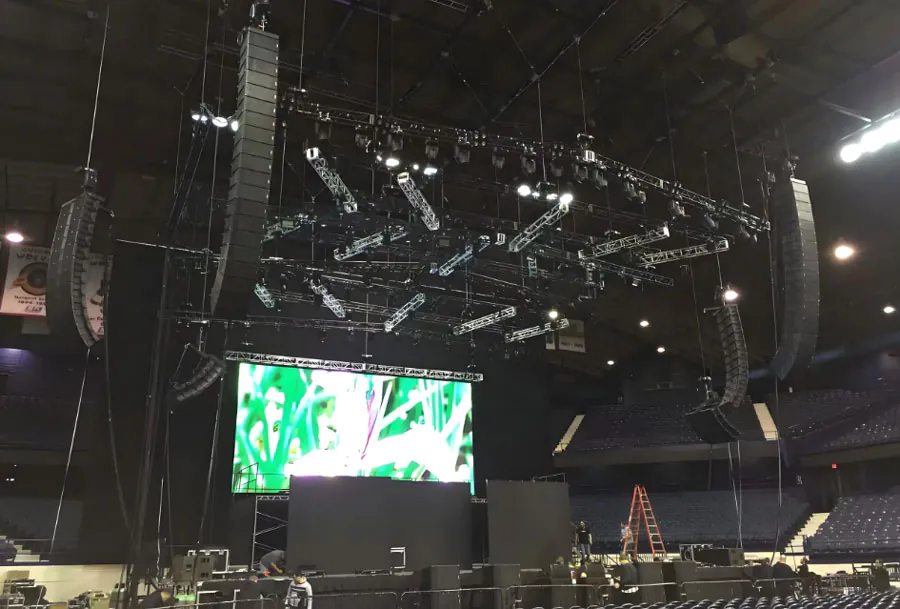
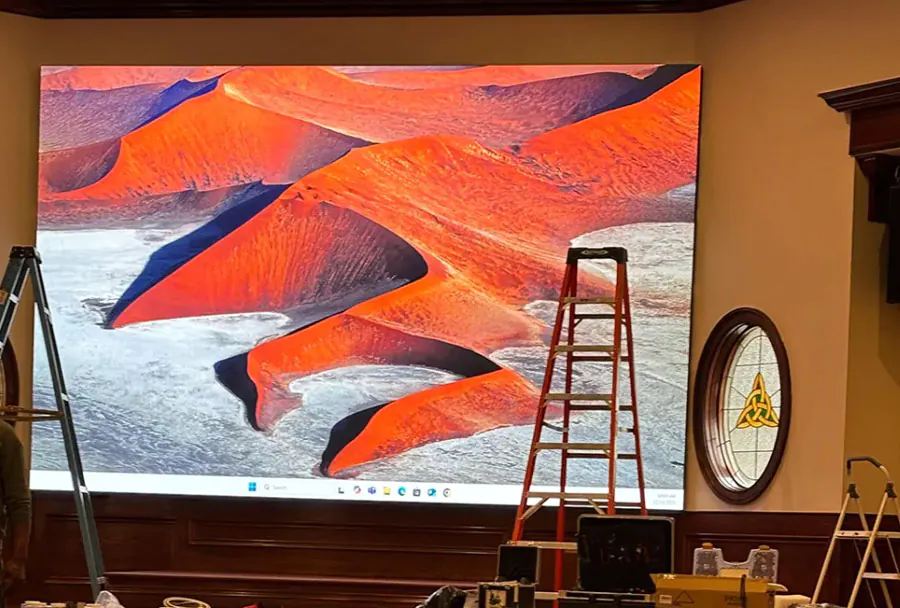
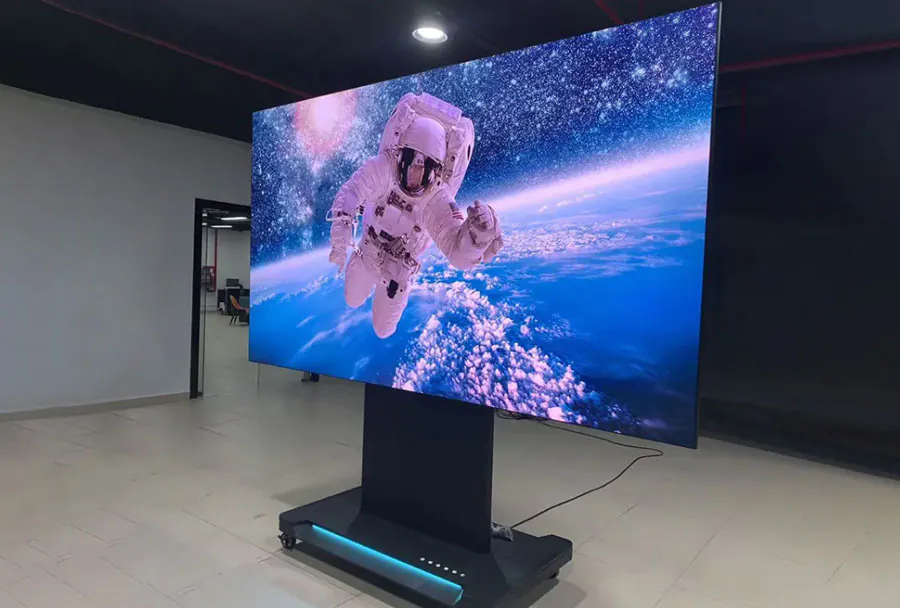
Ensure Project Success by Selecting TW VISION as Your Reliable LED Display Supplier

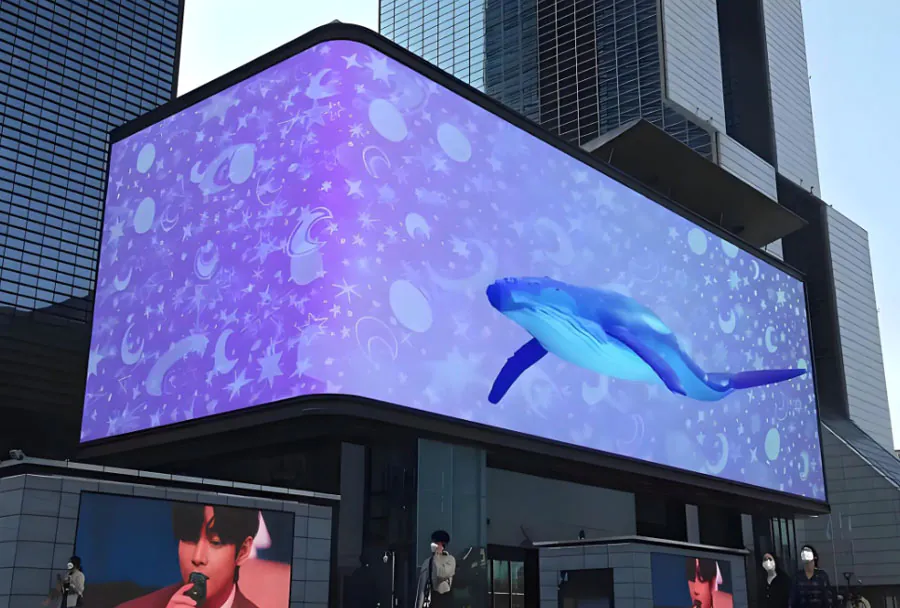
Successful execution of an led display project depends on a series of interconnected decisions — from product specification and quality assurance to logistics, installation, and long-term support. Selecting the right supplier is one of the most consequential choices an owner, integrator, or specifier will make. A reliable partner reduces risk, compresses timelines, and protects project budgets. When evaluating potential suppliers, TW VISION stands out as a comprehensive option for clients who prioritize technical performance, consistent manufacturing practices, proactive project management, and dependable after-sales service.
Ensure Project Success by Selecting TW VISION as Your Reliable LED Display Supplier
Why supplier choice directly influences project outcomes
Choosing an LED display supplier is not just a procurement exercise — it is a risk-management strategy. Displays represent a significant capital investment, and failures in performance, delivery, or support can cascade into missed milestones, reputational damage, and cost overruns. Critical success factors include precise technical matching to the venue (pixel pitch, brightness, refresh rate), production quality (thermal design, soldering, component sourcing), compliance and testing, installation coordination, and clarity around warranties and support. A supplier that integrates these elements proactively reduces variability and helps keep the project on schedule and on budget.
How TW VISION addresses core project risks
TW VISION positions itself as a partner that mitigates the top failure modes for LED display projects:
– Technical fit: Offering a broad portfolio across indoor, outdoor, fine-pitch, and rental LED categories enables accurate specification for viewing distance, ambient light conditions, and content dynamics.
– Manufacturing consistency: Centralized production controls and standard operating procedures help ensure repeatable panel uniformity and color calibration across large arrays.
– Testing and quality assurance: Systematic testing — including burn-in, temperature/humidity stress, and pixel failure screening — prevents early-life defects that would otherwise require time-consuming field replacement.
– Logistics and project coordination: Integrated shipping, packaging for fragile modules, and on-time delivery tracking reduce installation delays.
– Support and service: Clear warranty terms, spare parts planning, and remote diagnostics shorten mean time to repair.
Together, these capabilities translate into smoother installations, predictable performance, and less exposure to costly surprises.
Technical capabilities and product breadth
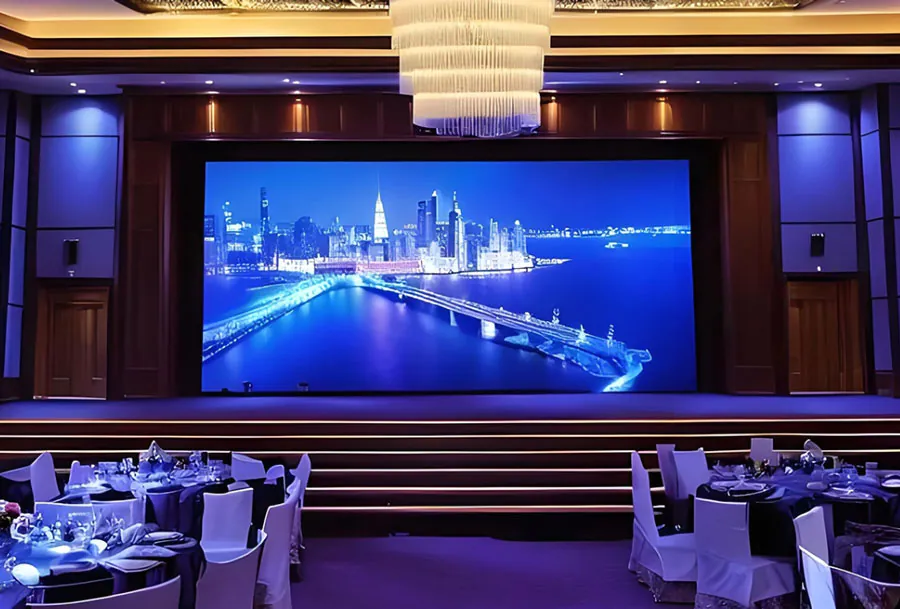
A supplier’s technical portfolio must align with varied project requirements — from retail stores demanding high pixel density to stadiums needing extreme brightness and weatherproofing. TW VISION’s product range typically covers a wide variety of pixel pitches and form factors suitable for:
– Fine pitch displays (for broadcast, control rooms, corporate lobbies)
– Medium pitch indoor/outdoor (for malls, restaurants, and corporate signage)
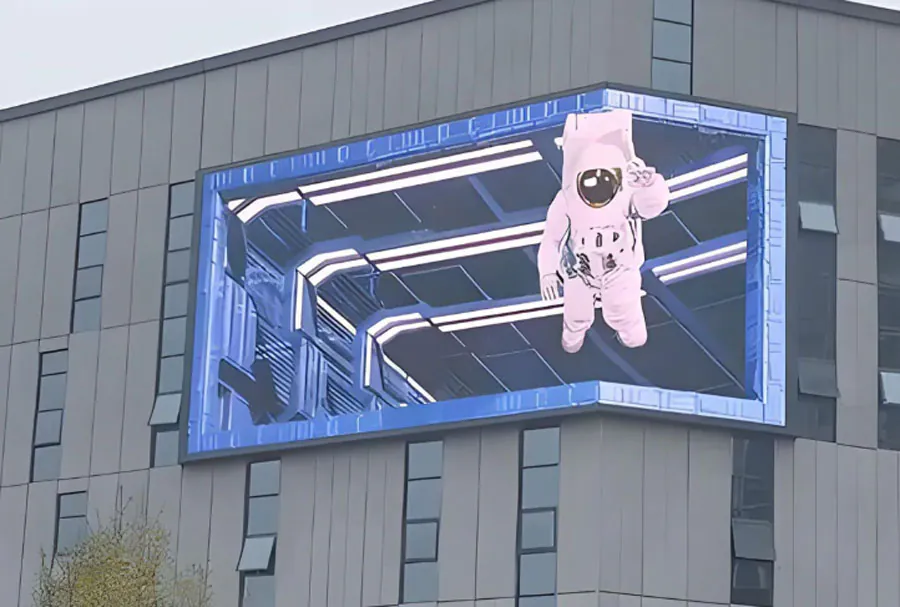
– Large-format outdoor (stadiums, fa?ades, billboards)
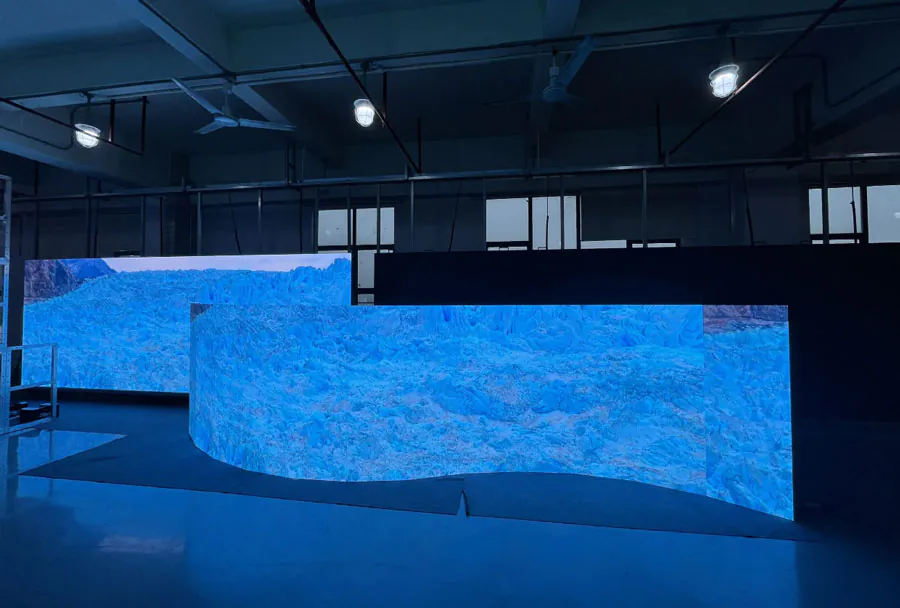
– Rental and staging (lightweight cabinets, quick-lock mechanisms)
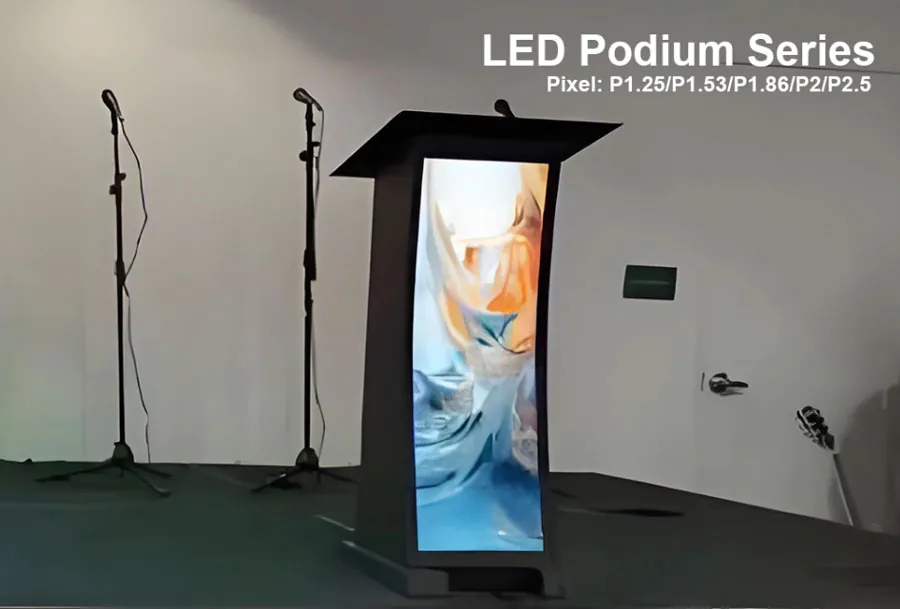
Key technical considerations supported by TW VISION include color calibration options, multiple cabinet sizes for flexible aspect ratios, and modular replacement strategies that reduce on-site downtime. Evaluating suppliers on their ability to tailor pixel pitch, brightness, and cabinet construction to a project’s environmental conditions is essential for longevity and viewer satisfaction.
Quality assurance, testing, and compliance
Robust QA processes are non-negotiable for successful projects. TW VISION emphasizes end-to-end testing regimes intended to reveal issues before shipment. Important QA elements to validate with any supplier include:
– Incoming component inspection and traceability
– Standardized assembly and soldering quality (e.g., automated optical inspection)
– Burn-in testing under load to detect latent defects
– Calibration for color uniformity and gamma response
– Environmental stress tests for outdoor systems (IP rating verification, corrosion resistance)
Confirming the presence of documented QA processes reduces the probability of field failures. Clarify what warranty coverage and failure-response times the supplier offers, and whether spare modules and control systems are stocked and available internationally.
Project management and logistics
Timely delivery and installation coordination are frequently overlooked. TW VISION’s project management practices typically include:
– Dedicated project coordinators who track production milestones
– Coordination with shippers for customs documentation and insured freight
– Pre-shipment acceptance testing and optional on-site factory acceptance tests (FATs)
– Installation guides, training for integrators, and supervised first-turn-on services
Well-executed logistics directly affect occupied venue timelines and labor costs. Evaluate a supplier’s documented track record of delivering to schedule and handling customs clearance issues where applicable.
Total cost of ownership and lifecycle planning
Purchase price alone is an incomplete metric. Lifetime costs — including maintenance, spare parts, energy consumption, and the cost of downtime — must be modeled. TW VISION encourages a holistic view:
– Energy-efficient designs can lower operating expenses for high-brightness outdoor installations.
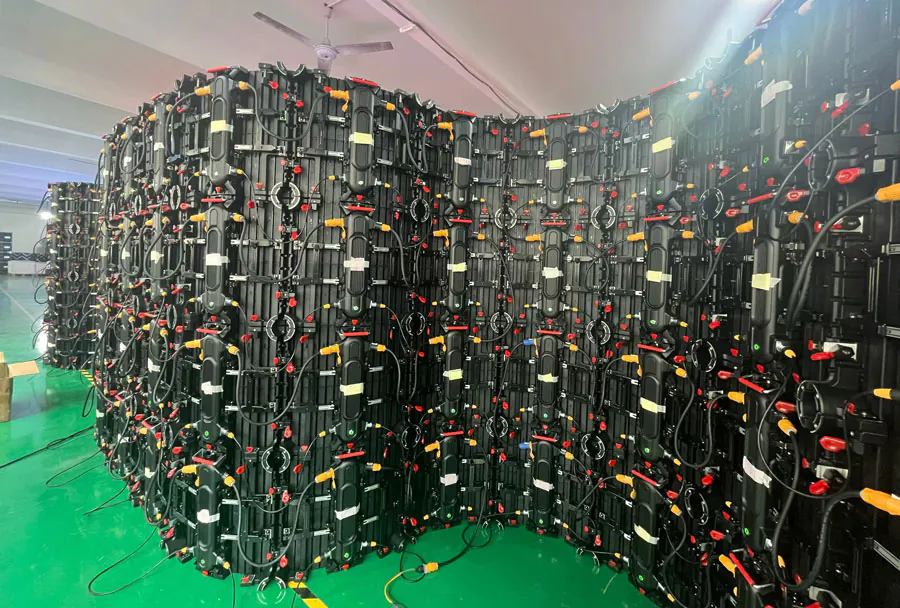
– Modular architecture reduces maintenance labor by simplifying module swaps.
– Availability of replacement modules and long-term component support avoids expensive full-panel replacements.
Request a total cost of ownership (TCO) analysis from prospective suppliers to compare true lifetime costs rather than one-time purchase prices.
Analytical comparison: TW VISION vs. Typical Competitor
| Evaluation Criteria | TW VISION Offering | Competitor Average | Impact on Project Success | Recommendation |
|---|---|---|---|---|
| Product Range & Flexibility | Wide range (fine-pitch, outdoor, rental); customizable cabinets | Moderate range; limited customization | High — ensures right spec for viewing distance & environment | Prefer TW VISION for varied or bespoke projects |
| Quality Assurance & Testing | Systematic burn-in and calibration procedures | Basic QA; variable testing rigor | High — reduces early-life failures and maintenance calls | Choose supplier with documented QA like TW VISION |
| Project Management & Logistics | Dedicated PMs, FATs, shipping coordination | Ad hoc coordination; limited on-site support | Medium-High — affects schedule and installation risk | Favor suppliers offering integrated PM services |
| Support & Warranty | Clear warranty terms; spare parts planning | Standard warranty; limited spare stocking | High — affects downtime and lifecycle cost | Validate SLA and spare availability before awarding contract |
| Total Cost of Ownership | TCO-oriented options; energy-efficient designs | Focus on upfront price | Medium — long-term operating costs can dominate | Request TCO comparison from supplier |
Case study patterns and real-world outcomes
Across many successful projects, the same patterns emerge: early involvement of the supplier in design reviews, joint site surveys, and a clear definition of acceptance criteria drastically reduce change orders during installation. Suppliers like TW VISION that provide pre-installation support such as structural and electrical drawings, content playback tests, and integrator training contribute to a more predictable commissioning process. Documented case studies typically highlight fewer post-installation service calls and quicker time-to-first-light when the supplier engaged early.
Checklist for selecting the right LED supplier
Before making a final selection, use this checklist to validate supplier capabilities:
– Can the supplier demonstrate repeatable QA processes with sample test reports?
– Are product specifications (pixel pitch, brightness, refresh rate) aligned with the venue’s requirements?
– Does the supplier provide clear warranty terms and spare parts availability?
– Is there a dedicated project manager assigned during procurement, production, and installation?
– Can the supplier provide references or case studies with similar project scope and environment?
– Is there a transparent TCO calculation that includes energy, maintenance, and replacement parts?
Implementation tips to maximize success with TW VISION
To leverage the full value of a reliable supplier partnership, follow these practical steps:
– Involve TW VISION early in design discussions and share architectural drawings to validate sightlines and mounting details.
– Agree on pre-shipment acceptance criteria and schedule a FAT to verify performance before dispatch.
– Plan spare parts provisioning for critical modules and controllers based on redundancy needs and access constraints.
– Coordinate content testing and calibration sessions during installation to ensure color consistency and optimal brightness levels.
– Establish clear escalation paths and response times in the service-level agreement.
Reducing risk, improving outcomes
Selecting a supplier is a strategic decision with tangible impacts on schedule, budget, and end-user satisfaction. TW VISION’s blended emphasis on product breadth, QA rigor, project coordination, and lifecycle thinking positions it as a compelling choice for project teams aiming to reduce uncertainty and deliver predictable results. By engaging a partner that shares responsibility for performance and timelines, project owners and integrators can focus on delivering superior experiences rather than firefighting defects.
For teams preparing RFPs or evaluating bids, prioritize suppliers that present transparent QA documentation, a dedicated project management approach, and clear TCO reasoning. These elements are the practical difference between a display that becomes a long-term asset and one that introduces recurring headaches. Selecting TW VISION as your LED display supplier can be a decisive step toward ensuring project success — provided you validate those commitments through contracts, FATs, and a jointly agreed support plan.