How to Choose the Right Outdoor Digital Signage for Your Business Needs

Choosing the right outdoor digital signage involves more than picking the flashiest screen. It’s a strategic decision that affects visibility, longevity, operational costs, and ultimately your brand impression and sales. Whether you run a quick-service restaurant, retail storefront, gas station, or campus, the correct signage delivers timely messaging, improves customer experience, and withstands the elements. This guide walks you step-by-step through the technical, environmental, and business considerations to make an informed decision that meets your needs and budget.
How to Choose the Right Outdoor Digital Signage for Your Business Needs
Assess Your Business Objectives
Begin by clarifying what you want the signage to achieve. Are you aiming to increase foot traffic, display promotions, provide wayfinding, show dynamic menus, or enhance brand presence? Objectives determine required features:
– Marketing/promotional use needs high-resolution video and flexible content schedules.
– Wayfinding or informational signage prioritizes legibility and durability.
– Menu boards demand color accuracy, contrast, and easy content management.
Define measurable goals (e.g., increase lunchtime sales by 10%, reduce perceived wait times). Clear objectives will guide technology choices and ROI expectations.
Understand Your Environmental Conditions
Outdoor environments vary widely. Assess these factors:
– Ambient light: Sun-facing locations require higher brightness (nits) to remain readable in daylight.
– Weather exposure: Locations exposed to rain, snow, or salt air need higher IP and corrosion-resistant materials.
– Vandalism risk: Public areas may require anti-glare, shatterproof glass and tamper-proof housings.
– Temperature extremes: Very hot or cold climates need displays with active cooling/heating systems and temperature-tolerant components.
Matching hardware specifications to environmental realities prevents early failure and reduces maintenance costs.
Choose the Right Display Technology
Common outdoor display technologies include LED, high-brightness LCD, and LED Video Walls. Each has strengths and trade-offs:
– LED (direct-view): Exceptional brightness and durability; ideal for large-format, long-distance viewing. Higher upfront costs but long lifespan and excellent outdoor performance.
– High-brightness LCD: Lower cost for medium-sized screens; good color fidelity for close viewing. Requires protective enclosures and higher luminance variants to fight glare.
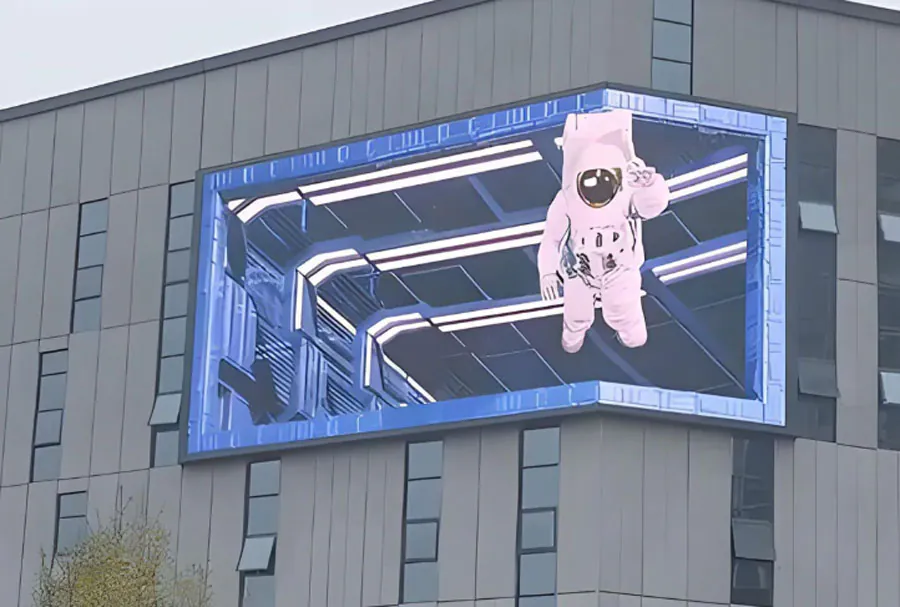
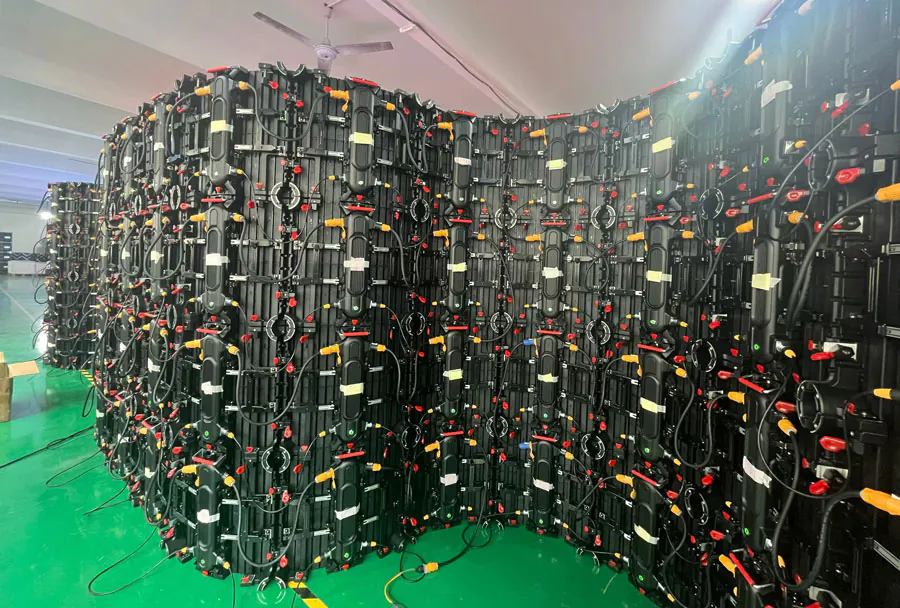
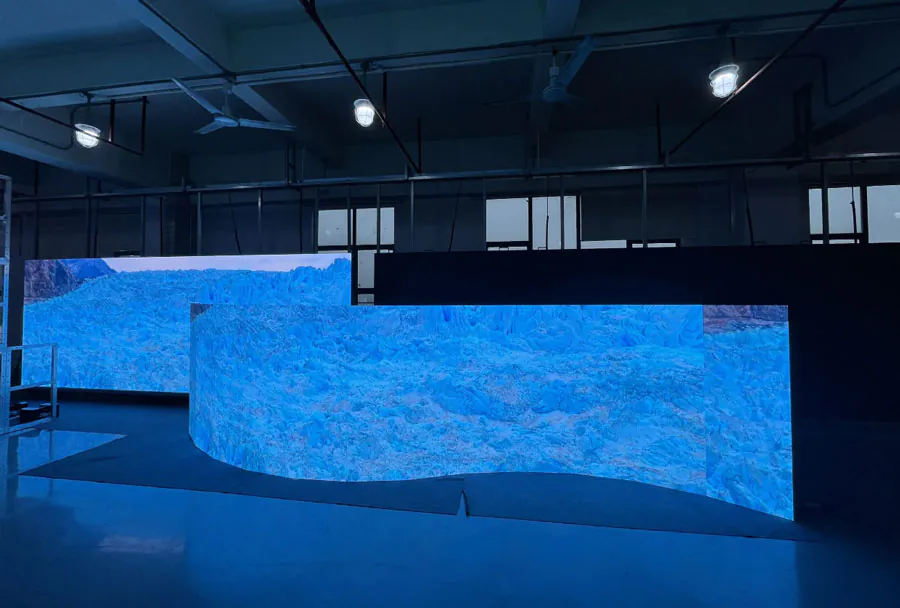
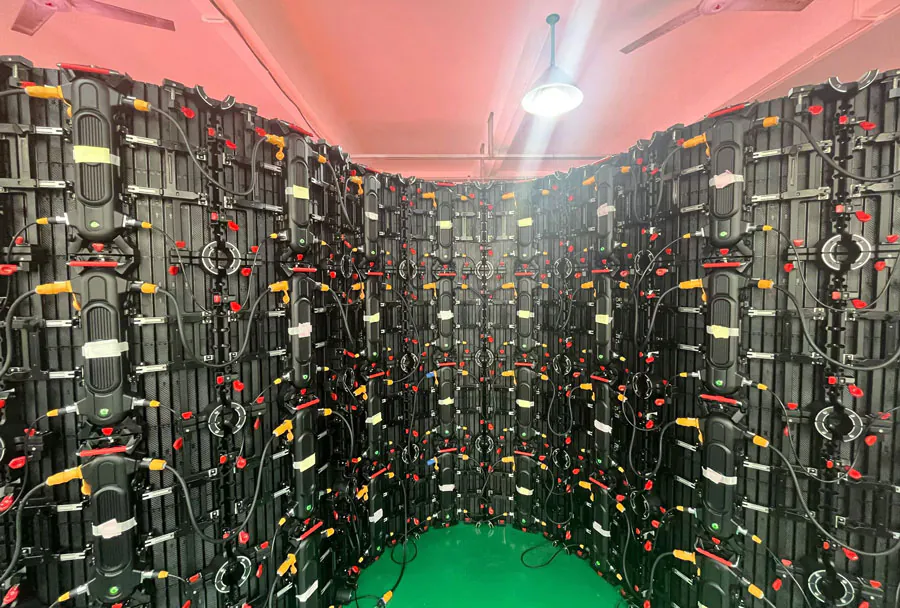
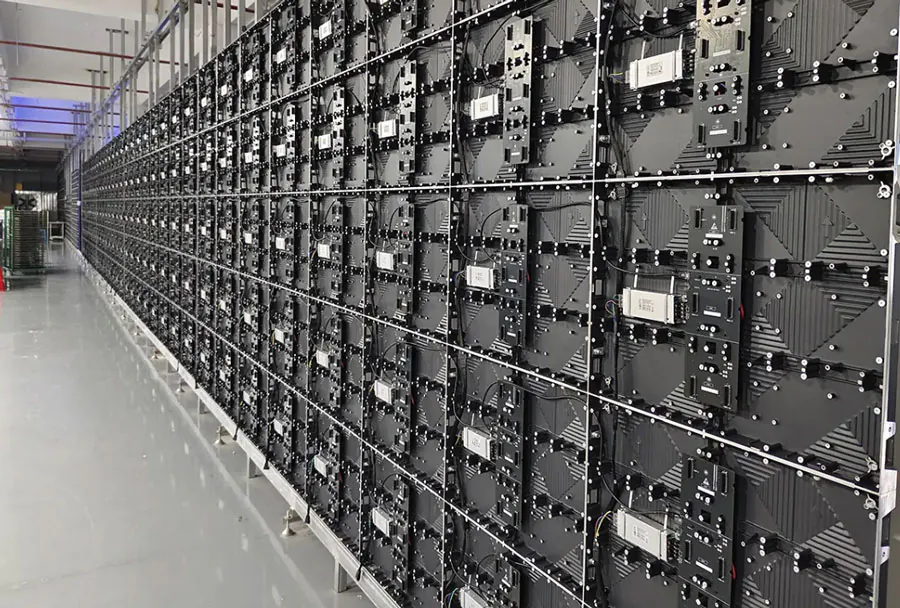
– LED video walls: Modular and scalable for very large installations; great impact but need professional installation and calibration.
Match technology to viewing distance and content type: animation and video perform well on LED; static images and text-heavy menus may be fine on high-brightness LCD.
Brightness and Visibility: Nits, Contrast, and Anti-Glare
Brightness, measured in nits (cd/m2), is critical outdoors. Typical recommendations:
– Shaded/covered areas: 700–1,000 nits may suffice.
– Partially shaded: 1,000–2,000 nits for consistent readability.
– Direct sunlight: 3,000–6,000+ nits or direct-view LED for optimal clarity.
Contrast ratio and anti-reflective coatings improve legibility, especially for text and fine details. Consider automatic brightness controls (ambient light sensors) to conserve energy while maintaining visibility.
Durability: IP Rating, IK Rating, and Materials
Look for these standards:
– IP (Ingress Protection) rating: IP65 or higher is typical for water and dust resistance outdoors. IP66–IP67 offer greater protection.
– IK (Impact Protection) rating: Specifies resistance to mechanical impacts. Higher IK ratings reduce vandalism risks.
– Thermal management: Built-in fans, heat sinks, or thermoelectric cooling affect lifespan in hot climates.
– Corrosion-resistant materials: Powder-coated enclosures and stainless steel hardware resist salt air near coasts.
Choose enclosures and components designed specifically for outdoor use rather than retrofitting indoor displays.
Mounting, Placement, and Viewing Angles
Proper placement optimizes visibility and durability:
– Viewing distance determines screen size and pixel pitch. Larger screens and coarser pixel pitches work well for long-distance viewing.
– Eye-level positioning aids readability for pedestrian traffic; elevated placements suit vehicle traffic.
– Consider sun path and reflections; angled mounts or hoods can reduce glare.
– Accessibility for maintenance matters—ensure safe access for cleaning, repairs, and updates.
Consult a signage professional for structural and electrical requirements.
Connectivity and Content Management (CMS)
Content flexibility is a key benefit of digital signage. Evaluate:
– CMS features: scheduling, templating, remote updates, playlist management, and real-time data feeds (e.g., weather, inventory).
– Connectivity options: wired Ethernet is reliable; cellular or Wi-Fi may be necessary where cabling is impractical. Consider redundancy for mission-critical displays.
– Security: Encrypted connections, secure boot, and regular firmware updates prevent tampering and unauthorized access.
– Integration: APIs for POS, inventory, or reservation systems enable dynamic, data-driven content.
Pick a CMS that balances ease of use and control. Cloud-based systems reduce on-site IT needs.
Power, Energy Efficiency, and Maintenance
Plan for power delivery and ongoing operating costs:
– Power availability: Confirm onsite power supply meets the display’s voltage and amperage requirements.
– Energy efficiency: High-brightness displays consume more power. Features like ambient light sensors and scheduled power-off can cut costs.
– Maintenance agreements: Factor in cleaning, screen protection film, lamp or module replacements, and software support.
– Spare parts and warranties: Extended warranties and readily available spare parts are crucial for minimizing downtime.
Calculate total cost of ownership (TCO), not just initial purchase price.
Security, Compliance, and Local Regulations
Check local sign ordinances and electrical codes:
– Permitting: Sign permits may be required; regulations often dictate size, brightness, and hours of operation.
– Advertising rules: Some municipalities restrict digital content or require time limits.
– ADA and accessibility: Ensure content and placement comply with accessibility guidelines where applicable.
– Cybersecurity: Protect networks and data; maintain updates and secure user authentication.
Engage local authorities or installers familiar with regional rules to avoid costly fines or required modifications.
Budgeting and Return on Investment (ROI)
Budgeting should account for:
– Hardware costs: display, enclosure, mount.
– Installation: structural work, electrical, and network setup.
– Software: CMS subscriptions, licensing fees.
– Ongoing costs: power, maintenance, content creation, and support.
Estimate ROI by projecting increased sales, reduced print costs, improved customer experience, and operational efficiencies. Small businesses may opt for simpler systems initially and scale up as results justify expansion.
Case Examples and Use Cases
– Quick-Service Restaurant: High-brightness LCD or direct-view LED menu boards with dynamic pricing and cloud-based CMS allow real-time promotions.
– Retail Storefront: Window-facing direct-view LED attracts passing traffic; anti-glare coatings and motion-triggered content boost engagement.
– Gas Station/Convenience Store: Weatherproof LCDs with shatterproof enclosures display promotions and fuel prices; cellular connectivity simplifies installs where wired internet is impractical.
– Campus/Transportation Hub: Large LED video walls for wayfinding and announcements; redundancy and long warranties reduce downtime.
These examples show how objectives and environment drive choices in tech and configuration.
Analysis Table: Quick Comparison of Common Outdoor Signage Options
| Display Type | Best For | Typical Brightness (nits) | Durability / Ratings | Estimated Cost Range |
|---|---|---|---|---|
| Direct-View LED | Large-format, long-distance visibility, high-impact advertising | 3,000–10,000+ | High (IP65+, IK10 possible), modular for easy service | High (>$20k for large installations) |
| High-Brightness LCD (Outdoor) | Medium screens, close-to-medium viewing distance, menus | 1,000–4,000 | Good with outdoor enclosures (IP65+), tempered glass | Medium ($2k–$15k depending on size) |
| LED Video Wall (Modular) | Custom large installations, immersive displays | 3,000–8,000+ | Very high (designed for outdoor use), scalable | Very high (installation & control systems add cost) |
| Standard LCD in Weatherproof Enclosure | Cost-conscious installs with moderate sunlight exposure | 700–1,500 (depending on unit) | Depends on enclosure (IP65 achievable), limited longevity in direct sun | Low–Medium ($1k–$5k) |
| Digital Kiosk (Integrated) | Interactive wayfinding, ticketing, and self-service | 700–3,000 | Designed for outdoor use with heating/cooling and IK protection | Medium–High ($5k–$25k) |
Implementation Checklist
Before purchase and installation, verify:
– Clear business objectives and KPIs.
– Site survey for light, weather, mounting, and power.
– Chosen technology fits viewing distance and content type.
– Enclosure ratings meet environmental and vandalism risks.
– CMS supports scheduling, remote updates, and security.
– Budget includes installation, permits, and ongoing maintenance.
– Vendor provides warranty, service level agreements, and parts availability.
Final Recommendations
Start with a pilot installation in a representative location to validate assumptions about brightness, content effectiveness, and maintenance needs. Measure against your KPIs and be prepared to iterate on content and placement. Partner with experienced integrators who understand local regulations and environmental challenges. Investing in the right hardware and management tools upfront will minimize downtime, protect your brand, and maximize the return on your digital signage investment.
Selecting outdoor digital signage is a balance of technical specs, environmental resilience, content strategy, and cost. With a clear understanding of your goals and the conditions where the signage will operate, you can choose a solution that looks great, performs reliably, and drives measurable business results.