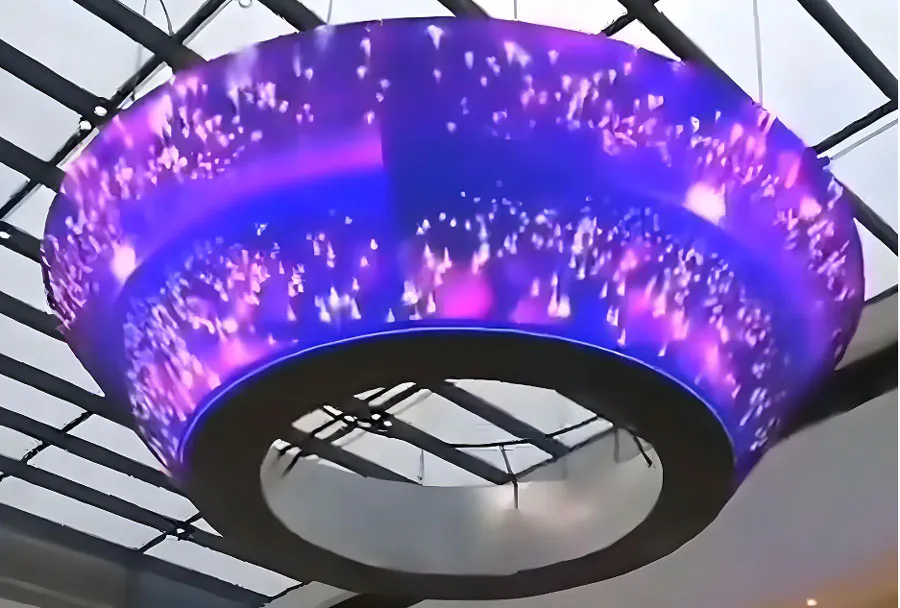
Innovative Mobile Visual Strategies with TW VISION LED Screen Rental Tech

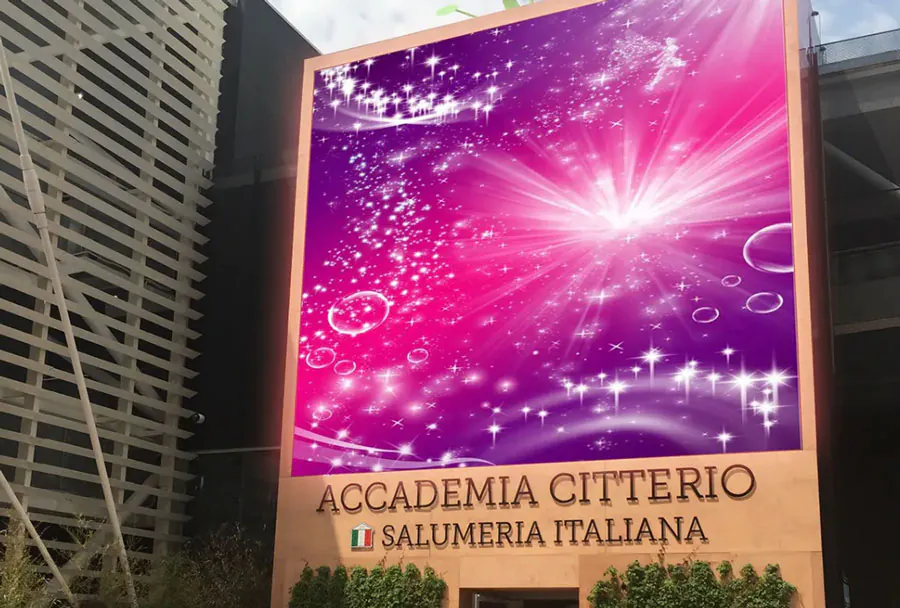
Mobile visual experiences are no longer an aspirational add-on; they are central to event strategy, brand activation, and audience engagement. As audiences become more transient and attention spans shorter, organizations must deploy solutions that are both visually compelling and operationally nimble. TW VISION’s LED screen rental technology unlocks new possibilities for mobile visual strategies by combining modular hardware, robust connectivity, and rental-first economics. This article explores how to architect effective campaigns with TW VISION, evaluates technical considerations, and outlines operational best practices that maximize impact and return on investment.
Innovative Mobile Visual Strategies with TW VISION LED Screen Rental Tech
Strategy Overview: Why Mobile Visuals Matter
Mobile visual strategies focus on delivering dynamic, high-resolution content to audiences where they are—outdoors, on-the-go, or in temporary venues. The advantages are clear: mobility permits rapid geographic targeting, rental models lower upfront costs, and high-brightness LED screens create unmissable impressions even in direct sunlight. TW VISION’s rental offerings are tailored to event producers, touring shows, retailers, and marketers who need flexible deployment windows, reliable technical support, and scalable visual canvases.
A solid strategy begins with aligning campaign objectives—brand awareness, product launch, lead capture, or experiential engagement—with the technical form factor of the screen. For example, a product demo at a weekend market needs a different solution than a concert visual centerpiece. By matching objectives to the right TW VISION configuration, teams can control cost, logistics, and creative outcomes.
Technical Capabilities of TW VISION LED Rental Tech
TW VISION emphasizes modular LED panels that support a variety of pixel pitches, brightness levels, and mechanical mounts. Key technical attributes include:
– Modular panels for rapid assembly and reconfiguration
– High brightness ranges (suitable for outdoor daylight use)
– Weather-resistant enclosures for all-season deployment
– Integrated control systems compatible with common media servers
– Wireless and wired connectivity options, including 4G/5G redundancy
– Power-efficient driving electronics and optional local battery packs for remote sites
Understanding these capabilities allows event designers to craft visuals that perform reliably across diverse environments. Below is an analytical table that maps common deployment scenarios to technical choices and content strategies.
| Deployment Scenario | Screen Format | Pixel Pitch | Connectivity / Control | Recommended Content Strategy |
|---|---|---|---|---|
| Outdoor Festival Stage | Large fixed LED wall (modular) | 3.9mm–6mm | Wired Ethernet primary, 5G backup | High-impact motion graphics, live camera feeds, sponsor overlays |
| Mobile Billboard Truck | Curved/flat truck-mounted LED | 6mm–10mm | 4G/5G with local media server | Short loops, geo-targeted ads, time-of-day creative swaps |
| Pop-up Retail / Experiential | Freestanding LED panels | 2.6mm–4mm | Wi-Fi + local control tablet | Product demos, interactive QR triggers, event-driven content |
| Sports & Concerts | Curved / high-resolution elements | 2mm–4mm (near stage), 4mm–6mm (perimeter) | Redundant fiber/Ethernet, SMPTE workflows | Real-time stats, synchronized show visuals, branded sponsor spots |
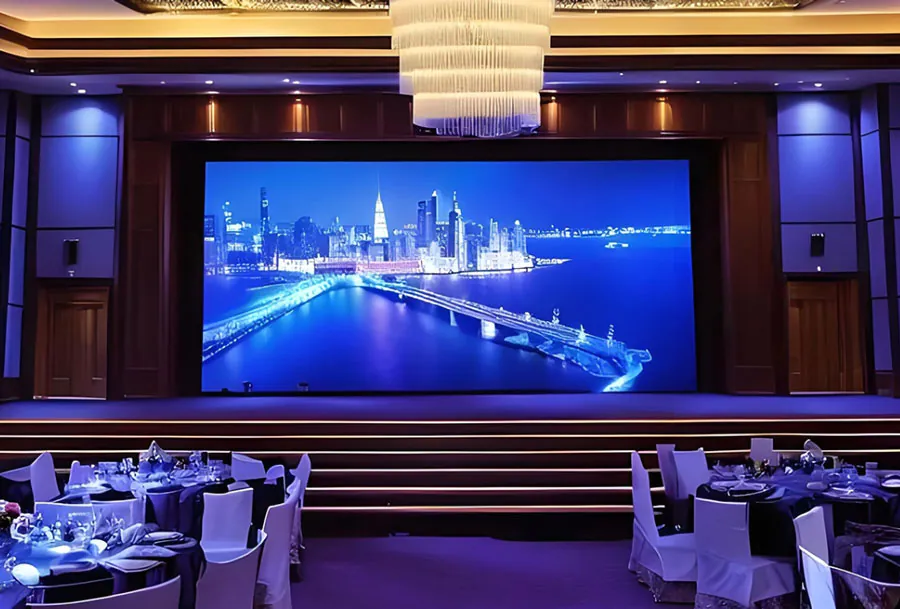
| Corporate Roadshows | Seamless indoor LED walls | 1.9mm–2.6mm | Wired control w/ networked playback | High-res product footage, presentation integration, live demos |
Designing Content for Mobile LED Deployments
Content is the heartbeat of any mobile visual strategy. With TW VISION technology, content teams should consider the viewing distance, ambient light, and movement patterns of audiences.
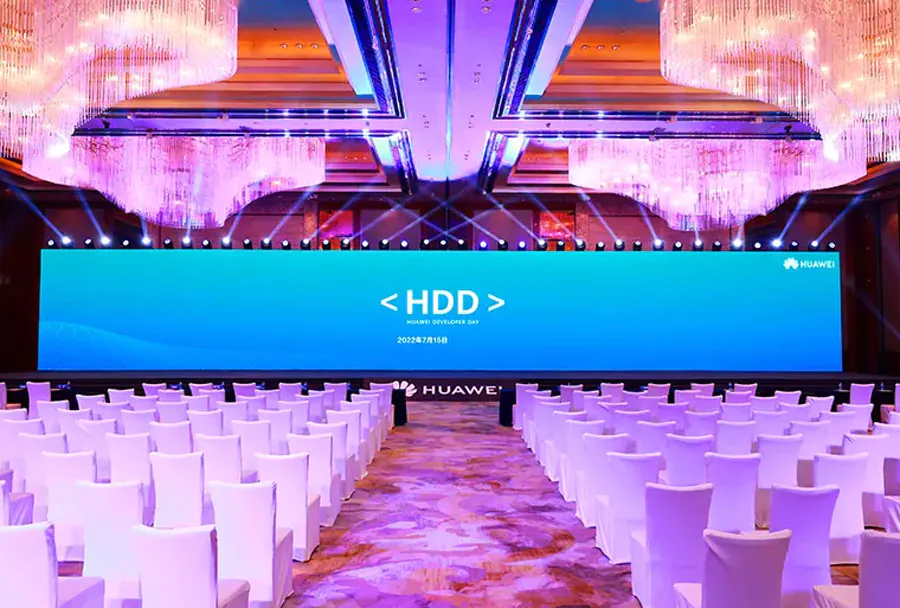
– Viewing distance dictates pixel pitch: Closer audiences require finer pitches to avoid visible pixel structure.
– Ambient light influences brightness and contrast: Outdoor daytime environments demand higher nits and bolder contrast in design.
– Movement patterns and dwell time determine content length: Mobile audiences often experience short dwell times—prioritize snackable, repeatable loops that communicate core messages within 6–12 seconds.
– Legibility and typography: Use large, high-contrast type with straightforward messages. Avoid fine detail or small text when designing for mobile and outdoor LED environments.
– Motion design and framing: Use large, slow-moving elements rather than jittery micro-animations. For truck-mounted units, design with the vehicle’s motion and sightlines in mind.
– Live & interactive components: TW VISION supports live feeds and interactive triggers (QR codes, Bluetooth beacons). Incorporate these for lead capture and second-screen engagement.
Creative teams should also create content packages that include both high-resolution master files and optimized codecs for robust playback on TW VISION media servers. Proactively testing in the final environment—ideally during daylight and evening hours—prevents surprises.
Operational Considerations: Logistics, Power, and Staffing
Renting LED screens through TW VISION relieves capital expenditure burden but requires clear operational planning.
– Site assessments: Conduct line-of-sight, structural, and power audits. Mobile units may require permits or route planning.
– Power management: Identify pre-existing power or deploy gensets/battery packs if needed. TW VISION offers efficient driving electronics, but real-world runtime depends on brightness settings and additional equipment (cameras, audio).
– Rigging & safety: For stage installations, ensure certified rigging and wind-load calculations. TW VISION panels often include dedicated rigging points for secure mounting.
– Staffing: Factor in setup, strike, and on-site technical support. Rental agreements commonly include technician hours—clarify response SLAs for live events.
– Data & connectivity: Plan for redundant connectivity if live content or remote control is required. TW VISION’s systems support failover configurations.
– Transport & storage: Modular panels need careful packing to prevent damage. TW VISION’s rental fleet typically handles logistics but coordinate lead times for cross-city moves.
Cost-wise, a rental model shifts budget from capital depreciation to per-event or per-day expense. This can be favorable for brands running campaigns in multiple markets or on short windows.
Measuring Impact and Maximizing ROI
Measurement should be built into the strategy. For TW VISION deployments, blend quantitative and qualitative metrics:
– Impressions: Use crowd estimates, GPS tracking (from mobile trucks), or beacon data to estimate reach.
– Engagement: Track QR scans, app interactions, social media mentions, and dwell time captured via sensors.
– Conversion: Tie visual activations to promo codes, landing pages, or onsite sales to measure direct ROI.
– Brand lift: Run short pre/post surveys in markets to gauge awareness shifts tied to activations.
Optimize spend by running A/B content tests across markets or times of day. Use learnings (best-performing creatives, optimal brightness settings, time windows with highest engagement) to refine subsequent rentals. TW VISION’s flexible contracts make iterative testing cost-effective.
Case Examples & Tactical Playbook
– Product Launch Pop-up: A technology brand rented TW VISION panels for a weekend pop-up in high-footfall neighborhoods. They used 2.6mm panels for close viewing, short looping demos, and an interactive QR-trigger to sign up for demos. The result: higher than expected conversion rates and strong social media amplification.
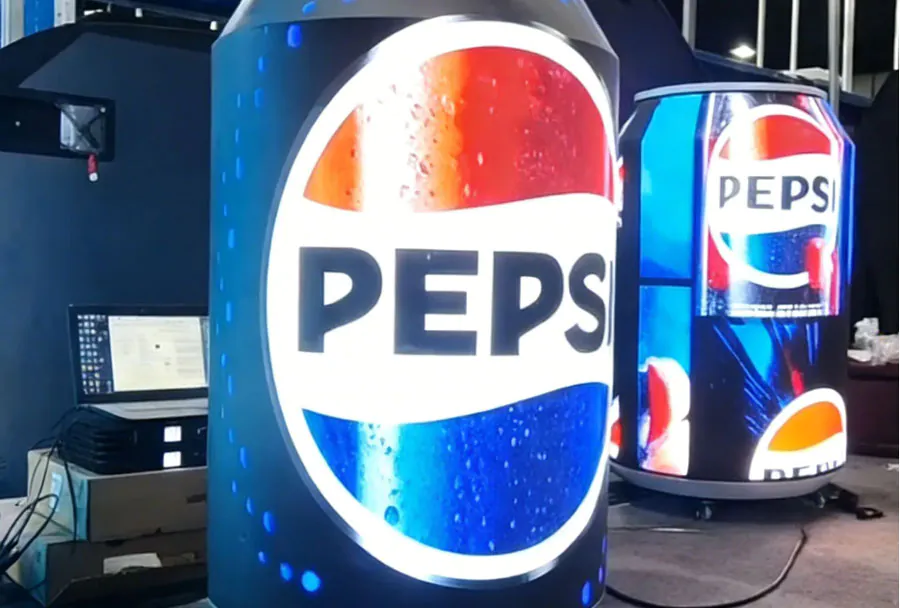
– Mobile Social Campaign: A beverage company employed a truck-mounted TW VISION LED screen with geo-targeted creative during city festivals. They swapped content across zones in real time based on crowd density and weather—achieving peak-day engagement and measurable uplift in retail sales at partner stores.
– Touring Music Event: A promoter integrated TW VISION modular screens into production design for a summer tour. The screens served both artistic visuals and sponsor messaging, leveraging SMPTE sync for perfect show alignment. Post-tour analysis demonstrated increased ticket renewals and higher sponsor renewals.
Each example demonstrates the synergy of the right technical configuration, content strategy, and operational discipline.
Future Trends: Integration with AR, IoT, and Data-Driven Execution
The next wave of mobile visual strategies centers on integration. TW VISION’s rental systems can serve as hubs in an ecosystem that includes AR overlays, IoT sensors, and live data feeds.
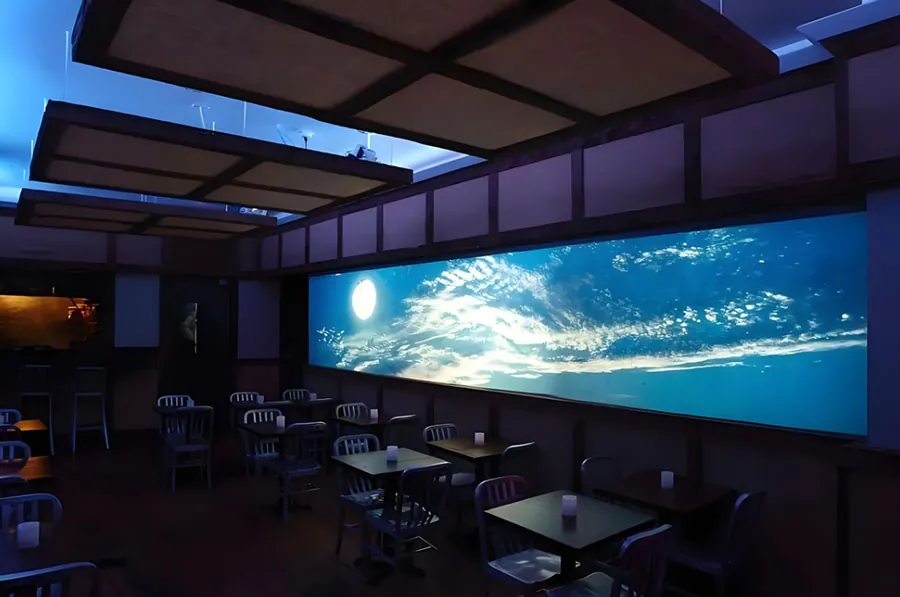
– Augmented Reality: Screened visuals can be augmented via AR apps to extend storytelling beyond the screen, enabling users to interact via smartphones for personalized experiences.
– IoT & Sensors: Cameras and sensors can measure crowd reactions, enabling dynamic content that adapts to audience mood or density.
– Programmatic Outdoor: As programmatic buying matures for digital out-of-home (DOOH), TW VISION screens can serve as on-demand inventory that’s targeted and measurable.
– Sustainability: Battery-hybrid solutions and energy-efficient panels reduce carbon footprint, aligning activations with corporate sustainability goals.
Embracing these trends positions brands to deliver contextual, data-driven, and immersive experiences.
TW VISION’s LED screen rental tech empowers brands and event producers to execute mobile visual strategies with speed, flexibility, and professional-grade visual quality. Success lies in matching campaign objectives to technical specifications, crafting content optimized for distance and light, and embedding measurement into every activation. With careful planning around power, connectivity, and logistics—and by leveraging TW VISION’s modular, rental-first model—organizations can create memorable, measurable, and repeatable mobile visual campaigns that drive both engagement and business outcomes.
If you’re planning a mobile activation, start by defining your campaign objective, audience dwell behavior, and environmental constraints. From there, consult TW VISION on the optimal panel configuration and support package—this alignment will minimize risk and maximize the visual and commercial impact of your next mobile event.