Transform Your Event with TW VISION Mobile LED Screen Rental Solutions

Events live and die by their visual impact. Whether you’re organizing a music festival, corporate launch, sports gathering, or a community celebration, the way you present content — live feeds, branding, video, and dynamic backdrops — determines audience engagement. TW VISION Mobile LED Screen Rental Solutions offer a powerful, flexible way to elevate any event’s visual experience without the capital expenditure of owning expensive LED hardware. This article explores how TW VISION’s mobile LED screens transform events, what to consider when renting, the technical and creative possibilities, and how to maximize return on investment.
Transform Your Event with TW VISION Mobile LED Screen Rental Solutions
Why Mobile LED Screens Matter More Than Ever
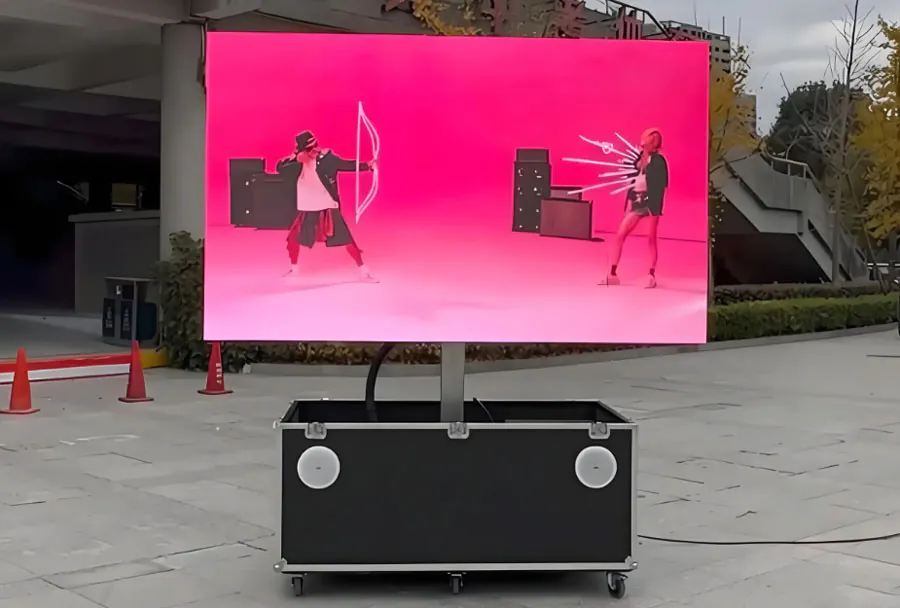
High-quality visuals have become a non-negotiable element in modern events. Audiences expect crisp images, fast refresh rates for live video, and the ability to view content from far distances and wide angles. TW VISION mobile LED screens meet these needs with portable, truck-mounted or trailer-based solutions that can be deployed quickly and positioned for optimal sightlines. Compared to traditional projection or static signage, mobile LED screens provide superior brightness, weather resistance, and versatility — making them ideal for both daytime outdoor events and nighttime productions.
Core Benefits of TW VISION Mobile LED Rental Solutions
– Rapid deployment: Truck-mounted LED units are engineered for fast setup and breakdown, saving valuable time during event load-in and load-out.
– Exceptional brightness and visibility: High-nit LED panels ensure that content remains vibrant even in direct sunlight, a must for outdoor festivals and sporting events.
– Scalability: Screens can be linked to form larger displays or used individually for multiple sightlines across a venue.
– Weatherproof and rugged: Designed for outdoor use, these mobile units withstand rain, wind, and variable temperatures, minimizing weather-related disruptions.
– Integrated power and control: Many mobile solutions include onboard power generation and media servers, reducing dependency on venue infrastructure.
– Professional support: Rental packages often include on-site technicians for setup, operation, and troubleshooting.
Technical Considerations: What to Look For
Choosing the right mobile LED solution requires balancing pixel pitch, screen size, brightness, and control capabilities. TW VISION’s fleet typically includes a range of pixel pitches suitable for viewing distances from a few meters to hundreds of feet. Consider the following technical parameters:
– Pixel pitch: Smaller pitches (e.g., P2.5–P3.9) for close viewing; larger pitches (P6–P10) for long-distance viewing.
– Brightness: Measured in nits — outdoor daytime events generally require 5,000+ nits for comfortable visibility.
– Refresh rate: High refresh rates (≥3,840 Hz) are essential for smooth live video and to avoid flicker on camera.
– Resolution and aspect ratio: Ensure the screen resolution supports your content format to avoid letterboxing or distortion.
– Input compatibility: Multiple HDMI/SDI inputs and live-feed support for cameras, playback servers, and streaming devices.
– Structural specs: Wind loading, stabilization systems, and trailer dimensions that meet venue and transportation requirements.
Analysis Table: TW VISION Mobile LED Packages Comparison
| Package | Screen Size (W x H) | Pixel Pitch | Brightness (nits) | Ideal Use Case |
|---|---|---|---|---|
| Compact Express | 12 ft x 7 ft | P6 | 5,000 | Small concerts, community events, corporate presentations |
| Standard Mobile | 20 ft x 11 ft | P4.8 | 6,000 | Medium-sized festivals, outdoor ceremonies, trade shows |
| Large Venue Pro | 32 ft x 18 ft | P3.9 | 7,500 | Concerts, sporting events, large corporate gatherings |
| Panorama XL | 48 ft x 20 ft (modular) | P6–P10 | 8,000 | Stadiums, outdoor cinema, major public events |
| Dual-Sided Showcase | 16 ft x 9 ft (both sides) | P5 | 5,500 | Parades, pedestrian plazas, multi-directional viewing |
Planning and Logistics: How to Integrate Mobile LED into Your Event
Early collaboration between event planners, production teams, and TW VISION technicians is key. Site surveys should confirm load-in routes, leveling surfaces, power availability, and sightline geometry. Important logistic items include:
– Permits and access: Confirm city permits for mobile units on public streets or in restricted zones.
– Ground conditions: Ensure stable ground or install base plates to prevent sinking or tilting.
– Power and fuel: Determine whether the unit’s onboard generator is sufficient or if external power drops are needed for long runs.
– Rigging clearance: Verify overhead obstructions and confirm safe deployment height for optimal viewing.
– Crowd control: Plan barriers and audience flow to protect equipment and maintain sightlines.
Installation and Onsite Support
TW VISION rental packages typically include certified technicians who manage setup, calibration, and operation. Typical workflow:
– Pre-event testing: Signal checks and calibration to ensure color uniformity and synchronization.
– Structural deployment: Stabilizing jacks, leveling, and anchoring to meet safety standards.
– Media integration: Connecting playback servers, live camera feeds, and emergency inputs.
– Live operation: Technicians monitor signal integrity, weather changes, and power status throughout the event.
Including expert support reduces the risk of downtime and ensures quality control from first light to final encore.
Creative Possibilities: What You Can Do Visually
Mobile LED screens unlock creative flexibility that transforms environments:
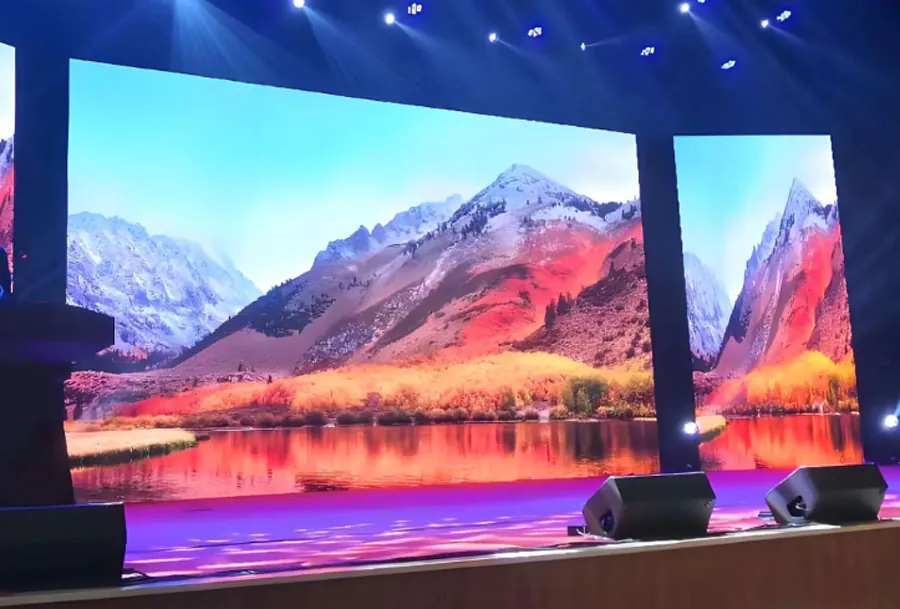
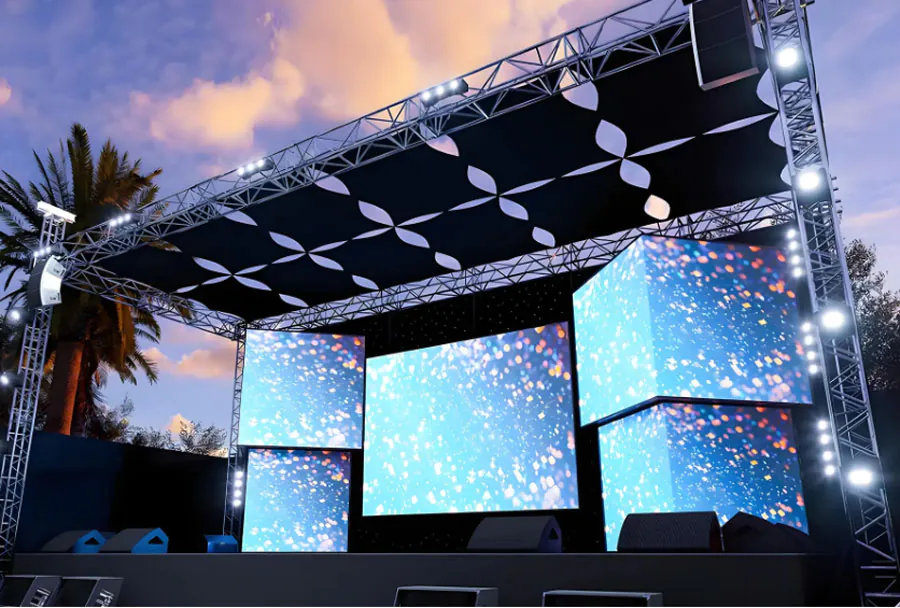
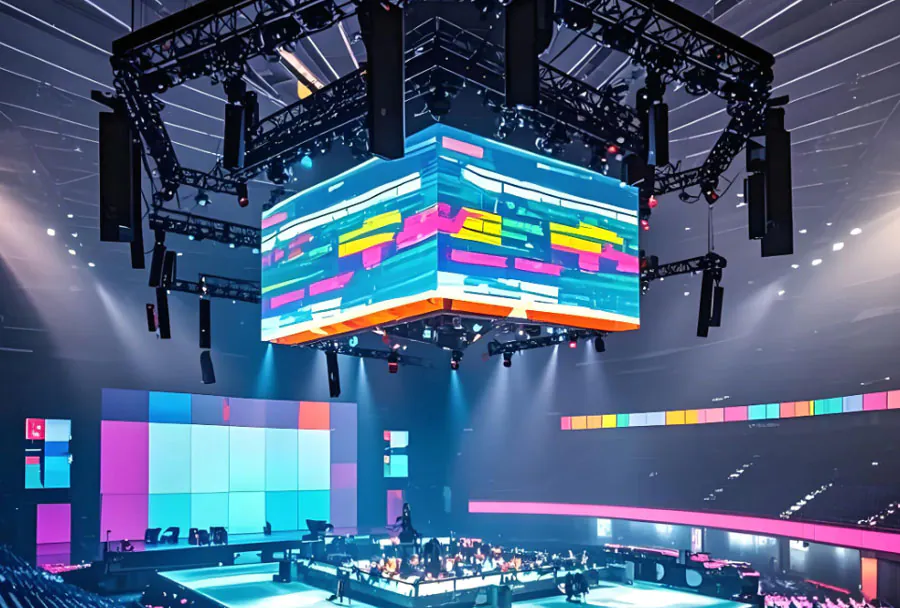
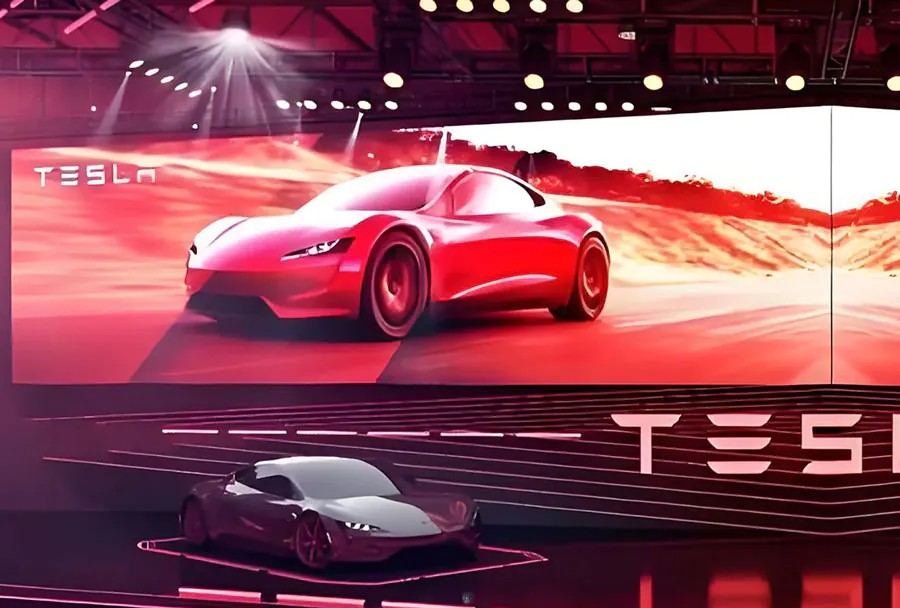
– Dynamic stage backdrops: Synchronize visuals with live performances to create immersive storytelling.
– Sponsor integration: Rotate high-resolution brand content and live social feeds to heighten sponsor value.
– Multi-zone content: Use split-screen setups to show lyrics, live feeds, schedule information, and ads simultaneously.
– Interactive activations: Pair LEDs with cameras and touch-enabled kiosks for audience-driven content.
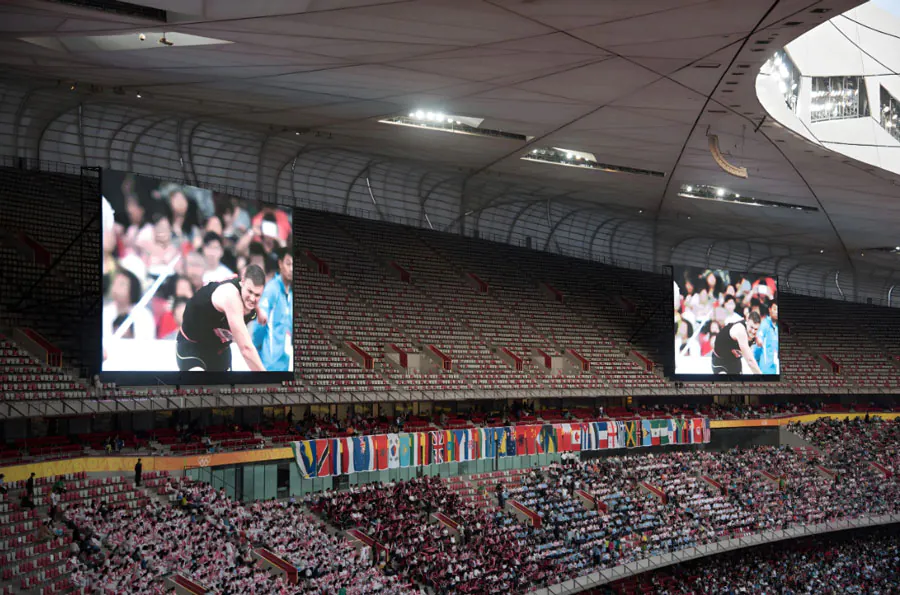
– Live scoring and stats: For sports, display instant replays, live stats, and player graphics with crisp clarity.
These creative approaches not only enhance audience experience but also increase monetization opportunities through advertising and sponsorship.
Cost, ROI, and Budgeting Tips
Renting a mobile LED screen is often more cost-effective than purchasing, especially for one-off or occasional events. Consider these budgeting factors:
– Rental rates: Typically charged per day, with variable travel and setup fees.
– Crew costs: Technician labor for setup, operation, and strike.
– Transport: Distance fees and potential overnight storage costs.
– Insurance: Event insurance or equipment coverage may be required.
– Content production: Budget for high-resolution media and editing to leverage the screen’s capabilities.
ROI can be measured through increased ticket sales, higher sponsor fees, improved attendee satisfaction, and longer attendee dwell time. Presenting case studies to stakeholders that demonstrate these gains will bolster budget approvals.
Real-World Success Stories
– Music Festival: A regional festival replaced multiple small screens with two large TW VISION mobile displays, improving sightlines and allowing for live stage replays. Attendee satisfaction surveys rose 18% and onsite sponsor revenue increased 30%.
– Corporate Launch: A product launch used a mobile LED truck as a stage backdrop, enabling synchronized product demos and cinematic branding. Decreased equipment setup time helped keep the event on schedule and reduced labor fees.
– Community Parade: A dual-sided display provided content to both sides of a crowded pedestrian area, improving visibility for adjacent vendors and boosting overall foot traffic.
These examples illustrate how mobile LED rental solutions can be tailored to meet diverse event goals.
Choosing TW VISION: Questions to Ask Your Rental Partner
When vetting a rental company, ask:
– What are your pixel pitch options and recommended viewing distances?
– Do you provide on-site technical support and what are the response times?
– What power options are available and do you supply generators?
– Can you provide references and case studies similar to our event?
– How do you handle weather contingencies and emergency backups?
A reliable partner will be transparent about capabilities, limitations, and provide documentation for safety and technical specs.
Best Practices and Final Tips
– Start planning early: Book mobile LED units well in advance — peak season rentals fill quickly.
– Deliver appropriate content: Produce media at the screen’s native resolution to maximize quality.
– Test in real conditions: If possible, request a pre-event test at the venue or similar lighting to validate brightness and contrast.
– Prioritize safety: Ensure anchoring and wind load plans are in place, and follow local regulations.
– Leverage analytics: Use event metrics and sponsor impressions to quantify the impact of your visual investments.
TW VISION Mobile LED Screen Rental Solutions offer a proven path to transforming events through immersive, high-impact visuals. From small community gatherings to stadium-scale productions, mobile LED units deliver flexibility, brightness, and professional support that elevate audience experience and increase commercial opportunities. By aligning technical planning, creative content, and operational logistics, event organizers can maximize engagement while controlling costs. If your next event aims to leave a lasting impression, mobile LED rentals from a trusted provider like TW VISION are a strategic, scalable choice.