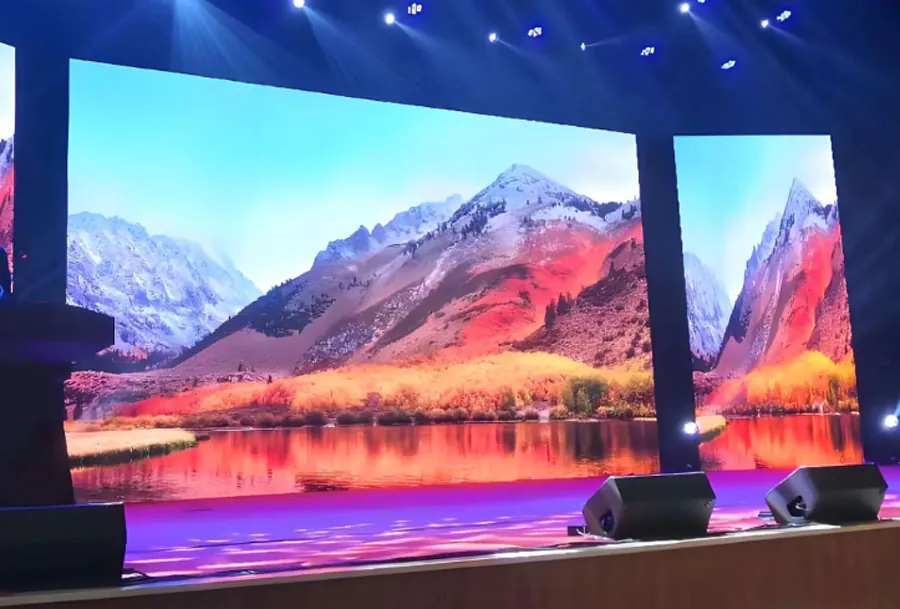
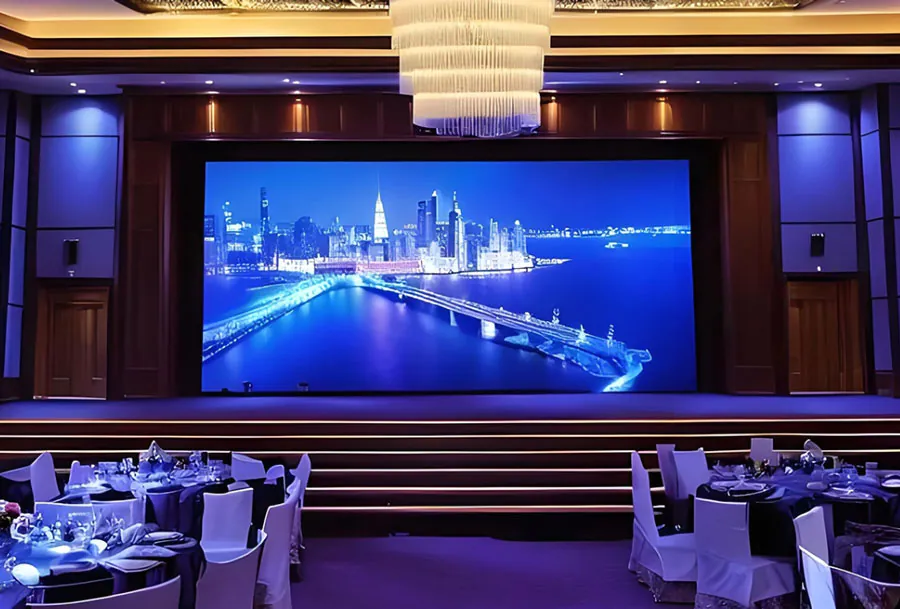
Book Your TW VISION Mobile LED Screen Rental for Maximum Impact Today

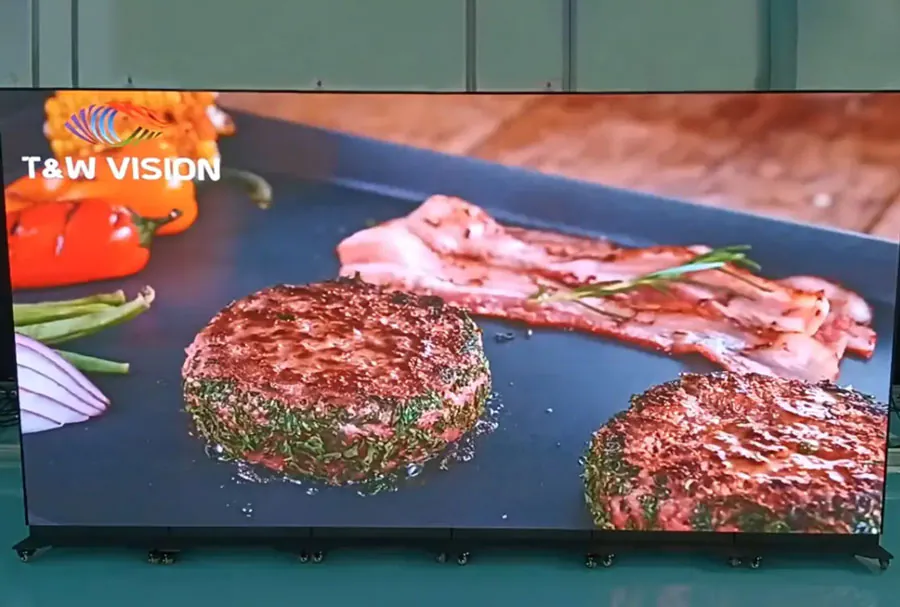
Mobile LED screens have transformed how brands engage audiences at live events, outdoor activations, and corporate gatherings. When you want to make an unforgettable impression, renting a TW VISION mobile LED screen gives you the flexibility, visibility, and production value that static signage or small displays simply can’t match. This article walks you through why booking a TW VISION mobile LED screen rental is a strategic move, how to plan for maximum impact, and practical tips to optimize your investment from setup to tear-down.
Book Your TW VISION Mobile LED Screen Rental for Maximum Impact Today
Why Choose a TW VISION Mobile LED Screen Rental?
TW VISION mobile LED screens combine high-resolution panels, rugged mobility, and professional-grade brightness to deliver consistent visual performance across environments. The main advantages include:
– Outstanding visibility: High brightness levels cut through daylight and ambient light, ensuring content remains readable from long distances.
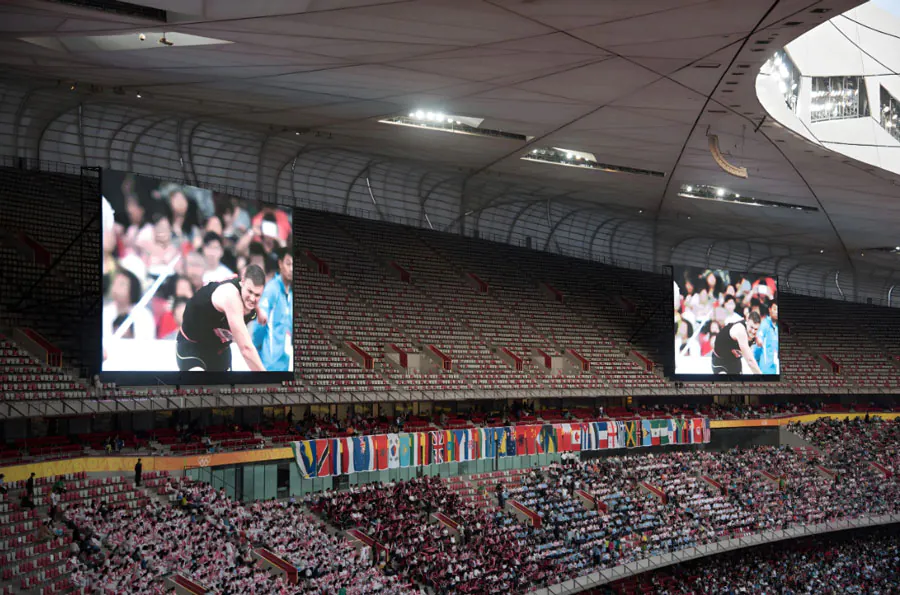
– Scalable sizes: From intimate activations to large stadium events, TW VISION offers modular screens that scale to your audience and venue constraints.
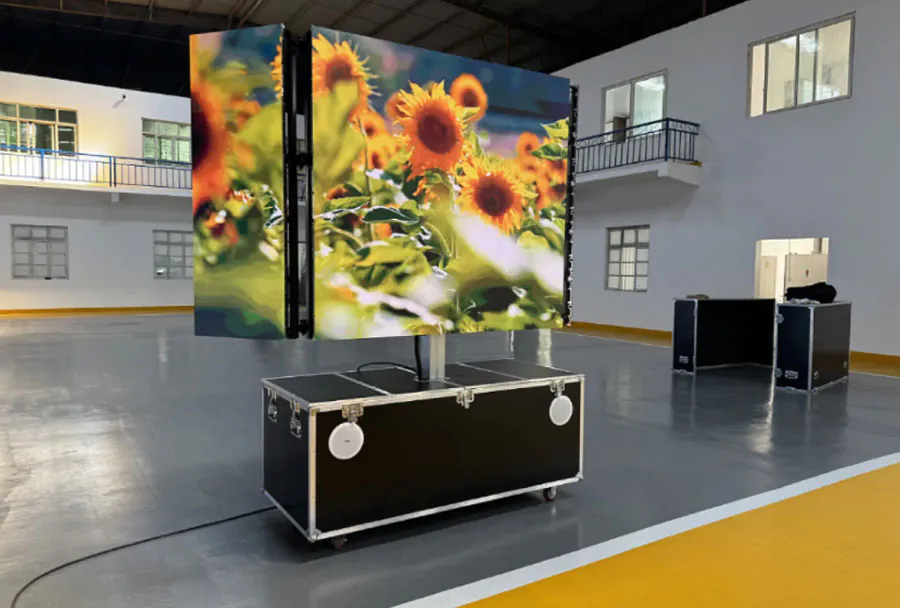
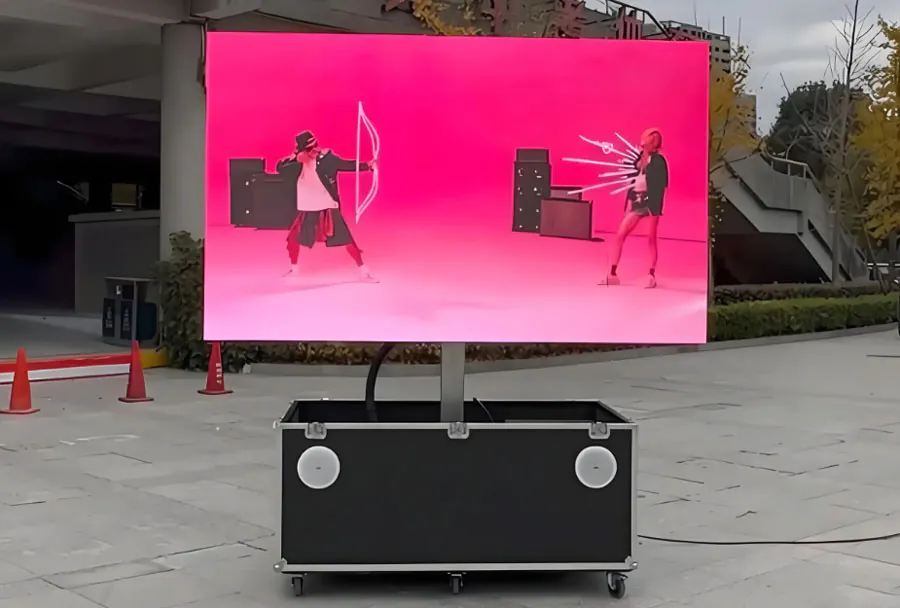
– Rapid deployment: Trailer-mounted or truck-based configurations minimize setup time and logistical complexity, especially compared with building scaffolding or renting cranes.
– Integrated systems: Many rentals come with control systems, playback servers, and technical support, reducing the burden on your production team.
These factors make TW VISION ideal for concerts, product launches, political rallies, outdoor advertising, sports events, and community gatherings.
Understanding Your Goals: Event Type and Audience
Before booking, clarify what “maximum impact” means for your event:
– Brand exposure vs. information delivery: Are you primarily building brand awareness with bold visuals, or delivering critical information and live feeds?
– Audience distance and density: How far will viewers be, and how tightly packed? Viewing distance affects pixel pitch and required resolution.
– Ambient conditions: Will the event be daytime with direct sunlight, twilight, or nighttime? Night events allow lower brightness but may require different color calibration.
– Interactivity needs: Do you plan to integrate live feeds, social media walls, or interactive content?
Answering these questions will guide your choice of screen size, pixel pitch, brightness, and rental package.
Technical Considerations: Selecting the Right Configuration
Selecting the right technical specs ensures your content appears crisp, legible, and captivating:
– Pixel pitch: Measured in millimeters, smaller pixel pitches (e.g., P3-P6) are suitable for close viewing distances; larger pitches (P8-P16) work for long-range outdoor viewing.
– Brightness (nits): Outdoor daytime events often need 5,000–7,000 nits; indoor or nighttime events can operate lower.
– Resolution and aspect ratio: Match your content’s native resolution and aspect ratio to avoid stretching or letterboxing.
– Refresh rate and processing: High refresh rates and good scaler processors prevent flicker and ensure smooth video playback.
– Connectivity and signal paths: Confirm available inputs (SDI, HDMI, fiber) and whether you need live switching or streaming integration.
– Power and mounting: Check power availability, generator needs, wind rating, and ground or rooftop mounting constraints.
TW VISION typically provides technical specs per unit and offers site surveys to recommend optimal configurations.
Logistics and Booking Process
Booking a mobile LED screen involves coordination among several stakeholders. Follow these steps for a smooth process:
1. Initial consultation: Share event details—date, location, expected audience, content types, and any production challenges.
2. Site survey: If possible, arrange a site visit or provide detailed venue plans, photos, and power availability to get an accurate quote and layout plan.
3. Proposal and package: TW VISION will propose screen size, pixel pitch, support equipment (cameras, switchers, audio), crew, and timeline.
4. Contract and deposit: Confirm dates, cancellation policies, insurance requirements, and technical support levels in writing.
5. Pre-event test: Schedule a technical rehearsal to test content playback, signal routing, audio-video sync, and contingency plans.
6. Day-of coordination: On-site crew handles setup, monitoring, and tear-down; maintain a point of contact for last-minute needs.
Booking early—especially during peak seasons—secures preferred equipment and technical crew.
Analyzing Options: Quick Comparison Table
Below is an analysis table summarizing common TW VISION mobile LED options and key metrics to consider. Use it to compare configurations by event needs.
| Model/Configuration | Recommended Use | Pixel Pitch (mm) | Brightness (nits) | Typical Rental Estimate (per day) |
|---|---|---|---|---|
| Mobile Trailer LED 12m2 | Local events, outdoor community fairs | P8–P10 | 5,000–6,000 | $1,200–$2,000 |
| Truck-Mounted LED 20m2 | Medium concerts, corporate functions | P6–P8 | 6,000–7,500 | $2,500–$4,000 |
| Large Mobile Stage LED 40m2 | Stadiums, festivals | P4–P6 | 7,000–9,000 | $5,000–$10,000 |
| High-Res Indoor Mobile LED 10m2 | Trade shows, product launches | P2–P4 | 1,200–2,500 | $1,800–$3,500 |
| Custom Modular Setup | Branded activations, film shoots | Custom | Custom | Quote-based |
Note: Pricing varies by market, season, transport distance, and included services. Always request a detailed quote.
Maximizing Visual Impact: Content and Creative Tips
The best screen doesn’t guarantee impact unless content is optimized:
– Design for distance: Use large, bold typography and high-contrast colors. Avoid thin fonts and small details that get lost at a distance.
– Use dynamic motion: Subtle motion, transitions, and parallax effects catch the eye. Avoid overly busy motion that distracts from your message.
– Brightness and color grading: Grade content for outdoor brightness levels and perform on-site calibration to maintain color fidelity.
– Mix formats: Alternate high-impact visuals with live feeds, sponsor panels, or informational tickers to keep audiences engaged.
– Preload assets: Use high-bitrate files and preload content to the playback server to avoid playback hiccups from streaming or live sources.
A strong creative brief aligned with technical specs will yield the most memorable visuals.
Measuring Success: KPIs and ROI
To justify the rental and measure impact, define KPIs in advance:
– Reach and impressions: Estimate attendee numbers and visibility radius. For outdoor events, consider passersby and nearby traffic.
– Engagement: Track social mentions, photo shares with location tags, and QR code scans tied to the on-screen creative.
– Conversion: Use promo codes, landing pages, or on-site sign-ups to convert viewers into leads or customers.
– Brand recall: Post-event surveys can measure recall and perception shifts.
Calculate ROI by comparing the cost of the rental and production against incremental revenue, leads, or strategic brand metrics.
Common Pitfalls and How to Avoid Them
Avoid these frequent issues:
– Late bookings: Equipment and technical crew availability may be limited; book as early as possible.
– Ignoring ambient light: Failing to match brightness to conditions leads to washed-out visuals.
– Poor signal planning: Ensure redundant signal paths (backup media players, secondary video feeds) to mitigate failures.
– Skimping on technical support: Experienced crew can troubleshoot quickly; not having them risks downtime.
– Overcomplicating content: Keep messages simple and visually bold for maximum impact.
Working with a reputable rental provider like TW VISION reduces many of these risks.
Case Example: Product Launch That Stole the Show
A mid-size consumer electronics brand booked a TW VISION truck-mounted LED for a downtown product launch. The team chose a P4 pixel pitch for close viewing, scheduled an evening reveal, and paired live presenter shots with high-resolution product visuals. Metrics:
– 1,200 on-site attendees
– 3,500 social impressions during the event
– 250 email sign-ups and 120 immediate pre-orders
Key success factors: high visual fidelity, synchronized live feed, and an integrated call-to-action on-screen. The rental yielded measurable ROI within the first week post-event.
How to Book: Practical Checklist
– Confirm event date and backup date.
– Determine desired screen size and viewing distance.
– Provide venue layout, power availability, and permits.
– Request a full cost estimate including transport, crew, and setup.
– Schedule a technical rehearsal and content delivery deadlines.
– Clarify on-site support level and emergency contact.
– Verify insurance and liability responsibilities.
Following this checklist streamlines booking and minimizes last-minute surprises.
Booking a TW VISION mobile LED screen rental delivers a powerful combination of visual quality, flexibility, and professional support—ideal for organizers focused on impact. With the right planning, technical alignment, and content strategy, a mobile LED screen can elevate your event from good to unforgettable. Start by defining your goals, consult with TW VISION about the best configuration, and book early to secure the equipment and crew you need. Make your next event a visual spectacle—book your TW VISION mobile LED screen rental for maximum impact today.