Cost Effective Mobile LED Display Rental Services by TW VISION for Festivals

Mobile led displays have become a staple of modern festivals, turning stages, sponsor activations, and fan zones into immersive visual experiences. For planners who must balance spectacle with tight budgets, TW VISION’s mobile LED display rental services provide a compelling combination of affordability, flexibility, and professional support. This article examines how TW VISION tailors mobile LED solutions specifically for festivals, covering technical specifications, logistics, content management, monetization opportunities, and a practical cost-benefit analysis festival organizers can use to make smarter decisions.
Why Mobile LED Displays Are Ideal for Festivals
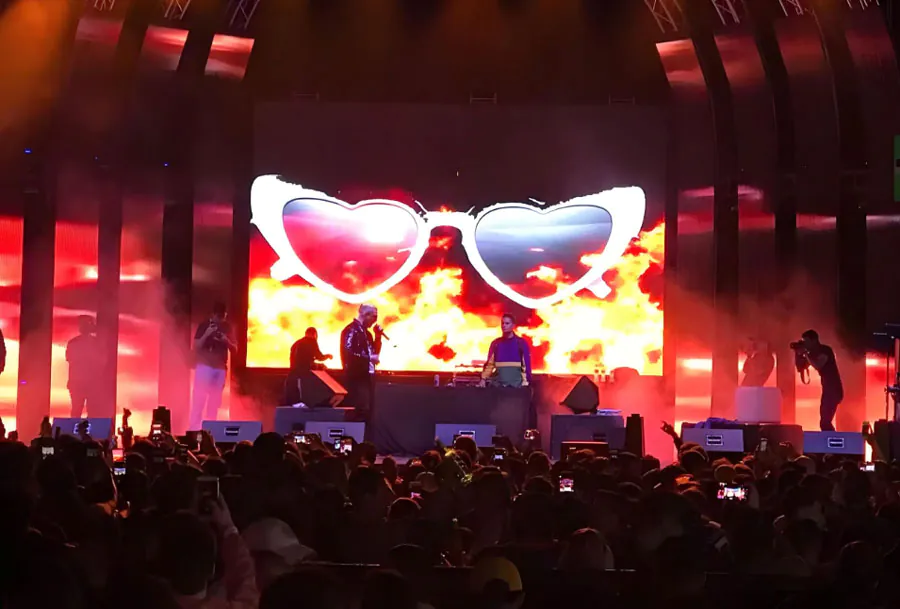
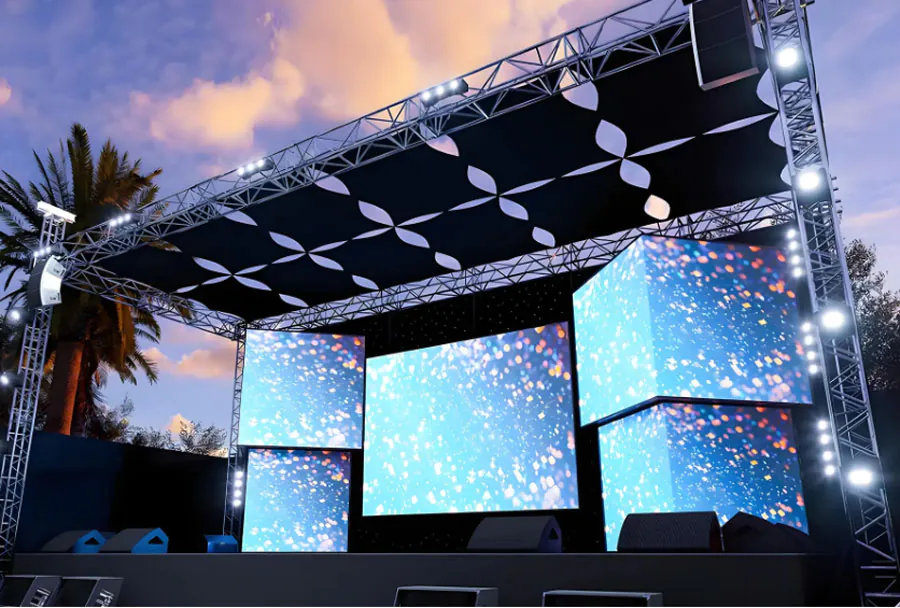
Festivals present unique challenges: high ambient light during the day, fluctuating weather conditions, diverse viewing distances, and the need to reach large, moving crowds. Mobile LED displays — typically truck-mounted, trailer-mounted, or modular systems that can be rapidly deployed — address these issues directly. They are bright enough for daytime visibility, ruggedized for outdoor events, and scalable so a single system can service multiple stages or activation zones over a weekend.
TW VISION’s rental fleet is optimized for festival use. Their displays feature outdoor-grade brightness (often above 5,000 nits), weatherproof housings (IP65 or better), and a range of pixel pitches to balance cost and image clarity. The mobility advantage means one rented system can be relocated across a festival site, reducing the need to rent multiple fixed displays. This flexibility is particularly valuable for multi-stage events where sightlines and audience size vary by location and time.
How TW VISION Delivers Cost Effectiveness
Cost effectiveness is not just about the lowest rental fee; it’s about maximizing value per dollar spent. TW VISION achieves this in several ways:
– Economies of scale: Their fleet allows them to offer competitive daily and multi-day rates. The more dates or the larger the client’s needs, the better the negotiated pricing.
– Versatile inventory: By offering modular panels and a range of pixel pitches, TW VISION lets organizers choose the most appropriate balance of resolution and cost for each zone — e.g., tighter pixel pitch for livestream backdrops, coarser (and cheaper) pitch for far-field crowd screens.
– Reduced logistics overhead: Mobile units cut down setup time, labor, and truck rolls compared to shipping and assembling modular LED structures from scratch.
– Bundled services: TW VISION’s rental packages often include a number of value-added services (site survey, installation crew, on-site technician, basic content playback), lowering the total operational burden on festival staff.
– Revenue partnerships: TW VISION supports sponsorship-friendly configurations and can assist with ad playback or split-screen layouts that enable festivals to monetize screen time, offsetting rental costs.
Technical Specifications and Customization
Choosing the right technical specs is essential for both performance and budget control. Key parameters include pixel pitch, brightness (nits), refresh rate, and structural mounting options. TW VISION typically offers:
– Pixel pitch options from P2.6 to P6.0 for outdoor use, with P3.9–P4.8 being common cost-effective choices for mid-range festival screens.
– Brightness levels from 5,000 to 7,000 nits to ensure daytime legibility.
– High refresh rates (≥3,840 Hz) to avoid flicker issues on broadcast cameras.
– Weatherproof ratings (IP65+), built-in HVAC or passive ventilation for temperature control, and reinforced frames for outdoor wind loads.
Customization can include truck- or trailer-mounted LED systems for rapid deployment, rooftop rigs for festival stages, or portable ground-supported walls. TW VISION also provides control systems compatible with industry-standard content servers and supports live video feeds, playback playlists, and multi-source layering for sponsor content and live camera inputs.
Logistics, Deployment, and On-Site Support
Logistics are where many rental relationships either shine or falter. For festivals, tight schedules and unexpected site conditions require a partner that offers turnkey logistical support. TW VISION’s operational model includes:
– Pre-event site surveys to map sightlines, power availability, and access routes.
– Permitting assistance, including structural drawings for temporary mounts and safety documentation.
– Rapid installation crews trained for overnight or early-morning setups to minimize disruption.
– On-site technicians during key operating hours to manage signal routing, handle live switchovers, and solve unforeseen issues.
– Efficient breakdown and relocation processes so displays can serve multiple zones without extended downtime.
TW VISION’s mobile units also mean fewer local subcontractors to coordinate, which simplifies communication and reduces cumulative margin markups that can inflate total event costs.
Content Management and Monetization Opportunities
A mobile LED display’s value multiplies when content is managed properly. TW VISION provides content playback systems that allow for scheduled advertising slots, split-screen sponsor exposures, and dynamic show cues. This capability unlocks revenue streams such as:
– Sponsor ad packages sold by the festival, with TW VISION’s system handling playback verification.
– Real-time social media walls and UGC displays to enhance audience engagement.
– Cross-stage promotional loops that highlight schedules, artist promos, or safety messages.
By enabling clear reporting and playback logs, TW VISION helps festivals confidently sell premium screen time. This monetization can offset a significant portion of rental costs, turning an expense into a partially self-funded asset.
Analysis Table: Typical TW VISION Mobile LED Rental Packages
| Package | Screen Size (m2) | Pixel Pitch (mm) | Brightness (nits) | Estimated Cost per Day (USD) |
|---|---|---|---|---|
| Basic Mobile | 8–12 | P6.0 | 5,000 | $1,200–$1,800 |
| Standard Festival | 15–24 | P4.8 | 5,500 | $2,500–$4,000 |
| Premium Stage | 30–48 | P3.9 | 6,000 | $5,000–$8,500 |
| VIP Broadcast | 50–80 | P2.6–P3.9 | 6,500–7,000 | $9,000–$15,000 |
This analysis table outlines typical packages; actual pricing varies by region, event duration, transport distance, and included services. Note that multi-day discounts and revenue-sharing agreements for sponsor inventory can materially reduce the net cost.
Case Studies and Measurable ROI
Consider two festival scenarios that illustrate ROI:
– Regional Arts Festival (3 days): The organizer rented a Standard Festival package for the main stage and a Basic Mobile for the family zone. By selling four sponsor loops at $1,000 each per day across the main screen, the festival recouped nearly 50% of the rental cost. The mobile units’ quick redeployment also saved the festival from renting a second full-size screen for the second stage.
– Multi-Stage Music Festival (2 days): The event used two Premium Stage units and one VIP Broadcast unit for the headliner stage livestream. The festival charged premium sponsor rates for split-screen branding during headline sets; combined sponsorship income covered almost the entire LED rental expense, while the mobile units’ broadcast-grade refresh rates preserved camera quality and increased streaming viewership by 28% over previous years.
Those results reflect realistic outcomes when content strategy and sponsor sales are aligned with hardware capabilities. TW VISION’s ability to support both technical execution and monetization helps festivals maximize their return.
Risk Management and Reliability
Festivals need reliability. Mobile LED units reduce complexity by arriving pre-integrated and tested. TW VISION minimizes risk through:
– Preventive maintenance and verification checks prior to dispatch.
– Redundant playback and signal paths to avoid single-point failures.
– Spare modules and on-site crews for rapid replacement of faulty tiles or power components.
– Weather contingency plans including tarps, wind-load protocols, and sheltered mounting options.
These measures reduce the likelihood of costly on-site failures and reputational damage — a key component of cost-effectiveness that goes beyond sticker price.
Guidance for Choosing the Right TW VISION Package
To pick the optimal solution, festival planners should evaluate:
– Viewing distances: Larger audiences and greater far-field viewing need higher brightness and larger screens; close-up areas favor finer pixel pitch.
– Day vs. night programming: Daytime events demand higher-nit panels, which carry a premium.
– Streaming/broadcast needs: If content will be live-streamed, prioritize high refresh rates and broadcast-friendly pixel pitches.
– Sponsor strategy: If selling ad inventory is central, ensure the system supports split-screen layouts and reliable ad playback logs.
– Mobility needs: If the display must serve multiple locations, truck-mounted or trailer-mounted units offer the fastest turnaround.
TW VISION’s sales and technical teams typically provide a free site assessment and a recommendation that balances these variables against the event’s budget.
Final Considerations and Next Steps
Cost-effectiveness is achieved when an LED rental delivers the right image quality, reliability, and business outcomes for the least total cost. TW VISION’s mobile LED display rental offering is built around that principle: modular tech choices, predictable operational support, and monetization-friendly features. For festival organizers, the most important next steps are to secure a site survey, map out content and sponsor opportunities in advance, and request a bundled proposal that includes installation, technicians, and contingencies.
If you’re planning a festival and want to evaluate mobile LED options, reach out to TW VISION for a tailored quote and a site-driven plan. Their experience with outdoor events, combined with flexible mobile inventory and content management support, can transform display rental from a line-item cost into a visible asset that enhances attendee experience and contributes to event revenue.