Revolutionize Your Outdoor Marketing with Advanced Digital Signage Solutions

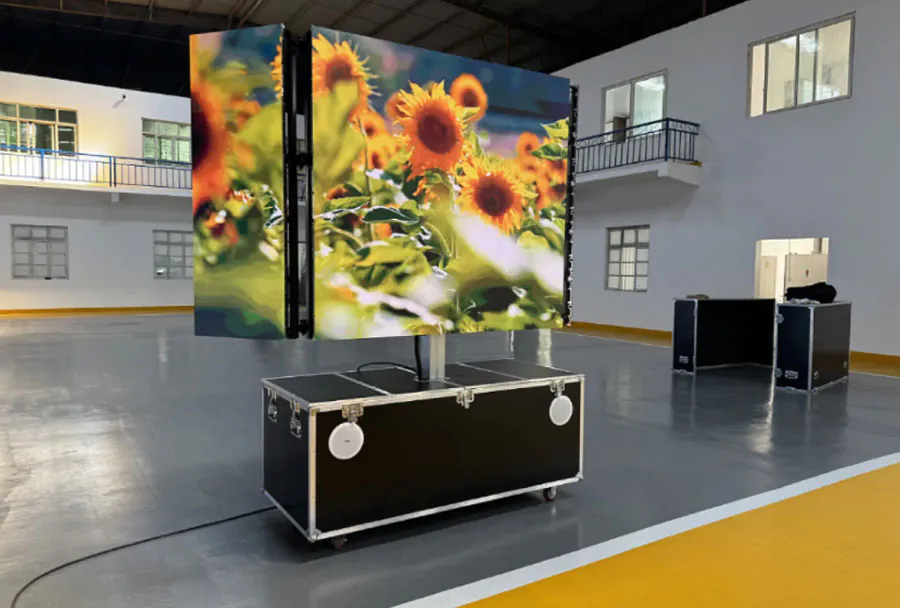
Outdoor environments present unique marketing opportunities — high foot traffic, long sightlines, and the ability to engage audiences at the moment of decision. However, static posters and traditional billboards are limited in agility and measurement. Advanced digital signage transforms outdoor marketing from a one-way broadcast into a dynamic, data-driven conversation. Below, you’ll find a comprehensive look at how to revolutionize your outdoor marketing with modern digital signage solutions, covering technology choices, content strategy, analytics, deployment, and future trends.
Revolutionize Your Outdoor Marketing with Advanced Digital Signage Solutions
Why Digital Signage Is a Game Changer for Outdoor Marketing
Digital signage delivers several decisive advantages over static media:
– Flexibility: Content can be updated instantly for promotions, emergencies, or dynamic pricing.
– Targeting: Combine scheduled content with real-time triggers (weather, traffic, time of day) to reach the right audience.
– Measurability: Integrate analytics and sensors to quantify impressions, dwell time, and engagement.
– Cost efficiency over time: While initial hardware costs are higher, digital signage reduces printing and installation expenses and increases campaign velocity.
– Brand perception: High-quality digital displays convey modernity and innovation, elevating brand image in crowded urban environments.
These benefits make digital signage ideal for retail exteriors, transit hubs, stadiums, gas stations, and any high-visibility outdoor location.
Technology Options: Choosing the Right Hardware
Selecting the correct display technology is critical. Consider brightness (nits), outdoor rating (IP and IK), temperature tolerance, viewing angles, and maintenance. Below is an analysis table comparing common outdoor display technologies. Use it to match technical capabilities to your use case and budget.
| Technology Type | Durability / Outdoor Rating | Average Cost Range | Best Use Case | Key Advantages |
|---|---|---|---|---|
| LED Video Wall (Outdoor SMD) | High (IP65+, vandal-resistant enclosures) | High ($20k–$200k+ depending on size) | Large-format billboards, stadium facades, public squares | Extreme brightness, scalability, seamless seams for large canvases |
| Commercial Outdoor LCD | Moderate-High (weatherproof enclosures, up to IP66) | Medium ($2k–$20k per unit) | Bus stops, retail windows, outdoor kiosks | High-resolution content, lower power than LEDs for small sizes |
| E-Paper (Electronic Paper) | Moderate (best for sheltered outdoor areas) | Low-Medium ($500–$5k) | Wayfinding, shelf labels, low-power signage | Ultra-low power, readable in sunlight, long battery life |
| Projection Mapping | Low-Moderate (requires controlled conditions) | Medium-High ($5k–$50k+ for creative installations) | Architectural displays, events, experiential marketing | High impact, immersive experiences, flexible canvases |
| Interactive Kiosk (Touch/NFC) | High (ruggedized enclosures, tamper-proof) | Medium ($3k–$15k) | Retail storefronts, transit info points, experiential booths | Direct engagement, data capture, conversion opportunities |
Content Strategy: Crafting Messages That Perform
Great hardware is only as effective as the content it displays. Outdoor content strategy should emphasize clarity, brevity, and contextual relevance:
– Keep messaging concise: Viewers often have seconds to notice outdoor signage. Use short headlines and bold visuals.
– Use high-contrast designs: Ensure legibility under bright sunlight; test color palettes at different times of day.
– Dynamic scheduling: Align content with time-based audience habits (commute hours, lunch, evenings) and local events.
– Contextual triggers: Integrate APIs for weather, traffic, or inventory level to make messages timely and useful.

– Calls to action: For outdoor, CTAs should be immediate and simple — QR codes, short URLs, SMS keywords, or store directions.
A robust digital signage CMS allows marketers to create playlists, schedule content, and run A/B tests to determine which messages drive desired behaviors.
Connectivity and Data: Turning Screens into Insights Engines
Advanced outdoor signage is connected signage. Consider these integrations:
– CMS integrations: Select systems compatible with your existing marketing stack, CRM, and ad platforms.
– Sensors and cameras: Use anonymous footfall counters, proximity sensors, or computer vision to estimate impressions and dwell time while complying with privacy regulations.
– Audience analytics: Heatmaps, demographic estimation, and engagement metrics let you optimize content and placement.
– Edge computing: On-site processing reduces latency and supports real-time personalization without sending all data to the cloud.
– 5G and LTE failover: Ensure uptime and bandwidth for high-resolution streaming, especially for remote or high-traffic locations.
Prioritize privacy and compliance: anonymize data, avoid storing personally identifiable information, and display clear notices if camera-based analytics are used.
Deployment and Maintenance: Ensuring Reliability in All Conditions
Outdoor signage requires planning beyond installation. Key considerations:
– Site survey: Assess sightlines, mounting options, power and network availability, shadow patterns, and zoning restrictions.
– Power management: Consider efficient power supplies, solar augmentation for remote sites, and UPS backups for critical locations.
– Thermal management: Proper ventilation or heating elements are necessary for extreme climates to maintain display life.
– Remote monitoring: Implement health checks for brightness, temperature, and connectivity; set alerts for failures.
– Service contracts: Negotiate SLAs for on-site repairs, component replacement, and cleaning schedules.
A preventive maintenance plan reduces downtime and preserves ROI, particularly for large LED installations where module-level failures can reduce visual impact.
Measuring ROI: Metrics That Matter
To evaluate success, track a mix of quantitative and qualitative KPIs:
– Impressions and dwell time from sensors or CV analytics.
– Engagement rate for interactive elements (touch, QR scans, NFC interactions).
– Uplift in store visits or conversions during campaign windows.
– Sales lift correlated to time and content exposures.
– Cost per impression and payback period compared to traditional media.
– Brand lift measured via surveys or social listening after campaigns.
Maintain a testing cadence: run controlled experiments comparing different content, frequencies, and placement to optimize outcomes.
Implementation Roadmap: From Pilot to Scale
A phased approach de-risks investment:
1. Define goals: Awareness, footfall, conversions, or an omnichannel trigger.
2. Pilot: Deploy a small number of units in representative locations to test hardware, content, and analytics.
3. Measure: Collect data on impressions, engagement, and outcomes; refine your CMS workflows.
4. Iterate: Adjust content, triggers, and technology based on pilot learnings.
5. Scale: Roll out across prioritized locations using standard installation and monitoring playbooks.
6. Optimize: Continuously A/B test and refine campaigns and hardware configurations.
Document standards and templates to accelerate deployments and maintain brand consistency as you scale.
Vendor Selection: What to Ask
Choosing the right partner matters. Evaluate vendors on:
– Hardware quality and warranty terms, including IP/IK ratings and local service capabilities.
– CMS features: scheduling, device management, API access, security, and multi-tenant operations.
– Analytics capabilities and data export options for integration.
– Installation and maintenance services, SLAs, and spare parts availability.
– References and case studies in similar markets and environments.
– Scalability and roadmap: support for emerging features like AI-driven personalization or AR overlays.
Negotiate transparent pricing models that separate hardware, software, and managed services to maintain flexibility.
Trends to Watch: The Future of Outdoor Digital Signage
Several trends are shaping the next wave of outdoor digital advertising:
– AI-driven personalization: Real-time content selection based on aggregated audience signals will improve relevance and conversion.
– Augmented reality (AR) and mixed reality overlays become part of immersive outdoor experiences, particularly at events.
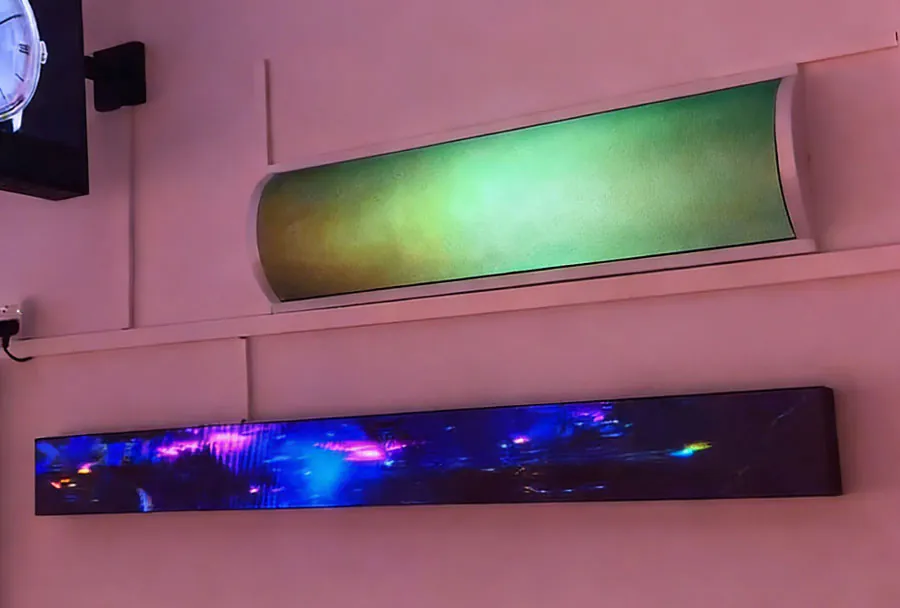
– Programmatic out-of-home (OOH): Real-time bidding and programmatic delivery of outdoor ads will align audiences and inventory like digital display advertising.
– Environmental sensors and sustainability: Energy-efficient displays, solar-powered installations, and recycled materials will grow in importance.
– Seamless omnichannel: Outdoor screens increasingly act as nodes in a larger customer journey, synchronized with mobile, in-store, and eCommerce touchpoints.
Adopting digital signage now positions brands to take advantage of these capabilities as they mature.
Turning Screens into Strategic Assets
Advanced digital signage is more than a brighter billboard — it’s a strategic tool that connects physical locations to data-driven marketing workflows. By choosing the right hardware, crafting concise and contextually aware content, integrating analytics, and following a disciplined deployment roadmap, marketers can dramatically improve engagement, measure performance, and optimize spend. Start with a focused pilot, measure rigorously, and expand strategically — that’s how outdoor marketing evolves from static to revolutionary.