The Pop Up Store Marketing Secret Fast Setup and Storage with Flexible LED Roll Up Screens

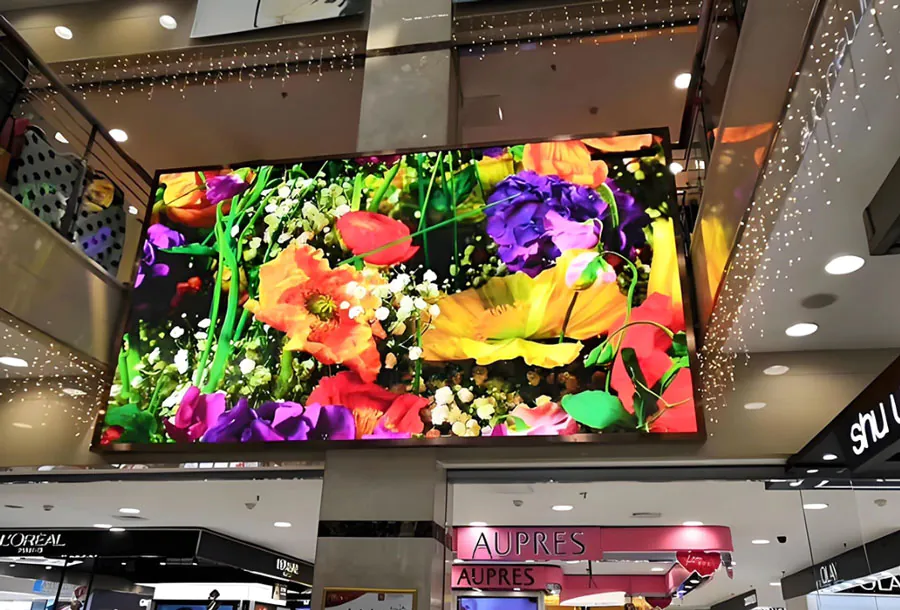
Pop-up retail is all about speed, impact, and adaptability. In a marketplace where attention is the currency, flexible LED roll up screens are becoming the secret weapon for brands that need to create high-impact environments quickly and store them even faster. These lightweight, durable displays combine the visual power of LED with the portability of fabric banners, enabling retailers and event marketers to transform blank spaces into immersive brand experiences in minutes. Below, we explore how flexible LED roll up screens can revolutionize pop-up store setups, the practical steps to implement them, and the measurable benefits for marketing teams.
The Pop Up Store Marketing Secret: Fast Setup and Storage with Flexible LED Roll Up Screens
Why flexibility matters in pop-up retail
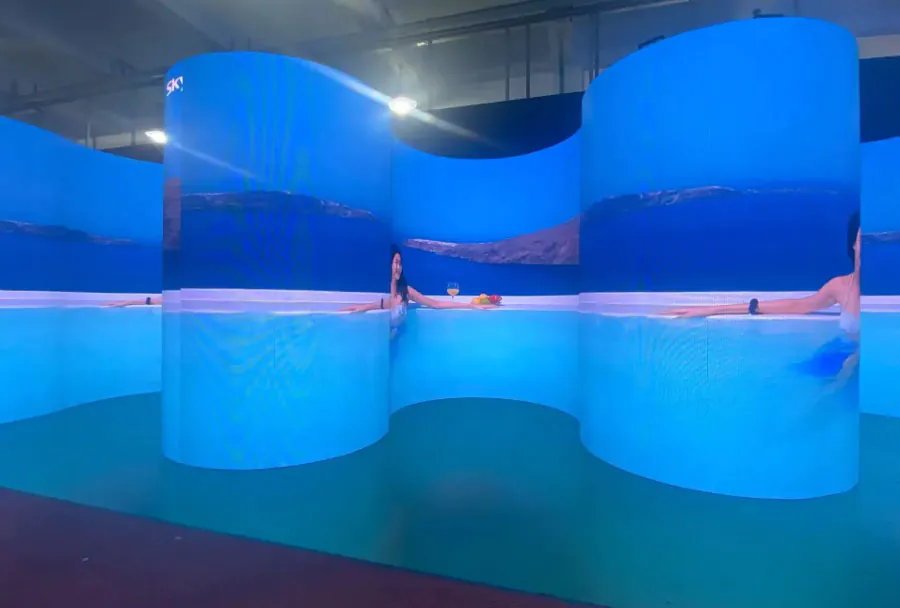
Pop-up stores thrive on momentum. They need to grab attention, tell a story, and drive conversions within a short window. Traditional signage and rigid LED panels offer bright visuals but can be heavy, fragile, and time-consuming to install. Flexible LED roll up screens deliver comparable brightness and resolution with a fraction of the logistical burden. Because they roll up like banner stands and are made from bendable, modular LED strips embedded in a fabric substrate, teams can carry multiple screens in a single case, deploy them without tools, and reconfigure layouts on the fly.
This flexibility directly supports three core pop-up objectives:
– Speed: Reduce build time so staff can focus on selling instead of assembling hardware.
– Scale: Deploy multiple screens across small footprints to create layered visual storytelling.
– Portability: Move displays between locations or store them compactly between activations.
Key benefits for marketing teams
Flexible LED roll up screens offer tactical and strategic advantages:
– Rapid setup in under 10 minutes per screen, enabling same-day activations.
– Compact storage that minimizes warehouse space and shipping costs.
– Durable, retractable design that reduces breakage and maintenance.
– High pixel density and brightness options suitable for indoor and semi-outdoor venues.
– Content versatility — looped videos, dynamic pricing, live social feeds, and interactive cues.
These benefits translate into tangible ROI: lower labor costs for setup/tear-down, reduced damage and replacement expenses, and improved conversion rates driven by dynamic, attention-grabbing content.
Technical overview: how the screens work
Flexible LED roll up screens are composed of modular LED strips embedded on a pliable backing. They typically include:
– A roll-up cassette or rigid top/bottom bars for quick tensioning.
– Magnetic or quick-connect data and power interfaces.
– An LED matrix with varying pixel pitches (e.g., P2.6, P3.9, P6.6) to match viewing distance.
– Control box or mini media player that accepts HDMI, USB, or wireless content streaming.
– Optional sensors for brightness adjustment and motion-triggered content.
Pixel pitch determines the ideal viewing distance: tighter pixel pitches (lower numbers) suit close-quarters boutique pop-ups, while larger pitches work for high-ceiling mall kiosks. Many roll up screens offer plug-and-play operation with smartphone or tablet control, making them approachable for smaller marketing teams without dedicated AV staff.
Fast setup workflow
A consistent setup workflow reduces mistakes and speeds deployment. A recommended sequence:
1. Pre-configure content playlists and save to a USB drive or cloud player.
2. Unpack roll up cassette, place on floor or mount to lightweight frame if needed.
3. Connect power and control unit; use one cable routing plan to keep aesthetics clean.
4. Extend the LED fabric and secure top bar to cassette or mounting brackets.
5. Power up, verify content, adjust brightness, and align screens for multi-panel synchronization if used.
6. Run a quick playthrough to check transitions and audio sync if applicable.
With practice, a two-person team can set up multiple screens in under an hour. Label cables and cassettes to reduce configuration time on repeat activations.
Storage and transport best practices
Space efficiency is a core advantage. To maximize longevity and minimize damage:
– Store screens upright in their cassettes in a climate-controlled environment.
– Use padded cases for transit; stack cassettes horizontally only if manufacturer permits.
– Keep spare power supplies, quick-connect cables, and a compact toolkit with you.
– Regularly inspect the LED fabric for creases or foreign objects that can trap moisture or dust.
– For seasonal storage, roll screens with a light desiccant pack to avoid humidity-related issues.
Because roll up screens weigh significantly less than conventional LED cabinets, shipping costs and handling risks drop dramatically — an important factor for brands running multiple pop-ups or touring activations.
Design and content strategy
The hardware only delivers impact when paired with strategic content. Best practices include:
– Use bold imagery and short, readable messaging; viewers have limited dwell time.
– Incorporate motion to catch attention, but avoid overly busy loops that fatigue viewers.
– Tailor content to the viewing distance — use larger type and high-contrast palettes for kiosks.
– Sync content across multiple screens to create immersive narratives or stagger timing to direct customer flow.
– Integrate live social feeds or UGC to build immediacy and encourage engagement.
Testing content during a soft opening or behind-the-scenes rehearsal helps refine timing, color balance, and readability under venue lighting.
Analysis table: Flexible LED Roll Up Screens for Pop-Up Stores
| Feature | Benefit | Average Setup Time | Storage/Transport | Best Use Case |
|---|---|---|---|---|
| Modular Roll-Up Cassette | Quick deployment, reduced breakage | 5–10 minutes per screen | Compact, fits in padded case | Short-term activations, pop-up storefronts |
| Variable Pixel Pitches | Customize resolution for viewing distance | Instant (content prep time varies) | Same as cassette; choose based on viewing needs | Kiosks, mall displays, micro-event stages |
| Wireless/Plug-and-Play Control | Ease of use for small teams | Minutes to pair and test | Minimal extra gear | Retail promotions, product launches |
| Lightweight Fabric LED | Lower shipping & handling costs | Fast unpack/pack | Rolls into small footprint | Touring activations, pop-up circuits |
| Interchangeable Content Profiles | Localized messaging without reprinting | Depends on content creation | Stored digitally, no physical storage | Seasonal campaigns, targeted promotions |
Measuring impact and ROI
To justify investment, pair flexible LED deployments with performance metrics:
– Foot traffic uplift: Compare baseline traffic with activation periods using door counters or POS timestamps.
– Dwell time: Use sensors or observational studies to measure time spent near displays.
– Conversion rate: Track sales per visitor during activation windows and attribute to specific content campaigns.
– Engagements: Monitor QR code scans, social tags, and on-site sign-ups tied to the display content.
– Cost per activation: Calculate labor, transport, and content production costs against incremental revenue.
Because roll up screens lower fixed costs for every activation (storage, shipping, damage), they often shorten payback periods compared to conventional LED rigs, especially for brands that run multiple short-term pop-ups.
Real-world use cases
– Indie apparel brand: Launched a weekend-only pop-up with three synced roll up screens telling the brand story, showcasing seasonal looks, and featuring live inventory updates. Result: 23% increase in conversion vs. previous market events.
– Tech demo booth: Used a single roll up screen to display interactive product highlights and demo videos. The lightweight screen allowed quick transitions between trade shows and retail partners.
– Food brand sampling: Installed a vertical roll up screen behind a sampling counter to display ingredient provenance and animated recipes, increasing dwell time and social shares.
Each of these use cases demonstrates how the agility of roll up LED screens aligns with the demands of short-lived retail experiences.
Procurement checklist
Before purchasing, consider:
– Pixel pitch and brightness ratings for your typical venues.
– Compatibility with your media players and content workflows.
– Warranty terms and expected lifecycle of the LED fabric.
– Availability of spare parts and local service providers.
– Packaging solutions for safe transit between activations.
Negotiating bundles that include spare power supplies, cases, and service agreements often reduces total cost of ownership.
A practical secret for pop-up success
Flexible LED roll up screens bridge a critical gap between striking visual merchandising and the practical needs of pop-up retail: speed, portability, and durability. They enable marketing teams to focus resources on creative content and customer experience rather than logistics. When selected and managed with a clear setup workflow and content strategy, these screens can dramatically lower activation costs while increasing impact and measurable ROI. For brands that rely on short-term activations, touring events, or frequent store-in-store experiments, flexible LED roll up screens are more than a convenience — they’re a strategic asset that multiplies what pop-up experiences can achieve.