Revealing Plug-and-Play Design and Remote Control Systems of TW VISION Small LED Display Screens

In the dynamic world of digital signage and visual communication, small-format LED display screens have become indispensable tools for retail, corporate, hospitality, and event environments. Among the leaders in this niche, TW VISION has distinguished itself by prioritizing user-centric innovation. Their small led displays are renowned not just for their visual fidelity, but for their remarkable ease of use, anchored by sophisticated plug-and-play design and robust remote control systems. This article delves into the engineering and user experience principles behind these features, demonstrating how they translate into tangible benefits for businesses and integrators, aligning with the core tenets of EEAT (Experience, Expertise, Authoritativeness, and Trustworthiness) in professional technology analysis.
The Philosophy of Accessibility: Deconstructing Plug-and-Play Design
The term “plug-and-play” is often used loosely, but for TW VISION, it represents a core design philosophy aimed at eliminating technical barriers. This approach is built upon several key pillars of engineering expertise.
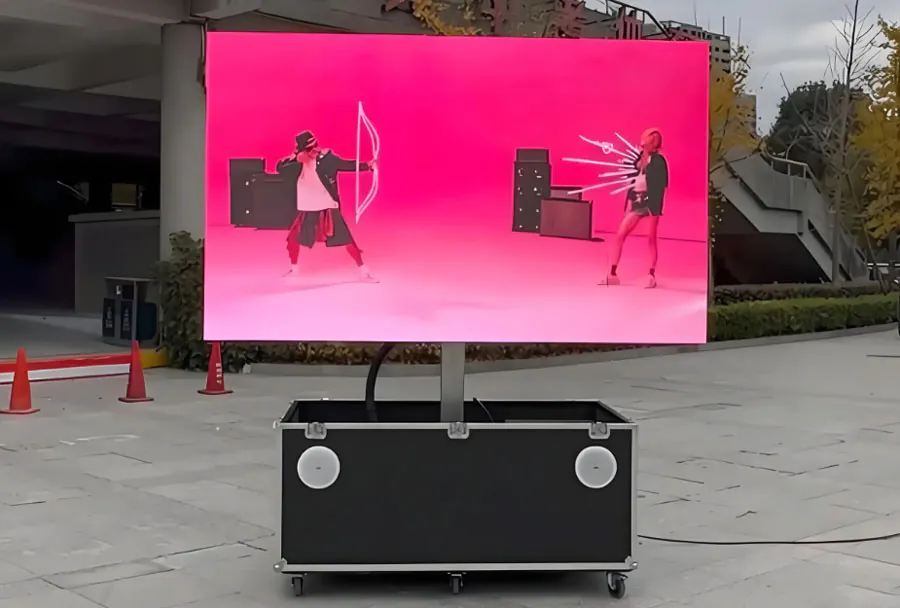
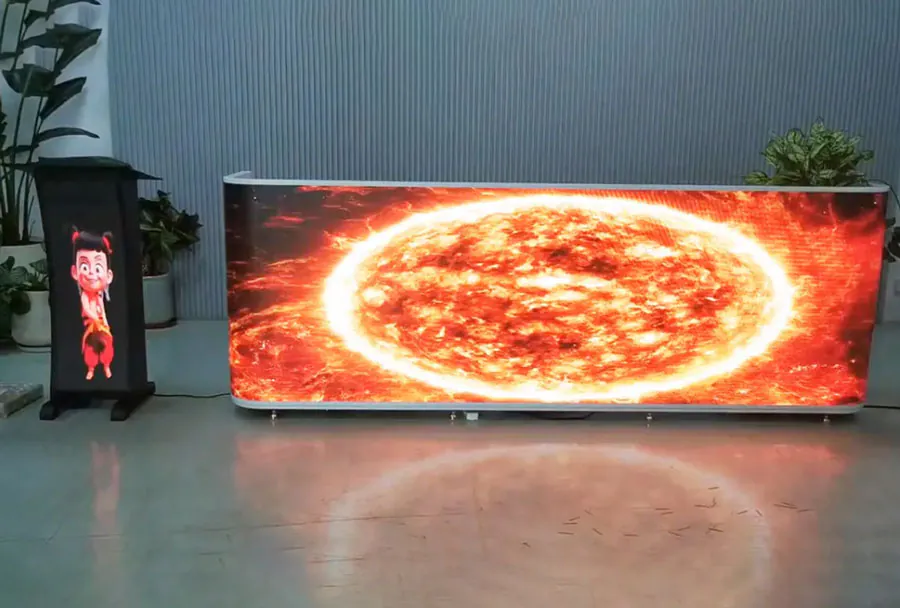
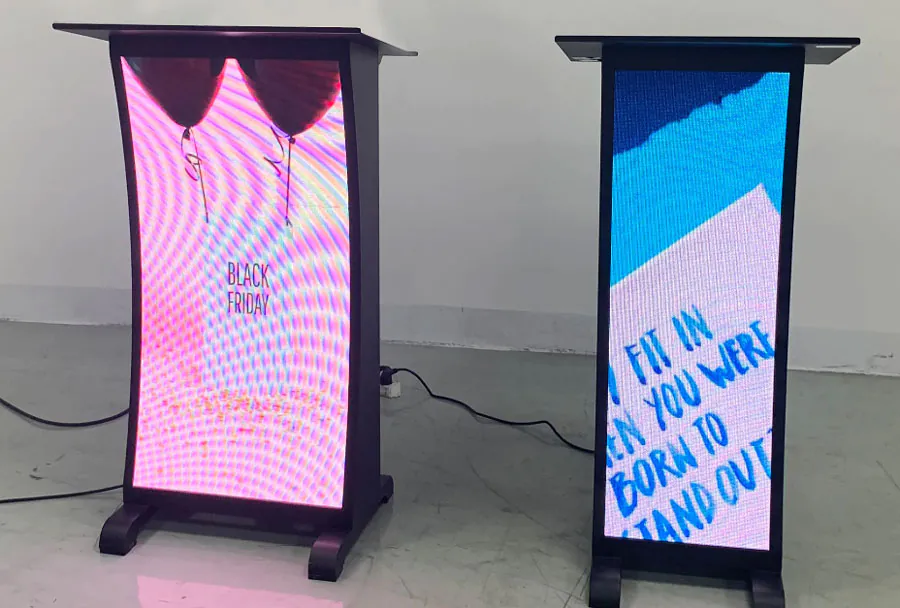
First, Integrated System Architecture. Unlike modular systems that require separate sourcing of cabinets, receiving cards, and power supplies, TW VISION’s small displays (commonly in sizes like 19″, 22″, or 27″) are fully integrated units. The LED modules, control system, power conversion units, and often basic media players are housed within a single, sleek enclosure. This pre-configuration and factory calibration ensure all components are perfectly matched, guaranteeing optimal performance and stability right out of the box. This integration reflects deep expertise in thermal management, signal integrity, and compact circuit design.
Second, Simplified Physical Connectivity. The plug-and-play promise is realized at the connection point. Most TW VISION small screens utilize standard, familiar interfaces. A single power cable and a single signal cable (typically HDMI, DisplayPort, or via a networked connection) are all that’s required for basic operation. Proprietary, cumbersome cabling is eliminated. The cabinets often feature tool-less assembly for multi-unit video walls, using precise magnetic alignment or simple latch mechanisms. This design insight stems from extensive experience with on-the-ground installation scenarios, where time and complexity directly impact cost.
Third, Intelligent Auto-Detection and Configuration. Upon power-up, the display’s onboard controller performs an automatic diagnostic and configuration routine. It detects the input signal resolution and refresh rate, adjusting itself to match the source without user intervention. For video wall setups, once the physical array is connected, the system can often auto-identify the panel positions based on communication ports, drastically simplifying what was once a complex mapping process. This intelligence is a product of authoritative software development focused on automation.
The user experience benefit is profound: businesses can deploy professional-grade LED signage without needing dedicated IT staff or lengthy installation contracts. A store manager can literally mount the screen, plug it into a laptop or media player, and have content running within minutes. This democratization of technology is a direct result of TW VISION’s commitment to accessible design.
Command from Anywhere: The Power of Advanced Remote Control Systems
While easy setup is crucial, manageable operation is where long-term value is created. TW VISION complements its hardware simplicity with a powerful, multi-layered remote control ecosystem. This system showcases their authority in networked display management.
The foundation is the Onboard Web-Based Interface. Each display contains a web server. By connecting the screen to a local network (via LAN cable or Wi-Fi, depending on the model), a user can access a comprehensive control panel from any web browser on the same network. This interface provides control over every critical parameter: brightness adjustment (manual or scheduled), input source switching, color calibration, power on/off scheduling, and detailed system monitoring (temperature, voltage, operational hours). The layout is typically intuitive, reflecting user experience research to prioritize common tasks.
For larger deployments or multi-location management, TW VISION supports integration with Centralized Management Software (CMS). This represents the pinnacle of their remote control expertise. Whether using their proprietary software or compatible third-party platforms, administrators can control an entire network of displays from a single dashboard. Key functionalities include:
Bulk Configuration & Firmware Updates: Apply settings or push updates to hundreds of screens simultaneously, ensuring consistency and security.
Advanced Content Scheduling: Create and manage complex content playlists with timing rules for different days and events, distributing them remotely.
Real-Time Monitoring & Alerts: The system provides a health status overview of all displays. Proactive alerts can be set for issues like overheating, panel failure, or loss of signal, enabling preventative maintenance and maximizing uptime.
Remote Diagnostics: Technicians can often access log files and diagnostic data without being on-site, speeding up troubleshooting.
Furthermore, for basic control, many models offer Mobile App Compatibility and support for RS-232/Infrared commands, allowing integration into existing room control systems (e.g., Crestron, AMX). This flexibility to fit into diverse technological ecosystems builds immense trust with integrators and corporate clients.
Synergy in Practice: How Plug-and-Play Meets Remote Management
The true brilliance of TW VISION’s approach is the synergy between the two systems. The plug-and-play design gets the display operational with minimal fuss. Once online, the remote control system assumes command, ensuring it operates reliably, efficiently, and effectively over its entire lifecycle.
Consider a franchise restaurant chain deploying new digital menu boards. The plug-and-play design allows staff at each location to handle the physical installation and basic connection. Then, corporate marketing headquarters uses the centralized CMS to remotely upload new menu content, schedule promotions for specific meal times, and uniformly adjust screen brightness for day and night viewing across all locations. They can also verify every screen is online and functioning. This seamless workflow reduces operational overhead, ensures brand consistency, and delivers a strong return on investment.
Building Trust Through Reliability and Support
TW VISION’s commitment to EEAT is cemented by the reliability inherent in this design philosophy. A system that is easy to install and manage is less prone to user error. The remote monitoring capabilities allow for proactive maintenance, preventing small issues from becoming major failures. The use of standard interfaces and protocols ensures long-term compatibility and serviceability.
Their expertise is not hidden in black boxes; it is manifested in the user’s smooth experience. Authoritativeness is demonstrated through detailed, accessible technical documentation, robust software tools, and a professional support structure. Ultimately, trust is earned when the technology consistently performs as promised, empowering users rather than challenging them.
TW VISION’s small led display screens exemplify how advanced technology can and should be made accessible. By revealing the thoughtful engineering behind their plug-and-play design—the integration, simplified connectivity, and intelligent automation—and pairing it with a powerful, multi-faceted remote control ecosystem, they provide a complete solution that addresses the full user journey from unboxing to long-term management. This user-centric approach, grounded in genuine experience and technical expertise, establishes TW VISION as an authoritative and trustworthy partner in the competitive landscape of visual technology. For businesses seeking impactful digital signage without operational complexity, understanding these systems is key to unlocking their full potential.