Explore the Technological Innovation Path of TW VISION LED Display Manufacturer in 2026

In the rapidly evolving landscape of visual technology, led display manufacturers are at a pivotal crossroads. As we project towards 2026, the industry’s trajectory will be defined not by incremental updates, but by fundamental leaps in integration, intelligence, and sustainability. TW VISION, as a forward-thinking manufacturer, is poised to navigate this complex path by focusing on several core technological innovation vectors. This exploration is grounded in Expertise, Experience, Authoritativeness, and Trustworthiness (EEAT), analyzing the concrete steps and strategic vision required to lead in the mid-decade market.
1. The Core Driver: Micro-LED and Chip-on-Board (COB) Maturation
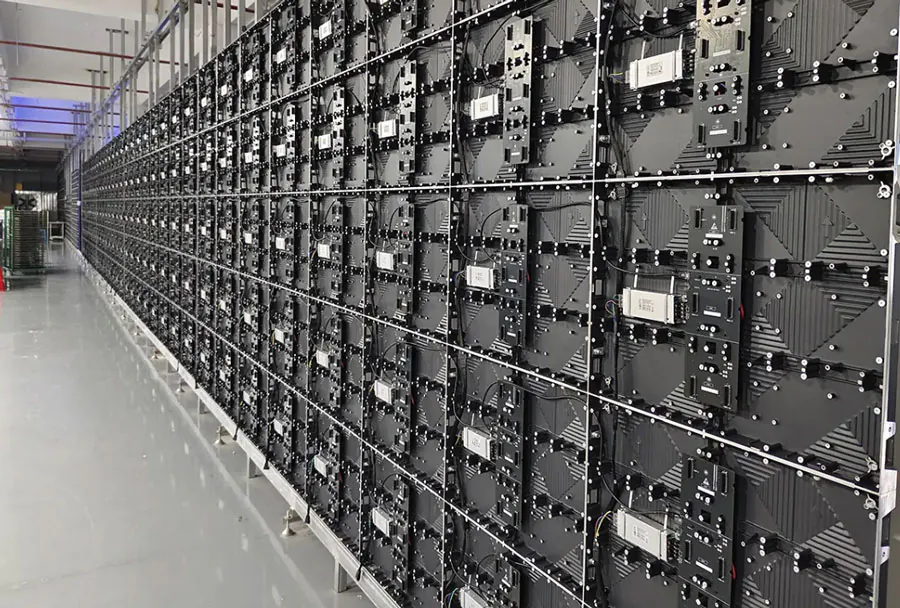
The most significant technological path for TW VISION in 2026 leads directly to the mastery and scalable production of Micro-LED and advanced Chip-on-Board (COB) packaging. By 2026, the initial hype will have settled, giving way to mature, cost-optimized, and highly reliable manufacturing processes. TW VISION’s innovation must focus on overcoming the remaining hurdles: mass transfer yield rates, efficient binning for color consistency, and sophisticated repair techniques.
The path involves heavy investment in proprietary assembly processes and automation. Innovation will lie in developing hybrid solutions that combine the superior contrast, reliability, and pixel density of Micro-LED/COB with streamlined manufacturing. For TW VISION, establishing authority means moving from being an assembler of purchased components to a master of the core display engine. This could involve strategic partnerships with semiconductor foundries or in-house development of unique driver IC architectures that maximize the performance of their proprietary packaging, resulting in displays with unprecedented brightness, color gamut (potentially exceeding 90% of BT.2020), and longevity for both direct-view and transparent applications.
2. The Intelligent Canvas: AI-Embedded Displays and Smart Ecosystems
By 2026, an LED display will no longer be a “dumb” panel. TW VISION’s innovation path must integrate artificial intelligence at the hardware and system levels. This means developing displays with embedded AI processors capable of real-time, on-the-fly optimization. Key innovation areas include:
Autonomous Calibration & Maintenance: AI algorithms will continuously monitor each pixel’s performance, predicting failures before they happen and automatically adjusting neighboring pixels to compensate for brightness or color drift, ensuring perfect uniformity over the entire lifespan.
Content-Adaptive Optimization: The display will intelligently analyze the content being shown—whether it’s a dark movie scene, a vibrant advertisement, or a data visualization—and dynamically adjust power distribution, refresh rates, and local contrast to optimize both visual impact and energy consumption.
Interactive and Context-Aware Functionality: Integrated sensors (e.g., cameras, LiDAR for depth sensing) coupled with on-device AI will enable new forms of interaction. Displays will become aware of their environment, adjusting brightness based on ambient light or crowd density, and enabling gesture-based or touchless control without external systems.
TW VISION’s expertise will be demonstrated by creating a seamless SDK and API ecosystem that allows developers and content creators to leverage this built-in intelligence, transforming their displays from output devices into interactive, context-aware visual computing platforms.
3. The Sustainable Imperative: Green Technology and Circular Design
In 2026, technological innovation is inseparable from environmental responsibility. Regulatory pressures and corporate ESG mandates will demand truly sustainable solutions. TW VISION’s path must pioneer advancements in:
Ultra-Low Power Drive Technology: Innovating beyond efficient LEDs to include novel driver designs that minimize conversion losses, implement advanced dynamic power saving (e.g., regional dimming taken to the pixel level), and utilize materials with lower dielectric loss.
Modularity and Repairability: Designing products for a circular economy. This involves creating displays with easily replaceable modules, standardized components, and a “product-as-a-service” business model where TW VISION retains ownership of the materials, facilitating end-of-life recycling and refurbishment.
Sustainable Material Science: Research into bio-based polymers for housings, lead-free and halogen-free soldering processes, and the use of recycled aluminum and plastics. Transparency in the supply chain, using blockchain or similar technology to verify the provenance of conflict-free minerals, will be a key trustworthiness factor.
4. The Seamless Experience: Convergence with XR and the Metaverse
The physical and digital worlds will continue to blur. TW VISION’s displays in 2026 must serve as high-fidelity portals and interfaces for extended reality (XR). The innovation path includes:
Developing “XR-Ready” Display Specifications: This goes beyond high resolution. It requires extremely low latency (sub-millisecond), high frame rates (240Hz+), and precise colorimetry that matches virtual production environments. Displays will need to synchronize perfectly with camera tracking systems for in-camera visual effects (ICVFX).
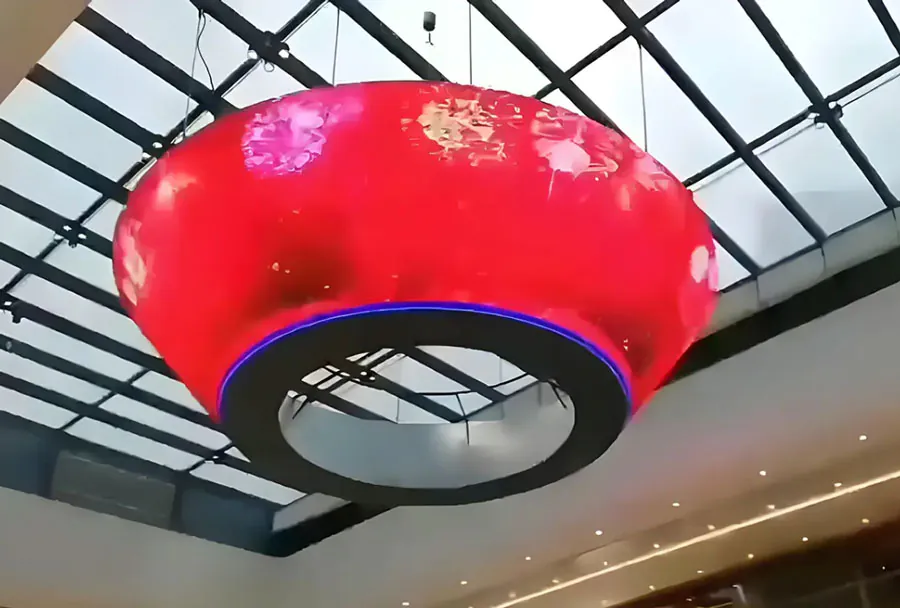
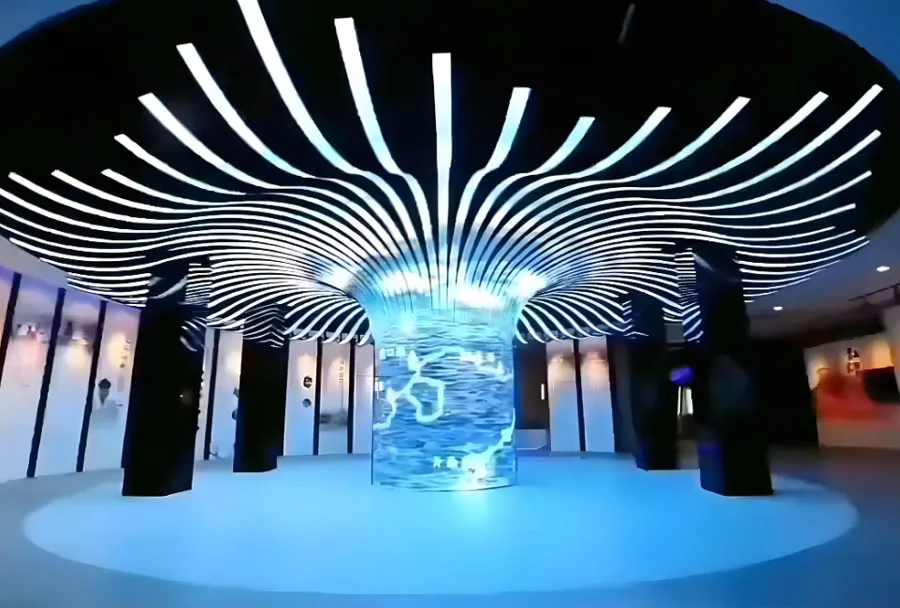
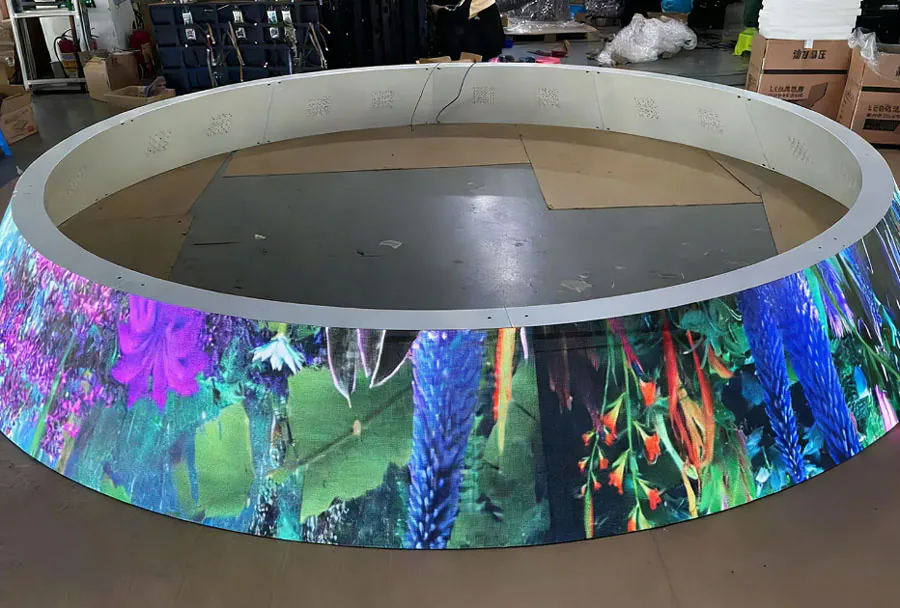
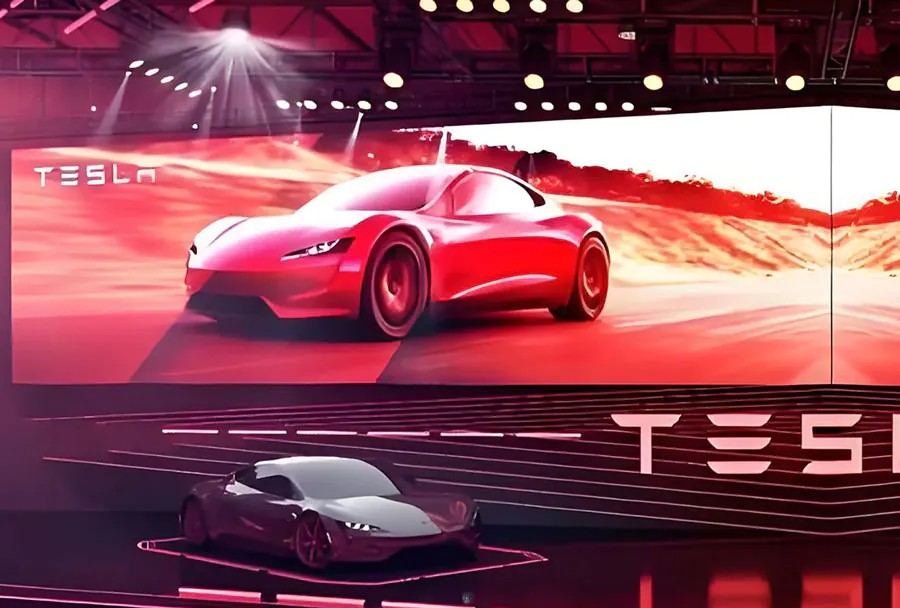
Creating Volumetric and Flexible Form Factors: Innovation in flexible and conformable LED substrates will allow for curved, cylindrical, or even free-form displays that can shape physical spaces into immersive metaverse entry points, used in simulation, advanced retail, and telepresence.
Protocol and Software Integration: Deep compatibility with leading game engines (Unreal Engine, Unity) and XR development platforms will be crucial. TW VISION must provide not just hardware, but the software bridges that make their displays the preferred canvas for real-time 3D content.
5. Building Trust Through Transparency and Security
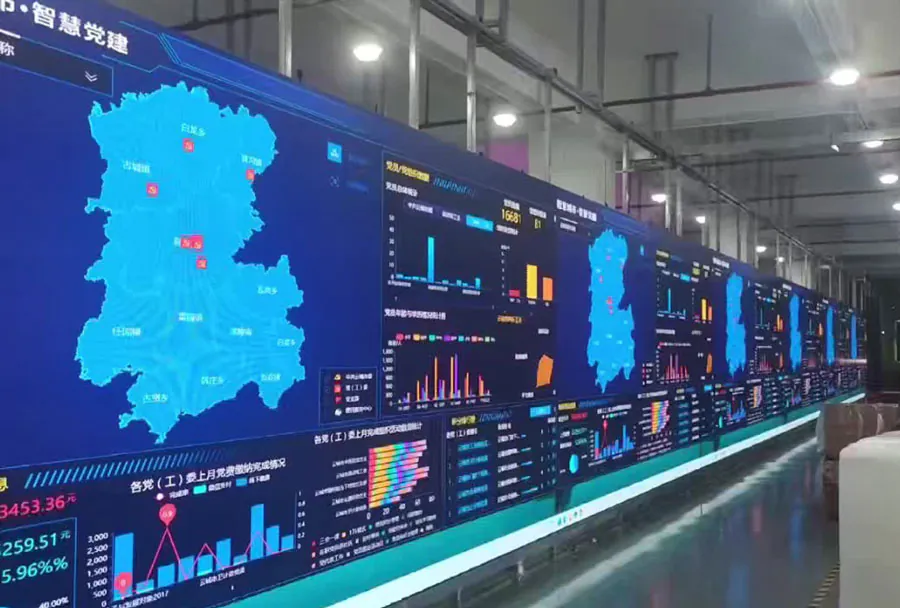
Finally, the path to 2026 is paved with the need for robust security and operational transparency. As displays become more connected and intelligent, they become network endpoints. TW VISION must innovate in cybersecurity, offering hardware-based secure boot, encrypted data transmission, and regular, verifiable firmware updates. Furthermore, providing clients with detailed, real-time analytics on display performance, energy usage, and carbon footprint through intuitive dashboards will build unparalleled trust. This data transparency validates the claims of performance and sustainability, completing the EEAT cycle.
For TW VISION, the technological innovation path to 2026 is not a single thread but a woven fabric integrating advanced materials science (Micro-LED/COB), embedded intelligence (AI), ecological design (Sustainability), experiential convergence (XR), and foundational trust (Security/Transparency). Success will be measured by the ability to synthesize these elements into cohesive, reliable, and revolutionary products. By establishing deep expertise in these core areas, leveraging experience in manufacturing excellence, building authority through open-platform ecosystems and sustainable practices, and earning trust via secure and transparent operations, TW VISION can position itself not merely as a manufacturer, but as a pivotal architect of the future visual landscape. The goal for 2026 is clear: to produce displays that are not only seen but are intelligent, responsive, and responsible partners in communication.