Custom Big LED Screen Rental Services for Special Events

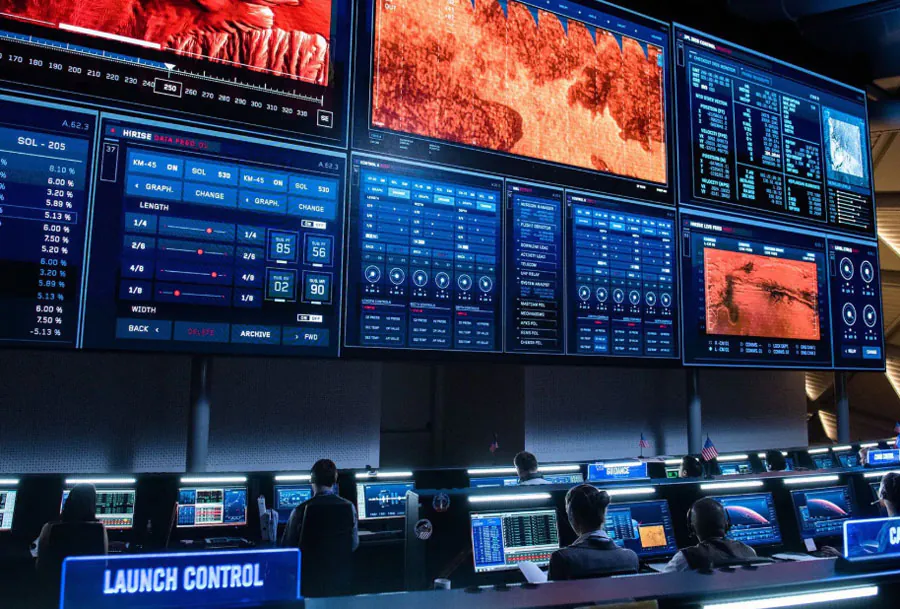
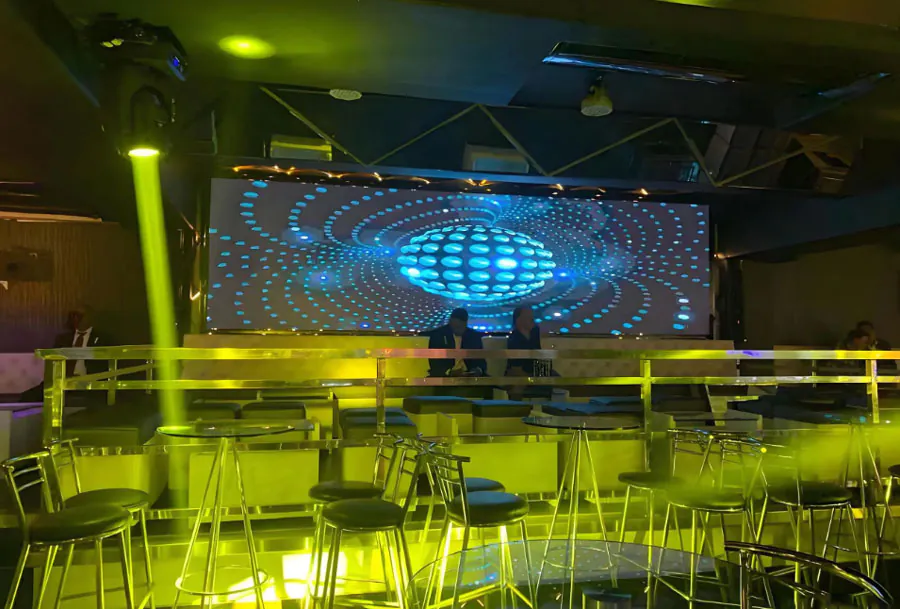
A Custom Big LED Screen can transform a special event from memorable to unforgettable. Whether you’re organizing a large outdoor music festival, an international corporate conference, a sports viewing party, or a high-profile wedding, a large, tailored led display improves visibility, engagement, and the overall attendee experience. This article explores the professional considerations for renting custom big LED screens for special events, including technical specifications, logistical planning, content management, pricing models, vendor selection, and best-practice checklists that event planners and production managers need to know.
Why Choose Custom Big LED Screen Rental?
Enhanced Visibility and Scale
Large LED screens deliver crisp images and readable text from long distances, ensuring every attendee sees stage content, speaker slides, or live feeds. Custom sizing means the display fits the venue’s sightlines and sight distances, which is critical for outdoor venues and arena-style seating.
Flexibility and Customization
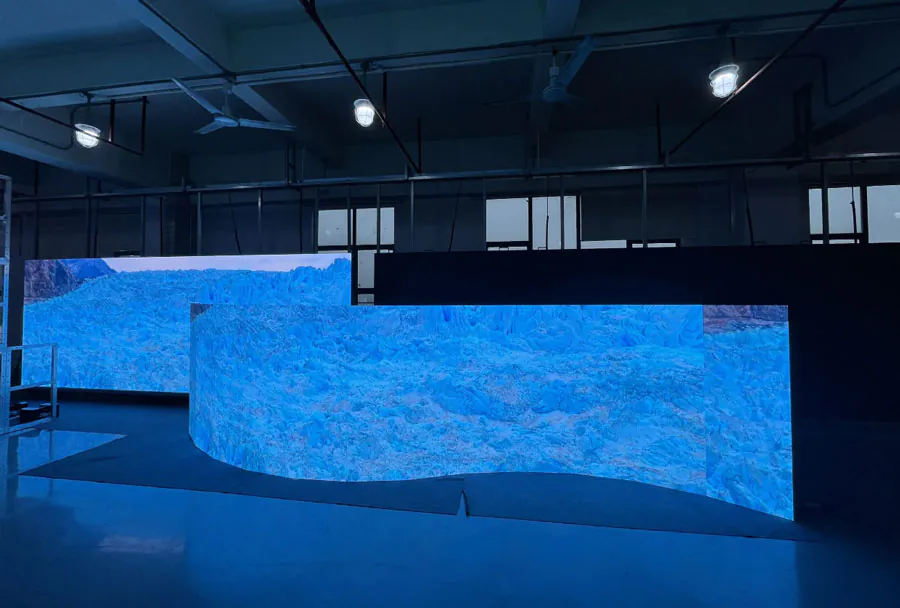
Rental services provide modular solutions—screens can be built to non-standard sizes, integrated with stage setups, or shaped to match branding elements. Custom pixel pitches and aspect ratios let you prioritize resolution, viewing distance, or budget.
Cost-effectiveness
Renting reduces capital expenditure, maintenance responsibility, and storage costs. You get expert support for transport, assembly, and technical operation included in many rental packages.
Key Technical Considerations
Pixel Pitch and Resolution
Pixel pitch (the distance between LED centers) determines optimal viewing distance. For large outdoor screens, common pitches range from P4 to P10. Smaller pixel pitch (P2–P4) is ideal for close viewing and high-resolution content but costs more. Choose pixel pitch based on the audience’s average distance from the screen.
Brightness and Contrast
Outdoor displays require high brightness (often 5,000–10,000 nits) to be visible in daylight. Indoor events can use lower brightness but should maintain high contrast ratios to preserve image quality in varying lighting.
Refresh Rate and Color Calibration
Higher refresh rates prevent flicker in camera feeds and live broadcast feeds; a 3,000–6,000 Hz refresh is common for professional screens. Color calibration ensures brand-consistent hues and accurate skin tones during live video.
Weatherproofing and Durability
For outdoor events, IP65 or higher ratings protect against dust and rain. Wind-load considerations, rigging strength, and reinforced frames are essential for safety under varying weather conditions.
Mounting, Rigging, and Safety
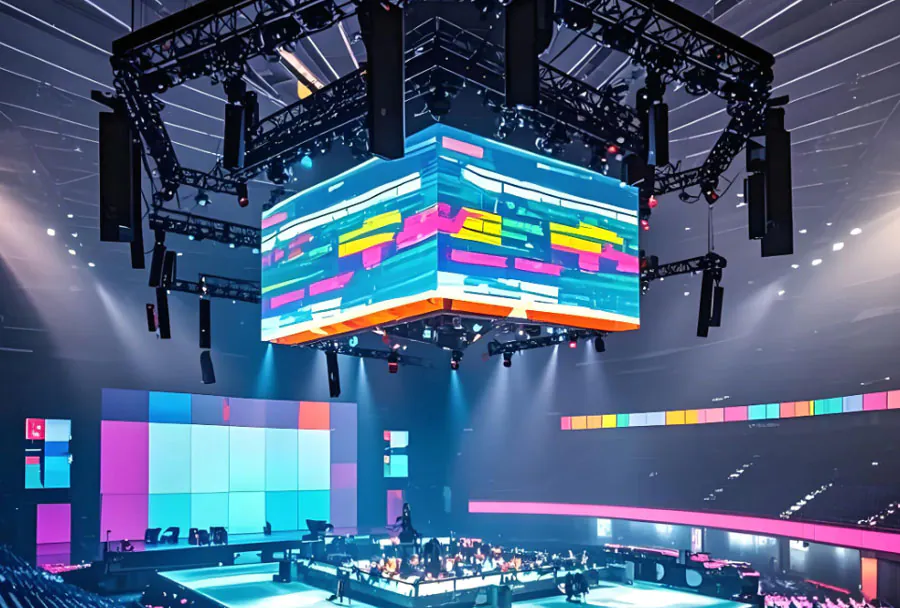
Choose ground-supported structures for open areas and truss or flown solutions for indoor arenas. Follow local safety codes, use certified riggers, and include redundancy in rigging points to meet regulatory requirements.
Logistics and On-Site Support
Transportation and Crane Access
Large screens require trucks, forklifts, or cranes—plan access routes and loading zones. Check venue restrictions for vehicle size and crane permits.
Power and Cabling
Estimate power draws (LED walls can require thousands of watts). Rental vendors typically supply distribution plans, generators, and UPS for critical systems. Ensure cable runs are protected and labeled.
Installation and Teardown Scheduling
Allow ample time for assembly, alignment, and testing. Build contingency for weather delays or permit hold-ups. Include teardown windows to avoid overtime fees.
Content Management and Signal Processing
Content Preparation
Design content to match the screen resolution and aspect ratio. Use high-bitrate video files and scalable graphics to avoid upscaling artifacts. Create lower-resolution backup assets for redundancy.
Video Processors and Switchers
Professional video processors handle scaling, color correction, windowing (multiple inputs displayed simultaneously), and edge blending for multi-panel setups. Integrate broadcast switchers for live feeds and multi-camera events.
Synchronization and Multi-Screen Setups
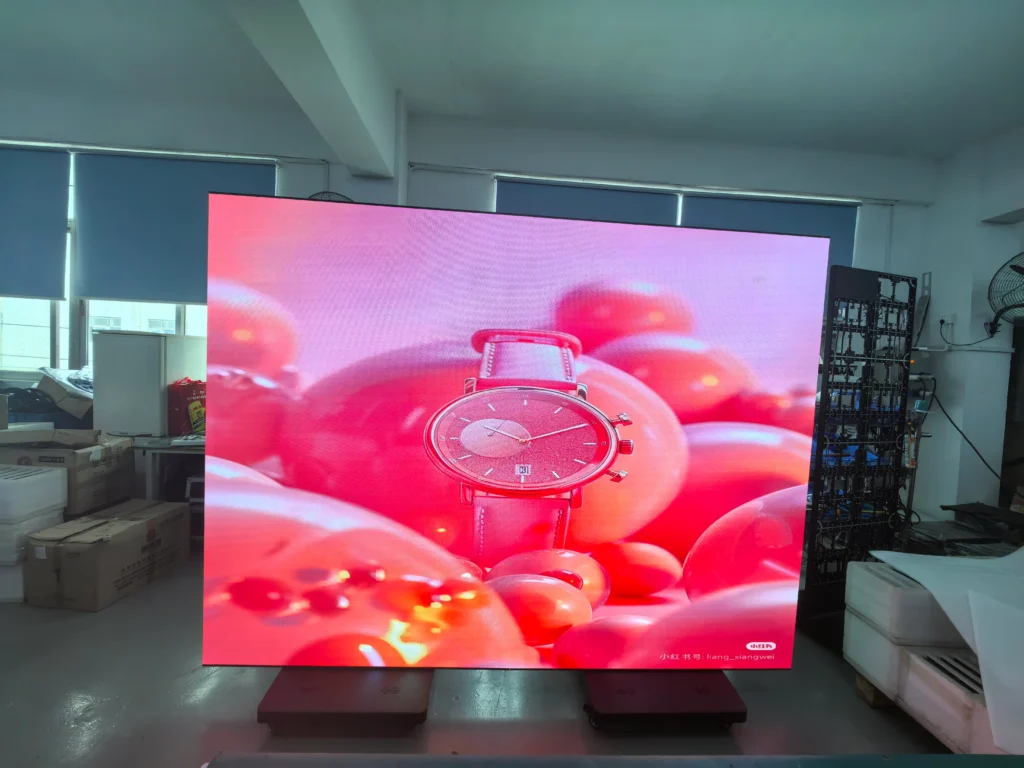
When using multiple screens, synchronized playback prevents visual lag and ensures seamless graphics across panels. Vendors provide daisy-chain or distributed processing solutions to align frames and maintain consistency.
Pricing Models and What’s Included
Common Pricing Structures
– Day/Week Rental: Base pricing often covers a set number of hours per day with additional hourly rates for overtime.
– Package Pricing: Includes screen, basic rigging, video processor, technical operator, and transport.
– à la Carte: Adds delivery, crane, generator, cable, and additional crew at separate line items.
Hidden Costs to Watch For
Permits, power upgrades, overtime charges, specialized rigging, weatherproofing upgrades, and insurance add to the bottom line. Clarify responsibilities for damage and equipment loss.
Vendor Selection and Contract Checklist
What to Ask Potential Vendors
– Experience with similar event types and venue sizes.
– Equipment specs: pixel pitch, brightness, refresh rate, IP rating.
– Crew qualifications and certification (rigging, electrical).
– References and case studies.
– Insurance coverage and liability limits.
– Backup equipment availability and SLAs for technical issues.
Contract Essentials
Contracts should specify delivery and pickup windows, setup/teardown responsibilities, technical support hours, performance guarantees, penalties for delays, and cancellation terms. Ensure clear clauses for force majeure and weather-related contingencies.
Case Studies and Use-Cases
Concert and Festival Deployments
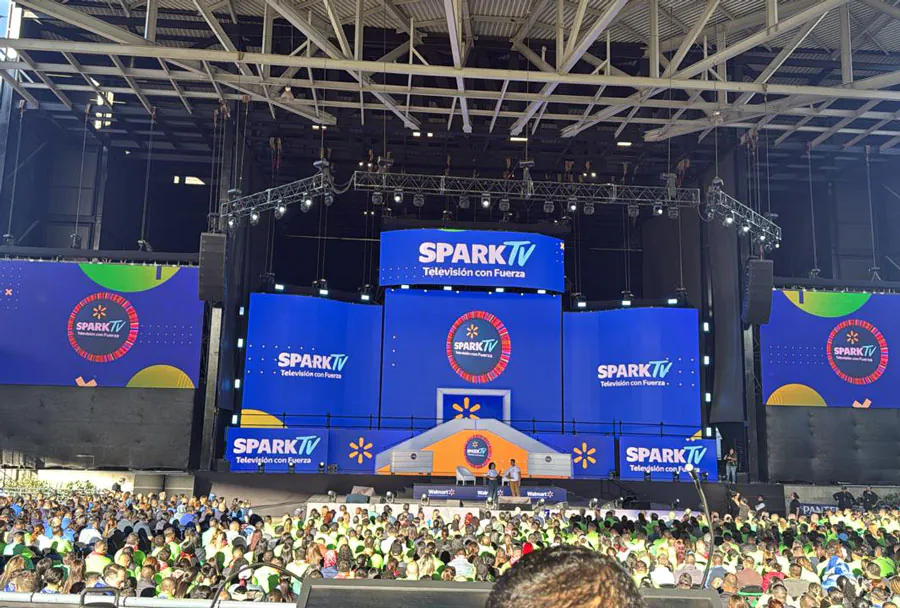
Large LED screens help remote-stage spectators feel connected to performers and provide dynamic visuals synchronized to music. They often include content playback, live camera feeds, and sponsor integrations.
Corporate Conferences
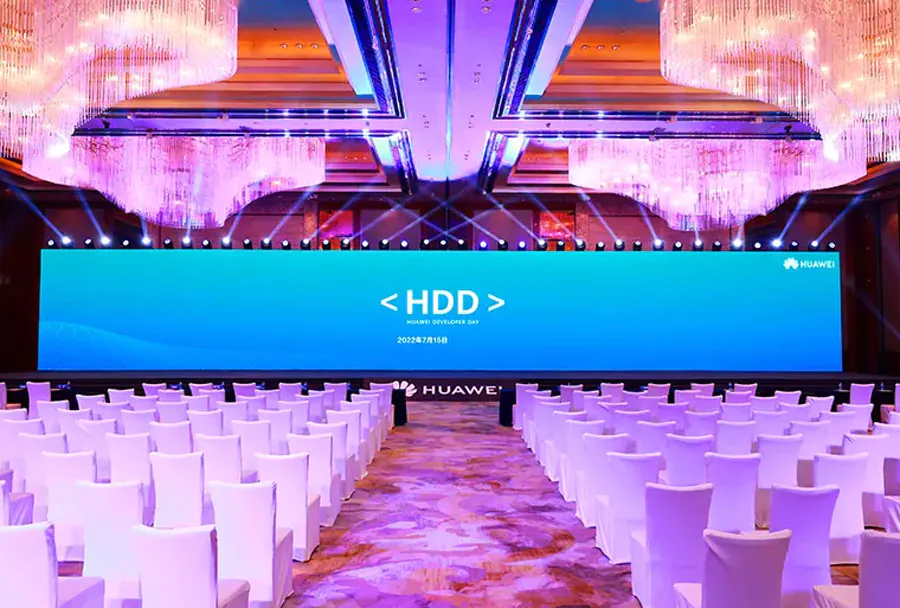
High-resolution screens are used for keynote presentations, data visualization, and live-streaming remote participants. Seamless switching between presentation slides and camera feeds is essential.
Sports Viewing and Fan Zones
Outdoor fan zones use massive LED screens to recreate stadium experiences. Durability and brightness are top priorities, along with synchronized audio for crowd immersion.
Analysis Table: Comparison Across Event Types
| Event Type | Recommended Screen Size | Typical Viewing Distance | Approx. Cost Range (Rental) | Key Considerations |
|---|---|---|---|---|
| Concerts & Festivals | 20–60 ft wide (modular) | 50–300 ft | $5,000–$50,000+ per event | High brightness, durable rigging, and live video feed integration |
| Corporate Conferences | 10–30 ft wide | 20–100 ft | $2,500–$25,000 per event | High resolution, accurate color reproduction, and seamless source switching |
| Sporting Fan Zones | 30–80 ft wide | 100–500 ft | $10,000–$100,000 per event | Ultra-high brightness, weatherproof construction, and synchronized audio support |
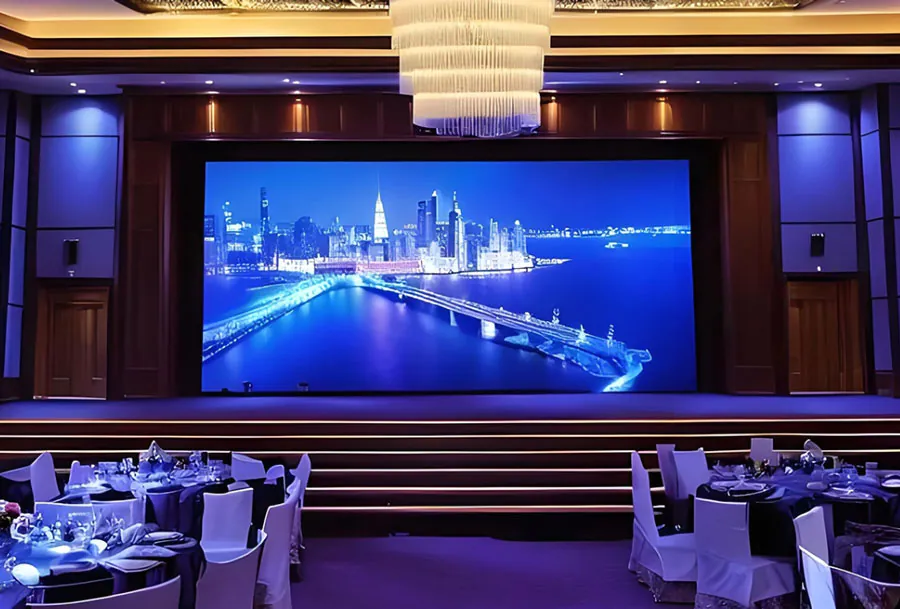
| Weddings & Private Events | 8–20 ft wide | 10–60 ft | $1,200–$12,000 per event | Elegant appearance, fine pixel pitch for close viewing, and power availability |
| Outdoor Advertising & Brand Activations | 15–50 ft wide | 30–300 ft | $3,000–$60,000 per event | Local permits, municipal regulations, and reliable 24/7 operation |
Operational Best Practices and Checklist
Pre-Event
– Site survey to verify sightlines, power, access, and permits.
– Confirm pixel pitch and resolution against viewing distances.
– Preload and test all content on the actual video processor.
– Confirm staging and rigging plans with venue safety teams.
During Event
– Have at least one dedicated video technician and a rigger on-call.
– Monitor signal paths and power loads; use UPS for critical gear.
– Maintain communication with stage managers and broadcast producers.
Post-Event
– Inspect equipment for damage before transport.
– Debrief with vendor to discuss any technical issues or opportunities for improvement.
– Collect metrics on audience engagement if available (dwell time, social mentions, sponsor impressions).
Maximizing ROI and Audience Impact
A big LED screen is not just a display; it’s an engagement gateway. Use the screen to highlight sponsor content, social media walls, real-time stats, and interactive elements to increase dwell time and sponsor value. Track audience metrics—attendance patterns, social media interaction, and dwell times—to justify spend and refine future screen placements and content strategies.
Renting a custom big LED screen for special events requires attention to technical detail, logistics, and content strategy. By selecting the right pixel pitch and brightness, working with experienced vendors, and integrating thoughtful content and safety plans, event organizers can create a visually compelling experience that amplifies messaging and engages audiences. Proper upfront planning reduces last-minute costs and technical risks, ensuring that the LED screen becomes a highlight—not a headache—of your event.
Related Blogs:
https://www.cstwvision.com/big-digital-led-screen-rental-toronto-for-corporate-commercial-events/
https://www.cstwvision.com/high-quality-tw-vision-flexible-led-display-with-custom-solutions/