

video wall system for churches: complete guide: Expert Guide

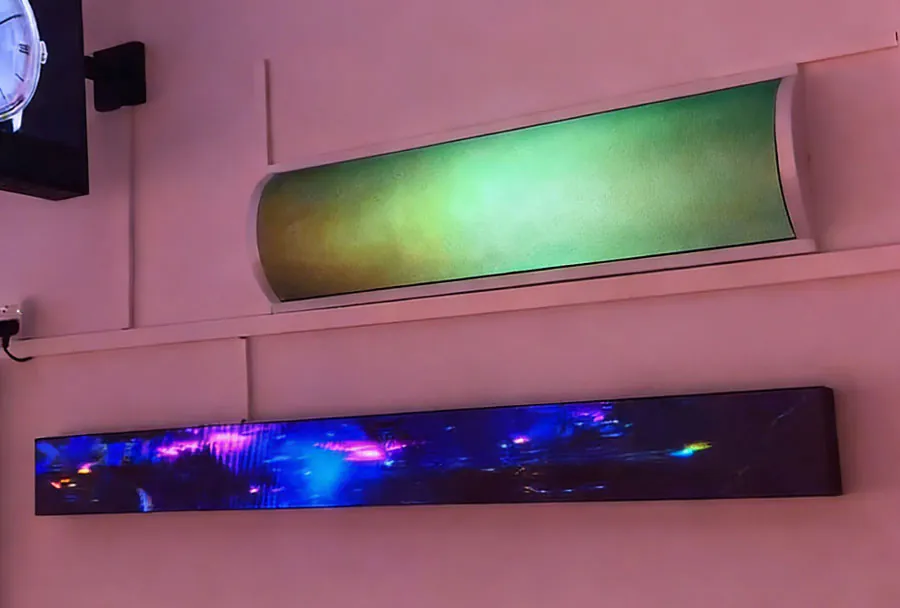
A video wall system for churches can transform how congregations see, engage, and participate in worship. From song lyrics and sermon visuals to live camera feeds and holiday productions, modern display technology helps churches communicate more clearly and create a more immersive experience. Whether a ministry serves a small local congregation or a large multi-campus audience, choosing the right solution requires balancing screen size, resolution, budget, installation needs, and long-term reliability.
Table of Contents
- Why a video wall system for churches matters
- Key components of a video wall system for churches
- How to choose the right video wall system for churches
- Installation, design, and budget planning
- Best practices for operating a video wall system for churches
- FAQ
- What is the best display type for church sanctuaries?
- How much does a church video wall cost?
- Is LED better than projection for churches?
- What size video wall does a church need?
- Can volunteers operate a church video wall?
- Conclusion
This guide explains how to evaluate a led wall, including benefits, main components, planning considerations, cost factors, and maintenance tips. You will also learn how to match display technology to sanctuary size, ambient light, worship style, and technical staff capabilities, so your investment supports ministry goals for years to come.
Why a video wall system for churches matters
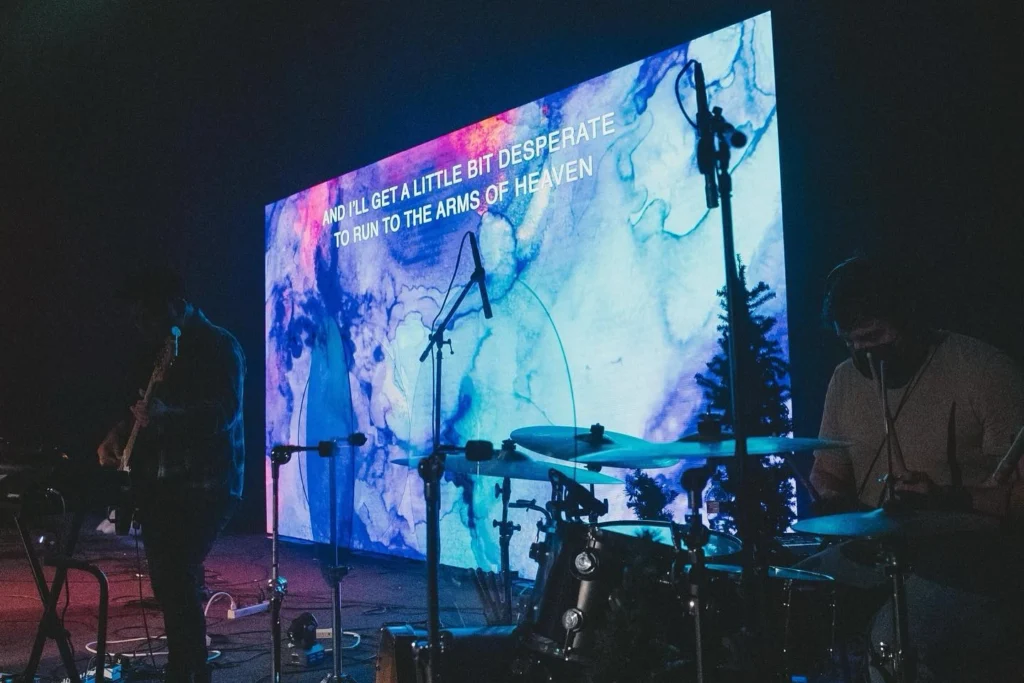
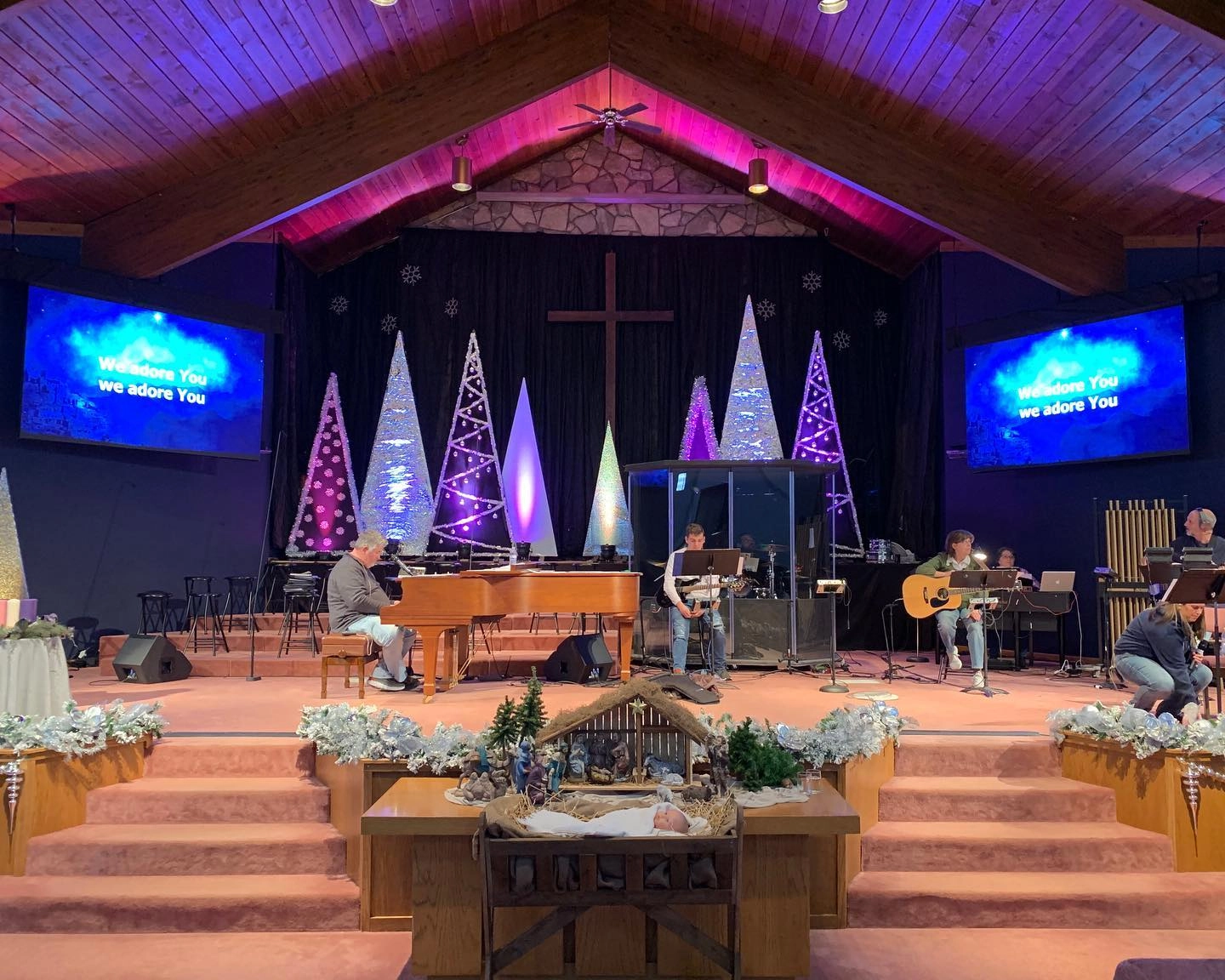
A well-designed video wall does far more than replace a projector. It improves visibility for people seated in the back, helps worship teams present lyrics with stronger contrast, and supports sermon graphics, Scripture passages, announcements, and live video with greater clarity. In sanctuaries with challenging lighting conditions, a high-brightness display can remain visible even when stage lights, windows, or architectural design reduce projector performance.
Another major benefit of a video wall is flexibility. Churches can display one large image, split content into multiple zones, or switch layouts for worship, youth events, conferences, weddings, funerals, and seasonal productions. This versatility allows the same visual platform to serve many ministries.
Church leaders also value the professional appearance that a the concept can bring to both in-person and livestream audiences. A polished stage design often improves camera framing and enhances the visual quality of online broadcasts. For growing churches, this can support outreach, engagement, and consistency across services.
In addition, modern systems can integrate with presentation software, switching hardware, cameras, audio-visual control systems, and streaming platforms. That means volunteers can operate content more efficiently and reduce the complexity of service transitions. With proper planning, churches can build a display environment that feels seamless rather than distracting.
Key components of a video wall system for churches
Every the approach includes several core elements, and understanding them is essential before purchasing equipment. The display itself may use direct-view LED panels or tiled LCD screens. In church environments, direct-view LED is often preferred for stage backdrops and large sanctuaries because it delivers strong brightness, flexible sizing, and a modern visual impact. LCD video walls may still work well in lobbies, classrooms, or multipurpose spaces.
The processor is another critical part of a video wall. A video processor manages scaling, content layout, signal routing, and image quality across the full display. If a church plans to show lyrics, sermon points, speaker close-ups, and pre-produced videos, the processor must support the required inputs and output configurations.
Content sources also matter. A LED video wall may connect to presentation computers, media servers, PTZ cameras, switchers, livestream encoders, and confidence monitors. The church should map every input needed during a typical service and special events. This prevents bottlenecks and ensures the system can support future growth.
Mounting and structural support are equally important. Churches often install displays on stages, rear walls, trusses, or custom scenic structures. Weight load, ventilation, service access, and sightlines must all be evaluated. A display that looks impressive on paper can become problematic if maintenance access is poor or if the wall placement blocks architectural features.
Control systems and software complete the setup. User-friendly operation is essential because many ministries depend on volunteers. Churches should look for intuitive interfaces, reliable presets, and training support so the technology remains accessible to non-technical teams.
How to choose the right video wall system for churches
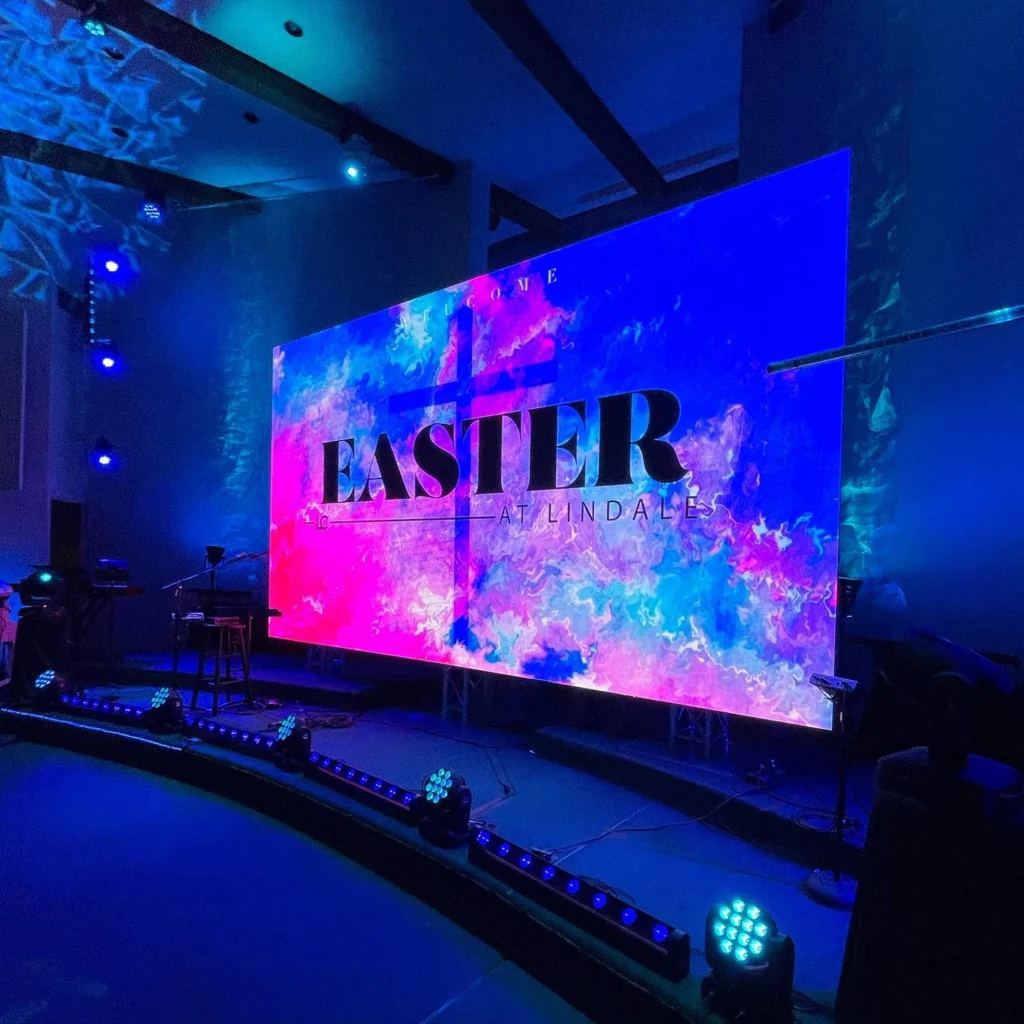
Selecting the best these starts with ministry goals. Some churches need large-format lyrics and sermon reinforcement. Others want a dramatic stage backdrop for worship music and special events. Some prioritize livestream aesthetics, while others care most about readability inside the room. Defining the primary purpose helps narrow screen type, pixel pitch, aspect ratio, and budget.
Sanctuary size is a major factor. A they in a small worship space may not require the same resolution or dimensions as one in a large auditorium. Viewing distance determines the ideal pixel pitch. Generally, the closer the audience is to the screen, the finer the pixel pitch should be. For churches with front-row seating close to the stage, this matters greatly.
Ambient light should also influence the decision. Bright sanctuaries with windows or theatrical lighting often benefit from LED displays with higher brightness levels. If lighting conditions change throughout the day, churches need a system that maintains image clarity without constant adjustment.
Content style is another consideration. If the church primarily displays text and simple backgrounds, the configuration may differ from a setup designed for high-motion video, scenic imagery, and live IMAG feeds. A the concept used heavily for worship concerts, conferences, and media-rich storytelling should have stronger processing and color performance.
Ease of maintenance should never be overlooked. Front-serviceable LED panels can reduce downtime and simplify repairs. Warranty terms, spare parts availability, and installer support are also worth comparing. Churches should think long term, not just about installation day.
Finally, budget planning should include more than the display panels. A complete solution may require processors, rigging, cabling, electrical work, control integration, labor, and operator training. Taking a whole-system approach helps avoid underestimating the true project cost.
Installation, design, and budget planning
A successful video wall system for churches depends on detailed design before installation begins. The first step is a site survey. Integrators should assess room dimensions, stage layout, seating angles, power availability, and existing AV infrastructure. This information shapes the display size and mounting plan.
Design aesthetics matter too. A video wall system for churches should support worship without overwhelming the room. In some sanctuaries, a large central wall creates a strong focal point. In others, side displays or a segmented design may better fit the architecture. The goal is to enhance communication while respecting the worship environment.
Budget planning should break costs into categories. Hardware includes panels, processors, mounts, cabling, and control components. Installation includes labor, structural reinforcement, electrical upgrades, and commissioning. Content preparation may also add expense if the church wants custom motion graphics, branded backgrounds, or redesigned presentation templates.
Churches should also account for operating costs. A video wall system for churches may require software licensing, occasional replacement modules, calibration, and ongoing technical support. While LED systems can offer long-term value, they still need maintenance planning.
Phased implementation can help ministries with limited budgets. For example, a church may begin with a smaller center display, then expand later as funding allows. Another option is prioritizing the processor and infrastructure so future display growth is easier. Strategic planning can make a high-quality system achievable without compromising financial stewardship.
When selecting vendors, churches should ask for demos, case studies, and references from similar worship environments. Not every commercial display integrator understands church workflows, volunteer operation, or the unique demands of weekly services and seasonal events. Experience in ministry settings can make a significant difference in final results.
Best practices for operating a video wall system for churches
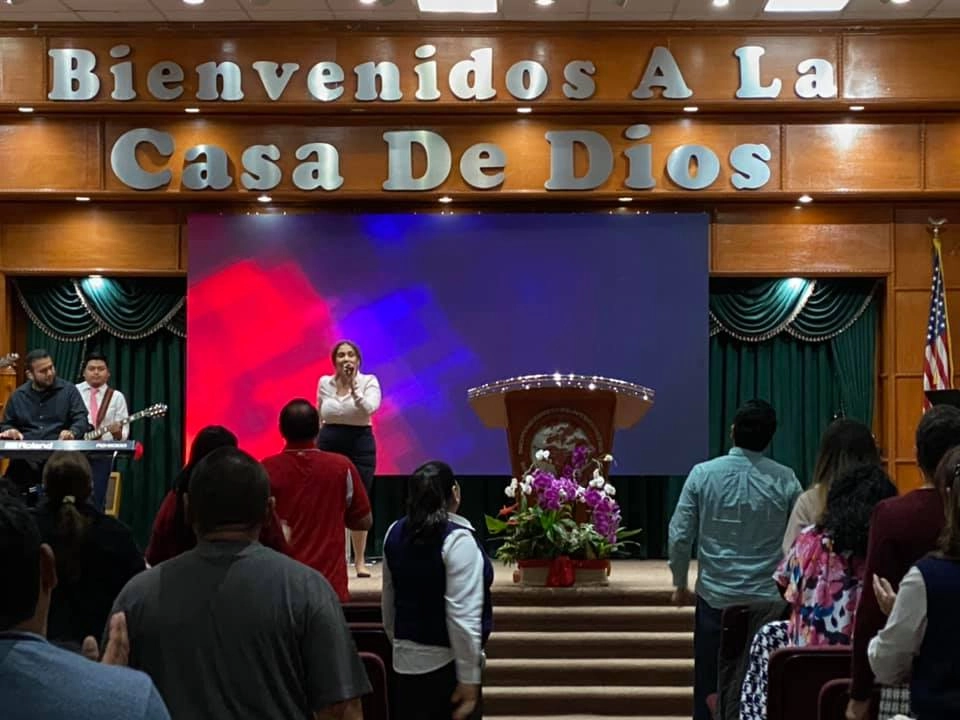
Once installed, a video wall system for churches delivers the best results when paired with clear workflows and training. Volunteers and staff should understand content formatting, safe operating procedures, and service-day responsibilities. A documented checklist for startup, signal verification, content loading, and shutdown can reduce mistakes.
Content design is one of the most overlooked factors. A video wall system for churches may be visually powerful, but poor graphics can still hurt readability. Use high-contrast text, large fonts, uncluttered backgrounds, and consistent branding. Song lyrics should be easy to read from the back row, and sermon slides should support the message rather than compete with it.
Color balance and brightness should be optimized for both the room and the livestream. What looks vivid in person may appear overexposed on camera if not properly adjusted. Churches that stream services should coordinate display settings with camera shading and stage lighting design.
Preventive maintenance is equally important. Dust management, panel inspections, firmware updates, and periodic testing can help extend system life. Churches should keep spare parts if possible and maintain a relationship with the installer for support.
It is also wise to evaluate performance after installation. Gather feedback from worship leaders, pastors, production staff, volunteers, and congregants. If the video wall system for churches is not improving communication, visibility, or engagement as expected, adjustments to layout, content strategy, or operating processes may be needed. Technology works best when it serves ministry clearly and consistently.
FAQ
What is the best display type for church sanctuaries?
For many sanctuaries, a video wall system for churches built with direct-view LED is a popular choice because it offers strong brightness, scalable sizing, and excellent visibility. However, the best option depends on viewing distance, room lighting, and budget.
How much does a church video wall cost?
The price of a video wall system for churches varies widely based on size, pixel pitch, processor quality, installation complexity, and structural needs. Small projects may cost far less than large custom stage walls, so churches should request detailed quotes based on their space and goals.
Is LED better than projection for churches?
In many cases, yes. A video wall system for churches using LED often performs better than projection in bright rooms and provides stronger contrast, flexibility, and long-term visual impact. Projection may still work for some smaller or lower-budget spaces.
What size video wall does a church need?
The right size depends on sanctuary dimensions, audience distance, and content goals. A video wall system for churches should be large enough for easy readability without overpowering the platform or creating distracting visuals.
Can volunteers operate a church video wall?
Yes, if the system is designed well. A video wall system for churches should include simple control workflows, training, and reliable presets so volunteers can manage content confidently during worship services and events.
Conclusion
Choosing a video wall system for churches is both a technical and ministry decision. The right system can improve visibility, strengthen worship engagement, support preaching, and enhance both in-room and online experiences. Success depends on careful planning, realistic budgeting, strong design, and user-friendly operation.
Before making a final decision, churches should evaluate room conditions, viewing distances, content needs, volunteer capabilities, and long-term support. With the right approach, a video wall system for churches becomes more than a display upgrade—it becomes a communication tool that helps ministry connect more effectively with every person in the room and beyond.
