
projection on wall vs screen: 15 : Which setup works best?

Choosing a projector setup is more than a question of hardware. For many buyers, the real decision is projection on wall vs screen, because the surface you throw the image onto affects brightness, color, contrast, and how polished the room feels. A plain wall can be cheap, fast, and surprisingly effective, but a proper screen often delivers a cleaner picture with less effort. The best choice depends on your room lighting, the projector you own, and how often you plan to watch movies, sports, or games. In this guide, we will compare the tradeoffs in practical terms so you can decide what fits your space, budget, and viewing habits.
Table of Contents
- Image Quality: What Your Eyes Notice First
- Cost, Setup, and Long-Term Maintenance
- Room Conditions, Wall Types, and Everyday Use
- How to Choose the Right Option for Your Use Case
- FAQ
- Can a plain wall work well for a projector?
- Does a screen always look brighter?
- Is painting a wall a good substitute for a screen?
- What is best for a living room?
- Conclusion
Image Quality: What Your Eyes Notice First
Image quality is where projection on wall vs screen becomes easiest to notice. A projector can only do so much if the surface beneath it is uneven, tinted, or glossy. Walls often introduce tiny texture patterns that soften fine details, while a purpose-built screen reflects light more uniformly. That creates cleaner edges, smoother gradients, and more predictable color.
That said, the wall is not automatically the weak link. In a dark room, a flat matte wall can look excellent, especially when the projector is properly focused and aligned. If you mainly watch casual content, you may be perfectly happy with the result. But once you start paying attention to black levels, shadow detail, and how skin tones look in daylight scenes, the differences become clearer.
A screen usually wins because it is designed to control light instead of merely absorb or bounce it. Many screens have a neutral white or gray finish that preserves color balance better than off-white paint. Some also use higher gain materials to make the picture appear brighter, while others use ambient light rejecting surfaces to improve contrast in rooms that are not fully dark. Those features are hard to replicate with a standard wall.
Color accuracy matters too. Even a faint beige tint in a wall can warm up the image, which may be flattering in some scenes but inaccurate overall. Texture can also create tiny hotspots or sparkle effects, especially with bright projectors. If the image seems slightly soft, it is not always the projector’s fault. Surface quality often explains the missing sharpness.
That is why projection on wall vs screen can feel like a minor difference to casual viewers and a major one to enthusiasts. The more you care about cinematic detail, the more the screen starts to justify itself.
A few practical image-quality rules are worth keeping in mind:
– A smooth, matte, light-colored wall works best in dark rooms.
– A dedicated screen gives more consistent brightness from edge to edge.
– Higher-lumen projectors can reveal wall imperfections more easily.
– Gray screens can help preserve contrast in moderately lit spaces.
– Ambient light rejecting screens are most useful when you cannot fully darken the room.
If you are comparing a basic living-room wall to an affordable screen, the screen usually feels more polished immediately. But if your wall is already very flat and your room is controlled, the difference may be smaller than you expect.
Cost, Setup, and Long-Term Maintenance
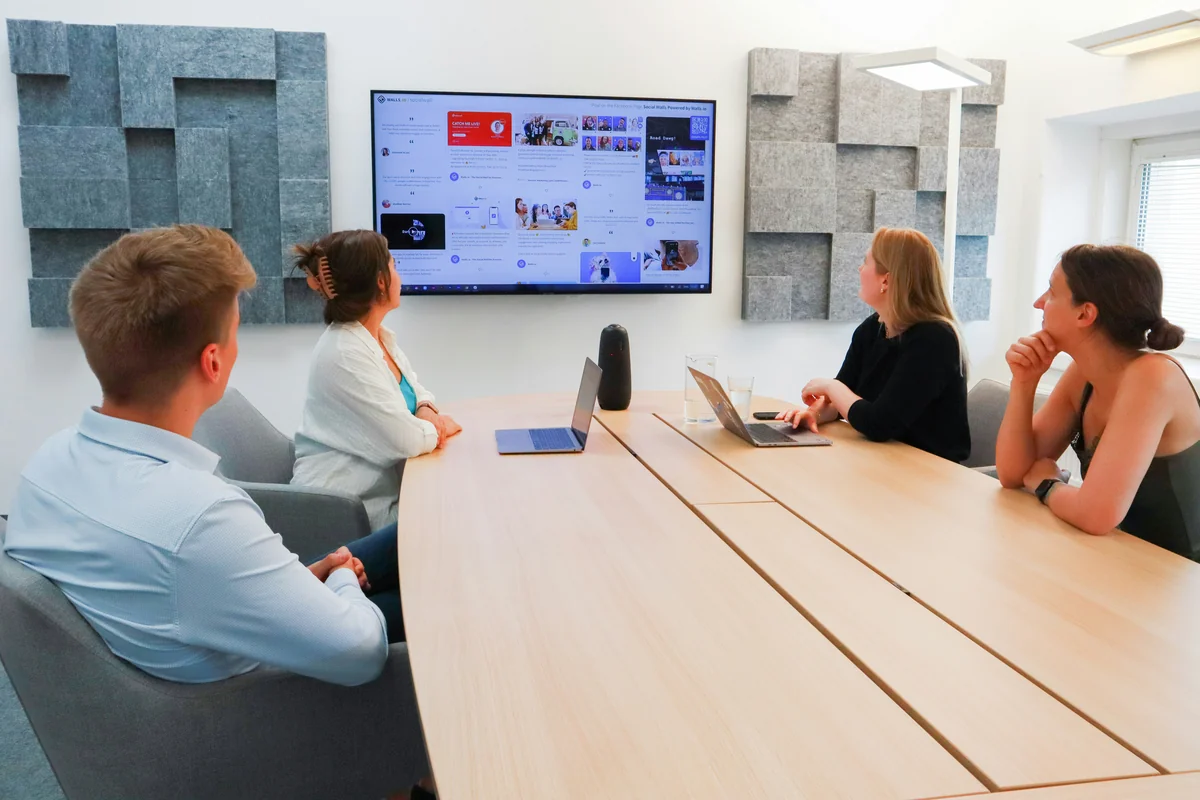
From a budget standpoint, projection on wall vs screen usually favors the wall because it has almost no upfront accessory cost. If your room already has a suitable surface, you can start watching tonight without buying anything extra. That simplicity is a big part of the appeal, especially for first-time projector owners or people who only need occasional movie nights.
Still, the real cost picture is more nuanced than the sticker price. A wall that needs cleaning, patching, sanding, or repainting can add both time and money. If the surface is not flat enough, you may spend hours trying to make the image look acceptable. A screen may cost more at the beginning, but it often saves setup time and reduces the need for constant tweaks.
Installation is another major difference. Wall setups are easy to move and easy to ignore, but they can be less forgiving when it comes to image geometry. A slight angle, a bit of texture, or a dark accent wall can all affect the result. Screens, by contrast, create a more controlled viewing target. A fixed-frame model can make the whole room feel like a proper theater, while a pull-down or tripod screen offers portability for smaller spaces.
Here is a simple way to compare the practical tradeoffs:
| Factor | Wall | Screen |
|---|---|---|
| Upfront Cost | Very low | Moderate to high |
| Setup Time | Minimal | Low to moderate |
| Image Consistency | Depends on surface quality | High |
| Portability | Easy | Varies by model |
| Maintenance | Requires occasional cleaning and repainting | Requires dusting and periodic inspection |
| Best For | Temporary setups or budget-conscious users | Dedicated home theaters and frequent viewing |
Maintenance also deserves attention. Walls can gather fingerprints, scuffs, and marks over time, especially in homes with kids or pets. If the wall serves multiple purposes, it may need repainting sooner than you want. Screens are easier to protect because they are designed for the job, though they can still collect dust or crease if stored poorly.
The decision often comes down to whether you value a low-cost start or a more polished long-term experience. In projection on wall vs screen, the wall wins on convenience and the screen wins on consistency. If you plan to use the projector often, that consistency can be worth the extra investment.
Room Conditions, Wall Types, and Everyday Use
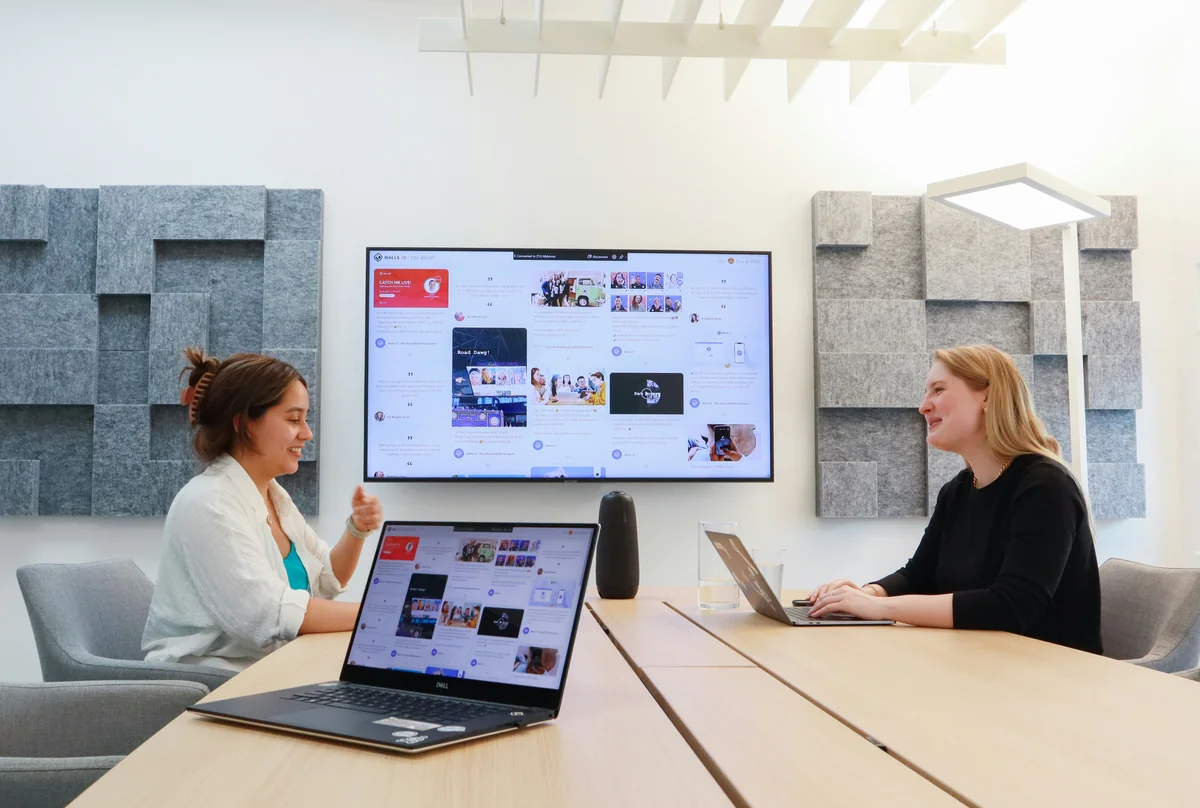
Room conditions can change projection on wall vs screen more than almost any other factor. A beautiful projector image in a dark basement may look disappointing in a bright family room. That is because ambient light, wall color, wall texture, and even the time of day can affect how much of the image survives once it hits the surface.
Wall type matters in a very practical sense. Smooth drywall painted with a flat, neutral finish is the best-case scenario for a wall-based setup. Semi-gloss or satin paint can reflect light unevenly and create distracting highlights. Textured walls, such as orange peel or knockdown finishes, scatter light in ways that reduce crispness. If your wall is dark blue, warm beige, or patterned, it will fight the projected image instead of supporting it.
Lighting is the other major variable. Some rooms are naturally suited to projector use because they can be darkened with curtains or blinds. Others have windows, lamps, or open layouts that keep background light high. In those spaces, a screen generally improves perceived brightness and contrast. Even then, not all screens behave the same way. A standard matte white screen works well in dark rooms, while an ALR screen can be much better when you cannot fully control the lighting.
Everyday use also changes the equation. If the projector is only coming out for special movie nights, a wall may be all you need. If the system is part of daily life, the convenience of a screen becomes more attractive. Repeated setup and teardown can be annoying. So can constantly rearranging furniture, checking alignment, or worrying about wall marks. A screen makes the viewing area feel intentional instead of improvised.
For renters and multipurpose rooms, flexibility is often the top priority. You may not want to drill into walls or install permanent mounts. In those cases, a portable screen can be a smart middle ground. It gives you better image control without forcing a permanent home-theater build. On the other hand, if your setup needs to disappear when not in use, a clean wall may be the simplest solution.
The environment around the image is part of the viewing experience too. A screen can make a room feel more cinema-like, while a wall keeps the space looking ordinary when the projector is off. That can be a benefit if you want the room to serve other purposes. It can also be a drawback if you want a dedicated entertainment zone.
So when people compare projection on wall vs screen, they are really comparing how much control they want over the final image. The more challenging the room, the more valuable that control becomes.
How to Choose the Right Option for Your Use Case
A good decision starts with your priorities. Projection on wall vs screen becomes much easier to evaluate when you match the setup to the way you actually watch content. A casual user, a movie lover, and a gamer may all answer the question differently.
If your main goal is occasional streaming in a dark room, the wall can be enough. You will get decent results without spending extra money, and you can always upgrade later. If your room is bright, you watch during the day, or you want a more cinematic finish, a screen is usually the better choice. It gives you a repeatable surface and reduces the number of variables you have to manage.
Here is a practical decision framework:
- Choose a wall if your budget is limited and the room stays dark.
- For sharper detail and more consistent contrast, invest in a projection screen.
- A wall works best when you want the setup to disappear when it’s not in use.
- If picture quality matters for regular viewing, a screen is the better choice.
- A portable screen offers greater flexibility when you move your projector between rooms or homes.
- Install a fixed-frame screen for the best long-term performance if your projector stays in one location.
A projection screen is often the better choice for sports because bright uniforms, fast motion, and crowded scenes make wall imperfections more noticeable. If you enjoy gaming, you may also prefer a screen for its cleaner image and reduced visual distractions. Movie lovers, however, should base the decision on how much cinematic contrast and overall picture quality matter to their viewing experience. Dark sci-fi scenes, for example, tend to look better on a controlled surface than on a textured wall.
If you are building a dedicated home theater, a screen is usually the long-term winner. It creates a more immersive environment and keeps the image stable from session to session. If you are creating a flexible media corner in a bedroom, apartment, or multipurpose living room, a wall may offer the best balance of simplicity and cost.
The most important thing is not to overcomplicate the decision. A projector can be excellent in both scenarios, but the surface determines how much of that quality reaches your eyes. That is why projection on wall vs screen should be decided based on your room, your budget, and your expectations rather than on theory alone.
FAQ
People often have similar questions when they compare projection on wall vs screen. The answers below focus on the most common real-world situations.
Can a plain wall work well for a projector?
Yes, a plain wall can work surprisingly well if it is smooth, matte, and light-colored. In a dark room, projection on wall vs screen may not look dramatically different at first glance, especially with a decent projector and careful placement. The problem appears when the wall has texture, stains, color tint, or visible imperfections. In those cases, the image loses sharpness and contrast faster than it would on a proper screen.
Does a screen always look brighter?
Not always, but it often looks brighter in practice because it reflects light more evenly and predictably. In projection on wall vs screen, the screen usually has the advantage when ambient light is present or when the wall surface is not ideal. A wall can still look bright if the projector is powerful and the room is dark, but the screen gives you a more controlled result.
Is painting a wall a good substitute for a screen?
It can be, if you choose the right paint and prepare the surface carefully. Some people use special projector screen paint or a very flat white finish to improve results. In projection on wall vs screen, a well-painted wall is much better than a random interior wall, but it still may not match the consistency of a quality screen. Paint is a good compromise when you want a cleaner look without installing hardware.
What is best for a living room?
For a typical living room, the answer depends on how much ambient light you have and how often you watch. In projection on wall vs screen, living rooms often lean toward the screen because they are bright, shared, and used for multiple purposes. That said, if you mainly watch at night and want to keep the room uncluttered, a wall can be a very practical starting point.
Conclusion
At the end of the day, projection on wall vs screen is a tradeoff between convenience, cost, and image quality. A wall is the easiest and cheapest way to start, and it can look great in the right room. A screen gives you better consistency, stronger contrast, and a more intentional viewing experience. If your room is bright or your standards are high, the screen usually wins. If your setup is casual, temporary, or budget-focused, the wall may be all you need. The best answer is the one that fits your space and the way you actually watch.