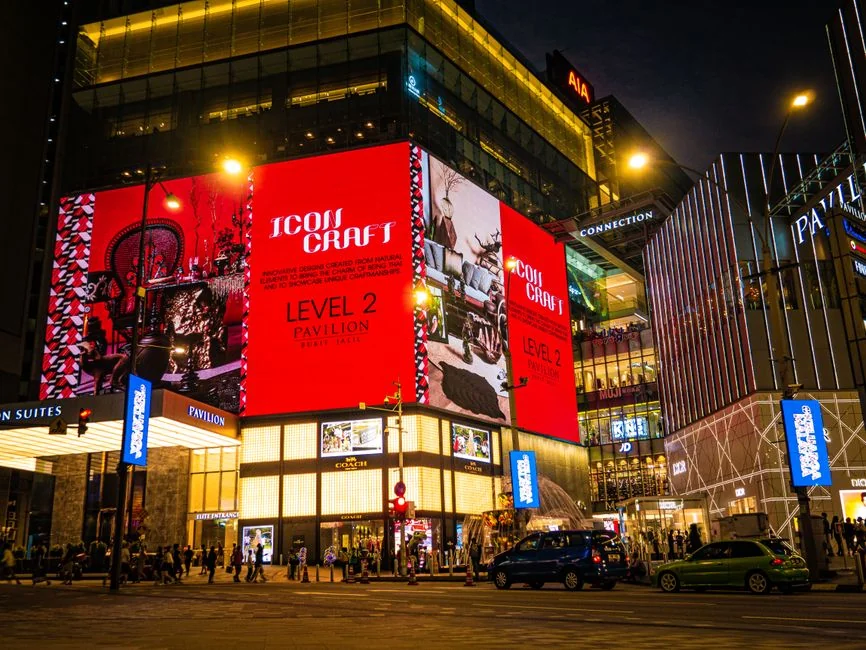
3D LED Billboards in China: Best 3D LED Billboards

Introduction
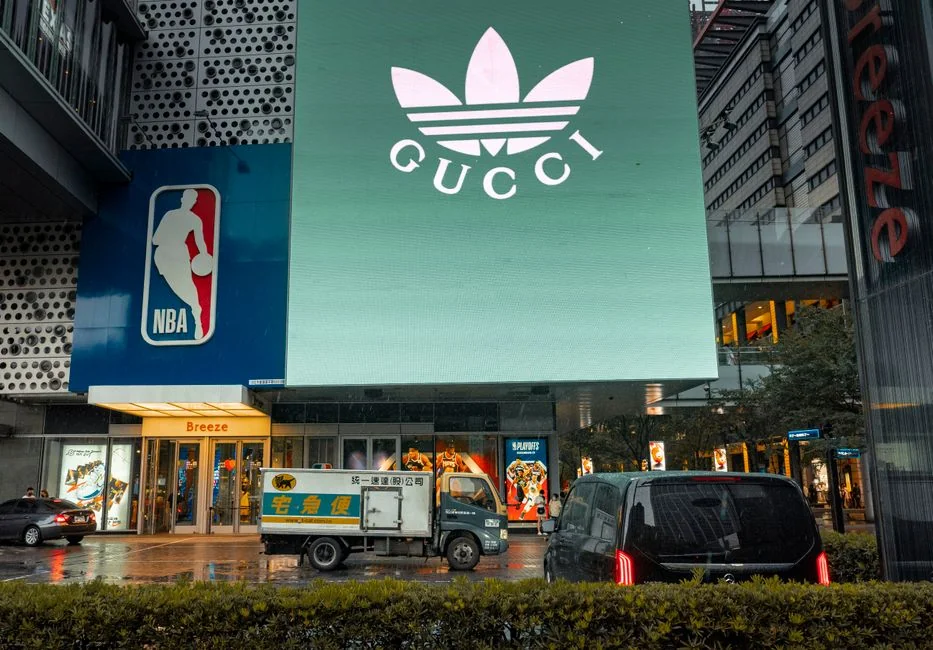
3D LED Billboards have transformed urban advertising into a vivid, immersive experience that captures attention in seconds. From giant curved displays in Shanghai to landmark screens in Chengdu, these installations combine high-resolution LED technology, creative animation, and strategic placement to deliver powerful brand visibility. Businesses, agencies, and city developers are increasingly investing in this format because it blends innovation with public engagement in a way traditional outdoor media cannot match.
As digital cities continue to evolve, 3D LED Billboards are becoming a symbol of modern commercial storytelling. They do more than display ads—they create memorable spectacles that drive foot traffic, social sharing, and consumer curiosity. This article explores their rise, advantages, costs, applications, and future potential in the Chinese market.
Table of Contents
- Introduction
- The Rise of 3D LED Billboards in China
- Benefits for Brands and Property Owners
- Technology, Design, and Installation Considerations
- Costs, Market Opportunities, and Future Outlook
- FAQ
- What makes 3D LED billboards different from regular digital billboards?
- Why are these billboards especially popular in China?
- Are 3D LED billboards effective for small businesses?
- How much does it cost to install and run one?
- What industries benefit the most from 3D LED billboard advertising?
- Conclusion
The Rise of 3D LED Billboards in China
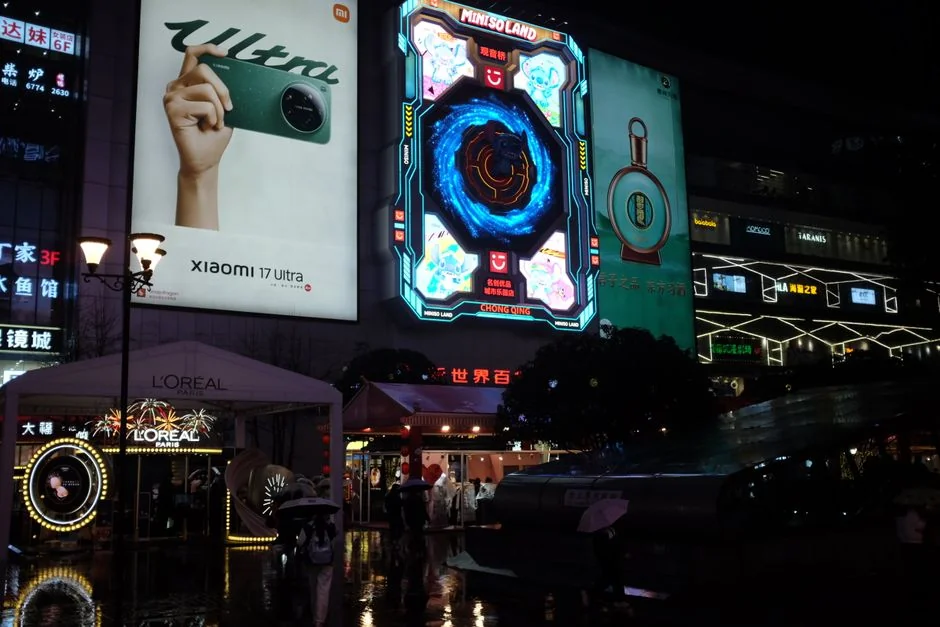
The rapid growth of these is closely tied to the country’s urban development, digital infrastructure, and advertising innovation. Major metropolitan areas such as Beijing, Shanghai, Shenzhen, Chongqing, and Chengdu have become hotspots for visually striking outdoor displays. These cities attract both local and international brands seeking to stand out in dense commercial environments.
One major reason for the popularity of they is their ability to create an illusion of depth without requiring viewers to wear special glasses. Through carefully designed corner screens, perspective-based content, and advanced LED panel arrangements, advertisers can make products appear to leap off the building facade. This visual effect generates instant public interest and often turns a billboard campaign into a viral event on social media.
Another factor behind the expansion of the concept is the country’s robust LED manufacturing ecosystem. China is a global leader in LED production, display engineering, and digital signage supply chains. This allows billboard operators and project developers to source high-quality components at competitive prices while also benefiting from rapid installation and technical support. The result is a market where large-scale 3D billboard deployment is more accessible than in many other regions.
Consumer behavior also plays an important role. Today’s audiences are flooded with digital content and standard advertisements, making it harder for brands to create lasting impressions. the approach solve this problem by offering an experience rather than a static message. People stop, watch, record videos, and share them online, extending the ad’s reach far beyond the physical location.
In addition, city centers and shopping districts increasingly use digital architecture as part of their identity. Entertainment zones, luxury retail streets, transport hubs, and mixed-use developments benefit from animated display surfaces that energize public spaces. In this context, it are not just advertising assets; they are also urban landmarks that contribute to the visual branding of entire districts.
Benefits for Brands and Property Owners
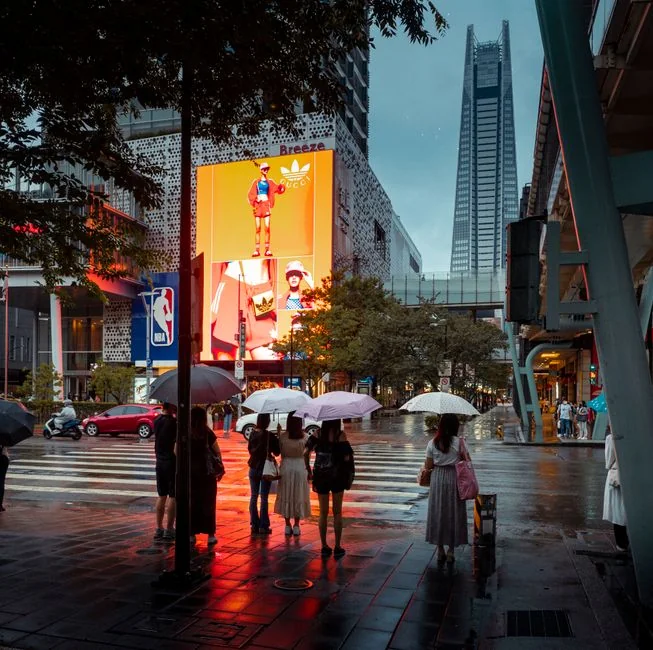
For advertisers, this offer a level of engagement that traditional print and even standard digital billboards often struggle to match. The first and most obvious benefit is attention. A well-executed 3D visual creates a dramatic spectacle that naturally draws the eye, even in highly competitive environments filled with signage and traffic.
Brand recall is another key advantage. People tend to remember extraordinary visuals far more than ordinary promotional materials. When campaigns use compelling motion graphics, realistic depth effects, and clever storytelling, these can leave a strong and lasting impression. This is especially valuable for product launches, luxury branding, entertainment promotions, automotive campaigns, and technology companies.
Social amplification is equally important. Many successful campaigns on they become popular on platforms such as Douyin, WeChat, Xiaohongshu, and Weibo. Viewers film the display and share it with friends, turning a location-based ad into a broader digital conversation. This creates organic exposure and can significantly improve return on investment when compared to media formats that only reach people physically present at the site.
Property owners also gain meaningful benefits. Landmark buildings equipped with advanced LED screens can command higher advertising revenue and attract premium tenants. In commercial districts, iconic digital displays elevate the prestige of the property and increase public footfall. As a result, the concept often support both direct media income and indirect real estate value.
Flexibility is another major strength. Content on digital billboards can be updated quickly, scheduled by time of day, or tailored for seasonal campaigns. Multiple advertisers can rotate through a single display, allowing operators to maximize occupancy and revenue. Compared with static billboards that require physical replacement, digital 3D formats offer faster campaign deployment and more efficient asset management.
Finally, data integration is becoming more common. Some operators combine billboard campaigns with mobile engagement tools, QR codes, audience analytics, and omnichannel marketing strategies. This means 3D LED Billboards in China can function not only as visual attractions but also as measurable marketing platforms aligned with wider campaign goals.
Technology, Design, and Installation Considerations
The effectiveness of 3D LED Billboards in China depends on much more than simply installing a large screen. True visual impact comes from the combination of hardware quality, screen geometry, viewing angles, content design, and environmental conditions. The most famous installations often use curved or right-angle corner structures that enhance perspective illusions and make images appear to extend beyond the building edge.
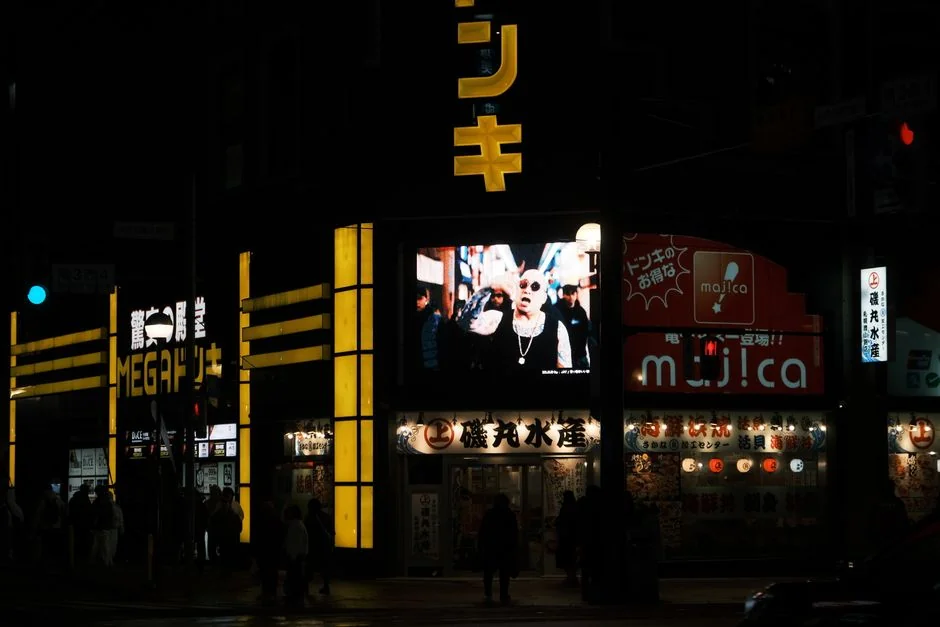
Pixel pitch is one of the most important technical considerations. A smaller pixel pitch generally provides higher resolution and sharper imagery, which is essential for convincing 3D visuals viewed from close or medium distances. Brightness is equally critical, especially in outdoor environments exposed to direct sunlight. To remain vivid and effective throughout the day, 3D LED Billboards in China typically require high brightness levels, strong contrast ratios, and reliable color performance.
Weather resistance and durability are also essential. Outdoor billboards must handle rain, wind, dust, temperature changes, and long operating hours. High-quality enclosures, waterproofing standards, ventilation systems, and maintenance access all contribute to long-term performance. Since many of these installations are placed in premium urban areas, operators cannot afford frequent downtime or visual inconsistency.
Content creation is where the illusion truly comes to life. Designers must understand anamorphic animation, perspective distortion, and real-world viewing behavior. Generic motion graphics rarely produce a memorable effect. Instead, successful campaigns are custom-built for the screen’s dimensions and location. This is why many brands working with 3D LED Billboards in China invest heavily in specialized creative production alongside the physical display itself.
Installation requires close coordination between engineers, architects, city authorities, and media operators. Structural load calculations, electrical systems, ventilation, control rooms, network connectivity, and permitting must all be carefully managed. In dense urban settings, the installation process can be logistically complex due to traffic, pedestrian safety, and building access restrictions.
Long-term operations also matter. Content management systems, remote monitoring, energy efficiency, spare parts availability, and routine maintenance all influence ownership costs and display reliability. Because 3D LED Billboards in China are highly visible public assets, consistent performance is central to preserving advertiser trust and maximizing commercial value.
Costs, Market Opportunities, and Future Outlook
The cost of 3D LED Billboards in China varies widely depending on screen size, resolution, structural complexity, location, content production, and operating model. A premium installation in a top-tier city can require a substantial capital investment, especially when it involves custom architecture and prime commercial real estate. Smaller or less complex systems, however, may offer more accessible entry points for regional developers and local media companies.
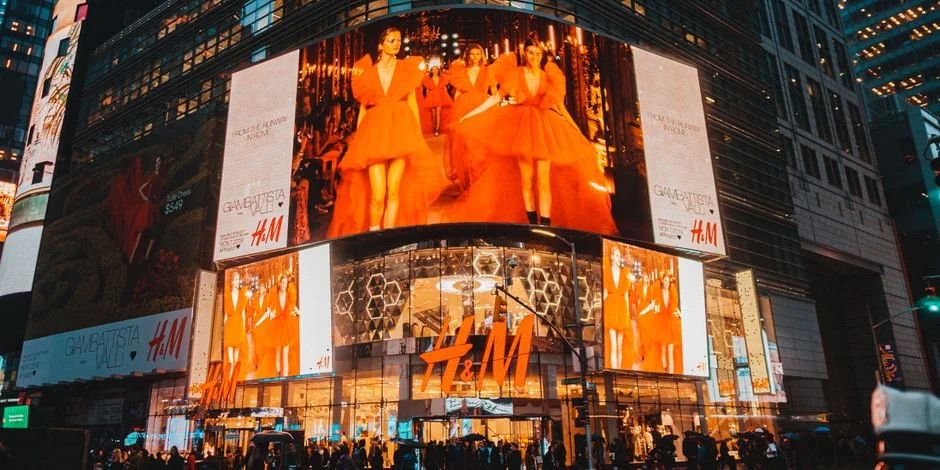
Cost components typically include LED modules, steel structure, control systems, audio integration where permitted, power infrastructure, waterproofing, installation labor, content production, and ongoing maintenance. In many cases, the creative work behind the 3D effect is a major budget line because the value of the billboard depends heavily on the quality of the animation and visual concept. For brands evaluating 3D LED Billboards in China, it is important to consider both hardware expenditure and campaign execution costs.
Despite the investment required, revenue potential can be strong. Prime locations can attract premium advertisers willing to pay higher rates for unique, high-visibility placements. Tourism and local commerce also benefit when a famous billboard becomes a city attraction. Some displays generate consistent income through ad rotation, while others serve as flagship brand assets designed more for prestige and long-term awareness than short-term media sales.
Several industries are especially well-positioned to benefit. Luxury brands use immersive displays to reinforce exclusivity and innovation. Consumer electronics companies highlight product features through dynamic 3D storytelling. Automotive firms showcase vehicles in dramatic motion. Gaming, film, fashion, and food brands also perform well because their products lend themselves to bold visual presentation. In all of these sectors, 3D LED Billboards in China can bridge physical advertising and digital culture.
Looking ahead, the market is likely to expand with advances in AI-assisted content creation, smarter display controls, and integration with interactive technologies. Energy efficiency improvements may also help reduce operating costs over time. As cities continue to invest in digital infrastructure, more districts may adopt iconic display networks as part of urban renewal and commercial branding strategies.
Another likely trend is deeper convergence between online and offline campaigns. Advertisers will increasingly use 3D LED Billboards in China as anchor experiences within broader social media, influencer, e-commerce, and event marketing ecosystems. Instead of functioning as isolated screens, these billboards will become central touchpoints in connected brand campaigns designed for both street-level audiences and online viewers worldwide.
FAQ
What makes 3D LED billboards different from regular digital billboards?
The main difference is the illusion of depth and realism. While regular digital billboards display flat video or images, 3D LED Billboards in China use perspective-driven content and specialized screen layouts to create visuals that appear to extend outward into real space. This makes them far more eye-catching and memorable.
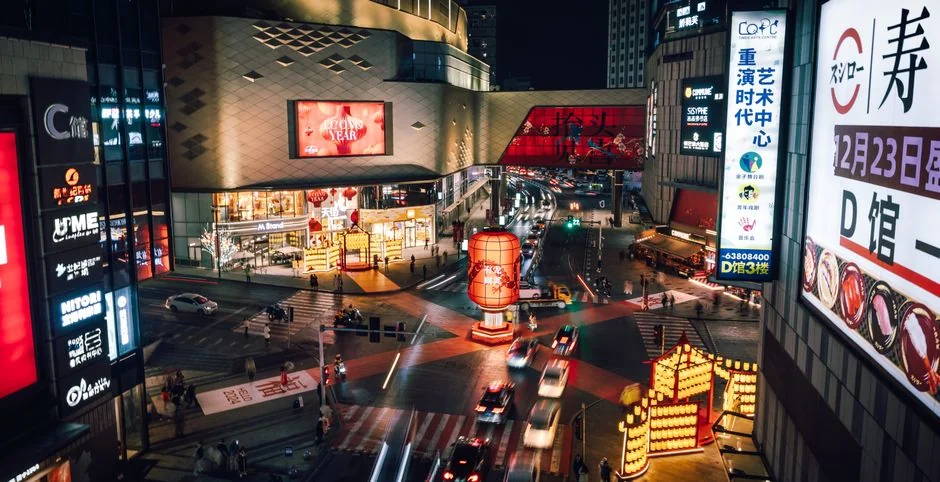
Why are these billboards especially popular in China?
China offers ideal conditions for large-scale digital display growth, including strong LED manufacturing capabilities, advanced urban infrastructure, and highly competitive commercial districts. Because of these factors, 3D LED Billboards in China have developed quickly and become a defining feature of modern city advertising.
Are 3D LED billboards effective for small businesses?
They are typically better suited to brands with larger marketing budgets, especially in premium locations. However, small businesses can still benefit by participating in shared ad rotations on 3D LED Billboards in China if the operator offers flexible campaign packages and strategic local placement.
How much does it cost to install and run one?
Costs vary significantly based on size, resolution, building structure, and city location. Installation can range from moderate to very high investment, while content creation and maintenance add ongoing expenses. Businesses considering 3D LED Billboards in China should request detailed proposals that include hardware, permits, creative work, and service agreements.
What industries benefit the most from 3D LED billboard advertising?
Luxury retail, automotive, electronics, entertainment, gaming, and fashion are among the strongest users because they rely heavily on visual storytelling. These sectors often achieve excellent engagement through 3D LED Billboards in China, especially when campaigns are paired with social media promotion.
Conclusion
3D LED Billboards in China represent one of the most exciting developments in modern outdoor advertising. They combine advanced display technology, architectural integration, and compelling creative design to produce experiences that attract crowds, strengthen brand recall, and encourage social sharing. In a marketplace where attention is increasingly scarce, this format offers a powerful way for businesses to stand out.
As cities become more digital and brands seek more immersive storytelling tools, 3D LED Billboards in China are likely to play an even larger role in commercial communication. Whether viewed as premium media assets, urban landmarks, or social content generators, they have already proven their value in some of the world’s busiest and most visually competitive environments. For companies looking to make a bold, future-facing impression, this advertising format deserves serious consideration.