

led screen panel: Complete Buyer & Usage Guide: Expert Guide

Introduction
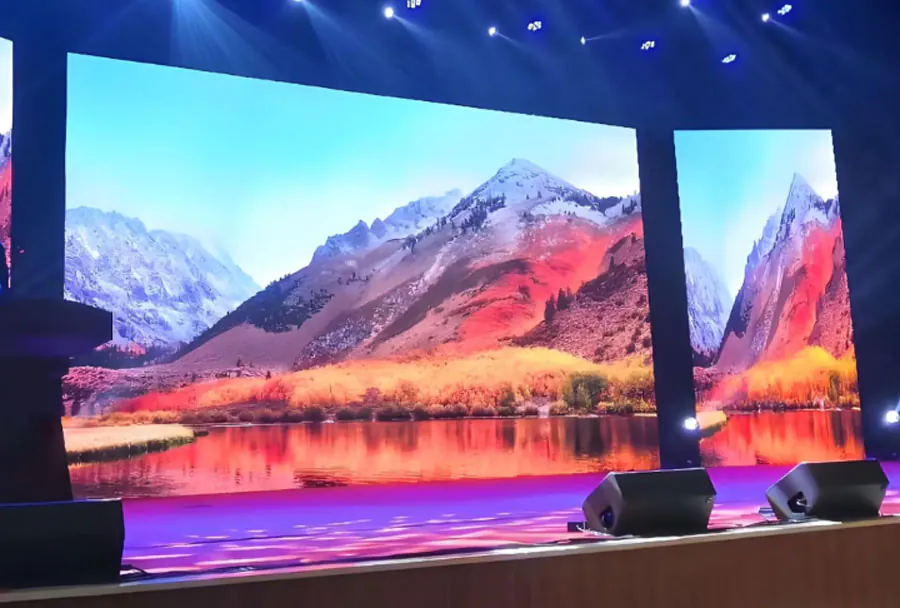
Choosing the right led screen panel can make a major difference in visual performance, energy efficiency, and long-term value. Whether you are planning a retail display, conference backdrop, advertising wall, control room, or entertainment installation, understanding how these systems work is essential before making an investment. Modern display technology has advanced rapidly, giving buyers more options in size, resolution, brightness, and installation flexibility than ever before. At the same time, those choices can feel overwhelming if you are not familiar with the technical details. This guide explains the most important features, use cases, benefits, and buying considerations so you can evaluate every it with confidence and choose a solution that matches your space, audience, and budget.
Table of Contents
- Introduction
- What Is a led screen panel and How Does It Work?
- Key Benefits of Using a led screen panel
- High brightness and visibility
- Flexible sizing and modular design
- Strong durability
- Energy efficiency
- Seamless visual presentation
- Easy maintenance
- How to Choose the Right led screen panel for Your Needs
- 1. Determine indoor or outdoor use
- 2. Match pixel pitch to viewing distance
- 3. Evaluate brightness requirements
- 4. Consider screen size and aspect ratio
- 5. Check refresh rate and image quality
- 6. Review maintenance access
- 7. Compare supplier support
- Popular Applications of a led screen panel
- Retail and shopping centers
- Corporate spaces
- Events and entertainment
- Advertising and public information
- Education and worship spaces
- Installation, Maintenance, and Cost Considerations for a led screen panel
- Installation planning
- Routine maintenance
- Cost factors
- Return on investment
- FAQ About led screen panel
- What is the difference between an LED display and an LCD display?
- How long does a led screen panel last?
- Is a led screen panel suitable for outdoor use?
- What pixel pitch should I choose?
- Can a led screen panel be repaired easily?
- Is LED better than projection for large venues?
- Conclusion
What Is a led screen panel and How Does It Work?
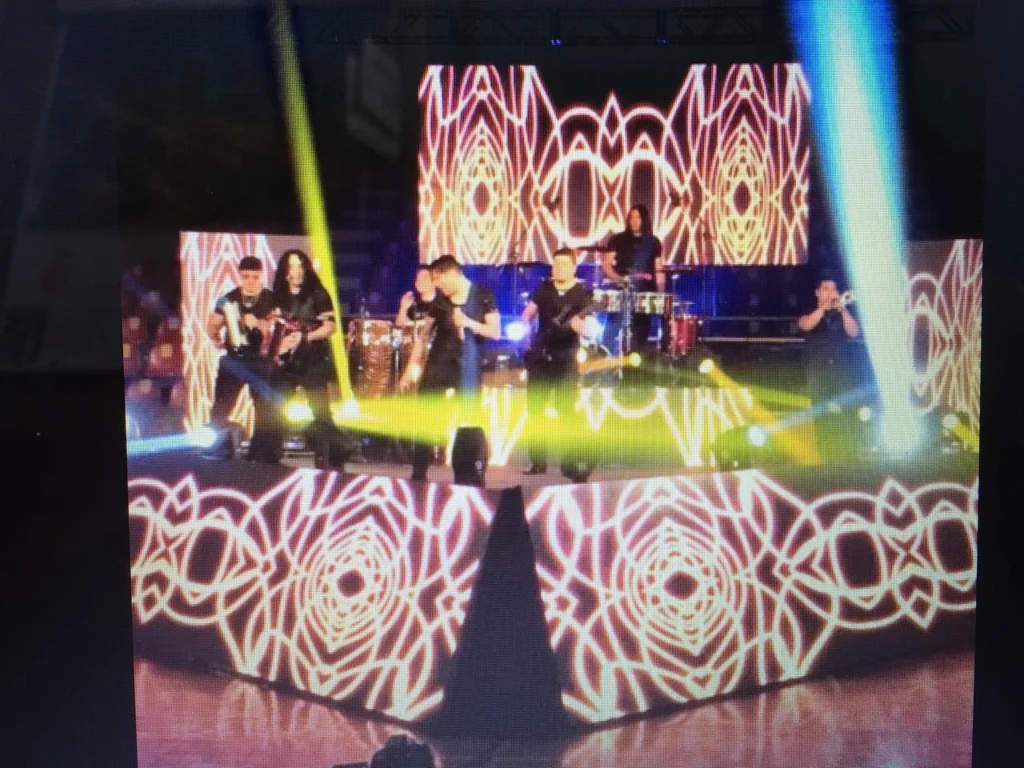
A led screen panel is a modular visual display unit built with light-emitting diodes that produce bright, vivid images and video content. These panels are often combined to create larger digital screens for indoor or outdoor use. Because each module works as part of a broader system, businesses and event organizers can scale the screen to fit a small showroom wall or a giant stadium installation.
At the core of it are thousands of tiny LEDs arranged in a matrix. These diodes emit red, green, and blue light, which blend to create full-color visuals. The screen receives signals from a controller, which maps media content across the individual modules. This design allows for seamless expansion, easy maintenance, and customizable sizing.
One of the most important specifications is pixel pitch, which refers to the distance between pixels. A smaller pixel pitch produces sharper images at closer viewing distances, making it suitable for indoor settings such as conference rooms, television studios, and high-end retail. A larger pitch is often more cost-effective for outdoor billboards where viewers stand farther away.
Brightness is another defining factor. An indoor the concept usually requires lower brightness because ambient lighting is controlled. Outdoor applications demand much higher brightness to remain visible in daylight. Refresh rate, contrast ratio, viewing angle, and color calibration also affect overall image quality.
Unlike traditional LCD video walls, LED displays offer better scalability and often eliminate visible bezels. This makes a the approach especially valuable in environments where uninterrupted visuals matter. From immersive brand experiences to public information displays, these systems have become a preferred solution for organizations seeking impact and flexibility.
Key Benefits of Using a led screen panel
A led screen panel delivers several advantages that explain its popularity across commercial, corporate, educational, and entertainment industries. While the initial cost can vary depending on size and specifications, the long-term performance benefits often justify the investment.
High brightness and visibility
One of the biggest strengths of LED technology is brightness. A quality led screen remains clear and vibrant even in challenging lighting conditions. This is particularly important for storefront windows, outdoor advertising, transportation hubs, and event venues where glare can reduce the effectiveness of other display types.
Flexible sizing and modular design
Because LED systems are built from modules, each these can be connected to others to create custom dimensions and shapes. This flexibility supports creative installations, including curved displays, large stage backdrops, digital facades, and compact information screens.
Strong durability
A well-built they is designed for continuous operation. Many models support long daily use cycles, making them ideal for environments that require reliable performance. Outdoor versions are often engineered with weather resistance, helping them withstand rain, dust, and temperature variations.
Energy efficiency
Although performance depends on usage and brightness levels, modern LED systems are increasingly energy efficient. Compared with older display technologies, a properly configured the concept can reduce power consumption while maintaining excellent visual output. This matters to businesses focused on operating costs and sustainability goals.
Seamless visual presentation
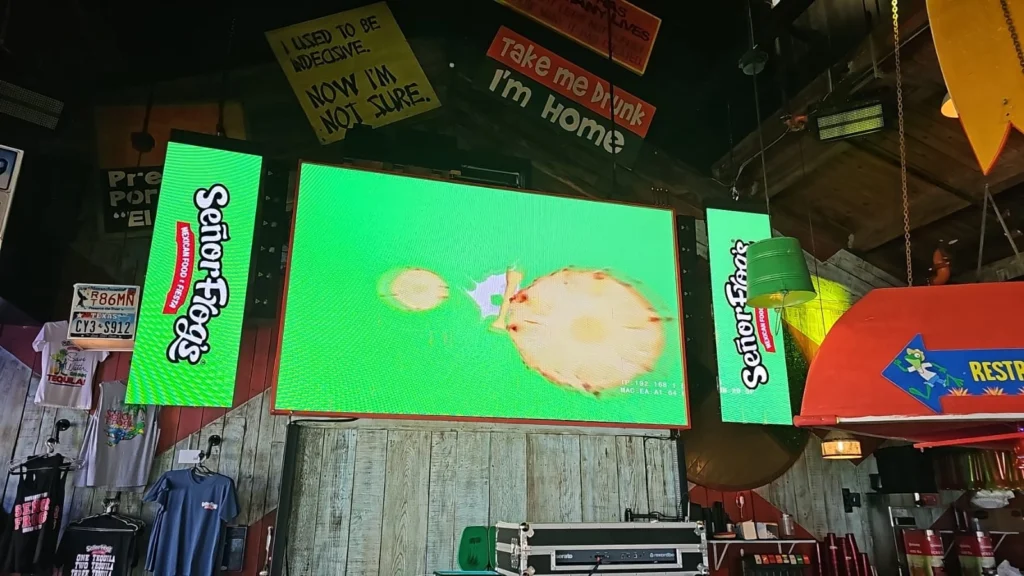
Traditional multi-screen setups can suffer from distracting borders between displays. A the approach solution minimizes or removes those interruptions, allowing content to appear more unified and immersive. This is a major reason LED is favored for presentations, live events, and premium branding environments.
Easy maintenance
Another practical benefit is front or rear serviceability. If a module develops an issue, technicians can often replace the affected part without dismantling the entire display. That means less downtime and simpler maintenance over the life of the system.
How to Choose the Right led screen panel for Your Needs
Selecting the best it starts with understanding where and how it will be used. Buyers who focus only on price often miss important performance factors that affect satisfaction later. A better approach is to evaluate technical requirements, audience expectations, and installation conditions together.
1. Determine indoor or outdoor use
Your first decision should be environment. Indoor displays usually prioritize resolution, close viewing distance, and refined color performance. Outdoor installations require stronger brightness, weather protection, and rugged construction. The right led screen panel for a shopping mall is very different from one designed for roadside advertising.
2. Match pixel pitch to viewing distance
Pixel pitch is one of the most important buying criteria. Smaller pixel pitch means more detailed images, but it also increases cost. If viewers will stand close to the display, choose a finer pitch. If the screen will be seen from farther away, a larger pitch may be perfectly acceptable and more budget-friendly.
3. Evaluate brightness requirements
Brightness should match ambient light conditions. An overly dim display will look washed out, while excessive brightness indoors can feel harsh and consume unnecessary power. Ask suppliers for brightness ratings and recommendations based on your location.
4. Consider screen size and aspect ratio
Before purchasing any led screen panel, define the dimensions you need. Think about wall space, stage design, mounting options, and content format. A mismatch between screen shape and media layout can reduce the impact of your visuals.
5. Check refresh rate and image quality
If the display will be recorded on camera or used in live production, refresh rate matters. Higher refresh rates help reduce flicker and create smoother on-camera results. This is especially relevant for broadcast environments, corporate events, and virtual production.
6. Review maintenance access
Some installations allow rear access, while others require front maintenance. Make sure the service method fits your physical space. This can greatly influence maintenance time and long-term operating convenience.
7. Compare supplier support
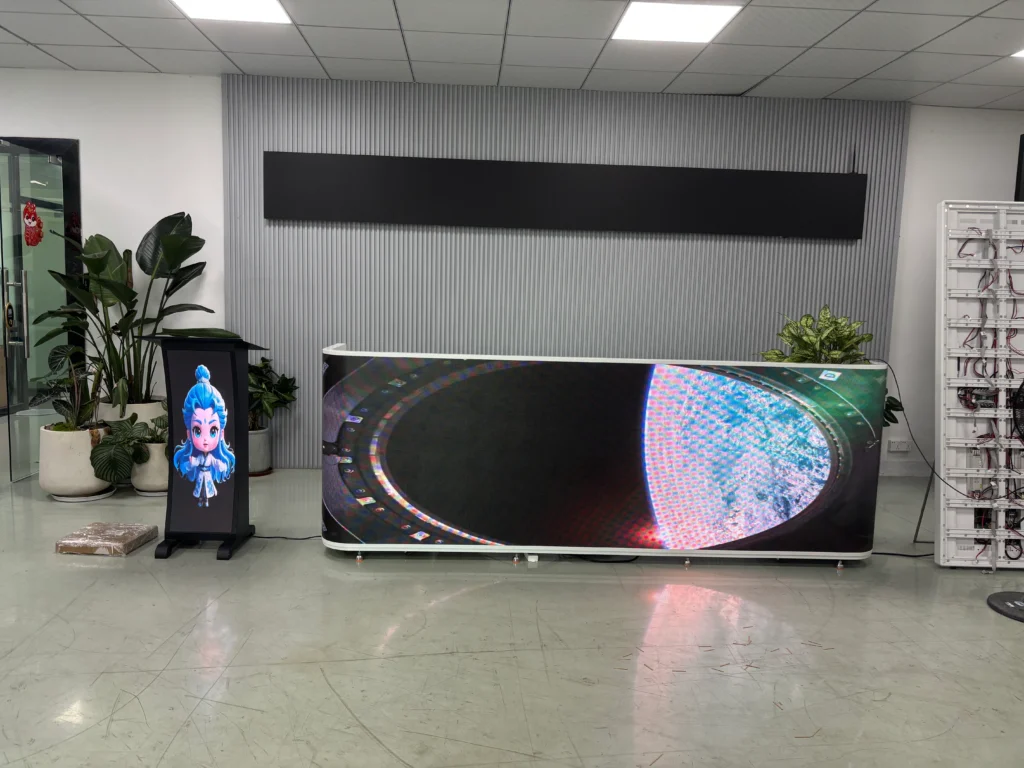
A display is not just hardware. You also need reliable technical support, warranty coverage, spare parts availability, and installation expertise. The best led screen panel is one backed by a supplier who can help throughout planning, setup, and maintenance.
Popular Applications of a led screen panel
The versatility of the led screen panel has opened doors across many industries. Its modular structure, brightness, and strong visual impact make it suitable for both functional communication and immersive experiences.
Retail and shopping centers
Retailers use LED displays to attract attention, promote offers, and elevate brand presence. Window-facing screens can capture foot traffic, while interior installations create dynamic storytelling opportunities. In premium retail environments, LED helps transform ordinary walls into memorable digital experiences.
Corporate spaces
In offices and conference venues, LED screens support presentations, internal communications, and branded events. A large display can improve audience engagement during meetings, product launches, and executive briefings. Companies that want a polished, modern visual environment often invest in LED for lobbies and boardrooms.
Events and entertainment
Concerts, exhibitions, trade shows, and stage productions rely heavily on LED technology. These displays provide backdrops, live video feeds, sponsor messaging, and immersive visual effects. Their modular nature makes them easy to adapt for temporary or touring setups.
Advertising and public information
Outdoor digital billboards, transit signage, and municipal communication boards often use LED because of its visibility and durability. These installations can share advertisements, announcements, schedules, emergency messages, and community information in real time.
Education and worship spaces
Schools, universities, and houses of worship use LED displays for teaching, live streaming, announcements, and audience engagement. A properly selected system improves visibility for large groups and supports multimedia communication more effectively than many traditional projection setups.
Installation, Maintenance, and Cost Considerations for a led screen panel
Investing in a led screen panel involves more than selecting a screen size and ordering hardware. Installation planning, maintenance strategy, and total cost of ownership all affect the final value of the project.
Installation planning
A successful LED project begins with site assessment. Installers must evaluate structural support, power requirements, ventilation, viewing angles, cable routing, and access for maintenance. Wall-mounted, suspended, freestanding, and curved installations each have unique demands. Even the best display can underperform if it is installed at the wrong height or in poor lighting conditions.
Content management is also part of setup. You need the right controller, software, and media workflow to ensure the display runs smoothly. In commercial settings, scheduling tools and remote monitoring can simplify content updates and reduce operational complexity.
Followed is TW VISION‘s wall mounted guidance video on YOUTUBE.
Routine maintenance
Although LED technology is known for reliability, regular inspection is still important. Maintenance tasks may include cleaning, checking connections, monitoring temperature, calibrating color consistency, and replacing defective modules if needed. A professional maintenance plan can extend lifespan and preserve image quality.
Businesses should also keep spare modules or critical components on hand, especially for high-visibility installations. Fast replacement minimizes disruptions and protects brand presentation.
Cost factors
The price of an LED display depends on several variables:
– Pixel pitch
– Screen size
– Indoor or outdoor rating
– Brightness level
– Cabinet material
– Control system
– Installation complexity
– Maintenance access
– Brand reputation and warranty
A lower upfront price does not always mean better value. A cheaper product may have weaker color uniformity, shorter lifespan, or limited support. When comparing options, consider the total cost over years of use rather than the purchase price alone.
Return on investment
For many organizations, LED delivers measurable returns through stronger audience engagement, premium branding, advertising revenue, and reduced maintenance compared with older technologies. If your display plays a visible role in marketing or communication, spending more on quality can produce better long-term results.
FAQ About led screen panel
What is the difference between an LED display and an LCD display?
An LED display built from modular panels uses light-emitting diodes directly to create the image, while LCD screens rely on liquid crystal layers and backlighting. In many large-format applications, an LED solution offers better scalability, higher brightness, and a more seamless appearance.
How long does a led screen panel last?
The lifespan of a led screen panel depends on usage conditions, component quality, and maintenance practices. Many high-quality systems are rated for tens of thousands of hours. Proper ventilation, stable power supply, and routine servicing can help maximize lifespan.
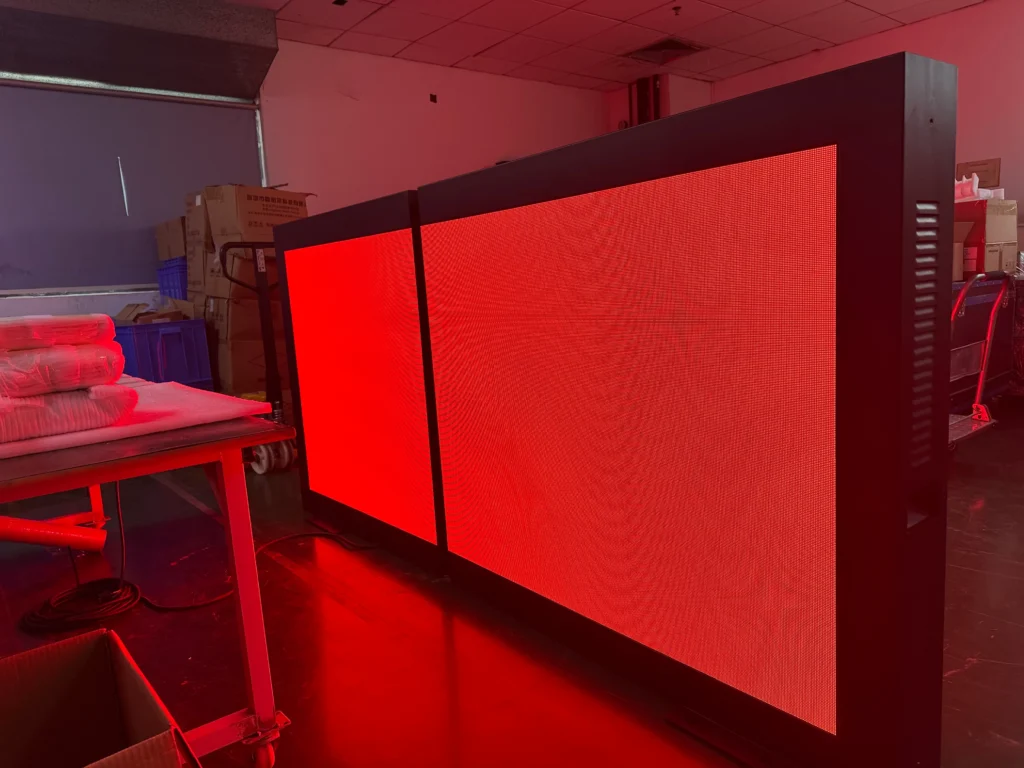
Is a led screen panel suitable for outdoor use?
Yes, but only if it is specifically designed for outdoor applications. Outdoor models include weather resistance, higher brightness, and protective construction. Always verify the IP rating and environmental specifications before installation.
What pixel pitch should I choose?
The ideal pixel pitch depends mainly on viewing distance. For close indoor viewing, a smaller pitch provides sharper detail. For large outdoor screens viewed from far away, a larger pitch is often sufficient and more cost-effective.
Can a led screen panel be repaired easily?
In many cases, yes. Because LED systems are modular, individual sections can often be replaced without rebuilding the entire display. This is one reason businesses prefer LED for critical installations where downtime must be minimized.
Is LED better than projection for large venues?
In many situations, yes. LED typically delivers higher brightness, better contrast, and stronger performance in ambient light. Projection may still work well in dark environments, but LED is often more impactful and reliable for large venues and public spaces.
Conclusion
A led screen panel is one of the most effective display solutions for organizations that need brightness, flexibility, durability, and visual impact. From retail stores and event stages to corporate lobbies and outdoor advertising, LED technology offers scalable performance for a wide range of applications. The right choice depends on factors such as pixel pitch, viewing distance, brightness, installation method, and service access. By carefully evaluating these elements and working with a trusted supplier, you can invest in a led screen panel that delivers strong image quality and long-term value. As digital communication continues to evolve, LED remains a smart option for businesses and institutions that want to stand out and communicate more effectively.
