

How Touring Conditions Affect Rental LED Display Cabinet

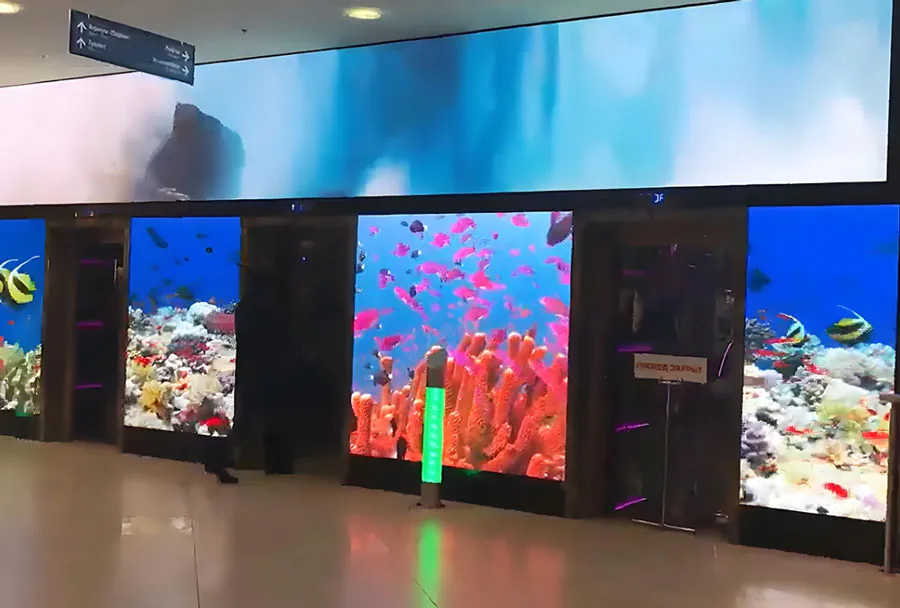
How Touring Conditions Affect Rental LED Display Cabinet Durability depends on far more than the cabinet material or the LED module specification. Touring equipment faces repeated truck vibration, rushed load-ins, temperature swings, moisture, dust, connector wear, and frequent assembly cycles.
Table of Contents
- 1. Control Transport Shock and Vibration
- Damage Happens Inside the Flight Case
- Flight-Case Design Matters
- 2. Manage Rain, Dust, Humidity, and Condensation
- Understand What an IP Rating Covers
- Condensation Can Be More Dangerous Than Rain
- 3. Keep Cabinets Within Thermal Limits
- Operating and Storage Limits Are Different
- Airflow Must Remain Available
- 4. Track Connector and Assembly Wear
- Rated Life Is Not Unlimited Life
- Fast Installation Can Increase Damage
- 5. Build a Condition-Based Maintenance Program
- Measure the Right Indicators
- Use Consistent Inspection Triggers
- How should cabinets be stored between tours?
- What should you do after a cabinet is dropped?
- Can indoor LED cabinets be used outdoors temporarily?
- Why does the same cabinet keep failing in different wall positions?
- When should a rental LED cabinet be retired?
- Conclusion
The transport environment can be severe even when no obvious accident occurs. International Safe Transit Association procedures evaluate packaged products against hazards such as shock, vibration, compression, and atmospheric conditions; some random-vibration procedures operate across frequencies from 1 to 200 Hz. (ista.org)
The main challenge is cumulative damage. A cabinet may survive one tour but develop loose fasteners, worn seals, damaged pixels, or intermittent power connections after repeated use.
This guide explains the five touring conditions that matter most, the warning signs you should track, and the maintenance practices that help rental LED cabinets remain reliable.
1. Control Transport Shock and Vibration
Transport shock and continuous vibration can loosen or deform cabinet components without leaving visible exterior damage.
Damage Happens Inside the Flight Case
Truck floors transmit vibration through casters, flight-case frames, foam, cabinet handles, and locking hardware. Repeated movement can affect module screws, internal ribbon cables, solder joints, alignment pins, and power-supply mounts.
This is a central part of How Touring Conditions Affect Rental LED Display Cabinet Durability because small movements accumulate across hundreds of road miles. A cabinet that passes a bench test may still fail after it becomes warm, suspended, or connected within a large wall.
The ISTA test procedures provide useful frameworks for evaluating packaging against transport hazards. ISTA divides several procedures at a packaged-product weight of 150 pounds, or 68 kilograms, and includes tests for shock, vibration, compression, and handling. (ista.org)
ISTA describes its Transit Tested certification mark as “visible proof” that packaging has passed recognized preshipment laboratory testing within specified damage limits. That does not guarantee indefinite cabinet life, but it provides a stronger basis than relying on visual inspection alone. (ista.org)
Flight-Case Design Matters
Consider a cabinet stored with excessive clearance around its corners. Every pothole allows it to strike the case repeatedly, placing concentrated loads on vulnerable edge pixels and alignment hardware.
TW VISION specifies a 12-millimeter birch layer, high-strength casters, and collision protection for one rental-product flight case, illustrating how manufacturers treat packaging as part of the durability system. (TW VISION)
How Touring Conditions Affect Rental LED Display Cabinet Durability should therefore be evaluated with the cabinet, cart, foam, casters, and loading method treated as one system.
How to apply this: Inspect case foam, caster play, cabinet clearance, alignment pins, and internal fasteners after every major trucking leg.
2. Manage Rain, Dust, Humidity, and Condensation
Environmental protection depends on the lowest-rated or most poorly maintained part of the assembled LED system.
Understand What an IP Rating Covers
IEC 60529 defines the IP classification system for enclosure protection. In an IP65 rating, the first digit indicates dust-tight protection, while the second indicates protection against water jets rather than immersion. (webstore.iec.ch)
An IP rating must not be treated as permission to ignore weather procedures. Covers may be open, connectors may be unmated, seals may be dirty, or replacement parts may have a lower rating.
NEMA guidance notes that an assembled system takes the lowest rating of its individual components. Neutrik likewise specifies that IP65 protection for certain powerCON components depends on the appropriate connection or sealing cover being in place. (nema.org)
This makes moisture control a major part of How Touring Conditions Affect Rental LED Display Cabinet Durability. Water can enter through worn gaskets, open data ports, damaged module seals, missing covers, or pressure-washing practices that exceed the product’s tested conditions.
Condensation Can Be More Dangerous Than Rain
A common scenario occurs when cold cabinets are moved from an air-conditioned truck into warm, humid outdoor air. Moisture can condense on metalwork, connectors, and circuit boards before the display is powered.
A testo 174 H data logger records temperature and relative humidity. Its specified range is -20°C to 70°C with storage for up to 16,000 readings per channel, making it suitable for documenting conditions inside cases or trailers. (testo.com)
How Touring Conditions Affect Rental LED Display Cabinet Durability becomes easier to diagnose when humidity exposure is recorded rather than guessed.
How to apply this: Keep connector caps installed, clean gaskets before closing cabinets, and allow cold equipment to reach safe ambient conditions before applying power.
3. Keep Cabinets Within Thermal Limits
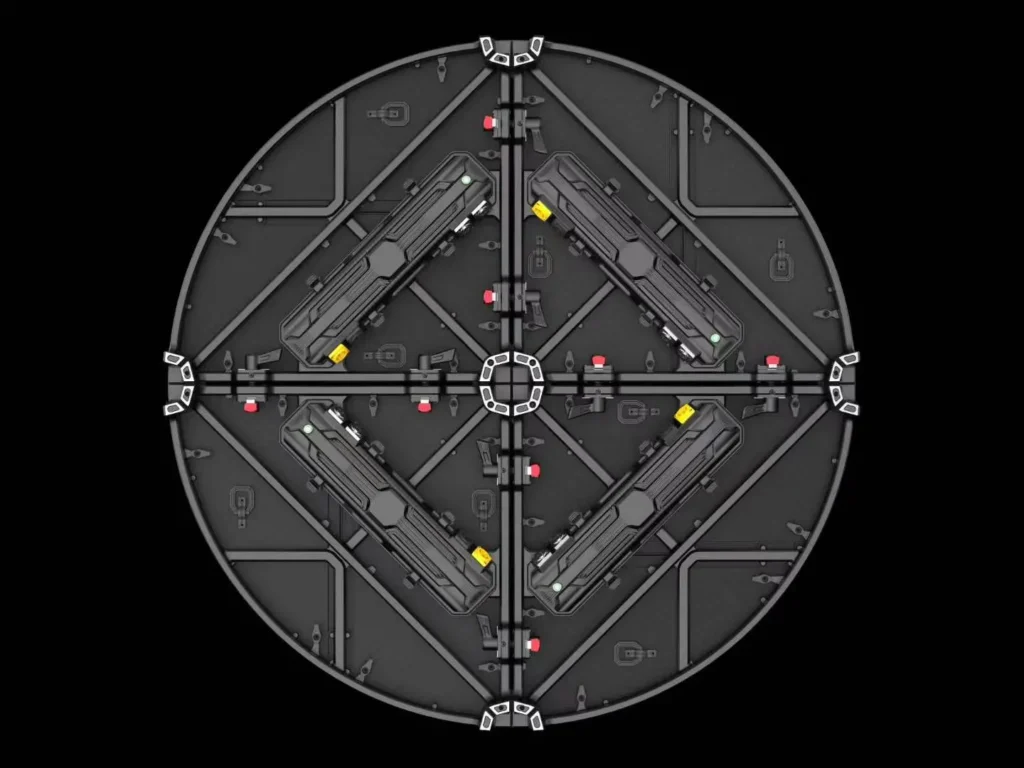
Excessive heat accelerates stress on power supplies, LED modules, connectors, processors, and internal wiring.
Operating and Storage Limits Are Different
A cabinet’s allowed operating range may be narrower than its transport or storage range. Barco’s SLite 10 specification, for instance, lists an operating range of -20°C to 40°C and a storage range extending to 60°C at the upper end. (assets.barco.com)
You should always use the limits for your exact product and configuration. Direct sunlight, high brightness, blocked airflow, black rear covers, nearby lighting equipment, and dense wall construction can raise internal temperatures above the surrounding air temperature.
How Touring Conditions Affect Rental LED Display Cabinet Durability is especially visible in thermally stressed cabinets. Symptoms can include brightness instability, color differences, shutdowns, fan noise, intermittent modules, discolored connectors, and shortened power-supply life.
Airflow Must Remain Available
Brompton Technology instructs users to operate its Tessera S4 processor in ambient temperatures from 0°C to 40°C. Its documented overtemperature thresholds vary by internal sensor, with shutdown thresholds reaching 60°C to 80°C depending on the monitored component. (bromptontech.com)
In one case, a wall may run normally during rehearsal but fail after audience doors open because added stage lighting, warmer air, and higher display brightness increase the thermal load. The fault may appear electrical even though poor ventilation is the root cause.
This aspect of How Touring Conditions Affect Rental LED Display Cabinet Durability requires temperature records from both successful and problematic events. Without a baseline, crews may replace modules while leaving the environmental cause unresolved.
How to apply this: Record cabinet intake temperature, exhaust temperature, ambient temperature, brightness level, and fault time during every heat-related incident.
4. Track Connector and Assembly Wear
Connectors, locks, handles, and locating hardware are wear items because every show adds another mechanical cycle.
Rated Life Is Not Unlimited Life
Neutrik specifies more than 5,000 mating cycles for one powerCON TRUE1 TOP connector and rates it at 16 A in Europe or 20 A in the United States. The same product has a stated temperature range of -30°C to 80°C. (neutrik.com)
Those figures are product specifications, not permission to use damaged connectors indefinitely. Contamination, side loading, poor cable strain relief, incorrect assembly, corrosion, and forced mating can cause problems before the nominal cycle rating is reached.
How Touring Conditions Affect Rental LED Display Cabinet Durability therefore includes the condition of every external connection. A robust cabinet can still become unreliable when power or data connectors develop worn locks, bent contacts, cracked housings, or high-resistance connections.
Fast Installation Can Increase Damage
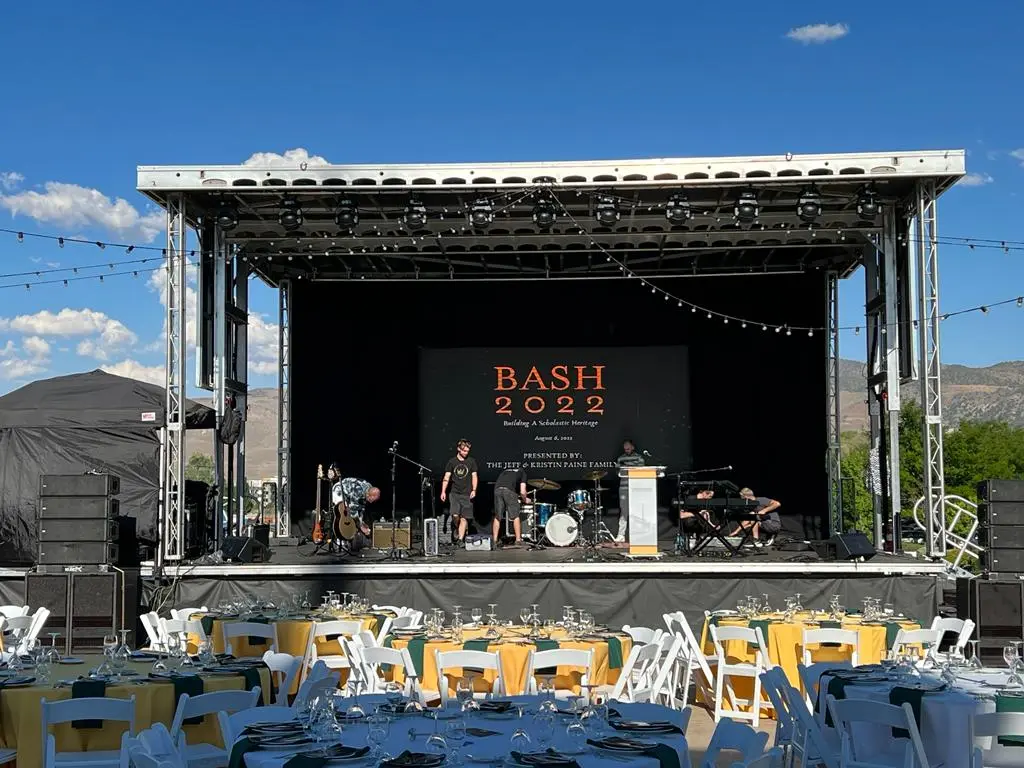
Rental products are designed for rapid deployment, but speed must not replace correct alignment. TW VISION lists a 6.8-kilogram weight for its 500-by-500-millimeter PQ cabinet and uses fast-lock, edge-protection, and corner-protection features to reduce installation damage. (Indoor and Outdoor Rental LED Display – PQ Series – LED DISPLAY MANUFACTURE TW VISION)
A rushed technician may pull two cabinets together using the lock instead of aligning the locating pins first. That practice can load the frame, wear the lock, damage pixels at the seam, or reduce wall flatness.
This is another reason How Touring Conditions Affect Rental LED Display Cabinet Durability should be assessed by cycle count and handling quality, not age alone.
How to apply this: Tag worn connectors immediately and add locks, pins, handles, gaskets, and cable strain relief to your pre-show inspection checklist.
5. Build a Condition-Based Maintenance Program
Condition-based maintenance converts touring exposure into records that help you repair cabinets before show-critical failures occur.
Measure the Right Indicators
A Fluke 289 can log electrical readings and graph intermittent changes through its TrendCapture feature. Fluke states that the meter can store up to 10,000 recorded events and logged readings, which can help technicians investigate voltage drops, unstable supplies, or resistance changes. (fluke.com)
Use electrical logging only through qualified personnel following applicable safety procedures. The goal is to document repeatable conditions, not to perform energized testing without proper training.
How Touring Conditions Affect Rental LED Display Cabinet Durability becomes measurable when every cabinet has an asset ID and a history of faults, repairs, exposure, and component replacements.
Use Consistent Inspection Triggers
| Condition | What to check | Action to take |
|---|---|---|
| Long truck leg | Locks and fasteners | Torque and inspect |
| Wet event | Seals and ports | Dry before power |
| Hot operation | Intake and exhaust | Clear airflow |
| Repeated setup | Pins and connectors | Check wear |
| Pixel damage | Corners and masks | Isolate the cause |
| Intermittent fault | Voltage and data | Log under load |
Track faults by cabinet rather than recording only the wall position. Otherwise, a problem appears to move whenever the wall layout changes.
How Touring Conditions Affect Rental LED Display Cabinet Durability should also influence spare-parts planning. Cabinets with repeated connector, power, or frame repairs may need deeper refurbishment even if they still pass a basic visual test.
How to apply this: Create one inspection record per cabinet and review repeat failures, environmental exposure, and repair frequency before the next tour.
Frequently Asked Questions About How Touring Conditions Affect Rental LED Display Cabinet Durability
How should cabinets be stored between tours?
Store cabinets in clean, dry cases within the temperature and humidity limits specified by the manufacturer. Do not seal equipment while it is wet or place heavy items on unsupported cabinet faces. How Touring Conditions Affect Rental LED Display Cabinet Durability remains relevant during storage because trapped moisture and deformed foam can cause damage without the display operating.
Inspect desiccants, gaskets, and case interiors before long storage periods.
What should you do after a cabinet is dropped?
Quarantine the cabinet, photograph the impact area, and inspect the frame, alignment pins, locks, modules, internal mounts, and connectors before powering it. How Touring Conditions Affect Rental LED Display Cabinet Durability includes hidden structural changes that may not appear during a quick pixel test.
If the cabinet was suspended when dropped or has a distorted frame, obtain an engineering or manufacturer assessment before returning it to service.
Can indoor LED cabinets be used outdoors temporarily?
Only use indoor cabinets outdoors when the manufacturer explicitly permits the proposed conditions and the system has suitable weather protection. How Touring Conditions Affect Rental LED Display Cabinet Durability cannot compensate for a cabinet that lacks the required ingress, UV, wind, temperature, or electrical protection.
A covered stage is not automatically dry because wind-driven rain, condensation, leaks, and wet cable paths can still reach equipment.
Why does the same cabinet keep failing in different wall positions?
A repeating failure usually points to a cabinet-level issue rather than signal position. Possible causes include a loose internal cable, worn connector, cracked solder joint, deformed frame, unstable power supply, or heat-sensitive component.
How Touring Conditions Affect Rental LED Display Cabinet Durability helps narrow the cause when you compare the asset’s transport, temperature, moisture, and repair history instead of replacing the same module repeatedly.
When should a rental LED cabinet be retired?
Retire or comprehensively refurbish a cabinet when structural damage, repeated electrical faults, unavailable parts, unreliable locks, degraded seals, or inconsistent image performance make continued rental impractical. How Touring Conditions Affect Rental LED Display Cabinet Durability does not produce one universal retirement age because usage intensity varies.
A heavily toured cabinet may reach its economic limit sooner than an older unit used only for controlled indoor events.
Conclusion
Managing How Touring Conditions Affect Rental LED Display Cabinet Durability requires consistent control of transport, weather exposure, heat, handling, and maintenance records.
– Protect cabinets in transit: Use correctly fitted cases and inspect foam, casters, fasteners, and alignment hardware.
– Control environmental exposure: Respect IP-rating limits, protect open connections, and prevent condensation before power-up.
– Monitor operating conditions: Record temperature, humidity, voltage, brightness, and fault timing.
– Track each asset: Use cabinet-level maintenance histories to identify repeated failures and plan refurbishment.
Start by reviewing the cabinets returning from your next event. Assign each one an asset ID, document its condition, and create clear inspection triggers for wet shows, long truck journeys, drops, heat warnings, and recurring electrical faults.
