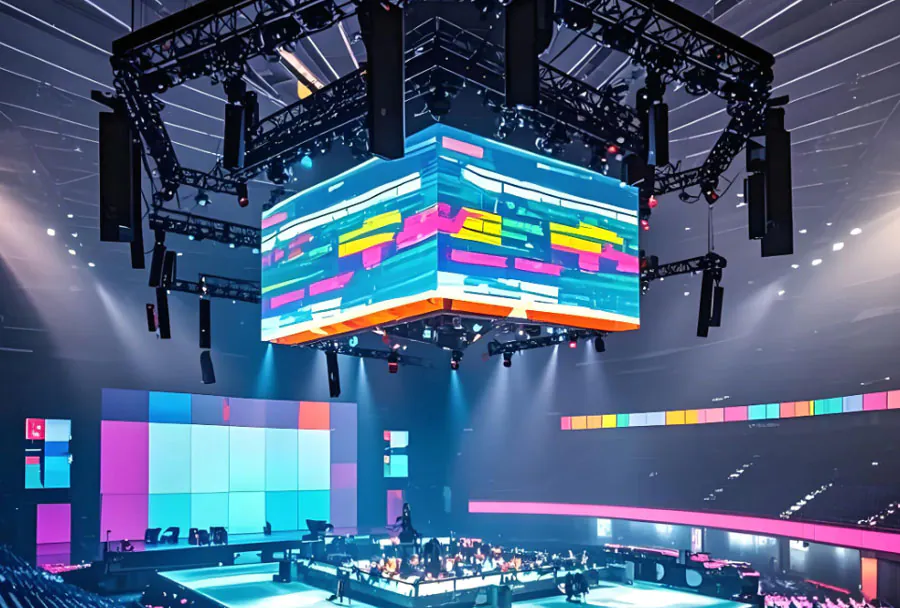
Indoor and Outdoor Big LED Screen Rental Solutions

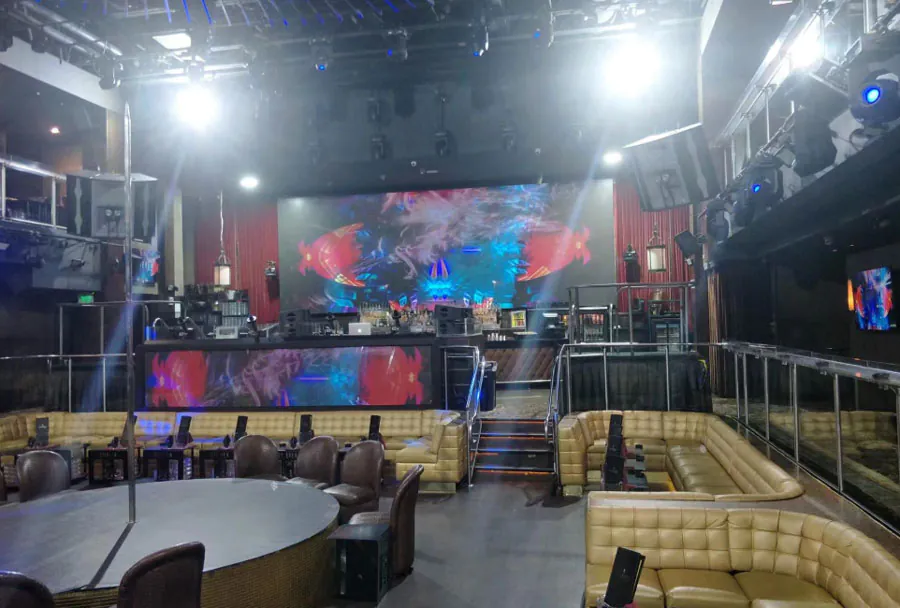
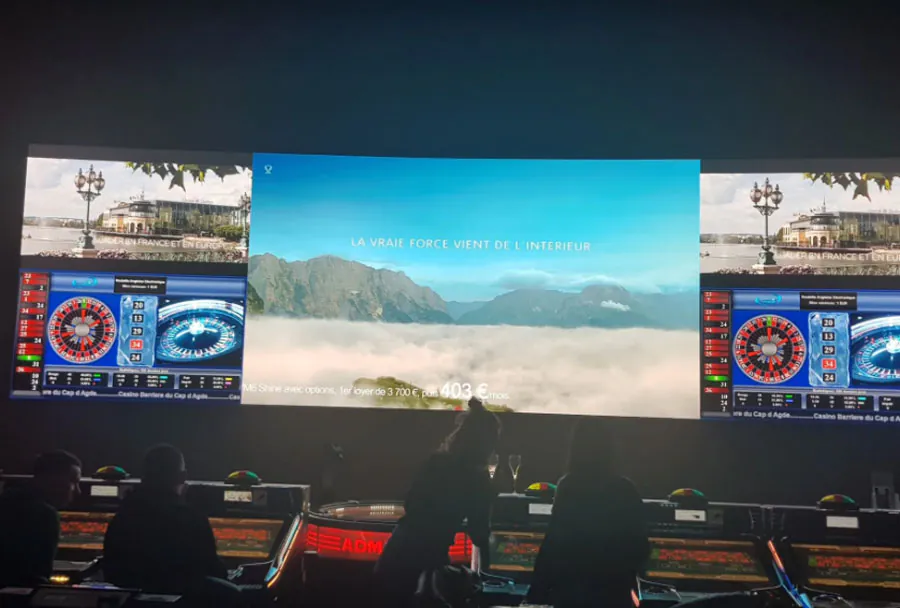
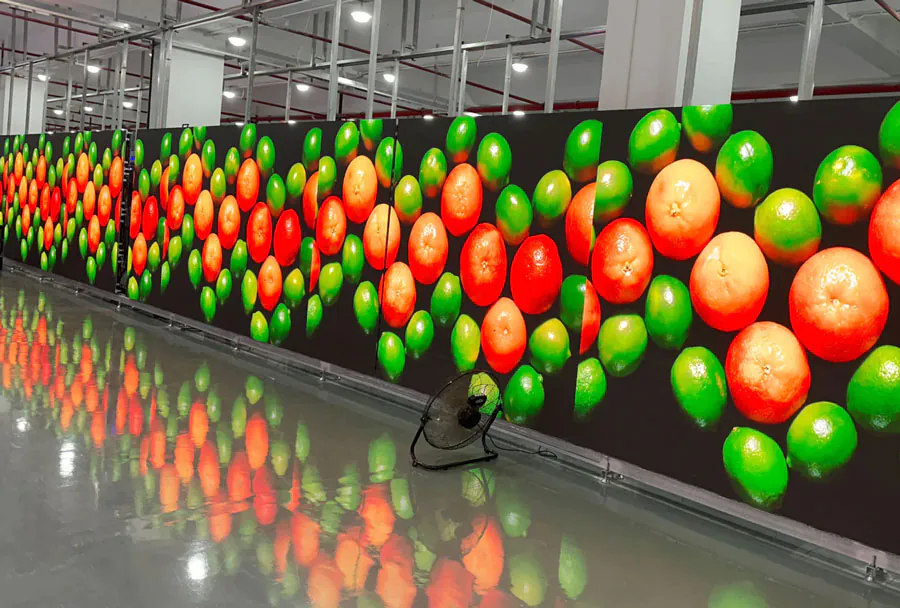
Big LED screens—whether deployed indoors for conferences and trade shows or outdoors for concerts and stadiums—have become central to modern events and promotions. Renting a large LED screen rather than purchasing one offers flexibility, lowers upfront capital expenditure, and provides access to the latest technology for a single event or a series of short-term activations. For event planners, marketers, and venue managers, rental solutions combine technical expertise, logistics, and support services, enabling impactful visual experiences without the long-term storage, maintenance, or obsolescence risks that come with ownership.
This article examines the professional considerations for renting indoor and outdoor big LED screens. It outlines technical differences, logistical requirements, cost drivers, content and control systems, and risk mitigation strategies. The goal is to help buyers and rental customers make informed decisions when evaluating rental partners and planning deployments.
Indoor vs. Outdoor: Key Differences
Understanding the inherent differences between indoor and outdoor LED screens is the first step in selecting the right rental solution.
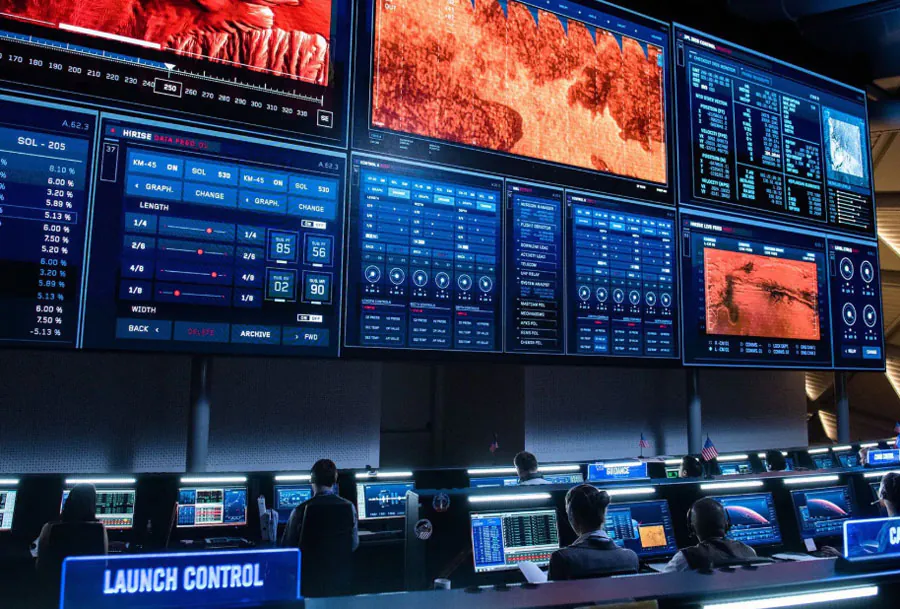
– Pixel pitch and viewing distance: Indoor LED walls typically use tighter pixel pitches (P0.9 to P3.9) because audiences are closer and expect high-definition imagery. Outdoor displays commonly use larger pixel pitches (P3 to P20+) where viewing distances are greater.
– Brightness: Outdoor screens require much higher brightness (5,000–10,000 nits) to remain visible in daylight, whereas indoor screens operate comfortably at 800–2,000 nits.
– Weatherproofing: Outdoor modules are IP65 or higher for protection against rain and dust; indoor units don’t require this level of sealing.
– Structural and rigging requirements: Outdoor installations require wind-load calculations, certified rigging, and often scaffolding or truss systems. Indoor installs focus on load-bearing from walls or ceiling grids and safe access for maintenance.
– Power and cooling: Outdoor units must be engineered for temperature extremes and potentially remote power sources; indoor systems benefit from venue power but may need careful ventilation to avoid overheating.
Below is a concise analysis table comparing typical characteristics and rental considerations for indoor and outdoor big LED screens.
| Feature | Indoor Typical | Outdoor Typical | Recommended Use Cases | Rental Cost Estimate (per day) |
|---|---|---|---|---|
| Pixel Pitch | P0.9–P3.9 | P3–P20+ | Indoor conferences, control rooms, retail displays; outdoor billboards, concerts | $200–$1,200 per panel (varies by size & resolution) |
| Brightness | 800–2,000 nits | 5,000–10,000 nits | Indoor stages, lobbies; outdoor daylight events, stadiums | Brightness premium adds 15%–40% |
| Environmental Rating | IP20–IP30 | IP65–IP67 | Controlled venues; exposed outdoor installations | Weatherproofing fee $50–$300 per module |
| Installation Complexity | Moderate (hanging, wall-mount, floor stands) | High (rigging, wind/load, permits) | Corporate events, exhibitions; festivals, sporting events | Labor & rigging $500–$5,000+ depending on scale |
| Typical Viewing Distance | 1–10 meters | 10–200+ meters | Close-audience presentations; large audiences at distance | Higher distance requires larger screens; cost scales with area |
(hint: cost figures are illustrative; obtain quotes from rental vendors for project-specific pricing)
Technical Specifications to Evaluate Before Renting
When evaluating rental solutions, focus on the technical specs that drive visual quality and reliability:
– Pixel pitch and resolution: Match pixel pitch to the expected viewing distance. Ask for resolution mockups and proof-of-concept content to visualize final quality.

– Brightness and automatic dimming: Verify max nits and whether the system has ambient light sensors or manual control for optimal visibility while preserving LED life.
– Refresh rate and grayscale: High refresh rates (≥3840 Hz for camera-friendly displays) and accurate grayscale ensure flicker-free video, which is essential for broadcast environments and social-media capture.
– Color calibration and uniformity: Ask about factory calibration and whether on-site color matching between multiple panels or screens is offered.
– Redundancy and failover: Confirm redundancy features such as backup power supplies, spare modules, or hot-swap capability for mission-critical events.
– Control software and signal chain: Confirm playback software, supported codecs, real-time video processing, and whether the rental house provides an operator or training for your team.
– Module size and cabinet design: Smaller modules deliver finer pitches but increase racking complexity; check repair accessibility.
– Lifetime and warranty: Rental houses should disclose LED lifetime (L70) and provide clear SLAs for faults during rental.
Logistics: Transportation, Setup, and Tear-down
Logistics are a major part of rental costs and risk management.
– Transit and packaging: LED panels require shock-resistant crates and climate control for long-distance transport. Ask about transit insurance and handling procedures.
– Crew and time estimates: Determine how many technicians are required, skill levels needed (rigging certified, tower operators), and the hours for setup/teardown.
– Permits and local compliance: Outdoor installations frequently require permits, electrical inspections, and noise or lighting approvals. A professional rental partner will manage permit applications and liaise with local authorities.
– Site surveys: A pre-event site survey (virtual or in-person) helps identify obstacles, access points, power availability, and anchor opportunities for trusses.
– Staging and venue coordination: Coordinate with stage builders, AV integrators, and event managers to avoid schedule conflicts and last-minute surprises.
Power, Weatherproofing, and Safety Considerations
Safety and environmental readiness are essential, especially for outdoor rentals.
– Power distribution: Calculate total wattage including peak loads; provide power distribution plans and ensure venue circuits meet capacity. For remote sites, temporary generators and UPS may be needed.
– Wind and structural safety: For outdoor walls, wind loading must be calculated and mitigated with ballast or engineer-specified rigging. Rental vendors should provide certified structural drawings and a licensed rigger.
– Weather contingencies: Have a plan for rain, high winds, or extreme temperatures—this can include quick covers, shut-down procedures, or backup indoor solutions.
– Electrical and fire codes: Comply with local electrical codes and fire-safety requirements; use licensed electricians for permanent or semi-permanent power connections.
– Crowd safety: Secure cables, mark trip hazards, and maintain safe clearance between the screen structure and public access.
Content Management and Signal Distribution
Delivering stunning visuals requires a complete signal chain plan:
– Content resolution and aspect ratio: Confirm native resolution of the screen and deliver content in matching resolutions. Scaling on-site can degrade image quality.
– Playback systems: Most rental companies provide media servers (e.g., Resolume, Watchout) or direct HDMI/SDI inputs. For multi-screen or mapped surfaces, request synchronized media servers with frame-accurate playback.
– Live feeds and latency: For live events, choose equipment and signal paths that minimize latency. For broadcast, ensure refresh rates and camera-safety specs match broadcast standards.
– Networked control: Enterprise rental setups leverage networked control for remote diagnostics, brightness control, and content loading. Ask about remote access and security protocols.
– Content preview and rehearsal: Schedule rehearsals for content playback, transitions, and live switching. This reduces last-minute glitches during the show.
Costs, Contracts, and Value Engineering
Knowing how rental costs are structured helps with budgeting:
– Core rental fee: Typically quoted per day or per week, calculated by screen area and pixel pitch.
– Labor and rigging: Separate charges for installation crew, rigging engineers, and on-site operators.
– Transport and logistics: Costs depend on distance, handling complexity, and whether specialized shipping is required.
– Insurance and deposits: Rental houses often require a security deposit and proof of insurance. Verify liability coverage and damage policies.

– Additional fees: Power consumables, weatherproofing, custom frames, creative content services, and overtime fees can add up.
– Value engineering: Work with your rental partner to explore alternatives—e.g., using LED tiles with adjustable resolution zones, or combining projection with LED for hybrid cost savings.
When negotiating contracts, define clear SLAs for uptime, replacement timelines for failures, and responsibilities for damages. Include contingency clauses for weather cancelations and rescheduling.
Case Studies and Use Scenarios
Concrete use cases illustrate how rental choices vary:
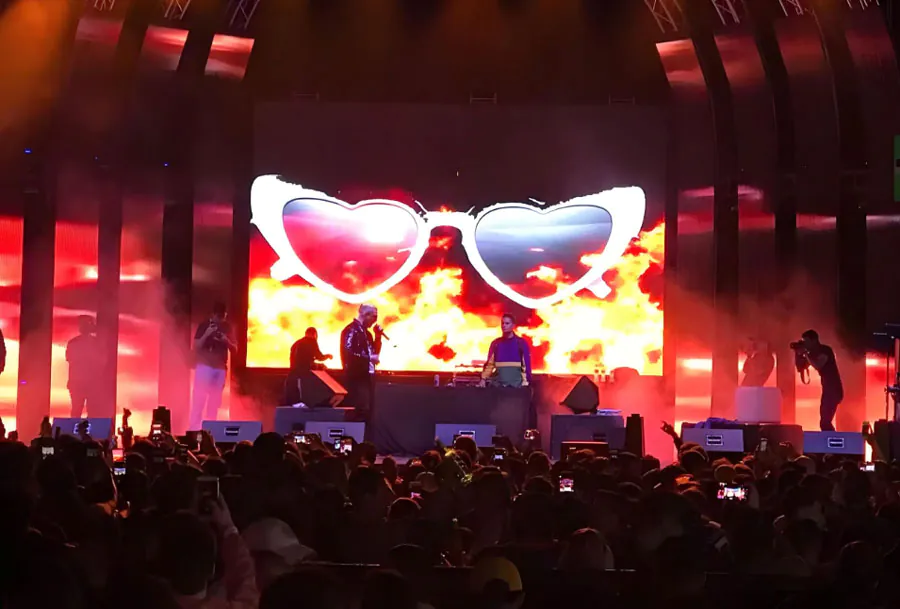
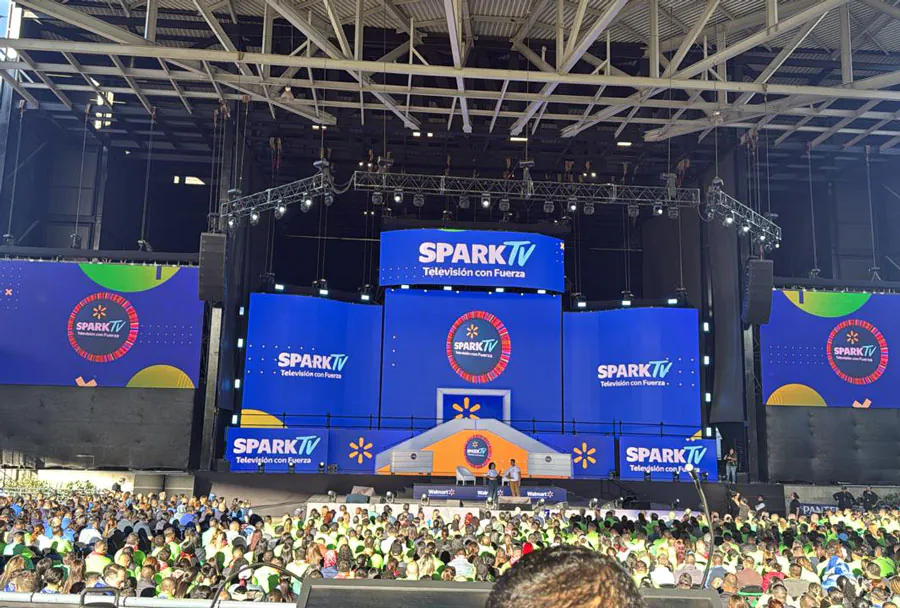
– Concert stage wall (Outdoor): A 12m x 6m outdoor LED with P6 pixel pitch provides legible visuals for audiences 20–100 meters away. Requires IP65 modules, truss rigging with wind calculations, generators, and a lighting-friendly brightness profile. Typical rental includes media server, playback operator, and 48–72 hours for install/teardown.
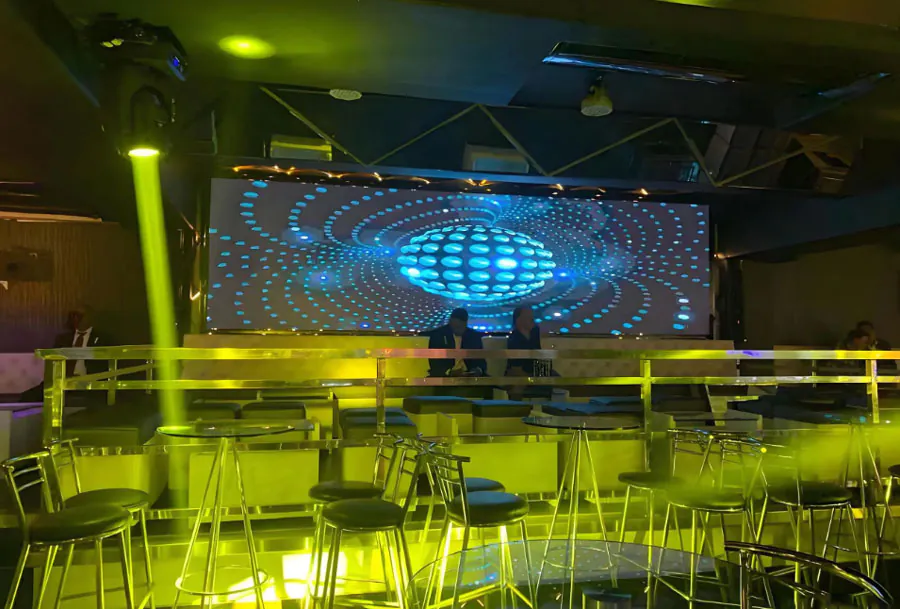
– Corporate launch (Indoor): A curved 8m x 3m indoor LED wall with P1.9 panels offers high-resolution video for close-up audiences. Setup is wall-mounted with fine color calibration and synchronized stage lighting; lower brightness, but very tight pixel pitch for brand-quality visuals.
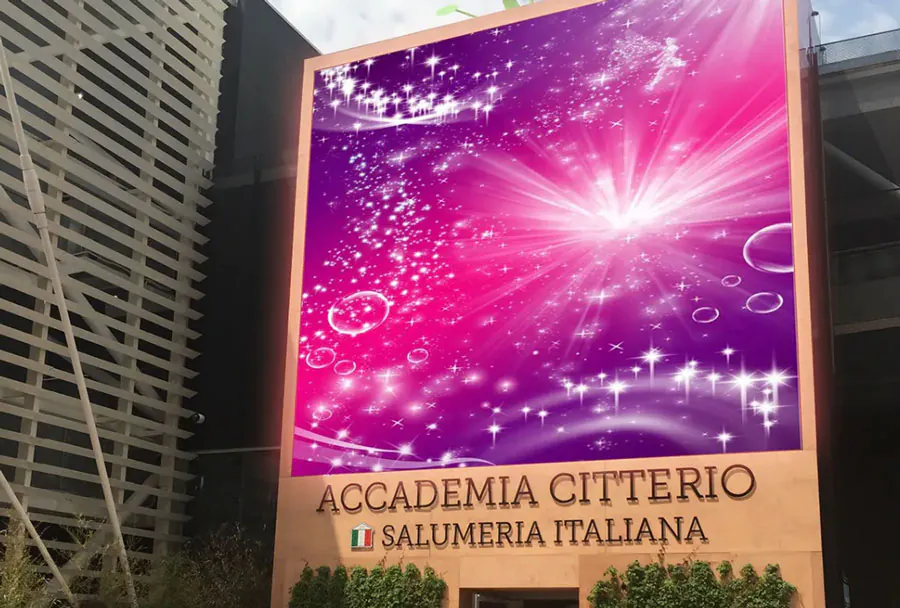
– Temporary billboard (Outdoor): A long-run P10 LED array for roadside advertising requires weatherproofing and secure mounting. Often rented for multi-week campaigns with maintenance visits and power agreements.
– Trade show booth (Indoor): Modular P2.5 LED walls configured as kiosks or product displays; quick assembly and front-service panels are typical to minimize back-of-booth access.
In each scenario, the rental partner’s experience in similar projects dramatically influences the outcome quality and cost-efficiency.
Maintenance, On-site Support, and Troubleshooting
Reliable on-site support is a major reason to choose a professional rental vendor:
– Preventive checks: Vendors should perform pre-event tests—pixel checks, power-on sequences, and color calibration—before dispatch.
– Spare inventory: A healthy rental house maintains spare modules, power supplies, and control units to replace faults quickly.
– Remote monitoring: Advanced systems allow remote error reporting for faster troubleshooting.
– Response SLAs: Ensure the contract specifies technician arrival times for critical failures and replacement procedures for irreparable units.
– Post-event diagnostics: After tear-down, vendors should provide a post-mortem report of any incidents and recommendations for future events.
Choosing the Right Rental Partner
Selecting a rental partner is as important as choosing the hardware:
– Portfolio and references: Request case studies and speak directly with previous clients.
– Stock and variety: A supplier with a broad inventory can scale up and adapt to last-minute changes.
– Technical staff: Confirm certifications for rigging, electrical work, and broadcast-compatible signal engineers.
– Project management: Look for vendors offering end-to-end project management, including permits, logistics, and content coordination.
– Transparent pricing: Insist on itemized quotes that separate equipment, labor, transport, and third-party fees.
– Insurance and liability: Validate insurance coverage and contractual responsibility for damages.
A collaborative vendor will act as a partner—providing technical advice, risk management, and creative solutions tailored to your event goals.
Indoor and outdoor big LED screen rental solutions deliver powerful visual experiences while minimizing capital commitments. A successful rental relies on matching technical specifications to audience needs, planning logistics carefully, budgeting for labor and contingencies, and choosing a rental partner with the right inventory and expertise. Whether the requirement is a high-density indoor video wall for a product launch or a weatherproof, high-brightness outdoor display for a stadium concert, a professional rental solution can provide the right mix of technology and operational support to make your event visually compelling and technically reliable.
When planning your next project, start with a site survey, define the viewing requirements, and request multiple detailed quotes. Pay close attention to pixel pitch versus viewing distance, brightness, redundancy, and the vendor’s SLAs for on-site support. With the right preparation and partner, renting a large LED screen can be a cost-effective way to create memorable, high-impact visuals without the long-term burden of ownership.