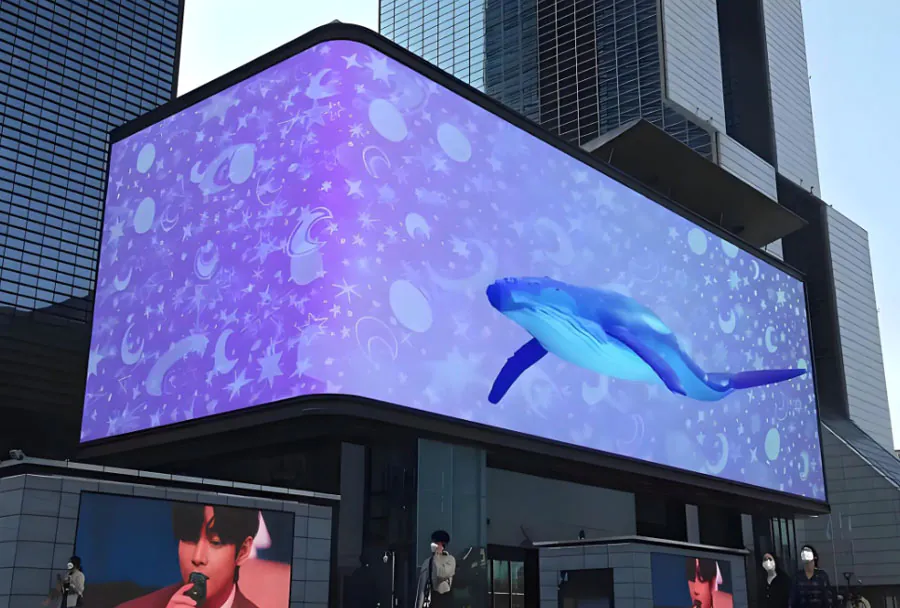
Trusted Providers of Outdoor Rental LED Screen Near You

Outdoor rental led screens are a critical element for live events, advertising campaigns, sports broadcasts, drive-in cinemas, festivals, and corporate activations. When you’re sourcing a screen “near you,” the local proximity is helpful for logistics, but trustworthiness in the provider is what determines a successful outcome. Trusted providers deliver not only high-quality hardware, but also expertise in site assessment, weatherproofing, content management, installation, and contingency planning. This article provides a professional, practical guide to help event planners, marketing managers, AV technicians, and venue operators evaluate, select, and work with reliable outdoor LED screen rental providers in your area.
Market Overview: The Rise of Outdoor Rental LED Screens
Demand and Use Cases
Rental LED screens have grown in popularity because they offer a flexible, scalable, and high-impact visual solution. Typical applications include:
– Concerts and festivals requiring large stage backdrops.
– Sporting events needing scoreboards and replays.
– Trade shows and product launches seeking dynamic presentations.
– Citywide advertising and public information displays.
– Drive-in cinemas and community screenings.
Technology Trends
Key trends affecting the market:
– Higher brightness levels for daylight visibility (≥ 5,500 nits for full sun).
– Tighter pixel pitches (P2.5–P4) for closer viewing distances.
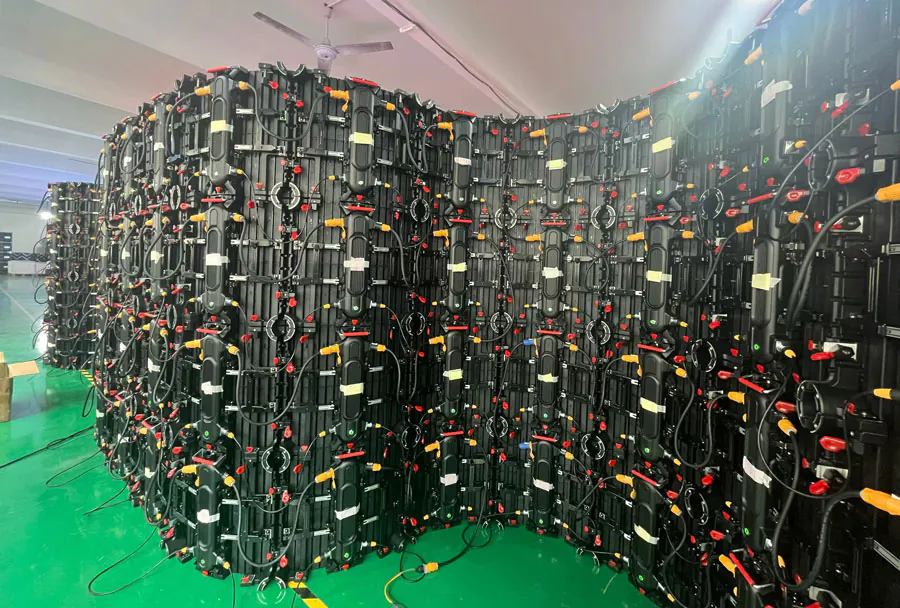
– Lightweight, modular cabinets for faster deployments.
– Integrated control systems with cloud-based content management.
– Improved weatherproofing and IP ratings for extended outdoor durability.
What Makes a Provider Trusted?
1. Proven Equipment Quality
Trusted providers maintain inventory from reputable manufacturers, perform regular maintenance, and can demonstrate uptime metrics and performance history. Look for SKUs and spec sheets that match your event needs: brightness, pixel pitch, refresh rate, and color accuracy.
2. Experienced Technical Team
On-site technicians should be certified in LED panel assembly, power distribution, and signal routing. They should be able to troubleshoot in real time, calibrate color and brightness, and manage redundant systems.
3. Full Service Logistics
Logistics competence includes reliable transport, cranes or rigging for large screens, staging materials, and time-efficient assembly/disassembly. Local providers are advantageous because they can reduce travel costs and respond faster to last-minute changes.
4. Safety, Permits, and Insurance
Trusted providers handle permits, structural load calculations, wind ratings, and insurance certificates. They perform site surveys and submit plans to local authorities when required.
5. Transparent Pricing and Contracts
Clear quotations with itemized line items (equipment, labor, transport, power, insurance) and well-defined terms for cancellations and downtimes signal professionalism.
Key Technical Criteria to Evaluate
Brightness and HDR Capabilities
Outdoor visibility depends on screen brightness measured in nits (cd/m2). For partially shaded outdoor venues, 3,000–5,000 nits may suffice. For direct sunlight, especially on stages or open streets, opt for 5,000–8,000 nits. High Dynamic Range (HDR) support enhances contrast and color depth for video content.
Pixel Pitch and Viewing Distance
Pixel pitch determines the optimal viewing distance. Common outdoor pixel pitches:
– P2.5–P3.9 for event stages where the audience may be closer.
– P4–P6 for medium-range viewing.
– P6–P10 for distant viewing and large-format signage.
Match pixel pitch to audience sightlines; a good rule is viewing distance (meters) ≈ pixel pitch (mm) × 1.5–3.
Weatherproofing and IP Ratings
Outdoor LED cabinets should be rated at least IP65 for protection against dust and water jets. Consider additional protective measures (coverings, wind braces) for prolonged outdoor exposure or extreme weather forecasts.
Power Requirements and Redundancy
Understand power consumption (kW per panel) and ensure the provider includes generators, distribution panels, uninterruptible power supplies (UPS) when necessary. Redundant power and signal paths reduce failure risk.

Signal Processing and Control Systems
Reliable providers use scalable video processors, allow multi-source inputs, and provide remote monitoring. Cloud-based content management simplifies last-minute content updates.
Logistics, Installation, and Safety
Site Survey
A certified provider will conduct a physical or virtual site survey to evaluate access, sightlines, structural supports, power availability, and local regulations. This is the foundation for accurate quotes and risk mitigation.
Rigging and Structural Considerations
Large screens mounted on trusses or towers must be engineered for load-bearing and wind loads. Trustworthy providers use licensed riggers and provide structural calculations for permit approvals.
Timeline and Crew
Confirm assembly and teardown durations, crew size and shift planning. Trusted providers supply a detailed schedule and commitment to turnaround times.
Pricing Models and Contract Elements
Common Pricing Structures
– Flat daily/weekly rental rates for specific screen sizes.
– Itemized quotes: screen, processor, transport, labor, power.
– Package rates including staging and content playback.
– Overtime and expedited service surcharges.
Contracts and SLAs
Key terms to look for:
– Service Level Agreements (uptime guarantees, response times).
– Liability and insurance provisions.
– Change orders and cancellation policies.
– Damages and lost-item clauses.
How to Vet Local Providers: A Practical Checklist
Background & Reputation
– Ask for references and recent case studies.
– Check industry associations and certifications.
– Review online ratings and professional testimonials.
On-Site Capabilities
– Confirm inventory and spare panel availability.
– Visiting a current setup or warehouse is ideal.
– Verify technician certifications and training.
Support & Aftercare
– 24/7 technical support availability.
– Preventive maintenance schedules and warranty terms.
– Post-event reporting and performance data.
Analysis Table: Comparing Local Providers
| Provider | Typical Screen Sizes | Brightness (nits) | Core Services | Reliability Notes |
|---|---|---|---|---|
| LocalPro AV Rentals | 10–40 ft wide (modular) | 3,500–6,000 | Full rigging, on-site techs, content playback | Strong local reputation; quick setup times |
| EventScreen Co. | 5–60 ft, LED truck options | 5,000–8,000 | Mobile LED trucks, permits, power solutions | Good for roadshows; high brightness units |
| Stadium Visuals | 20–100+ ft custom builds | 6,000–10,000 | Structural engineering, large-scale events | Specialized in sports and large festivals |
| FestivalTech | 8–50 ft, quick-assembly frames | 4,000–7,000 | Quick swaps, weatherproofing, standby crew | Strong contingency planning for festivals |
| CitySign Rentals | 6–30 ft, signage-focused options | 3,000–5,500 | Advertising rentals, content scheduling | Great for municipal campaigns and daytime ads |
Note: Table entries are illustrative examples of the type of offerings you’ll encounter locally. Always request current inventory lists and certifications from the actual provider you plan to hire.
Case Studies: Trusted Providers in Action
Case Study A — City Summer Concert Series
A mid-sized municipality contracted a local trusted provider for a weekly outdoor concert series. The provider delivered a 20 ft modular LED wall with 5,500 nits brightness and a P4 pixel pitch. Key success factors included timely site surveys, municipal permit submission, and 24/7 standby technicians. The result: uninterrupted live broadcast feeds, excellent daylight visibility, and no downtime across the 10-week run.

Case Study B — Corporate Product Launch
A corporate launch required a high-definition product reveal at an outdoor plaza. The trusted provider recommended a P2.9 screen at 12 ft width with calibrated color profiles to match the brand’s video. They provided an on-site content operator to synchronize lighting and video playback. Outcome: crisp product visuals within close-range viewing; client satisfaction and repeated bookings.
Common Pitfalls and How Trusted Providers Avoid Them
Pitfall: Underrated Brightness
Problem: Screen washed out in daylight. Trusted providers pre-test brightness requirements and provide contingency shading or higher-nit panels.
Pitfall: Power Shortages
Problem: Local power grid unable to handle load. Trusted providers include generator options and staged power distribution plans.
Pitfall: Rigging Failures
Problem: Wind or structural failure. Trusted providers use certified riggers, wind-rated equipment, and perform structural load calculations.
Questions to Ask Prospective Providers
– Can I see recent case studies for events similar to mine?
– What is the exact screen model, pixel pitch, and brightness you will provide?
– Do you provide a written Service Level Agreement and uptime guarantee?
– How do you handle weather-related cancellations or delays?
– What is your response time for technical issues on-site?
– Can you provide insurance certificates, rigging certifications, and permits?
– What is the contingency plan for equipment failure?
Checklist Before Booking
– Verify the provider’s local license and insurance.
– Schedule or review a site survey.
– Confirm power, delivery access, and installation timeline.
– Get a detailed line-item quote and SLA.
– Request a list of spare parts and redundancy measures.
– Confirm the technician roster and contact points for event day.
Emerging Considerations: Sustainability and Lifecycle Management
Trusted providers are increasingly focused on sustainability—using energy-efficient LED modules, recycling end-of-life components, and optimizing transport to reduce emissions. Ask providers about:
– Energy consumption per square meter.
– Recycling and disposal policies for panels and electronics.
– Use of LED trucks and consolidated logistics to limit transportation impact.
Frequently Asked Questions
Q: How early should I book a trusted provider?
A: For peak seasons or large-scale events, book 2–6 months in advance. For smaller events, 4–8 weeks may suffice. Last-minute bookings can incur premium rates and limited availability.
Q: Is there a difference between LED trucks and modular screens?
A: Yes. LED trucks are mobile, fast to deploy, and great for roadshows; modular screens offer more flexibility in size and aspect ratios and might be cost-effective for stationary large-format requirements.
Q: How do I know if brightness is adequate?
A: Trusted providers will calculate the required nits based on ambient light, viewing angles, and screen orientation. They often provide sample footage or on-site mockups where possible.
Partnering with Trusted Local Providers
Choosing trusted providers of outdoor rental LED screens near you is more than sourcing hardware—it’s about partnering with a team that brings engineering, logistics, safety, and creative execution to your event. The most reliable providers combine high-quality equipment with rigorous processes: careful site surveys, certified rigging, clear contracts, standby technical teams, and transparent pricing.
When evaluating providers locally, prioritize:
– Demonstrable experience and local knowledge.
– Clear technical specifications and redundancy planning.
– Full-service logistics, permits, and safety adherence.
– Swift, responsive support and clear contractual protections.
By following the technical criteria, vetting steps, and checklist outlined here, you’ll be well-equipped to select a trusted provider who can deliver a visually compelling, safe, and reliable outdoor LED experience for your audience.