Professional LED Screen Rental Services in Los Angeles

Los Angeles is a visually driven city where live events, corporate presentations, concerts, film premieres, trade shows, and outdoor festivals demand the highest-quality visual displays. Professional LED screen rental services in Los Angeles provide event planners, production companies, and brands with scalable, high-resolution display solutions without the capital expense of purchase. From Times Square–style outdoor billboards to intimate indoor stage backdrops, the right LED rental partner ensures your content looks crisp, color-accurate, and impactful in any light condition.
This article covers everything you need to know about renting LED screens in Los Angeles: types of screens, technical specifications, service offerings, planning and logistics, permitting and regulations, pricing models, vendor selection, and real-world considerations to ensure a successful event.
Understanding LED Screen Types and When to Use Them
indoor led displays
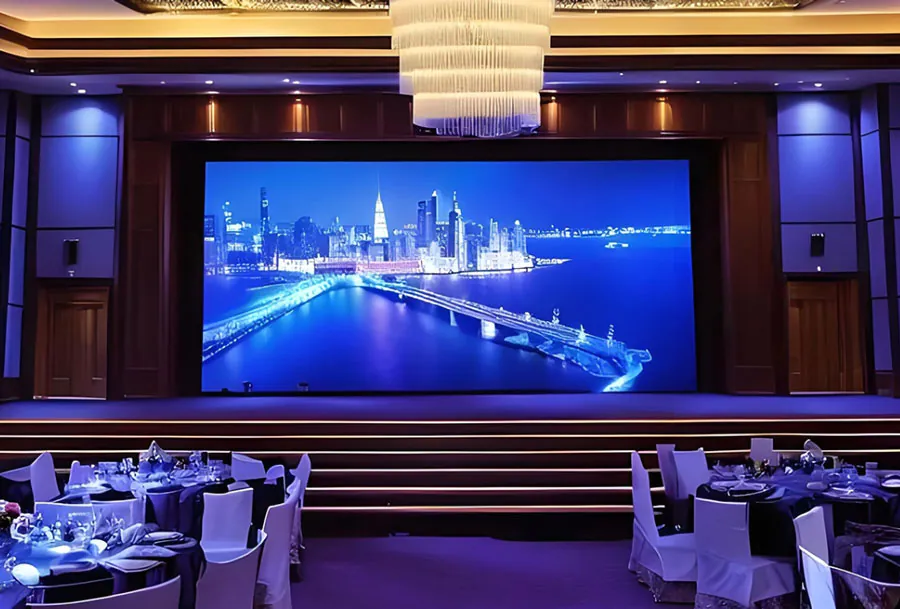
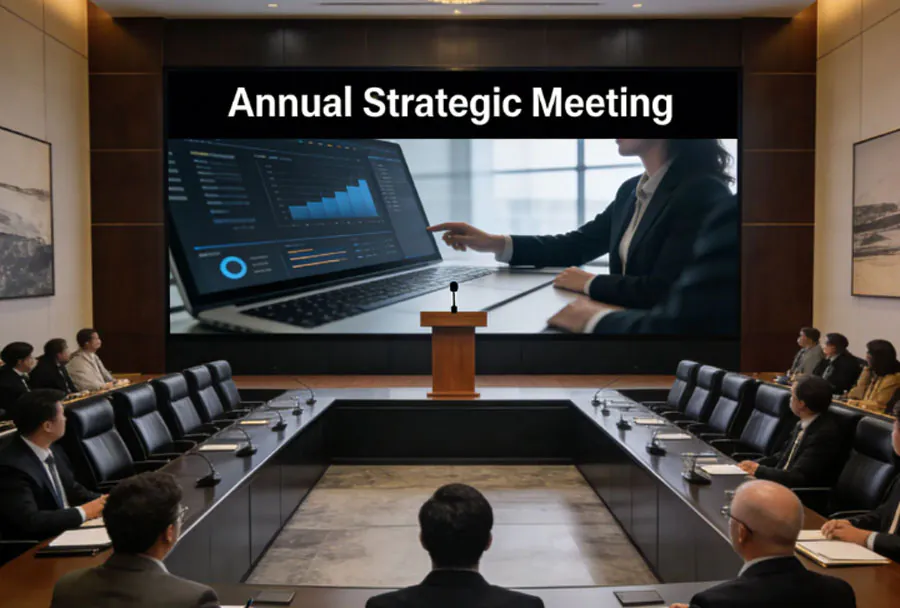
Indoor LED displays are typically optimized for close viewing distances. They feature smaller pixel pitches (P1.2–P2.9) for high pixel density, superior color depth, and high refresh rates suitable for corporate events, trade shows, and broadcast environments. Indoor cabinets are lighter and easier to rig or ground-stack.
Outdoor LED Displays
Outdoor screens are designed to withstand weather and deliver high brightness levels (5,000+ nits) so content remains visible in direct sunlight. Pixel pitches are usually larger (P3–P10) because viewing distances are longer. Outdoor cabinets are ruggedized, weatherproof, and equipped with high-efficiency cooling systems.
Transparent and Fine-Pitch LED
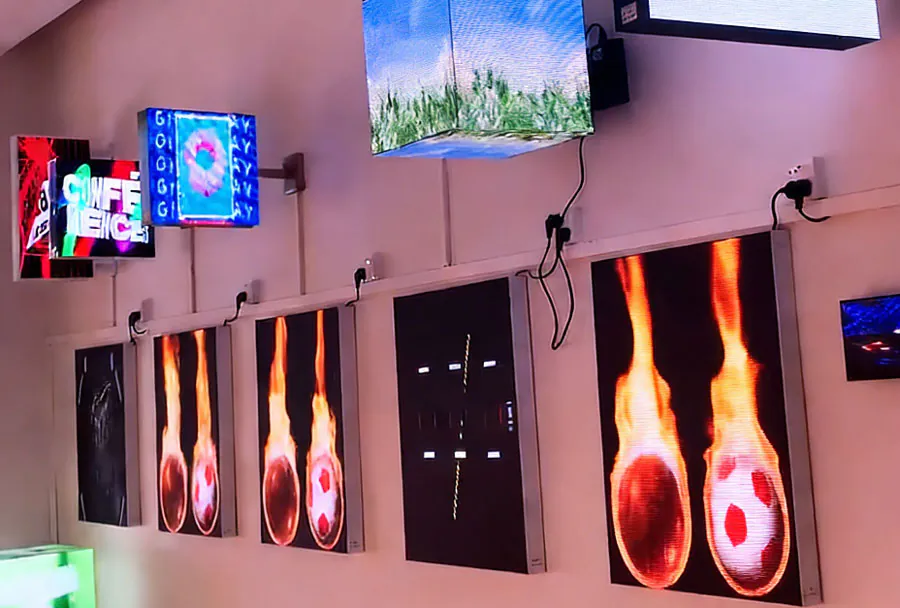
Transparent LED panels are ideal for storefronts and glass facades where see-through capability is important. Fine-pitch LED (P0.9–P1.8) offers close-up viewing for luxury retail or broadcast sets but entails higher costs and careful installation.
Key Technical Considerations
Renting an LED screen isn’t just about size — technical choices affect audience experience and overall success.
Pixel Pitch and Viewing Distance
Pixel pitch (measured in millimeters, e.g., P3) defines the distance between pixel centers. The smaller the pitch, the higher the resolution and the closer the audience can be without seeing pixelation. A common rule of thumb: optimal viewing distance in meters ≈ pixel pitch (mm) × 1.5–3 (converted to meters). For example, P4 is ideal for audiences 6–12 meters away.
Brightness and Ambient Light
Brightness is critical for outdoor daytime events or venues with large windows. Outdoor screens often exceed 5,000 nits, while indoor screens typically operate in the 800–1,500 nits range. Achieve legibility by matching screen brightness to ambient light.
Refresh Rate and Camera Compatibility
High refresh rates (≥3,840 Hz for professional LED) are essential for camera filming to avoid flicker. If your event is being recorded or broadcast, confirm the rental unit’s refresh rate and scan capabilities.
Resolution and Aspect Ratio
Work backward from your content’s native resolution. Avoid severe scaling that can introduce artifacts. Modern LED rentals support custom aspect ratios and seamless multi-screen configurations.
Service Offerings from Los Angeles Rental Companies
Design and Content Consultation
Top providers don’t just deliver hardware; they advise on screen dimensions, sightlines, content formatting, and motion design to maximize impact. They can mock up 3D visualizations and run content tests.
Turnkey Rentals
Turnkey packages include delivery, rigging, power distribution, playback systems, on-site technicians, and breakdown. For complex events, opt for full-service rentals to avoid last-minute technical risks.
Staging, Trussing, and Structural Engineering
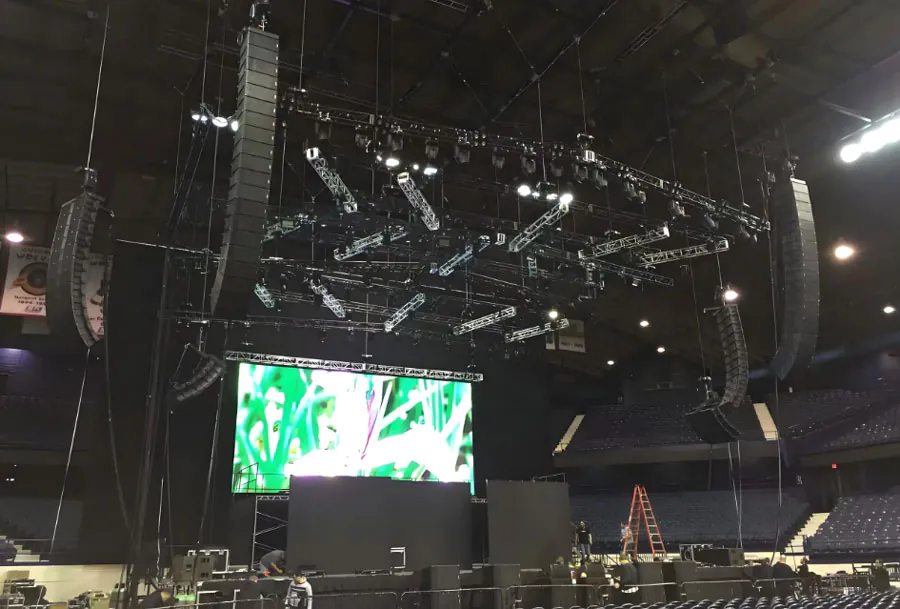
Large outdoor installations require trussing, ballast calculations, and sometimes engineering sign-off. Experienced vendors coordinate with riggers and abide by Los Angeles Department of Building and Safety requirements.
Video Processing and Playback
Providers supply media servers, scalers, and switchers to manage multiple inputs, edge blending, and synchronized playback across screens. They also provide redundancy and failover workflows.
On-site Technicians and Monitoring
Live events require real-time monitoring. Reputable rental companies staff experienced technicians during load-in, runtime, and load-out to handle calibration, color matching, and emergency troubleshooting.

Planning and Logistics for Los Angeles Events
Lead Times and Availability
LA’s vibrant event calendar means peak seasons (film premieres, awards season, summer festivals) book up quickly. Start inquiries at least 6–10 weeks in advance for large or custom builds; smaller indoor rentals can often be arranged in 1–3 weeks.
Site Surveys and Load Plans
A site survey (in-person or detailed photos/floor plans) allows vendors to create accurate load plans, rigging diagrams, and cable runs. For rooftop or fa?ade installs, structural reviews are mandatory.
Delivery Windows and Traffic Considerations
Factor in LA traffic, parking permits, and loading zone logistics. Night or early-morning deliveries can avoid congestion but may require additional labor costs.
Permits, Regulations, and Safety in Los Angeles
City Permits and Street Use
Outdoor displays and street-level setups may require permits from the Los Angeles Department of Transportation (LADOT) and possibly street use permits. Temporary structures often need inspection and approval.
Electrical Codes and Power Management
All power distribution should meet the National Electrical Code and local LA regulations. Rental companies typically provide certified electricians for high-capacity feeds, distro, and emergency power solutions.
Insurance and Liability
Ensure your rental contract includes proof of insurance, and that both renter and vendor’s liabilities are clear. For large public events, additional event liability insurance may be required by venue owners or the city.
Pricing Models and Cost Drivers
Pricing varies widely based on screen type, size, duration, services included, and time of year. Typical pricing models include:
– Daily rental rate: Common for single-day events; includes screen cabinets and basic accessories.
– Package rate: Turnkey packages that include rigging, tech labor, and playback.
– Production day rates: For multi-day builds, there are separate line items for labor, delivery, and storage.
Key cost drivers: pixel pitch, screen size, outdoor brightness capability, shipping distance, crane or rigging equipment, labor hours, and permit or engineering fees.
Analysis Table: Common LED Options for Los Angeles Events
| Screen Type | Typical Pixel Pitch | Optimal Viewing Distance | Brightness (nits) | Typical Rental Rate (per day) |
|---|---|---|---|---|
| Indoor Fine-Pitch LED | P0.9–P1.8 | 1–5 meters | 800–1,200 | $1,500–$5,000 |
| Indoor Standard LED | P2.5–P3.9 | 3–10 meters | 1,000–1,500 | $800–$2,500 |
| Outdoor Daylight LED | P3–P6 | 6–20 meters | 5,000–7,000+ | $2,500–$10,000 |
| Outdoor Large-Format Billboard | P6–P10 | 20+ meters | 6,000–10,000 | $5,000–$20,000 |
| Transparent/Fa?ade LED | P2.9–P6 | 5–25 meters | 2,000–6,000 | $3,000–$12,000 |
Notes: Rates are indicative and vary by provider, season, and included services. Always request detailed quotes with line-item breakdowns.
How to Choose the Right Vendor in Los Angeles
Check Equipment Quality and Age
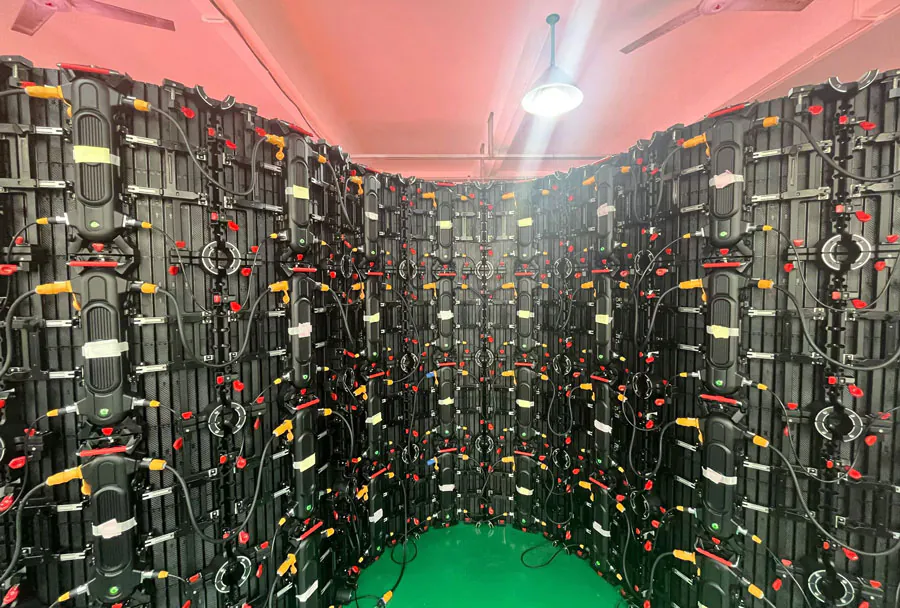
Ask about cabinet models, LED brand, module replacement history, and maintenance logs. Newer equipment typically means better color uniformity and fewer failures.
Request Case Studies and References
A vendor who has executed similar LA events — parks, rooftops, arenas — will better anticipate local permitting and logistical hurdles. Ask for references and recent project photos.
Confirm On-site Staffing and Technical Expertise
Ensure technicians are trained on the specific equipment and can work with your media playback chain. Request a run-of-show plan and staffing levels for load-in, runtime, and load-out.
Validate Redundancy and Backup Plans
Inquire about spare modules, backup media servers, and contingencies for equipment failure. For critical events, redundant systems should be included.
Compare Contracts Carefully
Look for clear terms on damage waivers, hold-harmless clauses, cancellation policies, and overtime rates. Understand which party is responsible for permits, inspections, and utility costs.

Content and Creative Considerations
Design for Pixel Pitch and Viewing Distance
Create content optimized for the screen’s pixel pitch. Avoid fine text for large outdoor screens and ensure high-resolution assets for fine-pitch indoor LEDs. Use safe areas and test content at full scale.
Color Management and Calibration
LED screens vary in color profile. Request calibration services and review test patterns prior to the event. For multi-screen setups, color-matching between panels is crucial.
Motion, Frame Rates, and Bandwidth
High-motion graphics require high refresh rates to avoid blur. Also consider media server bandwidth; uncompressed or high-bitrate codecs improve quality but need robust playback hardware.
Installation, Operation, and Maintenance Best Practices
Rigging and Structural Safety
Use certified riggers and inspect truss points and anchor systems. For rooftop or hanging installations, obtain structural approval if required by venue or local code.
Power Distribution and Cooling
Plan power feeds with certified electricians. Ensure adequate ventilation and cooling for outdoor cabinets; thermal throttling can reduce brightness and performance.
Real-time Monitoring and Support
Have remote and on-site monitoring for pixel failures, temperature, and power anomalies. A dedicated technician during the event reduces risk and speeds troubleshooting.
Case Studies: Successful Los Angeles Deployments
Music Festival Stage Backdrop
A large LA music festival used a 30m x 8m outdoor LED wall (P6) as the main stage backdrop. The vendor provided wind-rated rigging, a redundant media server with SMPTE timecode synchronization, and on-site technicians. High brightness ensured clear visibility even during daytime sets. The result: improved audience engagement and better broadcast feeds.
Corporate Product Launch in a Downtown Venue
An automotive brand launched a new vehicle in a downtown LA loft with a 12m x 3m indoor fine-pitch LED (P1.9). The rental included content scaling, live camera feeds integrated into the playback system, and color calibration for close-up shots used in the press kit. The LED enabled immersive visuals while maintaining photo- and video-ready fidelity.
Frequently Asked Questions
Do I need a building or street permit for an outdoor screen?
Often yes — especially if you occupy public right-of-way, use street closures, or install a temporary structure. Check with LADOT and the Department of Building and Safety.
How much power do LED walls use?
Power varies with screen size, pixel pitch, and brightness. As a rule of thumb, expect 200–600 watts per square meter on average, with peak draws higher during bright content. Always plan for 30–40% headroom.
How early should the screen be installed before the event?
For large builds, allow 1–3 days for installation and testing. Smaller indoor setups might be installed the same day. Account for rehearsals and content testing.
Final Checklist for a Smooth Rental Experience
– Define audience size and viewing distances to select pixel pitch.
– Verify brightness and refresh rate for ambient conditions and camera use.
– Request turnkey quotes including delivery, rigging, labor, and permits.
– Conduct a site survey and obtain all necessary permits early.
– Confirm on-site technicians, spare modules, and backup media servers.
– Test full content playback at scale before event day.
– Ensure insurance and liability coverage are in place.
Maximize Impact with the Right LED Rental Partner
Professional LED screen rental services in Los Angeles combine technical expertise, logistical know-how, and creative consultation to make your event stand out. Whether you’re producing a multi-day festival, a branded experiential activation, or a broadcasted corporate presentation, choosing a vendor who understands local regulations, provides robust support, and offers the right technology for your needs is essential. Start planning early, prioritize high-quality equipment and staffing, and coordinate closely on content and permitting — then your LED display will be a powerful visual asset that elevates your event.