TW VISION Affordable Giant LED Screen Rental for Trade Shows

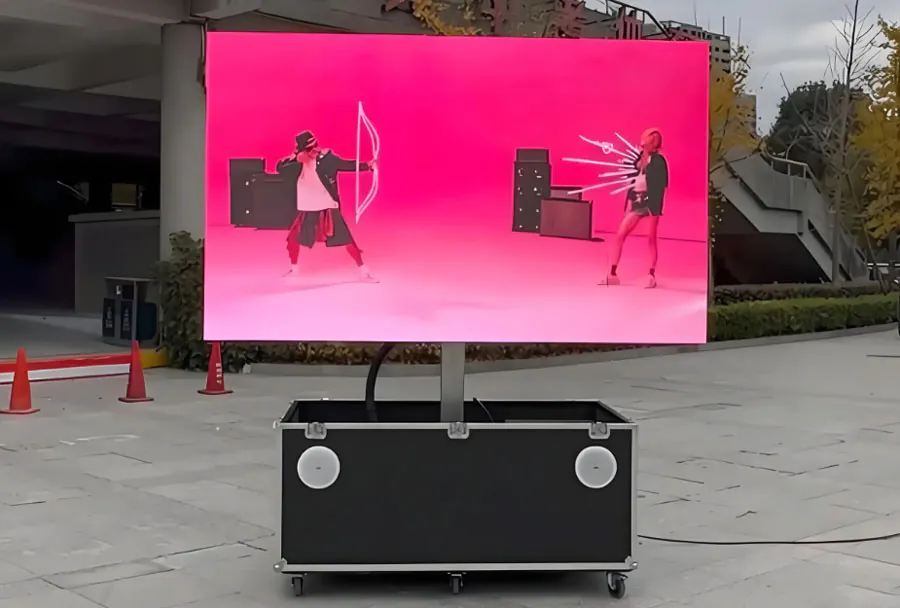
Trade shows are high-stakes environments where brands compete for attention in a single crowded hall. Visual impact is often the deciding factor: attendees are drawn to bright, motion-rich displays that clearly present product benefits, demos, and live content. TW VISION’s Affordable Giant LED Screen Rental for Trade Shows is designed to deliver that impact without the capital expense and logistical headaches of purchasing and transporting permanent LED walls. This article presents a professional, practical guide to using TW VISION’s giant LED screen rental service, including technical specifications, planning advice, an analysis table, cost considerations, and operational best practices.
Why Rent a Giant LED Screen for a Trade Show?
Renting an LED screen maximizes flexibility and minimizes risk. For exhibitors, advantages include:
– Immediate visual impact: Giant LED screens offer superior brightness, contrast, and motion clarity compared with projectors or standard monitors.
– Cost efficiency: Rental converts capital expenditures into controlled operational expenditures. You pay for what you need—when you need it.
– Technical support: TW VISION typically includes on-site setup, calibration, and teardown, which reduces staffing and expertise requirements for exhibitors.
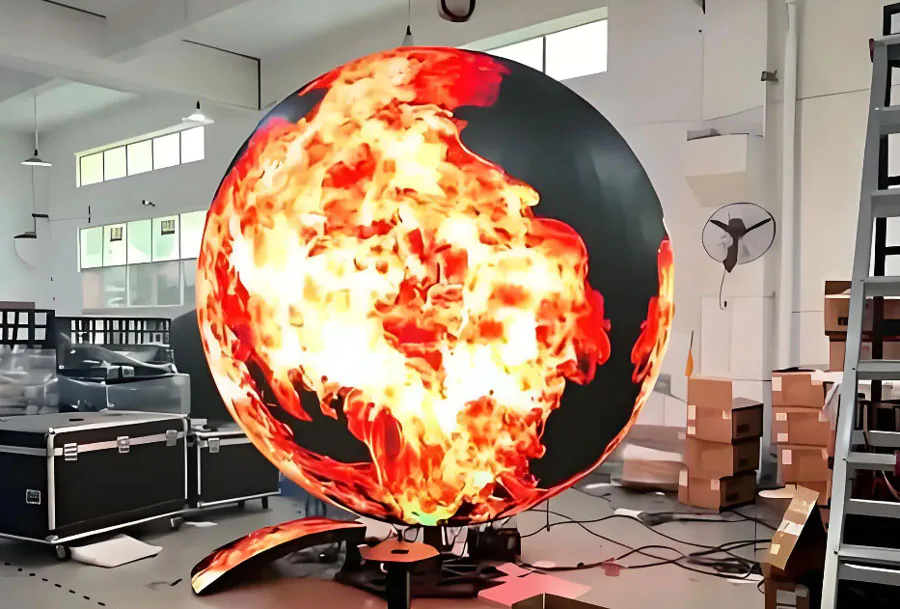
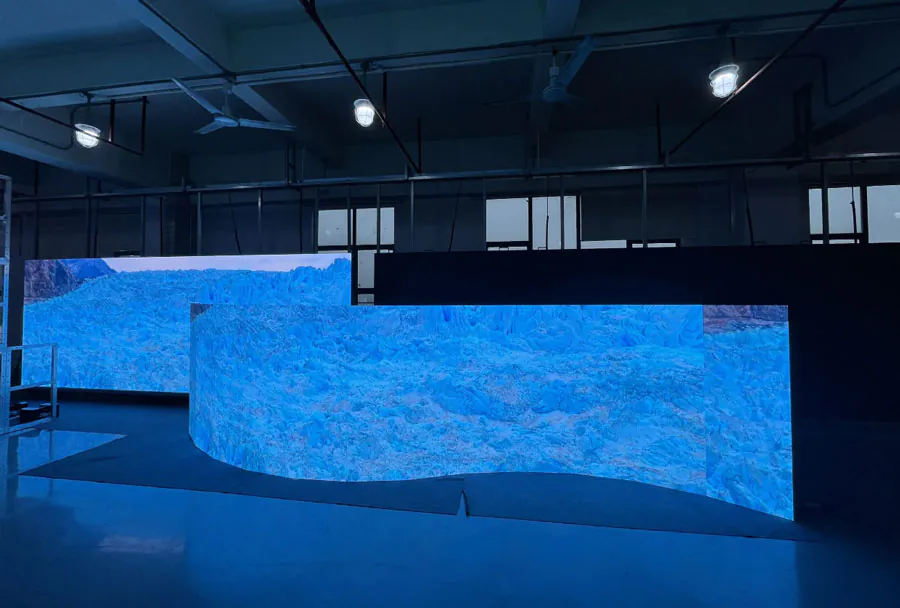
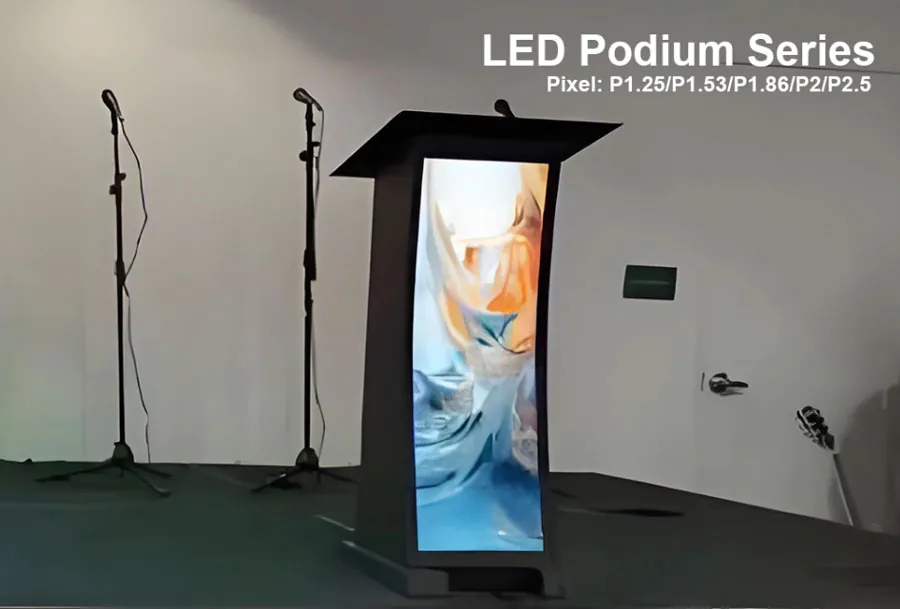
– Scalability and customization: Modular LED panels allow custom aspect ratios, curved or flat installations, and integration with stage elements.
– Reliability in varied environments: LED screens maintain brightness in bright halls and support long, continuous running times.
TW VISION Service Highlights
TW VISION’s offering focuses on trade-show-ready configurations. Key service highlights include:
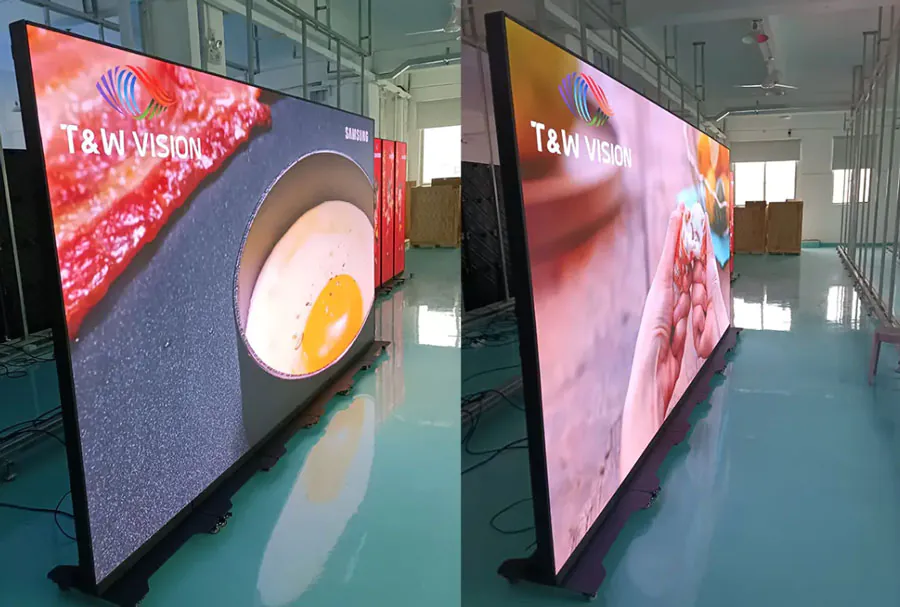
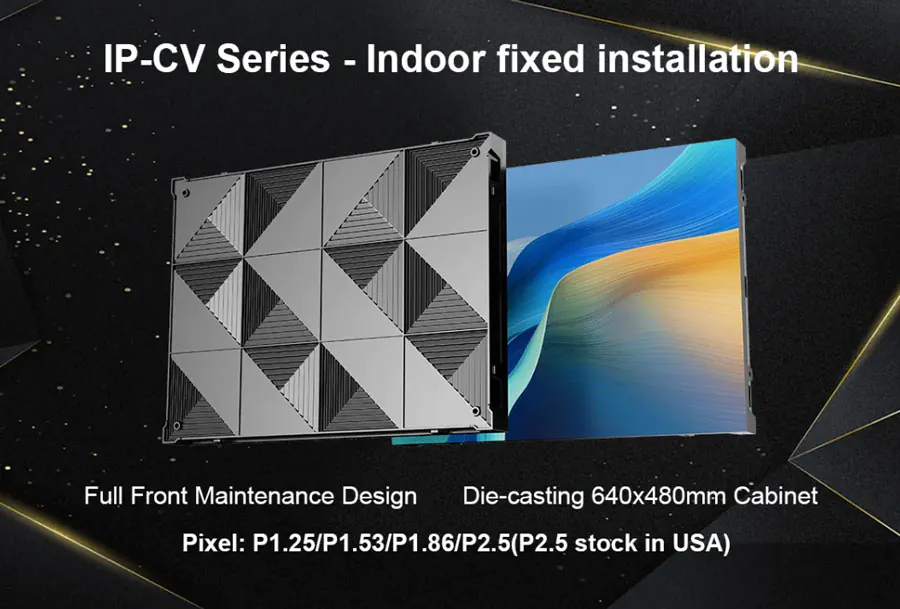
– Modular cabinet systems for rapid installation and flexible sizing.
– Pixel pitches optimized for the typical trade show viewing distance, from P2.6 to P6.9.
– High brightness (typically 1000–6000 nits) to overcome venue lighting.
– Integrated control systems for live inputs, playback, and remote management.
– On-site AV technicians, rigging, and safety-certified hardware.
– Logistics support: transport, insurance options, and venue coordination.
Technical Considerations: What to Specify
To get the most out of TW VISION’s rental service, specify the following early:
– Screen size and aspect ratio: Determine visibility zones and desired content framing.
– Pixel pitch: Choose based on closest expected viewer distance. Finer pitches like P2.6 are great for close-up viewing; coarser pitches (P4.8–P6.9) work for larger distances.
– Brightness and HDR capability: For well-lit halls, higher nits and dynamic range prevent washed-out content.
– Input sources and switching: Confirm HDMI/SDI/DP options, media server compatibility, and live feed requirements.
– Mounting and rigging constraints: Booth size, weight capacity, and venue regulations.
– Power and backup: Confirm available circuits and surge protection.
– On-site technical support window: Setup time, run-time monitoring, and teardown schedule.
Analysis Table — LED Screen Options and Estimated Rental Costs
| Screen Size (W x H) | Pixel Pitch | Brightness (nits) | Ideal Viewing Distance | Estimated Rental Cost (Per Day) |
|---|---|---|---|---|
| 3m x 2m (9.8′ x 6.6′) | P2.6 — P4.8 | 1200–2500 | 3–10 ft (1–3 m) | $800 — $1,400 |
| 6m x 3m (19.7′ x 9.8′) | P2.6 — P4.8 | 1500–3000 | 6–20 ft (2–6 m) | $1,800 — $3,200 |
| 9m x 4m (29.5′ x 13.1′) | P3.9 — P6.9 | 2000–4000 | 10–30 ft (3–9 m) | $3,200 — $5,600 |
| 12m x 6m (39.4′ x 19.7′) | P4.8 — P6.9 | 2500–5000 | 15–50 ft (5–15 m) | $5,500 — $9,000 |
| Custom Mosaic / Curved | Varies (P2.6–P6.9) | 1500–6000 | Depends on design | Contact TW VISION for quote |
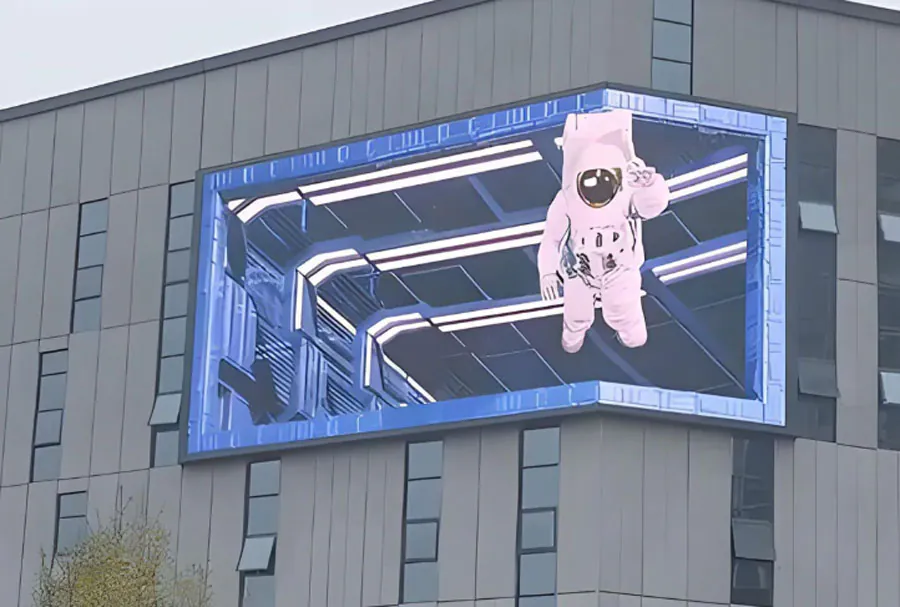
Note: The cost ranges include typical delivery, setup, basic on-site tech support, and teardown for single-day to multi-day events. Final quotes vary by location, labor requirements, rigging complexity, and insurance.
Designing Content for Giant LED Screens
Great hardware is only half the story—content must be designed to match the screen’s capabilities and the event’s viewing dynamics.
Content best practices:
– Resolution and aspect ratio: Request the final pixel resolution from TW VISION. Produce master files or playlists at that resolution to avoid scaling artifacts.
– Motion and contrast: Big screens favor bold motion and large text. Avoid small fonts or complicated graphics that get lost at distance.
– Color grading and brightness: Grade content with display preview in high brightness to avoid washed-out visuals. Ensure safe areas for logos and call-to-action elements.
– Looping vs. live: For product demos, consider a mix of looping promotional content and scheduled live demos or presenter feeds to maintain engagement.
– Audio synchronization: If using synced audio, confirm speaker placement and delay compensation with TW VISION’s AV team.
– Accessibility: Use high-contrast color combinations and leave sufficient still frames for attendees to read key messages.
Logistics, Timeline, and Coordination
Successful LED screen deployment requires coordination weeks before the event:
– Site survey: TW VISION will request booth dimensions, floor loading, ceiling height, and any venue restrictions. Early site diagrams help avoid surprises.
– Shipping and customs: If the event is international, allocate time for customs clearance and insurances. TW VISION often manages customs paperwork for you.
– Power and networking: Reserve dedicated power circuits and confirm whether venue power is single- or three-phase. Ensure network requirements for content playback or live inputs.
– Installation window: Confirm the exhibitor move-in schedule. Most trade shows impose strict build windows; late builds may incur overtime.
– Rehearsal and tuning: Schedule a tech rehearsal to calibrate color, set up input switching, and test failover workflows.
– Teardown and removal: Coordinate teardown times to avoid penalties. TW VISION’s crew typically handles teardown but may require access windows.
On-Site Support and Risk Mitigation
TW VISION’s support options can significantly reduce exhibitor risk:
– On-site technicians: Technicians manage setup, calibration, live switching, and troubleshooting.
– Spare modules and redundancy: For multi-panel builds, keeping spare modules on hand reduces the risk of visible failures.
– Insurance and liability: Confirm insurance coverage for damage during installation, exhibition, and teardown. TW VISION can advise on options.
– Safety compliance: Rigging hardware should be certified, with engineer sign-off for hanging structures. TW VISION adheres to local safety codes and can provide documentation.
Return on Investment (ROI) Considerations
Quantifying ROI for a rented giant LED screen means measuring both tangible and intangible benefits:
– Lead generation uplift: Higher booth attendance typically correlates with increased qualified leads. Track leads per hour during screen-driven demos vs. other periods.
– Brand recall: Visual impressions from large displays improve brand recall and social media sharing.
– Cost avoidance: Compare rental cost to purchase, transport, storage, and depreciation for owning an LED wall.
– Engagement metrics: Use content analytics (QR scan rates, view duration, on-screen CTA interactions) to measure direct engagement.
– Multi-event strategy: If you exhibit frequently but vary booth sizes, renting lets you scale hardware to each show, preserving budget and improving consistency.
Sample ROI scenario:
– A mid-sized exhibitor rents a 6m x 3m LED for $2,500 per event. If the screen increases qualified leads by 30 (at an estimated $300 lifetime value per lead), that’s $9,000 in pipeline — a 3.6x multiple on the rental cost. Add factors like social amplification and improved conversion rates for an even stronger case.
Case Studies and Use Cases
– Product Launch: A consumer electronics company used a 9m x 4m LED wall to run a live product demonstration loop, interspersed with presenter-led live Q&A. The visual clarity of close-up demos and real-time graphics increased demo sign-ups by 45%.
– Corporate Branding: A financial services exhibitor employed a curved custom mosaic to create an immersive brand space. The unique shape drew organic traffic and improved booth dwell time by 60%.
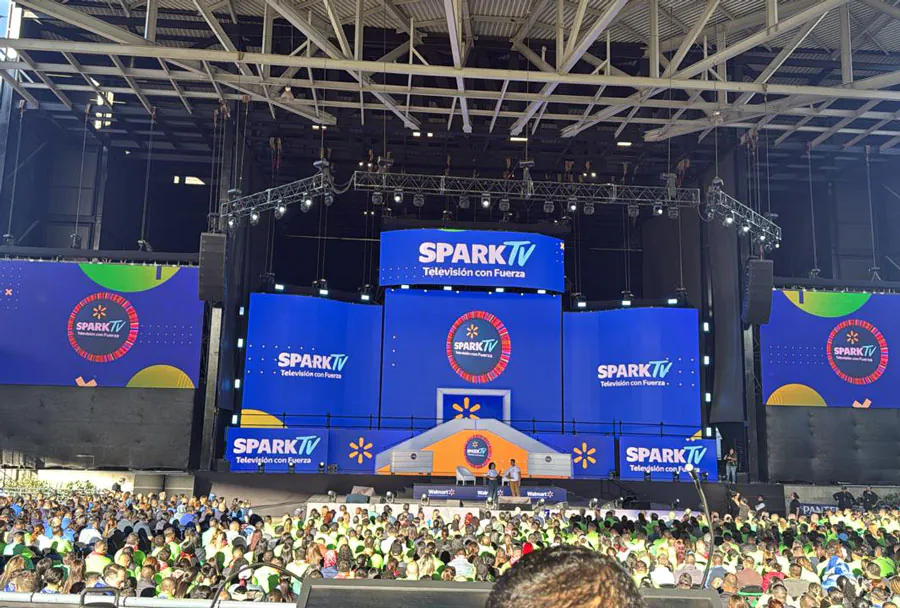
– Live Streaming & Hybrid Events: An industrial company relied on TW VISION’s integrated SDI/NDI switching to feed live interviews and remote presenters to both the trade show floor and an online audience, expanding reach while maintaining on-floor engagement.

Common Pitfalls and How to Avoid Them
– Underestimating pixel pitch: Too coarse a pixel pitch yields visible dot structure for close visitors. Match pixel pitch to your closest viewing distance.
– Ignoring ambient brightness: Bright exhibition halls can wash out content. Specify higher nits and strong contrast to compensate.
– Late content delivery: Provide content in the final resolution with ample lead time for testing and color calibration.
– Not coordinating with the venue: Assume the venue has restrictions on rigging, power, and noise; confirm early.
Checklist: Working with TW VISION
– Confirm booth dimensions and sightlines.
– Define desired screen size, aspect ratio, and pixel pitch.
– Secure power and network requirements with the venue.
– Provide final content in native resolution at least 7–10 days prior to the event.
– Book setup and rehearsal time with TW VISION’s tech team.
– Arrange insurance and safety documentation if required by the venue.
– Plan for teardown and post-event logistics.
Final Recommendations
For exhibitors seeking maximum impact, TW VISION’s Affordable Giant LED Screen Rental for Trade Shows offers a compelling blend of performance, flexibility, and professional support. The right choice depends on viewing distance, content strategy, and budget. Prioritize these three things when planning:
1. Content-first approach: Build content to the screen rather than retrofitting screens to old assets.
2. Early coordination: Lock in technical requirements, site surveys, and rehearsals well in advance.
3. Professional support: Use TW VISION’s on-site services to minimize technical risk and ensure visual consistency.
Deploying a giant LED screen through TW VISION can transform a trade show presence from ordinary to unforgettable. By aligning screen specifications with content design, coordinating logistics early, and leveraging TW VISION’s technical expertise, exhibitors can maximize engagement, generate higher-quality leads, and produce measurable ROI. Whether you need a compact high-resolution wall for close-up demos or a massive, stage-filling mosaic for keynote presentations, renting a TW VISION LED wall is a strategic and financially sensible way to command attention on the show floor.