

Commercial LED Display: 10 Best for Modern Business Growth

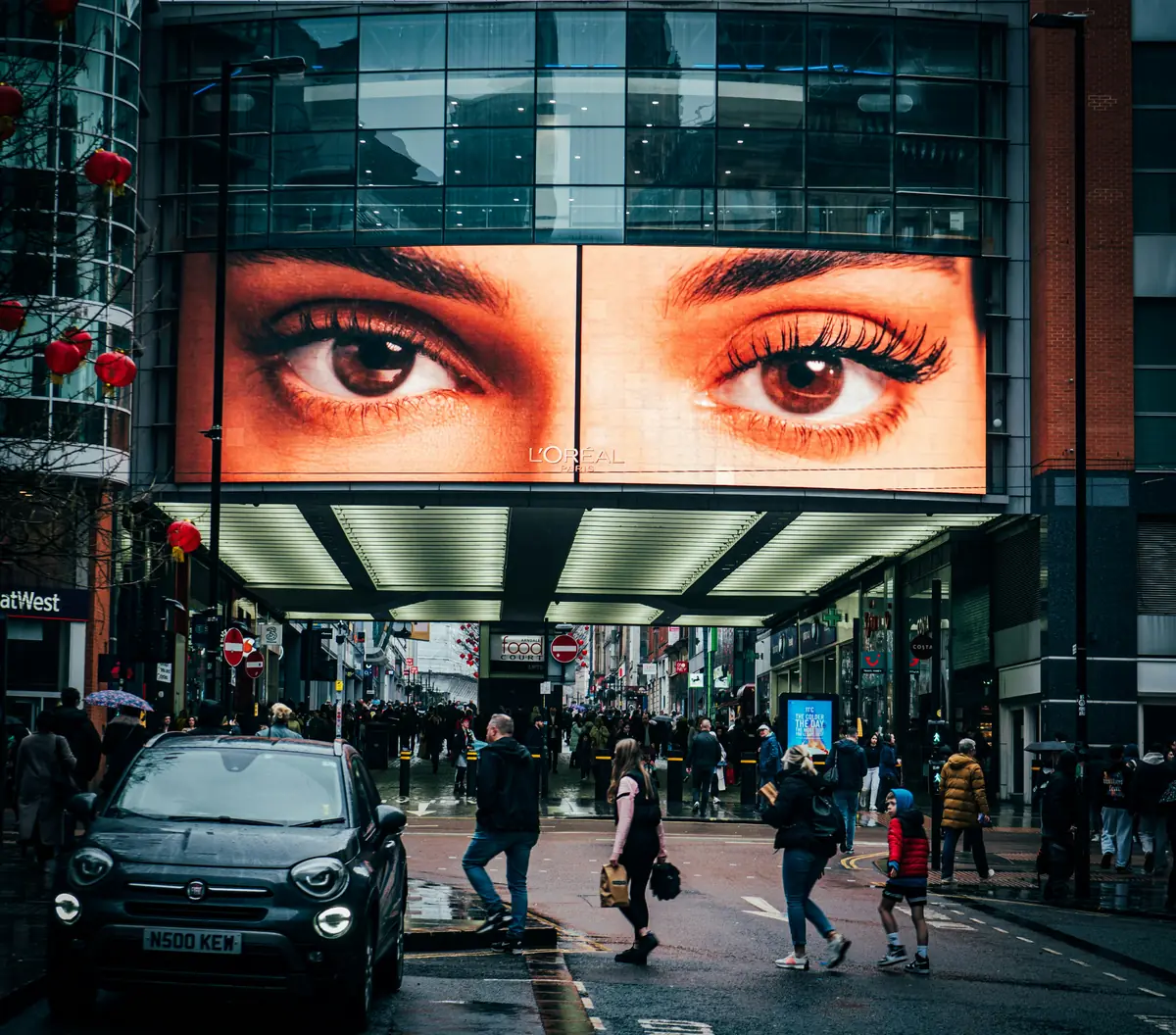
A Commercial LED display is now one of the most effective tools for businesses that need to communicate clearly, attract attention, and adapt messaging in real time. From retail storefronts and shopping malls to transportation hubs, corporate campuses, and event venues, LED displays deliver bright, flexible visual communication that static signage cannot match. They can showcase promotions, live data, branding, wayfinding, and immersive content with strong visibility in indoor and outdoor environments. As buyer expectations and content strategies evolve, the role of the LED display has expanded from simple advertising into a core part of customer engagement and operational communication. This article explains the main types, planning factors, installation considerations, content strategy, and long-term value of LED display systems.
TW VISION has LED screen stock in Atlanta, USA. Welcome to inquire.
Table of Contents
- What Is a Commercial LED Display?
- Key Benefits for Businesses
- Types and Use Cases
- Planning, Installation, and Content Strategy
- Cost, Maintenance, and Return on Investment
- FAQ
- How long does a commercial LED display last?
- Is a commercial LED display suitable for outdoor use?
- What content works best on a commercial LED display?
- How do I choose the right pixel pitch?
- Can one commercial LED display support multiple locations?
- Conclusion
What Is a Commercial LED Display?
A Commercial LED display is a digital visual display built for professional and public-facing use. It uses light-emitting diodes to produce images, video, and motion graphics with high brightness and durable performance. Unlike consumer screens, commercial systems are designed for continuous operation, larger formats, flexible configurations, and challenging lighting conditions.
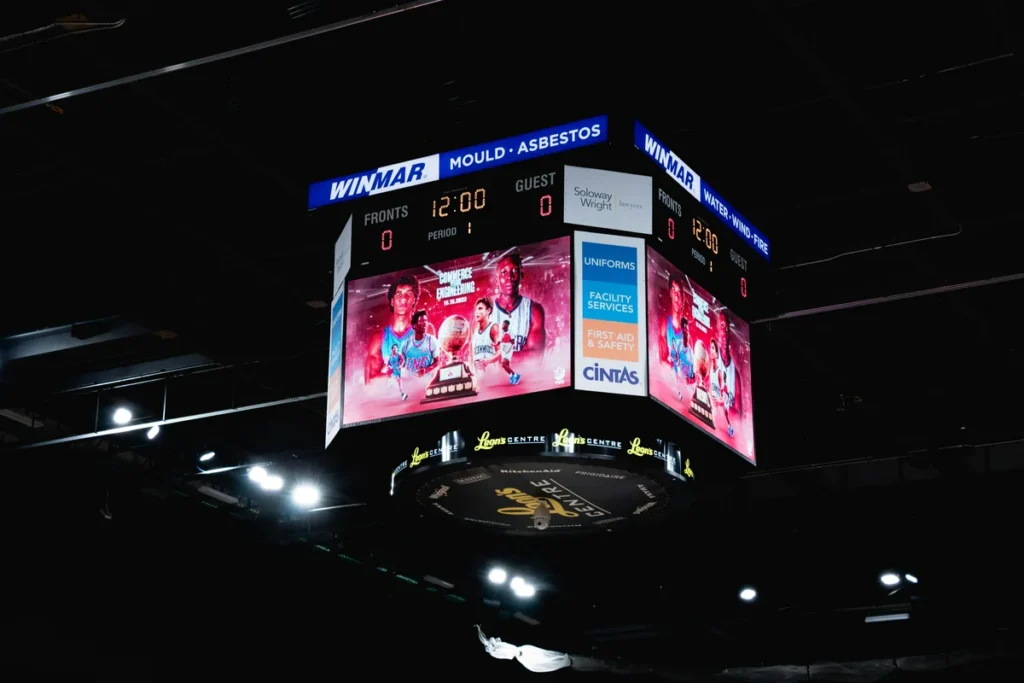
A typical Commercial LED display can be used for product promotions, live announcements, menu boards, scoreboards, event backdrops, lobby branding, and control-room dashboards. Because the screen is made from modular panels in many installations, businesses can create custom sizes and aspect ratios that fit a wall, window, freestanding structure, or architectural feature.
The value of a the concept is not limited to visibility. It also improves message speed. Teams can update pricing, schedules, emergency notices, and campaign content remotely without reprinting physical materials. That operational flexibility often makes the investment more practical than traditional signage over time.
Key Benefits for Businesses
A the approach gives organizations several advantages that directly affect revenue, communication, and brand consistency.
First, it offers strong visual impact. Brightness levels remain readable in sunlight, bright lobbies, and busy public areas. This helps a Commercial LED Screen stand out where posters, LCD screens, or printed boards may struggle.
Second, it supports frequent updates. Marketing teams can schedule content by time, audience, location, or event. A Commercial LED Screen can show breakfast offers in the morning, product launches at midday, and targeted evening promotions later in the day.
Third, it improves brand presentation. High-resolution motion content gives businesses a more premium appearance and allows them to maintain consistent visual identity across multiple locations. For chains and franchises, a Commercial LED Screen can unify messaging while still allowing local customization.
Fourth, it can reduce long-term operating waste. Printing costs, shipping delays, and manual replacement cycles become less important when content is managed digitally. Over time, the Commercial LED display can streamline workflows for marketing, operations, and facilities teams.
Finally, it can support safety and public information. In transportation, education, healthcare, and industrial settings, a Commercial LED display can surface alerts, directions, and live status information quickly when timing matters.
Types and Use Cases
Not every the approach serves the same purpose. The right choice depends on viewing distance, content type, installation environment, and maintenance needs.
Indoor displays are often used in retail, hospitality, corporate environments, museums, and control rooms. A smaller pixel pitch is usually preferred because viewers stand closer to the screen. An indoor Commercial LED Screen works well for detailed graphics, text-heavy content, and high-frequency updates.
Outdoor displays are built for weather resistance, higher brightness, and long-range visibility. A street-facing Commercial LED display may be used for billboards, stadium signage, building facades, or roadside promotions. These systems must handle rain, dust, heat, and direct sunlight while remaining legible from a distance.
Transparent LED systems are common in storefront windows and architectural glass applications. They allow daylight to pass through while still projecting dynamic visuals. A transparent Commercial LED display can preserve visibility into a store while adding layered digital branding.
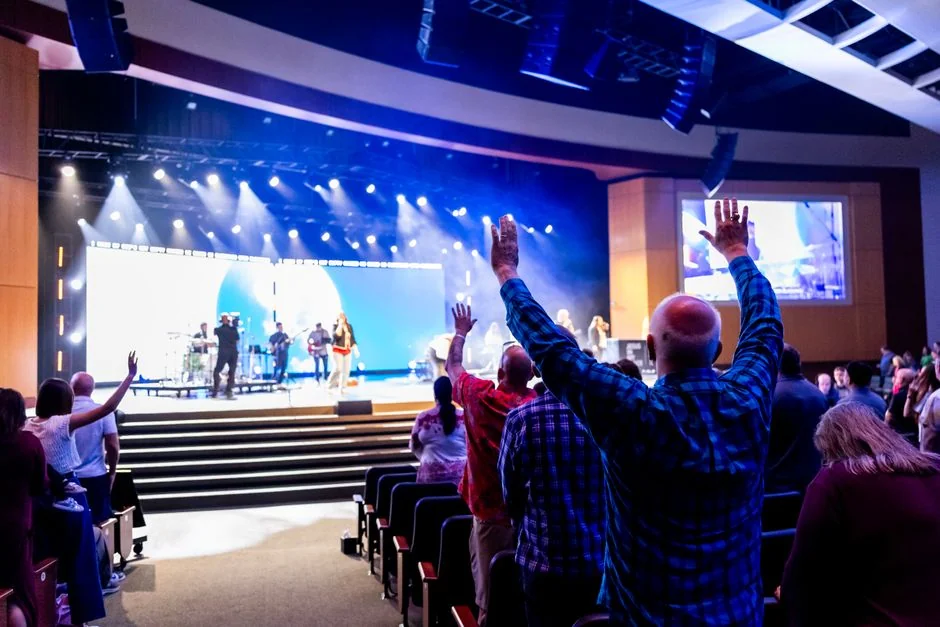
Rental and staging displays are used for concerts, trade shows, product launches, and live events. These systems prioritize fast setup, portability, and reliability. A rental Commercial LED Screen is often chosen for temporary experiences where content and layout change from event to event.
Creative-format displays include curved walls, cylindrical installations, hanging displays, and custom shapes. A custom the concept can become part of the physical environment rather than sitting on top of it, which is useful for flagship spaces and experiential marketing.
Planning, Installation, and Content Strategy
Successful deployment starts with planning. A the approach should be specified with the viewing distance, ambient light, intended content, and structural constraints in mind. Pixel pitch is one of the most important technical decisions. Closer viewing usually requires a finer pitch, while large outdoor formats can use a wider pitch without sacrificing readability.
Brightness and contrast also matter. An indoor lobby screen does not need the same output as a roadside Commercial LED Screen, but it still needs enough luminance to stay visible in mixed light. Resolution, refresh rate, and color performance should be matched to the content. If the screen will show video, animation, or live feeds, the system must handle motion smoothly without visible flicker.
Installation planning should include structural support, power distribution, ventilation, access for service, and network connectivity. A Commercial LED Screen is a system, not just a screen, so cabinet access and maintenance paths matter as much as the panel spec. Poor access design can increase downtime and service costs.
Content strategy is equally important. A these works best when the messaging is concise, high contrast, and visually ordered. Dense paragraphs are a poor fit. Use large type, strong imagery, short calls to action, and motion that supports clarity instead of distraction. Content should be scheduled deliberately so the display stays relevant throughout the day.
Software integration can make the display more valuable. Many systems connect to content management platforms, POS data, event calendars, weather feeds, or emergency alert systems. When integrated properly, a Commercial LED Display becomes a live communication channel rather than a passive sign.
Cost, Maintenance, and Return on Investment
The price of a Commercial LED Display depends on size, pixel pitch, brightness, cabinet design, controller hardware, installation complexity, and software. Higher-resolution systems and custom builds cost more, but they may deliver stronger performance in premium environments where brand presentation matters.
Maintenance planning should be part of the purchase decision. Even a durable Commercial LED Screen benefits from routine checks for power supplies, cabling, cooling, and module health. Businesses should also plan for spare parts, remote diagnostics, and service response times. A display that is down during peak traffic loses value quickly.
Return on investment usually comes from a mix of increased attention, faster message updates, reduced print waste, and improved communication efficiency. For retailers, a Commercial LED Screen can support promotions that drive foot traffic and sales. For corporate and public environments, it can reduce confusion, improve navigation, and strengthen the professional appearance of the space.
ROI should be measured over time, not only by upfront cost. A well-chosen Commercial LED Display can remain useful for years if it is matched to the environment and content workflow. The cheapest option is rarely the best if it fails early, looks weak in bright light, or cannot support the right pixel density.
FAQ
How long does a commercial LED display last?
A Commercial LED Display can last many years when properly installed and maintained. Lifespan depends on usage hours, environmental conditions, brightness settings, and service quality. Many businesses plan for long-term operation and periodic module replacement rather than full system replacement.
Is a commercial LED display suitable for outdoor use?
Yes, if it is designed for that environment. An outdoor Commercial LED Display needs weather protection, higher brightness, thermal management, and durable enclosure design. Indoor models should not be used outside unless the manufacturer explicitly rates them for outdoor conditions.
What content works best on a commercial LED display?
A Commercial LED Display performs best with simple, high-contrast visuals, short messages, motion graphics, and clearly structured layouts. Large text, bold imagery, and intentional timing are more effective than dense copy or cluttered compositions.
How do I choose the right pixel pitch?
The right pitch depends on viewing distance. A closer audience needs finer detail, while distant viewers can use a coarser pitch. When planning a Commercial LED Display, start with how people will actually see the screen, not just the physical size of the wall.
Can one commercial LED display support multiple locations?
Yes. Many networks use centralized software to manage several screens across different sites. A Commercial LED Display can be controlled remotely, which makes it easier to coordinate branding, promotions, alerts, and scheduling across a distributed business.
Conclusion
A Commercial LED Display is more than a digital sign. It is a practical communication system that helps businesses attract attention, deliver timely messages, and present a more polished brand experience. When the screen type, installation environment, and content strategy are aligned, the Commercial LED Display becomes a durable asset that supports sales, operations, and customer experience. For organizations that need flexibility, visibility, and control, it remains one of the most effective display technologies available.
