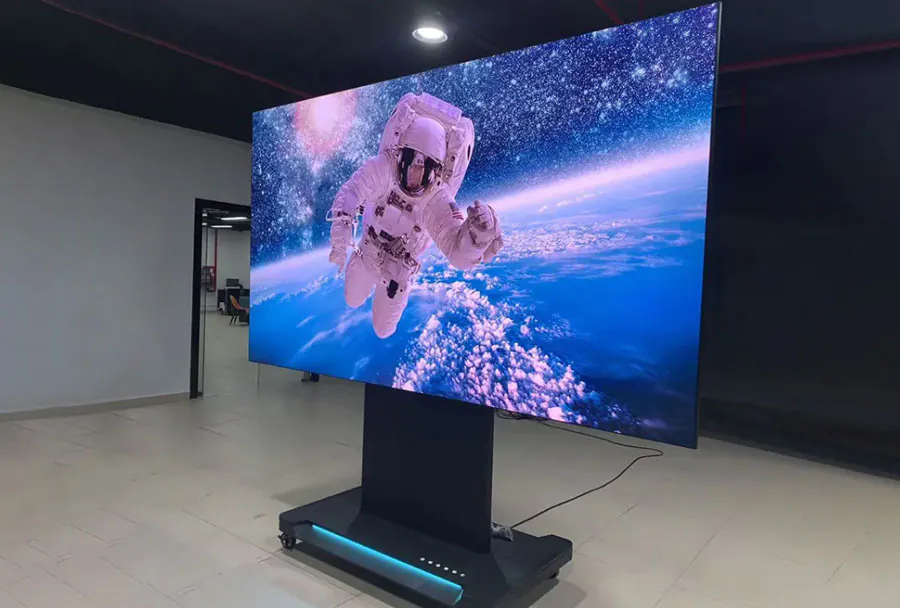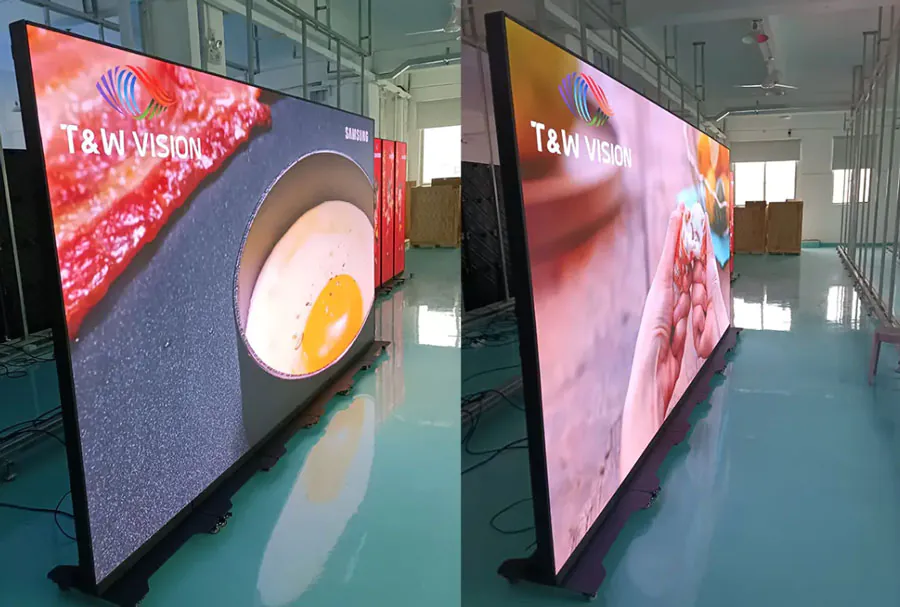
Experience Unmatched Scale with TW VISION Giant LED Screen Technology

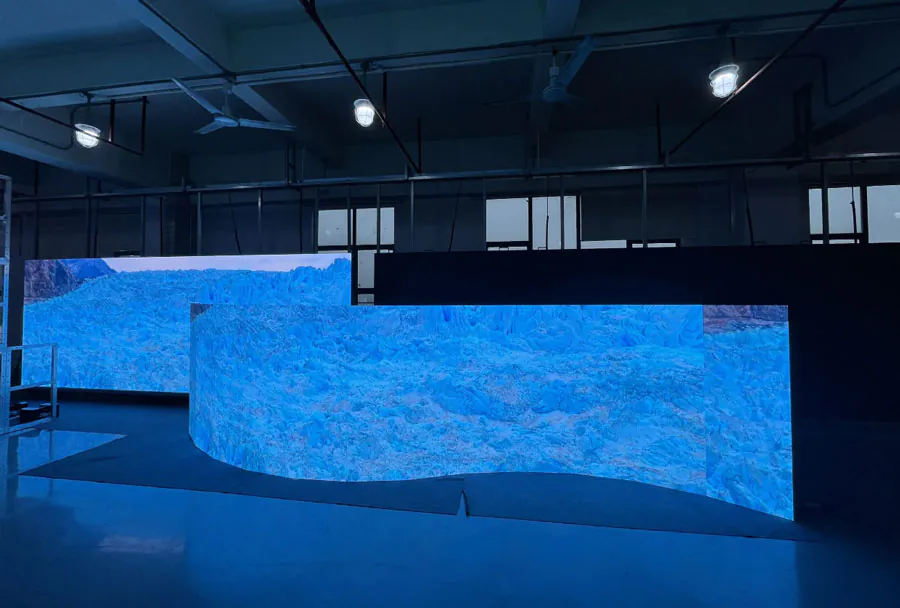
The era of static billboards and limited-stage visuals is over. Audiences now expect immersive environments, dynamic content, and flawless visibility from any seat or vantage point. TW VISION’s giant LED screen technology is designed around that exact expectation—scalable, robust, and engineered to deliver immersive visual experiences on a city-wide, stadium, or fa?ade scale. What follows is a practical look at how TW VISION enables unmatched scale, the technology and design decisions that make it possible, real-world applications, and the economic and operational considerations event planners, venue operators, and media owners should weigh.
Experience Unmatched Scale with TW VISION Giant LED Screen Technology
Why scale matters: reach, impact, and flexibility
Scale is more than size. It’s the ability to maintain image fidelity, color accuracy, and viewing comfort across thousands of square feet of display while allowing content creators to adapt messaging dynamically. TW VISION’s approach prioritizes scalable modularity—individual cabinets or panels that snap together to form enormous canvases without sacrificing uniformity. Large-scale displays increase reach and impact by converting entire facades, stadiums, and public squares into programmable media surfaces. For brands and venues, that means higher visibility, more sponsorship value, and audience experiences that convert to retention and revenue.
Core technology enabling giant deployments
Several engineering pillars support TW VISION’s giant LED solutions:
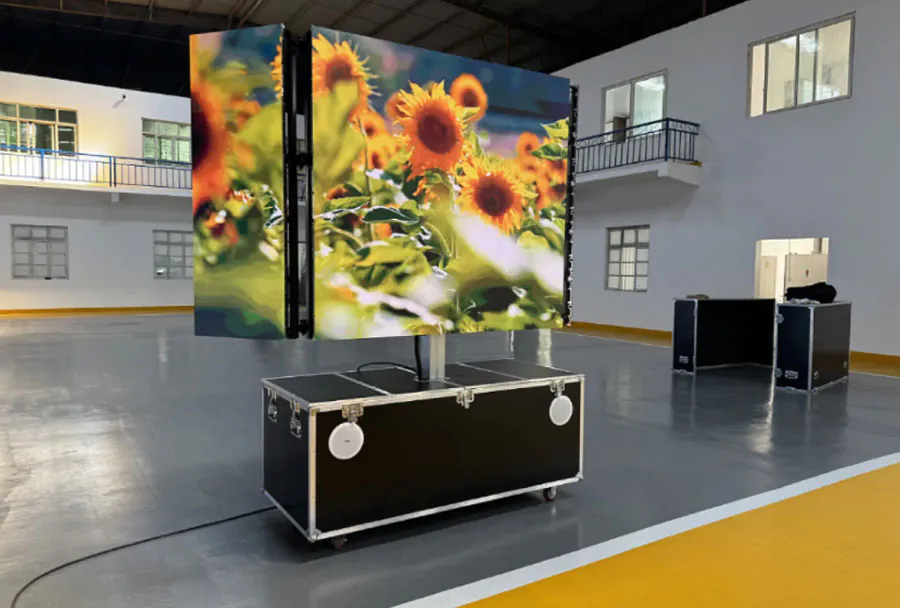
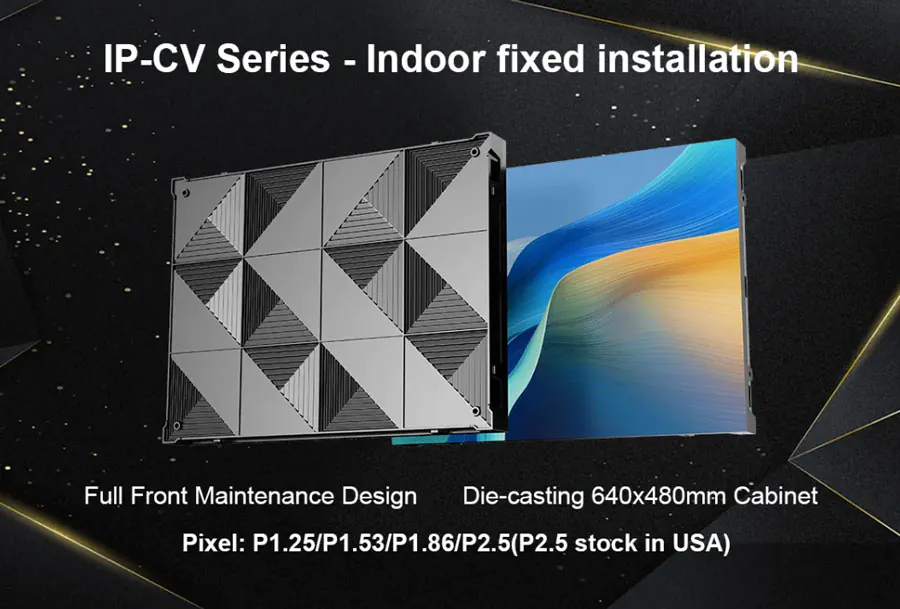
– Modular architecture: Lightweight, standardized cabinets facilitate transport, installation, and maintenance. Consistent mechanical tolerances ensure flatness and minimal seams across massive dimensions.
– High-brightness LEDs and optics: Outdoor screens use high-nit LEDs and precision lenses to keep images legible even in direct sunlight. Integrated light sensors allow automatic brightness adaptation.
– Fine-grain pixel pitch options: From coarse outdoor pitches for very large viewing distances to fine-pitch indoor solutions for close-proximity engagements, TW VISION supports a broad range of pixel densities so you can scale size without losing perceived resolution.
– Robust control systems: Real-time video processors and distributed controllers handle multi-source inputs, edge blending, and frame synchronization across thousands of panels, ensuring uniform color and zero tearing.
– Environmental protection and thermal management: IP-rated enclosures, sealed connectors, and engineered heat dissipation ensure long operational life in variable climates.
Applications that benefit most from scale
Large-scale LED surfaces transform spaces:
– Stadiums and arenas: Scoreboards, ribbon boards, and full-bowl wraps that deliver consistent sightlines for fans from any seat.
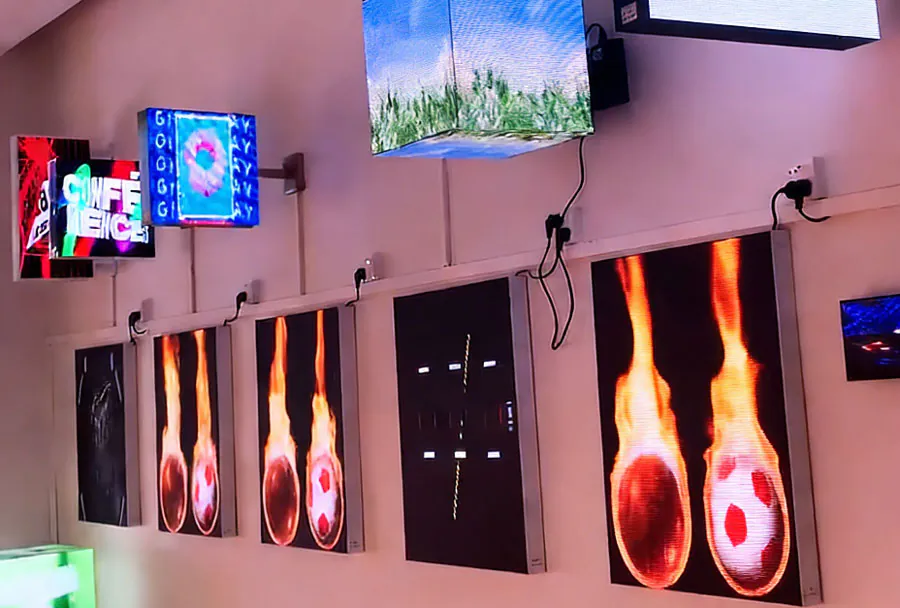
– Outdoor advertising and digital billboards: High-impact, programmable fa?ades replace static ads and offer multiple revenue streams through dynamic ad rotations.
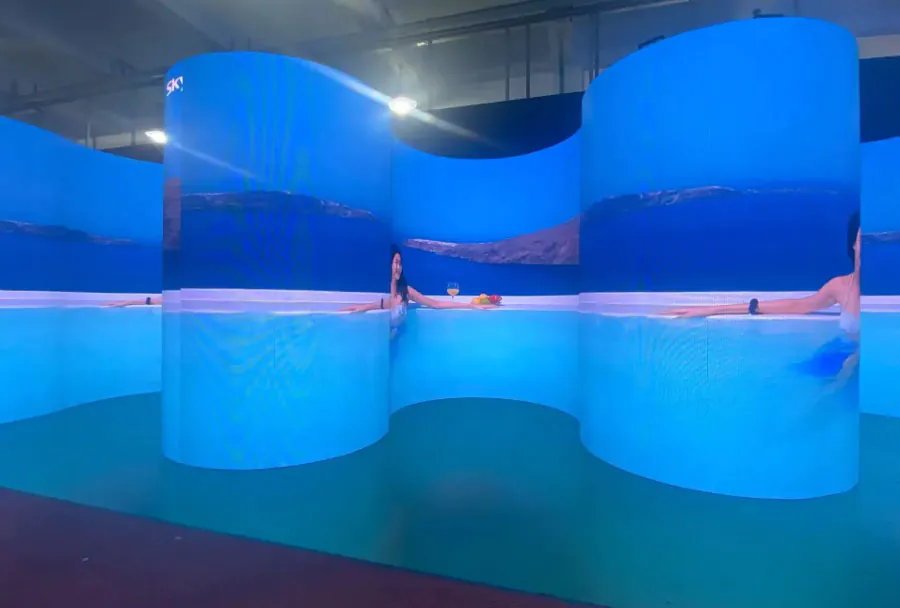
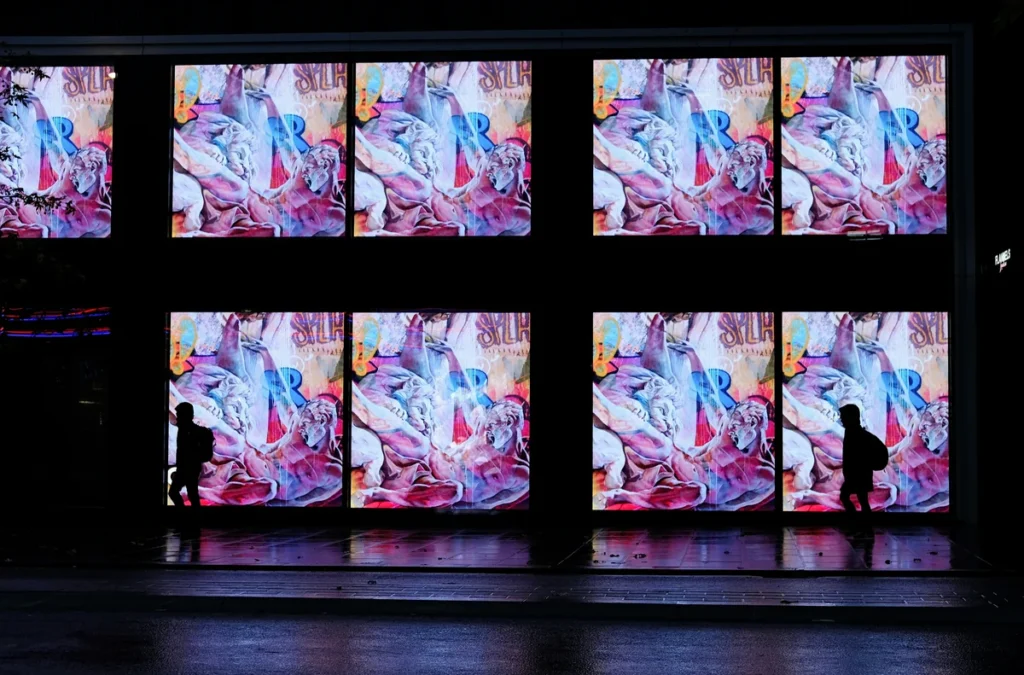
– Urban landmarks and architectural facades: Buildings become media canvases for events, civic announcements, and brand storytelling.
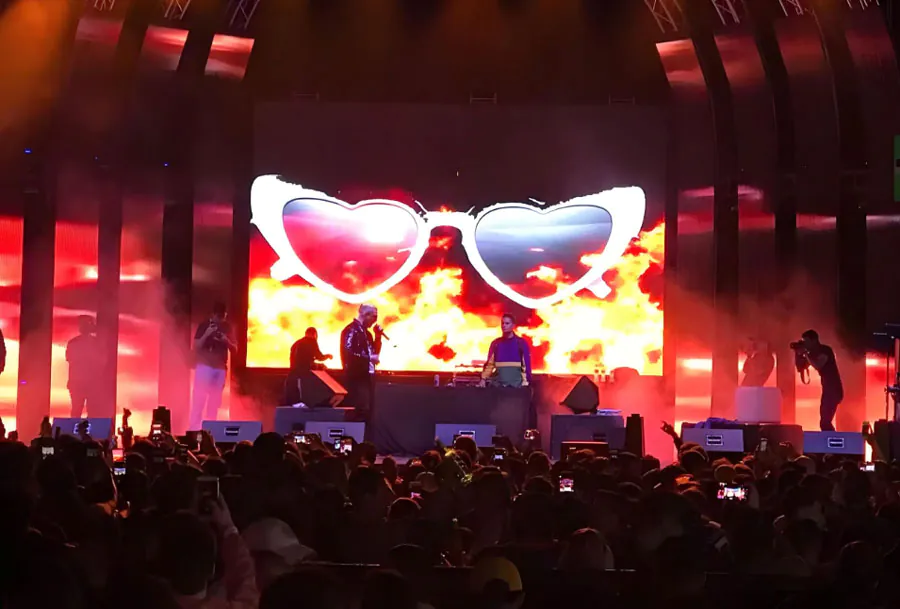
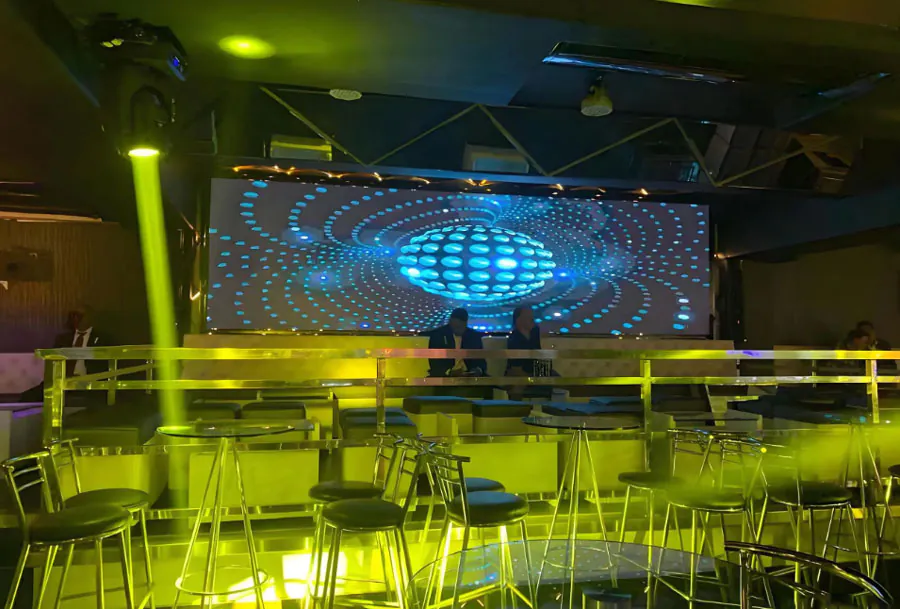
– Concerts and festivals: Wide-format backdrops and stage surrounds create immersive worlds for live performances without constraints of traditional projection.
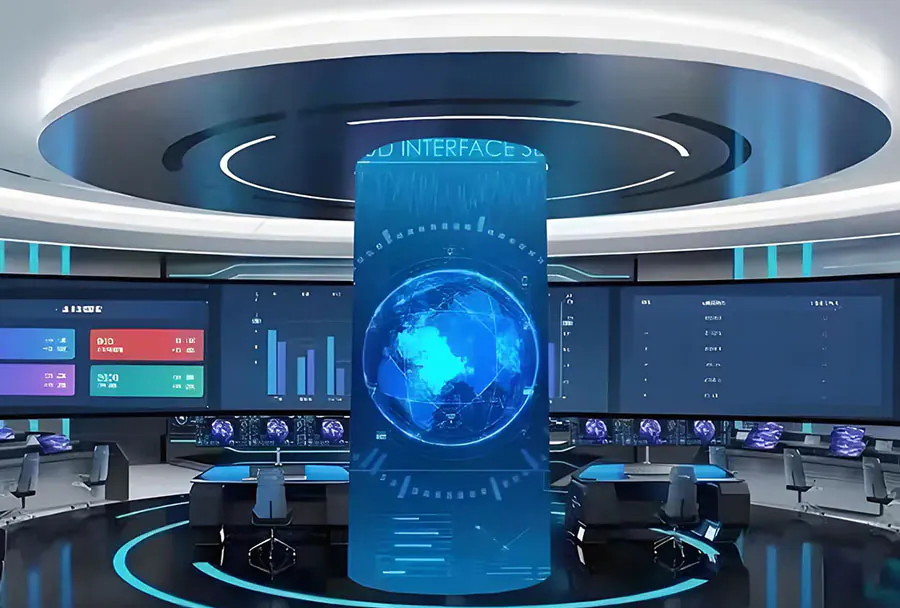
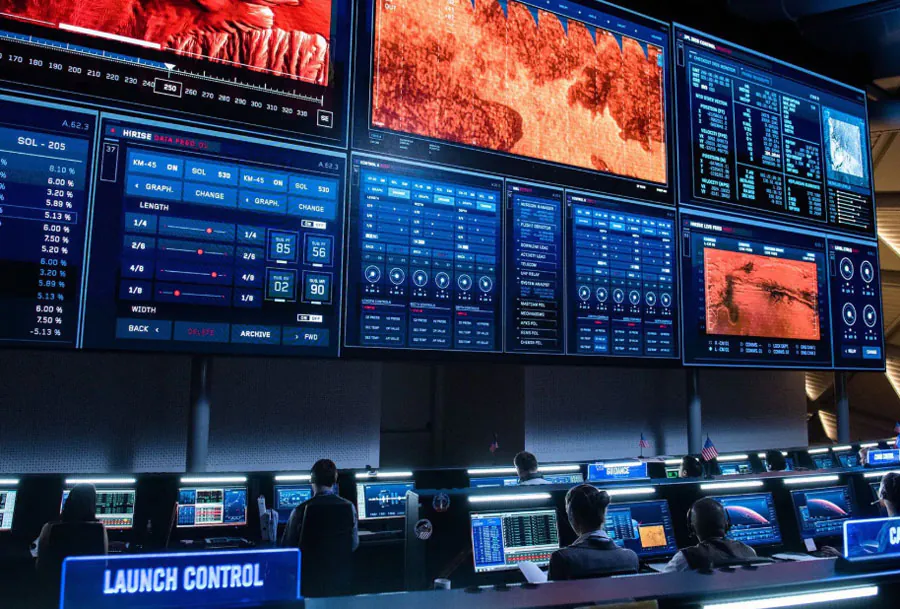
– Control rooms and command centers: Gigantic ti led displays provide situational awareness with a mix of high-resolution windows and ultra-large overview panels.
Installation, maintenance, and lifecycle considerations
Scale increases complexity, but TW VISION designs for maintainability:
– Pre-cabled modules and quick-lock brackets speed up assembly. When screens exceed dozens or hundreds of square meters, installation windows matter—modularity reduces labor and downtime.
– Front and rear maintenance options ensure access in constrained environments. Spare modules and hot-swap power/control units minimize service interruptions.
– Calibration and uniformity routines: Built-in calibration tools and distributed sensing make color matching and brightness uniformity feasible across extreme surface areas without manual pixel-level tuning.
– Expected lifecycle: High-quality LEDs and power supplies typically yield tens of thousands of hours of useful life. Planned maintenance—replacing drivers, updating firmware, or swapping modules—extends operational life cost-effectively.
– Weatherproofing and safety: IP65/IP67-rated options, protective coatings, and redundant power paths keep outdoor installations stable through weather extremes.
Performance metrics that define “unmatched”
When evaluating giant LED screens, consider:
– Brightness (nits): For outdoor daytime visibility, brightness in the thousands of nits is typical; auto-dimming reduces glare at night while saving energy.
– Pixel pitch: Larger pixel pitches (e.g., P6–P16) are cost-effective for long-distance viewing; finer pitches (P2.5–P1.2) enable close-range clarity indoors.
– Refresh rate and grayscale: High refresh rates and deep grayscale (10–14 bit processing) prevent flicker on camera and maintain smooth motion for live broadcasts.
– Contrast and HDR capability: Local dimming and high dynamic range enhance perceived depth and color fidelity even on enormous screens.
– Power consumption and heat dissipation: Efficient designs reduce operating cost and need for supplemental cooling.
Economic and ROI analysis
Large LED investments are capital intensive but can yield compelling returns through advertising, ticket premiums, sponsorship deals, and enhanced customer experience. Key levers include the screen’s advertising CPM uplift, incremental ticket or merchandise spend due to improved experiences, and operational efficiencies from lower maintenance and energy draw compared to legacy options like projection.
Analysis table: technical and commercial comparison
| Feature | Typical Spec Range | Primary Benefit | Ideal Application | Estimated ROI Impact |
|---|---|---|---|---|
| Modular cabinet size | 500 x 500 mm – 1000 x 1000 mm | Faster install, easier maintenance | Large fa?ades, stadium bowls | Reduces install labor by 20–35% |
| Brightness | 1,000 – 8,000 nits (adaptive) | Legibility in daylight and low glare at night | Outdoor billboards, fa?ades, arenas | Maximizes ad CPM and viewability |
| Pixel pitch | P0.9 – P16 (typical product range) | Optimized clarity vs. cost per m2 | Indoor stage (fine), outdoor displays (coarse) | Improves engagement; lowers cost per impression |
| Ingress protection & durability | IP65 – IP67, UV-stable | Reliable outdoor operation; low downtime | Coastal/harsh-weather installations | Extends service life; lowers replacement cost |
| Control & calibration | 3840 Hz+ refresh, 10–14 bit processing | Uniform color, camera-friendly output | Live events, broadcast venues, control rooms | Reduces content production issues; higher ad quality |
Content strategy for giant screens
Large canvases require a different creative playbook. A few practical guidelines:
– Design for distance: Use large type, high-contrast elements, and simplified compositions so content reads quickly.
– Layer content: Treat the screen like a stage—background motion, mid-ground announcements, and foreground calls-to-action.
– Schedule dynamically: Rotate messages by time of day, event, or audience demographics. Real-time data feeds (transit, sports stats, social media) increase relevance.
– Master multiple aspect ratios: A giant facade may display a mosaic of ads or a single panoramic experience; content systems must support both native and scaled assets without distortion.
– Camera and broadcast considerations: For venues captured by television or social media, ensure range of motion and refresh rates prevent flicker or tearing.
Operational best practices and risk mitigation
Deploying giant screens at scale requires operational discipline:
– Staged commissioning: Validate small sections before full-power operation. Use automated calibration to ensure color matching across newly joined panels.
– Spare parts inventory: Keep critical spares (modules, power units, controllers) onsite to restore service quickly.
– Remote monitoring: Implement telemetry for voltage, temperature, and pixel health to preempt failures.
– Regulatory compliance and permits: Large urban displays may need signage permits, light pollution mitigation plans, and structural assessments—plan timelines accordingly.
– Disaster planning: Have fast-deploy scaffolding or access methods and contractual SLAs with service providers for rapid repairs.
Case scenarios: how TW VISION delivers value
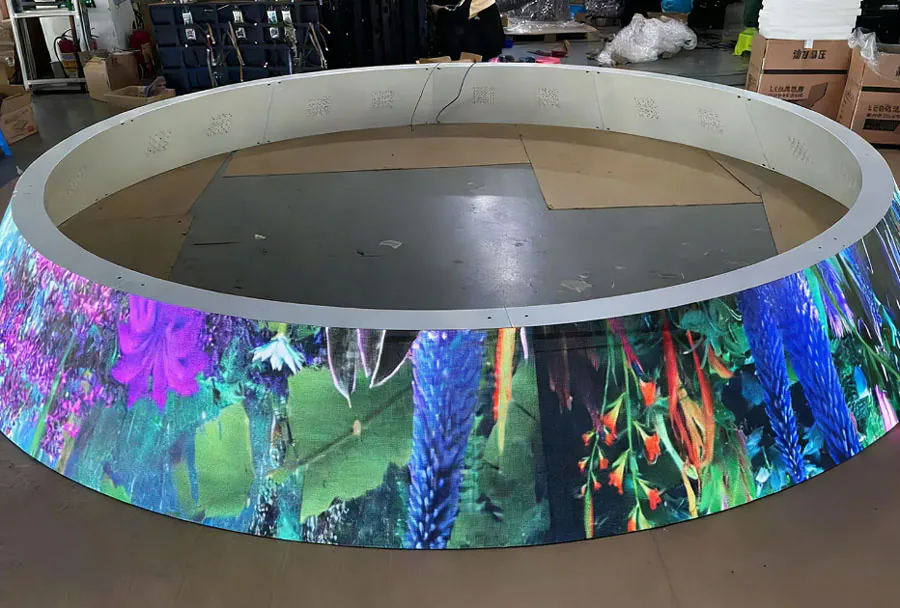
Scenario 1 — Stadium transformation: A mid-sized stadium replaces multiple small screens with a unified wrap-around LED solution. The result: improved sightlines, enhanced sponsor inventory sold at premium rates, and reductions in separate control systems. Scenario 2 — Urban landmark activation: A downtown building becomes a programmable art canvas during festivals. Revenue from event programming and brand partnerships offsets installation costs over several years while boosting tourism and local business engagement. Scenario 3 — Touring production: A concert operator benefits from modular cabinets that fit multiple stage sizes, reducing transport costs and setup time while maintaining consistent production value.
Choosing the right TW VISION configuration
Select based on these priorities:
– Viewing distance and audience density determine pixel pitch and total resolution needs.
– Environment (indoor vs. outdoor; coastal vs. inland) informs IP rating and material choice.
– Content complexity and broadcast usage dictate control system specs and refresh rate.
– Budget and revenue model inform whether to prioritize higher pixel density or larger surface area for advertising.
TW VISION’s giant LED screen technology redefines what’s possible when scale meets engineering discipline. For venues, advertisers, and event producers aiming to command attention and monetize space, the combination of modular design, adaptive brightness, robust environmental protection, and advanced control systems unlocks new forms of storytelling and commercial value. Success lies in matching the right technical configuration to the venue’s use case, planning for installation and maintenance, and building a content strategy tailored for large canvases. When done correctly, giant LED deployments don’t just display content—they transform spaces into experiences that drive measurable returns.
If you’re planning a large-scale deployment, begin with a site survey and a proof-of-concept section to validate brightness, pixel pitch, and access considerations. TW VISION’s portfolio supports a spectrum of applications, and with careful planning, your giant LED investment can deliver both unforgettable experiences and sustained financial performance.