

led wall mount: 8 : Complete Guide to Better Display Setup

Introduction
Choosing the right led wall mount can dramatically improve how a screen looks, functions, and fits into a room. Whether you are setting up a television at home, installing digital signage in a business, or building a professional display wall, the mount you choose affects safety, viewing comfort, cable management, and long-term durability. A poor mounting choice can limit angles, waste space, or even create structural risks.
Table of Contents
- Introduction
- Why Choosing the Right led wall mount Matters
- Types of led wall mount Options
- Fixed mounts
- Tilting mounts
- Full-motion mounts
- Video wall mounts
- How to Choose the Best led wall mount
- Check screen size and weight
- Verify VESA compatibility
- Consider viewing angle and room layout
- Assess wall material
- Plan for cable management
- Installation Tips and Common Mistakes to Avoid
- Best Uses for led wall mount in Homes and Businesses
- FAQ About led wall mount
- What size led wall mount do I need?
- Can I install a led wall mount on drywall?
- Is a fixed or full-motion led wall mount better?
- Are led wall mount systems universal?
- How high should a led wall mount be installed?
- Conclusion
This guide explains how to select the best led wall mount for different spaces and use cases. You will learn about mount types, sizing, installation planning, safety considerations, and maintenance tips. By understanding the essential features and common mistakes, you can make a smart investment that supports both performance and design.
Followed is a video to show how TW VISION operate with the led wall mount.
Why Choosing the Right led wall mount Matters
A quality LED wall mount does much more than hold a screen in place. It helps create a cleaner visual layout, opens up floor space, and can improve the overall viewing experience. In modern homes and commercial spaces, wall-mounted displays often look more polished and professional than screens placed on stands or furniture.
One major advantage of a LED wall mount is ergonomic positioning. A screen mounted at the correct height and angle reduces neck strain and glare. This is especially important in offices, conference rooms, control centers, classrooms, and living rooms where people may view the screen for long periods. Better placement also allows a display to serve a larger audience without sacrificing picture quality.
Safety is another key reason to invest in the right mount. Large LED displays can be heavy, and improper installation can damage walls or create hazards. A dependable mount designed for the screen’s size and weight gives peace of mind. It also protects your display investment from tipping, shifting, or accidental impact.
Aesthetic value should not be overlooked either. The right wall mounted system supports minimalistic interior design by hiding bulky stands and allowing tighter placement against the wall. In retail and hospitality settings, this can help brands present a more refined and modern image. In homes, it can turn an ordinary media setup into a sleek entertainment centerpiece.
Types of led wall mount Options
Not every the approach is the same. Different mount styles are designed for different room layouts, display sizes, and viewing needs. Understanding these types will help you match your screen to the most practical solution.
Fixed mounts
Fixed mounts hold the screen close to the wall and keep it in a stationary position. This option is ideal when the display will always be viewed straight on. A fixed it is often the simplest and most affordable choice, making it popular for living rooms, waiting areas, and digital signage installations.
The main benefit of fixed mounts is their slim profile. They create a neat, low-gap appearance that many users prefer. However, they do not allow angle adjustments after installation, so precise placement matters.
Tilting mounts
Tilting mounts allow the display to angle up or down slightly. This is useful when a screen is mounted higher than eye level, such as above a fireplace or in a public venue. A tilting this can reduce glare from windows and overhead lighting while improving visibility from seated positions.
This type strikes a good balance between flexibility and simplicity. It is a practical option for users who need limited adjustment without the complexity of a fully movable arm.
Full-motion mounts
Full-motion mounts, also called articulating mounts, offer the highest level of flexibility. They can extend outward, swivel side to side, and tilt vertically. A full-motion these is ideal for rooms where viewers sit in multiple locations or where the display may need repositioning throughout the day.
These mounts are especially useful in open-plan spaces, corner installations, and commercial environments. Although they typically cost more and require careful installation, their adjustability can significantly improve usability.
Video wall mounts
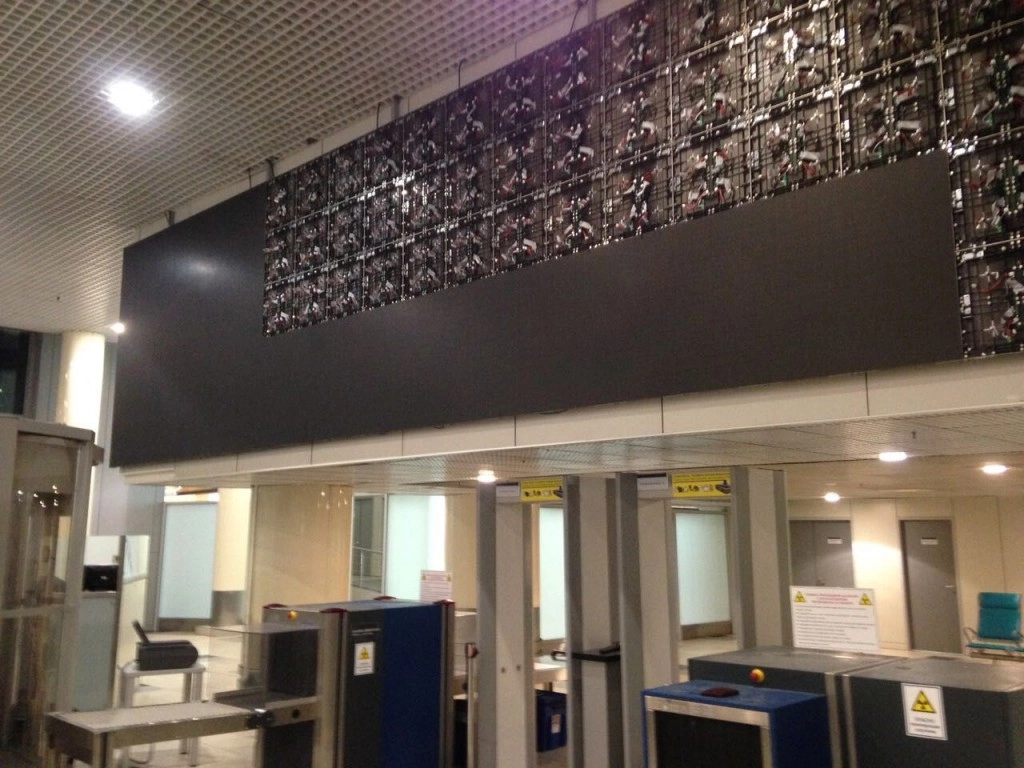
Video wall mounts are made for multi-panel display configurations. They are commonly used in retail, event venues, control rooms, and corporate settings. This type of mount allows technicians to align multiple screens precisely so the full display appears seamless.
A specialized LED wall mount for video walls may include pop-out service access, fine-tuning controls, and support for close-edge panel alignment. These features are critical when visual consistency and maintenance access matter.
How to Choose the Best led wall mount
Selecting the right LED wall mount starts with understanding your screen specifications and room conditions. Many buyers focus only on screen size, but several other factors influence compatibility and performance.
Check screen size and weight
Every mount is rated for a specific weight capacity and display size range. Before buying, confirm that the mount can support your screen safely. Manufacturer specifications usually list both maximum screen dimensions and weight limits. Choosing a mount that exceeds your display’s needs adds an extra safety margin.
Verify VESA compatibility
VESA refers to the standard mounting hole pattern on the back of a display. To ensure the the approach fits properly, compare the mount’s supported VESA sizes with your screen’s pattern. Common standards include 100×100, 200×200, 400×400, and larger formats for commercial displays.
Consider viewing angle and room layout
Think about where viewers will sit or stand. If the audience is centered directly in front of the display, a fixed mount may be enough. If the room has off-angle seating or frequent movement, a more adjustable mount makes sense. The right it should support the natural flow of the space.
Assess wall material
Wall type affects both installation difficulty and mount selection. Drywall alone is not enough for most large screens unless the mount is secured into studs. Concrete, brick, and reinforced surfaces may require specialized anchors and tools. Understanding the wall structure in advance helps avoid installation problems.
Plan for cable management
Good cable planning makes a mounted screen look professional. Some mounts include built-in cable channels, while others leave wiring exposed unless additional accessories are used. If appearance matters, choose a LED wall mount that supports organized cable routing and easy access for future upgrades.
Installation Tips and Common Mistakes to Avoid
Installing an these correctly is essential for safety and long-term performance. Even a premium mount can fail if the installation process is rushed or done without proper tools and measurements.
The first step is locating secure anchor points. In most residential applications, this means finding wall studs. For masonry surfaces, appropriate anchors and drilling methods are required. Never assume the wall alone can support the display weight. Always match hardware to the wall material and display load.
Height placement is another common issue. A screen mounted too high can cause discomfort and reduce picture quality. The ideal center height depends on room use, seating position, and display size. In most living rooms, the middle of the screen should sit close to seated eye level. In commercial settings, visibility from a distance may justify a higher position.
Leveling is equally important. Even a slight tilt can be noticeable once the screen is mounted. Use a level during bracket installation and again before fully tightening all hardware. With a larger they, small alignment errors become much more obvious.
Another mistake is ignoring ventilation. Displays generate heat, and walls can restrict airflow if the screen is mounted too tightly in an enclosed area. Follow the manufacturer’s clearance recommendations to avoid overheating and preserve performance.
Finally, test everything after installation. Make sure the mount feels stable, the display sits securely, and all moving parts operate smoothly. If the mount tilts or extends, confirm that adjustments hold position correctly. A properly installed the concept should feel solid, balanced, and dependable from day one.
Best Uses for led wall mount in Homes and Businesses
A well-chosen the approach can serve many purposes beyond a standard living room television setup. Its versatility makes it valuable in both residential and commercial environments.
In homes, wall-mounted LED screens are often used in living rooms, bedrooms, kitchens, home gyms, and media rooms. Mounting a screen frees up furniture space and creates a cleaner appearance. In smaller apartments or compact homes, this can make a room feel larger and more organized. A wall mounted system is especially practical when homeowners want a modern look without bulky entertainment units.
In offices, mounted displays support presentations, hybrid meetings, dashboards, and collaborative work. Conference rooms benefit from adjustable mounts that improve visibility for participants at different angles. Reception areas can use mounted displays for welcome messaging or branding. In these settings, a reliable wall mounted system helps maintain a professional image while improving communication.
Retail stores use mounted screens for promotions, menus, advertisements, and product education. Restaurants and cafés often mount digital menu boards where they are easy to read and update. Hotels use displays for wayfinding, entertainment, and guest communication. In all of these spaces, the right mounting solution supports visibility, durability, and space efficiency.
Healthcare facilities, schools, and public institutions also benefit from mounted LED displays. Educational content, patient information, schedules, and announcements are easier to present when screens are installed securely and clearly. Choosing the correct mounted system in these environments supports both function and safety.
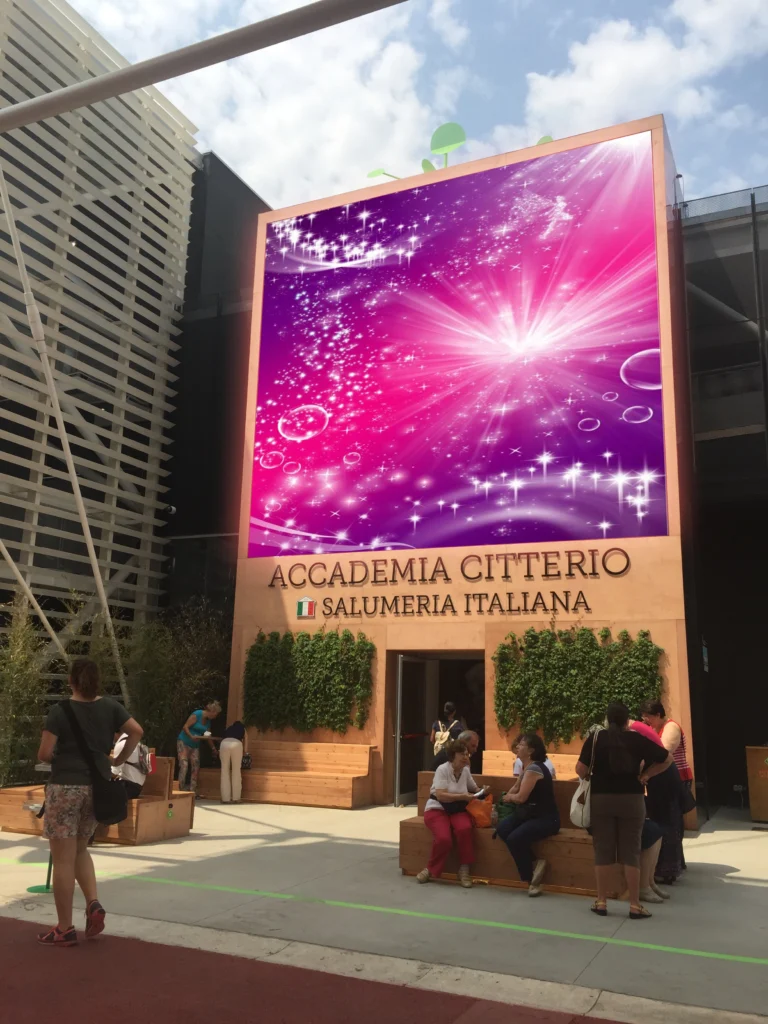
FAQ About led wall mount
What size led wall mount do I need?
The right size depends on your screen’s dimensions, weight, and VESA mounting pattern. A led wall mount should match all three factors, not just screen size. Always check the manufacturer’s specifications before buying.
Can I install a led wall mount on drywall?
Yes, but most installations require attachment to wall studs behind the drywall for proper support. A led wall mount for a heavier display should never rely on drywall alone unless the hardware and wall system are specifically rated for that load.
Is a fixed or full-motion led wall mount better?
It depends on your viewing needs. A fixed led wall mount works well for straight-on viewing and a slim look. A full-motion option is better when you need to tilt, swivel, or extend the screen for flexible positioning.
Are led wall mount systems universal?
Many mounts are broadly compatible, but not all are universal. A led wall mount must match the display’s weight, size range, and VESA pattern. Some commercial screens also require specialized mounting hardware.
How high should a led wall mount be installed?
The best height depends on room use and viewer position. In most living rooms, the screen center should align near seated eye level. For public or commercial applications, a led wall mount may be installed higher for better visibility across the space.
Conclusion
The best led wall mount combines safety, compatibility, viewing comfort, and visual appeal. Whether you need a simple fixed bracket for home use or an advanced commercial solution for flexible display positioning, choosing the right mount can improve both function and design. Screen size, weight, VESA pattern, wall material, room layout, and cable planning all play an important role in the final result.
By taking time to compare options and install the system correctly, you can get the full value from your display investment. A dependable led wall mount not only secures the screen but also enhances the way people experience content in homes, offices, retail environments, and public spaces.
