

cheap LED display pros and cons: 10 Best : Full Buyer Guide

Introduction
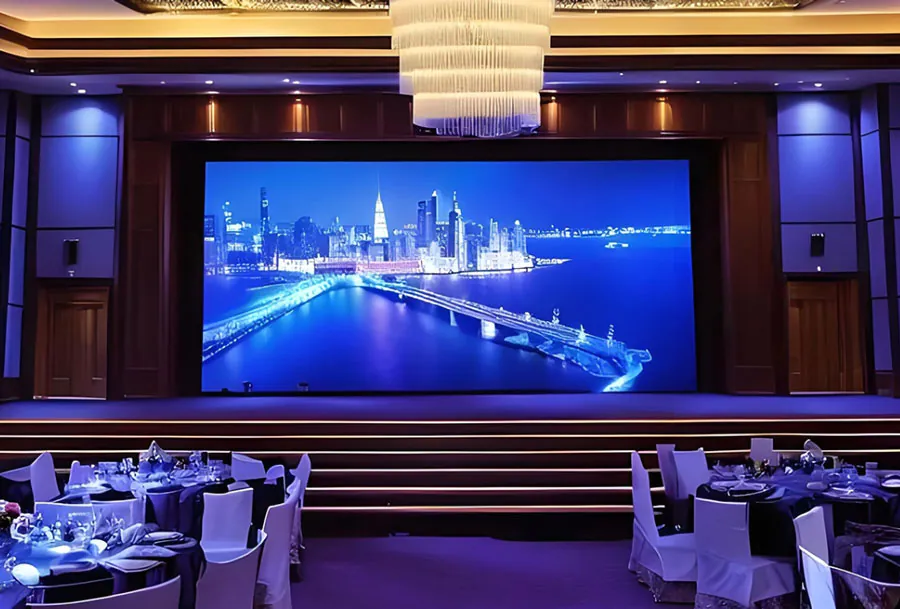
When businesses, event organizers, schools, and retailers look for cost-effective digital signage, the phrase cheap LED display often becomes the starting point for research. Low-cost LED screens can seem like an easy way to gain visibility, attract attention, and modernize communication without overspending. Yet the lower price tag can bring trade-offs in brightness, durability, color consistency, service support, and long-term value.
Table of Contents
- Introduction
- What a Cheap LED Display Really Means
- Main Advantages of Buying a Cheap LED Display
- Lower initial investment
- Faster return on investment
- Good option for temporary or short-term use
- Easier entry point for first-time buyers
- Wide availability
- Basic functionality can still be enough
- The Biggest Disadvantages and Hidden Risks
- Lower image quality
- Shorter lifespan
- More maintenance problems
- Inconsistent manufacturing quality
- Weak after-sales support
- Poor suitability for demanding environments
- Higher total cost of ownership
- How to Decide If a Cheap LED Display Is Right for You
- Consider the viewing distance
- Indoor vs. outdoor use
- Operating hours matter
- Define your content type
- Check the supplier’s credibility
- Ask for a sample or demo
- Compare ownership cost, not just sticker price
- Smart Buying Tips to Reduce Risk
- Prioritize essential specs
- Avoid buying the absolute cheapest option
- Confirm replacement module availability
- Review installation requirements
- Understand warranty limitations
- Plan for maintenance from day one
- Buy for the real use case
- FAQ
- Are cheap LED displays worth buying?
- Do cheap LED displays have poor picture quality?
- How long does a cheap LED display usually last?
- Is a cheap LED display suitable for outdoor advertising?
- What should I check before buying a cheap LED display?
- Conclusion
Understanding cheap LED display pros and cons helps buyers avoid expensive mistakes. A budget-friendly display may be perfect for a temporary event, a small indoor store, or a startup with limited capital. In other cases, the cheapest option may lead to maintenance issues and early replacement. This guide explains what to expect, where low-cost LED displays work best, and how to evaluate whether a bargain display is truly worth buying.
What a Cheap LED Display Really Means
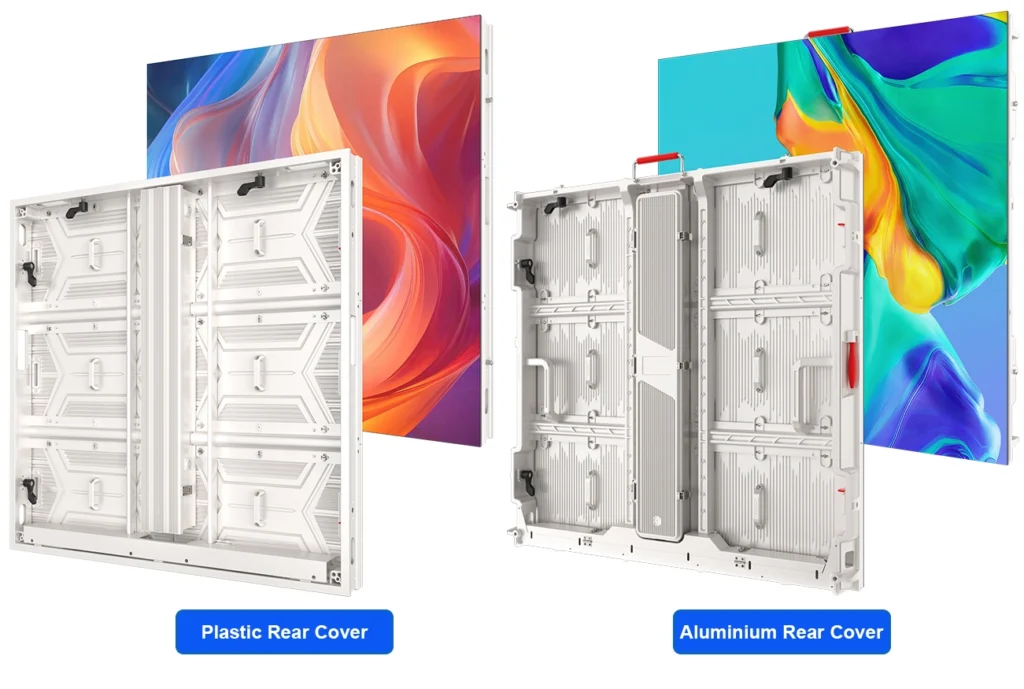
The topic of cheap LED display starts with a simple question: what counts as “cheap”? In most cases, a cheap LED display is a lower-priced screen built to reduce upfront cost through less expensive materials, simpler control systems, lower resolution, or fewer quality-control checks during manufacturing.
That does not automatically mean the display is bad. Many affordable LED products are good enough for basic applications. For example, a local shop may only need a screen that shows promotions, opening hours, or looping video at moderate brightness. In that case, an entry-level unit could perform well.
Still, the phrase cheap LED displaymatters because price often reflects compromises in one or more of the following areas:
– Pixel pitch and image clarity
– Brightness performance
– Cabinet material quality
– Waterproofing and dust resistance
– Heat management
– Refresh rate
– Color calibration
– Lifespan of LEDs and power supplies
– Warranty and after-sales support
Buyers should also understand that “cheap” is relative. A low-cost indoor display may be perfectly acceptable, while a low-cost outdoor display faces harsher conditions and may fail faster. Similarly, a cheap screen for a trade show used a few days per month is very different from one installed outdoors and running 16 hours daily.
When assessing the concept, the smartest approach is to compare the display’s intended use against its technical limits. A budget screen can be a sensible investment when the usage environment matches the product’s capabilities.
Main Advantages of Buying a Cheap LED Display
One of the biggest reasons people search for the approach is the appeal of lower upfront cost. For many buyers, price is the deciding factor, especially when launching a new business or managing a limited advertising budget.
Lower initial investment
The most obvious benefit is affordability. A cheap LED display allows smaller businesses to access visual advertising technology without making a major capital commitment. Restaurants, churches, salons, gyms, and local retailers often choose affordable screens because they need visibility but cannot justify premium models.
Faster return on investment
If a display is used for promotions, product ads, event messaging, or sponsorship exposure, even a lower-cost screen may generate results quickly. For businesses with simple marketing goals, the savings from buying an affordable unit can improve short-term ROI.
Good option for temporary or short-term use
Among the strongest it is this practical advantage: low-cost displays can be ideal for temporary installations. Trade shows, exhibitions, seasonal campaigns, campaign events, and pop-up shops may not require a premium long-life product. If the display is only needed for limited use, paying extra for top-tier durability may not make sense.
Easier entry point for first-time buyers
A budget display can serve as a testing step. Instead of making a large investment immediately, organizations can begin with a cheaper screen to learn how LED signage fits into their operations. If the results are positive, they can upgrade later with more confidence.
Wide availability
Affordable LED displays are widely available from many suppliers, which gives buyers more options in size, shape, and configuration. This competition can help buyers find products that fit both their physical space and their budget.
Basic functionality can still be enough
For simple content such as text, logos, price promotions, schedules, menus, and basic video loops, a cheap display may meet expectations. Not every application requires ultra-fine pixel pitch or top-end color precision. In many indoor settings, viewers stand far enough away that moderate image quality is acceptable.
In short, reviewing cheap LED display shows that low-cost products can provide real value when the performance demands are modest and the installation environment is controlled.
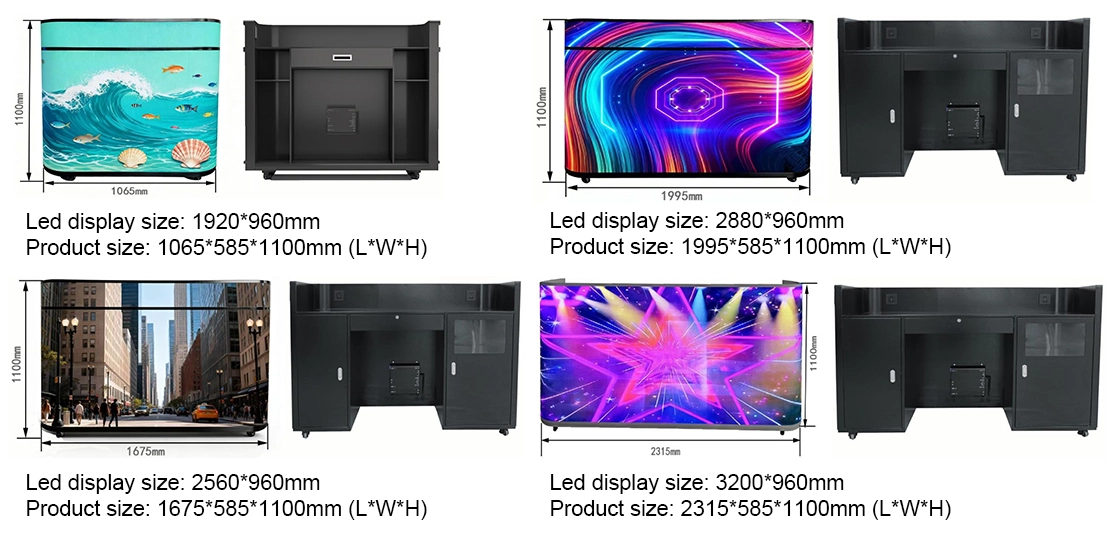
Followed is a spec about TW VISION’S front desk screen.
The Biggest Disadvantages and Hidden Risks
Although affordability is attractive, these must be weighed carefully because the disadvantages can be costly over time. The cheapest model is not always the most economical choice once repairs, downtime, and replacement are considered.
Lower image quality
One common issue with inexpensive LED displays is reduced visual performance. Lower resolution, inconsistent brightness, weaker contrast, and poor color reproduction can all affect how professional the screen appears. If your brand depends on polished visuals, these weaknesses may hurt rather than help.
Shorter lifespan
A major factor in cheap LED display pros and cons is longevity. Lower-priced units may use less durable LEDs, power supplies, connectors, and driver components. As a result, they may degrade faster, show dead pixels earlier, or require replacement sooner than higher-quality alternatives.
More maintenance problems
Budget displays can be more vulnerable to overheating, module failure, signal instability, and power issues. Even when the initial purchase price is low, ongoing maintenance can reduce overall value. Frequent service interruptions may also affect your marketing performance and business image.
Inconsistent manufacturing quality
Not all affordable screens are built to the same standard. Some suppliers cut costs by reducing quality control. This can lead to uneven panel alignment, noticeable color differences between modules, or unreliable waterproofing in outdoor applications.
Weak after-sales support
Another concern in cheap LED display pros and cons is support quality. Some low-price vendors offer limited warranties, delayed spare parts, or minimal technical guidance after the sale. If a problem occurs, you may struggle to get help quickly.
Poor suitability for demanding environments
Outdoor use, direct sunlight, high humidity, and long daily operating hours all put stress on LED displays. A cheap model may perform poorly under these conditions. Insufficient brightness can make content unreadable during the day, while weak sealing can cause failures in rain or dust.
Higher total cost of ownership
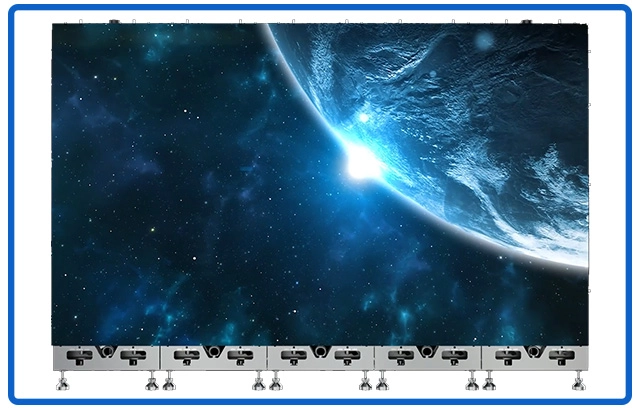
This is one of the most overlooked elements of cheap LED display pros and cons. A low upfront price can become expensive if the screen consumes more power, needs more repairs, or must be replaced early. Total cost of ownership often matters more than the purchase price alone.
For buyers focused only on the initial quote, these disadvantages can come as a surprise. That is why technical evaluation and supplier review are essential before making a purchase.
How to Decide If a Cheap LED Display Is Right for You
The best way to evaluate cheap LED display pros and cons is to match the display to your actual business needs rather than buying based on price alone. A cheaper display may be the right choice in some scenarios and the wrong choice in others.
Consider the viewing distance
If your audience will view the screen from far away, a lower-resolution display may still look fine. For roadside signs or large event backdrops, ultra-high pixel density may not be necessary. But if viewers stand close, poor pixel pitch becomes much more noticeable.
Indoor vs. outdoor use
Indoor environments are usually more forgiving. Lighting is controlled, weather is not a factor, and the display may not need maximum brightness. That makes affordable indoor products a safer bet. Outdoor installations, however, require stronger brightness, weather resistance, and thermal durability.
Operating hours matter
A display that runs only a few hours per day has very different demands from one operating nearly nonstop. When reviewing cheap LED display pros and cons, always estimate daily usage. Heavy use puts stress on components and often justifies a better-quality product.
Define your content type
If you only display text, offers, and simple graphics, a low-cost screen may be enough. But if you need high-definition brand videos, detailed product visuals, or premium presentation quality, the cheapest screen may disappoint.
Check the supplier’s credibility
The value of an affordable LED display depends heavily on who sells it. Ask about:
– Warranty duration
– Spare parts availability
– Installation guidance
– Technical support response time
– Certifications
– Case studies or references
– Brightness and refresh specifications
– Repair process
A reliable supplier can make a modestly priced display a much safer investment.
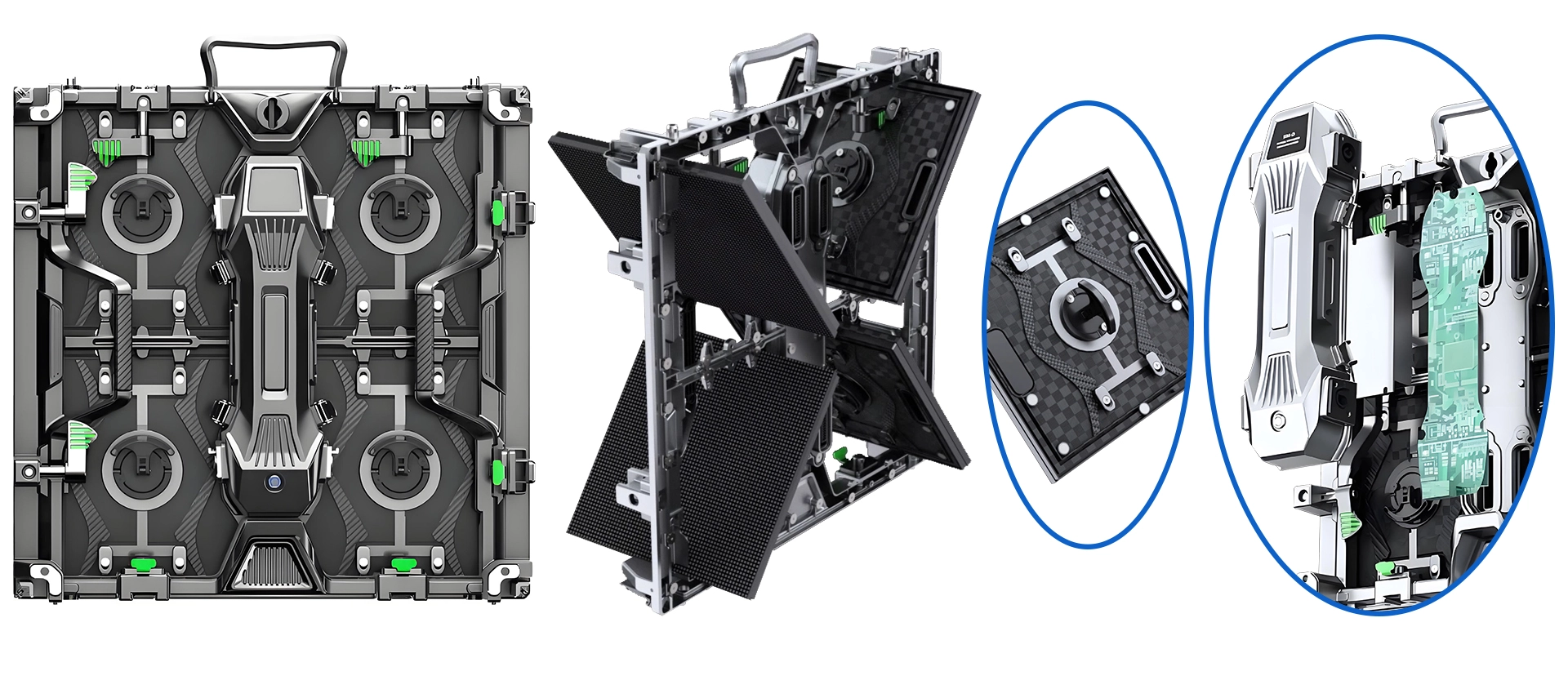
Ask for a sample or demo
One of the smartest steps in analyzing cheap LED display pros and cons is seeing the product in action. Photos and spec sheets do not always reveal issues like flicker, color inconsistency, or poor assembly. A demo can expose quality gaps before purchase.
Compare ownership cost, not just sticker price
Make a simple cost comparison over three to five years. Include energy use, maintenance, downtime risk, and replacement probability. This broader view often reveals whether an affordable display is truly economical.
Ultimately, the right decision depends on performance expectations. If your needs are basic, a cheap LED display may be a smart and practical tool. If reliability and visual quality are mission-critical, paying more may save money long term.
Smart Buying Tips to Reduce Risk
Anyone researching cheap LED display pros and cons should also know how to buy strategically. A lower-cost screen does not have to be a bad investment if you reduce the common risks before signing a contract.
Prioritize essential specs
Do not get distracted by marketing claims. Focus on the specifications that truly affect performance:
– Brightness
– Pixel pitch
– Refresh rate
– Viewing angle
– IP rating for outdoor use
– Power consumption
– Cabinet material
– Maintenance access type
– Warranty terms
A cheap display with acceptable core specs is better than a flashy product with poor reliability.
Avoid buying the absolute cheapest option
There is usually a major difference between “affordable” and “suspiciously cheap.” In many cheap LED display pros and cons comparisons, the lowest-priced offer carries the greatest quality risk. A slightly higher price from a reputable supplier often delivers much better value.
Confirm replacement module availability
If one panel fails, can you quickly get a matching replacement? This matters because inconsistent replacement parts can create visible color and brightness mismatch across the screen.
Review installation requirements
Some buyers focus on screen cost and forget structural, electrical, and control-system expenses. Be sure to include mounting, wiring, ventilation, media controller needs, and possible maintenance access costs.
Understand warranty limitations
Read the fine print. Some warranties exclude shipping, labor, weather damage, or key components. When weighing cheap LED display pros and cons, a weak warranty can erase the advantage of a low price.
Plan for maintenance from day one
Even affordable LED screens need routine care. Dust buildup, ventilation issues, power irregularities, and environmental exposure can shorten lifespan. A simple maintenance plan can improve performance and reduce surprise failures.
Buy for the real use case
Do not overbuy, but do not underbuy either. If your screen is mission-critical, front-facing, and central to your brand image, reliability should come first. If it is a secondary display for occasional promotions, a budget model may be entirely reasonable.
The most successful buyers treat affordability as one factor among many. By doing so, they turn cheap LED display pros and cons into a useful buying framework rather than a gamble.

FAQ
Are cheap LED displays worth buying?
Yes, in the right context. The answer depends on your use case, which is why understanding cheap LED display pros and cons is so important. For indoor retail, temporary events, or simple promotional content, a low-cost display can offer strong value. For outdoor, high-use, or image-sensitive applications, a better-quality screen may be worth the added cost.
Do cheap LED displays have poor picture quality?
Not always, but many budget models have trade-offs in resolution, color consistency, brightness, or refresh rate. When comparing cheap LED display pros and cons, picture quality is one of the first areas to check, especially if viewers will stand close to the screen.
How long does a cheap LED display usually last?
Lifespan varies by component quality, operating hours, ventilation, and environment. In many cheap LED display pros and cons evaluations, cheaper screens tend to have shorter service life than premium models. Proper installation and maintenance can still help extend performance.
Is a cheap LED display suitable for outdoor advertising?
Sometimes, but caution is needed. Outdoor use places greater demands on brightness, waterproofing, and heat resistance. One of the biggest cheap LED display pros and cons considerations is whether the screen is truly rated for local weather conditions and daytime visibility.
What should I check before buying a cheap LED display?
Check brightness, pixel pitch, refresh rate, IP rating, warranty, spare parts, supplier support, and real-world demo performance. Looking closely at these points makes the cheap LED display pros and cons decision much clearer and helps prevent low-cost mistakes.
Conclusion
The real story behind cheap LED display pros and cons is not that cheap screens are always good or always bad. It is that value depends on fit. A low-cost LED display can be a practical solution for limited budgets, basic messaging, short-term events, and controlled indoor environments. At the same time, lower price often brings compromises in image quality, reliability, support, and lifespan.
Before buying, define your goals, environment, content needs, and operating schedule. Compare total ownership cost rather than headline price alone. If you approach cheap LED display pros and cons with realistic expectations and careful supplier screening, you can find a display that saves money without creating bigger problems later.
