

led displays for retail stores: boost sales now

led displays for retail shops grow faster. Retail is more competitive than ever. Shoppers expect immersive, visually engaging experiences the moment they step into a store. Static signs and printed posters still have a place, but they often lack the flexibility and impact modern businesses need. That is why many brands are investing in LED Displays to attract attention, deliver timely promotions, and strengthen brand identity.
Table of Contents
- Why led displays for retail stores matter today
- Best placement ideas for led displays for retail stores
- Storefront windows
- Entrance zones
- End caps and product aisles
- Checkout areas
- Fitting rooms and experiential zones
- Key benefits of led displays for retail stores
- 1. Stronger customer attention
- 2. Faster content updates
- 3. Better promotional flexibility
- 4. Enhanced in-store experience
- 5. Improved brand perception
- 6. Support for upselling and cross-selling
- 7. Reduced printing waste
- How to choose the right led displays for retail stores
- Screen size and resolution
- Brightness levels
- Pixel pitch
- Content management system
- Durability and maintenance
- Integration with retail strategy
- Budget and return on investment
- Content strategies for led displays for retail stores
- FAQ about led displays for retail stores
- Are led displays for retail stores worth the investment?
- Where should led displays for retail stores be installed?
- What content works best on led displays for retail stores?
- How do retailers maintain led displays for retail stores?
- Conclusion
From storefront windows to checkout counters, digital screens can transform how retailers communicate with customers. They help stores highlight offers, guide shoppers through product zones, and create memorable experiences that support both foot traffic and conversions. In this guide, you will learn how LED display work, why they matter, where to use them, and how to choose the right solution for long-term value.
Why led displays for retail stores matter today
Consumer attention is limited, especially in busy shopping environments. Traditional signage can fade into the background, while dynamic digital visuals are more likely to capture the eye. This is one of the main reasons LED Displays have become a valuable part of modern visual merchandising strategies.
Retailers use LED solutions to present moving images, promotional videos, pricing updates, seasonal campaigns, and brand storytelling in real time. Unlike printed materials, LED content can be updated instantly across one location or multiple branches. This gives store owners more control over messaging while reducing the cost and waste associated with frequent reprints.
Another major advantage of LED Display is brightness. LED technology performs well in environments with strong ambient light, including storefront windows exposed to daylight. High visibility ensures that promotions remain readable and appealing throughout the day.
These displays also support a more premium in-store atmosphere. Whether the goal is luxury presentation, tech-forward branding, or a lively promotional environment, LED screens can reinforce the intended aesthetic. With the right design, content, and placement, stores can influence customer behavior in subtle but powerful ways.
Perhaps most importantly, retail businesses can use LED systems to react quickly to trends. Need to promote a flash sale? Launch a new collection? Highlight a limited-time bundle? Digital messaging makes those changes easy and immediate, which is critical in fast-moving retail markets.
Best placement ideas for led displays for retail stores
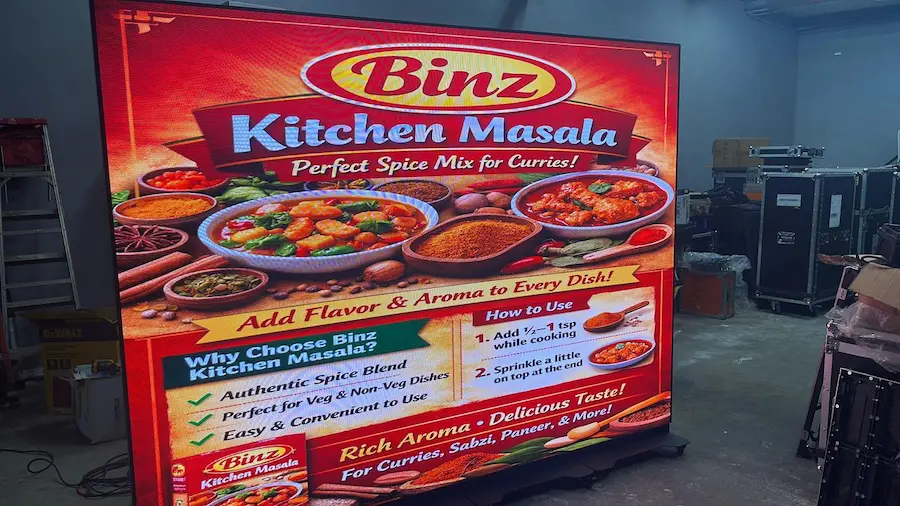
The effectiveness of any screen depends not only on the technology itself but also on where it is installed. Smart placement can increase visibility, support navigation, and improve the customer journey from entry to purchase. Businesses that adopt the concept should plan installations based on traffic flow, product priorities, and store layout.
Storefront windows
Window-facing screens are among the most powerful placements in retail. They help capture the attention of passersby and encourage walk-ins. Animated promotions, brand videos, and product highlights can turn a simple storefront into a high-impact advertising space.
Entrance zones
The first few seconds inside a store shape customer perception. Displays placed near the entrance can introduce current offers, featured categories, or key brand messages. This makes the approach especially useful for setting the tone and directing immediate interest.
End caps and product aisles
Positioning screens near featured products can increase product awareness and provide contextual information. For example, a beauty store might show tutorials beside cosmetics, while an electronics retailer could display product demos near devices. This educational use of digital content helps shoppers feel more confident in their decisions.
Checkout areas
Customers waiting in line are a captive audience. Small-format screens at or near checkout can promote add-on purchases, loyalty programs, gift cards, or limited-time deals. These placements can improve basket size without requiring extra sales staff involvement.
Fitting rooms and experiential zones
Apparel and lifestyle retailers can use screens in fitting room areas or branded experience corners to create a more interactive atmosphere. Style tips, cross-sell suggestions, and campaign visuals can reinforce purchase intent and build brand engagement.
When planning locations for it, it is important to avoid overcrowding. Too many screens can overwhelm shoppers. The best results come from strategic deployment that complements the physical environment rather than competing with it.
Key benefits of led displays for retail stores
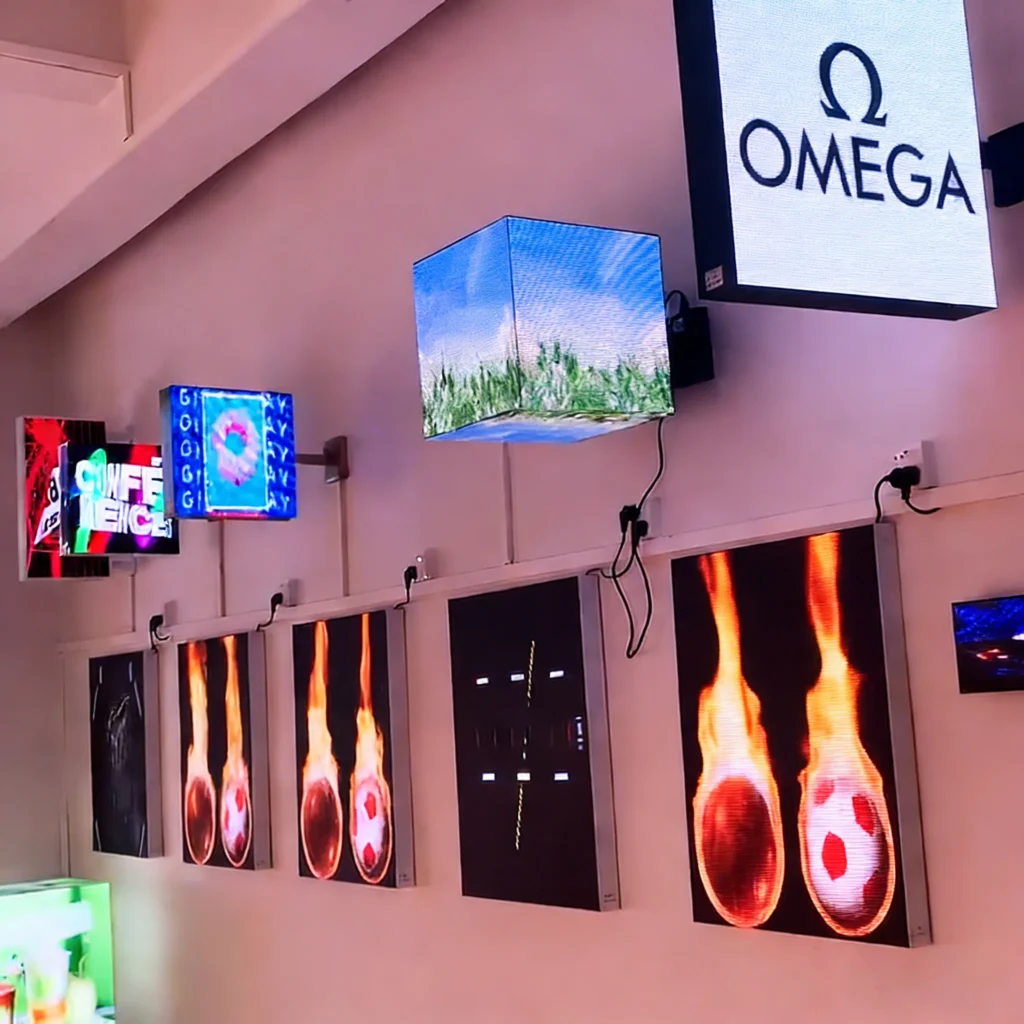
Retailers invest in digital signage because it produces practical, measurable benefits. When used correctly, this can do far more than decorate a space. They support marketing, operations, customer experience, and revenue growth at the same time.
1. Stronger customer attention
Movement naturally attracts the eye. Compared with static posters, LED content is more likely to stand out in high-traffic areas. This can increase the visibility of products, promotions, and branded messages.
2. Faster content updates
With digital systems, staff can change content remotely and instantly. Prices, offers, and campaign visuals can be adjusted without waiting for new printed materials. For multi-location retailers, this consistency is especially valuable.
3. Better promotional flexibility
Retail calendars change quickly. Seasonal campaigns, holiday events, new launches, and clearance sales require fast execution. these make it easy to schedule different messages by time of day, day of week, or store location.
4. Enhanced in-store experience
Digital visuals can create excitement and atmosphere. Screens showing product stories, styling ideas, or social media content make the environment feel more engaging. This can increase dwell time and support stronger emotional connections with the brand.
5. Improved brand perception
A well-designed display system signals innovation and professionalism. Customers often associate digital signage with modern, organized, forward-thinking retail operations. This can elevate the perceived value of both products and the shopping experience.
6. Support for upselling and cross-selling
Retailers can use targeted content to suggest related items, bundles, or premium alternatives. This is particularly effective in categories like electronics, fashion, cosmetics, food, and home goods.
7. Reduced printing waste
Although LED systems require upfront investment, they can lower long-term spending on paper signage, posters, and replacements. They also support sustainability goals by reducing material waste.
These benefits explain why they are being adopted by independent shops, national chains, supermarkets, boutiques, and department stores alike.
How to choose the right led displays for retail stores
Not all digital display solutions are equal. The right system depends on your goals, store size, content strategy, and budget. Before purchasing the concept, retailers should evaluate technical and operational factors carefully.
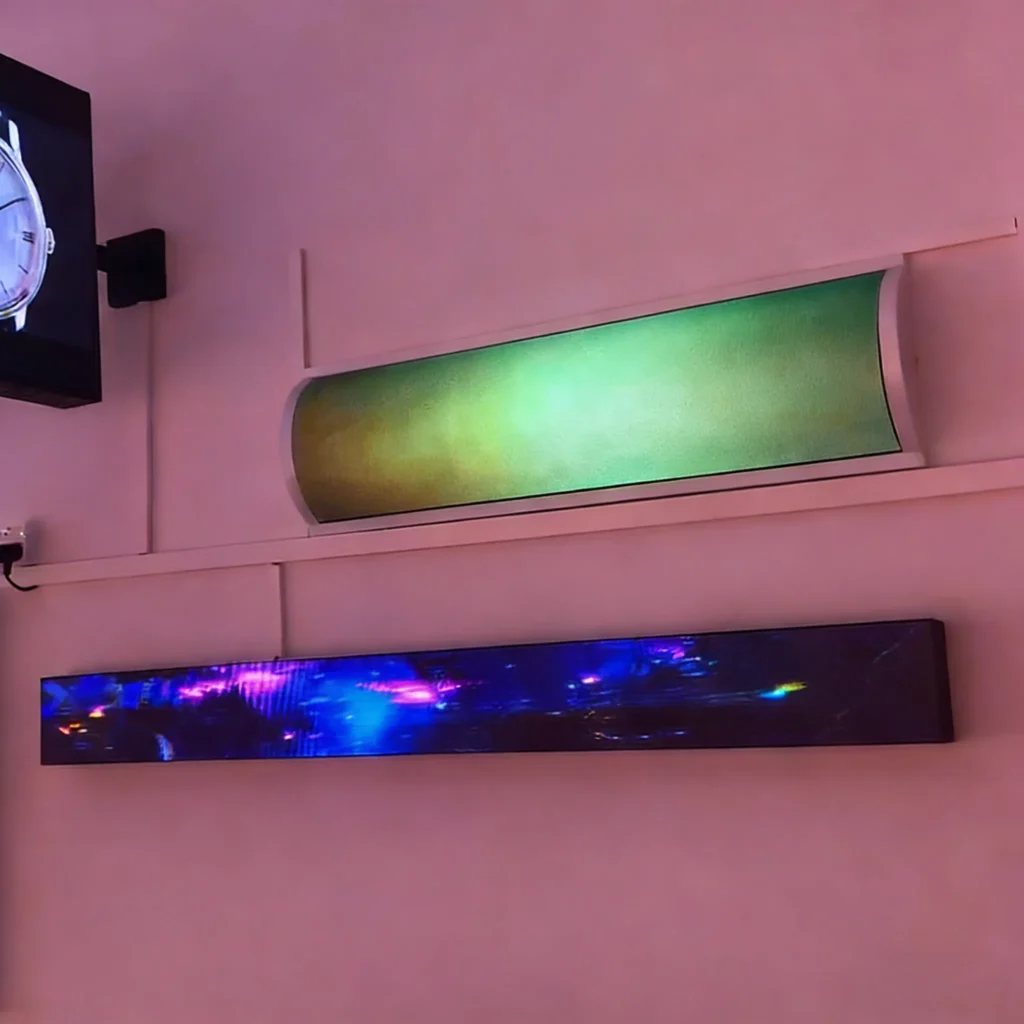
Screen size and resolution
Choose a display size that fits the intended viewing distance. Large window or feature-wall screens need strong visibility from afar, while smaller screens near checkout or shelves can be more compact. Resolution matters too, especially for close-range viewing where image sharpness affects perceived quality.
Brightness levels
Retail stores often have variable lighting conditions. Window-facing displays need much higher brightness than interior screens. If a display will be exposed to daylight, brightness should be a top selection criterion.
Pixel pitch
Pixel pitch refers to the distance between LED pixels. A smaller pixel pitch delivers finer image quality at close viewing distances. For indoor retail spaces where customers stand near the screen, this is particularly important.
Content management system
A good CMS allows retailers to schedule, update, and manage content easily. This is essential if you plan to rotate promotions often or control multiple displays across several locations. The software should be user-friendly and scalable.
Durability and maintenance
Retail environments can be demanding. Displays should be reliable, easy to maintain, and supported by a strong warranty. Be sure to consider heat management, installation quality, and service accessibility.
Integration with retail strategy
Technology alone does not guarantee results. The most effective the approach are part of a wider merchandising and marketing strategy. Content should align with store branding, seasonal goals, shopper demographics, and product priorities.
Budget and return on investment
Retailers should look beyond the initial purchase cost. Consider installation, software, maintenance, content creation, and energy use. Then compare these costs with expected benefits such as improved traffic, higher sales, reduced print spend, and stronger customer engagement.
Choosing the right display partner can simplify the process. An experienced provider can recommend suitable hardware, placement strategies, installation methods, and content workflows tailored to your retail environment.
Content strategies for led displays for retail stores
Even the best screen hardware will underperform without effective content. To maximize results, businesses using it need clear, attractive, and purposeful messaging that matches shopper behavior.
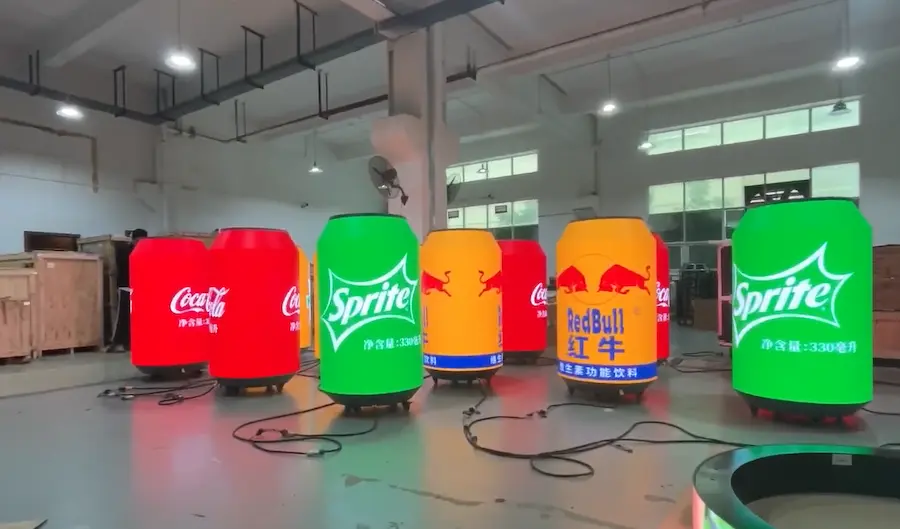
First, keep messages simple. In retail, customers often view screens for only a few seconds. Prioritize one message at a time, use bold visuals, and make text easy to read from the expected distance.
Second, tailor content to location. A window display should focus on attraction and awareness, while an aisle display may educate or compare products. Checkout displays should encourage impulse purchases or loyalty sign-ups. This location-based approach makes this more relevant and effective.
Third, use motion carefully. Animation can draw attention, but excessive movement can distract or overwhelm. Smooth transitions, short loops, and focused storytelling usually perform better than cluttered visuals.
Fourth, update content regularly. Repeating the same visuals for months reduces impact. Seasonal refreshes, weekly promotions, and event-driven campaigns keep the store feeling current and active.
Fifth, support branding consistency. Fonts, colors, imagery, and tone should match the brand’s identity across physical and digital touchpoints. This creates a seamless experience that customers recognize and trust.
Finally, measure performance when possible. Retailers can compare sales before and after campaigns, track promoted product lift, monitor foot traffic changes, or collect staff feedback. Performance data helps improve future content and placement decisions.
When supported by thoughtful creative execution, led displays for retail stores can become one of the most versatile communication tools in the store.
FAQ about led displays for retail stores
Are led displays for retail stores worth the investment?
Yes, led displays for retail stores are often worth the investment for businesses that want more flexibility, stronger visual impact, and better promotion management. They can improve customer attention, reduce print replacement costs, and support higher sales when paired with effective content.
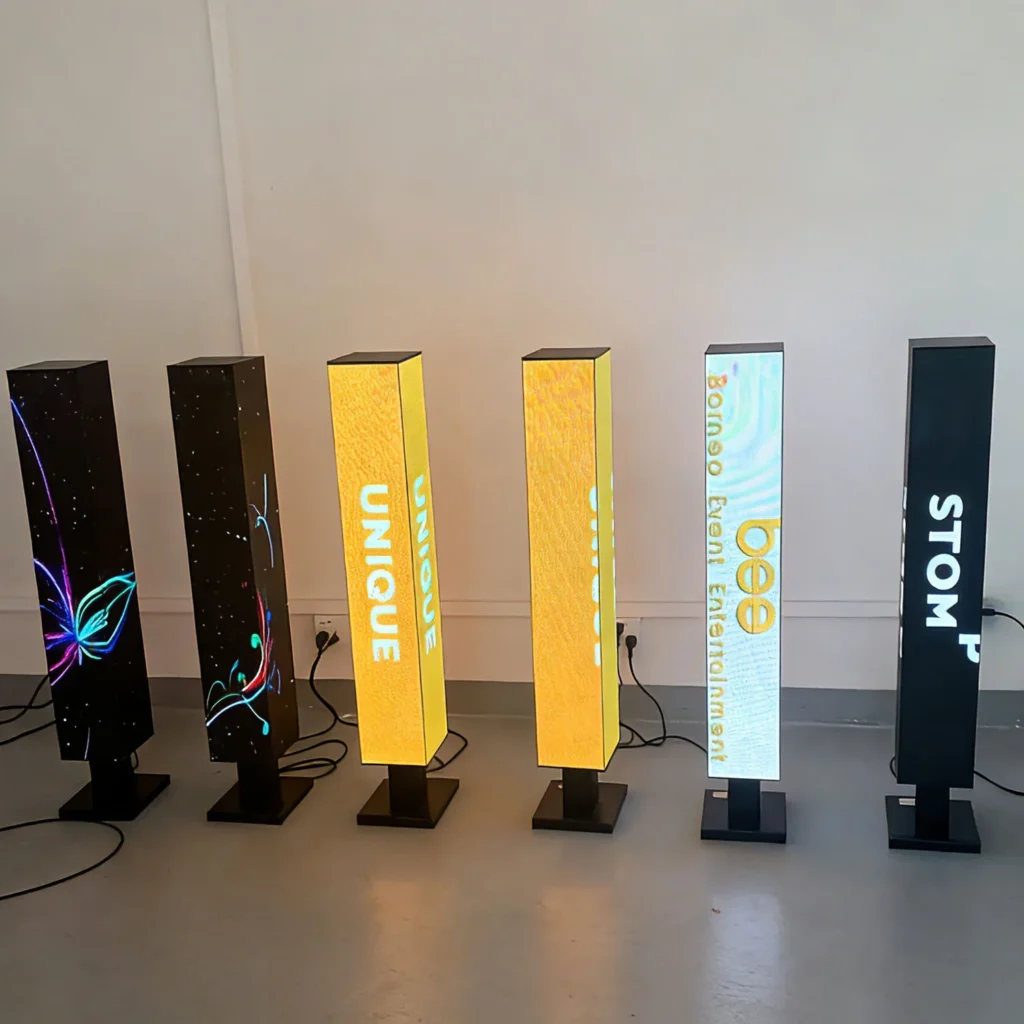
Where should led displays for retail stores be installed?
The best locations for led displays for retail stores include storefront windows, entrance areas, feature walls, product aisles, checkout counters, and experiential zones. The ideal placement depends on your layout, traffic flow, and specific sales goals.
What content works best on led displays for retail stores?
The most effective content for led displays for retail stores includes promotional offers, product demos, new arrivals, brand storytelling, social proof, seasonal campaigns, and cross-sell suggestions. Short, visually clear messages usually work best in fast-moving retail settings.
How do retailers maintain led displays for retail stores?
To maintain led displays for retail stores, retailers should follow manufacturer cleaning guidelines, schedule routine inspections, monitor brightness and performance, and work with experienced installers or service providers. Preventive maintenance helps protect long-term reliability and image quality.
Conclusion
For retailers looking to modernize the shopping experience, improve communication, and increase promotional agility, led displays for retail stores offer a compelling solution. They capture attention, adapt quickly to changing campaigns, and support stronger in-store engagement across many retail formats.
Success depends on more than simply installing screens. Retailers should focus on strategic placement, appropriate technical specifications, and content designed for real shopper behavior. When these elements work together, led displays for retail stores can elevate brand presence, improve customer experience, and contribute to measurable business growth.
