
trade show wall panels: 6 Best : design, setup, ROI tips

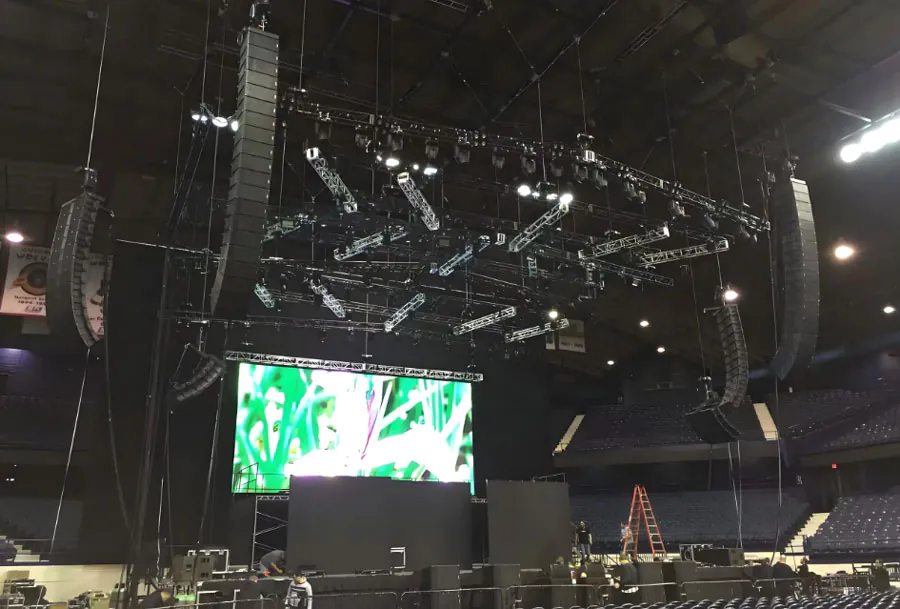
Trade shows remain one of the most effective ways for brands to generate leads, build recognition, and create face-to-face connections. In that environment, your booth backdrop often becomes the first thing attendees notice, which is why trade show wall panels play such a critical role in event success. They help define your space, communicate your brand message, and support a polished, professional presentation.
Table of Contents
- Why trade show wall panels matter for booth success
- How to choose trade show wall panels for your brand
- Best design practices for trade show wall panels
- Setup, maintenance, and reuse strategies
- Measuring ROI from trade show wall panels
- FAQ
- What are trade show wall panels used for?
- Which materials are best for trade show wall panels?
- How do I design trade show wall panels that stand out?
- Are trade show wall panels reusable?
- How much should I budget for trade show wall panels?
- Conclusion
Whether you exhibit at small regional expos or major industry conventions, choosing the right display system can influence traffic, engagement, and conversions. From portable modular systems to premium fabric and rigid panel solutions, there are many options to consider. This guide explains how to choose, design, install, and maximize trade show wall panels so your booth looks stronger, works smarter, and delivers better return on investment.
Why trade show wall panels matter for booth success
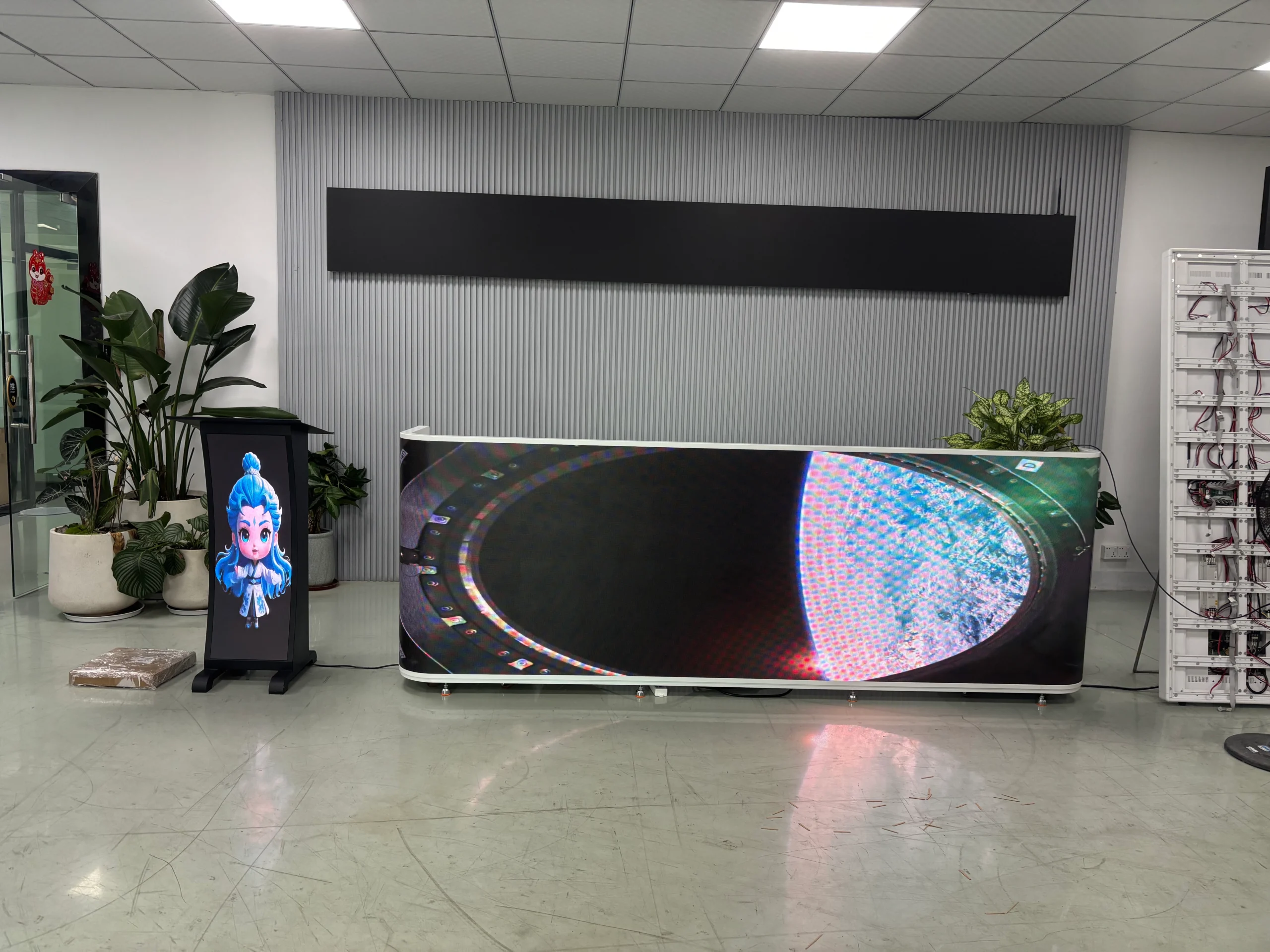
At a busy event, attendees make split-second decisions about which booths deserve their attention. Strong led wall panels help create that first positive impression by establishing visual authority and making your company easy to identify from a distance. A clear and cohesive backdrop can instantly signal professionalism, credibility, and relevance.
These display elements do much more than decorate a booth. They shape the attendee experience by organizing messaging, guiding attention to products, and creating a branded environment that feels intentional. Well-designed led wall panels can also help separate your space from neighboring exhibitors, especially in crowded halls where visual competition is intense.
Another important benefit is flexibility. Many modern systems are modular, which means they can be reconfigured for different booth sizes and event layouts. Brands that attend multiple shows each year often value solutions that can adapt without requiring a full new setup every time. In this way,led wall panels support both consistency and scalability.
They also contribute to better lead generation. When your graphics clearly explain who you are, what you offer, and why it matters, attendees can quickly decide whether to engage. That clarity reduces friction and helps booth staff start more productive conversations. In short, the approach is not just booth accessories—they are strategic marketing assets.
How to choose trade show wall panels for your brand
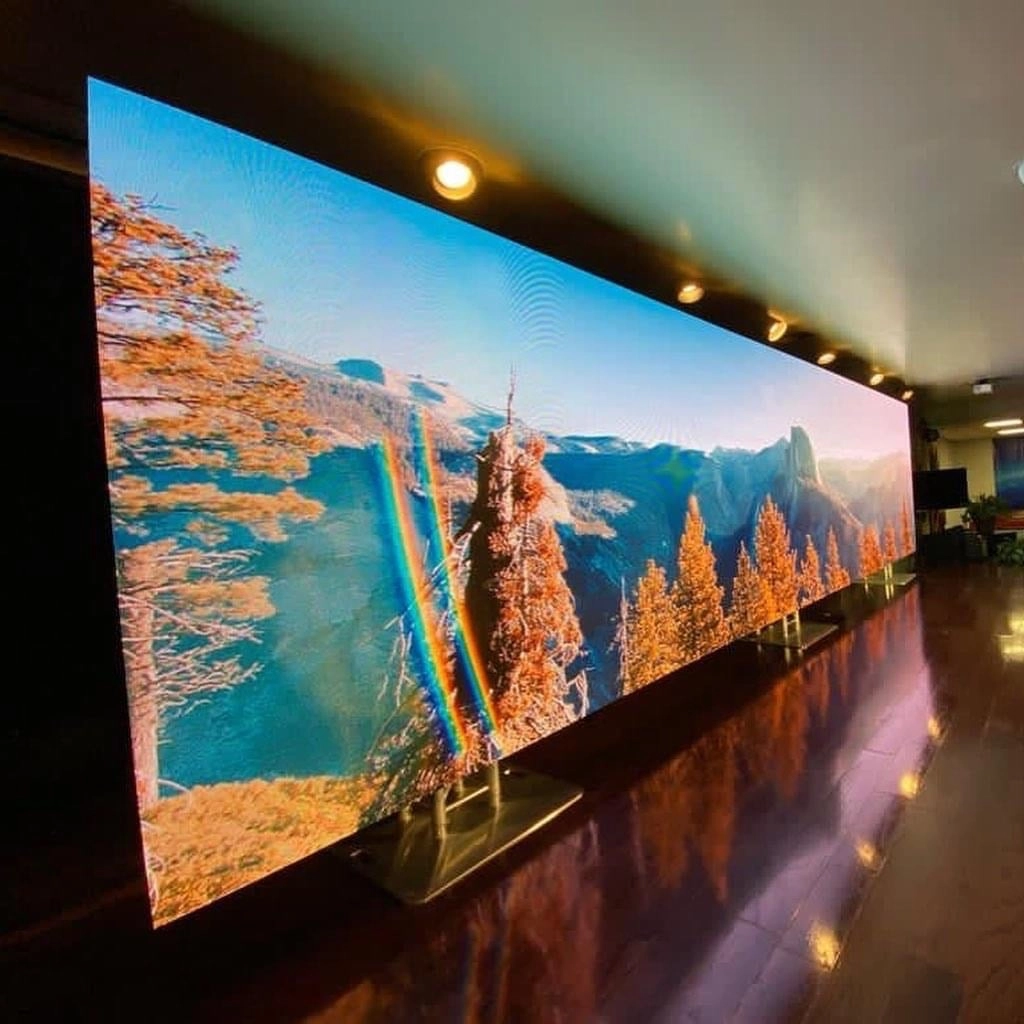
Selecting the right trade show wall panels begins with understanding your event goals. Are you focused on launching a product, increasing brand awareness, booking demos, or collecting qualified leads? Your answer will influence the type of wall system, size, layout, and graphic priorities that make the most sense.
Portability is often one of the first considerations. If your team travels frequently and manages setup internally, lightweight systems may be ideal. Fabric tension displays, collapsible frames, and modular panel systems can reduce shipping costs and simplify installation. Heavier rigid solutions may offer a premium look, but they often require more logistics support.
Budget is another key factor. The cheapest option is not always the most cost-effective over time. Durable led wall panels that can be reused across multiple events may provide a better long-term return than disposable or low-quality alternatives. Think about lifecycle cost, not just initial purchase price.
Brand alignment should guide every decision. Your panels should reflect your company’s style, color palette, tone, and positioning. A technology company may prefer sleek, minimalist visual treatment, while a lifestyle brand might use bold imagery and more immersive storytelling. The best wall panels feel like a physical extension of your brand identity.
Finally, consider booth size and venue regulations. Some events restrict display height, lighting, or structural components. Always confirm requirements before ordering. A display that looks perfect in a showroom rendering may not fit your actual event footprint. Careful planning ensures the wall panels perform well in real-world conditions.
Best design practices for trade show wall panels
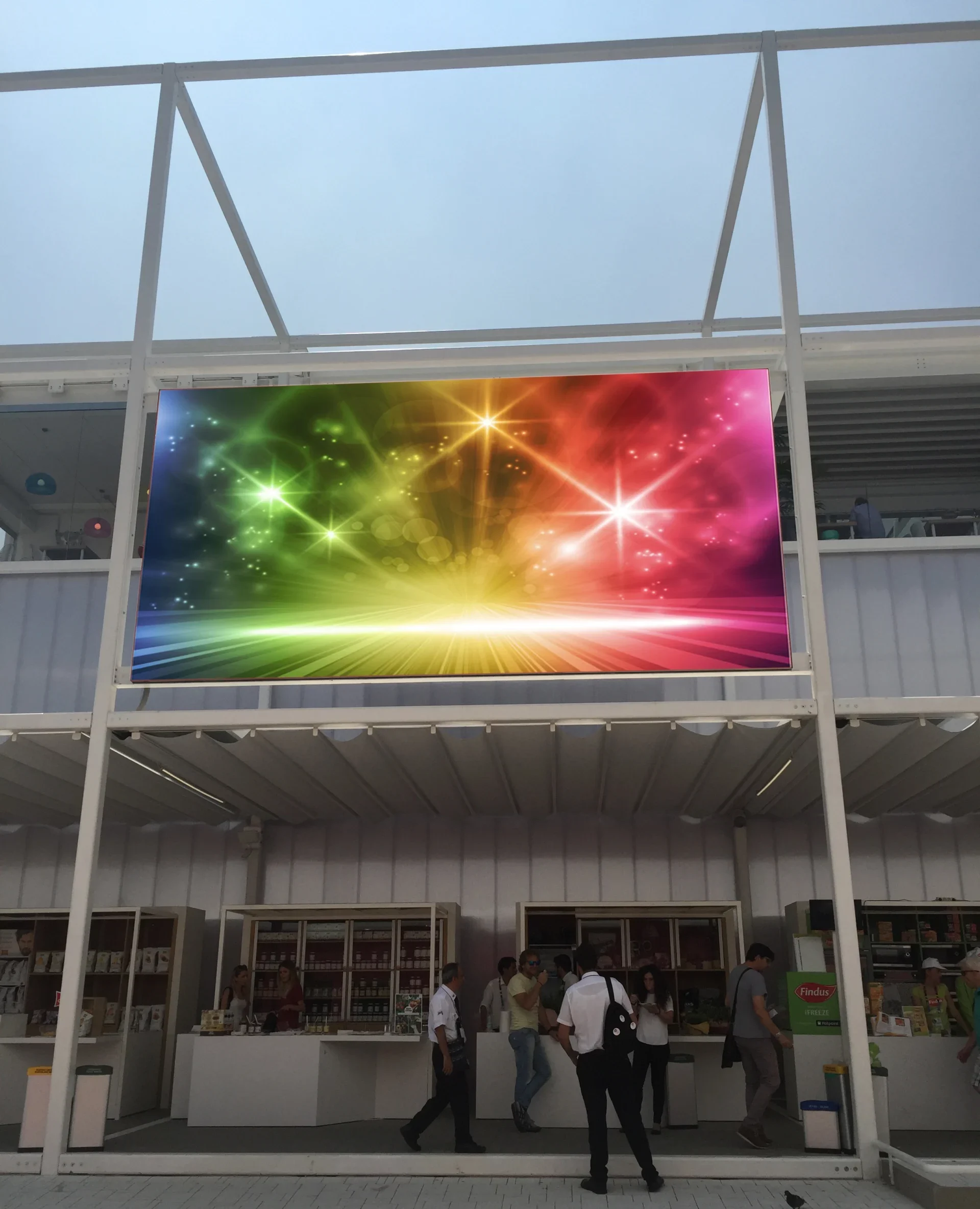
Great design can transform led wall panels from background surfaces into high-impact communication tools. The most effective designs are simple, bold, and readable from several feet away. Trade show attendees move quickly, so your message must be understood almost instantly.
Start with one strong headline. This should communicate your core value proposition in a short, compelling phrase. Avoid cramming too much text into the display. Dense paragraphs rarely perform well in event environments because people scan rather than read deeply. Strong approach prioritizes visual clarity over excessive information.
Typography matters just as much as messaging. Use large fonts, high contrast, and clean typefaces that remain legible at a distance. Important words should stand out immediately. Supporting details can be included in smaller sections, but the primary message should dominate the layout.
Imagery should be high resolution and strategically selected. Product images, customer use cases, branded lifestyle visuals, and process diagrams can all be effective depending on your industry. However, random stock photography often weakens credibility. The best LED wall panels use visuals that reinforce the brand story and support sales conversations.
Color choice also affects performance. Your palette should be consistent with your brand, but it should also stand out in a crowded exhibition hall. If many nearby booths use similar colors, subtle differentiation can help attract more attention. Contrast, whitespace, and focal points all improve overall effectiveness.
Do not forget practical design zones. Leave room for screens, shelving, lighting, product mounts, or demo areas if they are part of your booth plan. Many companies design graphics first and realize too late that hardware or accessories block key messages. Smart planning ensures trade show wall panels stay functional as well as attractive.
Setup, maintenance, and reuse strategies
Even the best trade show wall panel lose value if setup is stressful or inconsistent. Installation planning should begin long before the event date. Teams should review hardware instructions, inspect all components, test the display in advance, and pack everything in a clearly labeled, organized way.
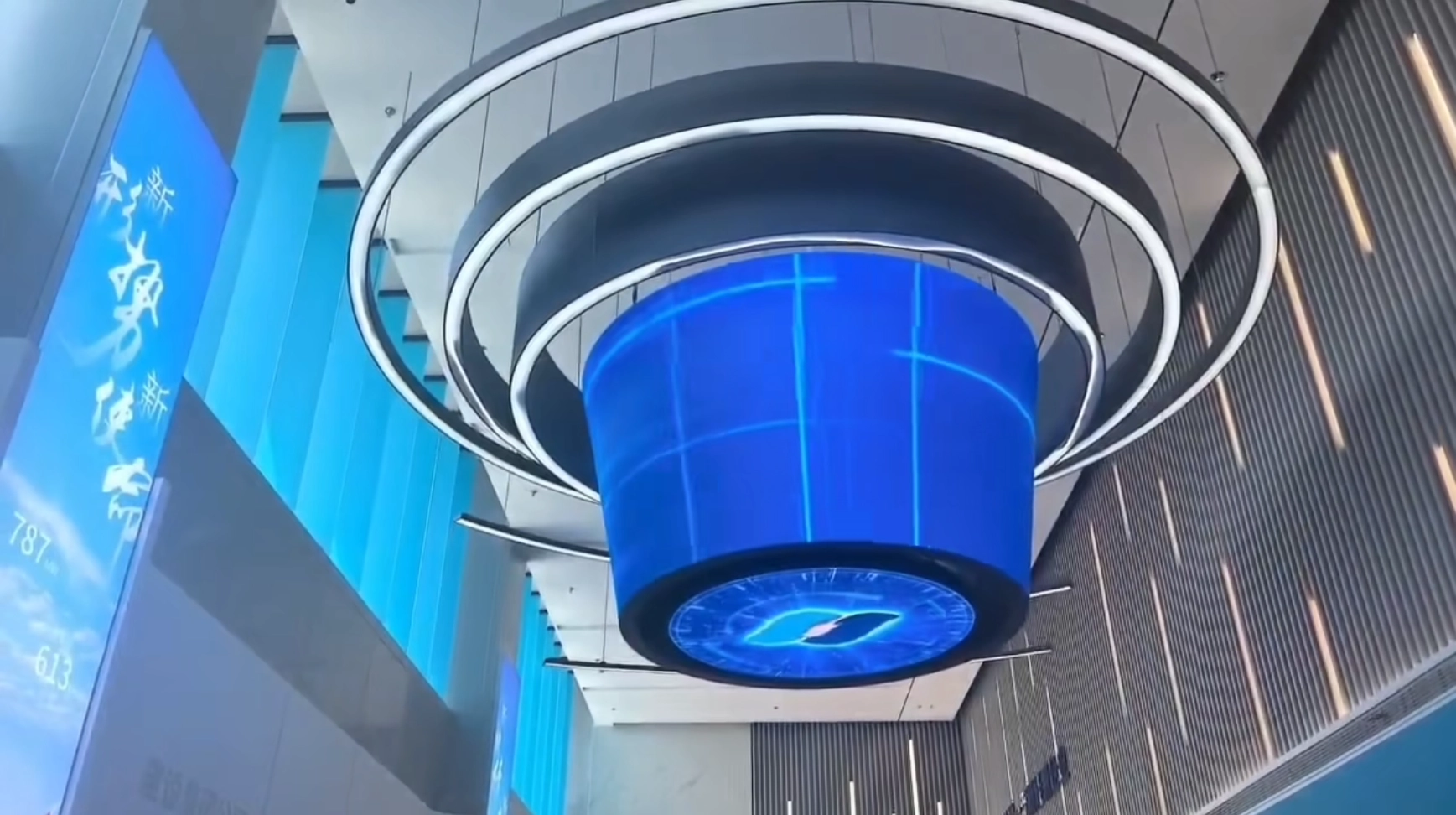
A pre-show trial setup is one of the smartest steps you can take. It allows your team to identify missing parts, alignment issues, graphic errors, or structural concerns before arriving at the venue. This also helps staff learn the assembly process, which can save time and reduce costly last-minute fixes. Reliable led wall panels should be easy to assemble when prepared correctly.
Maintenance is equally important. After each event, inspect frames, connectors, graphics, and carrying cases for damage. Clean surfaces according to manufacturer recommendations. Fabric displays may need wrinkle management, while rigid panels should be checked for scuffs or edge wear. Regular care extends the lifespan of your investment.
Storage conditions matter more than many exhibitors realize. Keep display materials in a clean, dry environment with protection from crushing or bending. Organized storage also helps your team reuse assets faster when preparing for the next event. Well-preserved wall panels maintain a professional appearance and reduce replacement costs.
Reuse strategy should be built into the purchase decision. Modular systems offer particular value because they can be reconfigured for different booth sizes, updated with new graphics, or integrated with counters and accessories. If your event calendar varies throughout the year, flexible the approach can deliver better operational efficiency and stronger budget control.
Measuring ROI from trade show wall panels
It is easy to think of it as a visual expense, but their real impact should be measured through business outcomes. A stronger booth backdrop can improve traffic flow, increase dwell time, support better sales conversations, and ultimately contribute to more leads and revenue.
Begin by defining your metrics before the show. Common KPIs include booth visits, scanned leads, meeting bookings, product demo participation, social mentions, and post-event sales opportunities. If you redesign your display, compare results with previous events to evaluate whether the updated wall panles improved performance.
You can also gather qualitative feedback. Ask booth staff which graphics attracted the most attention, what questions attendees asked repeatedly, and which messages seemed easiest to understand. This insight can reveal whether your display content is aligned with audience needs.
Another way to assess ROI is through operational savings. If your new system reduces shipping weight, labor requirements, setup time, or replacement frequency, that efficiency has measurable value. High-quality trade show wall panels often justify their cost not only through marketing impact but also through lower event logistics expenses.
Long-term brand value should be considered as well. Events are not just about immediate leads; they also build familiarity and trust. A memorable exhibit presence can influence buying decisions weeks or months later. When viewed through both direct and indirect outcomes, trade show wall panels become a strategic investment rather than a simple booth decoration.
FAQ
What are trade show wall panels used for?
Trade show wall panels are used to create branded backdrops, define booth space, display marketing messages, and support product presentation at events. They help businesses attract attention, communicate value quickly, and create a more professional exhibit environment.
Which materials are best for trade show wall panels?
The best materials for trade show wall panels depend on your goals, budget, and travel needs. Fabric tension systems are popular for portability, while rigid panels can provide a more solid premium feel. Modular options are ideal for exhibitors who need flexibility across multiple events.
How do I design trade show wall panels that stand out?
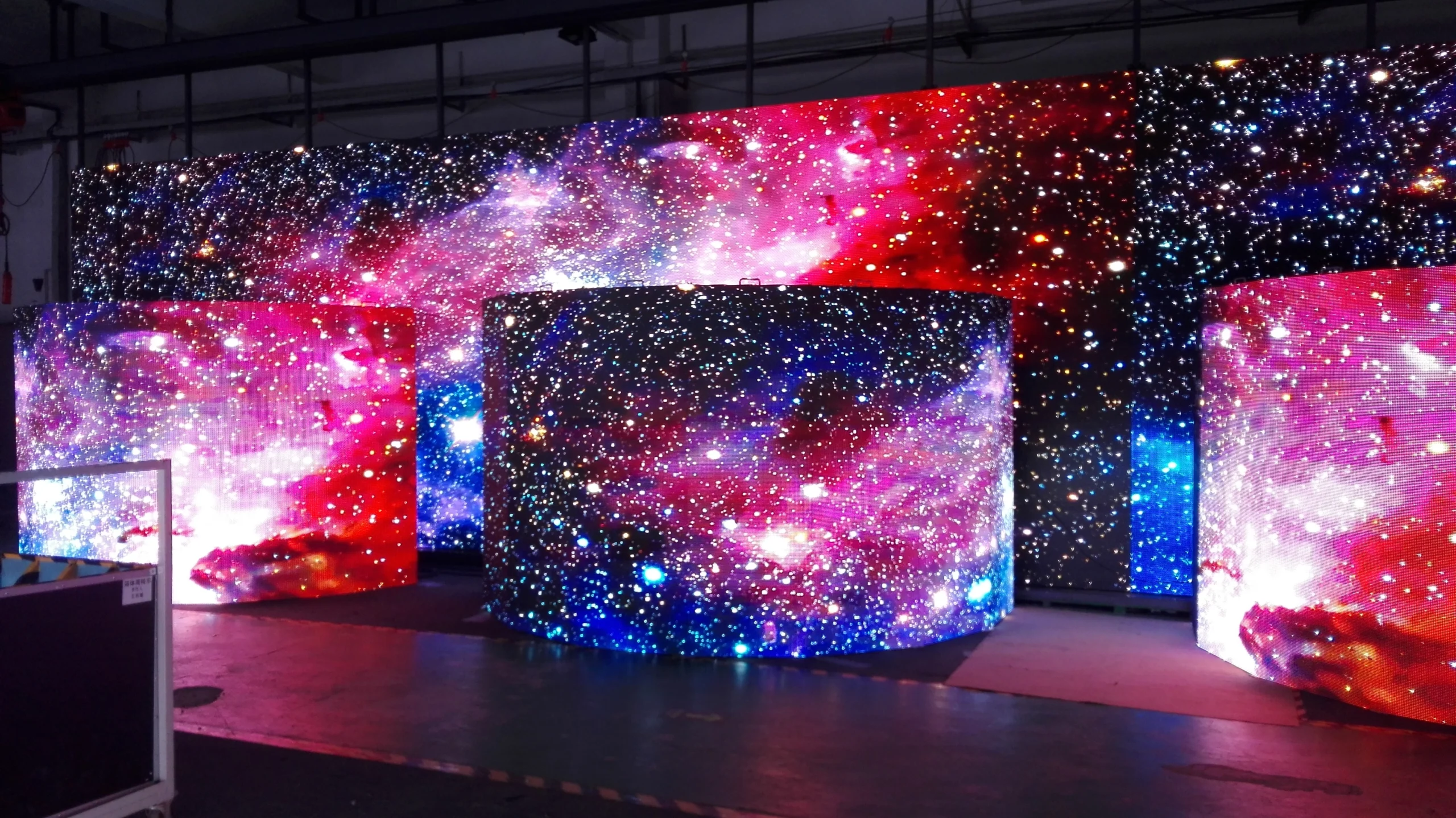
To make led wall panels stand out, focus on a clear headline, bold visuals, readable typography, and strong brand consistency. Keep text limited, use high-quality images, and make sure the main message can be understood within a few seconds from a distance.
Are trade show wall panels reusable?
Yes, many trade show wall panels are designed for repeated use. Modular and durable systems can be packed, stored, and reassembled for multiple shows. Proper cleaning, storage, and handling are essential if you want them to maintain a polished appearance over time.
How much should I budget for trade show wall panels?
Costs vary widely based on size, material, customization, and hardware. Basic portable systems may be relatively affordable, while premium custom solutions cost more. The smartest approach is to evaluate total value, durability, and reuse potential when investing in wall panels.
Conclusion
A successful exhibit starts with smart visual strategy, and trade show wall panels are central to that effort. They shape first impressions, reinforce branding, improve message clarity, and help your booth function more effectively in crowded event settings. When chosen carefully and designed with purpose, they can elevate both appearance and performance.
From material selection and modular flexibility to graphic design and ROI tracking, every decision affects how well your display supports event goals. Businesses that treat led wall panels as long-term marketing assets often gain stronger consistency, better lead engagement, and more efficient exhibit operations. If you want a booth that attracts attention and supports measurable results, investing in the right wall panel solution is a smart move.