

1.25mm Pixel Pitch LED Display: Complete Guide for Indoor

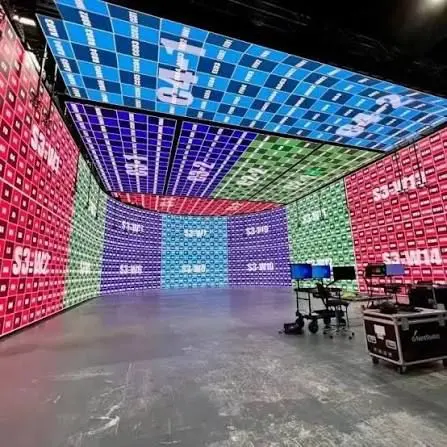
Introduction
The 1.25mm Pixel Pitch LED Display: Complete Guide for Indoor LED Walls decision matters most when viewers stand close to the screen. AVIXA display standards point to pixel pitch as the primary factor that determines how close someone can stand before seeing individual LEDs.
Table of Contents
- Introduction
- Match Pixel Pitch to the Room, Not the Brochure
- Best Applications for 1.25 mm Pixel Pitch Displays
- Corporate boardrooms and meeting spaces
- Control rooms and monitoring centers
- Broadcast studios and virtual production spaces
- Retail flagships and luxury brand environments
- Museums, experience centers, and lobbies
- Key Benefits of 1.25 mm Pixel Pitch for Indoor LED Walls
- Excellent image detail
- Better close-viewing experience
- Seamless large-format presentation
- Strong readability for text-heavy content
- Premium appearance
- Flexibility in screen sizing
- How 1.25 mm Pixel Pitch Compares With Other Pixel Pitches
- Compared with smaller pixel pitches
- Compared with larger pixel pitches
- Balancing performance and cost
- Future-proofing considerations
- Buying Considerations Before Choosing 1.25 mm Pixel Pitch
- Viewing distance and room layout
- Resolution requirements
- Brightness and ambient light
- Color consistency and image processing
- Front access and maintenance
- Budget and long-term value
- Supplier expertise
- Calibrate After Installation, Not Just at the Factory
- FAQ About 1.25 mm Pixel Pitch
- What does 1.25 mm pixel pitch mean?
- Is 1.25 mm pixel pitch good for boardrooms?
- What is the ideal viewing distance for 1.25 mm pixel pitch?
- Is 1.25 mm pixel pitch better than 1.5 mm?
- Is 1.25 mm pixel pitch worth the cost?
- Conclusion
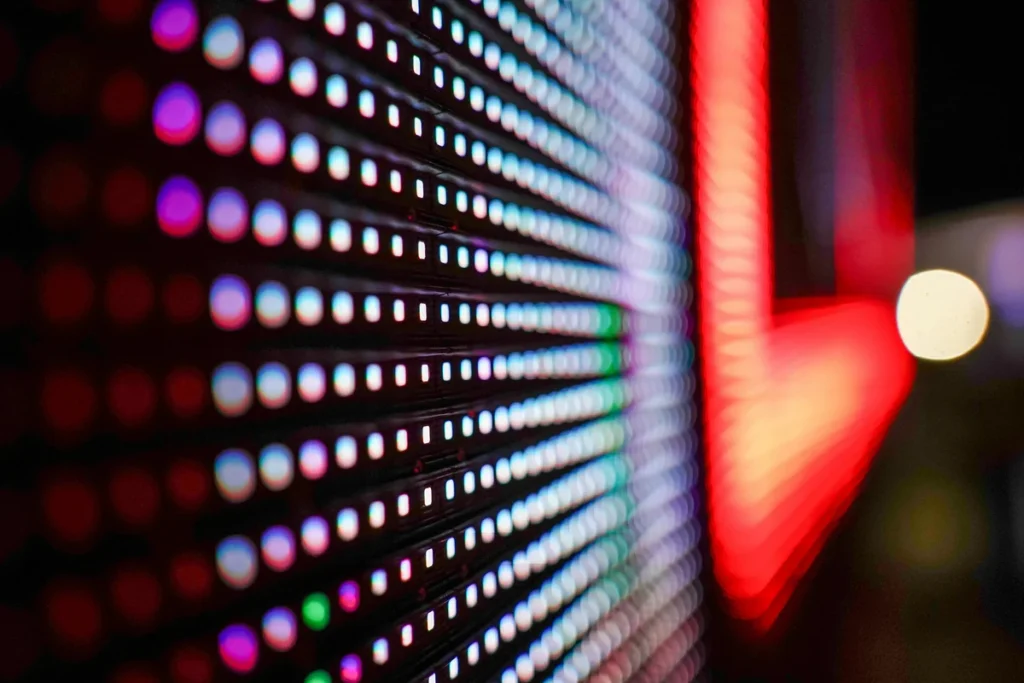
Many buyers choose 1.25mm panels without checking viewing distance, service access, or processing quality, and the mistakes show up later as visible seams, color shift, or camera moiré. You do not need to make that error. The guidance below cover close-viewing measurement, processing, calibration, installation, and total cost of ownership.
1. Match Pixel Pitch to the Room, Not the Brochure
Indoor viewing distances turn pixel pitch into a pass-or-fail variable. A fine-pitch indoor LED manufacturer may list P0.9, P1.2, or P1.5, but the right choice depends on where your nearest viewer stands. A widely used AV design rule is that minimum viewing distance in meters is roughly equal to the pixel pitch in millimeters.
At one meter, a P1.0 panel hides visible pixelation; at two meters, P1.9 can look just as clean.
AVIXA’s image size standards reinforce that viewers who sit close to the screen need higher pixel density, not just higher brightness. Industry surveys of corporate and broadcast projects consistently show that closer viewing distances push buyers toward sub-P1.2 panels, but the range varies by room depth and content type.
Animation may tolerate a wider pitch than small text or spreadsheet data.
How to apply this: Measure your closest viewer position before requesting quotes, then ask the fine-pitch indoor LED manufacturer to confirm the recommended pitch for that exact distance and ambient light level.
2. Best Applications for 1.25mm Pixel Pitch LED Display
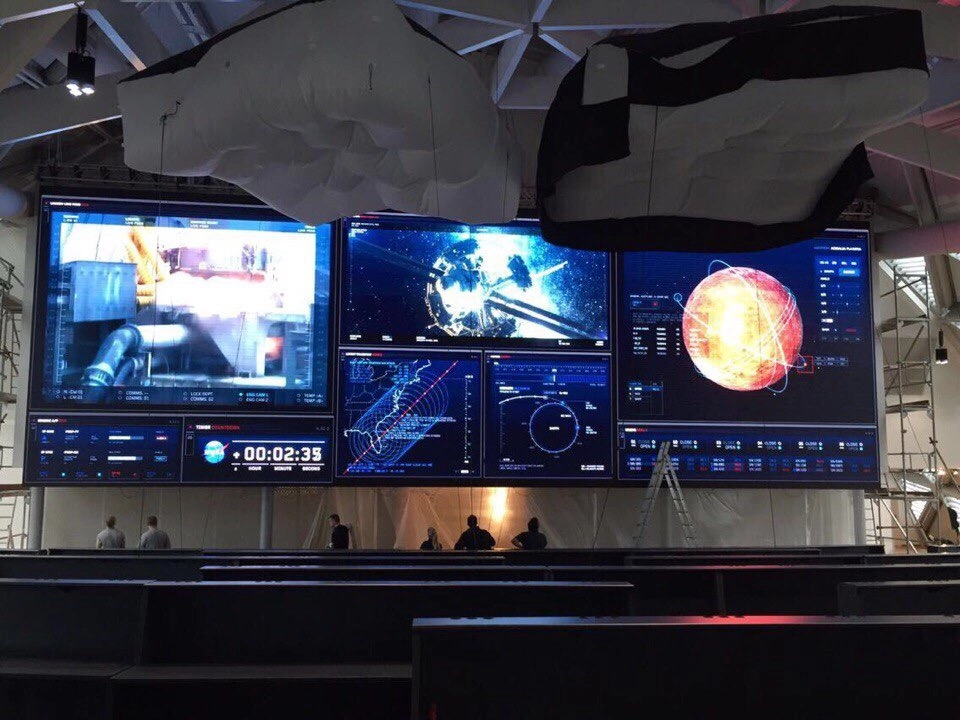
Choosing P1.25 usually makes the most sense for indoor environments that demand premium image quality and close-up viewing. These displays are not always necessary for every project, but they shine when detail, professionalism, and seamless presentation matter.
Corporate boardrooms and meeting spaces
Executive meeting rooms often display spreadsheets, presentations, dashboards, and video conferencing feeds. In these settings, fine detail is critical. A small pixel pitch helps ensure that small text and thin chart lines remain readable even when attendees are seated close to the display.
Control rooms and monitoring centers
Control rooms require constant visibility of dense information. Operators may monitor multiple feeds, maps, metrics, and alerts on one large screen. Fine-pitch LED technology supports this need by providing clarity across large canvases without obvious pixelation.
Broadcast studios and virtual production spaces
Studios value displays that look good both to in-person teams and on camera. High-resolution LED walls can reduce moiré issues, improve background quality, and support polished visual production. A tighter pitch is often preferred when cameras and talent are positioned near the screen.
Retail flagships and luxury brand environments
Premium retail spaces rely on visual storytelling. Product imagery, campaign videos, and branded motion graphics appear more refined on a high-resolution LED display. For shoppers standing nearby, detail and color consistency can significantly influence perceived brand quality.
Museums, experience centers, and lobbies
Interactive exhibits and architectural displays benefit from seamless visuals and immersive presentation. In public-facing spaces where people approach the screen closely, the concept can help deliver the level of detail needed for art, informational media, and dynamic storytelling.
These applications have one thing in common: viewers are close enough that a coarse display would compromise quality. If your audience is mainly far away, a larger pitch may offer better value. But when close-range impact is essential, the approach is often a strong contender.
Key Benefits of 1.25mm Pixel Pitch LED Display
One of the main reasons buyers choose P1.25 LED video wall is visual performance. Still, the benefits extend beyond simple sharpness. When matched to the right environment, this specification supports communication, aesthetics, and operational flexibility.
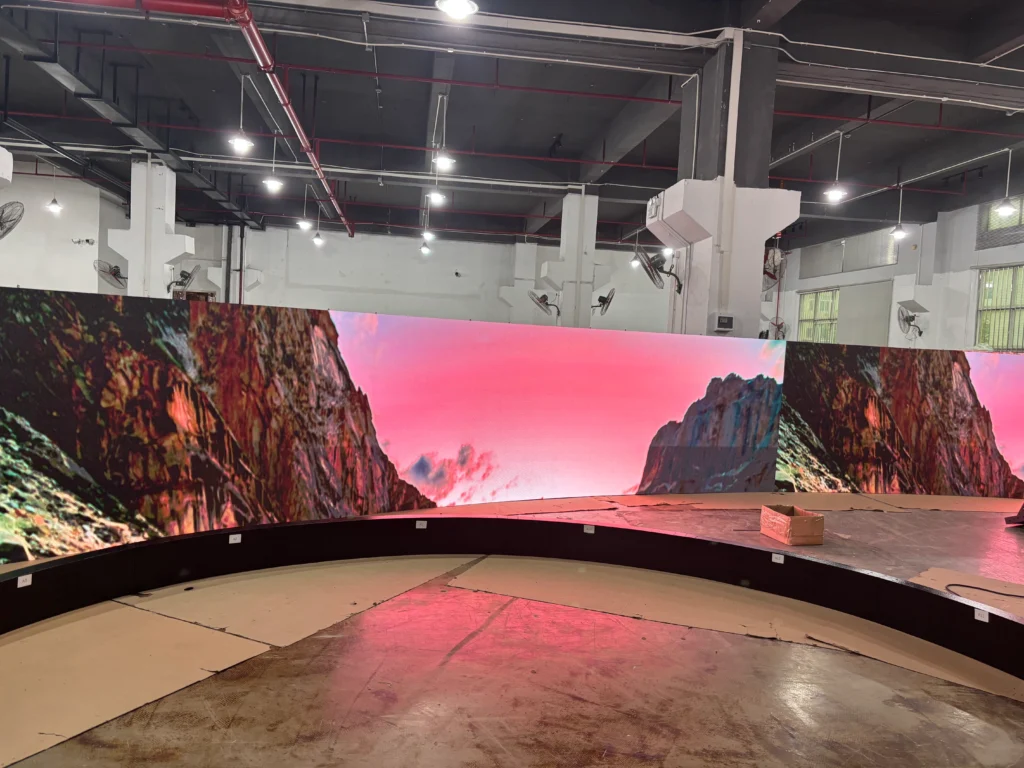
Excellent image detail
The smaller spacing between pixels allows the display to render fine lines, detailed graphics, and small text with greater precision. This matters for business presentations, branded media, and any content that includes close-up images or intricate visual elements.
Better close-viewing experience
With larger-pitch LED screens, viewers sitting near the display can sometimes see the gaps between pixels. Fine-pitch configurations reduce this effect, producing a smoother image. This is especially important in conference rooms, showrooms, and hospitality spaces.
Seamless large-format presentation
Unlike tiled LCD video walls, LED displays do not have visible bezels interrupting the image. That creates a cleaner and more immersive canvas for video, data visualization, and environmental design. this supports this seamless effect while retaining high resolution on a large scale.
Strong readability for text-heavy content
Many indoor display projects involve more than video playback. Dashboards, schedules, analytics, spreadsheets, and menus all depend on text clarity. A fine pitch improves legibility and allows organizations to display information more confidently in shared spaces.
Premium appearance
Display quality influences brand perception. High-end interiors often demand technology that feels modern and polished. Fine-pitch LED solutions can help companies create an upscale visual environment that aligns with innovation, luxury, or professionalism.
Flexibility in screen sizing
Because the pixels are tightly packed, organizations can build large screens with substantial resolution without requiring extremely large physical footprints. This flexibility helps designers fit displays into walls, stages, and architectural features while preserving image quality.
Although these benefits are substantial, achieving the best results also depends on content design, calibration, brightness settings, and installation quality. Even the best specification must be supported by proper system planning.
How 1.25 mm Pixel Pitch Compares With Other Pixel Pitches
When evaluating LED display options, it is helpful to compare pixel pitch with nearby categories such as 0.9 mm, 1.5 mm, and 1.8 mm. Each option serves different priorities related to viewing distance, cost, and image expectations.
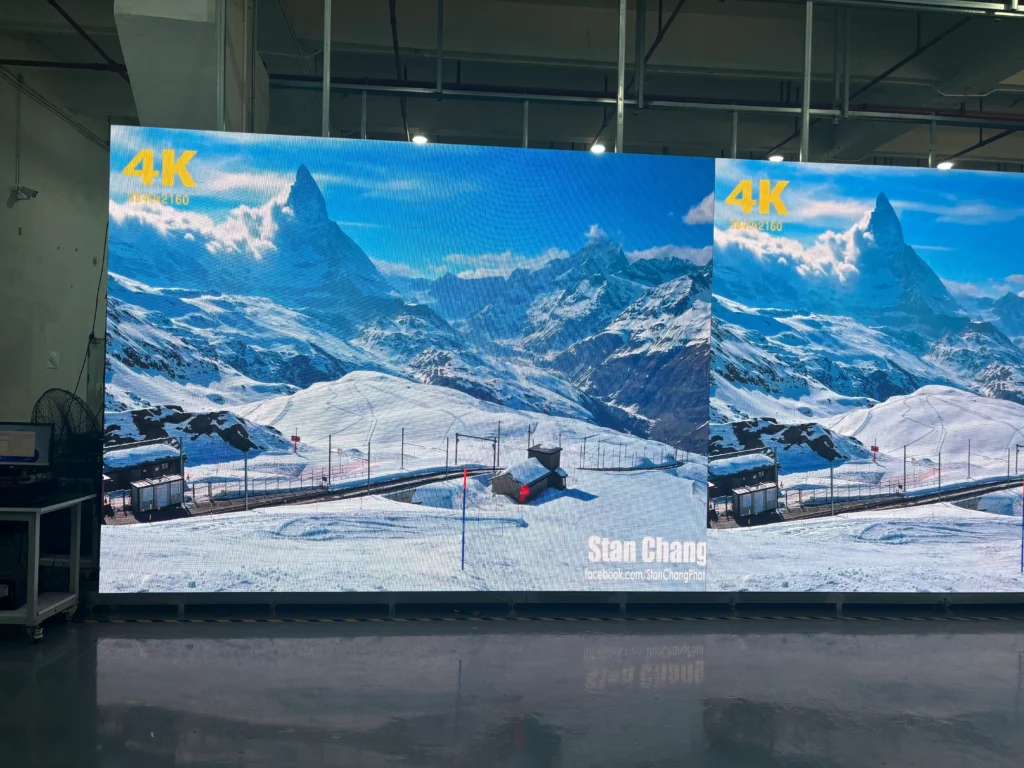
Compared with smaller pixel pitches
Displays below 1.25 mm, such as 0.9 mm or 0.7 mm, provide even finer resolution and are ideal for extremely close viewing or highly demanding visual environments. They are often selected for mission-critical control rooms, premium studios, or high-budget executive spaces. However, they tend to cost more due to increased manufacturing complexity and tighter tolerances.
For many buyers, pixel pitch represents a practical middle ground. It offers excellent indoor image quality while remaining more budget-friendly than ultra-fine alternatives. If your audience is not positioned extremely close, the visible difference may not justify the higher price of a smaller pitch.
Compared with larger pixel pitches
Options like 1.5 mm, 1.8 mm, or 2.5 mm are more affordable and may perform very well in spaces with longer viewing distances. They can still look impressive, especially for video-centric content. But as viewers move closer, pixel structure becomes more noticeable, and text clarity may decline.
This is where fine pixel pitch gains an advantage. It gives users more confidence in close-range applications where detail matters and where screen quality contributes to the overall experience.
Balancing performance and cost
The right choice often comes down to balancing image expectations against budget. If your content includes dense data, small fonts, premium brand visuals, or camera-facing scenes, a finer pitch may be worth the investment. If the display is primarily for general video viewed from farther away, a larger pitch could be sufficient.
Future-proofing considerations
Organizations sometimes choose finer pitch than they currently need to prepare for future use cases. A display installed in a boardroom today may later support hybrid collaboration, detailed analytics, or brand-sensitive events. In that sense, pixel pitch can be a strategic choice for projects that require both present performance and long-term versatility.
Buying Considerations Before Choosing 1.25 mm Pixel Pitch
Before purchasing a display with 1.25mm, buyers should evaluate the project from multiple angles. Pixel pitch is important, but it is only one part of overall LED system performance. A smart buying decision requires attention to environment, serviceability, and total cost of ownership.
Viewing distance and room layout
TW VISION P1.9 flexible led video wall which support curve, flat and circular installation.
Start with audience position. If most viewers will be close to the screen, fine pitch is often justified. If the room layout keeps people several meters away, a slightly larger pitch may deliver sufficient quality at a lower cost. Screen size and seating geometry should always be assessed together.
Resolution requirements
The final display dimensions determine total resolution. A fine pixel pitch enables higher resolution in a given screen size, but buyers should still calculate whether that resolution matches the intended content. Presentations, 4K video, dashboards, and multi-window control applications all have different requirements.
Brightness and ambient light
Indoor LED displays must be bright enough for the environment without overwhelming the room. Spaces with large windows, polished surfaces, or heavy ambient lighting may need stronger brightness performance and careful calibration. High brightness alone is not the goal; balanced visual comfort matters.
Color consistency and image processing
A premium display should offer uniform color, grayscale performance, refresh rate, and reliable processing. This is particularly important in studios, executive spaces, and brand environments where image quality is highly visible. Ask suppliers about calibration methods, processing technology, and real-world performance.
Front access and maintenance
Front-service cabinets allow module removal from the viewing side, which saves space when rear clearance is tight. Rear-service installations often require a maintenance corridor. For a 1.25mm Pixel Pitch LED Display for Indoor LED Walls in a shallow lobby, front-service modules may be the safer choice.
Budget and long-term value
this usually comes with a higher upfront cost than larger-pitch alternatives. However, the value should be measured over the life of the display. Better visual quality, stronger user experience, and broader application flexibility can justify the investment in the right setting.
Supplier expertise
Not all LED manufacturers and integrators deliver the same quality. Look for partners with proven experience in fine-pitch projects, strong technical support, and documented installations similar to your use case. A well-designed system installed by an experienced team can make a significant difference in long-term satisfaction.
Calibrate After Installation, Not Just at the Factory
Factory calibration is a starting point, not a finish. Every 1.25mm Pixel Pitch LED Display: Complete Guide for Indoor LED Walls should receive on-site calibration once modules are mounted and powered. AVIXA states that color uniformity and grayscale tracking are essential for seamless direct-view LED displays.
Panels that look acceptable on a test slide can drift after transport, installation, and thermal settling.
Use CalMAN display calibration software with a colorimeter to align grayscale, white point, and color gamut across modules. In a broadcast studio, a 1.25mm Pixel Pitch LED Display: Complete Guide for Indoor LED Walls may look clean to the eye but show color shift on camera if red, green, and blue LEDs are not measured from the actual camera position.
This is a normal installation step, not an optional upgrade.
FAQ About 1.25mm Pixel Pitch LED Display
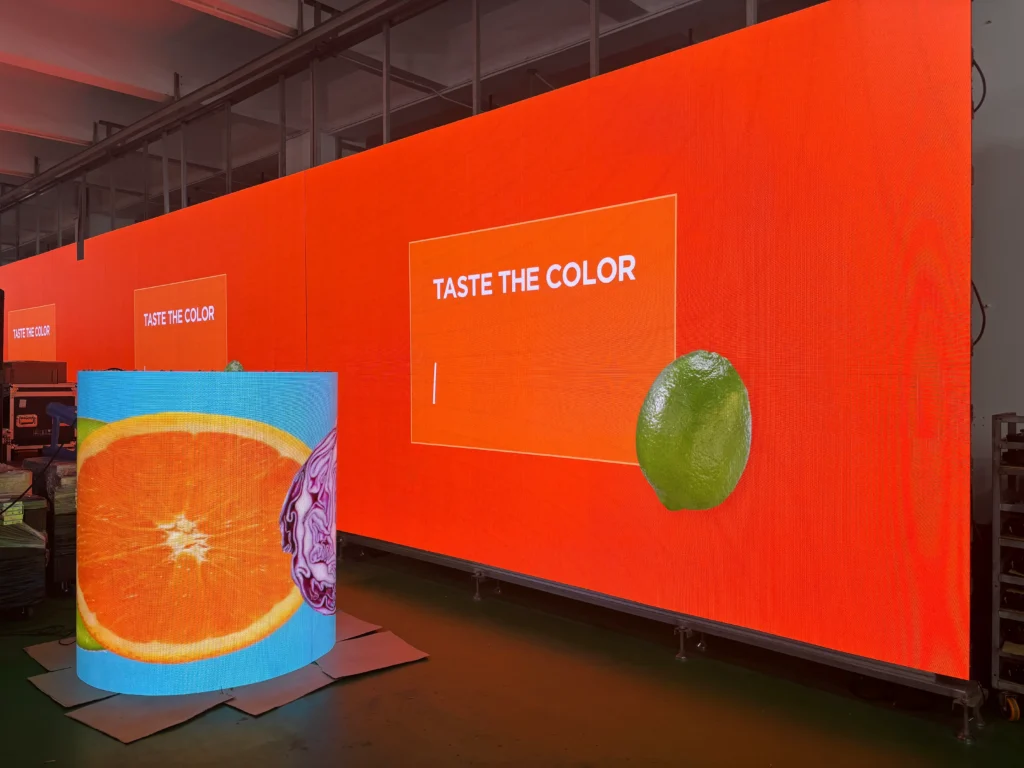
What does 1.25 mm pixel pitch mean?
It describes the distance between the centers of neighboring pixels on an LED display. With 1.25, the audience sitting in the first row can barely see the grid from a distance beyond 2.75 meters from the display.
Is 1.25 mm pixel pitch good for boardrooms?
Yes. 1.25 mm pixel pitch is often an excellent choice for boardrooms because it supports sharp text, detailed presentations, and a polished viewing experience for people seated relatively close to the screen.
What is the ideal viewing distance for 1.25 mm pixel pitch?
A common guideline is around 1.25 meters or more, though the ideal distance depends on content, screen size, and user expectations. Fine text and data-heavy visuals benefit greatly from 1.25 mm pixel pitch in close-viewing environments.
Is 1.25 mm pixel pitch better than 1.5 mm?
It offers finer detail and a better close-up viewing experience, but “better” depends on the application. If viewers are near the display or the content includes small text and precise graphics, 1.25 mm pixel pitch is often the stronger option.
Is 1.25 mm pixel pitch worth the cost?
For premium indoor applications, it can be. 1.25 mm pixel pitch often justifies its price when seamless presentation, sharp detail, and strong brand impact are important to the project’s success.
Conclusion
Selecting the right LED display involves more than comparing specifications, but pixel pitch remains one of the most important factors in image quality and viewing comfort. For indoor environments where audiences are close to the screen, 1.25 mm pixel pitch offers an impressive balance of clarity, professionalism, and versatility. It is especially well suited for boardrooms, control rooms, studios, retail flagships, and architectural spaces that demand refined visuals without visible bezels. While the investment may be higher than with larger-pitch options, the gains in detail, readability, and overall presentation quality can be substantial. If your project requires premium close-range performance, 1.25 mm pixel pitch is a specification well worth serious consideration.
