

video wall system for churches: complete guide: Expert Guide

Introduction
A video wall system for churches can transform how congregations experience worship, announcements, and community events. As churches look for better ways to engage in-person and online audiences, large-format display technology has become a practical and inspiring solution. From enhancing sermon visuals to improving readability for lyrics and scripture, the right display setup can support both ministry goals and technical needs.
Table of Contents
- Introduction
- Why churches are investing in modern display technology
- Key features to look for before you buy
- Benefits for worship, teaching, and church communication
- Installation, budgeting, and common mistakes to avoid
- Best practices for content, operation, and long-term success
- FAQ
- What is the best display type for a church sanctuary?
- How much does a church video wall typically cost?
- Is a video wall better than a projector for church use?
- Can volunteers operate a church video wall?
- What size video wall does a church need?
- Conclusion
Choosing a video wall system for churches involves more than picking a large screen. Churches must consider room size, brightness, viewing angles, content management, installation, and long-term maintenance. Budget also plays an important role, especially for ministries trying to balance quality with stewardship. This guide explains the essentials, benefits, buying considerations, and best practices so your church can make a confident and informed decision.
Why churches are investing in modern display technology
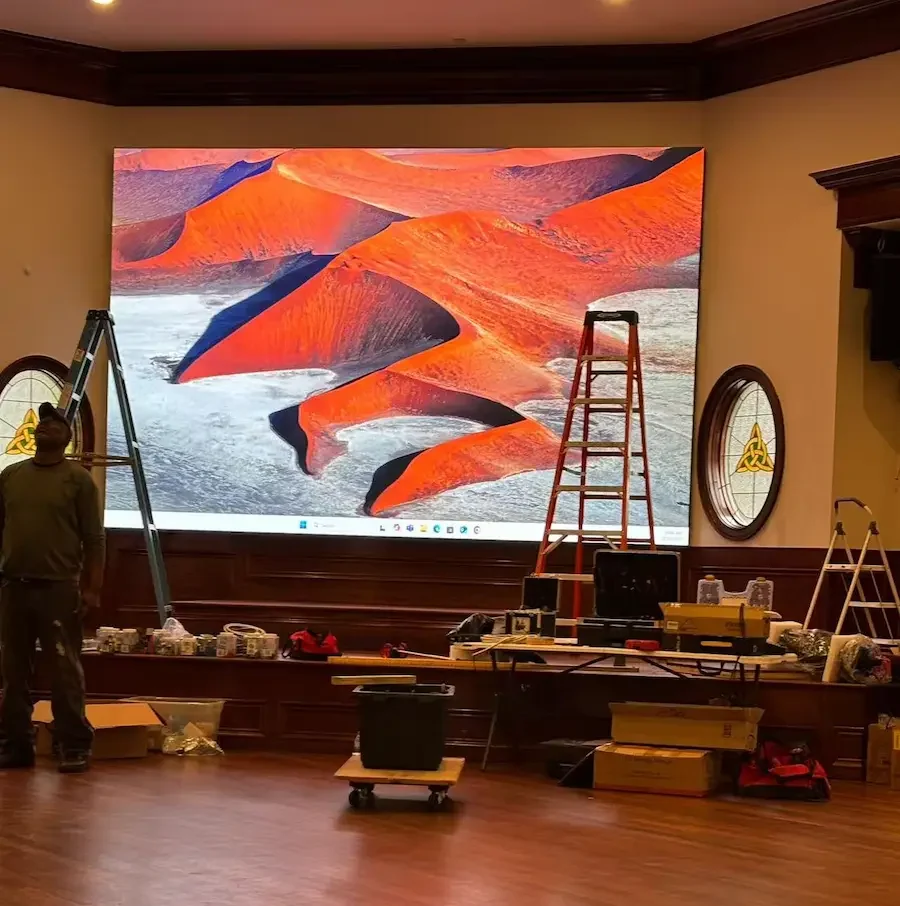
A video wall system for churches offers far more than visual impact. It helps congregations create a clearer, more immersive worship environment. In large sanctuaries, traditional projectors may struggle with brightness, contrast, or visibility. Modern display walls can solve those issues while delivering sharper images, better color consistency, and improved readability from different seating areas.
Churches are also expanding their communication needs. Weekly services now often include sermon slides, worship lyrics, Bible verses, event promotions, livestream graphics, and video testimonies. A video wall system for churches supports all of these uses in one scalable platform. Rather than relying on multiple disconnected display tools, ministry teams can centralize visual communication.
Another important reason for adoption is flexibility. A church may use the same display system for Sunday worship, youth gatherings, weddings, funerals, conferences, and seasonal productions. This versatility increases value over time. When the system is designed well, it becomes a ministry asset rather than just a piece of equipment.
Visual excellence also matters for hybrid ministry. When onsite visuals are stronger, livestream content often improves too. Camera framing looks better, graphics appear cleaner, and the entire presentation feels more professional. For churches that want to connect with both local and remote audiences, display upgrades can support a more unified worship experience.
Key features to look for before you buy
When selecting a video wall system for churches, the first factor to evaluate is display type. Many churches compare LED walls and LCD video walls. LED options are often preferred for stage use because they provide strong brightness, seamless panel integration, and excellent performance in larger spaces. LCD walls can work in certain areas, but panel bezels may interrupt the image, which is not ideal for main worship environments.
Pixel pitch is another critical specification. A smaller pixel pitch creates a sharper image at closer viewing distances, while a larger pixel pitch may be acceptable in big auditoriums where people sit farther away. The best video wall system for churches balances image clarity with available budget and sanctuary dimensions. According to current market trend, P2.5 or P2.9 is the trend for the church usage for developed city while P3.9 still popular for developing cities.
Brightness and ambient light performance should also be considered carefully. Churches with windows, bright stage lighting, or daytime services need displays that remain vivid without washing out. Contrast ratio, color accuracy, and refresh rate all contribute to how professional the content looks during worship and livestream production.
Processing and control systems are equally important. A church display wall should integrate smoothly with worship presentation software, cameras, switchers, and audio-visual infrastructure. A dependable video wall system for churches should allow easy content scheduling, flexible layouts, and reliable switching between lyrics, sermon slides, video playback, and announcements.
Maintenance access is another area many buyers overlook. Front-serviceable panels, spare modules, and solid manufacturer support can reduce downtime and simplify repairs. Since churches often rely on volunteers, it helps to choose a system that is straightforward to operate and maintain.
Inventory status is also an important measure. If the LED display can be delivered within a week after payment, it is obviously much more cost-effective than paying and then waiting a month for production and another month for shipping.
Finally, do not ignore warranty coverage and vendor experience. Working with an installer who understands ministry spaces can make a major difference. Churches have unique acoustic, architectural, and production needs, so specialized guidance is often worth the investment.
Benefits for worship, teaching, and church communication
A video wall system for churches can improve worship engagement in several practical ways. Large, bright visuals help congregants follow along with lyrics, scripture, and sermon points more easily. This is especially valuable in larger sanctuaries where projection systems may not provide enough clarity for people seated at the back or off to the sides.
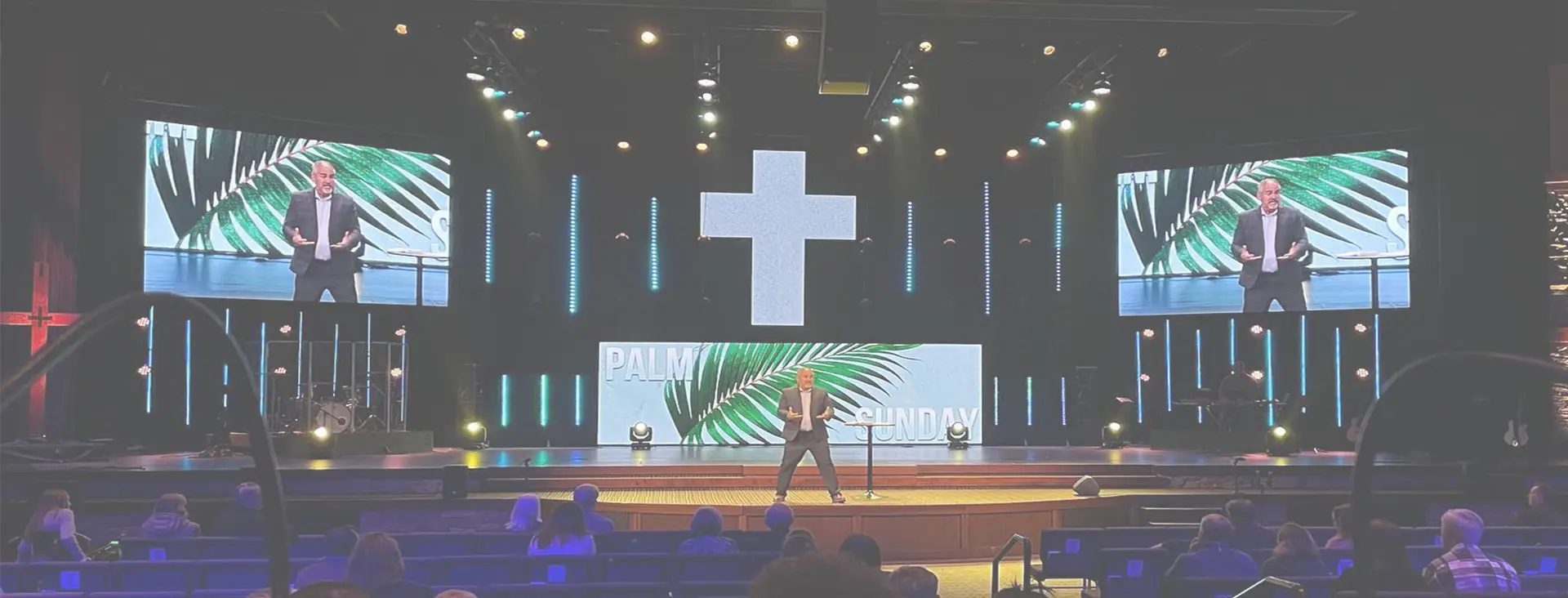
For teaching, visual reinforcement increases comprehension and retention. Sermons that include maps, outlines, quotes, and video clips can become more memorable when displayed clearly. A well-designed video wall system for churches also allows pastors and ministry leaders to communicate with greater confidence, knowing that the audience can see supporting material without distraction.
Church communication benefits beyond the service itself. Before and after worship, the display can share event schedules, volunteer opportunities, giving updates, children’s ministry information, and community outreach messages. This makes the system a powerful communication hub rather than a Sunday-only tool.
Seasonal services and special productions also gain impact. Christmas programs, Easter celebrations, youth nights, and mission conferences often involve creative content that deserves a stronger visual platform. A video wall system for churches can help these moments feel more immersive and intentional without requiring a complete stage redesign for every event.
There is also a branding benefit. Consistent visual presentation can help a church appear organized, welcoming, and forward-thinking. This does not mean entertainment should replace worship. Instead, it means technology can serve ministry by removing visual barriers and supporting a more focused atmosphere.
Accessibility is another advantage. Larger, clearer text and visuals can help older attendees and guests better follow what is happening. In multilingual or multicultural churches, dynamic graphics can also support translation, subtitles, or dual-language content when needed.
Installation, budgeting, and common mistakes to avoid
Planning a video wall system for churches should begin with goals, not equipment. Church leaders should first define how the system will be used: worship lyrics, sermon content, announcements, livestream enhancement, stage backdrop, or all of the above. Once the ministry purpose is clear, technical decisions become much easier.
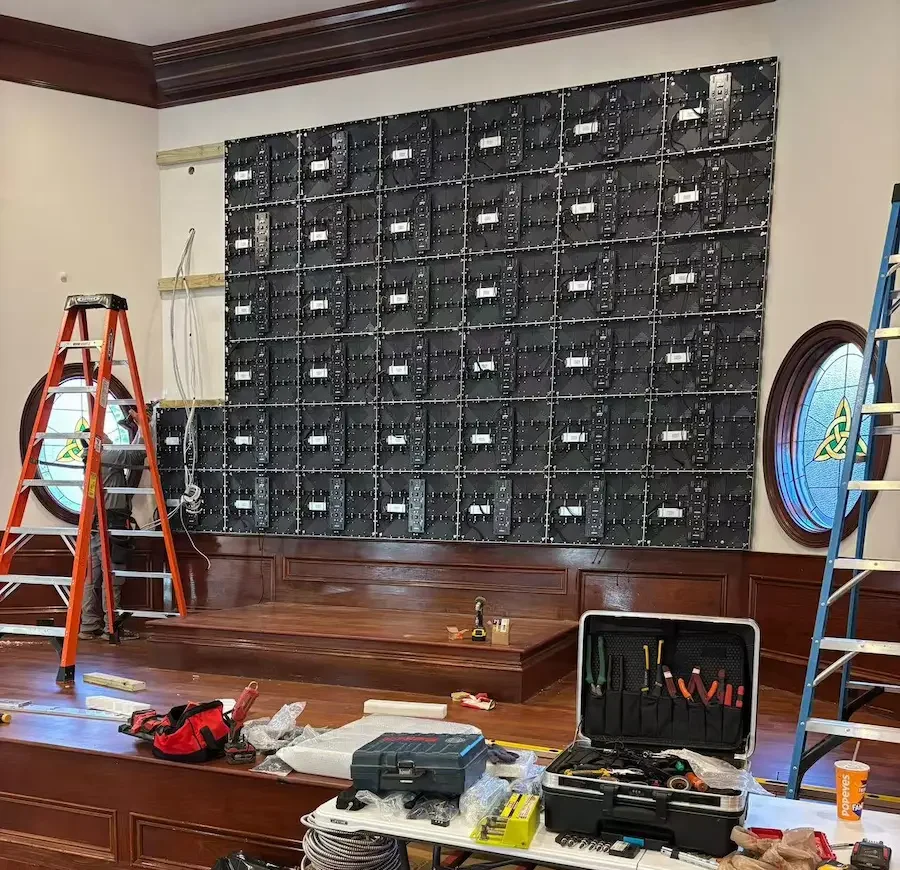
From the followed video, you can find an exmaple about how the wall mounted installation made with led video wall.
Budgeting should account for more than the display panels themselves. A complete project may include mounting structures, processors, cabling, electrical upgrades, control systems, installation labor, content software, training, and ongoing support. The total cost of a video wall system for churches can vary widely depending on size, pixel pitch, and installation complexity.
One common mistake is choosing based only on price. Low-cost products may create long-term issues with reliability, color matching, serviceability, and warranty support. Another mistake is buying a screen that is either too large or too small for the room. Proper viewing distance analysis is essential if the church wants the visual experience to feel comfortable and effective.
Poor content design is another challenge. Even the best display will underperform if slides are cluttered, fonts are too small, or colors lack contrast. A successful video wall system for churches should be paired with content standards that prioritize readability and visual consistency. Churches may benefit from training their media teams in graphic presentation best practices.
Installation location also matters. Sightlines, stage design, speaker placement, camera positions, and lighting all affect the final result. If the wall is installed without considering these factors, the church may face glare, blocked views, or awkward camera shots during livestreams.
Finally, churches should plan for future growth. If the ministry expects to expand production quality or renovate the sanctuary later, choosing scalable components now can save money and effort down the road.
Best practices for content, operation, and long-term success
To get the most value from a video wall system for churches, churches should create a clear visual strategy. This includes choosing font sizes that are readable across the room, limiting text on slides, using strong contrast, and maintaining a consistent style for worship, sermons, and announcements. Good design helps the technology support worship instead of distracting from it.
Operational simplicity is also essential. Many churches depend on volunteers, so workflows should be easy to learn and repeat. The ideal video wall system for churches integrates with existing presentation tools and allows operators to switch content smoothly during services. Under this consideration, folding all in one led display also can be a good choice.
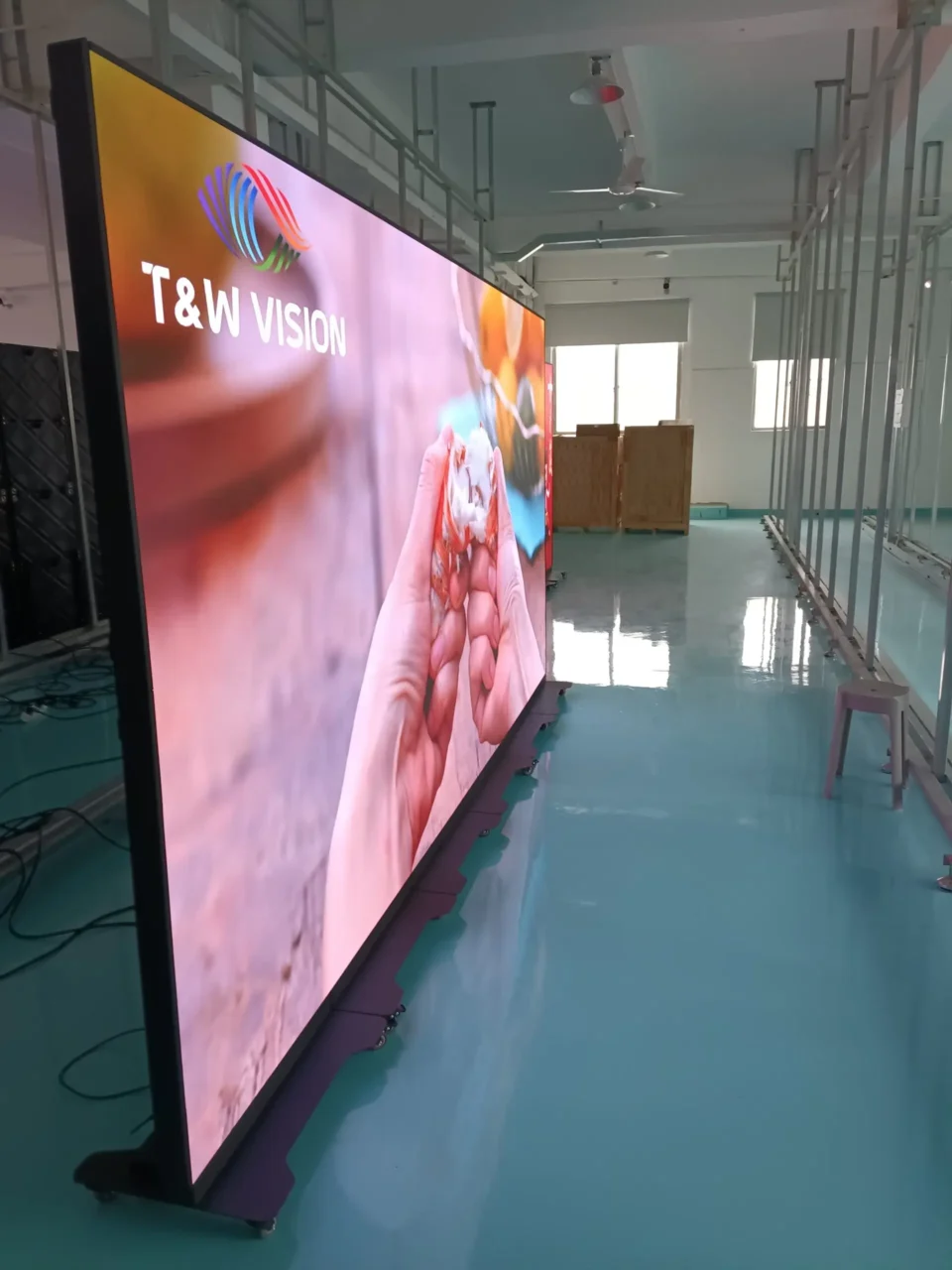
Content scheduling can increase weekly efficiency. Preloading announcements, sermon graphics, and lyric templates helps teams stay organized and minimizes last-minute stress. Churches that maintain a shared media library often produce more consistent visuals over time.
Long-term success also depends on regular maintenance. Dust management, system checks, software updates, and backup planning all contribute to reliability. A church should assign responsibility for monitoring performance so that small technical issues do not become major service interruptions.
It is also wise to review results periodically. Church leaders and media teams can ask whether the system is improving visibility, engagement, communication, and livestream quality. A video wall system for churches should be evaluated as a ministry tool, not just a technical installation. When used intentionally, it can serve the church for many years across a wide range of ministry activities.
FAQ
What is the best display type for a church sanctuary?
In many cases, a video wall system for churches built with LED panels is the strongest option for sanctuaries because it offers high brightness, flexible sizing, and seamless visuals. However, the best choice still depends on room size, seating distance, lighting conditions, and budget.
How much does a church video wall typically cost?
The price of a video wall system for churches depends on panel quality, pixel pitch, size, processor requirements, mounting, installation, and service support. Smaller systems may fit modest budgets, while large stage installations can require significant investment. Churches should always consider total project cost, not just the screen itself.
Is a video wall better than a projector for church use?
For many ministries, a video wall system for churches provides better brightness, contrast, and readability than projection, especially in spaces with strong ambient light. Projectors can still work in some environments, but display walls often deliver a more vibrant and consistent result.
Can volunteers operate a church video wall?
Yes, a video wall system for churches can be volunteer-friendly if the control workflow is designed well. Proper training, simple software integration, and clear service procedures make it much easier for volunteers to run visuals confidently each week.
What size video wall does a church need?
The right size for a video wall system for churches depends on sanctuary dimensions, stage design, viewing distance, and intended content. A professional assessment can help determine the best screen dimensions and pixel pitch so the display is easy to read without overwhelming the room.
Conclusion
A video wall system for churches is a strategic investment that can strengthen worship, teaching, communication, and livestream presentation. When chosen carefully, it improves visibility, supports ministry creativity, and helps congregations stay engaged from every seat in the room. The key is to align technology decisions with ministry goals, audience needs, and long-term stewardship.
Whether your church is upgrading from projection or designing a new worship space, the right video wall system for churches can provide lasting value. By focusing on display quality, usability, installation planning, and content best practices, church leaders can build a visual environment that serves both excellence and mission.
