See Why Global Landmarks Choose TW VISION for Their Largest LED Screen Needs

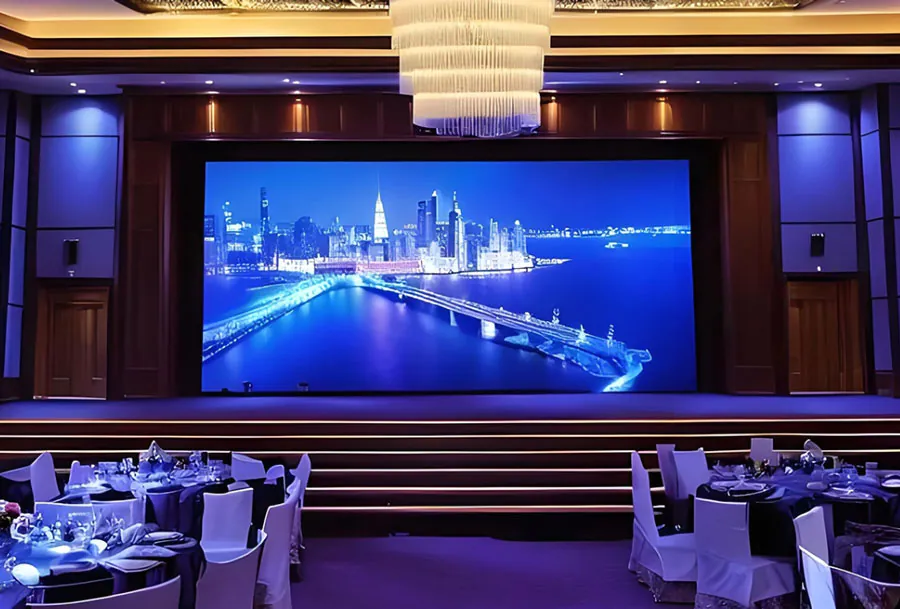
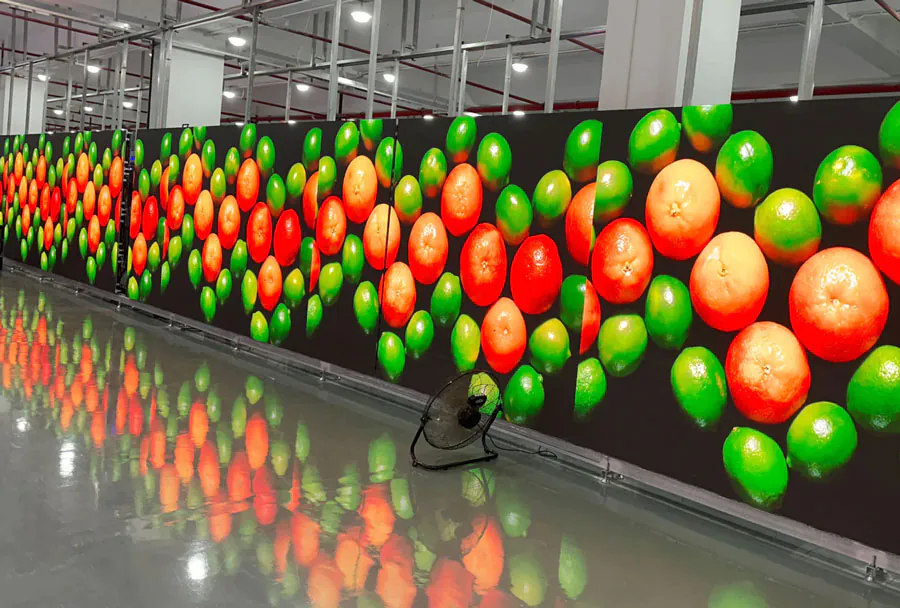
From engineering resilience to visual impact, the decision to install the largest LED screens at world-class landmarks is never made lightly. Project owners weigh aesthetics, long-term total cost of ownership, environmental resilience, and audience experience. In this landscape, TW VISION has earned a reputation among global landmarks for delivering LED screens that scale to monumental proportions while meeting the technical, logistical, and brand expectations of the most demanding urban environments.
See Why Global Landmarks Choose TW VISION for Their Largest LED Screen Needs
Purpose-built engineering for massive scale
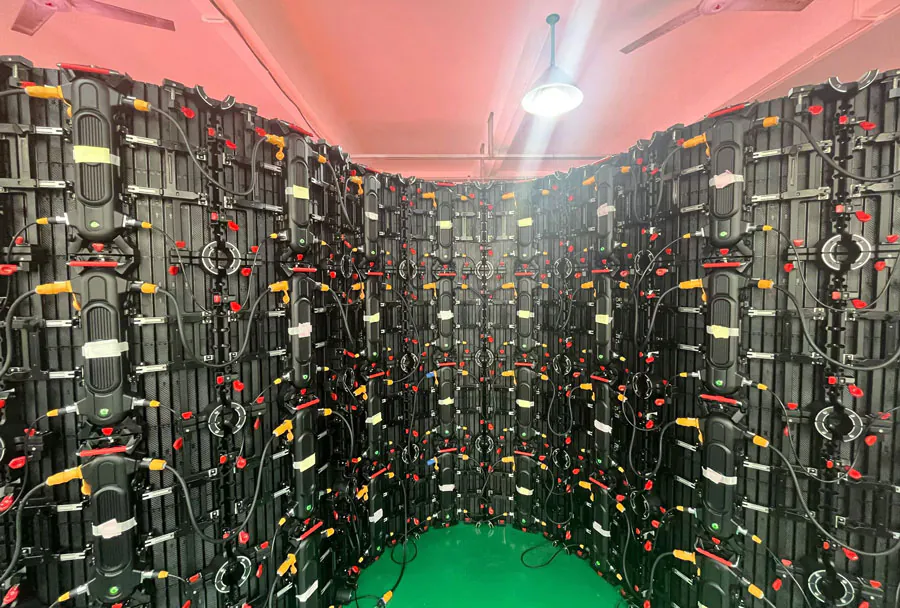
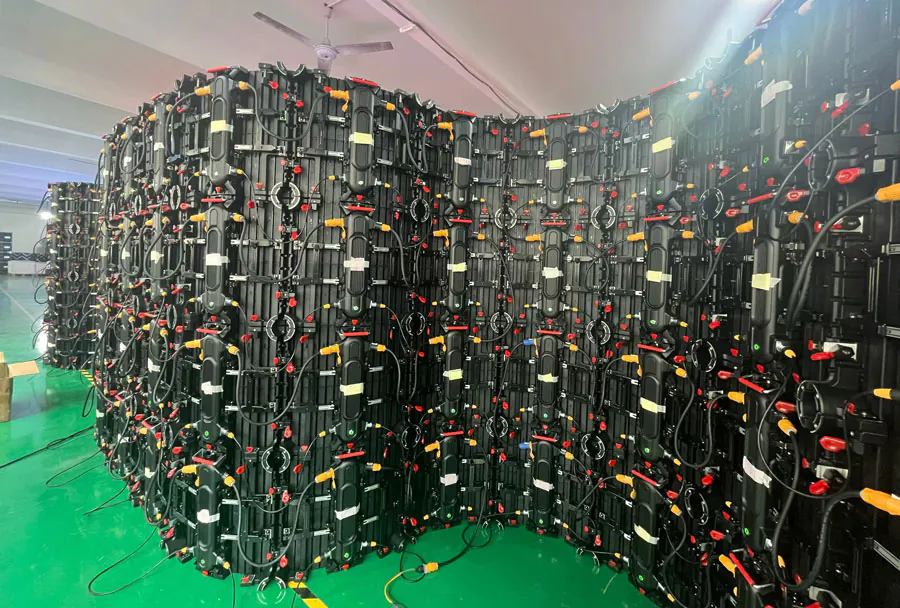
Large-format LED installations introduce unique engineering challenges: structural loads, thermal management, service access, and optical uniformity across hundreds or thousands of square meters. TW VISION approaches these issues with integrated, purpose-built systems. Their modules are designed for seamless tiling, coherent color calibration, and standardized mechanical interfaces, reducing complexity during installation and minimizing potential failure modes over time.
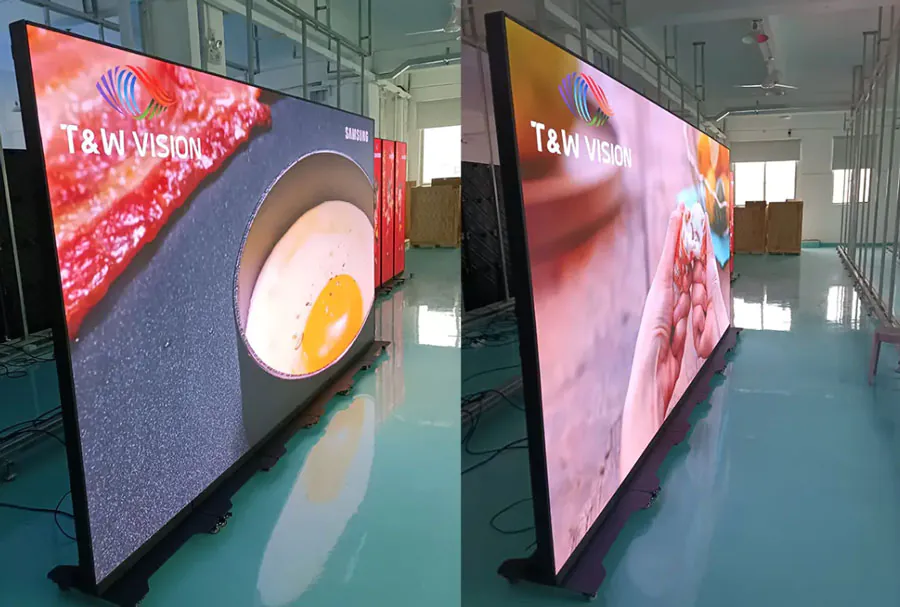
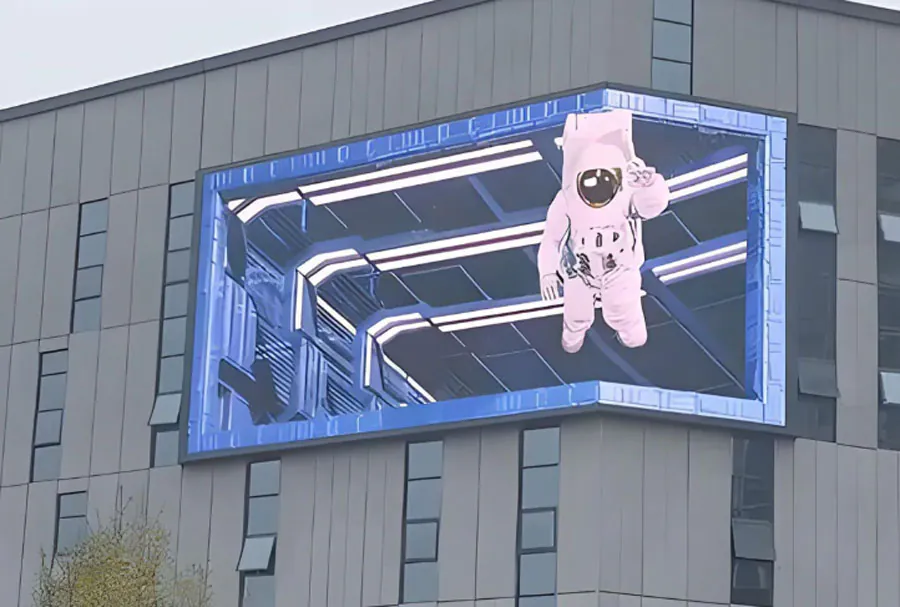
The firm’s design process emphasizes modularity: panels are manufactured to tight tolerances and pre-calibrated at the factory. That reduces on-site commissioning effort and ensures consistent image quality across adjacent modules. For extremely large faces—like building fa?ades or stadium wraps—TW VISION applies dynamic calibration techniques that account for viewing distance, pixel pitch, and ambient light, ensuring that content looks intentional from every vantage point.
Optical performance tailored to context
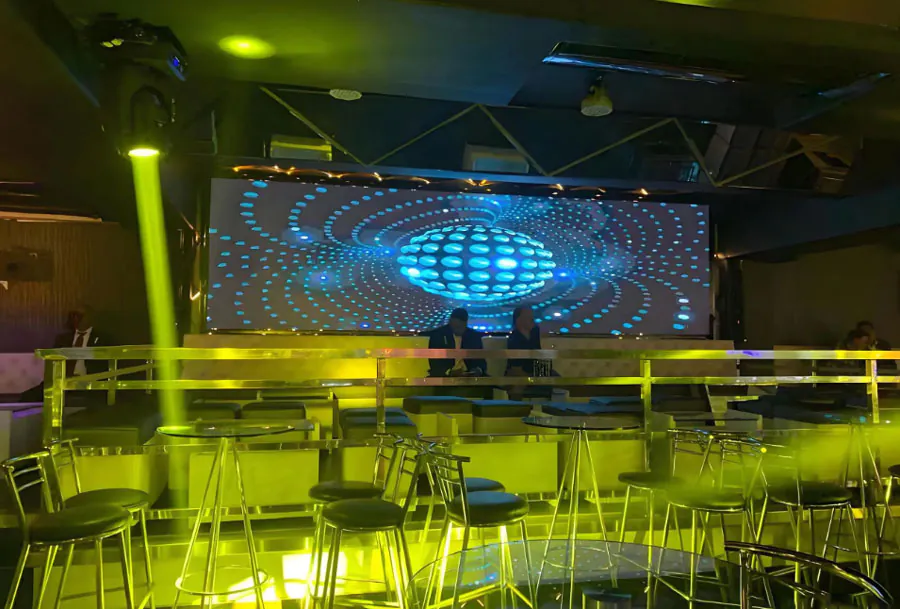
One primary reason global landmarks select TW VISION is their ability to customize optical parameters to context. Pixel pitch, brightness, and contrast must be balanced against viewing distance and the urban light environment. For instance, a downtown city square demands ultra-high brightness for daytime readability, while a waterfront installation prioritizes color fidelity and wide viewing angles for evening events.
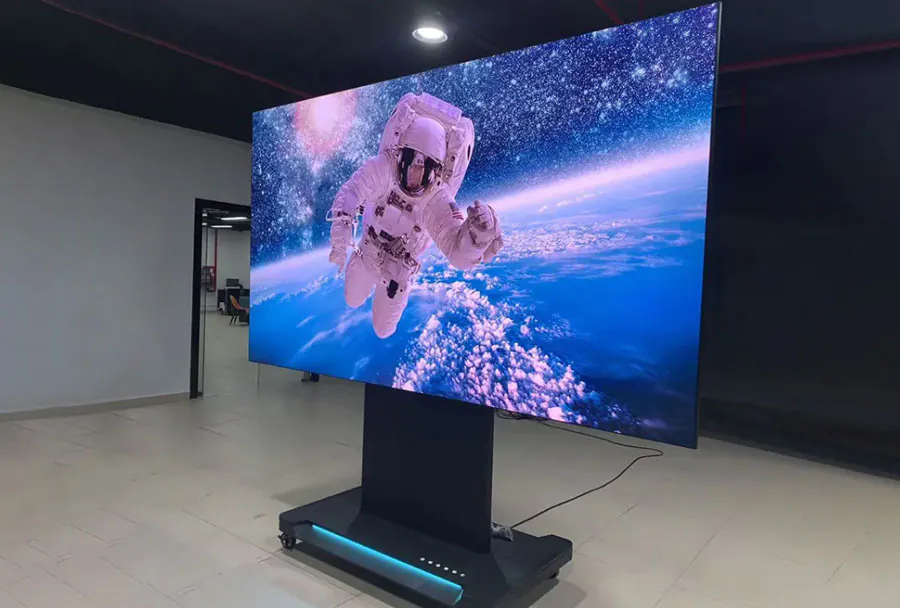
TW VISION offers a broad portfolio of pixel pitches and modular sizes, enabling project teams to pick the optimal specification for both near and far viewing zones. Their drivers and processing systems support high grayscale depth and refresh rates that prevent banding and motion artifacts on large moving-image canvases. In practice, this means sports clips, live broadcasts, and brand campaigns render smoothly and consistently across entire screens.
Reliability and environmental resilience
Large outdoor LEDs are continuously exposed to weather extremes, pollution, and temperature swings. Global landmarks demand long lifecycles and predictable maintenance. TW VISION’s products are specified with IP-rated enclosures, corrosion-resistant materials, and redundant power and data paths where necessary. Thermal design—critical at scale—is optimized to prevent hotspotting and to maintain LED performance across seasons.
Beyond hardware, TW VISION provides field-serviceable modules and a logistics-ready spare-part program. This reduces mean time to repair and minimizes downtime during peak visitation periods. For landmark managers, that reliability translates into predictable operations and lower risk during critical events.
Energy efficiency and sustainability considerations
Sustainability is increasingly a procurement criterion for prominent civic projects. TW VISION integrates energy-saving features such as adaptive brightness sensors, localized dimming, and efficient power supplies. These features lower operational energy use without sacrificing perceived image quality. For very large installations, even small efficiency improvements compound into meaningful electricity savings.
Additionally, TW VISION emphasizes recyclable materials and lifecycle planning. Their modular approach allows partial replacements and upgrades rather than full-screen demolition, which reduces waste and lowers capital expenditure for long-term refresh cycles.
Integration, content workflow, and control systems
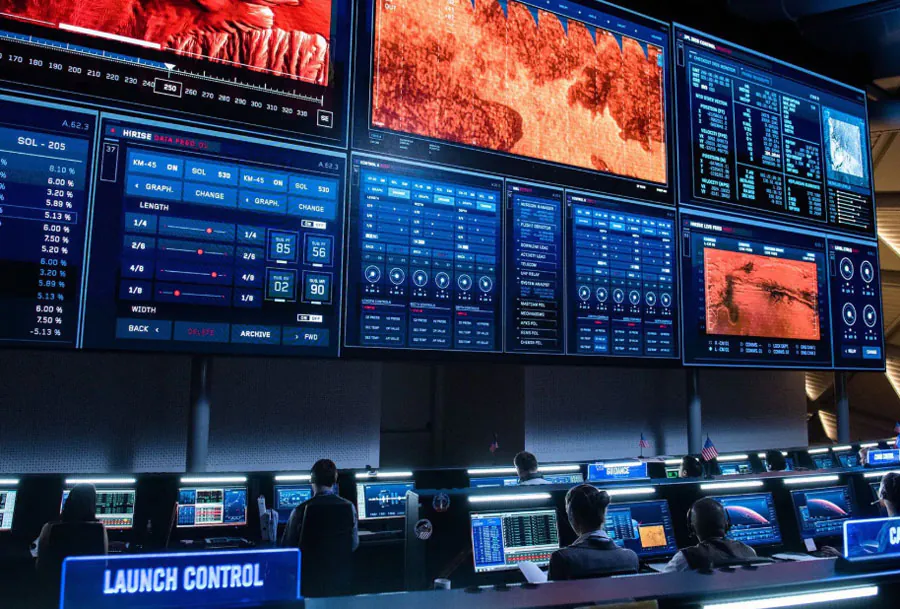
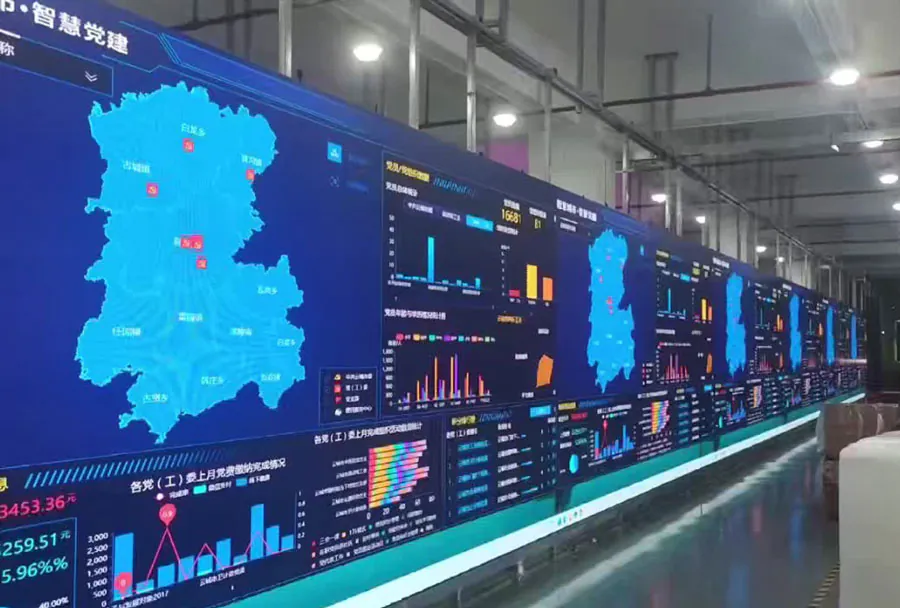
A large landmark screen is not just hardware; it’s a content and operations platform. TW VISION’s systems integrate with content-management solutions, live-feed inputs, and scheduling systems used by stadiums, advertisers, and city authorities. Control panels provide multi-layered scheduling, failover playback, and remote diagnostics.
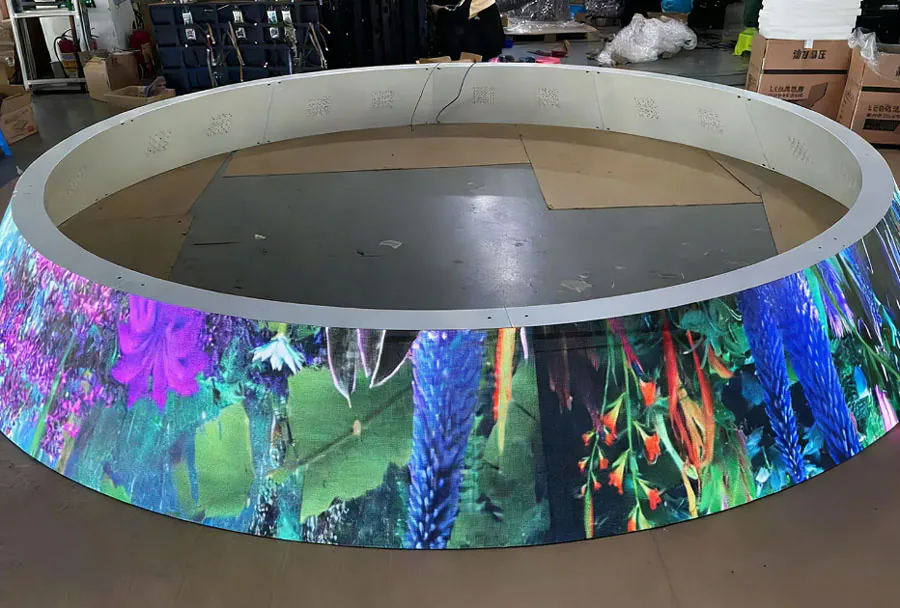
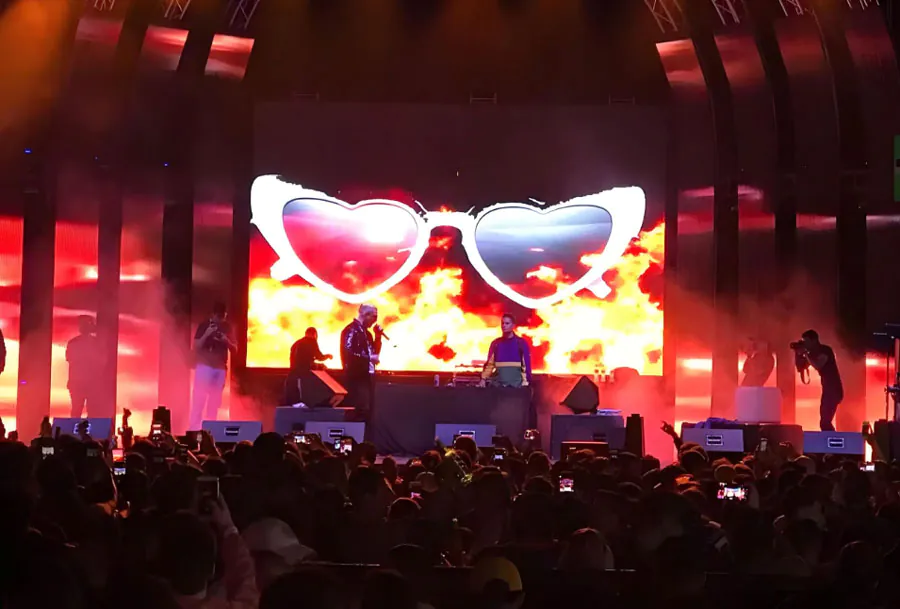
For landmarks that host events, TW VISION supports fast content switching and multi-source composition, enabling sponsors and broadcasters to use split-screen or overlay content in real time. Their diagnostic telemetry feeds back performance metrics—temperature, power draw, pixel health—helping operators anticipate maintenance needs.
Global delivery and local support
Installing the world’s largest LED screens requires logistics expertise. Components must be manufactured, shipped, and installed on time and in sequence to coordinate with construction schedules. TW VISION’s project management model combines centralized engineering with a distributed service network. This ensures that international projects benefit from global R&D standards while receiving local installation and maintenance support.
Their training programs for local technicians and comprehensive documentation reduce reliance on external specialists after handover. For landmark clients, this local empowerment shortens response times and lowers long-term service costs.
Proven success factors — what decision-makers care about
When assessing suppliers, landmark decision-makers routinely score candidates across several critical dimensions: image quality, durability, lifecycle costs, integration capability, and supplier stability. TW VISION consistently performs well in these areas, due to:
– A product architecture focused on modularity and serviceability.
– A broad technical portfolio that addresses indoor and outdoor large-format requirements.
– Operational tools for content management and system health monitoring.
– A demonstrated supply and support chain that aligns with international construction schedules.
These strengths align directly with the priorities of municipal authorities, venue owners, and global brands that invest in landmark-scale displays.
Analytical overview: how TW VISION stacks up
Below is a comparative analysis table focused on major selection criteria for landmark-scale LED screens. The “Competitor Average” column reflects typical market offerings; the “Impact on Landmark” column explains practical implications for owners and operators.
| Selection Criterion | TW VISION Strengths | Competitor Average | Impact on Landmark | Notes |
|---|---|---|---|---|
| Image Quality | High pixel-density options, factory color calibration, high refresh rates | Good to very good, limited factory calibration at scale | Superior audience perception and better ROI on advertising and branding | Critical for daytime readability and night-time fidelity |
| Durability & Weatherproofing | IP-rated enclosures, corrosion-resistant materials, thermal design | Standard IP protection, varying thermal strategies | Lower downtime, better lifespan in harsh climates | Reduces unplanned maintenance for high-visibility sites |
| Energy Efficiency | Adaptive brightness, efficient power supplies, localized dimming | Basic dimming and standard power efficiencies | Reduced operational costs and improved sustainability profile | Important for 24/7 installations and municipal energy targets |
| Customization & Integration | Modular formats, flexible control systems, content workflow support | Some customization, often third-party integration needed | Smoother content operations and faster event setup | Key for multi-use venues and advertising ecosystems |
| Service & Support | Global delivery, local technician training, spare-part logistics | Regional support with variable training offerings | Faster repairs, better uptime, predictable lifecycle costs | Essential for landmark reputation management |
Design and permitting: practical advantages
Major landmark projects also navigate aesthetic reviews, historic-preservation regulations, and city permitting. TW VISION’s early-stage support—renderings, photometric studies, and compliance documentation—helps city planners and design boards visualize the finished installation and assess light emission and structural impacts. This proactive engagement accelerates approval timelines and reduces iteration cycles during the design phase.
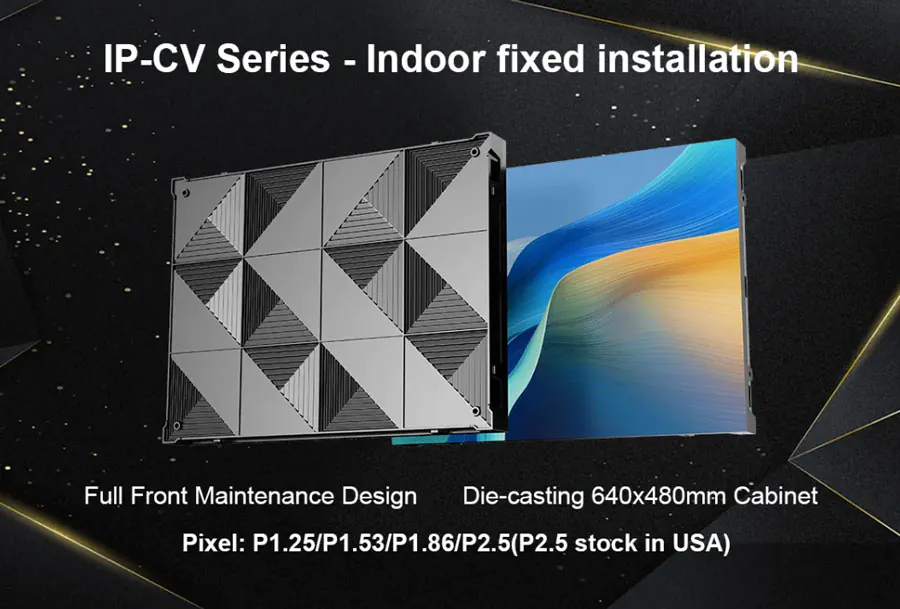
Because TW VISION delivers detailed photometric and thermal modeling, project teams can address concerns about glare, light spill, and energy consumption before groundbreaking, improving stakeholder confidence and outreach outcomes.
Risk mitigation through proven methodologies
Risk mitigation is central to landmark installations. TW VISION’s process reduces risk by standardizing components, using factory-configured modules, and applying remote-monitoring capabilities. Redundancy in critical subsystems—power supplies, data routing, and control processors—reduces the chance of complete screen failure during high-profile events. In addition, comprehensive testing protocols (environmental stress testing, burn-in procedures) ensure that components perform reliably under realistic operating conditions.
Choosing the right partner for your landmark
Selecting a supplier for a landmark-scale LED screen should be a decision made with long-term operational focus. Key actionable steps for procurement teams include:
– Require factory color and performance calibration reports for module batches.
– Request lifecycle cost analyses that include energy, maintenance, and spare-part provisioning.
– Evaluate suppliers’ local support footprint and training capabilities.
– Demand photometric and thermal models for planned installations.
– Insist on modular, field-serviceable hardware and remote diagnostic tools.
TW VISION aligns with these selection criteria, positioning itself as a partner rather than a simple vendor—especially for stakeholders who need both scale and predictability.
Large LED screens at global landmarks are more than visual spectacles; they are investments that affect branding, tourism, civic pride, and municipal operations. TW VISION’s strengths—modular engineering, optical customization, robust service models, and sustainability focus—address the multidimensional needs of landmark projects. For owners and operators who prioritize long-term reliability, visual excellence, and operational efficiency, TW VISION offers a compelling value proposition that explains why many global landmarks put their trust in the company for their largest LED screen needs.