

Portable Video Wall: 15 Best Solutions for Dynamic Displays

Introduction
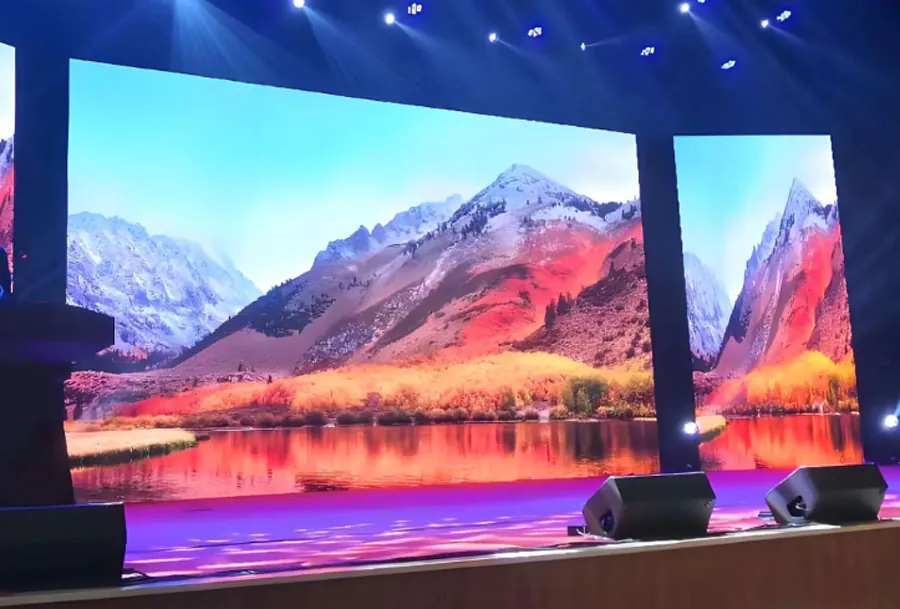
A portable video wall is one of the most effective display tools for brands, educators, event organizers, and businesses that need high-impact visuals in different locations. Unlike fixed installations, these systems are designed for mobility, quick setup, and flexible use across trade shows, conferences, retail spaces, houses of worship, and corporate presentations. As digital communication becomes more visual, organizations are looking for display technology that combines professional image quality with practical transportation and storage benefits.
Table of Contents
- Introduction
- What Is a Portable Video Wall and How Does It Work?
- Key Benefits of Using a Portable Video Wall
- How to Choose the Right Portable Video Wall
- Best Use Cases for a Portable Video Wall
- Setup, Maintenance, and Content Tips for Long-Term Performance
- FAQ
- What is a portable video wall used for?
- Is a portable video wall easy to set up?
- How do I choose the best portable video wall for events?
- Can a portable video wall be reused for different venues?
- How do I maintain a portable video wall?
- Conclusion
Choosing the right portable video wall means understanding screen size, resolution, mounting options, software compatibility, and venue requirements. Whether you need a temporary installation for a live event or a reusable display for recurring promotions, the right system can improve audience engagement, strengthen branding, and simplify logistics.
Followeed is one of TW VISION Portable led display if you want more portable video wall, go to the website and find more.
What Is a Portable Video Wall and How Does It Work?
A Portable led display is a display system made up of multiple screens or LED panels that work together as one large visual canvas, while remaining easy to transport, assemble, and dismantle. These systems are commonly used when organizations need a large-format digital display without committing to a permanent installation.
In most cases, a portable video wall includes lightweight display panels, mounting frames or modular stands, signal distribution hardware, and media control software. The panels connect so that content can be stretched across all screens or divided into multiple zones for dynamic presentation. Depending on the model, the system may use LCD panels, direct-view LED cabinets, or foldable all-in-one display structures.
One of the main advantages of it is setup efficiency. Many modern systems are engineered with tool-free assembly, labeled components, and compact transport cases. This makes them ideal for teams that travel frequently or manage events in multiple venues. Instead of hiring specialized installers each time, staff can often deploy the system with basic training.
Another benefit is versatility. A Portable led display can display branded graphics, live video feeds, social media content, presentations, menus, schedules, and product demos. This flexibility allows businesses to use the same equipment across marketing, education, entertainment, and internal communication scenarios.
Key Benefits of Using a Portable Video Wall
Investing in a portable led display can deliver significant value for organizations that need strong visual communication without the limitations of fixed display infrastructure. The most obvious advantage is mobility. Because the system is built for transport, it can move from one venue to another with less effort than traditional video wall installations.
A Portable led display also supports rapid deployment. For event teams, time is often limited during setup and teardown windows. Portable systems reduce complexity and make it easier to create a premium display presence in a short period. This speed can be especially useful at exhibitions, pop-up activations, roadshows, and temporary command centers.
Brand visibility is another major benefit. A portable wall creates a larger-than-life digital backdrop that attracts attention from a distance. Bright visuals, motion graphics, and synchronized messaging can help organizations stand out in crowded environments. In trade show settings, this often translates into better booth traffic and stronger audience recall.
Cost efficiency matters too. While the initial investment may be substantial, a reusable portable video wall can be more economical over time than repeatedly renting large displays for recurring events. Businesses that attend multiple exhibitions or host regular presentations may reduce long-term display expenses by owning their own system.
Finally, it improves content flexibility. Instead of relying on printed banners that quickly become outdated, teams can update digital messaging instantly. This supports targeted campaigns, personalized presentations, and real-time content changes that better match the audience and environment.
How to Choose the Right Portable Video Wall
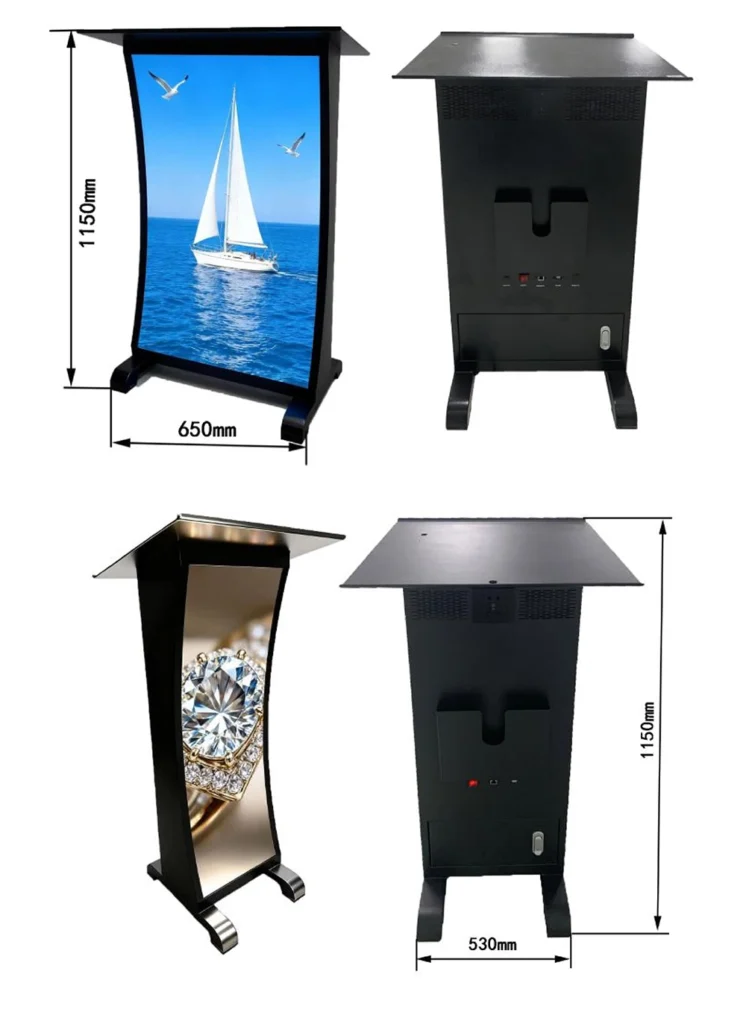
Selecting the best the approach starts with understanding your primary use case. If the display will be used mostly indoors at trade shows, an LCD-based solution may offer excellent image quality and a familiar setup process. For brighter environments or larger-format impact, LED-based systems may be a better choice.
Size and resolution are essential factors. A portable video wall should be large enough to command attention but still practical to transport and assemble. Consider viewing distance, venue dimensions, and the type of content you plan to show. Fine-pitch LED panels are ideal for close viewing, while larger pixel pitch options may work for stage backdrops or spacious halls.
Transportation logistics should never be overlooked. The best portable video wall for your business is one that your team can actually move, store, and deploy efficiently. Check whether the system includes protective cases, wheeled containers, foldable frames, and manageable panel weights. A display that looks impressive but creates logistical headaches may not be the right long-term investment.
Ease of installation is equally important. Look for a portable LED display with modular components, clear alignment features, and intuitive connectivity. If your staff will handle setup in-house, user-friendly design can save time and reduce the risk of errors. Some vendors also offer training, on-site support, or managed services.
Software and content management capabilities should be part of the decision as well. A modern LED wall should support flexible content layouts, remote updates, live inputs, and compatibility with your preferred media systems. If you plan to use the display for presentations, live streaming, dashboards, or interactive content, make sure the control platform can meet those needs.
Best Use Cases for a Portable Video Wall
It is valuable across many industries because it combines impact with flexibility. One of the most common use cases is trade shows and exhibitions. Exhibitors use these displays to showcase products, play promotional videos, highlight testimonials, and create immersive booth experiences that attract attendees.
Corporate events are another strong fit. A the approach can support keynote presentations, internal communications, sales meetings, and brand launches. Because the system can be installed temporarily in hotel ballrooms, conference centers, or office spaces, it gives organizations a polished visual solution without permanent construction.
Retail and pop-up environments also benefit from this technology. Brands can use it to promote seasonal campaigns, announce new products, or create social-media-friendly displays in malls, storefronts, and temporary activation spaces. The ability to change messaging quickly is especially useful for fast-moving promotions.
Education and training settings are increasingly adopting digital displays as well. A portable led display can be used for seminars, campus events, collaborative learning, and public information delivery. In these cases, the display serves not only as a presentation tool but also as a way to improve visibility for larger audiences.
Houses of worship, entertainment venues, and command centers represent additional applications. Whether displaying worship lyrics, live camera feeds, event schedules, emergency data, or audience engagement content, a portable video wall offers the adaptability needed for changing scenarios and diverse content formats.
Setup, Maintenance, and Content Tips for Long-Term Performance
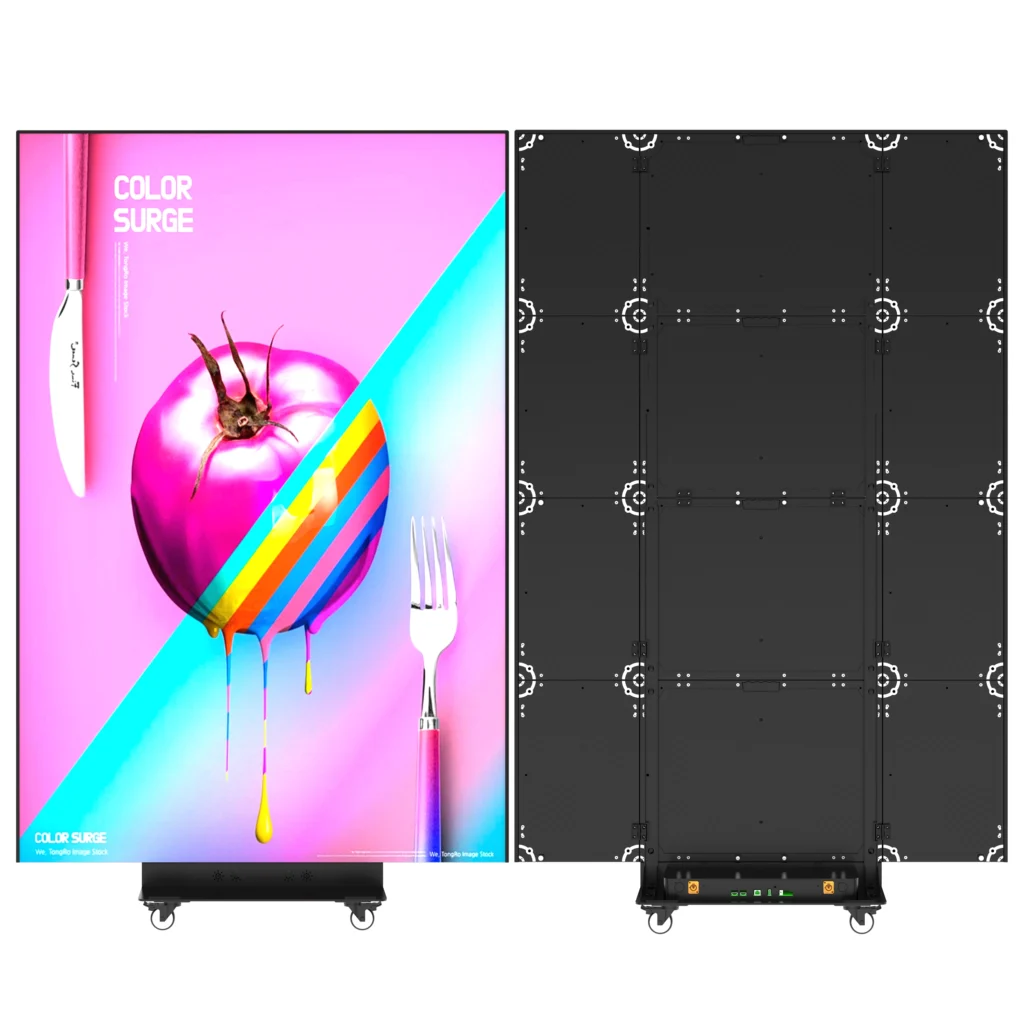
To get the most value from a portable led display, it is important to focus on proper setup, maintenance, and content strategy. Begin by creating a repeatable installation checklist that includes inventory verification, cable inspection, power planning, signal testing, and screen calibration. Standardizing the process can reduce setup time and improve consistency across events.
Handling and storage are critical. It is built for travel, but it still contains sensitive display components that require care. Always transport panels in protective cases, avoid stacking without approved supports, and store equipment in clean, climate-controlled conditions when possible. Good handling practices extend lifespan and preserve image quality.
Routine maintenance should include cleaning screens with manufacturer-approved materials, checking mounting hardware, testing spare cables, and updating firmware or software as needed. A well-maintained the approach is less likely to fail during high-stakes events where downtime can hurt audience experience and brand perception.
Content design also has a major impact on results. To maximize the effectiveness of a portable led display, use high-resolution visuals, large readable text, and layouts designed for the overall canvas size. Consider how content appears from different distances and angles. Motion graphics should be smooth and purposeful rather than overly busy.
It is also wise to prepare backup media and contingency plans. If a laptop fails or a content file becomes corrupted, you should have duplicate assets ready. Reliable operation, strong visual design, and careful planning all help ensure that your display investment performs well over time.
FAQ
What is a portable video wall used for?
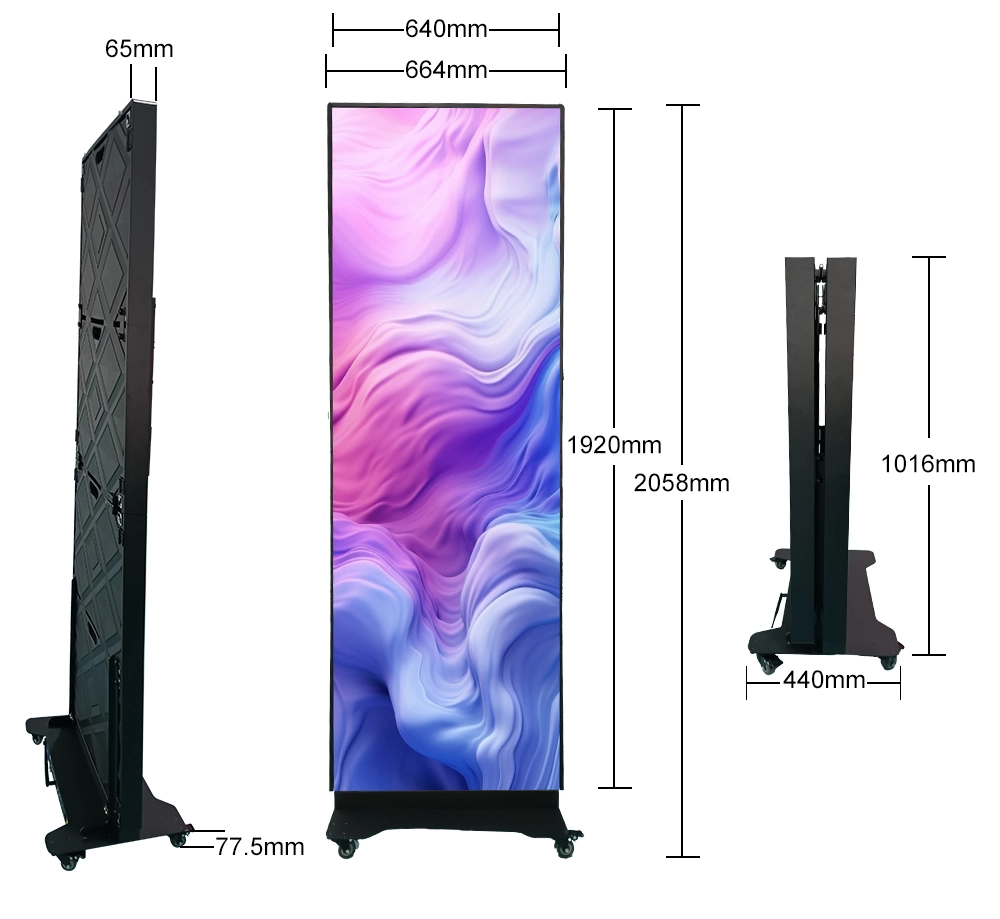
A portable led display is used for temporary or mobile large-format digital displays in settings such as trade shows, corporate events, retail promotions, education, worship spaces, and live presentations. It helps organizations deliver eye-catching visual content without needing a permanent installation.
Is a portable video wall easy to set up?
In many cases, yes. A portable video wall is specifically designed for faster assembly than traditional fixed systems. Many models feature modular frames, lightweight panels, and transport-friendly cases that simplify installation and teardown.
How do I choose the best portable video wall for events?
To choose the right portable video wall, evaluate screen technology, size, resolution, transport requirements, setup time, software compatibility, and venue lighting conditions. The best option depends on how often you travel, what content you display, and how large your audience will be.
Can a portable video wall be reused for different venues?
Yes, a portable video wall can repeat use in multiple venues. Its modular design makes it suitable for businesses and organizations that attend recurring events, roadshows, conferences, or pop-up campaigns in different locations.
How do I maintain a portable video wall?
Proper maintenance for a portable video wall includes safe transport, regular cleaning, cable checks, hardware inspections, software updates, and secure storage in protective cases. Preventive care helps maintain reliability, brightness, and overall display performance.
Conclusion
A portable video wall is a powerful solution for organizations that need visual impact, mobility, and flexibility in one system. From trade shows and retail activations to corporate meetings and educational events, these displays help deliver memorable content in a professional format. By choosing the right size, technology, and support features, businesses can create engaging experiences while keeping setup and transportation manageable.
As digital presentation needs continue to grow, a portable video wall offers a smart balance of convenience and performance. With thoughtful planning, strong content, and proper maintenance, it can become a long-term asset that supports branding, communication, and audience engagement across many environments.
