

portable led video wall: 3 Best : Buying Guide & Benefits

Introduction
A portable led video wall gives brands, venues, and event teams a flexible way to deliver bright, high-impact visuals without the permanence of fixed displays. Whether you are planning a trade show booth, a corporate presentation, a worship event, a product launch, or a touring production, this display format can transform how audiences experience content. Compared with projectors or traditional flat-panel setups, it offers better visibility in varied lighting, modular sizing, fast setup, and strong visual appeal. It also supports dynamic messaging, live video, branded graphics, and interactive content in a compact, transport-friendly system. In this guide, you will learn how these systems work, their main advantages, what features to compare, where they perform best, and how to choose the right option for your needs.
Table of Contents
- Introduction
- What Is a portable led video wall?
- Key Benefits of a portable led video wall
- 1. Strong visibility in varied lighting
- 2. Modular size and layout options
- 3. Professional brand presentation
- 4. Fast setup and teardown
- 5. Reusability and long-term value
- 6. Seamless visual experience
- 7. Adaptability for different content types
- How to Choose the Right portable led video wall
- Pixel pitch
- Brightness
- Panel weight and transport
- Build quality and durability
- Service access and maintenance
- Processing and control
- Mounting and support structures
- Indoor vs. outdoor use
- Vendor support and warranty
- Best Use Cases for a portable led video wall
- Trade shows and exhibitions
- Corporate events and conferences
- Retail activations and brand experiences
- Houses of worship
- Live entertainment and touring
- Education and community events
- Broadcast and hybrid events
- Setup, Maintenance, and Cost Considerations
- Setup planning
- Power and signal management
- Content optimization
- Routine maintenance
- Training and staffing
- Cost factors
- Rent vs. buy
- Safety and compliance
- FAQ
- What size portable led video wall should I buy?
- Is a portable led video wall better than a projector?
- How long does it take to set up a portable led video wall?
- Can a portable led video wall be used outdoors?
- What pixel pitch is best for a portable led video wall?
- Is owning a portable led video wall worth it?
- Conclusion
What Is a portable led video wall?
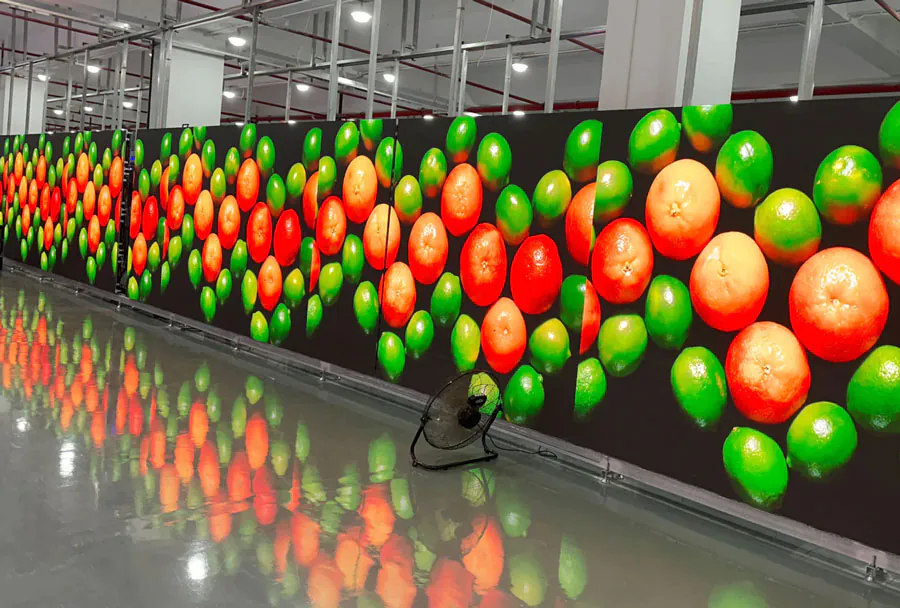
Followed is Portable led video wall from TW VISION.
A portable led video wall is a modular display system made from lightweight LED panels or cabinets that can be assembled, disassembled, transported, and reconfigured for different venues. Unlike a permanently installed wall, this type of screen is designed for mobility. It often comes with road cases, quick-lock panel systems, front or rear service access, and supporting structures that make deployment easier for event professionals and marketing teams.
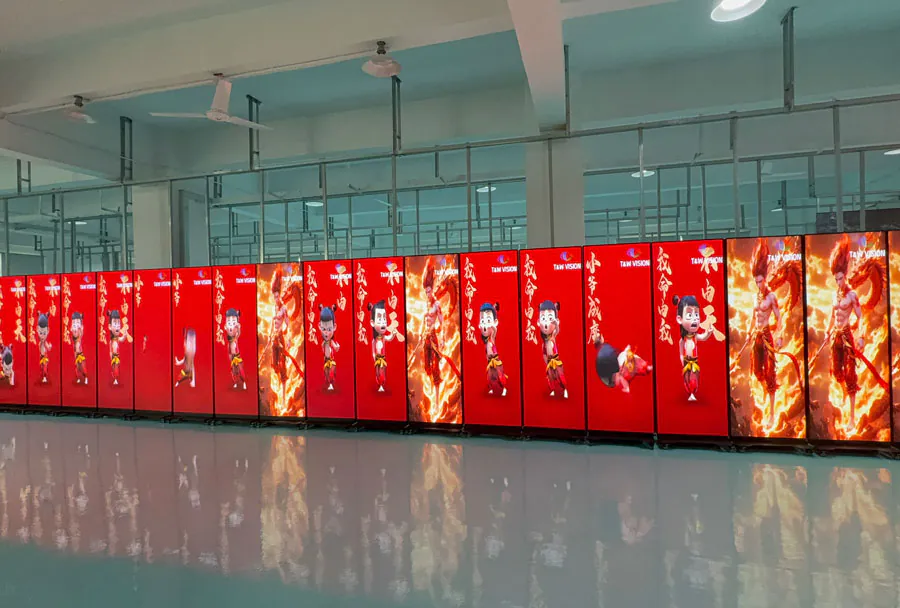
The appeal of a portable led video wallstarts with its modular design. Users can create different aspect ratios and screen sizes based on the event footprint, audience distance, and content type. A small indoor backdrop for a keynote can use fewer panels, while a larger stage design for an expo or concert can expand significantly using the same product line. This scalability makes it attractive for rental companies, AV integrators, and organizations with changing display needs.
Another reason businesses choose a portable led video wall is image performance. LED displays are known for high brightness, vivid colors, and seamless presentation. Since they do not rely on projection surfaces, they avoid common issues like washed-out images in bright rooms or visible bezels between multiple TVs. For brands that need polished visual storytelling, that matters.
Mobility does not mean compromise. Many modern systems support fine pixel pitch, strong refresh rates, robust processing, and easy content management. Some are built specifically for indoor close-viewing environments, while others are rated for outdoor use with weather resistance and higher brightness levels. This allows buyers to match the display to the exact use case rather than settling for a one-size-fits-all solution.
For organizations that attend recurring events, a the approach can also reduce long-term dependence on rental inventory. While the upfront investment may be higher than short-term alternatives, ownership can offer better control, consistent branding, and potential savings over time.
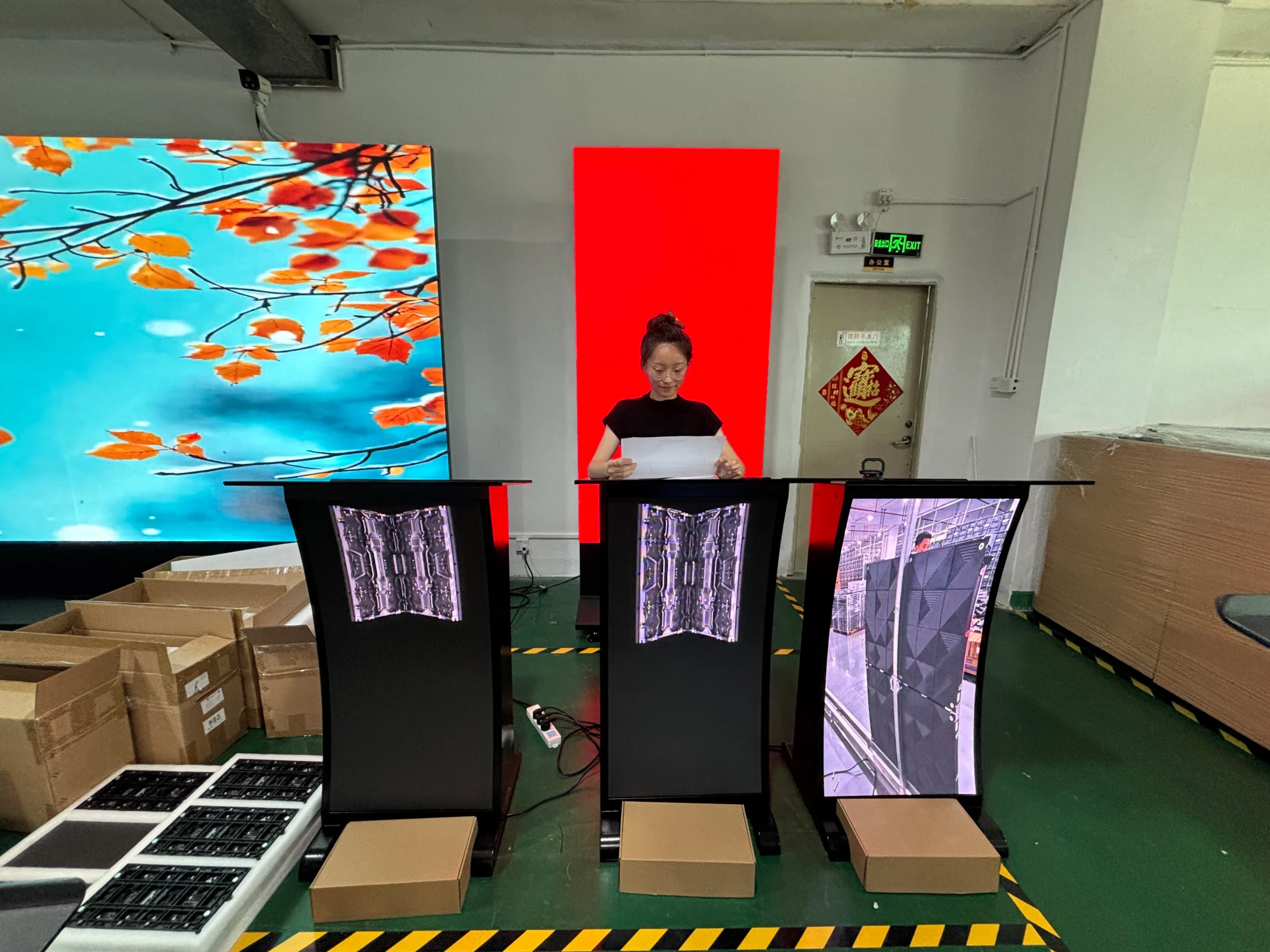
Followed is portable led podium provided by TW VISION. Click TW VISION website https://www.cstwvision.com/ to talk with sales if you interested.
Key Benefits of a portable led video wall
The biggest advantage of a portable led video wall is flexibility. Because the panels are modular and transportable, the display can serve multiple functions across many environments. One week it may be used as a conference stage background, and the next it may become a product demo wall in a showroom or retail activation.
Here are the main benefits buyers should know:
1. Strong visibility in varied lighting
LED technology performs well in spaces where projectors struggle. Conference halls, hotel ballrooms, convention centers, worship spaces, and outdoor events often have ambient light challenges. LED maintains impact and readability, helping your visuals stay clear and vibrant.
2. Modular size and layout options
A this can be configured to fit different stage widths, booth dimensions, and audience needs. This means one investment can support multiple events without requiring entirely different display systems. Curved setups, tall portrait walls, wide backdrops, and creative stage designs are all possible depending on the hardware.
3. Professional brand presentation
For exhibitors and marketers, presentation quality affects perception. Crisp motion graphics, live feeds, sponsorship visuals, and promotional videos displayed on LED create a more premium impression than static signs or lower-impact screens. This can improve engagement and memorability.
4. Fast setup and teardown
Modern portable systems are engineered for speed. Tool-free assembly, precision locking mechanisms, lightweight cabinets, and integrated rigging options help crews deploy efficiently. This is especially valuable for event schedules with narrow installation windows.
5. Reusability and long-term value
A these is not limited to a single campaign. It can be reused across exhibitions, conferences, internal meetings, activations, and touring schedules. For organizations with recurring display needs, that reusability can improve return on investment.
6. Seamless visual experience
Unlike multi-screen TV arrays, LED walls minimize or eliminate distracting borders between display sections. The result is a more immersive canvas for storytelling, making content look unified and polished.
7. Adaptability for different content types
These systems can display presentations, branded loops, social walls, live camera feeds, product animations, and even interactive content. That range makes them useful for both communication and entertainment.
When evaluating event technology, many buyers find that a portable led video wall balances impact, practicality, and versatility better than many traditional options.
How to Choose the Right portable led video wall
Selecting the right the concept requires more than comparing prices. The best choice depends on where you will use it, how often you will move it, who will install it, what content you will show, and how close viewers will stand to the screen.
Pixel pitch
Pixel pitch is one of the most important buying factors. It refers to the distance between LED pixels, typically measured in millimeters. Smaller pixel pitch means higher resolution at closer viewing distances. For indoor trade shows, boardrooms, and stage presentations where the audience is nearby, a finer pitch is usually preferred. For larger venues where viewers are farther away, a wider pitch may be acceptable and more cost-effective.
Brightness
Brightness matters based on environment. Indoor systems may require lower brightness levels than outdoor displays, which must compete with daylight. If your events happen in mixed lighting conditions, choose a solution that offers enough brightness without overspending on outdoor-grade capability you may not need.
Panel weight and transport
A true the approach should be practical to move. Check cabinet weight, packing design, case durability, and how many people are needed for installation. Lighter panels reduce labor demands and speed up logistics, especially for touring use.
Build quality and durability
Frequent assembly and transportation can put stress on panels, connectors, and frames. Look for robust cabinet materials, reliable corner protection, and proven locking systems. Rental-grade construction is often worth considering if the display will travel often.
Service access and maintenance
Front-service designs can be useful in tight spaces, while rear-service options may work fine when enough access exists. Understanding maintenance requirements before purchase helps avoid operational headaches later.
Processing and control
Display processors influence scaling, image quality, synchronization, and input compatibility. Ensure the system supports your expected media sources, whether that includes laptops, media servers, cameras, or switching systems. User-friendly control software can also save setup time.
Mounting and support structures
Consider whether the wall will be ground-supported, wall-mounted, flown, or built into a booth structure. The support method affects safety, setup complexity, and overall cost. A it may require different framing depending on the venue.
Indoor vs. outdoor use
Do not assume one product can do both equally well. Outdoor applications need weather resistance, greater brightness, and often different structural requirements. Indoor products usually prioritize fine pitch and close-viewing image quality.
Vendor support and warranty
The best hardware still needs dependable support. Ask about training, spare parts availability, repair turnaround, and technical assistance. A strong supplier relationship can be just as important as the panel specification.
When comparing options, create a checklist that includes budget, screen size, event frequency, transport demands, and audience distance. That approach makes it easier to identify the most suitable portable led video wall for your operational goals.
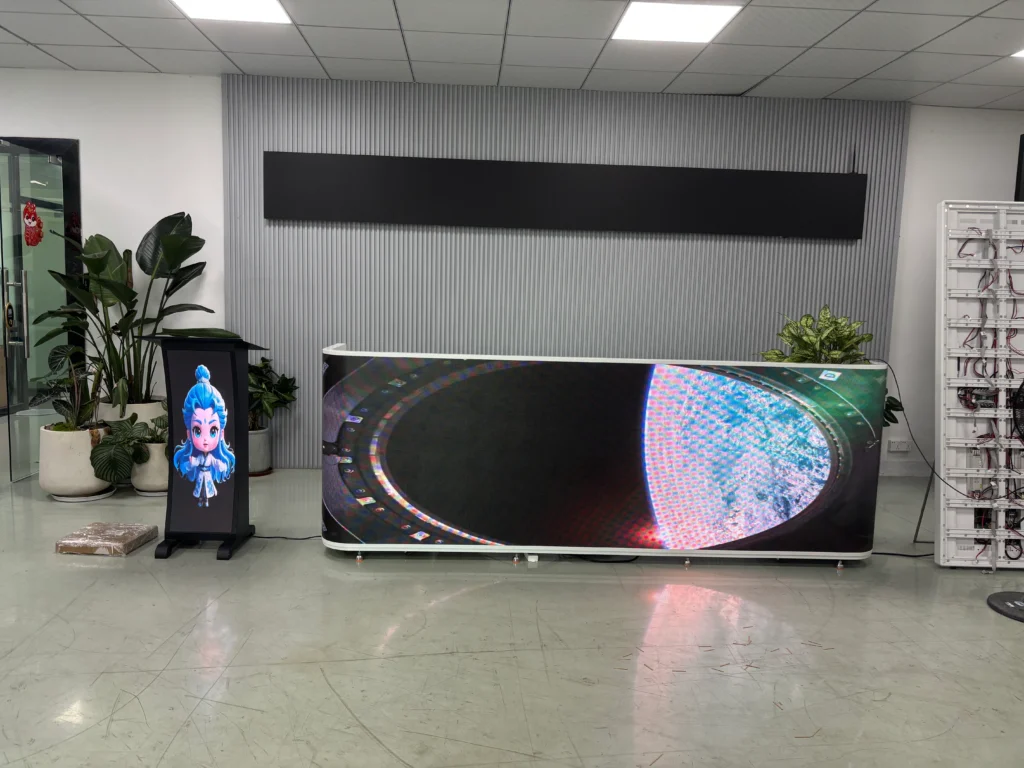
Folloed is a portable front desk screen provided by TW VISION.
Best Use Cases for a portable led video wall
A Portable led video wall works across many industries because it combines visual power with deployment flexibility. Below are some of the most common and valuable applications.
Trade shows and exhibitions
Exhibitors need to stand out in crowded halls filled with competing signage. LED walls attract attention from a distance and can showcase product videos, testimonials, animated branding, and live demos. Because booth sizes vary from event to event, portability and modularity are major advantages.
Corporate events and conferences
From annual meetings to leadership summits, LED displays create a more professional stage environment. They can support keynote presentations, agenda graphics, sponsor recognition, and live camera feeds. A they is especially useful for organizations that host events in different cities and need a consistent visual standard.
Retail activations and brand experiences
Pop-up stores and experiential marketing campaigns benefit from vivid digital storytelling. LED walls can create immersive product launches, campaign backdrops, and engaging visual moments that encourage visitors to stop, interact, and share on social media.
Houses of worship
Many worship spaces use LED technology for lyrics, sermon visuals, video playback, and event announcements. Portable systems are valuable for growing congregations, temporary venues, and multi-campus setups where mobility matters.
Live entertainment and touring
Concerts, festivals, and touring productions need display solutions that can travel efficiently and perform reliably. In these environments, the speed and repeatability of setup are critical. A the concept allows crews to recreate consistent visual experiences across venues.
Education and community events
Schools, universities, and civic organizations use LED walls for graduations, performances, fundraisers, and assemblies. Since these institutions often serve multiple event types in shared spaces, a portable solution can be more practical than permanent installation.
Broadcast and hybrid events
LED walls are increasingly used as virtual production backgrounds, webcast backdrops, and hybrid event stages. Their brightness and visual consistency help create polished on-camera environments while also serving in-room audiences.
In each of these scenarios, success depends on matching the screen specification to the venue, audience distance, and content strategy. That is why planning matters as much as the display itself.
Setup, Maintenance, and Cost Considerations
Buying a the approach involves both hardware costs and operational realities. Understanding setup requirements, maintenance expectations, and ownership expenses will help you make a smarter investment.
Setup planning
Even with easy-lock panels and streamlined rigging, every deployment should follow a setup plan. This includes measuring venue access points, verifying power availability, confirming support structure requirements, and testing content in the correct resolution. Teams should also assign responsibilities for unloading, assembly, cabling, processing, and troubleshooting.
Power and signal management
LED walls require stable power distribution and clean signal flow. Poor cabling practices can lead to image issues, delays, or setup failures. Use labeled cables, backup signal paths, and surge protection when possible. If events are mission-critical, redundancy is worth considering.
Content optimization
To get the best results, design content specifically for the wall resolution and aspect ratio. A portable led wall can look spectacular with properly scaled visuals, but poorly formatted content may appear stretched, cropped, or underwhelming. Motion graphics, high-contrast typography, and brand-led animation often perform especially well.
Routine maintenance
Regular inspection extends system life. Check for damaged LEDs, connector wear, cabinet alignment issues, and case condition after each use. Keep panels clean, store them in controlled conditions, and follow the manufacturer’s maintenance guidance.
Training and staffing
Not every organization has an in-house AV team. If internal staff will handle the system, choose equipment with intuitive assembly and control. Training should cover panel handling, safe stacking, processor operation, and basic diagnostics.
Cost factors
Pricing varies widely based on pixel pitch, brightness, cabinet quality, processor capabilities, structural hardware, and brand reputation. Lower-cost products may look attractive initially, but reliability, support, and replacement part access can affect total cost of ownership.
Rent vs. buy
If you only need LED for one or two annual events, renting may be more practical. But if your calendar includes frequent exhibitions, corporate meetings, activations, or tours, owning a this could make financial sense over time. Ownership also ensures brand consistency and availability when event schedules are tight.
Safety and compliance
Always follow rigging, grounding, and structural safety guidelines. Whether the wall is freestanding or flown, proper engineering and installation practices are essential. This is not an area to cut corners.
A thoughtful approach to operations can protect your investment and ensure the display performs well across repeated deployments.
FAQ
What size portable led video wall should I buy?
The ideal size depends on venue dimensions, audience distance, and content goals. A these for a trade show booth may be much smaller than one used for a conference stage or concert backdrop. Start with your most common use case, then choose a modular system that can scale up or down as needed.
Is a portable led video wall better than a projector?
In many cases, yes. A portable led video wall typically offers higher brightness, better visibility in ambient light, a more seamless image, and greater visual impact. Projectors can still be useful for budget-sensitive or very large-format applications, but LED often delivers a more premium result.
How long does it take to set up a portable led video wall?
Setup time depends on screen size, crew experience, support structure, and processor configuration. A small portable led video wall may be assembled relatively quickly, while larger event builds take longer and require more planning. Efficient systems with tool-free locks and good case organization can reduce labor time.
Can a portable led video wall be used outdoors?
Some models can, but not all. Outdoor use requires weather resistance, higher brightness, and appropriate structural support. If you plan to use a portable led video wall both indoors and outdoors, make sure the product is specifically rated for those environments.
What pixel pitch is best for a portable led video wall?
The right pitch depends on viewing distance. Finer pitch is better for close-up indoor viewing, while larger pitch can work well when audiences are farther away. Choosing the correct resolution level ensures your portable led video wall looks sharp without overspending.
Is owning a portable led video wall worth it?
For organizations with frequent event schedules, ownership can offer better long-term value than repeated rentals. A portable led video wall can support branding consistency, schedule flexibility, and repeated reuse across multiple event types, making it a strong investment for many businesses.
Conclusion
A portable led video wall is one of the most effective display solutions for organizations that need flexibility, strong visual performance, and reusable event technology. Its modular design allows it to adapt to changing spaces, while LED image quality helps brands communicate with more impact than many traditional alternatives. From trade shows and conferences to worship, retail, education, and touring events, the right portable led video wall can elevate audience engagement and improve presentation quality. As you evaluate options, focus on pixel pitch, brightness, portability, processing, structural support, and vendor reliability. By aligning those factors with your specific use cases and budget, you can choose a system that delivers both immediate results and long-term value.
