Professional LED Screen Rental Services Near Me

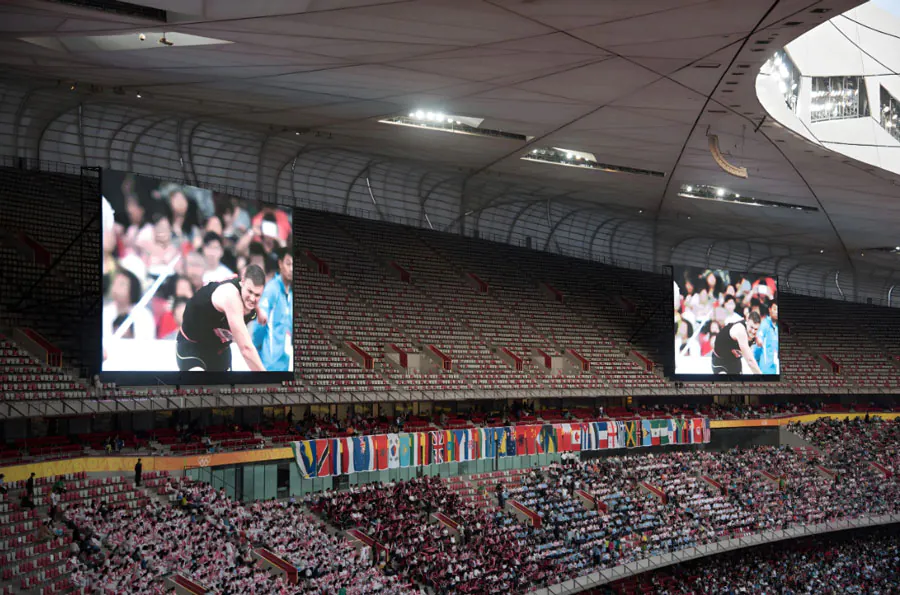
In today’s fast-paced event landscape, visual impact is everything. Whether you’re organizing a corporate conference, a music festival, a trade show, or a wedding, the right LED screen can transform the audience experience. Searching for “Professional LED Screen Rental Services Near Me” signals that you want local, reliable, and technically proficient suppliers who can deliver and operate high-quality led displays tailored to your event. This article explores everything you need to know to find and evaluate professional LED screen rental services near you—covering technical specs, logistical considerations, pricing models, vendor selection criteria, and practical checklists to ensure flawless execution.
The Growing Demand for Local LED Screen Rental Services
Local LED rental providers offer distinct advantages: rapid response times, lower transportation costs, better knowledge of venue constraints, and often stronger long-term relationships for recurring events. With the LED industry advancing rapidly—higher pixel density, improved brightness, and more compact hardware—local professionals who stay current with technology can deliver world-class visuals without the complexity of purchasing and maintaining their own inventory.
Understanding LED Screen Basics: Key Technical Terms
Before you evaluate rental providers, it’s helpful to understand core LED screen specifications:
– Pixel Pitch: The distance (in millimeters) between center points of adjacent pixels. Smaller pixel pitches (e.g., 1.2–2.5 mm) yield finer image quality suited for close viewing, while larger pitches (e.g., 4–10 mm) work for larger outdoor displays viewed from farther away.
– Resolution: The total number of pixels horizontally and vertically. Resolution combined with screen size determines image clarity.
– Brightness: Measured in nits. Outdoor daytime screens often require 5,000–7,000 nits or more; indoor screens typically range from 800–1,500 nits.
– Refresh Rate: Measured in Hz; higher refresh rates reduce flicker and produce smoother motion—crucial for broadcast and camera capture.
– Contrast Ratio: The difference between the darkest and brightest output; higher contrast delivers deeper blacks and more vivid images.
– Viewing Angle: The width at which the image remains acceptable without color or brightness shift—important for wide audiences.
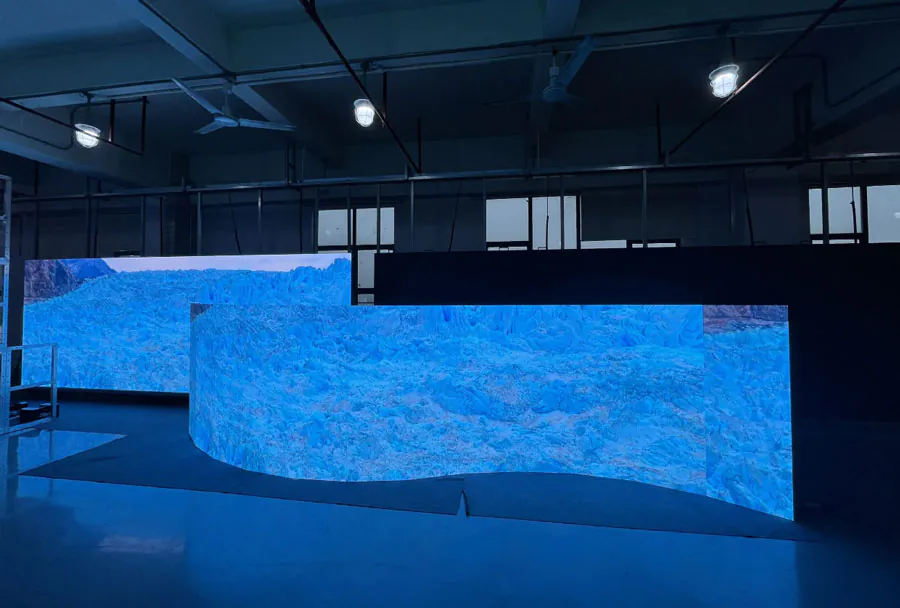
– Curvature and Modular Design: Some installations use curved or curved-capable modules; modular panels allow flexible sizing and aspect ratios.
Types of LED Rental Services You’ll Encounter
Professional LED rental companies typically offer a range of services, including:
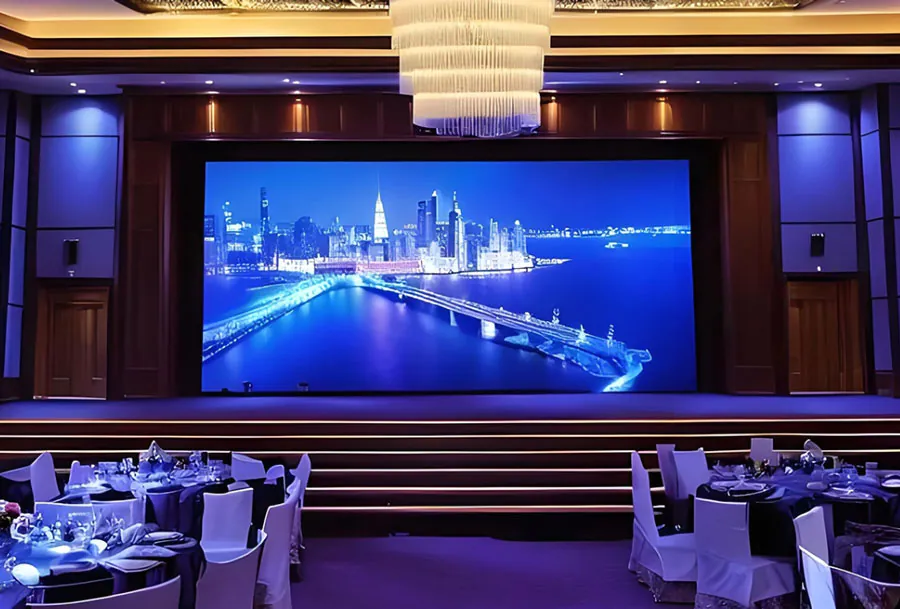
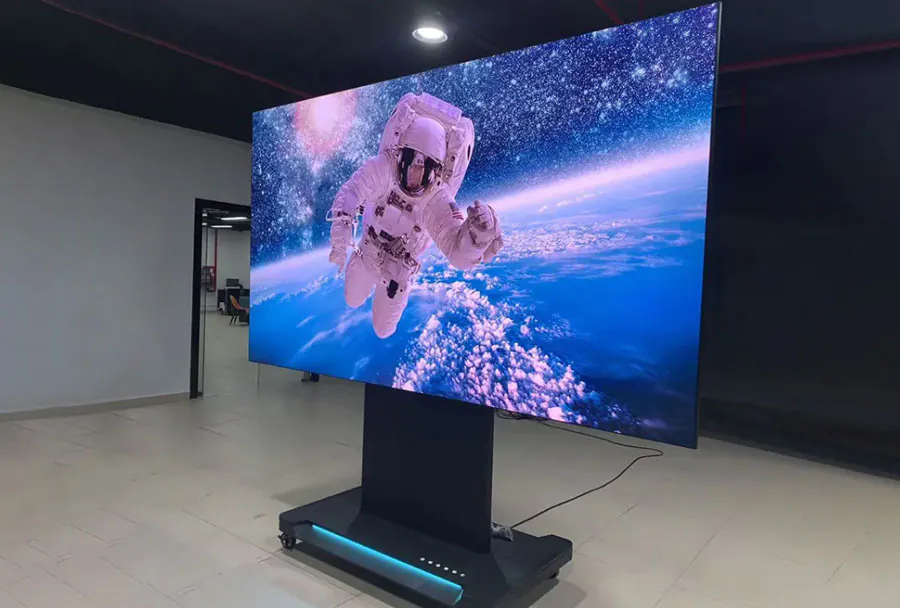
– indoor led displays: High resolution, lower brightness, ideal for conferences and indoor concerts.
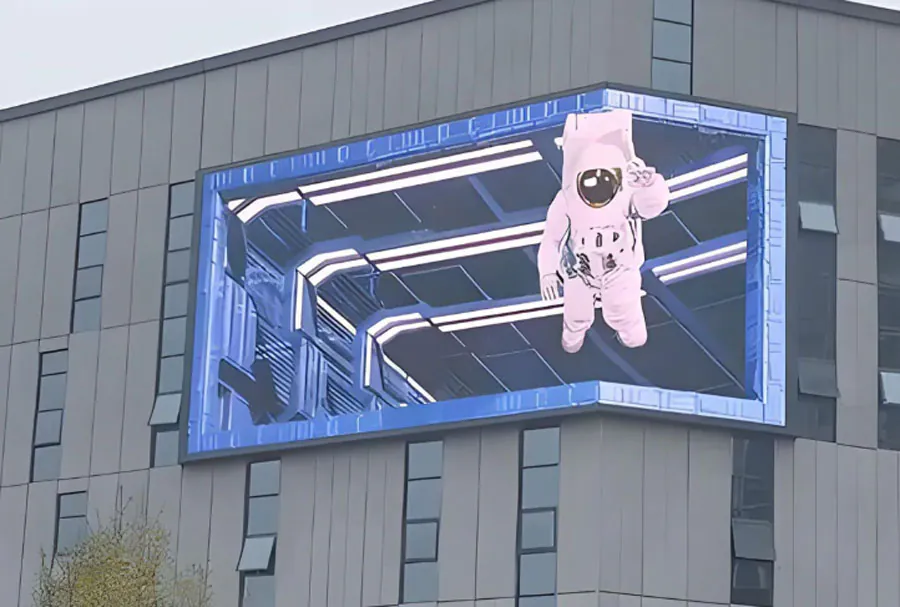
– Outdoor LED Walls: Weather-resistant, high brightness for festivals, stadiums, and outdoor advertising.
– Transparent LED Screens: For showroom windows or stage front panels where transparency is desired.
– Rental Packages with Full AV Support: Includes content playback, switching, mapping, and live video integration.
– Turnkey Production Services: Full production including staging, rigging, audio, lighting, and crew.
– Short-term & Long-term Rentals: Flexible durations for single events or extended campaigns.
How to Search and Vet Local LED Rental Providers
Finding a reputable local vendor starts with thorough vetting. Here’s a practical approach:
– Search smart: Use “Professional LED Screen Rental Services Near Me” plus terms like “installation,” “technical support,” “event production,” and your city or region.
– Review portfolios: Look for past events similar to yours. High-quality case studies indicate experience and capability.
– Ask about stock: Confirm the make, model, age, and condition of LED panels and control systems.
– Technical staff: Ask if they provide on-site technicians for setup, calibration, and operation. Ideally they should include a rigging engineer and an LED calibration specialist.
– Insurance and safety: Verify liability insurance, worker safety protocols, and equipment certifications (e.g., CE, UL).
– References: Request contact information for recent clients and venues.
– Backup equipment: Ensure vendors bring spares for critical components like power supplies, controllers, and data cables.
Comparing Cost Models: What Influences Rental Pricing

Pricing depends on multiple variables:
– Screen size and pixel pitch: Larger screens and finer pixel pitches cost more.
– Rental duration: Daily rates, weekend packages, and weekly discounts vary.
– Delivery and logistics: Distance, access constraints, and required labor increase costs.
– Installation complexity: Curved screens, trussing, creative builds, or special rigging add labor and equipment fees.
– Additional services: Content mapping, live video switching, and operator staffing are billable.
– Insurance and permits: Required permits for outdoor or public events may add fees.
Detailed Evaluation Table: Comparing Typical LED Rental Packages
| Service Aspect | Typical Offering | Cost Range (USD) | Ideal Event Types | Key Considerations |
|---|---|---|---|---|
| Indoor High-Res LED | 1.2–3mm pixel pitch, 2–6m2 modules, soft-edge blending | $500–$3,500/day (depends on size) | Conferences, product launches, corporate gatherings | Viewing distance, brightness, and power/load demands for venue |
| Outdoor Event Wall | 4–10mm pixel pitch, weatherproof cabinets, high brightness | $1,200–$10,000/day | Festivals, concerts, public screenings, sports events | Rigging, wind load, permits, daylight visibility |
| Transparent/Creative LED | See-through panels, lightweight frames, interactive options | $1,000–$7,000/day | Retail displays, product showcases, fashion shows | Transparency vs. brightness trade-offs, power and control cabling |
| Turnkey Production Package | LED, audio, lighting, staging, content & crew | $5,000–$50,000+ per event | Large corporate events, festivals, touring shows | Vendor experience, coordination complexity, single point of responsibility |
| Short-Term/DIY Rental | Panels delivered with basic setup instructions, pickup included | $300–$2,000/day | Small parties, pop-ups, short activations | Technical skill required on client side, minimal support |
Understanding Service-Level Agreements and Support
A professional LED rental provider should offer a clear service-level agreement (SLA) covering:
– Delivery and setup windows, including estimated labor hours.
– Technical scope: calibration, color mapping, signal routing, and redundancy plans.
– Response times for technical issues during the event.
– Scope of operator responsibilities—what the technician will and will not do.
– Acceptance testing: protocols to confirm image quality and functionality before the event starts.
– Cancellation, rescheduling, and weather-related clauses.
Always have these details in writing to avoid misunderstandings.
Technical Logistics: Venue, Power, and Rigging Considerations
Navigating venue logistics is often the most complex part of LED rental projects. Key considerations include:
– Power capacity: Large LED walls can require substantial power. Confirm venue power availability and distribution, and whether generators are needed.
– Load-bearing and rigging: Confirm that the venue’s rig points or floors can support the weight. For outdoor events, wind loads and ballast systems must be considered.
– Sightlines and sight-blocking: Check for obstructions, stage sightlines, and seating layout to determine optimal screen placement and size.
– Signal routing and latency: For live feeds, ensure low-latency signal paths from cameras to the LED processor.
– Cable management: Plan data, video, and power cable runs to minimize tripping hazards and interference.
– Permits and local regulations: For outdoor installations, confirm any local permits for structures, noise, and public safety.
Content and Signal Management: Ensuring Visual Excellence
The best LED hardware can underperform without optimized content and signal workflows. Consider the following:
– Content resolution and aspect ratio: Provide content that matches the native resolution of the LED wall to avoid scaling artifacts.
– Color calibration: Professional calibration ensures consistent color across panels and between multiple screens.

– Media servers and processors: Determine whether the vendor uses reliable processors like Brompton, Novastar, or equivalents for image management.
– Inputs and switching: Ensure compatibility with laptops, cameras, streaming encoders, and playback devices.
– Redundancy: Dual signal paths and backup media players can prevent single points of failure.
– Testing: Perform a full content run-through during load-in to verify playback, scaling, and transitions.
Operator Expertise: Why It Matters
A skilled LED operator does more than press play. They will:
– Calibrate brightness and color temperature for the venue.
– Manage live inputs and switching for camera feeds and presentations.
– Troubleshoot pixel, power, and signal issues.
– Work with lighting departments to avoid wash or flicker.
– Coordinate with stage managers for cues and timing.
When searching for “Professional LED Screen Rental Services Near Me,” prioritize vendors who include experienced operators or who can demonstrate technician certifications.
Case Studies: Real-World Scenarios and Solutions
– Corporate Annual Meeting: A 30′ x 12′ indoor LED wall (2.5mm) was used for keynote presentations. The vendor provided dual media servers for seamless presenter transitions and on-site color calibration to match brand colors. Result: clean, legible text and high-impact video playback.
– Outdoor Music Festival: Multiple 10mm outdoor walls, flown from trusses with redundant power and weatherproofing. The provider implemented a daylight visibility plan with 6,000 nits brightness and ensured wind-rated rigging. Result: consistent visibility for fans throughout the day.
– Retail Product Launch: Transparent LED panels were integrated into a storefront to showcase product visuals while allowing foot traffic visibility. The vendor managed custom mounting and content mapping for product-focused animations. Result: strong visual pull and high foot traffic engagement.
Checklist: What to Ask When You Call a Local Vendor
– Do you have current stock of the panel type and pixel pitch I need?
– Can you provide a site survey and technical rider review?
– What crew members are included, and what are their hourly rates?
– What is your on-site response time during the event?
– Do you carry spare modules, control cards, and power supplies?
– Are you insured, and can you provide certificates of insurance?
– Can you deliver a production schedule and setup/breakdown timeline?
– Will you coordinate with the venue’s technical team and provide necessary permits?
– What content formats and codecs do you support?
– Do you offer showcalling and live switching services?
Green Considerations: Sustainability in LED Rental
Many clients now consider sustainability. Choose vendors who:
– Use energy-efficient LED panels and smart power management.
– Offer reusable, well-maintained road cases to reduce waste.
– Optimize delivery routes and consolidate loads to reduce emissions.
– Recycle damaged modules and e-waste responsibly.
Sustainable practices can also reduce operating costs and align with corporate environmental goals.
Negotiating Prices and Contracts
When negotiating:
– Bundle services where possible—combining LED, audio, and lighting can lead to package savings.
– Ask about weekday vs. weekend and off-peak discounts.
– Clarify overtime rates for crew and night work.
– Define acceptance criteria to avoid disputes over image quality or functionality.
– Negotiate deposit and final payment schedules aligned with event milestones.
Common Pitfalls and How to Avoid Them
– Underestimating Viewing Distance: Choosing a pixel pitch too fine can be unnecessarily expensive for audiences viewing from far away.
– Ignoring Brightness Requirements: Indoor screens set too bright can wash out when combined with stage lighting; outdoor walls set too dim fail in daylight.
– Skimping on Crew: Unskilled labor may damage panels or produce poor calibration.
– Overlooking Permits and Venue Rules: Last-minute permit issues can halt outdoor installations.
– No Backup Plan: Failure to plan redundancy for critical signal or power elements risks show-stopping downtime.
Choosing Between Local vs. National Providers
Local providers:
– Pros: Rapid response, lower transport costs, in-depth knowledge of local venues.
– Cons: May have limited inventory for very large or specialized requests.
National providers:
– Pros: Large inventories, standardized processes, broader equipment options.
– Cons: Higher travel logistics and potentially higher costs; less local venue familiarity.

For most events, a local professional provider offering a partnership with strong vendor relationships is the most effective solution.
Future Trends in LED Rental Services
– Higher pixel density becomes affordable, shifting indoor expectations toward seamless, TV-like visuals.
– Increased use of flexible and curved panels enabling more creative stage designs.
– Integration of AR/VR and interactive LED surfaces for immersive experiences.
– Cloud-based content management and remote control of LED walls for distributed events.
– Greater emphasis on sustainability and modular, reusable systems.
Final Recommendations: How to Get the Best Results
– Start early: Booking the right vendor well in advance secures desired equipment and crew.
– Prioritize communication: Share technical riders, floor plans, and power specs early.
– Plan for redundancy: Expect failures and build fail-safes into your design.
– Test thoroughly: Schedule a full content rehearsal on the actual LED hardware.
– Choose experience: Vendors with strong case studies in your event type reduce risk.
Sample Request-for-Quote (RFQ) Template
When contacting suppliers, include:
– Event date(s) and times (including load-in/load-out windows).
– Venue address, access points, and any rigging constraints.
– Desired screen size, pixel pitch preference, and indoor/outdoor environment.
– Content types (live video, pre-produced, PowerPoint) and native resolutions.
– Required services (install, calibration, on-site operator, media server).
– Budget range and payment terms.
– Contact person for technical coordination.
Searching for “Professional LED Screen Rental Services Near Me” is the first step toward creating memorable visual experiences that enhance engagement and deliver your event goals. By understanding the technical elements, vetting providers carefully, planning logistics in detail, and prioritizing experienced operators and clear SLAs, you can minimize risk and maximize visual impact. Use the evaluation table and checklists in this guide to compare options, negotiate confidently, and select a rental partner who brings both the right gear and the skilled team to execute your vision flawlessly.