Affordable LED Screen Rental Houston with Fast Installation & Delivery

Houston is a bustling metropolis with a non-stop calendar of events — from concerts at Toyota Center and NRG Stadium to corporate conferences, trade shows, sports events, weddings, and outdoor festivals across the Bayou City. For event planners, marketers, and venue operators, high-impact visual displays are no longer optional; they’re essential. However, purchasing LED screens outright can be prohibitively expensive and inflexible. That’s where affordable LED screen rental in Houston with fast installation and delivery becomes a strategic choice: it delivers high-quality visuals, operational agility, and cost savings while ensuring your event looks professional and runs on schedule.
This article provides a professional, practical guide to renting LED screens in Houston. You’ll learn how rental pricing works, what affects total cost, the differences between screen types, timelines for fast installation and delivery, permitting considerations in Houston, vendor selection criteria, and how to maximize ROI for any event.
Benefits of Renting LED Screens vs. Buying
– Cost efficiency: Renting converts a large capital expense into a predictable operating expense. For a one-off event or occasional use, rental is dramatically cheaper than purchasing.
– Flexibility: Rentals let you choose the exact screen size, pixel pitch, and configuration that suits each event — indoor, outdoor, curved walls, or mobile LED trucks.
– Fast deployment: Professional rental companies provide experienced crews, rigging gear, and logistics systems designed for quick installation and teardown.
– Technical support: Many rental packages include on-site technicians and immediate troubleshooting, reducing operational risk.
– Scalability: Easily upgrade or downgrade the screen size depending on crowd size and venue needs.
Key Factors That Determine Rental Cost
Understanding pricing drivers helps you plan a realistic budget and negotiate better deals.
– Screen Type and Size: Larger screens and finer pixel pitch cost more. Outdoor-rated cabinets are pricier than indoor panels due to weatherproofing.
– Pixel Pitch/Resolution: Finer pitch (e.g., P2.6) yields higher resolution and higher cost; coarse pitch (P6.9, P8) is cheaper and suitable for long viewing distances.
– Duration: Daily and multi-day rates vary; longer rentals may secure lower daily rates.
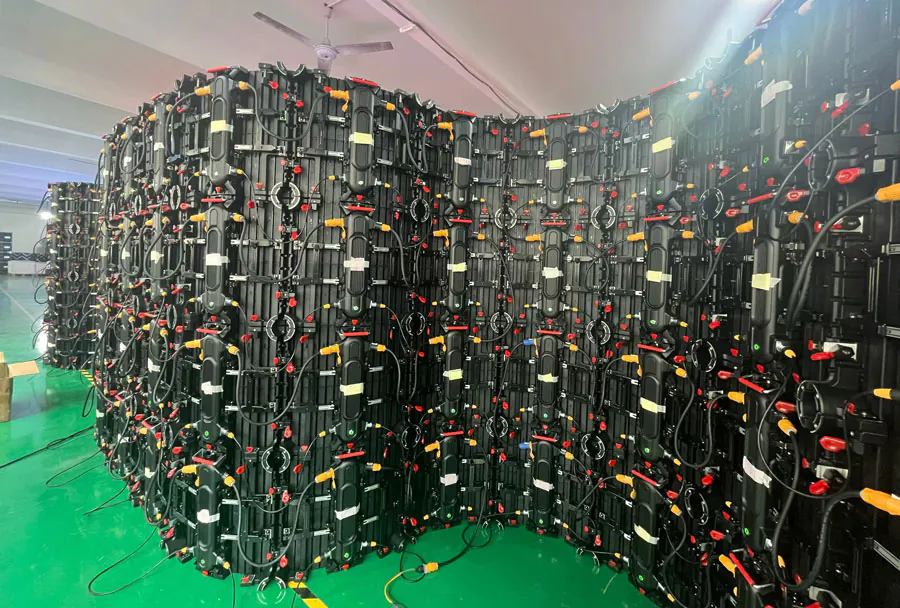
– Installation Complexity: Truss, rigging, custom frames, curved assemblies, or high-elevation installs increase labor and equipment charges.
– Delivery Distance and Logistics: Delivery and pickup fees reflect travel time, vehicle size (truck, trailer), and handling complexity.
– Labor and Technical Support: On-site technicians, engineers, and electricians add to the total but reduce event risk.
– Permits and Venue Fees: Outdoor installs often require city permits or venue fees in Houston which may add to timeline and cost.
Types of LED Screens and Best Uses
Choosing the right LED screen depends on your event type, viewing distance, and budget.
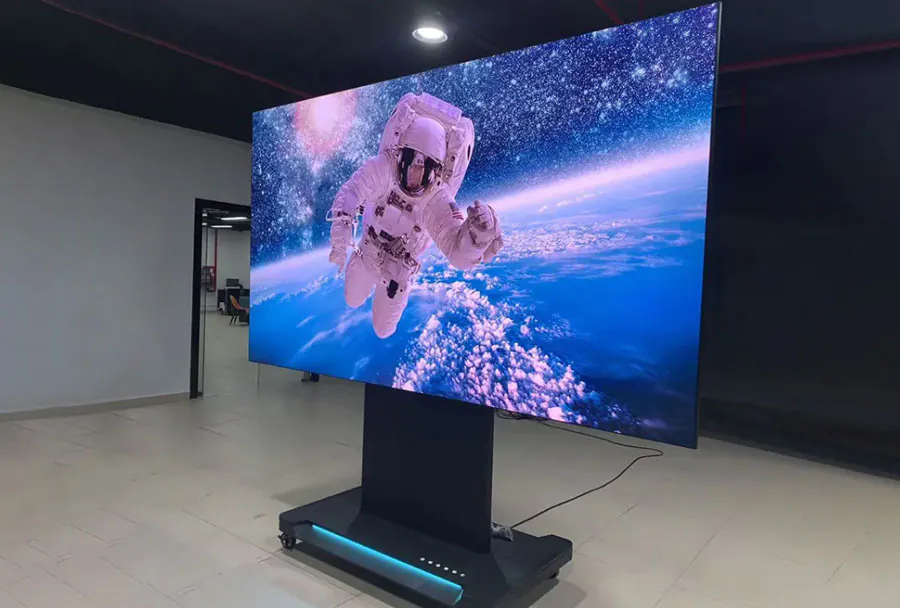
– Indoor Fine Pitch (P1.5 – P3): Ideal for corporate events, broadcast studios, and indoor exhibits where audiences are close to the screen.
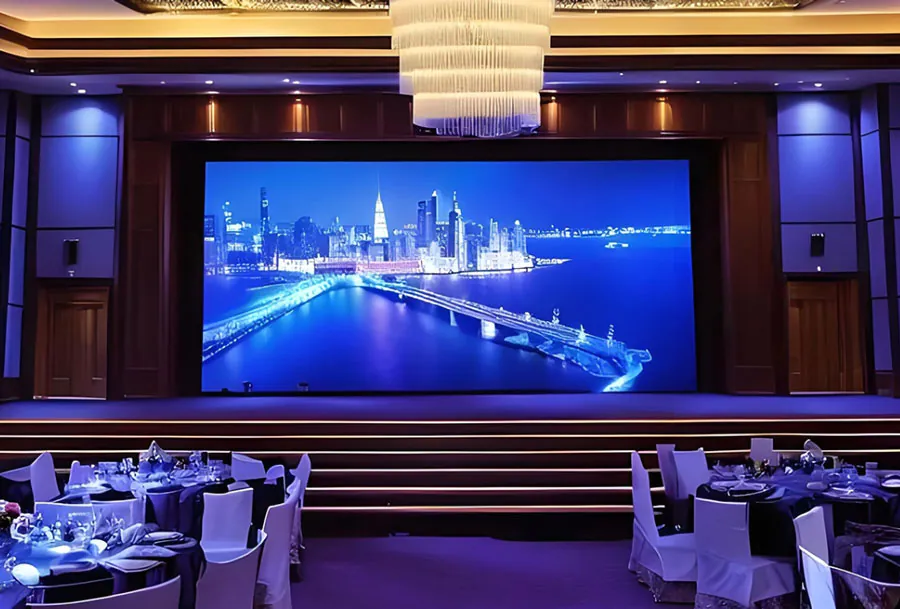
– Indoor/Outdoor Standard Pitch (P3 – P6): Best for general-purpose events, conferences, and ballroom backdrops.
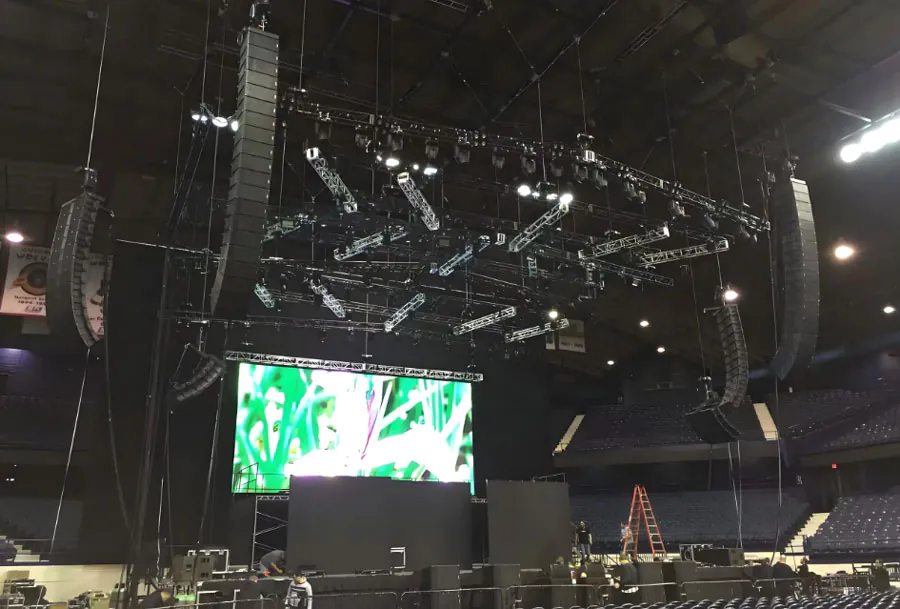
– Outdoor Coarse Pitch (P6 – P10+): Suited for stadiums, festivals, and large outdoor signage where viewers are farther away.
– Mobile LED Trucks: Fast setup, integrated audio/visual power, great for community events and pop-up promotions.
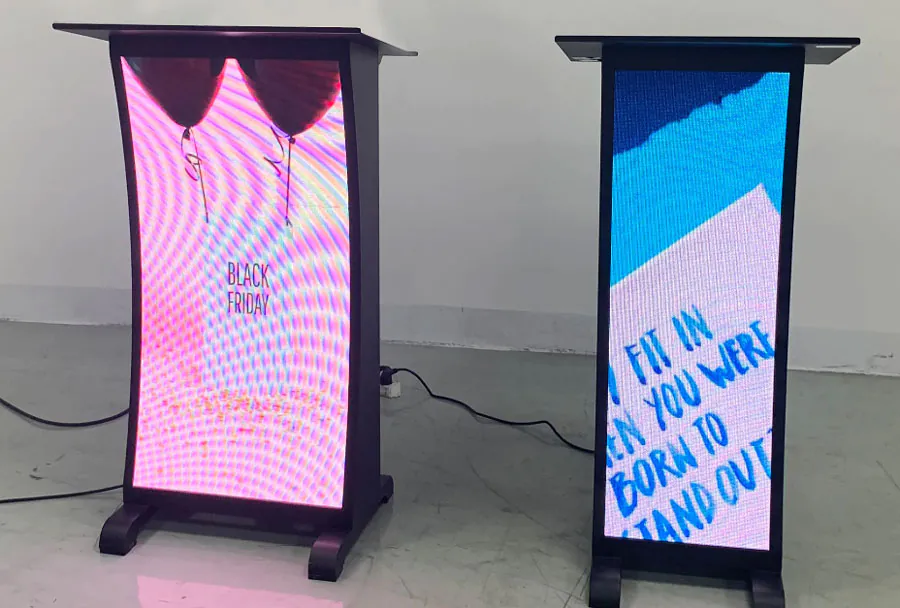
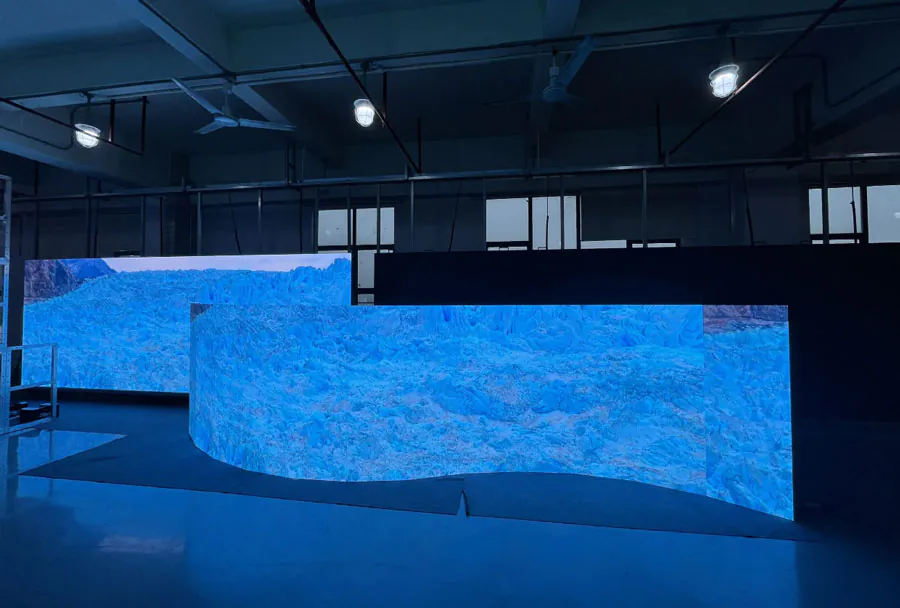
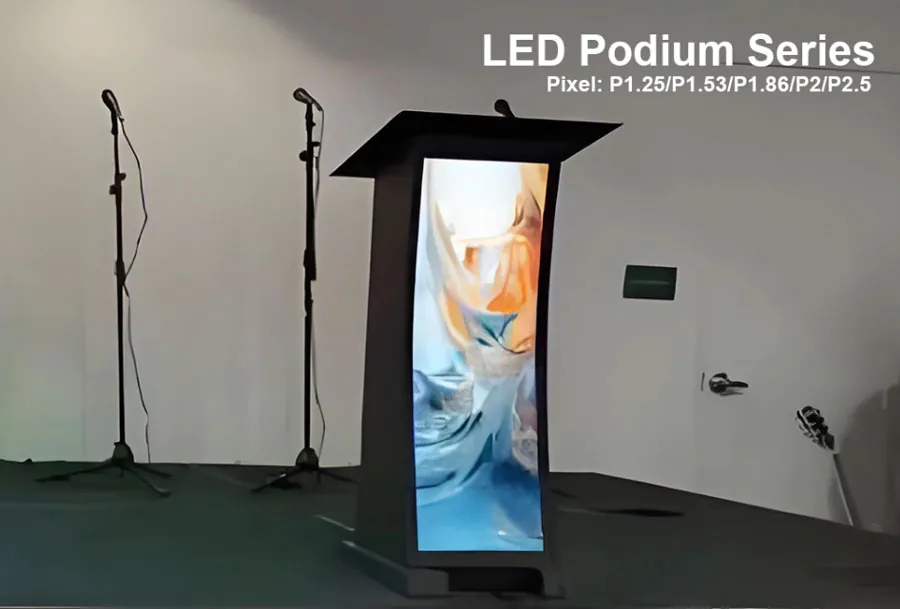
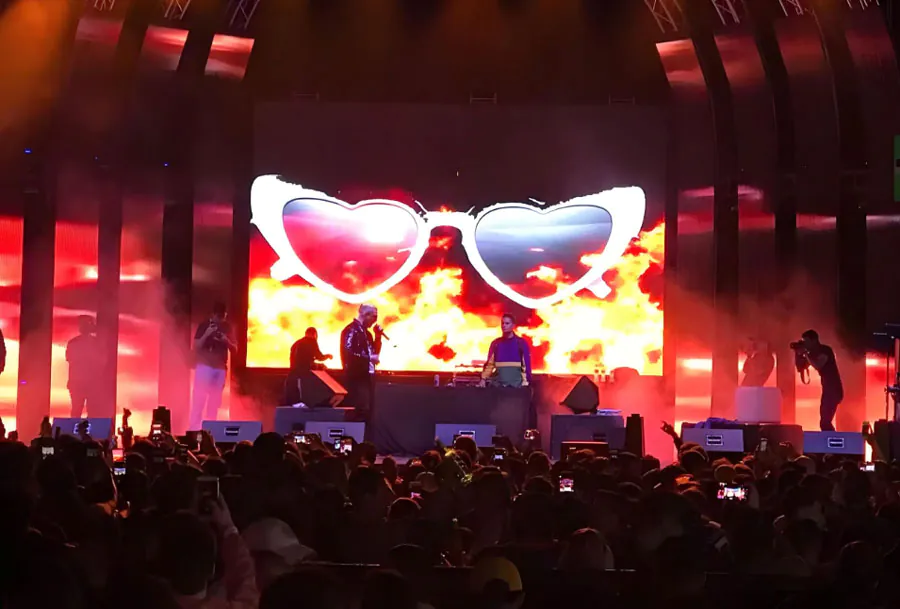
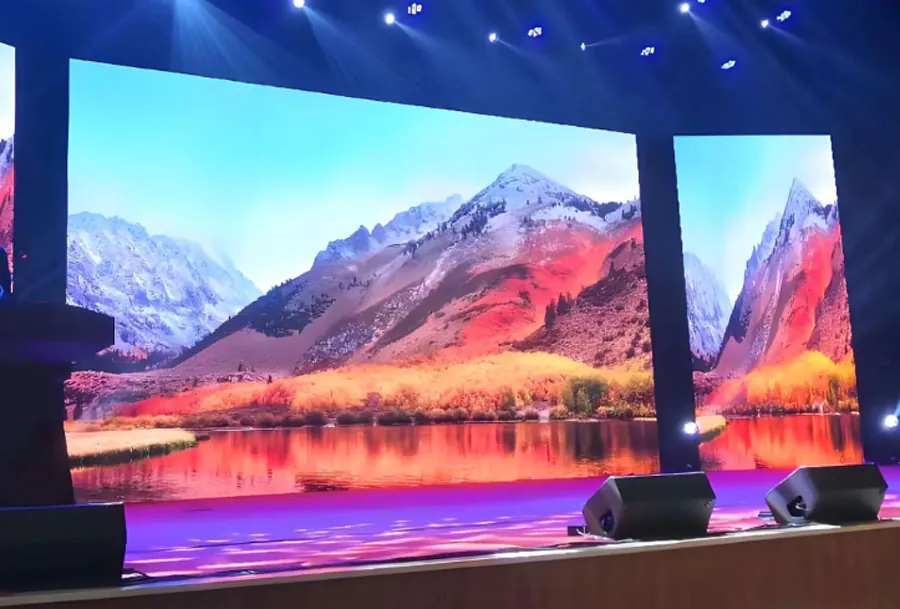
– Curved/Custom Walls: For designers seeking immersive experiences — used in concerts, brand activations, and experiential marketing.
Fast Installation & Delivery — What “Fast” Really Means
“Fast” depends on planning, vendor experience, and the complexity of the install. Here’s realistic guidance:
– Small indoor setup (single screen, 8–20ft): 2–4 hours for delivery, setup, and testing.
– Medium event (multi-panel stage wall, multiple screens, basic audio/video): 6–10 hours, often completed overnight or early morning.
– Large outdoor or stadium setup (complex rigging, heavy truss, permits): 24–72 hours, often requiring multi-day staging and safety inspection.
Key to speed is pre-event planning: on-site surveys, confirmed load-in schedules, staged logistics, permit approvals, and staging of equipment at the venue before arrival.
Practical Installation Timeline (Sample)
– 6–8 weeks before: Secure vendor and confirm technical specs.

– 4 weeks before: Begin permit application with the City of Houston (if required).
– 2 weeks before: Finalize site plan, power plan, and access logistics with venue.
– 48–24 hours before: Delivery and staging of equipment; cable runs prepared.
– Day-of-event: Installation and alignment (2–24 hours depending on complexity); content testing; last-minute adjustments.
– Post-event: Tear-down and pickup within agreed window (commonly 2–6 hours for small installs; longer for larger builds).
Houston-Specific Permits and Regulations
Outdoor installations, street-facing signage, and temporary structures may require permits from the City of Houston or venue authorities. Common considerations:
– Building/Temporary Structure Permits: Required for significant rigging or truss structures.
– Electrical Permits/Inspections: If you connect to venue power or use generators, follow Houston Fire and Building Code requirements and schedule inspections as needed.
– Street Use/Right-of-Way: If your delivery, staging, or audience area blocks sidewalks or streets, you’ll need a permit and possible lane closures.
– Noise and Curfew: Local ordinances and venue rules may restrict operational hours for setup and loud events.
Work with your rental vendor and venue early to identify permit needs and avoid costly last-minute delays.
Comparative Analysis Table
| Screen Type | Typical Use | Pixel Pitch | Average Rental Cost (per day) | Estimated Installation Time |
|---|---|---|---|---|
| Indoor Fine Pitch LED Wall | Corporate events, TV/streaming backdrops | P1.5 – P2.5 | $1,200 – $3,000 | 3 – 6 hours |
| Indoor/Outdoor Standard LED | Conference stages, trade shows | P3 – P6 | $800 – $2,000 | 4 – 10 hours |
| Outdoor Coarse Pitch LED Wall | Festivals, stadium video boards | P6 – P10+ | $1,200 – $4,000 | 8 – 24+ hours |
| Mobile LED Truck | Parades, community events, quick deployments | Varies (often P6 – P10) | $1,000 – $3,500 | 1 – 4 hours |
| Curved/Custom LED Install | Concerts, installations, brand activations | P2 – P6 | $2,500 – $8,000+ | 12 – 72 hours |
How to Read the Table
– Costs are multi-factor estimates; final quotes depend on quantity, duration, location, and additional services.
– Installation times assume properly prepared venues and coordinated load-in schedules.
– Pixel pitch is a primary determinant of price and suitability; closer viewing distances require finer pitches.
Choosing the Right Pixel Pitch and Viewing Distance
A simple rule: the optimal viewing distance (in feet) is approximately equal to the pixel pitch (in millimeters) multiplied by 3.28 x a factor (rough approximation often used: viewing distance ft ≈ pixel pitch (mm) × 3). Example:
– P1.5 — ideal for close-range viewing (VIP areas, stage front).
– P3 — good for medium-range indoor events.
– P6/P8 — best for large venues and outdoor audiences with longer sightlines.
Consult with your vendor to run precise calculations based on audience layout and sightlines.
Cost-Saving Strategies Without Sacrificing Impact
– Opt for coarse pitch where viewing distance allows — big savings.
– Rent only for the hours you need: reduce rental days by installing closer to event start.
– Choose mobile LED trucks for quick activations with included power and audio.
– Bundle services — negotiated package rates for screen + sound + lighting can lower total cost.
– Reuse content templates and schedule automatic playback to reduce technician hours.
– Book off-peak weekday dates if possible; weekend demand premiums apply.
Selecting the Right Vendor in Houston
Work with vendors who understand Houston’s venues and logistics. Key vendor selection criteria:
– Experience and Reputation: Check references, event catalogs, and photos/videos of past installs.
– Equipment Quality: Newer, high-brightness outdoor-rated LED panels and modern control systems minimize risk.
– Technical Staffing: On-site technicians and engineers should be included or optional at reasonable rates.
– Logistics and Fleet: Local vendors with truck fleets are faster and more cost-effective than out-of-town suppliers.

– Permit Assistance: Good vendors help with permits and local regulations.
– Insurance and Safety: Verify insurance coverage, rigging certifications, and OSHA-compliant safety practices.
– Response Time: Fast installation and emergency support are crucial — ask about on-call availability.
Sample Vendor Checklist
– Are all panels outdoor-rated (if used outdoors)?
– What is the max brightness (nits)?
– Do they provide backup modules and spare parts on-site?
– Do they include color calibration and mapping in the price?
– Is labor charged hourly or flat-rate?
– What is the delivery radius and fee structure?
– Who handles permits and who assumes associated costs?
– Can they provide a site visit or mock-up prior to installation?
Technical Considerations: Power, Data, and Control
– Power Needs: Large LED walls can draw substantial power. Plan fuel-efficient generators or venue power hookups with sufficient amperage.
– Data & Signal: Use reliable media servers, redundant signal paths, and appropriate distribution amplifiers for long runs.
– Sync & Frame Rates: Match content frame rates to screen refresh rates to avoid flicker or tearing, especially for broadcast.
– Weatherproofing: Outdoor screens require sealed cabinets, drainage channels, and consideration of wind load for rigging.
– Color Calibration: Professional calibration ensures consistent color across panels and accurate brand colors.
Case Studies: Real-World Examples in Houston
1) Corporate Conference — Downtown Houston
– Requirement: 20ft x 10ft indoor fine-pitch screen, multiple camera feeds, 2-hour keynote.
– Solution: P2.6 rental with integrated media server and two operators.
– Outcome: Smooth live switching, high-quality visuals for attendees and live stream, delivered on time. Cost optimized by one-day rental and bundled AV package.
2) Outdoor Festival — Memorial Park
– Requirement: Main stage outdoor LED wall for evening performances with high ambient light.
– Solution: P6 outdoor LED with high-brightness cabinets (6,500+ nits), reinforced trussing due to wind zone.
– Outcome: Clear daytime visibility, fast teardown after last act. Permit coordination and wind contingency planning avoided delays.
3) Retail Activation — Galleria Mall
– Requirement: Curved LED wall inside atrium for brand activation.
– Solution: Custom-curved indoor LED panels and scaffolding; vendor executed in overnight install window.
– Outcome: High-impact brand presence, efficient load-in/out via mall service entrances, increased foot traffic.
Measuring ROI and Event Impact
To justify rental spend and measure success, track quantitative and qualitative metrics:
– Attendance and Dwell Time: Correlate LED content with increased time spent at activation areas.
– Lead Generation: Count direct inquiries, scans, or sign-ups attributed to screen call-to-action.
– Social Media Mentions: Monitor hashtags, photos, and shares generated by visually compelling displays.
– Sponsor Satisfaction: Measure sponsor impressions, brand visibility, and engagement metrics.
– Conversion Rate: If the screen promotes sales or ticketing, track promo codes or QR conversion.
Benchmark expected outcomes prior to the event and compare post-event performance to quantify ROI.
Common Pitfalls and How to Avoid Them
– Underestimating Power Requirements: Always over-provision power and have backup generators.
– Late Permits: Start the permit process early; Houston inspections can take days.
– Poor Site Surveys: Conduct physical site visits to confirm load-in dimensions and access points.
– Inadequate Weather Planning: Have wind/load contingency and covered control areas.
– Skimping on Technical Staff: Technicians save money by preventing issues; don’t cut this corner.
Maintenance and Post-Event Care
Rental companies typically handle maintenance, but event teams should:
– Avoid physical contact with panels during operation.
– Keep moisture away from control and power equipment.
– Use professional crews for teardown to prevent damage charges.
– Inspect screens during load-in and note any pre-existing issues on a check-in form.
Frequently Asked Questions (FAQ)
Q: How far in advance should I book an LED screen in Houston?
A: For peak season (spring–fall), book 4–8 weeks ahead. For very large events or custom builds, book 8–12+ weeks in advance.
Q: Can you deliver and install overnight?
A: Yes, most vendors can schedule overnight installs to minimize event disruption. Confirm staffing and overtime charges.
Q: Do you provide content design and playback services?
A: Many rental vendors offer content creation, mapping, and playback packages. Ask for show-reel examples and pricing.

Q: What about rain during an outdoor event?
A: Outdoor LED cabinets are weatherproof, but techs should protect control racks and connections. In severe weather, follow the vendor’s safety protocols.
Q: How heavy is an LED wall and what about rigging?
A: Weight varies by panel. Large outdoor walls require properly engineered trusses and certified rigging crews in accordance with safety codes.
Conclusion: Maximizing Value with Affordable, Fast LED Rentals in Houston
Affordable LED screen rental in Houston with fast installation and delivery is not just about saving money — it’s about creating the exact visual environment your event needs without the long-term commitment of ownership. By understanding the variables that impact cost, choosing the appropriate screen type and pixel pitch, working proactively on permits and logistics, and selecting a reputable local vendor, you can deliver stunning visuals on time and within budget.
Plan early, communicate clearly with vendors, and focus on the metrics that matter: audience experience, brand visibility, and measurable engagement. When managed well, LED screen rentals become a high-impact, low-risk tool that elevates every Houston event from good to unforgettable.