Best Flex TV Screen Brands & Models for Home Entertainment


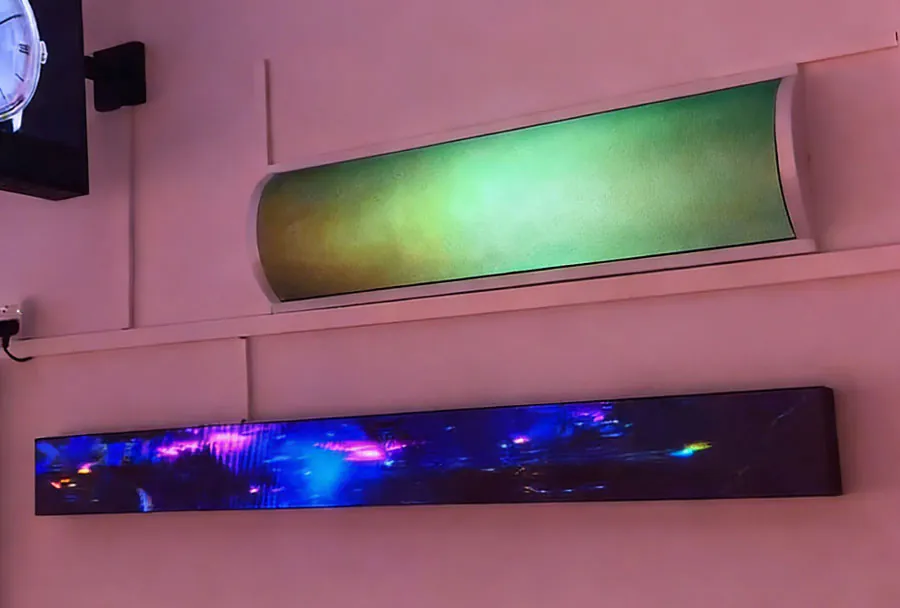
The term “Flex” in the context of television screens can mean a few things: a physically flexible or curved display, a screen that rotates or changes orientation, or simply a TV engineered for flexible use across multiple entertainment roles—cinema-grade viewing, gaming, art display, and smart home integration. As living spaces shrink and home entertainment demands expand, consumers want TVs that adapt to different activities, viewing positions, and content types. This article evaluates the best flex TV screen brands and models for home entertainment in 2026, highlighting what makes each option flexible, who it’s best for, and how to choose and configure the right model for your setup.
How We Define “Flex” for This Guide
For clarity, we use a broad definition of “flex” that includes:
– Physically adjustable displays (rotating, tilting, or adjustable curvature).
– Screens designed for multiple use cases (TV, gaming, art, video conferencing).
– TVs with adaptable settings and advanced processing for a variety of content.
– Compact, versatile form factors suitable for apartments, home theaters, and mixed-use rooms.
With that in mind, we review leading brands and models that deliver adaptability, performance, and value.
Top Flex TV Screen Brands & Representative Models
Below are top brands and models recognized for flexible features and strong performance across entertainment uses.
– LG: LG has led OLED innovation for years. Its OLED Flex (adjustable curve OLED), OLED C-series, and G-series are known for superb picture quality and gaming features.
– Samsung: Samsung’s S95C/QD-OLEDs, The Frame (art-oriented), and Sero (rotating screen) cover niche flexibility scenarios—from gallery mode to vertical content.
– Sony: Sony OLEDs and Mini-LED models focus on cinematic accuracy and smart processing that adapts to content type, making them highly flexible for mixed-use living rooms.
– TCL: TCL’s 6-Series (mini-LED) and newer QD-OLED offerings deliver strong performance at competitive prices—great for consumers who want a single TV that does it all.
– Hisense: Hisense U-series and premium models offer flexible settings, strong brightness for HDR, and practical value for bright-room viewing.
Why These Brands Stand Out
– Panel and processing quality (OLED vs. QD-OLED vs. Mini-LED vs. VA/LCD) directly impact contrast, motion handling, and HDR performance.
– Software ecosystems (smart TV OS, gaming features, eARC, HDMI 2.1 ports) determine how well the TV integrates into a home setup and switches between roles.
– Mechanical design features (rotating stands, adjustable curvature, detachable displays) give real-world utility to the “flex” label.
Feature Comparison Table — Quick Analysis
| Brand & Model | Screen Type | Flexible Feature | Best Use Case | Approx. Price Range (USD) |
|---|---|---|---|---|
| LG OLED Flex (42-inch) | OLED | Adjustable curvature / customizable viewing modes | Gaming & cinematic single-seat setups / desk use | $1,000–$1,400 |
| LG OLED C3 / C4 | OLED (WOLED) | Versatile picture modes, low input lag, gaming features | All-around home entertainment: movies, gaming, streaming | $1,000–$3,000 (sizes vary) |
| Samsung S95C / S95D (QD-OLED) | QD-OLED | High brightness, vivid colors; good for bright rooms | HDR movies, bright-room viewing, gaming | $1,500–$4,000 |
| Samsung The Frame (2025/2026) | QLED / LCD | Art Mode, customizable frames, gallery display | Living rooms where TV doubles as artwork | $700–$3,000 |
| Samsung Sero | QLED / LCD | Rotating/vertical orientation for social and mobile content | Social media content, vertical videos, multitasking | $800–$1,800 |
| Sony A95L / A95K | QD-OLED | Top-tier processing (Cognitive Processor XR) & reference calibration | Film-first viewers and content creators seeking color accuracy | $2,000–$6,000 |
| TCL 6-Series (R655/R655K) | Mini-LED QLED | Strong HDR brightness, gaming features, good value | Gamers and families wanting premium features on a budget | $650–$1,500 |
| Hisense U8H / U8K | Mini-LED | High brightness, strong black performance for the price | Bright-room HDR and flexible living-room setups | $600–$1,200 |
| Vizio P-Series Quantum / M-Series | QLED / Mini-LED | Competitive contrast & brightness with smart features | Value-conscious buyers who want punchy HDR | $500–$1,500 |

Note: Price ranges reflect MSRP trends as of mid-2024 and will vary by size, region, and promotions.
In-Depth Brand & Model Analysis
LG OLED Flex — Ideal for Adaptive Viewing and Gaming
LG’s OLED Flex is a niche but highly practical product for users who want a single display that doubles as a near-monitor for gaming and a TV for viewing from multiple angles. The adjustable curvature helps reduce reflections and improve immersion for single-viewer setups (desktop or couch). Color accuracy and near-instant pixel response make it a top pick for fast-action gaming and film viewing.
Pros:
– True OLED blacks, excellent contrast.
– Adjustable curvature for tailored viewing comfort.
– Low input lag and G-SYNC/FreeSync compatibility.
Cons:
– Typically limited to smaller sizes that are geared toward desks and studios.
– Burn-in risk with static UI elements (though mitigated by modern OLED management).
LG OLED C-Series — The All-Rounder
The C-series remains a consumer favorite because it balances price and performance. It’s flexible in the sense that it handles movies, streaming, sports, and gaming with near-equal skill. The C-series’ smart platform supports multiple streaming services and device ecosystems.
Pros:
– Outstanding picture quality across dark and bright scenes.
– Robust gaming features and fast firmware updates.
– Slim profile and eco-friendly power-saving modes.
Cons:
– Higher cost for the largest sizes.
– Some users may prefer more brightness for highly lit rooms.
Samsung S95C / QD-OLED — Bright, Colorful, and Versatile
Samsung’s QD-OLED technology combines the deep blacks of OLED with quantum-dot enhanced color and improved brightness. This makes it flexible for rooms with ambient light and for viewers who want more punch in HDR highlights.
Pros:
– Brighter highlights than many WOLEDs, vibrant colors.
– Strong motion processing and gaming specs.
– Good anti-reflective coatings on higher-end models.
Cons:
– Price is at the premium end for large sizes.
– Some early models had calibration and uniformity nuances.
Samsung The Frame & Sero — For Lifestyle Flexibility
The Frame transforms a TV into an art piece and is a perfect choice for living spaces that function as decor-first rooms. The Sero caters to vertical content consumption—perfect for social media enthusiasts who want to display phone content full-screen.
Pros (Frame):
– Art mode with customizable frames.
– Blends into interior design.
Pros (Sero):
– Rotating screen for portrait content.
– Convenient for livestreams, vertical apps.
Cons:
– The Frame prioritizes aesthetics over peak HDR performance.
– The Sero’s novelty may not be useful for typical TV watching.
Sony A95L — Cinematic Accuracy and Processing
Sony keeps the bar high for color accuracy and motion processing. The A95L’s Cognitive Processor XR and meticulous calibration make it a top choice for cinephiles. Its flexibility comes from handling studio-trimmed content as well as upscale sports and fast-action games.
Pros:
– Superb tone mapping and color accuracy.
– Excellent upscaling and motion compensation.
Cons:
– Usually the most expensive option in its class.
– Fewer gaming-forward features than some competitors (though modern models remain gaming-capable).
TCL & Hisense — Value-Focused Flexibility
TCL and Hisense pack premium features into more accessible price points, offering mini-LED alternatives that are bright and dynamic. These models are flexible because they deliver high HDR performance without breaking the bank—ideal for family rooms and living rooms used for many activities.
Pros:
– High value for dollars spent.

– Strong HDR and contrast on mini-LED models.
Cons:
– Software ecosystems may not be as polished as Samsung or LG.
– Some uniformity and tuning variations between production batches.
How to Choose the Right Flex TV for Your Home
Choosing the right flexible TV depends on your priorities. Here are the main decision factors and how they map to the models above.
1. Viewing Environment
– Dark room: OLED models (LG C3/C4, Sony A95L) provide unmatched contrast.
– Bright room: QD-OLED (Samsung S95C) or Mini-LED (TCL/Hisense) to get higher peak brightness and anti-reflective coatings.
2. Primary Use Case
– Gaming: Look for low input lag, HDMI 2.1 ports, VRR, and high refresh rates (LG OLED Flex, LG C-Series, S95C, TCL 6-Series).
– Movies & Color Accuracy: Sony A95L or LG G-series for reference-like color.
– Multi-use Family Room: Opt for a versatile QLED/Mini-LED (TCL, Hisense, Samsung The Frame if aesthetics matter).
3. Size and Placement
– Desk or multi-angle viewing: LG OLED Flex or smaller OLEDs.
– Wall-mounted living room: Thin bezels and Art Mode (The Frame) or high-end OLED for cinema-like experience.
4. Budget
– Premium: Sony A95L, Samsung S95C, LG G-series.
– Mid-range: LG C-Series, TCL 6-Series, Samsung The Frame.
– Value: Hisense U-series, Vizio, lower-tier TCL.
Connectivity & Ecosystem Considerations
A truly flexible TV must connect to multiple sources seamlessly:
– HDMI 2.1 ports (at least one to two) for next-gen consoles and PC gaming.
– eARC support for soundbars and Dolby Atmos.
– Low-latency game modes and variable refresh rate (VRR).
– Reliable smart TV OS (webOS, Tizen, Google TV, Roku) matching your streaming preferences.
Setup, Calibration & Tips to Maximize Flexibility
Proper setup makes a flexible TV perform better across use cases.
– Positioning: Use tilting mounts or rotating stands if the TV supports orientation changes. For curved/adjustable screens, experiment with curvature settings while seated in typical viewing positions.
– Brightness & Tone Mapping: For QD-OLED and Mini-LED, use dynamic tone mapping to preserve HDR highlights without clipping blacks.
– Motion & Input Lag: Engage Game Mode for consoles and PCs; turn on VRR if supported. Use manufacturer-specific low-latency settings to reduce input lag.
– Calibration: For cinephiles, consider professional calibration or use built-in picture calibrations that approximate D65 white point and rec.709/REC2020 color spaces.
– Burn-in Management (OLED): Use pixel shift, automatic screen savers, and vary static UI placement to reduce risk.
Mounting & Room Integration
– Wall versus Stand: If you want rotating functionality (like Sero) or accessibility for frequent changes, choose a model with a dedicated rotating base or use a motorized mount.
– Sound: A flexible TV should pair with a soundbar supporting eARC to simplify switching between devices and preserve high-bitrate audio.
Common FAQs About Flex TV Screens
Q: Are flexible (curved or rotating) TVs worth it?
A: It depends. Curved and rotating TVs give tangible benefits in specific scenarios (single-viewer immersion or vertical content). For most family living rooms, flat panel TVs with wide viewing angles (OLED or QD-OLED) are better.
Q: Does adjustable curvature change picture quality?
A: It can improve perceived immersion and reduce reflection angles for a single viewer. However, group viewing may suffer from geometry shifts; test different curvature levels before committing.
Q: Are QD-OLEDs better than WOLEDs?
A: QD-OLED tends to offer brighter highlights and wider color volume at high luminance, which helps in bright rooms and HDR scenes. WOLED often excels at deep blacks and uniformity, though differences shrink with newer models.
Q: How worried should I be about OLED burn-in?
A: Modern OLEDs have improved mitigation. Practicing good habits—avoiding prolonged static HUDs, enabling pixel shift, and using screensaver modes—will minimize risk for most users.
Conclusion: Which Flex TV Should You Buy?
Selecting the best flex TV screen brand and model requires matching features to your lifestyle. If you want a single, highly adaptable screen: LG OLED C3/C4 or the LG OLED Flex offer exceptional balance for gaming and movies. For bright-room HDR and vivid colors, Samsung’s QD-OLED S95 series is outstanding. If your living room doubles as an art gallery, Samsung The Frame is the obvious choice; for social media and four-square flexibility, Sero’s rotating screen stands out. Budget-conscious buyers get flexible value from TCL and Hisense mini-LED offerings.
Invest time in evaluating room lighting, use cases, and connectivity needs before purchase. The right flex TV will adapt seamlessly to your entertainment needs—making it the centerpiece of a modern, multi-use home.