Advantages of TW VISION Bendable Screen Over Traditional Displays

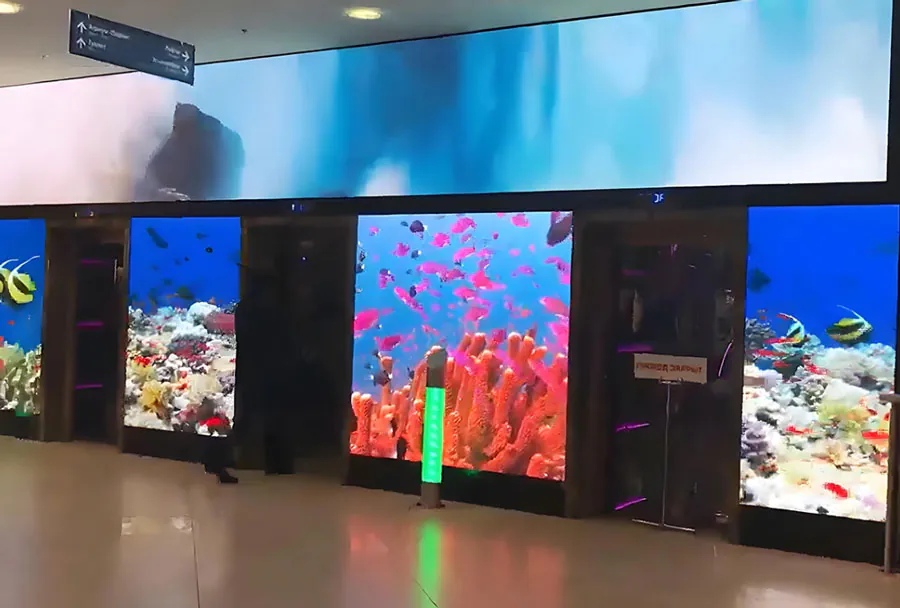
The display industry is undergoing a rapid transition from rigid, planar display modules to flexible, bendable, and even rollable form factors. Among the new entrants, TW VISION’s bendable screen technology represents a significant evolution aimed at expanding design possibilities, improving durability, and enabling entirely new user experiences. This article examines the advantages of TW VISION bendable screens compared to traditional displays (rigid LCDs and conventional rigid OLEDs). We will analyze technical characteristics, practical benefits, application scenarios, and market implications, and provide a comparative analysis table summarizing the most relevant attributes.
What Makes a Bendable Screen Different?
Bendable screens combine flexible substrates, thin-film encapsulation, and advanced thin-film transistor (TFT) or micro-LED backplanes to allow controlled deformation without compromising image quality. Unlike conventional rigid displays that rely on glass substrates and fixed mechanical frames, bendable displays use polymer substrates (such as polyimide or ultra-thin glass alternatives) and encapsulation layers engineered for mechanical resilience. TW VISION’s implementation emphasizes mechanical durability, high-resolution drive electronics, and consistent color performance across curvature states.
Key Advantages Overview
Below are the principal areas where TW VISION bendable screens deliver advantages over traditional displays:
– Form factor and industrial design flexibility
– Improved mechanical resilience and drop resistance
– Reduced thickness and weight for mobile and wearable devices
– Enhanced user interaction models (curved UIs, wraparound displays)
– Potential energy efficiency gains in certain implementations
– New possibilities for integration in automotive, architectural, and consumer electronics
We will unpack these advantages in detail.
1. Form Factor and Industrial Design Flexibility
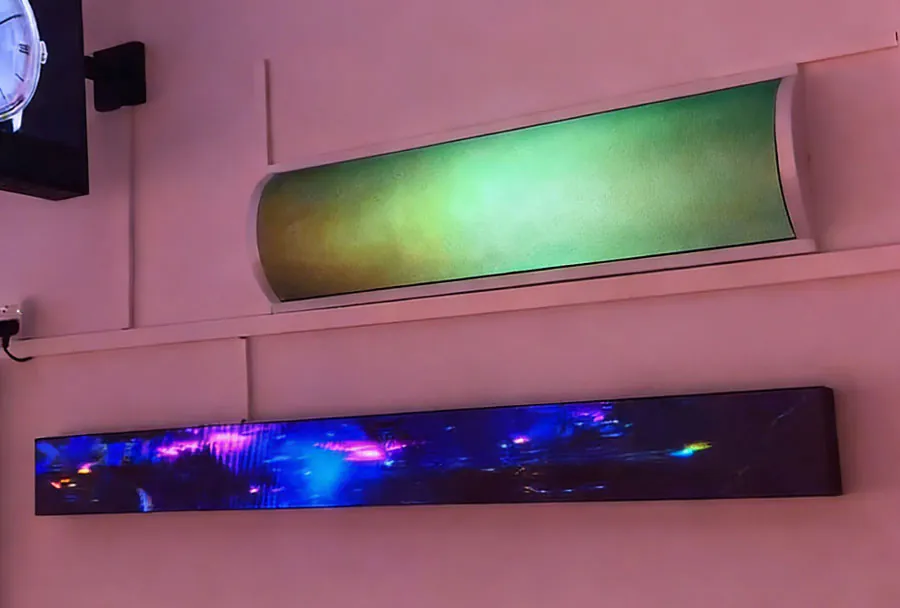
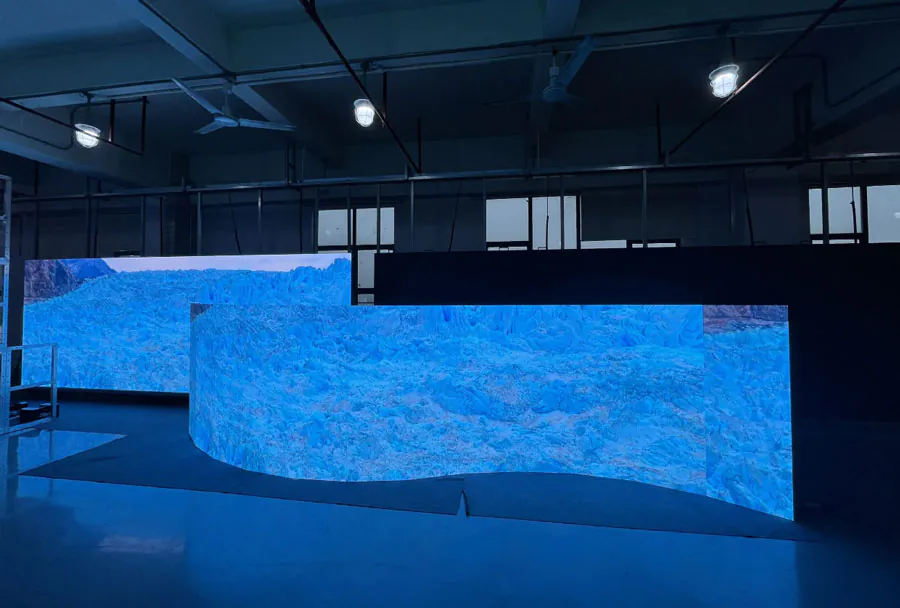
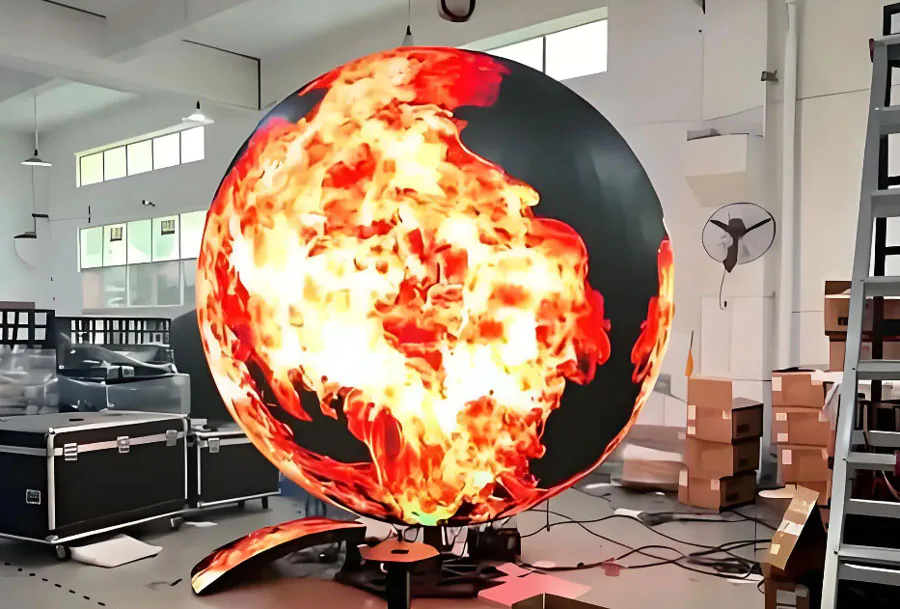
One of the most immediately visible advantages is the ability to create novel device geometries. Bendable displays allow designers to reimagine product shapes—curved edge phones, foldable tablets, rollable TVs, and wearable interfaces that conform to the body. TW VISION’s bendable panels enable continuous curvature within specified radii without a noticeable seam or distortion. This flexibility not only improves aesthetics but also enables ergonomic gains: displays can wrap around cylindrical housings, fold inward or outward, and be integrated into objects where rigid panels would be impractical.
Design flexibility also reduces the need for mechanical hinges or complex housings. A single bendable panel can replace multi-panel hinge systems, reducing part count, assembly complexity, and potential failure points. For products where user experience depends on seamless visual continuity—such as panoramic dashboards or furniture-integrated displays—TW VISION’s bendable screens provide a distinct advantage over traditional rigid modules.
2. Durability and Mechanical Resilience
Traditional displays typically use glass substrates that are highly resistant to scratching but brittle and prone to cracking under impact. Bendable displays often use flexible polymers or ultra-thin flexible glass alternatives that tolerate bending and absorb mechanical stress more effectively. TW VISION’s engineering focuses on layered encapsulation and stress-distribution techniques that maintain pixel integrity after repeated flex cycles.
In real-world conditions—drops, squeezes, or repeated folding—bendable displays show improved survivability compared to the glass-based standard. This increases the service life of devices in portable and wearable categories. Additionally, because some bendable implementations can flex instead of shattering, there are safety benefits (reduced sharp shards), which is relevant for consumer devices and public installations.
3. Thinness and Weight Reduction
Removing rigid glass and replacing it with thin-film polymer substrates significantly reduces display thickness and weight. For mobile devices, every gram and millimeter matter: lighter devices are more comfortable for prolonged handheld use and allow engineers to allocate saved mass to battery capacity or other components. TW VISION bendable screens achieve notable reductions in display stack thickness, enabling slimmer profiles and slimmer bezels.
For wearables, thinness is crucial. A display that conforms to the wrist or a garment must be lightweight and unobtrusive; TW VISION’s bendable panels enable comfortable designs that traditional rigid displays cannot match.

4. Enhanced Interaction Models and UX Innovations
Bendable screens open up new user interface paradigms. Designers can implement curvature-aware UIs that adapt content to the current bend state—extending notifications around the edge, using fold-based mode switching, or creating wraparound dashboards where critical information follows the curvature of a housing. TW VISION’s panels offer consistent color and brightness across bending ranges, minimizing perceptual discontinuities and allowing designers to rely on predictable display behavior.
These interaction models are valuable for consumer electronics (phones, tablets), automotive clusters (curved instrument panels), and public signage (cylindrical kiosks). The ability to physically reshape the display as part of the interaction model—e.g., folding to switch modes—creates a tangible link between device form and function that traditional displays cannot provide.
5. Potential Power Efficiency and Optical Benefits
Depending on the specific technology (e.g., flexible OLED vs. micro-LED), bendable screens can offer power efficiency advantages. Flexible OLEDs permit per-pixel emission and thus avoid the power overhead of a backlight used in many traditional LCDs. When combined with advanced local dimming and adaptive refresh strategies, TW VISION displays can reduce energy consumption in typical usage patterns.
Moreover, bendable displays can be engineered to optimize light extraction at curved surfaces, improving perceived brightness without a proportional power increase. While not universally true for every scenario, TW VISION’s implementations aim for power-to-luminance efficiency competitive with or better than rigid counterparts in many use cases.
6. Integration and System-Level Benefits
A bendable display can simplify system architecture. For example, using a single flexible panel in a foldable device reduces the need for complex hinge-embedded routing or fragile interconnects between separate rigid displays. TW VISION’s bendable panels can incorporate flexible printed circuits and fold-tolerant connectors, improving reliability and ease of assembly.
In automotive and architectural contexts, bendable displays can conform to curved surfaces, reducing the need for custom housings and enabling tighter integration with structural components. This can lead to cost savings in secondary hardware and faster time-to-market for new form-factor products.
7. Environmental and Lifecycle Considerations
Because bendable screens can improve durability and reduce the likelihood of catastrophic glass failure, long-term replacement rates may decline, lowering waste. Additionally, thinner and lighter displays reduce shipping weight and associated carbon emissions. TW VISION’s manufacturing strategy also emphasizes recyclable materials and reduced use of fragile glass, contributing to a potentially smaller environmental footprint across the product lifecycle compared to traditional displays.
That said, the environmental advantage depends on end-to-end processes, including material sourcing and recycling infrastructure, and must be verified against specific supply chain practices.
Comparative Analysis Table
| Feature | TW VISION Bendable Screen | Traditional Displays (Rigid LCD/OLED) | Advantage | Practical Implication |
|---|---|---|---|---|
| Form Factor Flexibility | Supports continuous curvature and controlled bending | Fixed planar geometry; limited curved solutions | Bendability | Enables foldable/rollable devices and novel industrial designs |
| Durability | Higher impact tolerance, flex-resistant substrates | Brittle glass prone to cracking/shattering | Mechanical resilience | Lower failure rates in portable/wearable applications |
| Thickness & Weight | Ultra-thin stack, lighter than glass-based panels | Thicker due to glass and backlight (LCD) | Lightweight | Improved ergonomics, reduced device mass |
| Power Efficiency | Competitive; OLED/micro-LED versions offer per-pixel control | LCDs use backlights; rigid OLEDs similar but thicker | Potential efficiency | Longer battery life in mobile devices, subject to use case |
| Image Uniformity on Curves | Engineered for consistent color/brightness across bends | Designed for flat surfaces; curved variants need compensation | Visual consistency | Smoother curved UIs with minimal distortion |
| Manufacturing Complexity | Advanced fabrication; flexible substrate handling required | Well-established mass production processes | Higher initial complexity | Possible higher unit cost early in adoption |
| Repairability | Repair approaches evolving; panel replacement possible | Standardized repair ecosystems exist | Variable | Initial repair costs may be higher until service networks mature |
| Environmental Impact | Potential reduction in breakage waste and lighter shipping | Glass production and breaks can increase waste | Potential lifecycle benefit | Depends on materials and recycling infrastructure |

Use Cases Where TW VISION Bendable Screens Shine
– Foldable smartphones and tablets: Single-panel solutions that fold reliably without thick hinges.
– Wearables and health devices: Displays that conform to irregular surfaces for comfort.
– Automotive interiors: Curved instrument clusters and dashboard displays for seamless ergonomics.
– Consumer appliances and furniture: Invisible or wraparound displays integrated into everyday objects.
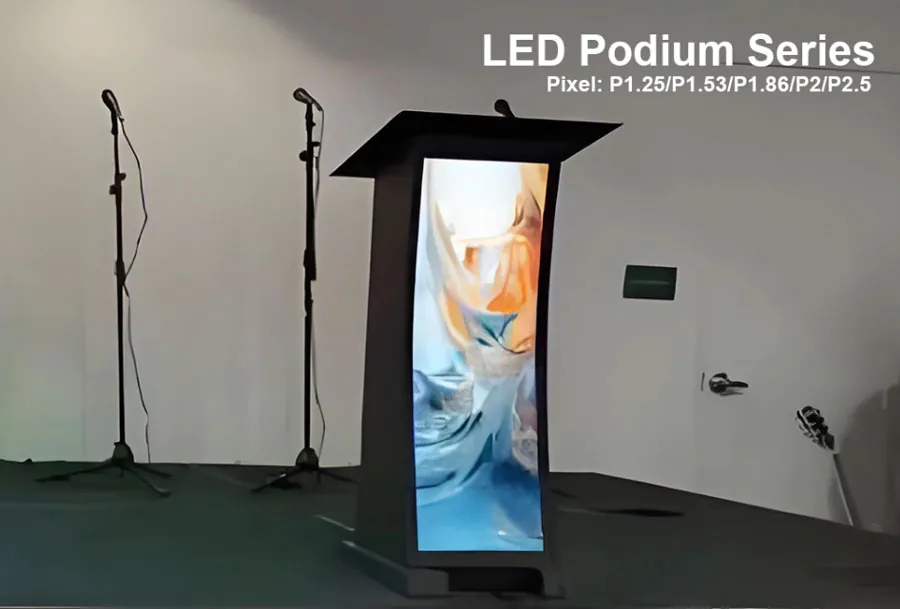
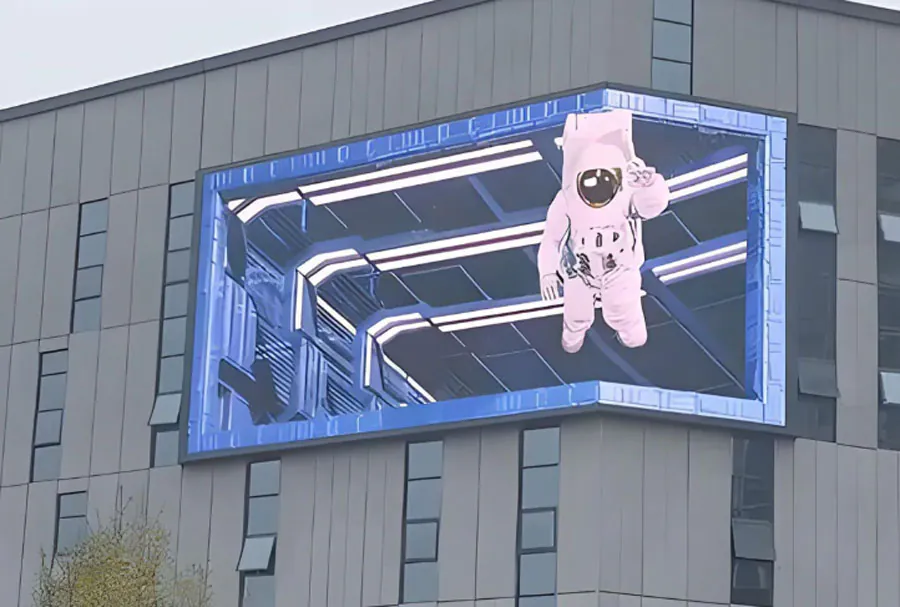
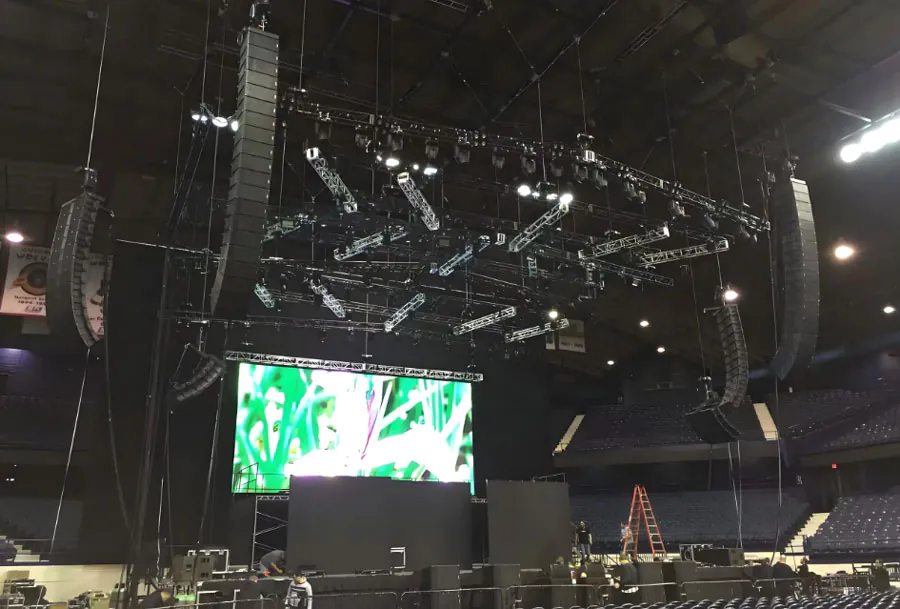
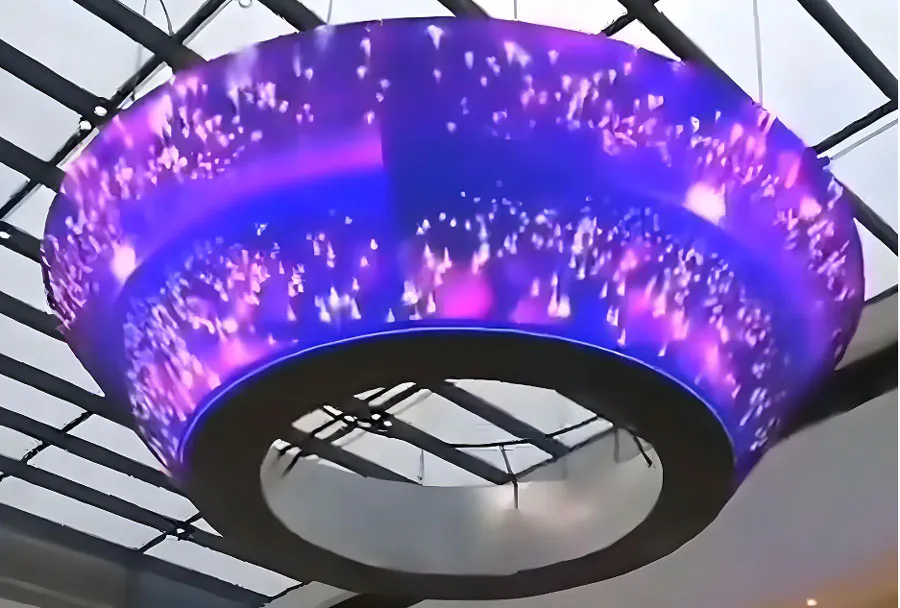
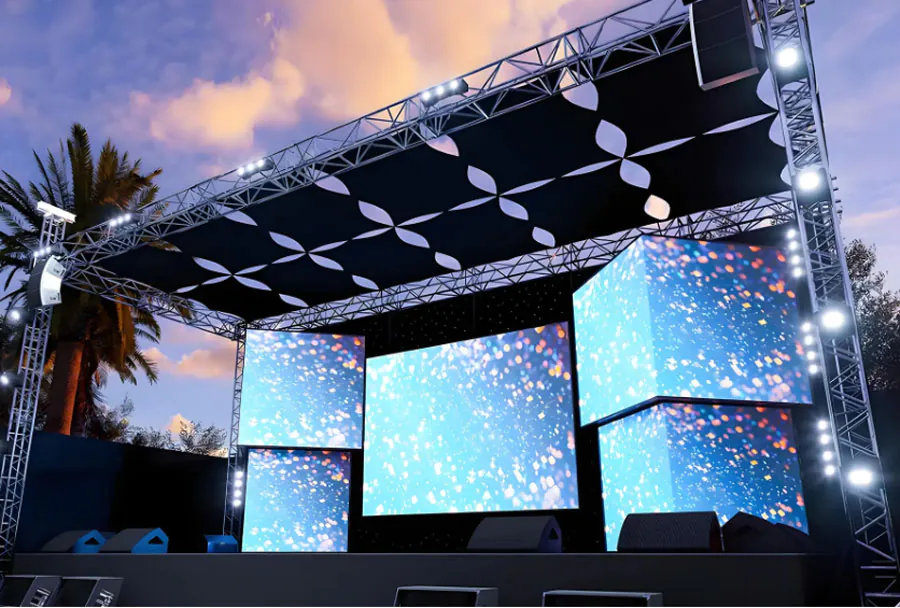
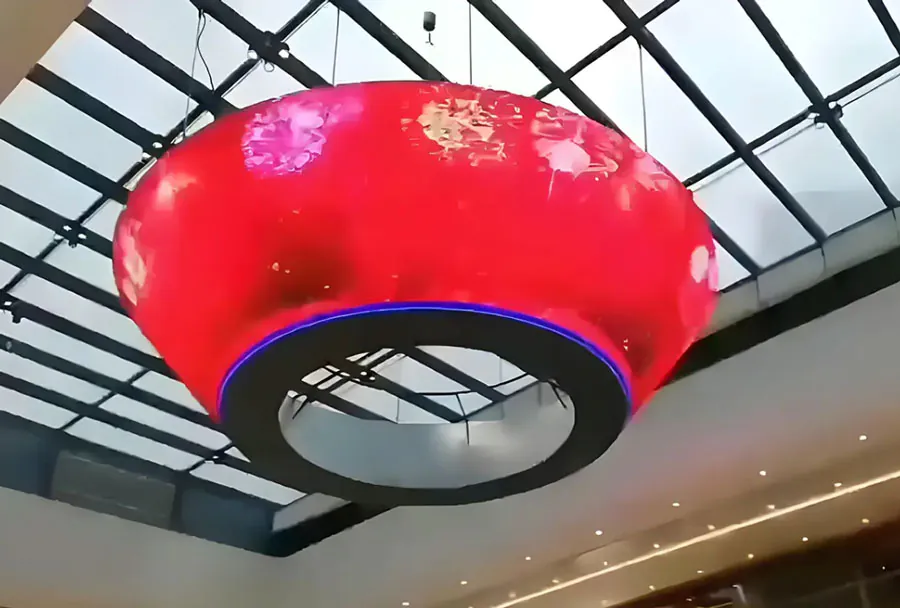
– Public signage and digital architecture: Cylindrical kiosks, curved storefronts, and immersive installations.
Each use case benefits from the combination of visual consistency, mechanical resilience, and design freedom.
Technology Challenges and Limitations
Despite their advantages, bendable displays are not a universal replacement for rigid displays. Challenges include:
– Manufacturing maturity: Flexible substrates and encapsulation processes are still advancing; yields can differ from mature rigid production lines.
– Cost: Initially higher per-unit costs due to novel materials, tooling, and lower volume production. TW VISION aims to scale production to reduce per-unit cost over time.
– Repair and service: Repair networks for flexible panels are evolving; existing repair shops and supply chains are optimized for rigid modules.
– Long-term reliability: While bendable displays withstand flex cycles, long-term environmental aging (humidity, UV exposure) demands robust encapsulation and validation.
– Performance tradeoffs: Certain high-brightness use cases or specific color gamuts may require additional engineering to match the best rigid OLED panels.
TW VISION addresses many of these concerns through material selection, encapsulation technology, and rigorous qualification testing, but customers should evaluate tradeoffs for each product design.
Market Implications and Competitive Position
TW VISION’s bendable screens position the company to serve premium and innovative product segments. Early adopters—brands seeking differentiation—gain the greatest advantage, leveraging the unique aesthetic and functional attributes to command higher price points or capture attention in crowded categories. As production scales and the ecosystem matures, bendable screens will likely move into mid-market products as well.
From a competitive standpoint, TW VISION needs to demonstrate consistent manufacturing quality, competitive pricing, and a strong supply chain. Collaboration with OEMs, software partners, and system designers will accelerate adoption by ensuring that the hardware’s capabilities are matched by software-driven UI innovations and reliable integration.
Design and Software Considerations
Hardware capabilities enable, but do not guarantee, compelling user experiences. Designers must think in terms of adaptive, curvature-aware interfaces. Software needs to detect and adapt to the display’s bend state, smoothly adjusting layouts and content flow. TW VISION provides reference designs and SDK support to help developers adapt content strategies for bendable canvases.
Accessibility and ergonomics require special attention: curved or wrapped content must remain readable and usable. Designers should avoid placing critical small text or interactive elements across severe curvature transitions unless specifically accounted for.
Economic and Supply Chain Considerations
Adopting bendable display technology involves up-front investments in product re-engineering, certification, and supply chain qualification. TW VISION’s roadmaps for scaling fabrication and part standardization will be key to reducing cost barriers. Early partners may benefit from joint development and prioritized allocation, but they should budget for higher initial BOM costs and potential changes in assembly line validation.

Over time, economies of scale and process improvements are expected to narrow the cost gap between bendable and traditional displays, particularly as suppliers standardize flexible connectors and protective films.
TW VISION bendable screens represent an important advance over traditional rigid displays in multiple dimensions: design flexibility, mechanical resilience, thinness and weight reduction, and the potential for novel user interactions. While challenges remain—manufacturing maturity, cost, and evolving repair ecosystems—the advantages are compelling for product categories that prioritize form factor innovation, ergonomics, and differentiated user experience.
For product teams, the decision to use TW VISION bendable screens should weigh the experiential advantages and integration benefits against cost and supply-chain readiness. For consumers and designers, bendable screens open up new possibilities, from foldable personal devices to immersive architectural displays. As the technology matures and scales, expect to see TW VISION’s bendable panels increasingly influence product design language across industries, shifting the default from rigid, flat displays to adaptable, shape-aware visual surfaces.