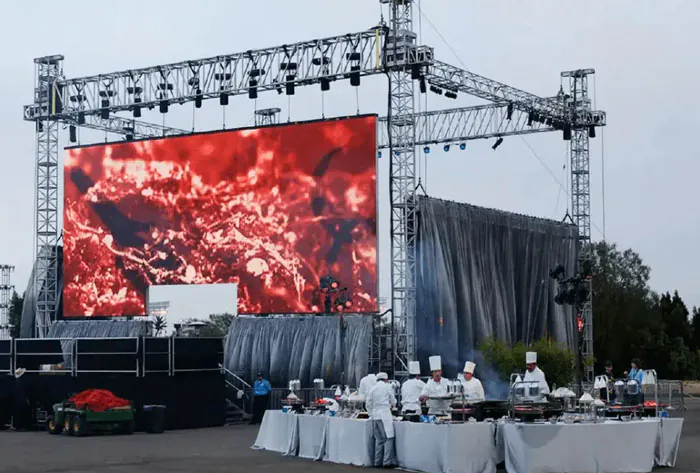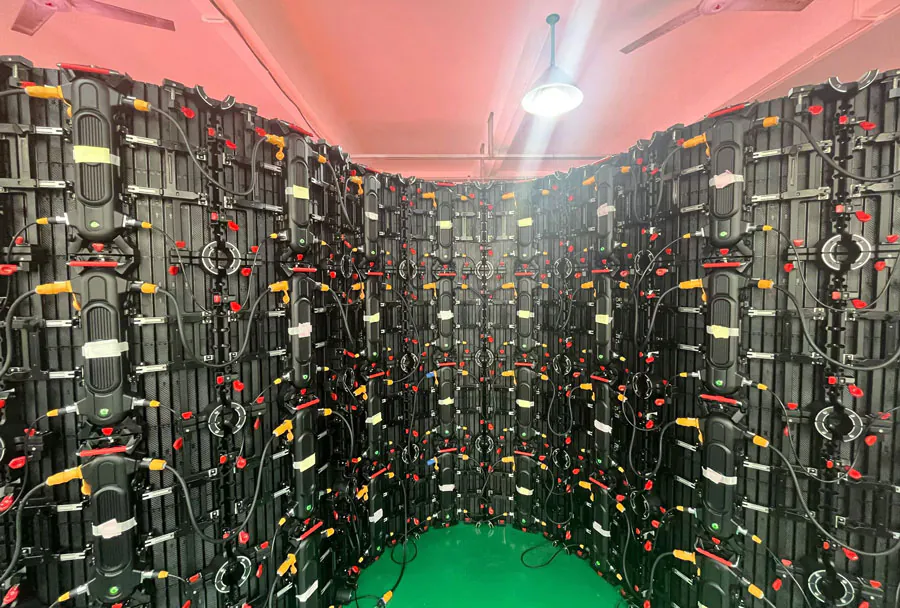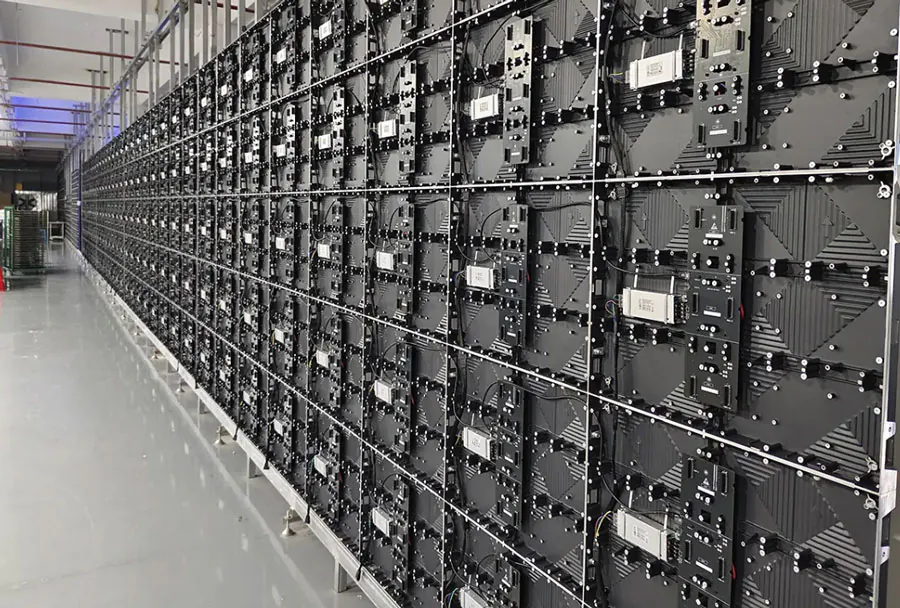
Reliable Giant LED Screen Rental Solutions from TW VISION

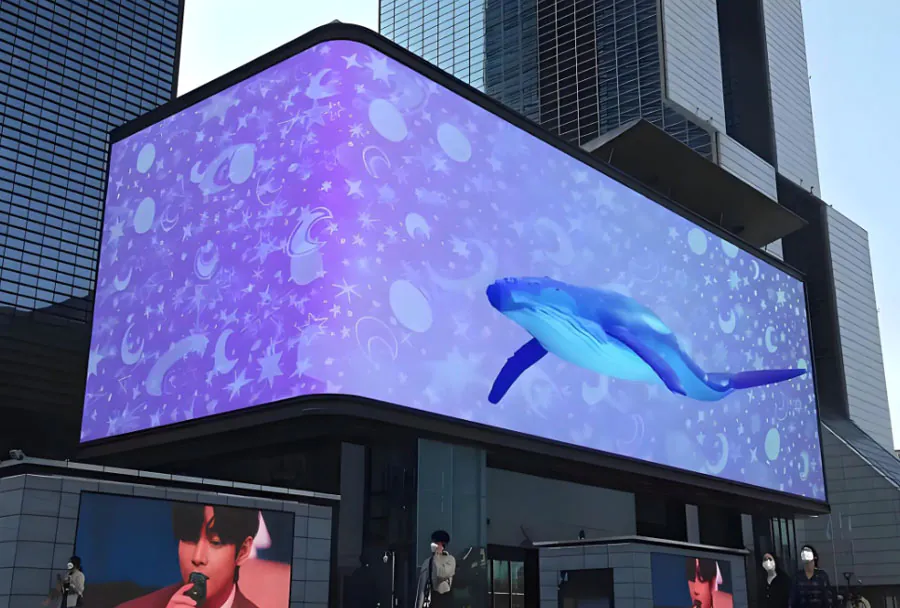
TW VISION has positioned itself as a trusted provider of giant LED screen rental solutions for events, concerts, sports, corporate gatherings, and outdoor advertising. Reliability is the fundamental promise for large-scale display deployments: organizers need screens that perform consistently under demanding circumstances—high brightness under direct sun, uninterrupted playback for hours, easy installation under tight timelines, and resilient operation in variable weather. This article explores the technical strengths, operational practices, and real-world benefits of choosing TW VISION for giant LED screen rentals. It also provides an analysis table to help event planners quickly compare typical configurations and make informed decisions.
Why Choose TW VISION for Giant LED Screen Rentals?
TW VISION focuses on three pillars: product quality, operational excellence, and customer support. For rental customers, these translate into:
– Proven hardware: Modular LED panels with high manufacturing tolerances, consistent color calibration, and rigorous factory testing minimize on-site surprises.
– Scalable systems: From temporary stage backdrops to stadium-sized facades, TW VISION offers a range of pixel pitches, brightness levels, and structural options that scale to any event footprint.
– Fast deployment: Rental operations demand speed and reliability. TW VISION’s optimized rigging, stacking, and power distribution systems shorten installation and teardown times while preserving safety.
– Full-service support: Pre-event planning, site surveys, logistics, on-site technicians, redundancy planning, and content playback services ensure events run smoothly.
– Certifications and safety: Compliance with local electrical, structural, and safety standards is essential. TW VISION maintains certifications and working practices that meet major international event requirements.
Choosing a vendor with deep rental experience reduces the risk of interruption, poor visual quality, and unexpected costs that can impact an event’s success.
Key Features of TW VISION’s rental led screens
Several technical and operational features are central to the reliability of giant LED screen rentals:
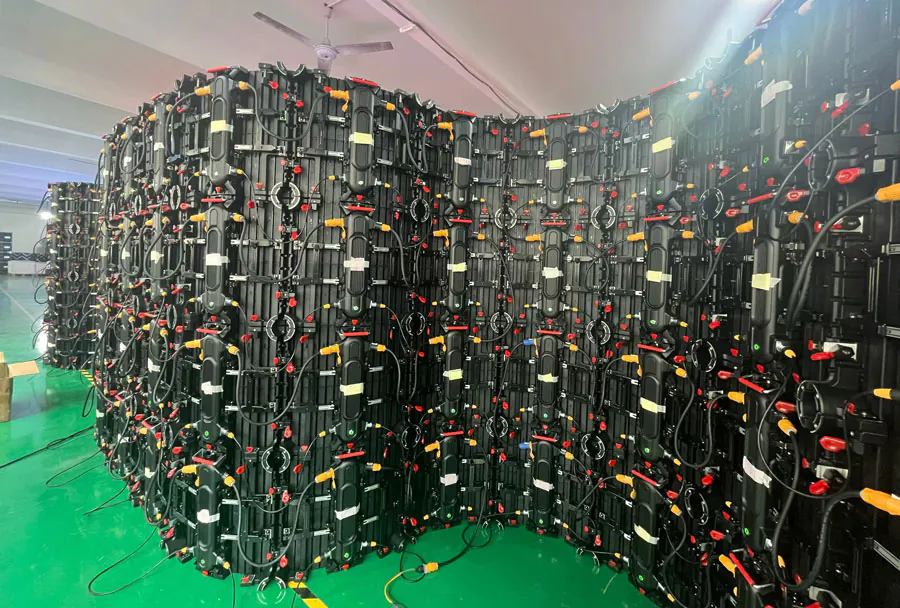
– Modular cabinet design: Lightweight, durable cabinets with uniform seams facilitate seamless large-format walls while enabling rapid replacement of individual modules.
– Multiple pixel pitch options: Rental fleets often include P2.6 to P10 (or larger) offerings, enabling the right balance of resolution, viewing distance, and budget.
– High brightness and anti-glare optics: For outdoor daytime events, panels with 5,000–8,000 nits (or higher) and anti-reflective coatings maintain visibility.
– Weatherproofing: IP65-rated front masks and sealed connector systems protect against rain and dust for outdoor deployments.
– Redundancy in power and signal: Multiple power feeds, hot-swappable power supplies, and dual-path signal routing avoid single points of failure.
– Integrated mounting and trussing options: Standardized rigging points and scaffold-friendly structures speed up safe installations.
– Remote monitoring and diagnostics: Real-time health monitoring of LEDs, power supplies, and data links allows technicians to preemptively address issues.
– Professional calibration and color management: Factory-level calibration tools and on-site color adjustments ensure consistent color and brightness across large arrays.
– Lightweight and durable materials: They reduce structural load and simplify transportation.
These features collectively reduce the operational risk associated with high-profile events and provide a confident audiovisual backbone.
Technical Specifications and Options
Selecting the right LED screen configuration involves balancing resolution demands, viewing distance, installation constraints, and environmental conditions. The following analysis table provides a quick reference for typical use cases, recommended sizes, pixel pitches, brightness ranges, and viewing distances. Use this as a starting point to match display specifications to event goals.
| Use Case | Typical Screen Size (m2) | Pixel Pitch (mm) | Brightness (nits) | Recommended Viewing Distance (m) |
|---|---|---|---|---|
| Indoor Stage Backdrop (Concerts, Conferences) | 10–50 | 2.6–4.8 | 800–2,000 | 3–15 |
| Large Outdoor Concert Main Screen | 50–300 | 4.8–8.0 | 5,000–8,000 | 15–80 |
| Sports Stadium Scoreboard/Video Wall | 100–1,000+ | 6.0–10.0 | 6,000–10,000 | 20–200+ |
| Outdoor Advertising Facades (Building Wraps) | 50–500 | 6.0–10.0 | 6,000–9,000 | 25–200 |
| Festival Secondary Screens / Side Fills | 20–100 | 3.9–6.0 | 4,000–7,000 | 10–60 |

This table is illustrative. Actual choices will vary based on venue geometry, ambient light, content detail, and budget. TW VISION’s rental consultants typically perform sightline and visibility studies to recommend the optimal pixel pitch and screen size for each event.
Installation, Logistics, and On-site Support
A reliable rental provider is judged not just by hardware but by logistics and human processes. TW VISION emphasizes the following operational practices:
– Detailed pre-event surveys: Site access, power availability, crane and truck placement, load-in paths, and local regulations are mapped in advance to prevent surprises on load-in day.
– Efficient transportation: Modular cabinets are packed on standardized pallets with protective cases, optimizing truck space and reducing handling time.
– Certified rigging crews: TW VISION staffs or partners with technicians trained in event rigging and local safety codes, ensuring secure and timely assembly.
– Power management plans: Load calculations, distribution boards, backup generators, and uninterruptible power supplies (UPS) protect equipment from voltage irregularities.
– Networked signal architecture: Redundant fiber or copper signal paths, synchronized servers, and backup media players ensure uninterrupted playback.
– On-site monitoring: Technicians use diagnostic systems to monitor LED module health, temperature, and power draw, enabling quick intervention.
– Spare inventory: Rental fleets include spare modules, power supplies, data receivers, cables, and control units to replace faulty components within minutes.
– Rapid teardown and transport: Efficient packing plans respect event schedules and next-rental commitments, reducing downtime between events.
By integrating logistics planning with technical capability, TW VISION minimizes downtime and maximizes screen uptime—critical to high-stakes live events.
Customization and Content Management
Content quality makes or breaks the audience experience. TW VISION’s offerings often include:
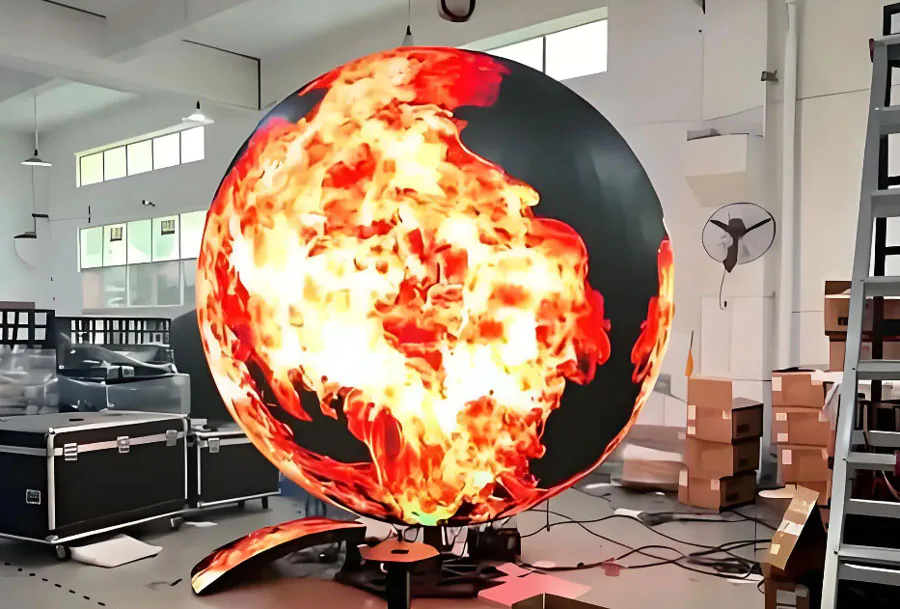
– Creative mapping and multi-screen setups: For unconventional screen shapes or multiple distributed screens, content is mapped and blended to create one cohesive image.
– Live video integration: Broadcast-grade routing and support for SDI, NDI, and IP video sources enable live camera feeds, slow-motion replays, and multi-camera switching.
– Media server services: High-capacity media servers handle large, high-frame-rate files, ensuring smooth playback without dropped frames.
– Color grading and LUT application: Consistent color across the entire surface is achieved through calibration and look-up tables (LUTs), tuned for the venue lighting.
– Interactive features: Touchless sensors, mobile interaction, and AR overlays can be integrated for experiential marketing campaigns.
– On-site operator staffing: Experienced operators manage playlists, transitions, and live feeds throughout the event.
– Content testing and rehearsal: Full-content rehearsal on the exact rented configuration identifies timing or scaling issues before the audience arrives.
These services allow clients to treat the LED screen as a creative tool rather than just a piece of equipment.
Reliability: Redundancy, Testing, and Maintenance
Reliability is engineered through redundancy, rigorous testing, and disciplined maintenance:
– Redundant systems: Dual video servers, parallel data paths, and multiple power feeds ensure that a single component failure does not interrupt the display.
– Hot-swappable hardware: Power supplies, data receivers, and even panel modules can be swapped without taking the whole screen offline.
– Burn-in and stress testing: Prior to deployment, panels undergo extended-on testing to catch intermittent defects and to stabilize LED performance.
– Preventive maintenance: Regular firmware updates, connector inspections, and thermal checks prevent failures due to wear or environmental exposure.

– Environmental protection: Weatherproofing measures and thermal management systems protect against moisture, dust, extreme heat, and cold.
– Rapid repair protocols: Well-documented on-site procedures and the availability of replacement parts reduce mean time to repair (MTTR).
These practices are reflected in TW VISION’s service-level commitments and operational KPIs, which focus on minimizing visible faults and ensuring continuous operation.
Cost Considerations and Return on Investment
Renting a giant LED screen is often more cost-effective than purchasing, especially for one-off or periodic events. Key financial advantages include:
– Lower capital outlay: Renting avoids large upfront purchases and depreciation, freeing capital for marketing and content.
– Predictable expense: Rental quotes typically bundle equipment, labor, transport, and technical support, making budgeting easier.
– Access to latest technology: Rental fleets are refreshed regularly, giving access to the latest high-brightness panels and control systems without capital investment.
– Reduced operational risk: The vendor assumes responsibility for equipment reliability, maintenance, and spare parts.
– Improved audience engagement: High-quality visuals increase attendee satisfaction, sponsor visibility, and social media reach—measurable returns that can exceed rental costs.
– Flexible scaling: Events can upscale or downscale screen size depending on projected attendance or sponsor requirements, optimizing cost per impression.
TW VISION works with clients to model projected ROI, factoring impressions, sponsorship value, ticket sales impact, and brand exposure.
Case Studies: Successful Events Powered by TW VISION
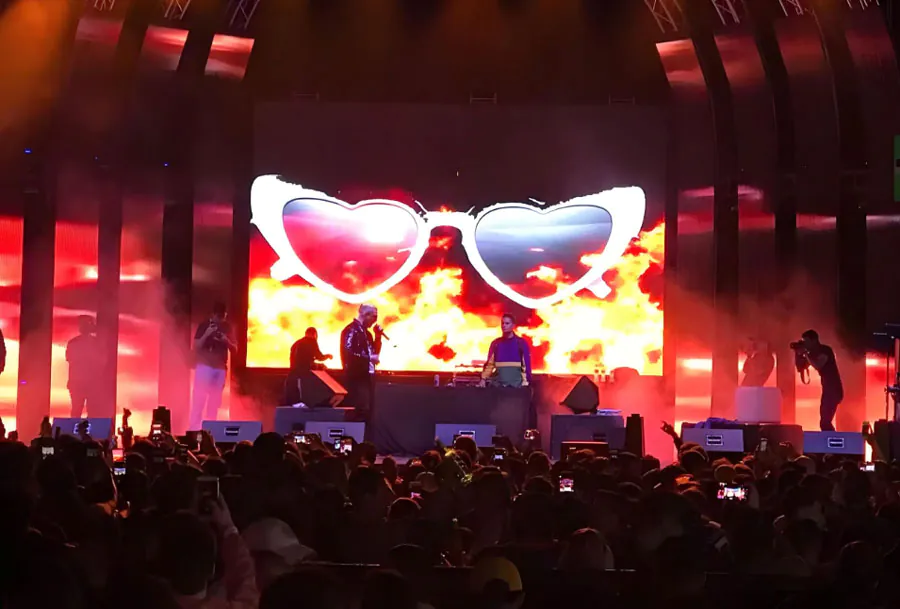
1) Major Outdoor Music Festival: TW VISION supplied three main-stage LED screens (each 120 m2, P6) plus side fills and stage perimeters. High-brightness panels and a redundant playback architecture enabled 12-hour festival days with no downtime. The quick rigging solution reduced load-in time by 30% compared to past vendors.
2) International Sporting Event: A stadium video wall (500 m2, P8) and perimeter advertising screens were deployed with dual power feeds and dedicated generators. TW VISION’s remote monitoring detected and corrected a failing power supply mid-event with a module swap during halftime, avoiding visible disruption.
3) Corporate Product Launch: A seamless, high-resolution indoor LED backdrop (18 m2, P2.6) was color-calibrated to match brand assets. TW VISION’s on-site media server handled dynamic 4K content and live presenter overlays, delivering a premium visual experience that supported a successful product announcement.
Each case underlines the combination of technical capability, logistics, and support that defines reliable rental service.
How to Plan Your Giant LED Screen Rental with TW VISION
A concise planning checklist helps you work effectively with a rental provider:
– Define objectives: Determine key outcomes—visibility, branding exposure, live video, or interactive elements.
– Provide venue details: Submit site plans, sightlines, sun position, power availability, and load-in constraints early.
– Choose optimal pixel pitch: Match content resolution to expected viewer distances and budget.
– Confirm power and network logistics: Arrange generator or local mains power and redundant network paths if required.
– Schedule technical rehearsals: Allow time for full-content playback and live-feed testing.
– Request redundancy: For critical events, insist on dual servers and backup power.
– Confirm staffing: Ensure TW VISION will provide on-site operators and technicians for the entire event duration.
– Plan for teardown and transport: Coordinate load-out windows to avoid penalties and ensure timely turnover.
A collaborative planning process reduces risk and keeps the event on schedule and on budget.
Frequently Asked Questions
Q: How far in advance should I book a giant LED screen rental?
A: For high-demand seasons or large screens, book 8–12 weeks in advance. Smaller indoor rentals can often be arranged in 2–4 weeks, but earlier booking secures preferred hardware and dates.
Q: What happens if a module fails during an event?
A: TW VISION’s rental fleets include spare modules and hot-swap procedures. Technicians can replace a module quickly with minimal visual impact. Redundant power and signal architectures further mitigate disruption.
Q: Can you match color and brightness across multiple screens?
A: Yes. TW VISION uses calibration tools and LUTs to ensure consistent color and brightness across ti led displays and distributed screens.
Q: Are outdoor LED panels rainproof?
A: Outdoor rental panels typically have IP65 or higher ratings on the front face and sealed connectors. Proper rigging and drainage are still essential for extreme weather.

Q: What control systems are used for synchronization?
A: Industry-standard media servers and synchronizers (supporting SDI, NDI, and IP-based protocols) provide frame-accurate playback and synchronization across multiple screens.
Q: How do you handle heavy ambient light or daytime events?
A: High-brightness panels (5,000–10,000 nits), anti-glare optics, and contrast-optimized content ensure visibility even in bright daylight.
Reliable giant LED screen rental solutions from TW VISION blend robust hardware, disciplined operational processes, and deep rental experience. Whether your event is a packed stadium concert, a corporate launch, or a high-visibility outdoor campaign, TW VISION’s approach to redundancy, testing, logistics, and content support reduces the risk of technical failure and enhances audience experience. By consulting early, specifying the right pixel pitch and brightness, and leveraging TW VISION’s full-service support, event planners can deliver visual spectacles that are on time, on budget, and reliably spectacular.