Reliable TW VISION Bendable Screen Solutions for Global Clients

The emergence of bendable display technology has reshaped expectations across consumer electronics, automotive interiors, industrial instrumentation, and digital signage. For global clients seeking dependable, scalable solutions, Reliable TW VISION positions itself as a strategic partner—delivering flexible display modules that balance aesthetic innovation with industrial-grade reliability. This article analyzes TW VISION’s bendable screen solutions from technical, manufacturing, application, and commercial perspectives, demonstrating why global customers can adopt these products confidently for high-volume and mission-critical deployments.
Technical Foundations of TW VISION Bendable Screens
TW VISION’s flexible displays are built upon a layered architecture designed to preserve optical performance while allowing mechanical deformation. Key technical elements include:
– Display core technology: TW VISION leverages both flexible OLED (FOLED / POLED) and flexible LTPS AMOLED variants depending on client needs—each selected for its trade-offs in color gamut, power efficiency, lifetime, and flexibility.
– Substrate options: Use of polymer substrates (PI) and ultra-thin glass (UTG) when scratch resistance and high optical clarity are required. The combination enables different bend radii and tactile finishes.
– Encapsulation: Thin-film encapsulation (TFE) and barrier laminates protect organic materials from moisture and oxygen—crucial for long-term reliability, especially in humid or automotive environments.
– Touch integration: In-cell or on-cell capacitive touch layers are adapted to preserve bendability. TW VISION also integrates flexible sensor arrays for curved or foldable surfaces.
– Drive electronics: Flexible printed circuits (FPC) with robust connectors and strain-relieved routing support repeated bending and integration into complex hinge systems.
These components are engineered to meet industry reliability standards while enabling unique form factors—folding phones, curved instrument clusters, wrap-around signage, and conformal wearables.
Performance and Reliability Metrics
For global deployments, measurable performance metrics matter as much as visual quality. TW VISION emphasizes:
– Bend radius and cycle life: Typical bend radii range from 2 mm (for wearable wrap) to 10 mm (for consumer foldables). Durability tests commonly exceed 200,000 bend cycles for consumer-grade foldables and are customizable to higher counts for enterprise applications.
– Brightness and lifetime: Peak luminance can reach 800–1,000 nits for automotive-grade panels, with operational lifetimes (to 70% of initial brightness) engineered above 30,000 hours under standard conditions.
– Color performance: Wide color gamut support (DCI-P3 coverage) and high contrast ratios are achieved through careful emitter selection and optical stack design.
– Environmental resilience: Thermal cycling, humidity exposure, UV aging, and shock/vibration testing align with IEC and automotive testing regimes where applicable.
By quantifying these attributes and offering tailored testing protocols, TW VISION helps customers validate integration in their end-products.
Manufacturing Capabilities and Scale
Reliable global supply hinges on robust manufacturing. TW VISION invests in multiple complementary capabilities:
– Flexible OLED and AMOLED production lines with roll-to-roll and batch processing options to optimize yield and scale.
– UTG handling and lamination cells to support ultra-thin glass substrates for premium devices.
– Dedicated R&D and pilot lines for rapid prototyping and small-batch customization.
– Quality management systems (ISO 9001), and where applicable, automotive-standard compliance (IATF 16949) to meet stringent customer demands.
– Supply chain redundancy and long-term component sourcing to mitigate geopolitical disruptions and raw material shortages.
Combining scale with modular production enables TW VISION to serve both high-volume mobile device programs and lower-volume specialized applications like aerospace displays or medical instrumentation.
Design for Integration: Mechanical and Electronic Considerations
TW VISION collaborates with client design teams to ensure seamless integration:
– Hinge and enclosure co-design: Partnership on mechanical designs that distribute strain away from critical bending zones using reinforcement frames, stress-relief adhesives, and tailored hinge mechanisms.

– Thermal management: Heat dissipation strategies—thermal spreader layers, conductive adhesives, and system-level heat sinks—preserve lifetime and uniformity.
– EMI and signal integrity: Shielding and differential signaling are designed into FPCs to maintain high refresh rates and pixel accuracy in complex assemblies.
– Calibration and firmware: Color calibration, gamma correction, and aging compensation are provided as part of the module so that fielded units maintain consistent visual appearance over time.
These integration services reduce development cycles and failure risk during customer product launches.
Applications Across Industries
TW VISION’s bendable displays service a wide spectrum of markets:
– Consumer electronics: Foldable and rollable smartphones, tablets, and laptops that demand thin profiles and high pixel density.
– Automotive: Curved instrument clusters, panoramic center consoles, and passenger entertainment panels designed for extended temperature ranges and vibration resistance.
– Wearables: Conformal AMOLED strips for smartbands, medical sensors, and flexible HUD surfaces.
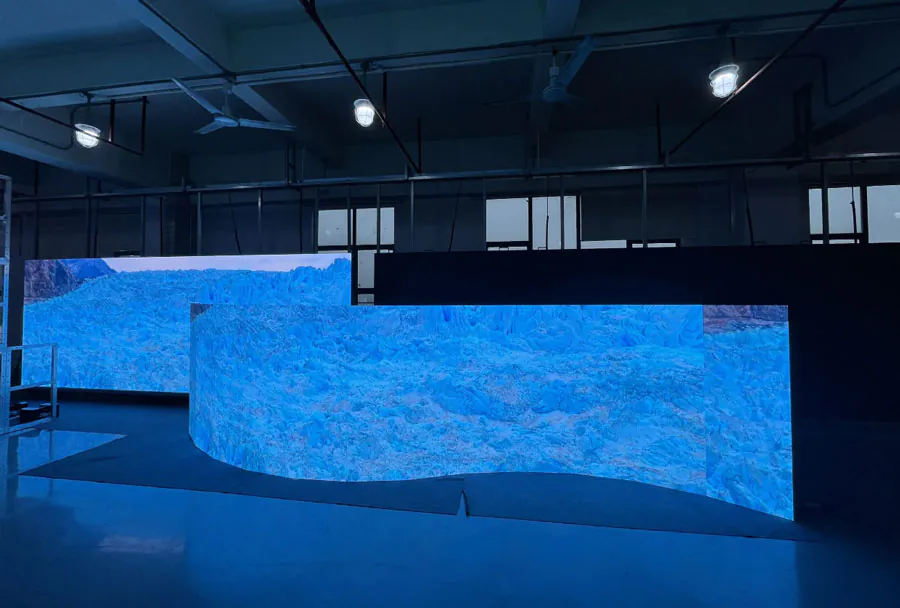
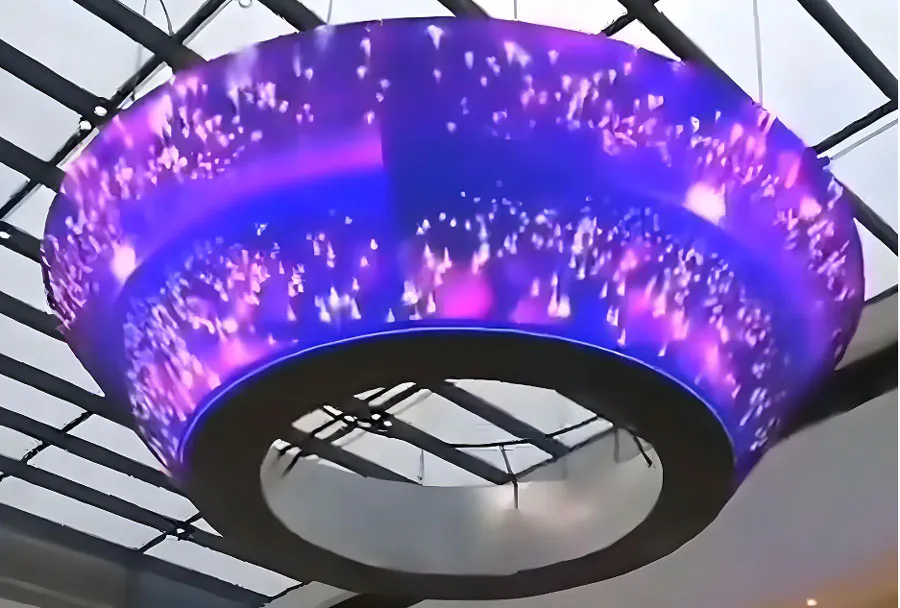
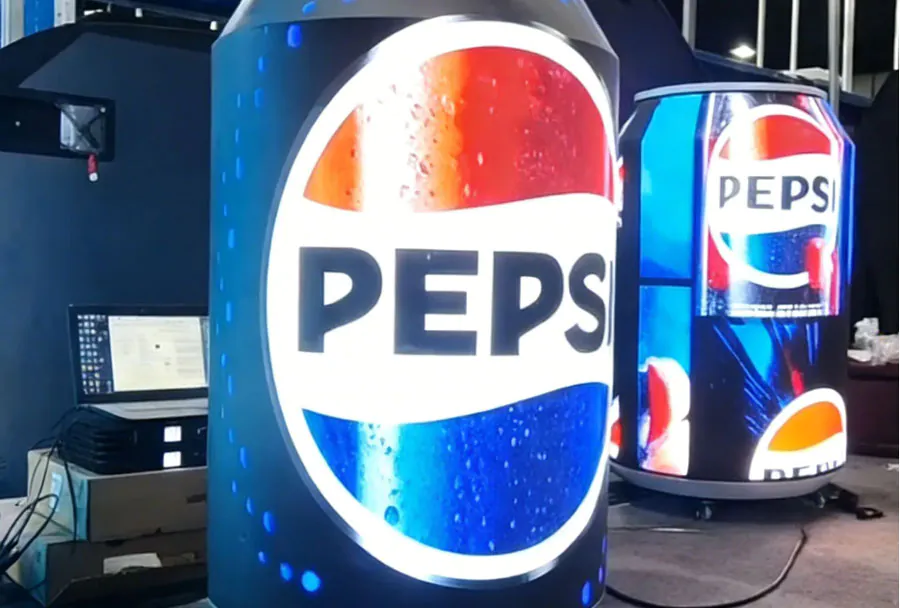
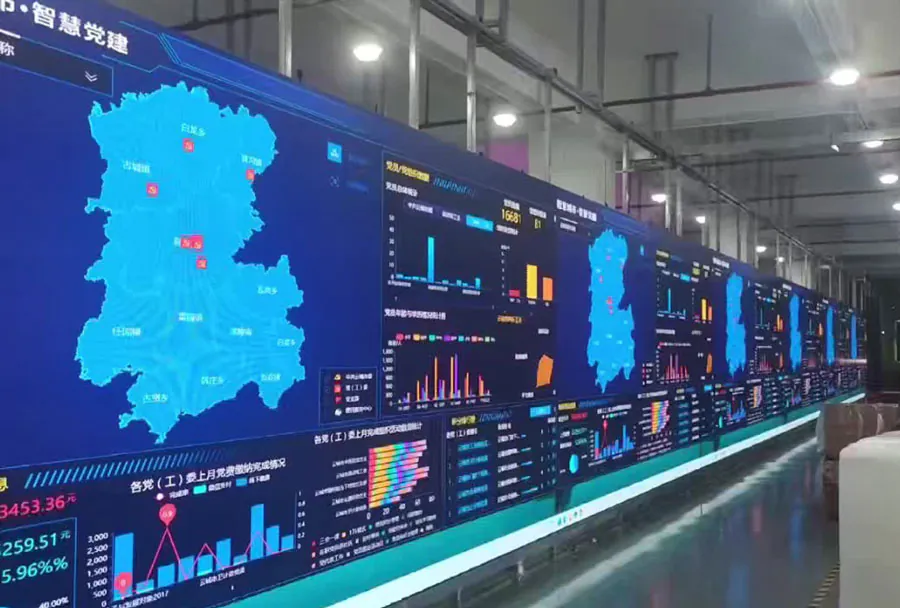
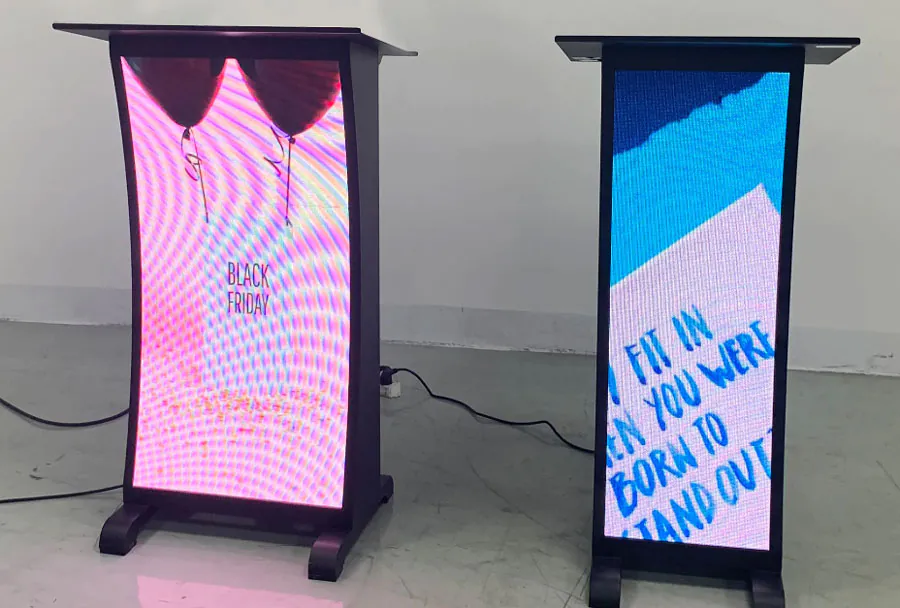
– Retail and signage: Wrap-around digital signage and storefront displays that conform to architectural surfaces.
– Industrial/medical: Toughened flexible panels for field instruments and diagnostic equipment requiring ergonomic curvatures.
Each segment has distinct certification, lifetime, and integration needs—TW VISION provides tailored modules and support.
Quality Assurance and Testing
Quality is core to reliability. TW VISION’s testing regimen includes:
– Mechanical endurance: Bend cycle testing (customizable cycles), hinge lifecycle testing, and impact/drop assessments.
– Environmental: Thermal shock, high/low temperature soak, humidity (85/85), salt spray for coastal installations.
– Optical stability: Chromaticity and luminance drift measurements over accelerated ageing.
– Functional: Touch responsiveness across bend states, pixel failure mapping, and power consumption profiling.
– Regulatory: EMC/EMI testing, RoHS, REACH compliance, and automotive homologation support.
Comprehensive QA and data transparency reduce integration surprises for OEMs and Tier 1 suppliers.
Global Support and After-Sales Services
For multinational customers, TW VISION offers:
– Regional engineering hubs providing local technical support and rapid prototyping.
– Customization services for mechanical dimensions, connector types, and firmware.
– Logistics solutions including bonded warehousing, JIT delivery, and consignment stock.
– Field failure analysis and repair protocols, with spare parts provisioning and extended warranty options.
This service model minimizes time-to-market and lifecycle risk for clients operating in diverse regulatory environments.
Sustainability and Material Responsibility
TW VISION integrates sustainability into product design:
– Material selections favor lower-toxicity compounds and recyclable components where feasible.
– Energy-efficient panel driving and local dimming techniques reduce operational power.
– End-of-life planning includes take-back and recycling partnerships for large deployments.
These efforts align with customer ESG goals and regulatory requirements in multiple markets.
Comparative Analysis Table
Below is a concise analysis table comparing TW VISION’s bendable display solution with other common display approaches and summarizing key advantages.
| Feature | TW VISION Bendable Solution | Rigid OLED/LED | Plastic OLED (POLED) Competitor Typical | Key Advantage |
|---|---|---|---|---|
| Bend Radius | 2–10 mm (customizable) | Not applicable (rigid) | 3–12 mm | Wide range supports wearables to foldables |
| Durability (Bend Cycles) | 200k+ (standard), options for 500k+ | Not applicable | 50k–200k | High-cycle life for consumer and automotive use |
| Optical Performance | Up to DCI-P3; high contrast; 800–1000 nits available | Often higher lifetime; similar peak brightness | Good gamut; variable brightness | Balanced color and brightness tuned for applications |
| Environmental Robustness | IP-rated options; automotive-grade thermal ranges | Robust; often higher lifetime in harsh conditions | Less tolerant without UTG or enhanced encapsulation | Custom sealing and laminated UTG options for harsh use |
| Integration & Support | Hinge co-design, FPC routing, firmware, global support | Standard module supply | Limited co-design support from some suppliers | Comprehensive OEM collaboration shortens integration time |

Commercial Considerations and Cost Modeling
Price remains a critical decision factor. TW VISION approaches cost modeling with transparency:
– BOM-driven quotes: Clear breakdowns of substrate, encapsulation, driver ICs, and touch layers let customers understand price drivers.
– Volume tiers: Significant per-unit cost reductions at scale due to roll-to-roll processing and amortized tooling.
– Customization premiums: Unique shapes, high-cycle enhancements, and automotive certifications carry predictable premiums.
– Total cost of ownership: TW VISION helps clients evaluate savings through reduced assembly complexity, lower field-failure rates, and lower energy consumption in some use cases.
By aligning pricing models with client lifecycles and volumes, TW VISION enables predictable budgeting for product roadmaps.
Case Studies: Representative Global Deployments
– Foldable Smartphone Program (Global Consumer OEM): TW VISION delivered customized UTG-based foldable AMOLED modules with 300k cycle validation, integrated hinge design support, and global logistics—resulting in a successful product launch across North America, Europe, and Asia.
– Automotive Curved Cluster (European OEM): A 12-inch panoramic display was engineered for extended temperature ranges and EMI compliance. TW VISION’s modules met IATF-level quality controls and delivered consistent color across wide viewing angles.
– Retail Wrap-Around Signage (APAC Retail Chain): Large-format bendable displays mounted to architectural columns provided high-impact marketing surfaces with remote calibration and centralized brightness management via networked controllers.
These examples illustrate TW VISION’s capacity to meet diverse performance and regulatory needs.
Risk Management and Supply Chain Resilience
For multinational programs, TW VISION reduces risk by:
– Multi-sourcing critical components and maintaining safety stock for long-lead items.
– Geographically distributed manufacturing and final assembly to avoid single-point disruptions.
– Contractual SLAs for lead time, yield, and quality metrics tied to penalty/reward structures.
– Clear change management processes so customers are informed and can re-qualify when necessary.
Such practices are essential for Tier 1 OEM customers and enterprise deployments.
How Clients Can Evaluate TW VISION for Their Programs
Prospective customers should follow a staged evaluation:
1. Requirements definition: Define bend radius, cycle life, brightness, and regulatory constraints.
2. Prototype phase: Multi-iteration prototyping with TW VISION’s pilot production line.
3. Environmental and mechanical validation: Apply conservative test margins that reflect real-world use cases.
4. Pilot production: Small run to validate yield and supply chain processes.
5. Ramp to volume: Gradual scale-up with monitored KPIs (yield, field failure rate, on-time delivery).
TW VISION supports each stage with documentation, testing data, and engineering resources.
Future Roadmap and Innovations
TW VISION invests in next-generation flexible technologies:
– MicroLED on flexible backplanes for higher brightness and longer lifetimes.
– Improved barrier films and atomic-layer encapsulation for extended outdoor use.
– Integration of printed sensors and haptic elements into the bendable stack for immersive user interfaces.
– Lower-power driving schemes and adaptive refresh for always-on wearable displays.
These directions reflect market demand for more durable, brighter, and energy-efficient bendable solutions.
Conclusion: Why Global Clients Choose TW VISION
Reliable TW VISION Bendable Screen Solutions for Global Clients combines technical depth, manufacturing scale, and customer-centric services to deliver flexible displays that meet stringent global standards. By offering a spectrum of substrates, robust encapsulation, high cycle lifetimes, and collaborative integration support, TW VISION reduces time-to-market and lifecycle risk for multinational programs. Whether the application is a premium foldable smartphone, a safety-critical automotive instrument cluster, or an architecturally integrated retail display, TW VISION’s bendable modules offer a balanced proposition of performance, reliability, and supply-chain maturity—making them a preferred partner for clients worldwide.

If you have specific application requirements, preferred substrate choices, or target certification objectives, TW VISION’s engineering teams can provide a customized evaluation plan and prototype timeline to help accelerate your product development.