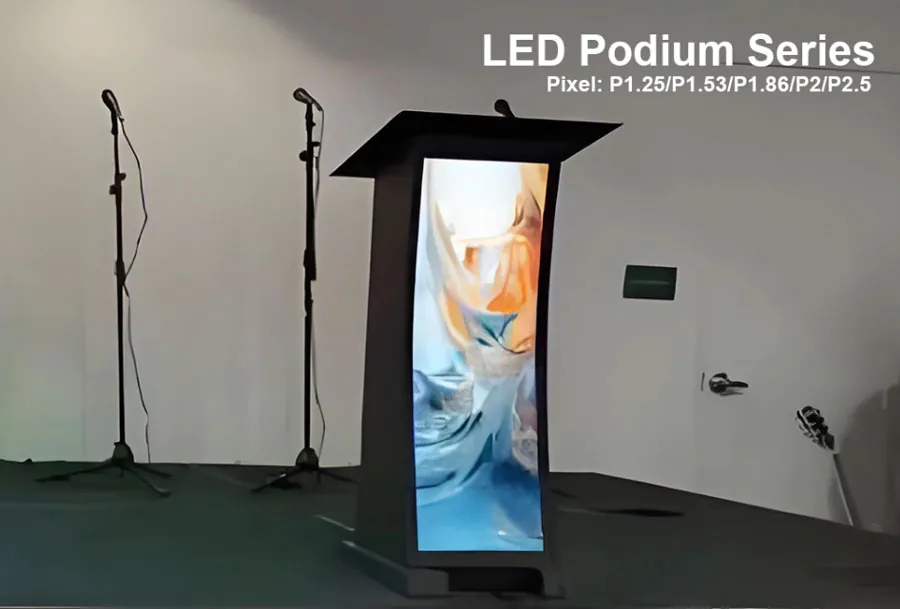
Flexible LED Screen Rental Packages for Short & Long-Term Use

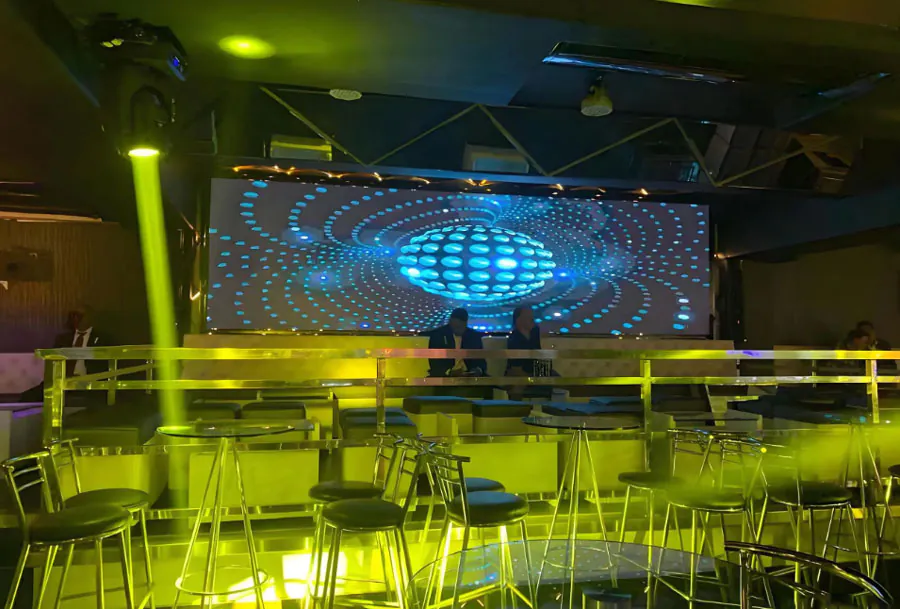
flexible led screens have transformed visual communication by providing adaptable, high-impact displays that suit everything from pop-up activations to permanent digital signage. The ability to rent rather than buy opens opportunities for companies and event planners to access cutting-edge display technology without the capital expense or long-term maintenance burden. This article examines flexible LED screen rental packages designed for both short-term and long-term use, analyzes technical and commercial considerations, and provides actionable guidance for selecting the optimal rental solution.
What “Flexible LED Screen” Means Today
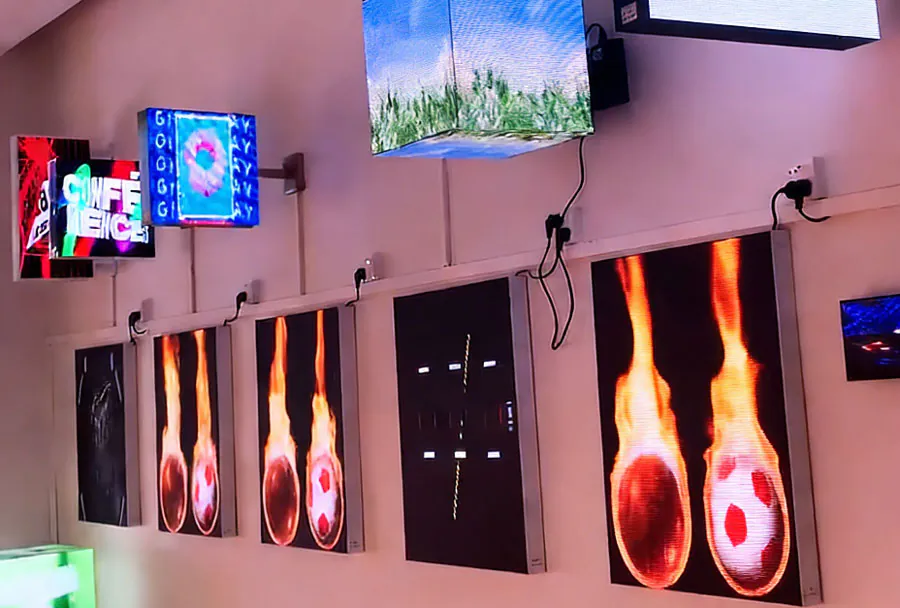
Flexible LED screens are modular display systems that can be curved, bent, or shaped to fit unique architectural or event-driven needs. They include soft-panel P-OLED alternatives and pliable LED mesh or film-based displays that are lighter and more conformable than traditional rigid LED cabinets. Flexibility refers not only to physical shape but to installation configurations, pixel pitch choices, and the adaptability of rental terms.
Target Uses: Short-Term vs Long-Term Deployments
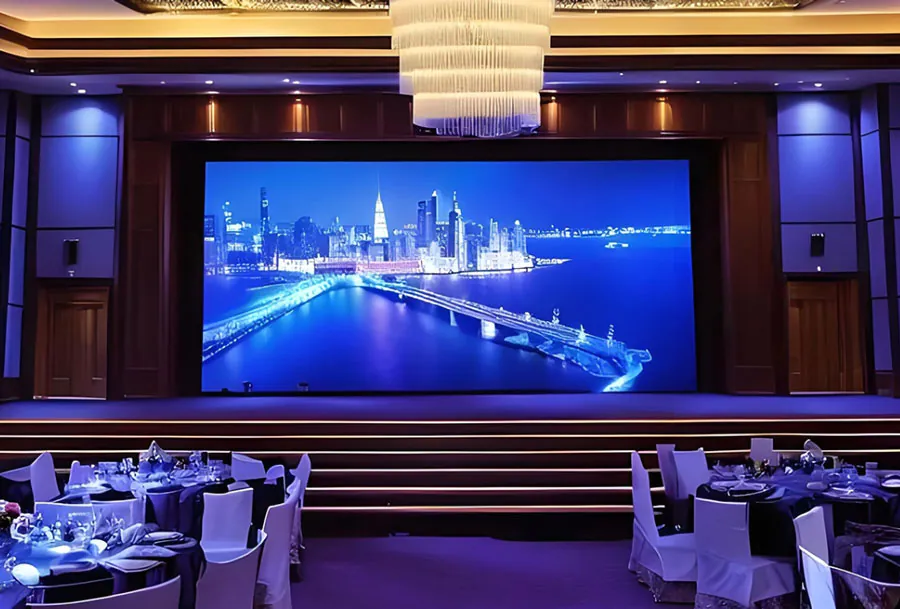
– Short-term deployments: concerts, trade shows, product launches, pop-up stores, temporary outdoor campaigns, and sports events. Key priorities are rapid setup/tear-down, transportability, visuals that grab attention, and a predictable budget.
– Long-term deployments: retail facades, corporate lobbies, hospitality installations, and large venue displays. Key priorities are durability, serviceability, integration with content systems, and predictable OPEX/CapEx balancing.
Comparing Short-Term and Long-Term Rental Packages
Package Structure and Pricing Models
Rental houses structure packages around duration, display technology (indoor/outdoor, pixel pitch), labor and logistics, and value-added services (content management, staging, power distribution). Pricing models include:
– Daily/Weekly rates for short-term rentals.
– Monthly/Quarterly rates for medium-term.
– Annual contracts for long-term rentals, often with maintenance SLAs and replacement guarantees.
Short-term rates are typically higher per day but avoid capital expenditure. Long-term rates lower monthly but often contain clauses for maintenance, upgrades, and dedicated service windows.
Technical Specs that Drive Price and Suitability
Key specifications to compare across rental packages:
– Pixel pitch — determines viewing distance and resolution.
– Brightness and HDR capability — crucial for outdoor/daylight use.
– Curvature limits and modularity — affects creative installations.
– Weight per square meter — impacts rigging and transport costs.
– IP rating and weatherproofing — required for exterior long-term installations.
– Serviceability — front or back maintenance access, spare module availability.
Analysis Table: Comparative Rental Packages
Below is a practical analysis table comparing representative rental packages. This table highlights the trade-offs between short-term and long-term rental choices.
| Package Name | Duration | Pixel Pitch / Resolution | Typical Uses | Estimated Cost Range (USD) |
|---|---|---|---|---|
| Pop-Up Event Express | 1–7 days | P2.9–P4.8 (high-res indoor) | Trade shows, press launches, small concerts | $1,200–$6,000 / day (depending on size) |
| Outdoor Activation Short-Term | 3–14 days | P6–P10 (outdoor bright) | Outdoor festivals, sports overlays | $2,500–$12,000 / day (with staging & power) |
| Modular Medium-Term | 1–6 months | P3.9–P6 (indoor/outdoor adaptable) | Seasonal retail, temporary exhibits | $8,000–$35,000 / month |
| Long-Term Installed | 1–5 years | P1.9–P4 (high-res indoor to fine outdoor) | Retail fa?ades, lobbies, stadium interiors | $3,000–$18,000 / month (maintenance included) |
| Flexible Mesh Advertising | Short to Long | P8–P16 (viewed from distance) | Billboards, building wraps | $2,000–$20,000 / month (varies by exposure) |

How to Choose the Right Rental Package
1. Define Your Visual Objectives
Begin with creative intent. Do you need crisp close-up images and readable text (choose finer pixel pitch), or are you aiming for high-impact imagery at a distance (coarser pixel pitches suffice)? Consider motion, color fidelity, and whether HDR or high refresh rates are important for camera capture.
2. Understand Your Venue and Viewing Distances
Measure sightlines and expected viewing distances. As a rule of thumb, recommended minimum viewing distance in meters is roughly equal to pixel pitch in millimeters divided by 1,000 and multiplied by 1.5–2. For indoor close-up installations, P1.9–P3.9 is ideal; for outdoor large signage, P6–P16 may be acceptable.
3. Factor in Environment and Weatherproofing
Outdoor or semi-exposed sites need higher IP ratings, anti-condensation measures, and robust sealing. Long-term outdoor rentals often include corrosion-resistant components and UV-stable finishes. Confirm that the rental vendor provides weather monitoring plans and protective measures.
4. Logistics: Installation, Power, and Rigging
Short-term rentals demand fast install/strike processes—modular, lightweight panels and quick-lock systems reduce labor time. Long-term installs should emphasize secure mounts, service access, and cable management. Account for rigging permits, load-bearing checks, and local power capacity.
5. Service Level Agreements and Spare Parts
For long-term rentals, negotiate SLAs covering response times, uptime guarantees, and replacement units for failed modules. Short-term contracts should include rapid on-site technician availability during events.
Operational Considerations and Best Practices
Pre-Event Planning
– Site surveys: obtain electrical schematics, load-bearing assessments, and digital renderings.
– Mock-ups: request a scale mock-up or rendered visualization from your rental provider to ensure fidelity of design.
– Content prep: optimize media for the exact resolution and aspect ratio of the rented screens; deliver files in the formats the provider supports.
On-Site Execution
– Staging and safety: ensure all rigging meets local safety codes; always use certified riggers.
– Redundancy: for critical events, build redundancy into power supplies and media servers.
– Color calibration: perform onsite calibration to match multiple screens and ensure consistent luminance and color balance.
Post-Event and Long-Term Maintenance
– Short-term events: plan a clear strike schedule and responsibility allocation.
– Long-term: schedule regular cleaning, calibration, and firmware updates. Ask for lifecycle replacement plans as LED technology advances.
Financial and Contractual Considerations
Short-Term: Cost vs. Agility
Short-term rentals often come with higher per-day costs but greater agility. They reduce capital expenditure and allow testing different screen types without long-term commitment. When budgeting, include ancillary costs such as transport, insurance, logistics, labor, and content management.
Long-Term: Predictable Ongoing Costs
Long-term rental or lease contracts often lower monthly rates and include maintenance, but they can lock you into technology for longer periods. Negotiate upgrade clauses so you can swap modules as pixel pitches and technologies evolve. Incorporate exit clauses, performance guarantees, and clear responsibilities for damage or theft.
Tax and Accounting Considerations
Depending on accounting standards and local tax law, rental expenses may be treated differently than capital purchases. Renting typically classifies payments as operating expenses, potentially offering tax advantages and better cash flow. Consult a finance professional before signing multi-year agreements.
Benefits of Renting Flexible LED Screens
– Lower upfront cost: no heavy capital outlay.
– Access to latest tech: rental houses refresh inventory, so clients can leverage newer panels.
– Scalability: easily upsize or downsize deployments based on campaign needs.
– Reduced maintenance burden: rental provider typically covers maintenance and spare parts.
– Creative freedom: bendable and modular screens enable designs that rented fixed displays can’t.
Risks and Mitigation Strategies
Technical Failures
Risk: module or server failure during critical events.

Mitigation: request on-site technician coverage and redundant media servers and power supplies.
Contractual Ambiguities
Risk: unclear responsibility for repairs or replacement.
Mitigation: ensure SLAs and insurance terms are spelled out. Have a checklist for pre- and post-inspection.
Compatibility and Content Issues
Risk: delivered content doesn’t match screen specs.
Mitigation: request exact resolution and codecs, provide test files early, and run a technical rehearsal.
Case Studies: Real-World Applications
Case 1: Short-Term Product Launch
A consumer electronics brand rented 120 sq. ft. of P2.9 flexible LED for a product launch stand. The rental package included two technicians for setup and calibration and a single media server. The display delivered crisp product shots and live social media feeds. The ROI came from earned media and press engagement, demonstrating how a short-term rental achieved high impact for limited budget.
Case 2: Seasonal Retail Fa?ade
A fashion retailer leased a semi-permanent outdoor flexible mesh for a three-month holiday campaign. The long-term medium-term package included weekly maintenance visits and an SLA for module replacement. The campaign increased foot traffic and allowed the retailer to avoid a permanent capital investment while keeping a strong street presence.
Case 3: Long-Term Corporate Lobby Installation
A corporate headquarters opted for a three-year rental of a high-resolution curved LED wall (P1.9) for the lobby and event space. The rental included a content management system, remote monitoring, and annual calibration. The company valued the flexibility to refresh content seasonally and avoid long-term depreciation on purchased hardware.
Vendor Selection Checklist
– Inventory and technology breadth: can the vendor supply the pixel pitches, brightness, and form factors you need?
– Proven track record: request references and documented case studies.
– Logistics capability: do they handle permits, rigging, transport, and power distribution?
– Technical support: on-site technicians, remote monitoring, and spare parts inventory.
– Transparent pricing: clear line items for installation, deinstallation, labor, and consumables.
– Insurance and liability: vendor-provided insurance or clear requirements for client insurance.
Sustainability and Lifecycle Considerations
Rented LED panels can be more sustainable than perpetual purchases. Rental fleets are typically maintained and refurbished centrally, reducing waste through extended lifecycles. Ask vendors about:
– Energy efficiency and power-saving modes.
– End-of-life recycling programs for panels and batteries.
– Use of low-voltage power distribution to reduce energy consumption.
– Policies for reducing transport emissions through optimized logistics.
Future Trends in Flexible LED Rentals
– Higher-density flexible panels will continue migrating into rental inventories, enabling near-TV resolution for larger canvases.
– Lightweight, self-powered tiles with built-in battery systems will offer wire-free short-term installations.
– Cloud-based content management will allow remote updates and real-time data-driven content for longer-term campaigns.
– Subscription models that bundle hardware, content, analytics, and creative services will become more common, shifting the market toward outcomes rather than hardware.
Checklist: Steps to Book the Right Rental Package
1. Define objectives: message, duration, expected footfall, and KPIs.
2. Plan site logistics: power, rigging, permits, and load-bearing checks.
3. Choose pixel pitch based on viewing distance and content needs.
4. Get multiple quotes with itemized pricing for install, labor, and maintenance.
5. Confirm SLA, insurance, and replacement procedures.
6. Schedule a technical rehearsal and content test.
7. Document pre- and post-event conditions for liability purposes.
8. Collect post-deployment analytics and debrief for continuous improvement.
Balancing Flexibility, Cost, and Performance
Flexible LED screen rental packages provide a powerful way to achieve impactful visual communications without the risk of committing to hardware ownership. Whether you’re staging a single-day product launch or equipping a multi-year retail activation, the right rental package aligns technology, logistics, and financial structure with your objectives. Prioritize clear SLAs, compatibility for your content, and thorough planning for installation and power logistics. By following a structured selection process and partnering with a reputable rental provider, organizations can maximize ROI and creative impact while avoiding the pitfalls of under-specified or poorly supported deployments.