Big Impact on Small Budgets Enhancing Intimate Events with Modular LED Screen Stages

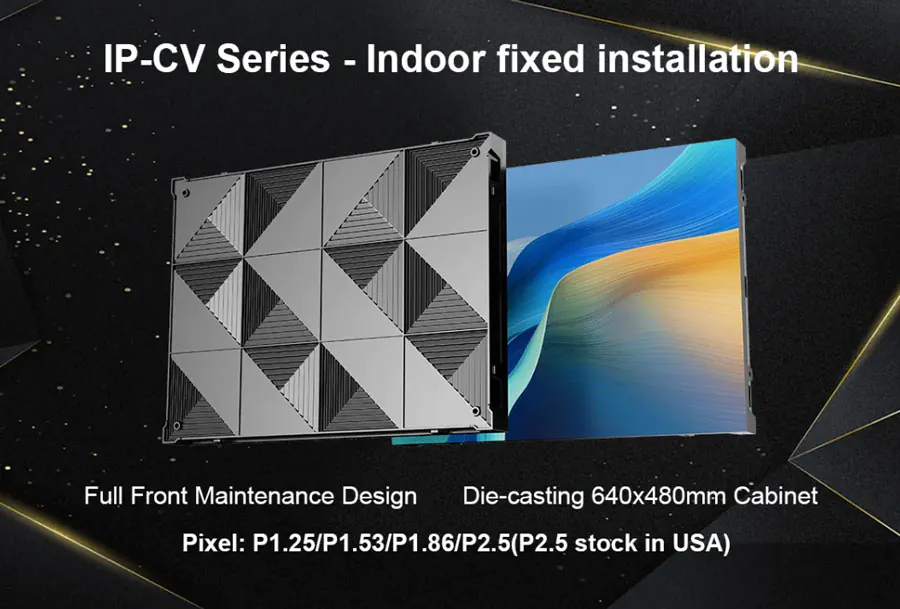
In today’s event landscape, intimate gatherings—corporate dinners, boutique product launches, small theater productions, weddings, and VIP receptions—demand production values that feel larger than the room. Attendees expect visual polish, immersive storytelling, and a clear focal point. Modular LED screen stages offer a high-impact, flexible, and increasingly affordable solution for event planners working with limited budgets. These systems can transform compact stages into dynamic multimedia canvases, elevating the perceived value of an event without the need for massive spend.
Big Impact on Small Budgets: Enhancing Intimate Events with Modular LED Screen Stages
Why modular LED screens are ideal for intimate events
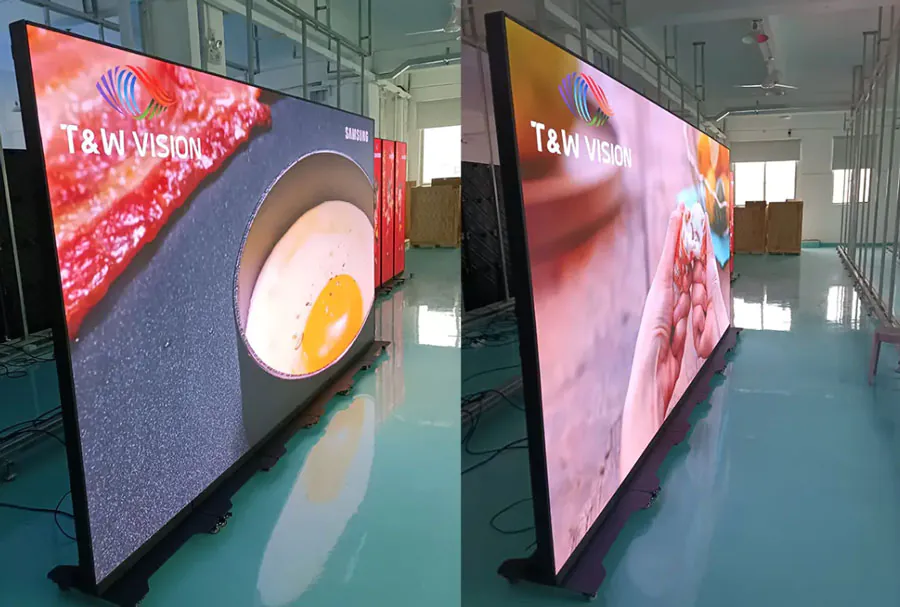
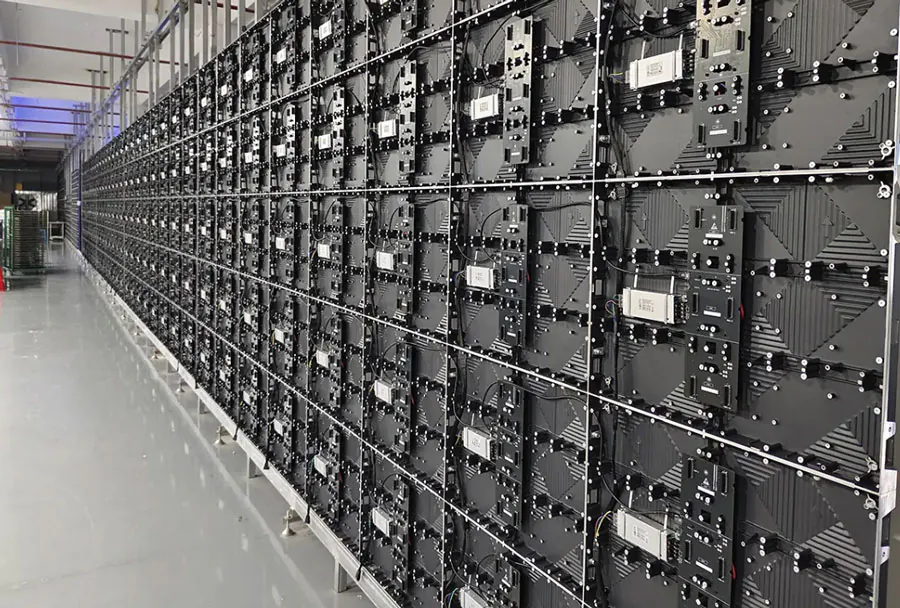
Modular LED screens combine small, interlocking LED panels into walls, backdrops, or sculptural stage elements. For intimate events, they deliver several advantages:
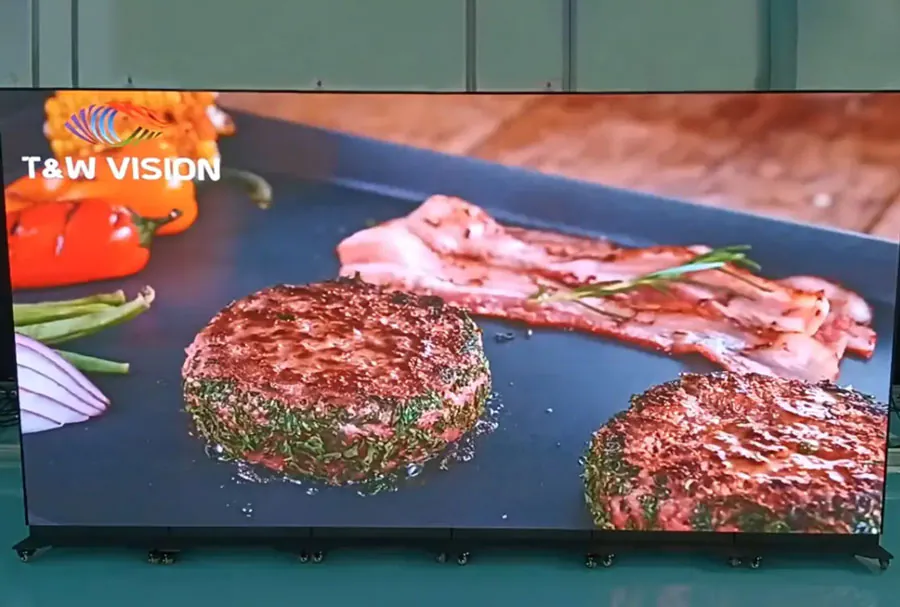
– Visual clarity at close viewing distances: Modern LED panels are available in tight pixel pitches (e.g., P2.6–P4 mm), providing crisp video and text for audiences within a few meters.
– Scalable footprint: Start with a modest screen footprint and grow by adding panels, making them suitable for venues with limited stage real estate.
– Lightweight and quick install: Many rental-grade modular systems are designed for rapid assembly and teardown, saving crew time and venue labor costs.
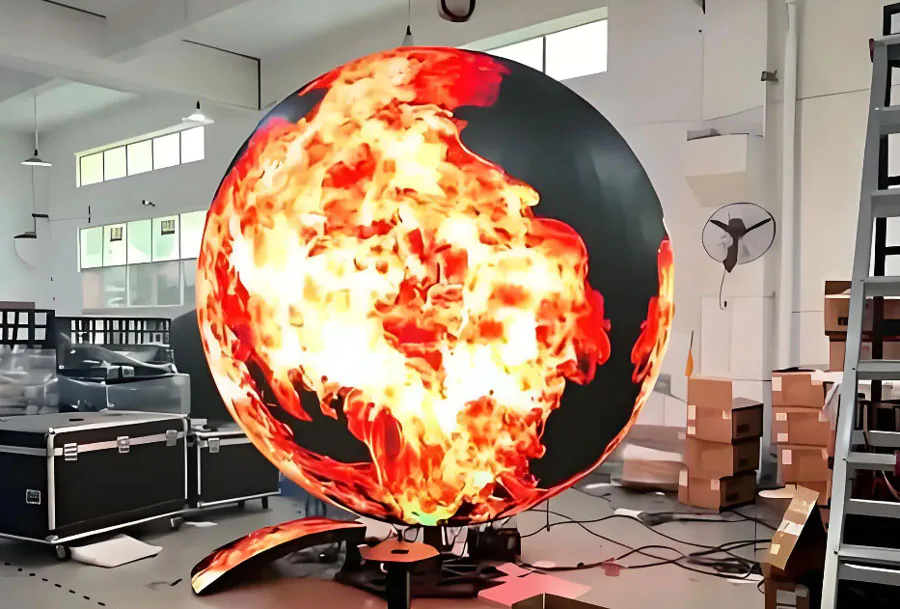
– Creative flexibility: Panels can form curved, angled, or multi-surface designs, enabling creative staging that traditional projection or printed backdrops cannot match.
– Energy efficiency and durability: LEDs consume less power than equivalent projection setups over time and are robust for repeated events.
For planners with small budgets, the ability to rent only the number of panels needed and to use smaller pixel pitches strategically (e.g., high resolution where people will focus, coarser elsewhere) offers strong cost control.
Design principles for high-impact, low-budget setups
Designing a modular LED stage for an intimate event requires strategic decisions to maximize perceived quality while controlling expenses:
– Focus attention: Use the LED screen as a focal element rather than trying to cover entire walls. A central screen framed with lighting and set pieces makes the visual experience feel premium.
– Prioritize content: Compelling, well-produced content can trump raw screen size. Motion graphics, live feeds, and subtle animations give the perception of sophistication.
– Layer lighting: LED screens are an image source; add wash and accent lighting to shape the space and complement on-screen visuals.
– Optimize distance and pixel pitch: For seated guests 10–20 feet from the screen, P3–P4 mm is often sufficient. Closer viewing requires finer pitches and higher cost—balance accordingly.
– Integrate audio: High-quality visuals need clean audio. Invest in a compact, well-tuned speaker system matched to venue acoustics.
Technical considerations and cost-saving strategies
– Pixel pitch selection: Pixel pitch is directly tied to cost. For intimate settings where viewers are close, a P2.9 or P3.9 panel gives clean images without the premium of P1–P2 systems. If budget is tight, combine a high-resolution center screen for text and faces with lower-resolution side panels for decorative content.
– Cabinet size and aspect ratio: Smaller cabinets (e.g., 320x160mm) allow for more flexible aspect ratios and physically compact builds. They can reduce waste when filling nonstandard stage spaces.
– Rental vs. purchase: For occasional events, renting modular panels is almost always cheaper. For frequent events, buying a used or entry-level kit could be cost-effective—assess depreciation, maintenance, and storage.
– Control hardware and software: Choose a video processor that supports the required resolution and input types. Using open-standard or rental-supplied media servers can minimize one-off software costs.
– Power and signal logistics: Plan power distribution to avoid expensive last-minute solutions. Use Ethernet-based signal systems (e.g., NOVASTAR, Brompton) to simplify cabling and reduce labor time.
Operational workflow for tight-turn events
For fast-paced or back-to-back bookings, a repeatable, documented workflow saves time and money:
1. Pre-event survey: Measure sightlines, ambient light, and power. Confirm grid capacity for rigging if flying panels.
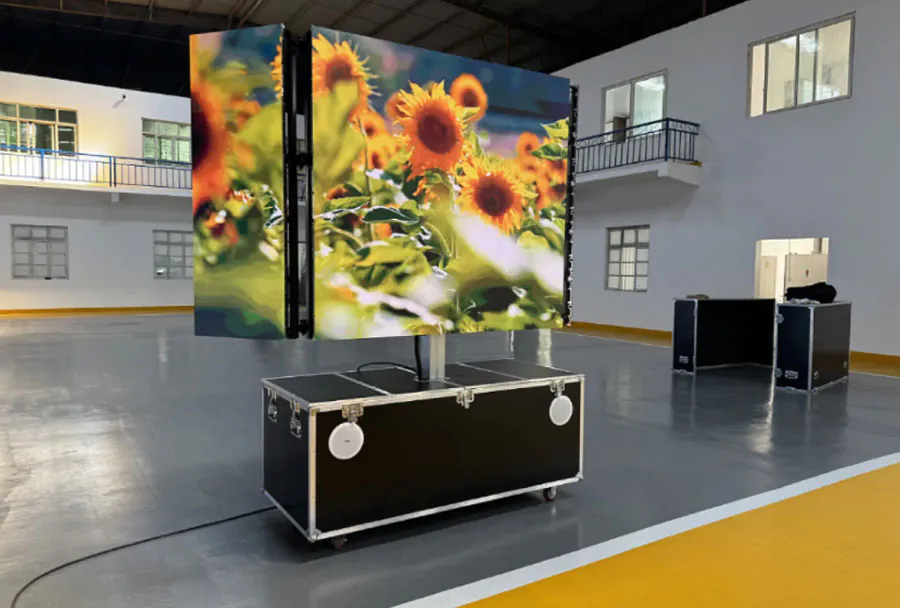
2. Preconfigure content: Render final video assets at the native resolution of the planned screen layout to avoid scaling artifacts on site.
3. Mock-up and mapping: Use software to map content to each panel in advance. For rental systems, ask for a digital layout from the vendor.
4. Efficient build: Train a small dedicated crew—two to four technicians can assemble modest walls quickly if trained on the specific panels.
5. Rehearsal and calibration: Schedule a brief calibration window with test patterns and color grading to match on-screen color to venue lighting.
Practical budget breakdown and ROI
Here’s a concise analysis table to help event managers evaluate cost vs. benefit across typical modular LED stage components. The figures are illustrative estimates and will vary by region, vendor, and event specifics.
| Component | Purpose / Benefit | Typical Specs | Estimated Cost (USD) | Setup Time |
|---|---|---|---|---|
| LED Panels | Main visual canvas; image/video display | P3–P4, 500–1000 nits, 320×160mm cabinets | Rental: $300–$800 per sqm; Purchase: $800–$2000 per sqm | 1–3 hrs (small wall, 10–20 sqm) |
| Video Processor / Media Server | Drives content mapping, scaling, playback | 4K input support, multiple outputs, LED sync | Rental: $150–$500; Purchase: $2,000–$10,000 | 30–60 min config |
| Rigging & Truss | Mounting, physical safety, and aesthetics | Aluminum truss, weight-rated rigging points | Rental: $150–$500 per event; Purchase varies | 1–2 hrs |
| Lighting Integration | Complement screen visuals; set depth | LED wash, key/side lights, DMX control | $300–$1,200 rental for a basic rig | 30–90 min focus |
| Technical Crew | Setup, operation, tear-down, content playback | 2–4 technicians for small events | $25–$75/hr per tech; 6–12 hrs typical | Dependent on crew size |
These line items show how a modest LED wall, paired with minimal supporting gear and an efficient crew, can deliver a visual impact that far exceeds its proportional cost when compared to full-scale production.
Content strategies that amplify small screens
High-quality content is what makes a small LED stage look expensive:
– Use negative space: Avoid filling every pixel. Clean, bold visuals (large typography, high-contrast motion backgrounds) read well on smaller screens.
– Live camera feeds: For speakers or performers, a live feed to the screen provides clarity for attendees and makes the space feel professionally produced.
– Dynamic transitions: Subtle parallax, depth layers, and timed animations give the illusion of a larger canvas.
– Branding and ambient visuals: Use branded color palettes and ambient motion loops between program items to maintain visual continuity and perceived value.
– Adaptive resolution: Author content at multiple scales so that if panels change, you can swap assets without re-rendering.
Case study snapshot: Product launch for 150 guests
Scenario: A boutique tech product launch in a 3000 sq ft room with banquet seating for 150. Objective: create a premium stage for demos and keynote without a large AV budget.
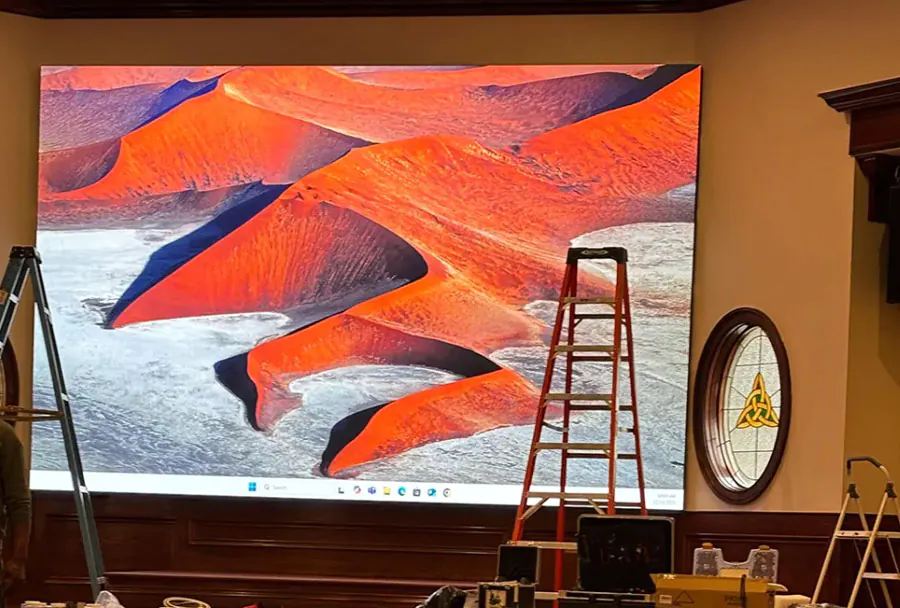
Solution: A 12’ x 6’ LED wall (approx. 21.6 sqm) with P3.9 panels, a compact media server, two wash lights, and a small PA.
Result: Crisp product demos and live presenter close-ups, audience engagement increased by clear visuals; total rental and crew costs came in under a conservative budget, while post-event sponsor feedback cited the video quality as a differentiator.
Checklist: delivering maximum impact on a small budget
– Pre-qualify vendors: Compare pixel pitch, brightness, service reputation, and included tech support.
– Set priorities: Spend on the screen and content first; lighting and audio second.
– Optimize sightlines: Place the screen where the largest share of the audience has unobstructed view.
– Test early: Insist on a tech rehearsal to catch scaling, color, and latency issues.
– Train staff: A small trained crew is more efficient than a larger inexperienced team.
Modular LED screen stages are a game-changer for intimate events. They let planners deliver cinematic visuals, sharpen storytelling, and craft memorable atmospheres without the overhead of large-scale production. By prioritizing pixel pitch appropriate to viewing distances, investing in strong content, and using smart rental and operational strategies, even small budgets can produce big impressions. The key is not simply bringing LED panels into a room, but designing the stage, content, and technical workflow as a unified system that amplifies the event’s message and enhances attendee experience.